FAQ
About Fleece Blankets and Fabric for Home
Fleece
Fleece is a soft and cozy fabric that's perfect for keeping you warm during the colder months. It's made from synthetic fibers, typically polyester, which are woven together to create a plush and insulating material. Fleece is known for its excellent insulation properties, as it traps heat close to your body, providing you with a comfortable and cozy feel. Whether you're lounging at home or venturing outdoors, fleece is a versatile fabric that offers both comfort and style.
Types of Fleece: There are several types of fleece to choose from, each offering its own unique features and benefits. Here are some of the most popular options:
Polar Fleece: Polar fleece is one of the most common types of fleece and is known for its warmth and softness. It is often used in jackets, blankets, and winter accessories due to its ability to provide excellent insulation. Polar fleece is lightweight, breathable, and quick-drying, making it a great choice for outdoor activities and layering during colder weather.
Microfleece: Microfleece is a thinner and lighter version of polar fleece. It is incredibly soft and provides a cozy feel without adding bulk. Microfleece is often used in base layers, pajamas, and lightweight jackets for its moisture-wicking and quick-drying properties. It is a great choice for activities that require a high level of mobility and breathability.
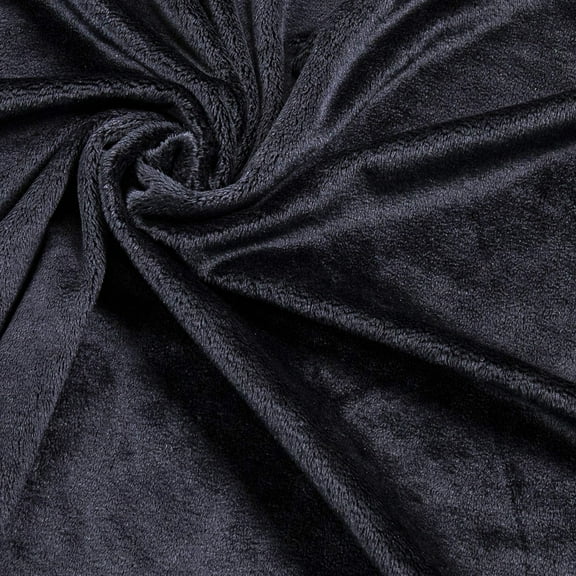
Sherpa Fleece: Sherpa fleece, also known as faux shearling, is a plush and fluffy fabric that mimics the look and feel of sheep's wool. It is typically used in jackets, vests, and blankets for its excellent insulation and luxurious texture. Sherpa fleece is known for its warmth and durability, making it a popular choice for outdoor enthusiasts and those seeking a cozy layer for colder temperatures.
Fleece Care Tips: To ensure the longevity and quality of your fleece garments, here are some care tips to keep in mind:
Machine Wash: Most fleece items are machine washable. However, it is important to check the care label for specific instructions. Use a gentle cycle and cold water to prevent shrinking or damaging the fabric.
Avoid Fabric Softener: Fabric softeners can leave a residue on fleece, reducing its softness and breathability. Instead, opt for a gentle detergent and avoid using bleach or harsh chemicals.
Air Dry or Low Heat: To prevent excessive shrinkage or pilling, air dry your fleece garments whenever possible. If you need to use a dryer, set it to a low heat setting to avoid damaging the fabric.
Storage: When not in use, store your fleece items in a cool, dry place to prevent moisture and mold growth. Avoid hanging fleece garments, as this can stretch the fabric. Instead, fold them neatly and store them in a drawer or closet.