

Flat Bed Truck Straps in Shop Tie Downs And Straps by Vehicle

About Flat Bed Truck Straps in Shop Tie Downs And Straps by Vehicle - Walmart.com
Flatbed truck straps help you secure freight with the control your trailer setup demands. You can compare widths, tensioning styles, hook types, and lengths to match your load.
When you haul lumber, equipment, or palletized cargo, you need tie downs built for flatbed use. You’ll also want webbing and hardware that align with your trailer rails and anchor points.
How to choose flatbed truck straps
You should start with working load limit, because your cargo weight determines the strap class you need. You can also check break strength ratings to compare overall strap construction.
For flatbed truck straps, you’ll usually compare polyester webbing because it holds tension well during long hauls. You’ll also notice it handles weather exposure and daily abrasion from edges and rub rails.
- You can use wider straps to spread pressure across larger cargo surfaces.
- You can choose ratchet or winch styles based on your trailer setup and routine.
- You can match flat hooks, wire hooks, or chain anchors to your securement points.
- You can select 27 ft, 30 ft, or 40 ft lengths for common trailer applications.
Another key benefit is consistency during repeat loads, especially when you secure similar freight each week. You can standardize strap width, hook style, and length across your trailer.
You’ll also gain faster setup when your straps fit your rub rails and winches correctly. Your securement process stays more predictable when each component matches your equipment.
Choosing strap width and WLL
You should compare 2-inch, 3-inch, and 4-inch webbing based on load size and contact area. You’ll often use wider straps when you need broader coverage across larger freight.
A 2-inch strap can suit lighter securement tasks or tighter spaces around cargo. A 4-inch strap can give you more webbing surface where broad contact matters.
You should always review WLL before you choose straps for flatbed trucks. You’ll want ratings that align with your load plan, not just the strap’s overall break strength.
Break strength tells you the strap’s larger tested capacity, while WLL guides everyday securement decisions. You can use both numbers together when you compare options for repeated hauling.
Comparing flatbed truck ratchet straps and winch straps
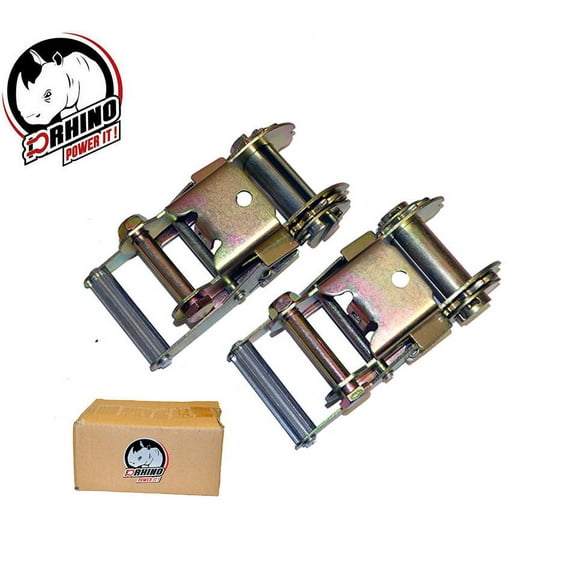
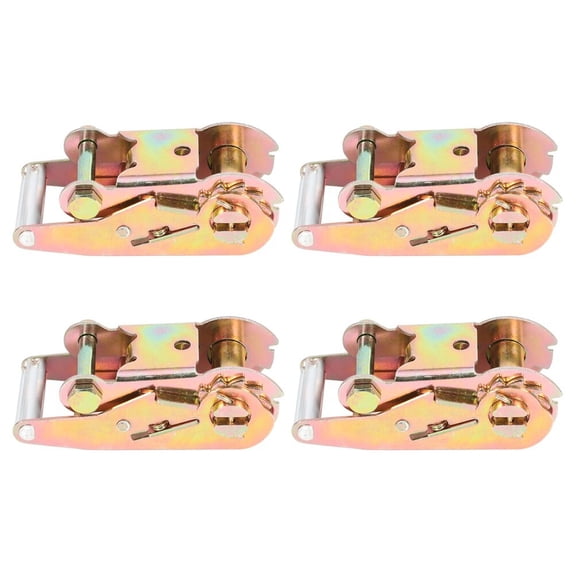
You can choose flatbed truck ratchet straps when you want built-in tensioning on the strap assembly. You’ll tighten them by hand with a ratchet mechanism instead of a trailer winch.
Winch straps work with installed trailer winches, so you can tension cargo through your trailer hardware. You may prefer this setup when your flatbed already uses a winch track system.
If you run mixed trailers, you should check whether ratchet or winch gear fits your equipment lineup. You can avoid fit issues when your tensioning style matches your trailer hardware.
For many loads, you’ll also compare handle access and tightening clearance around cargo. You’ll want enough space to tension each strap without awkward angles.
Matching end fittings and length to your trailer
You should compare flat hook, wire hook, and chain anchor ends based on your trailer rails. You’ll get a cleaner fit when your hooks match your rub rail clearance.
Flat hooks can work well when you want broad contact on compatible rub rails. Wire hooks can help when you need narrower access around side rails or tighter anchor points.
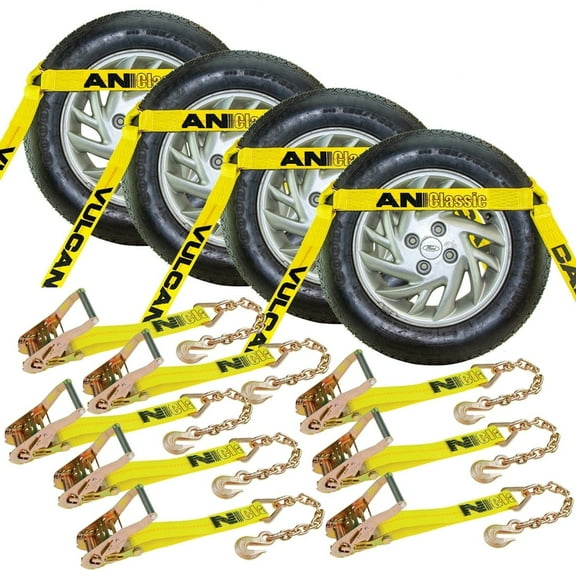
Chain anchors can suit setups where your trailer or cargo securement uses chain-compatible hardware. You should check hardware compatibility before you choose this end fitting style.
Length matters too, because your strap needs enough reach for your cargo height and trailer width. You can compare 27 ft, 30 ft, and 40 ft options for common flatbed trailer setups.
A 27 ft strap can work for many standard loads with moderate wrap needs. A 40 ft strap can give you extra reach when your cargo stack sits taller.
Using straps for flatbed trucks in real hauling situations
You might use flatbed truck tie downs for machinery, bundled building materials, or shrink-wrapped pallets. You’ll want strap width and hook style that fit both the load and trailer points.
For steel, lumber, or crated freight, you may need abrasion-resistant webbing that stands up to repeated contact. You can also pair your straps with edge protection when cargo corners are sharp.
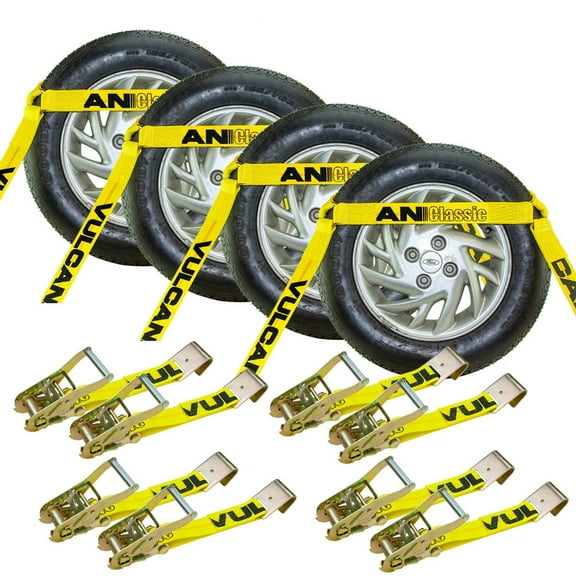
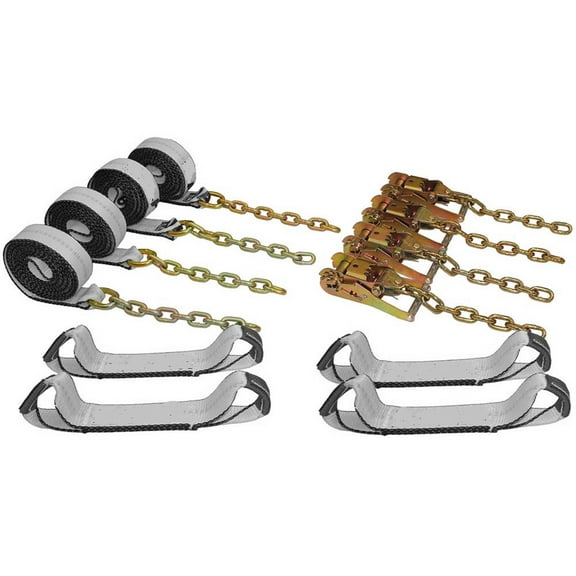
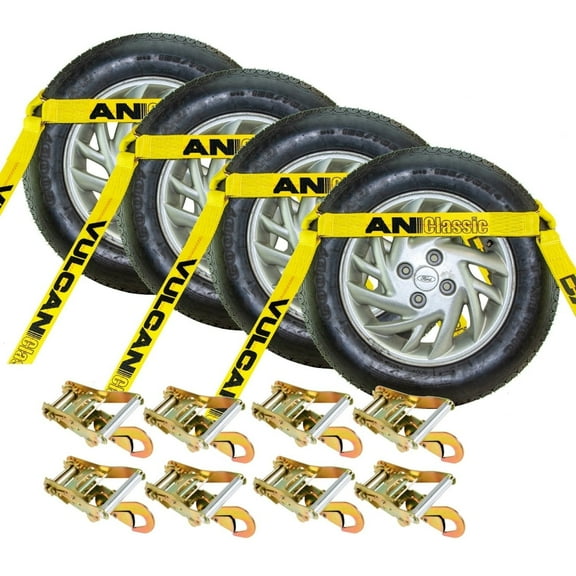
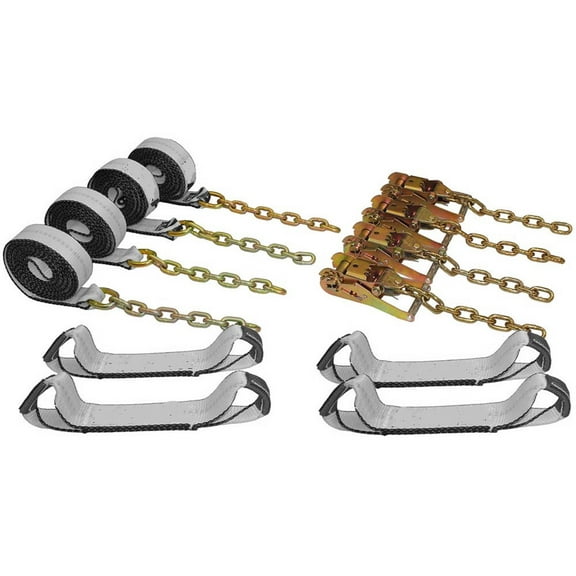
If you secure vehicles or wheeled equipment, you may also compare flatbed wheel straps for tire contact. You’ll want length and end fittings that work with your trailer anchors.
During long routes, you should look for weather-resistant polyester that keeps its shape in changing conditions. You’ll appreciate webbing that stays manageable during loading, tightening, and unloading.
You can also coordinate your securement setup with ratchet straps, winches, and other trailer accessories. Your trailer works more efficiently when each piece supports the same tie-down method.
With the right flatbed truck straps, you can match WLL, width, hardware, and length to your hauling routine. You’ll get a more consistent securement setup that fits your trailer and freight.