




Fishing Waders for Men & Women | Chest & Hip Waders






















About Fishing Waders for Men & Women | Chest & Hip Waders - Walmart.com
Fishing waders help you stay dry, steady, and focused when you step into streams, rivers, marshes, or shoreline shallows. You can compare chest coverage, material feel, and footwear style here, so your setup matches your water, weather, and casting plan.
You may search for waders for fishing when you need dependable waterproof coverage without guessing through technical details. You’ll also find guidance that explains chest, hip, and pant designs in plain language, so your next pick feels practical from the first outing.
How to choose fishing waders
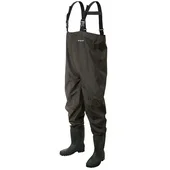
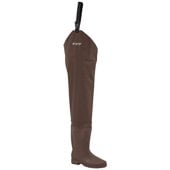
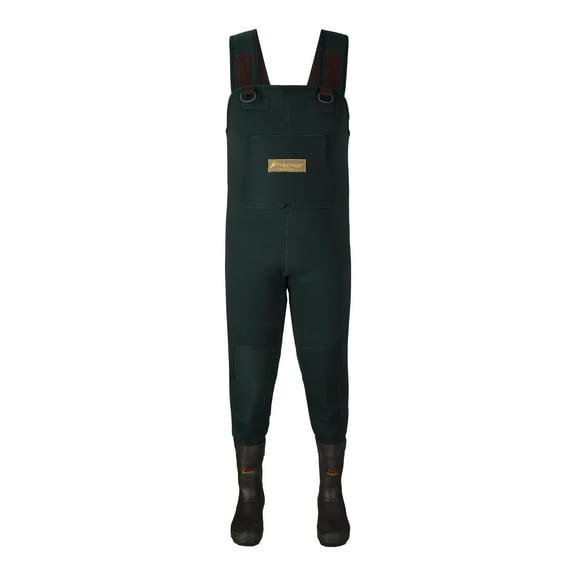
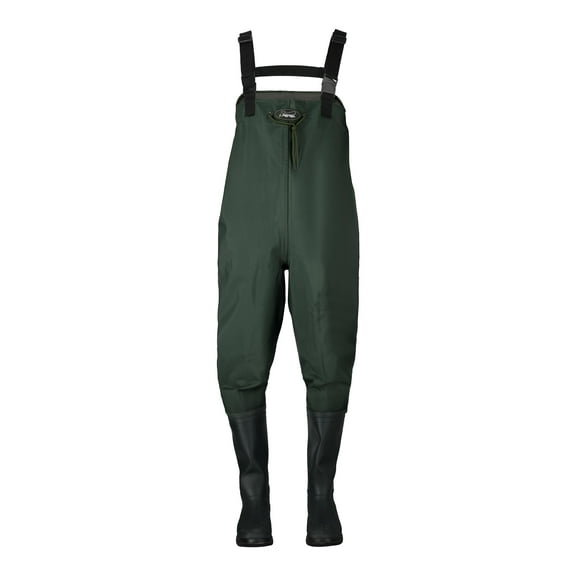
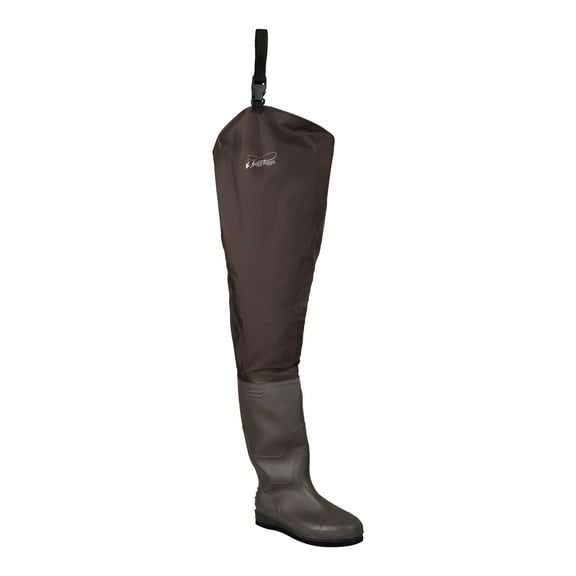
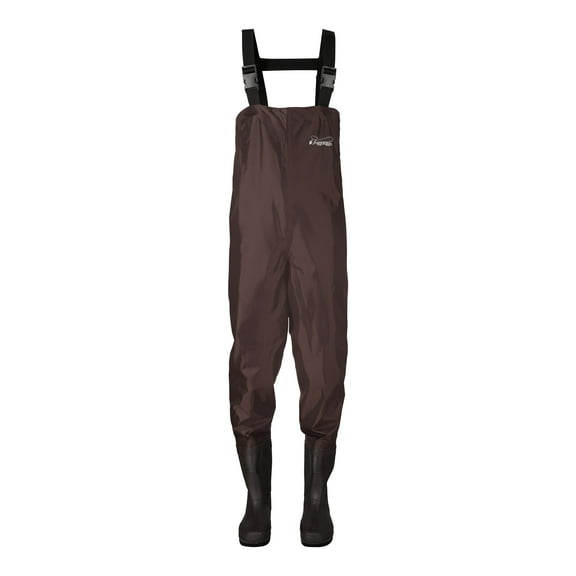
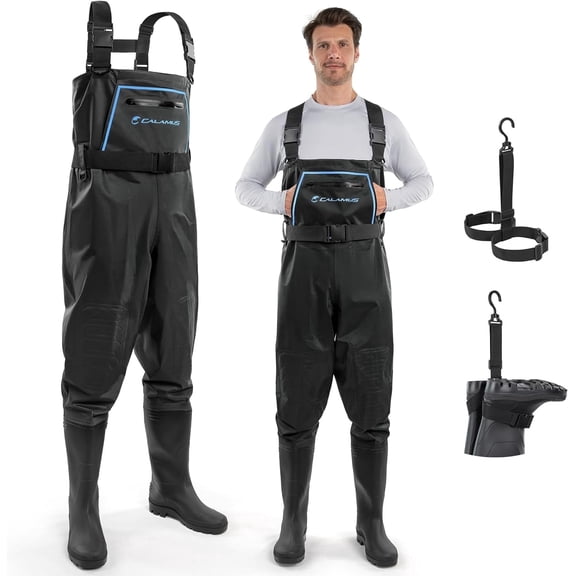
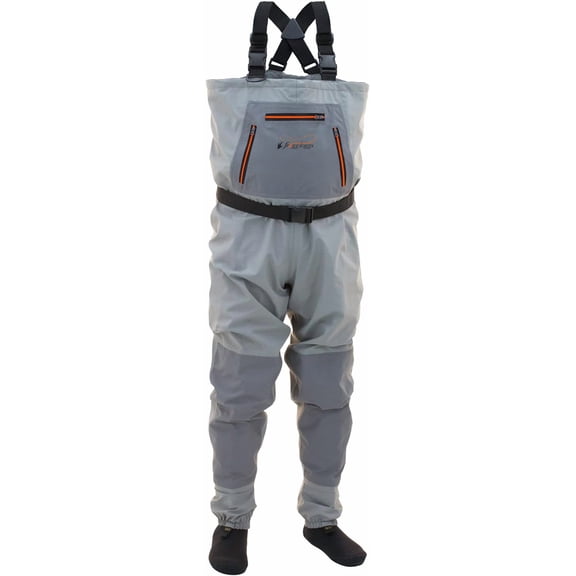
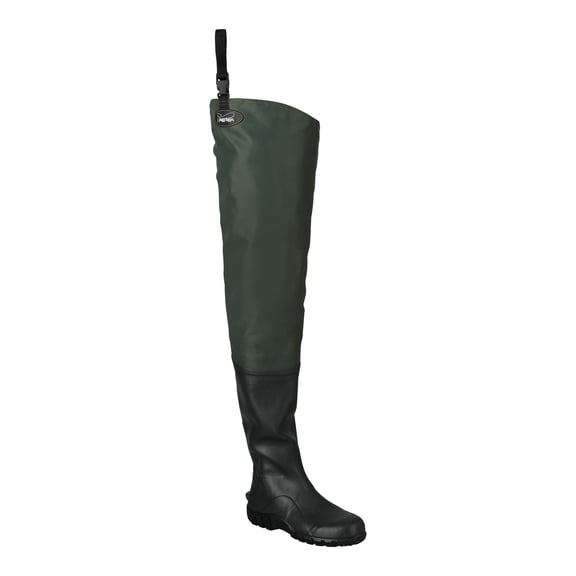
You’ll want to start with wader type because coverage changes how you move through current, mud, and brush. You can choose chest waders for deeper water, hip waders for lighter coverage, or pant waders for a flexible in-between fit.
Chest waders give you higher protection when you’re wading deeper runs or handling changing water levels. You may prefer hip waders when you’re crossing shallow banks, scouting edges, or moving quickly between spots.
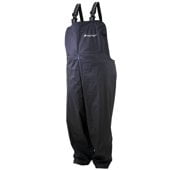
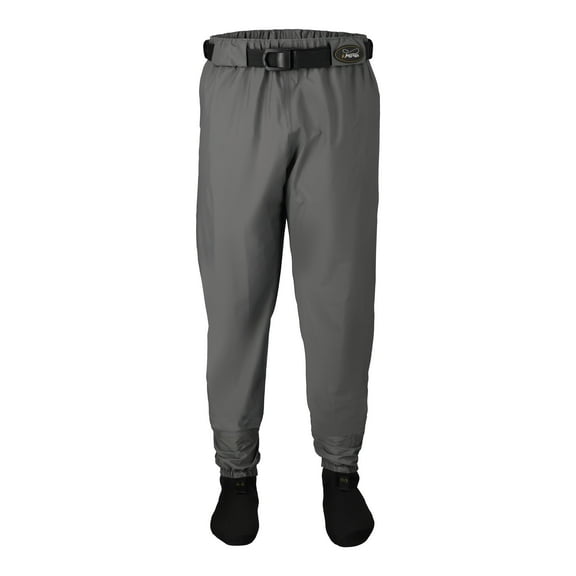
Pant waders suit days when you want less bulk around your upper body but still need waterproof leg coverage. You can use them when stream access involves walking, climbing banks, or covering mixed terrain.
You’ll notice that the right style can improve comfort during long casts, shoreline setups, and repeated entries into cold water. You can narrow your choice faster when you match coverage to depth, weather, and how far you’ll walk.
- You can choose chest waders for deeper water and fuller coverage.
- You may choose hip waders for lighter movement in shallow areas.
- You can choose pant waders when you want leg coverage with less upper-body bulk.
- You’ll match material and footwear style more easily once you pick your coverage level.
Choosing material and footwear style
You’ll want to compare neoprene, breathable nylon, and rubber because each material changes warmth, flexibility, and overall feel. You can use those differences to match your season, your pace, and the kind of water you enter.
Neoprene works well when you expect cold weather wading and want added insulation around your legs and torso. You may also compare millimeter thickness, because thicker neoprene usually feels warmer and heavier in cold conditions.
Breathable nylon fits active days when you hike to access points, cover distance, or fish in milder temperatures. You can also compare denier ratings, because higher denier fabric usually means a tougher outer surface.
Rubber can make sense when you want simple waterproof coverage for muddy banks, pond edges, or occasional use. You may prefer it for straightforward utility, especially when your route involves less hiking and more stationary fishing.
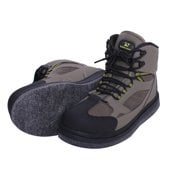
You’ll also need to choose between bootfoot and stockingfoot designs before you head into the water. You can wear bootfoot waders with integrated boots, while stockingfoot waders require separate wading boots.
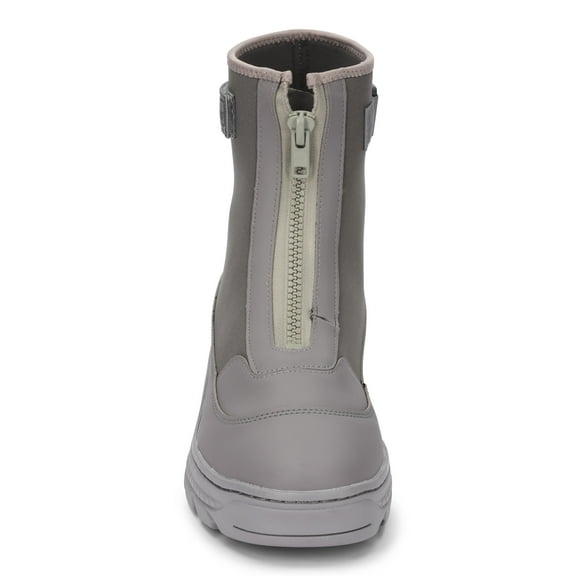
Bootfoot styles simplify your setup because you can step in and go without matching extra footwear. You may like them for muddy launches, cold mornings, and situations where fast gear changes matter.
Stockingfoot styles give you more flexibility because you can pair them with separate wading boots that match your traction needs. You can use that setup when you want a more customized fit for rocky bottoms or longer walks.
Checking fit, sizing, and comfort for waders for fishing
You’ll want to measure carefully because fit affects movement, layering room, and how naturally your waders sit while you cast. You can check inseam, chest girth, and shoe size to find a shape that aligns with your build.
A proper inseam helps you move without extra bunching around your legs and knees. You may notice easier stepping, climbing, and bank access when your length matches your stride.
Chest girth matters when you plan to layer over base pieces or insulated clothing in colder water. You can choose enough room for movement without creating a loose, bulky feel through your torso.
Shoe size becomes especially important when you compare bootfoot and stockingfoot options across different conditions. You’ll want enough space for socks or separate boots, while still keeping a stable, secure feel.
You may hear fishing waders called fishing waiters or even waiters for water in casual searches online. You can focus on the same essentials either way, which are coverage, material, fit, and the footwear setup you’ll actually use.
Matching your waders to fishing conditions
You’ll get more from your gear when you match it to your environment instead of choosing by appearance alone. You can use chest height, fabric type, and boot style to support fly fishing, marsh access, and cold water outings.
For fly fishing, you may want breathable nylon with stockingfoot construction when your day includes walking and repeated casts. You can pair that setup with separate wading boots for traction on uneven river bottoms.
For cold weather wading, you may lean toward neoprene and a roomier fit for layers underneath. You’ll likely appreciate that setup when water temperatures stay low and your time outside stretches across early mornings.
For waterfowl hunting or muddy shoreline access, you may prefer bootfoot designs that simplify entry and cleanup. You can step through wet ground more easily when your boots are built into the wader.
You may also look for waders in store when you want quick pickup or want to compare sizes with less delay. You can also shop on Walmart.com when you want to review materials, coverage styles, and footwear options at your pace.
You’ll feel more confident choosing fishing waders when you compare depth, weather, walking distance, and boot preference together. You can narrow the field quickly and end up with waterproof coverage that fits your fishing routine from the start.