












Fish Finders in Fishing


















About Fish Finders in Fishing - Walmart.com
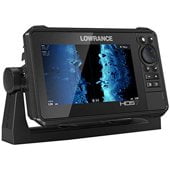
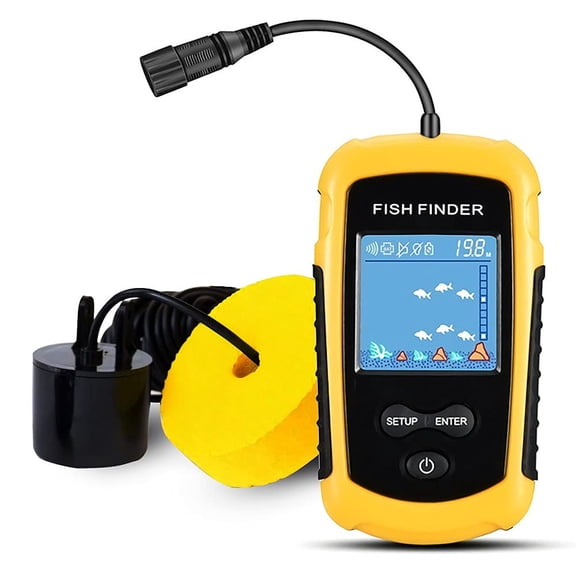
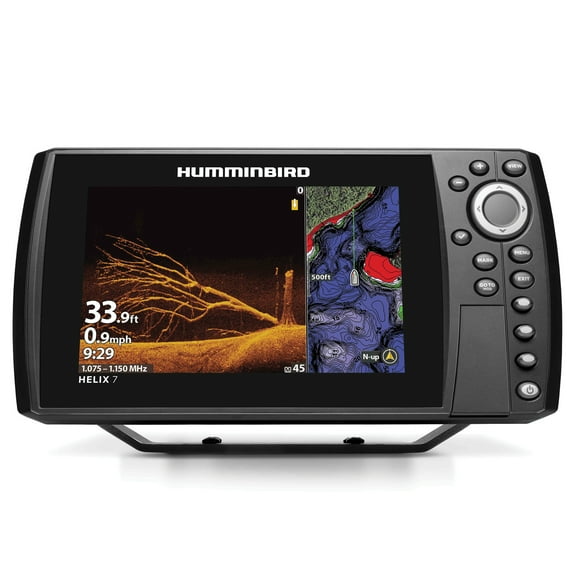
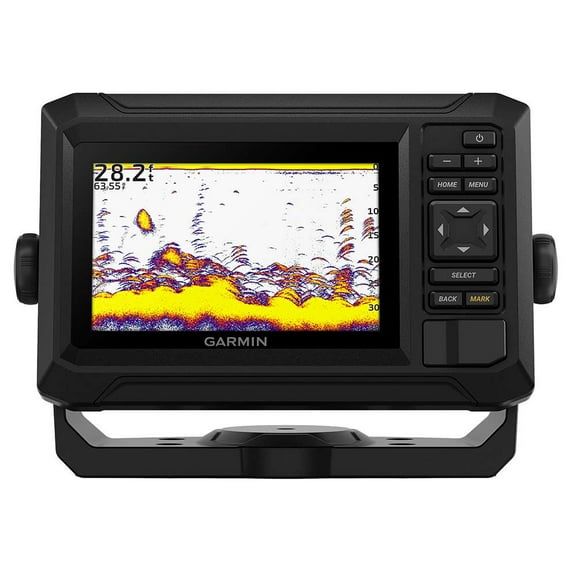
Fish finders help you read water faster, mark structure, and stay on active fish with clearer sonar and mapping choices. You can compare display type, sonar technology, mount style, power source, and use case to match your setup.
How to choose fish finders by display and sonar
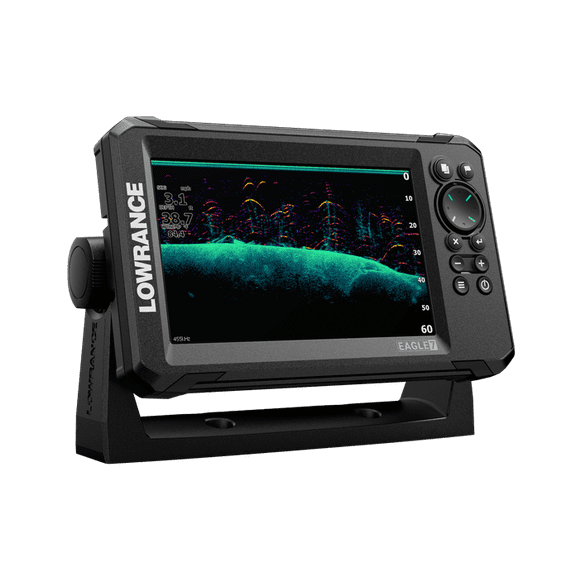
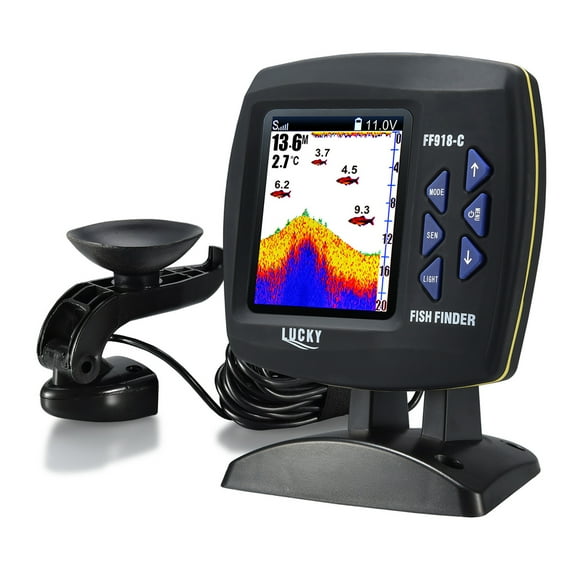
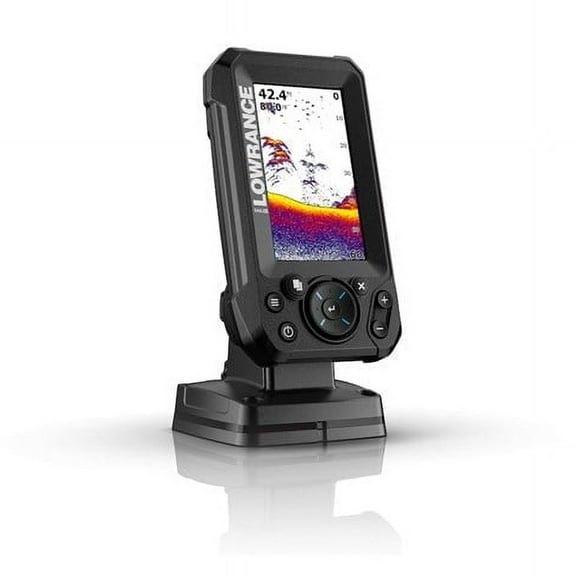
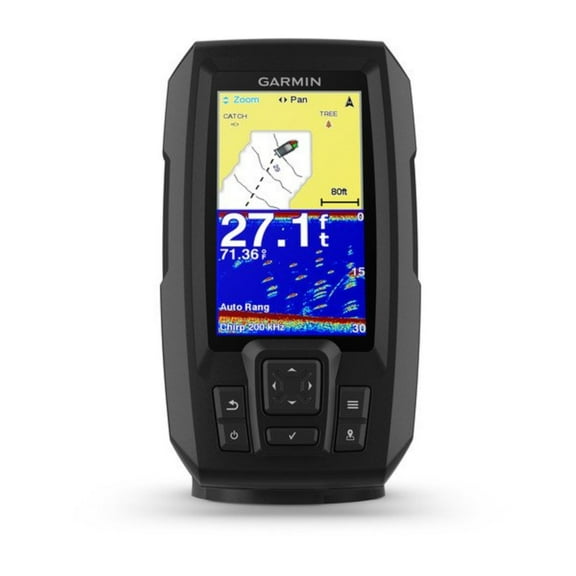
When you compare screens, you should look at visibility first. You’ll usually find Color LCD, monochromatic, and touchscreen displays built for different lighting and control preferences.
If you fish in bright sun, you may prefer a Color LCD for clearer contrast and map detail. If you want simple readouts, you may lean toward monochromatic screens with straightforward menus.
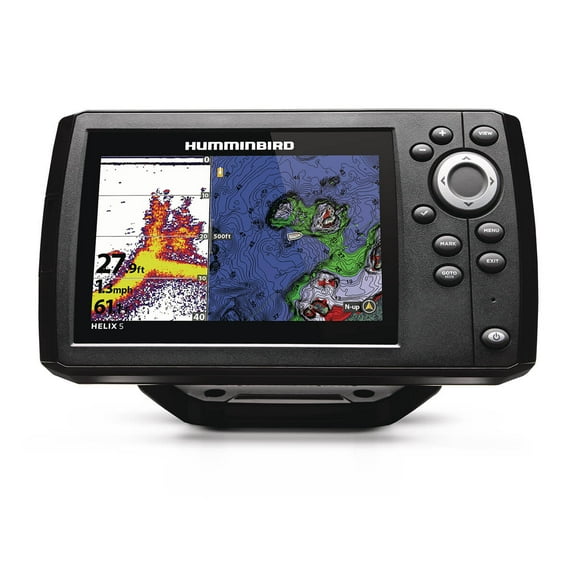
Touchscreen models can help you move through charts, waypoints, and split-screen views with fewer button presses. You should also check screen size and resolution before you choose a unit.
A larger screen helps you view sonar and marine GPS data at the same time. You’ll often find that higher resolution makes bait, bottom changes, and contour lines easier to separate.
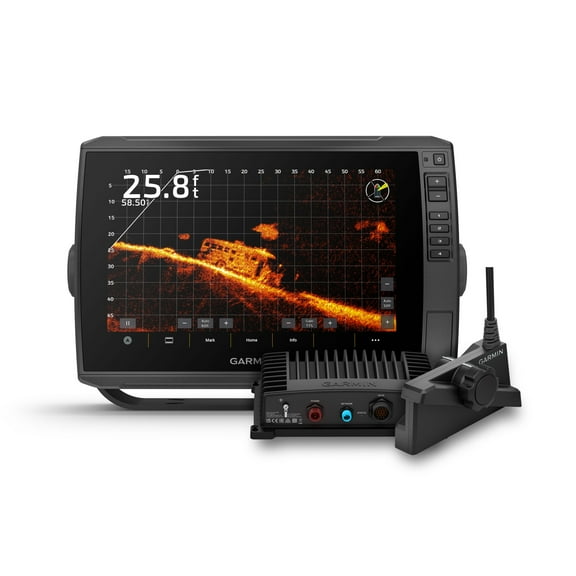
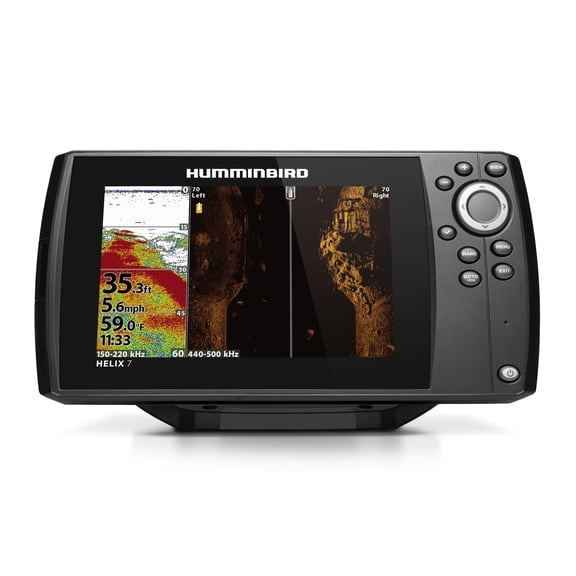
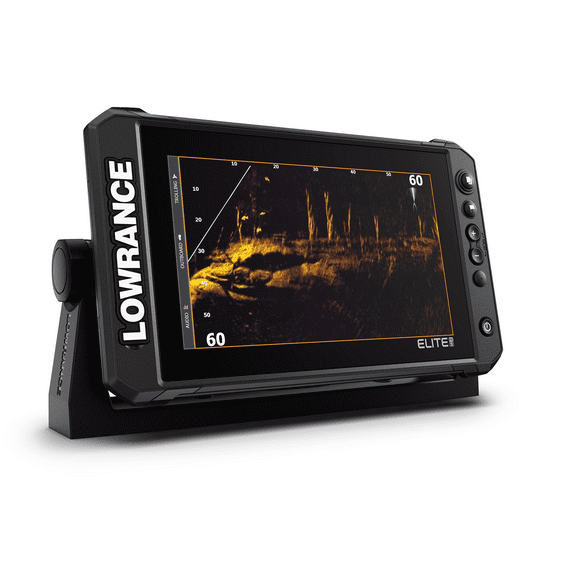
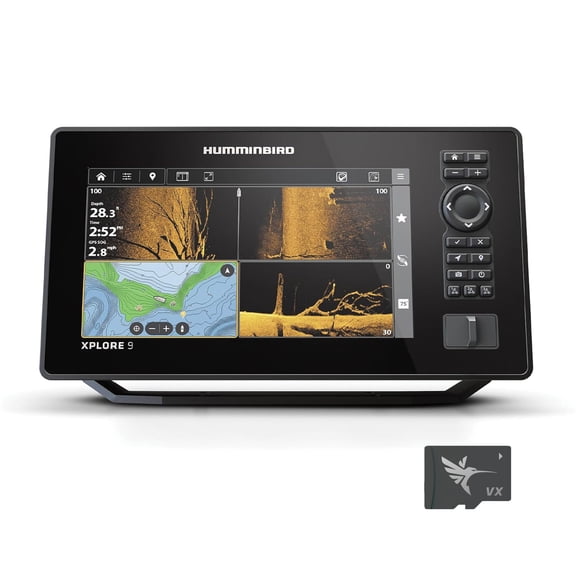
Sonar type matters because you’ll use it differently in shallow cover, open water, and deeper channels. You should compare CHIRP, Down Imaging, Side Imaging, and Dual Beam before you decide.
- You can use CHIRP sonar when you want cleaner target separation and more detail across changing depths.
- You can use Down Imaging when you want a sharper look straight below your boat or kayak.
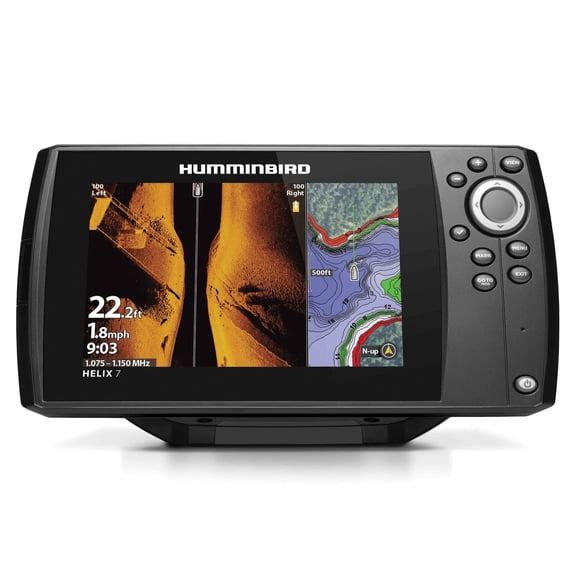
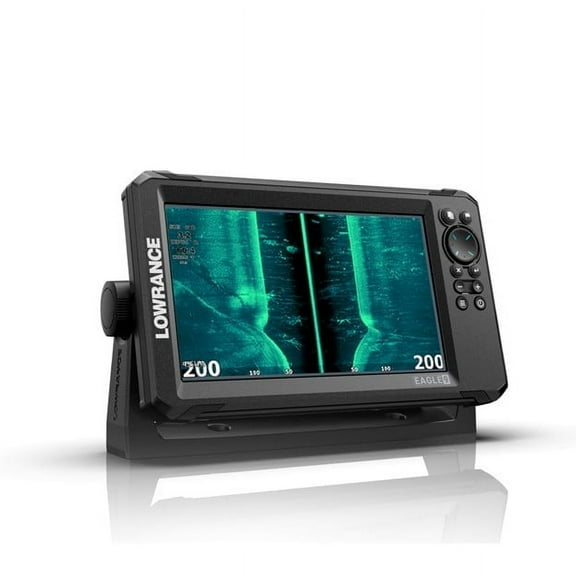
- You can use Side Imaging when you want to scan structure, weed lines, and cover off both sides.
- You can use Dual Beam when you want flexible coverage for general searching and routine depth checks.
If you fish docks, brush, or shoreline breaks, you may appreciate how side-looking views reveal nearby structure. If you fish vertical presentations, you may prefer the direct detail of Down Imaging.
Choosing gps fish finders and depth finders for your setup
When you compare depth finders and gps fish finders, you should start with your boat, power source, and mounting plan. You’ll want a unit that fits your hull, your battery setup, and your fishing routine.
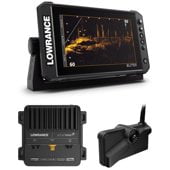
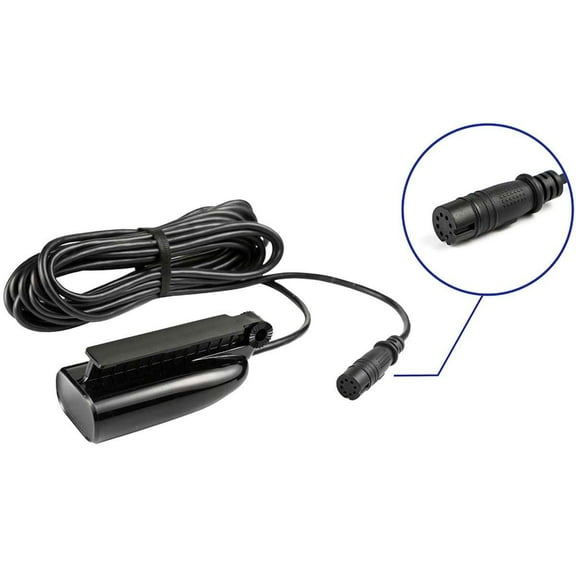
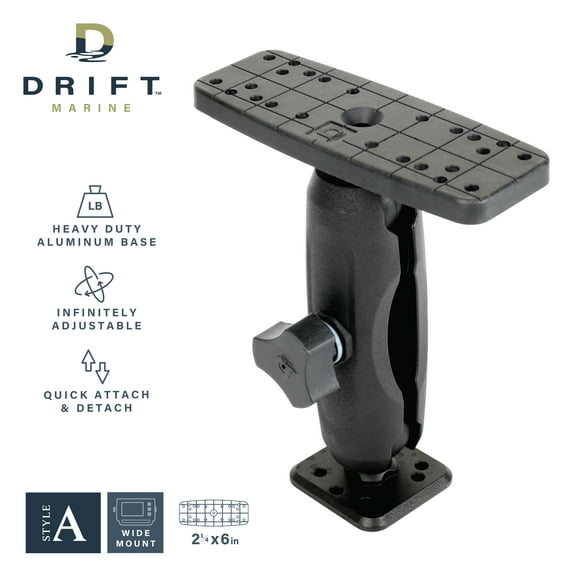
For permanent installation, you can compare transom mount and in-hull mount options. You should check transducer compatibility, frequency support, and mounting location before you commit.
Transom mount units can suit many fish finders for boats because you can position the transducer at the stern. In-hull options can appeal when you want a cleaner exterior profile on certain hulls.
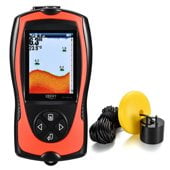
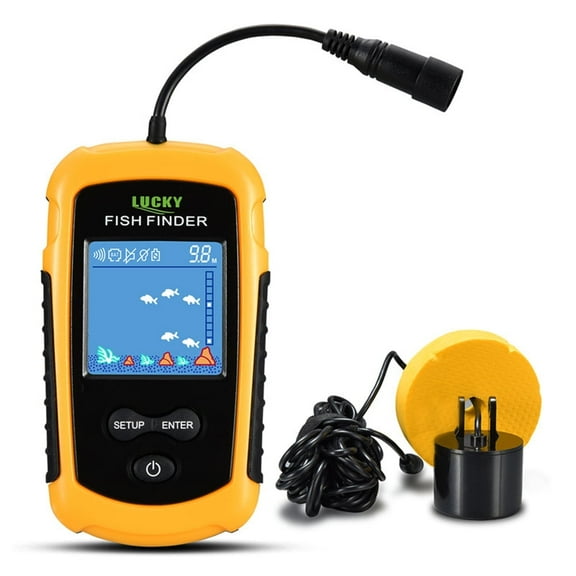
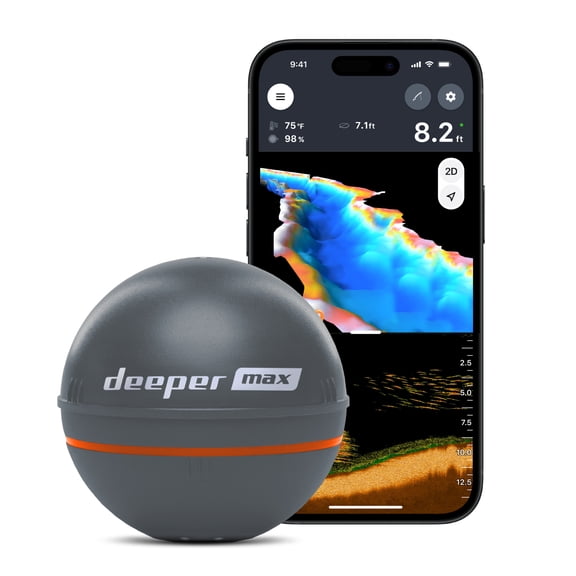
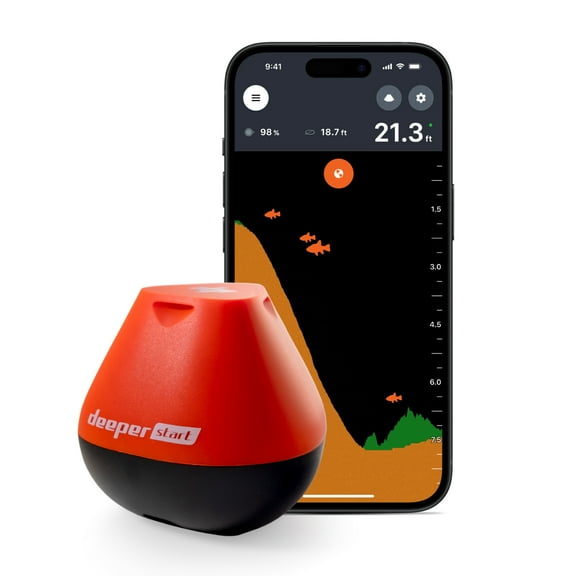
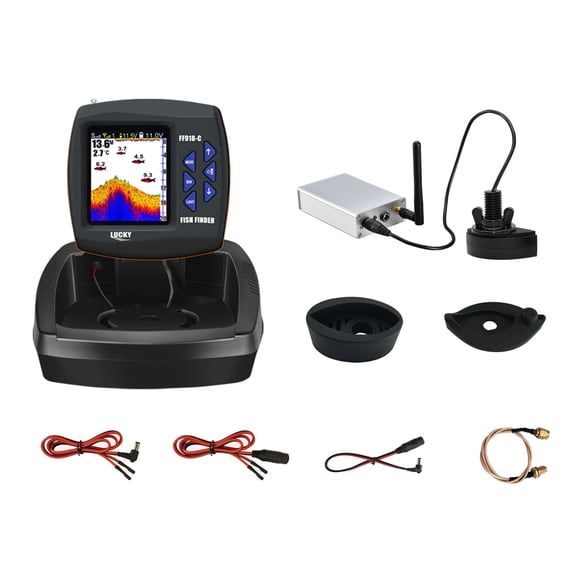
If you move between boats or fish from shore, portable fish finders can give you more flexibility. You may also consider castable sonar when you want to scan from docks, banks, or small craft.
Power source affects where and how long you fish. You can compare 12V battery units, rechargeable models, and AA battery options based on your trip length.
A 12V battery setup often suits larger boats with dedicated marine electronics space. Rechargeable and AA battery units can make more sense when you want lighter, portable fish finders.
GPS features can change how you return to productive spots. You should look for waypoint plotting, preloaded maps, and micro-SD expansion if navigation matters to you.
Waypoints help you mark brush piles, drop-offs, and channel edges for your next trip. Preloaded maps and expandable chart storage can help you keep more waters and routes available.
Matching kayak fish finders, portable fish finders, and seasonal needs
Your use case should guide your final choice because size, power, and mounting can change on every trip. You can narrow options quickly by matching the unit to your water and craft.
For kayak fishing, you may prefer kayak fish finders with compact screens and lighter power needs. You should measure deck space and confirm that the transducer mount fits your hull style.
If you fish from a bass boat, you may want a wider screen for split views. You can follow contour lines, mark offshore structure, and keep sonar beside marine GPS mapping.
For deep sea trips, you should check sonar capability across deeper water and changing bottom conditions. You may also want GPS mapping tools that help you repeat productive offshore routes.
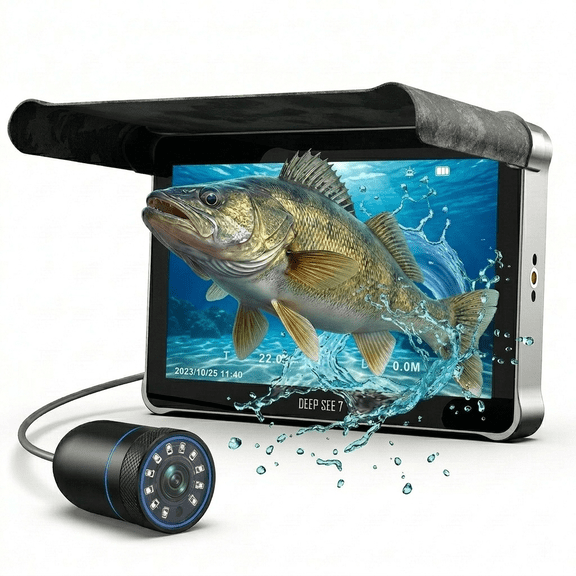
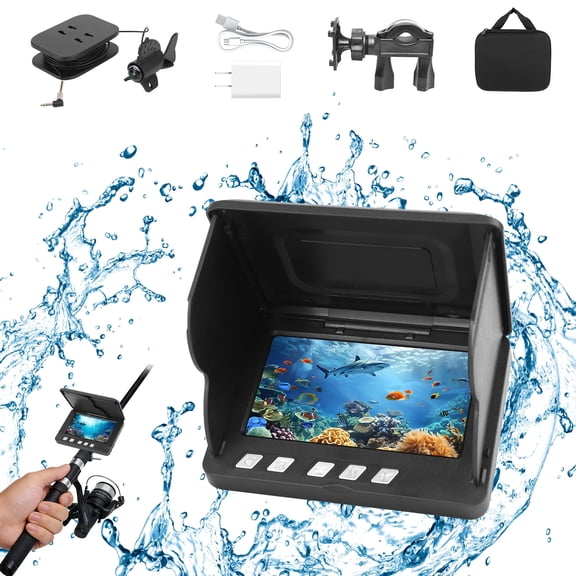
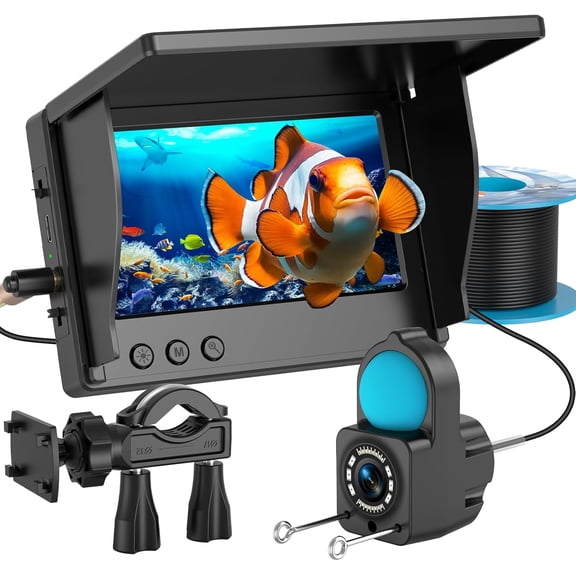
During winter, ice fishing fish finders and ice fish finders can fit shorter sessions and mobile setups. You can focus on portability, battery format, and easy screen viewing in cold-weather shelters.
If you rotate between seasons, a rechargeable or portable unit can simplify storage and transport. You may also like castable sonar when you want quick scouting without permanent installation.
When you compare fish finders across use cases, you should think about how you actually fish each week. You’ll make a smarter choice when your display, sonar, mount, and power source all match.
What to look for before you choose fish finders
You should confirm that your transducer works with your mounting plan and intended frequency range. You’ll also want to check whether your screen can show maps and sonar clearly together.
If you want fewer tradeoffs, you can compare display type, sonar mode, GPS tools, and battery format side by side. You’ll feel more confident on the water when your unit matches your boat, your water depth, and your fishing style.