

Shop Fish Tanks & Aquarium Starter Kits for Home & Office



























About Shop Fish Tanks & Aquarium Starter Kits for Home & Office - Walmart.com
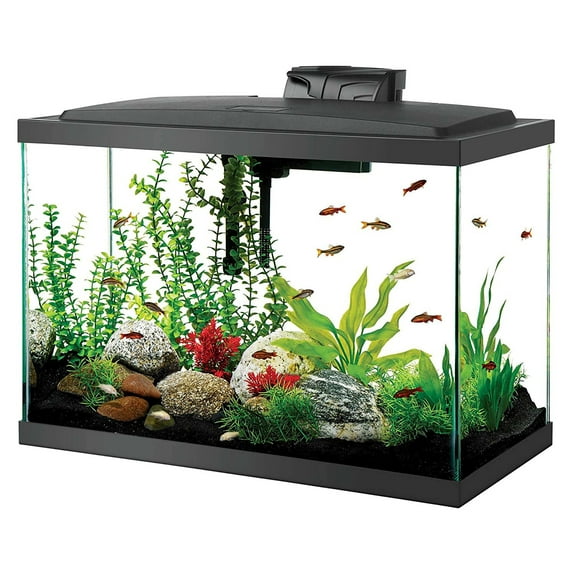
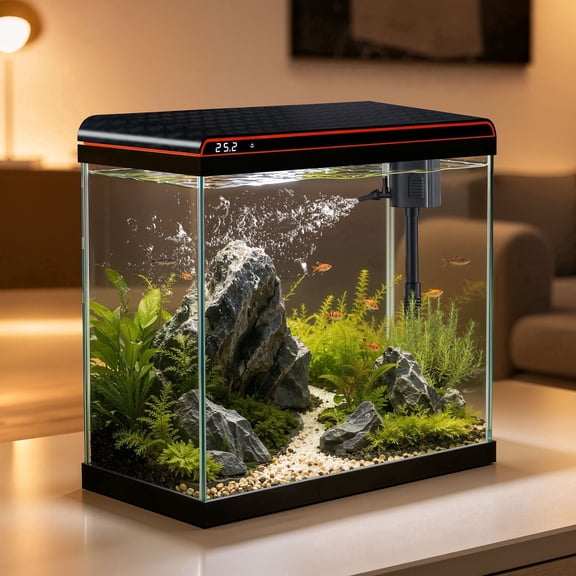
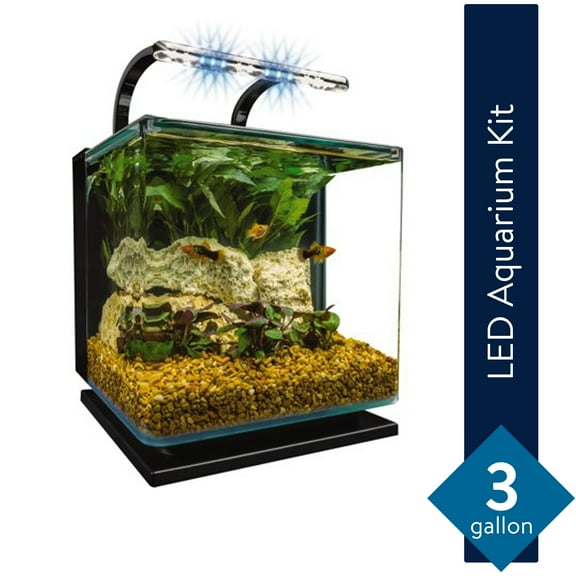
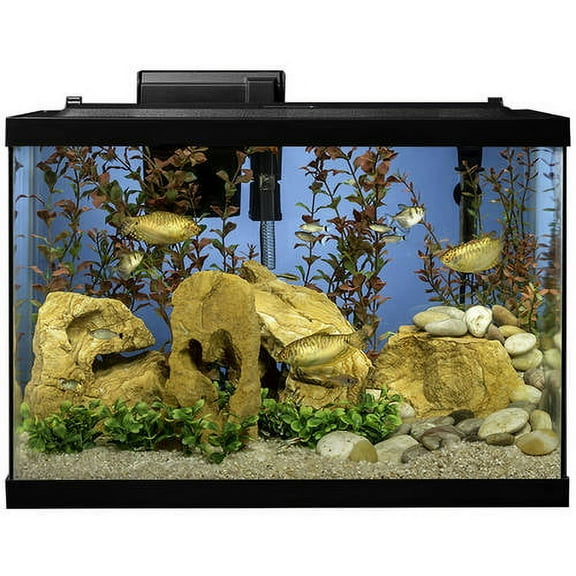
You can compare fish tanks by gallon size, material, shape, and setup style to fit your space and your aquarium plan. You can find options for beginner setups, planted freshwater layouts, and larger displays with room for filtration, décor, and swimming space.
Choosing fish tanks by size and shape
When you compare tank size first, you can narrow your options faster and avoid a setup that feels cramped on your stand. You can usually see small fish tanks for compact rooms and large aquariums for feature walls or multi-fish communities.
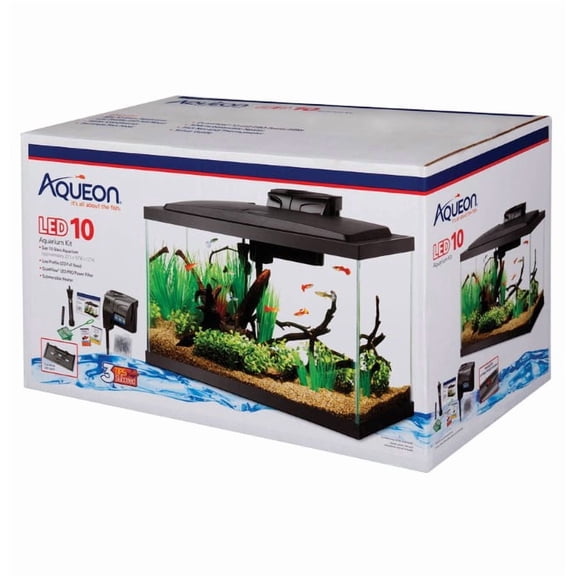
A 10 gallon fish tank can suit desks, bedrooms, or a first setup where you want a manageable footprint. A 20 gallon tank gives you more decorating room and steadier water conditions for everyday care.
If you want a larger display, 55 gallon and 75 gallon sizes give you longer swimming lanes and more space for equipment placement. You also get room for gravel depth, background plants, and taller ornaments.
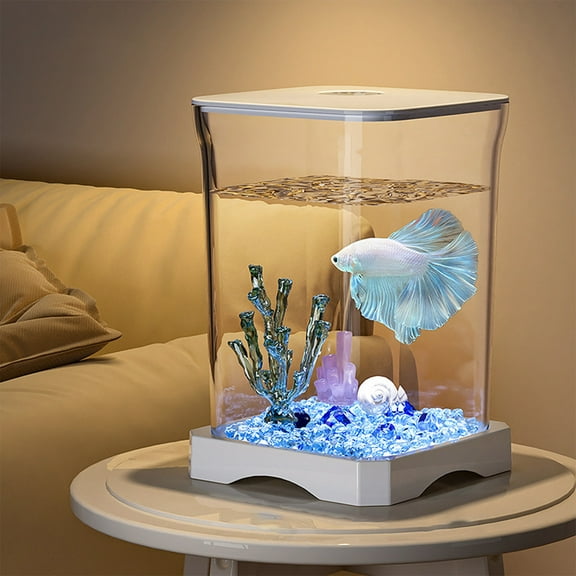
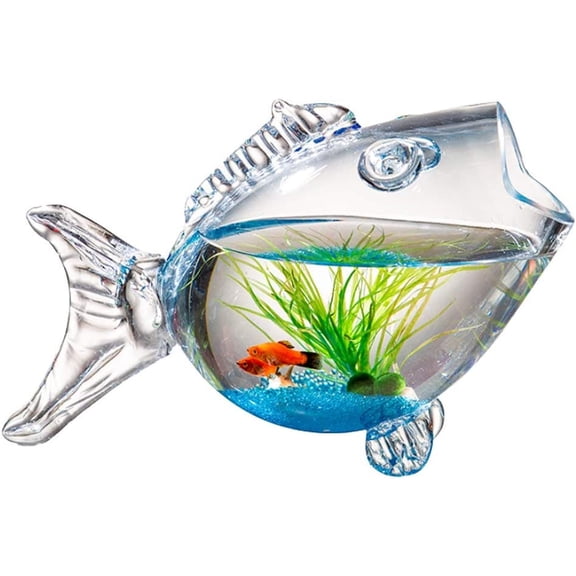
Shape matters because it changes your viewing angles and your usable swimming space inside the tank. You can often choose rectangular tanks for wider layouts, while bowfront, hexagonal, and column styles create a different visual focus.
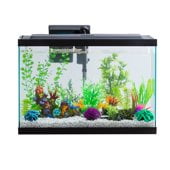
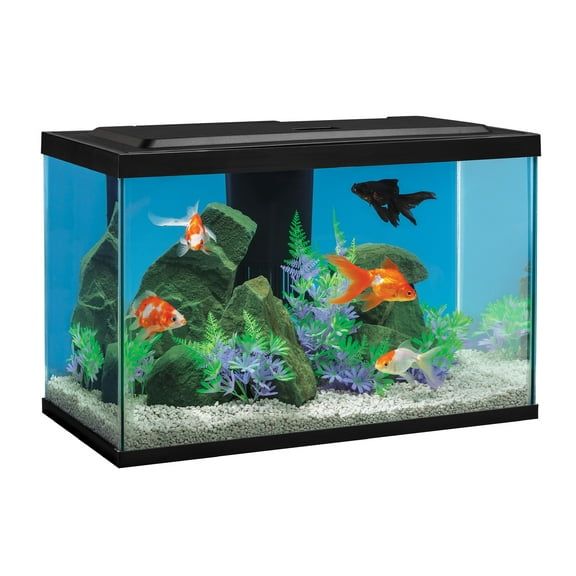
- You can use rectangular aquarium tanks when you want broad surface area and flexible equipment placement.
- You may choose bowfront styles when your décor calls for a curved front and a wider viewing window.
- You can consider hexagonal or column designs when you want vertical presence in a tighter floor area.
Comparing glass fish tanks and acrylic fish tanks
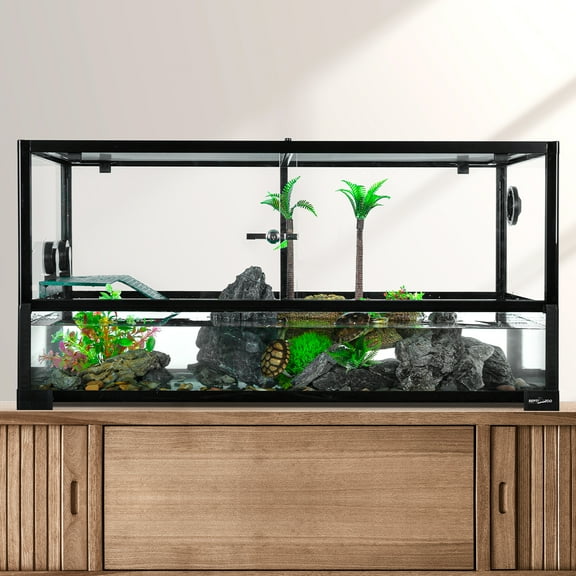
When you compare materials, you should think about weight, scratch visibility, and how often you move the tank. You may notice that glass fish tanks feel sturdy and keep a clear, flat viewing panel.
Acrylic fish tanks are usually lighter, so you may prefer them if you plan to reposition your setup. You can also find acrylic useful when you want curved shapes, though you should check how you clean the surface.
Glass can resist everyday surface scratches well, which helps if you clean panels often or place décor close to the walls. You should handle acrylic with care because marks can show more easily.
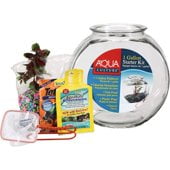
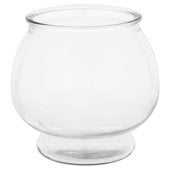
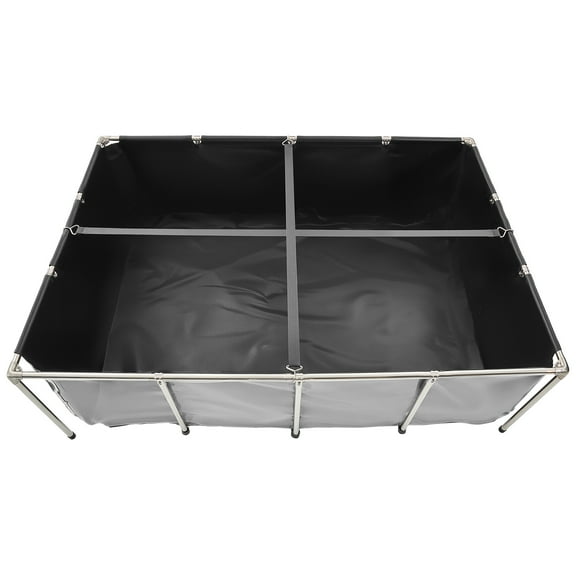
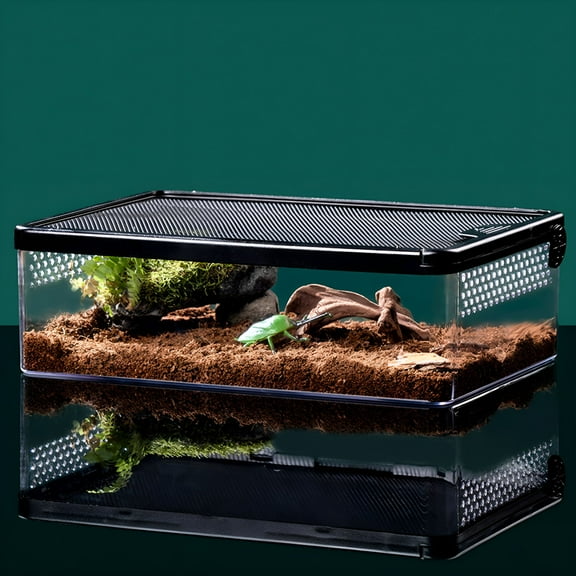
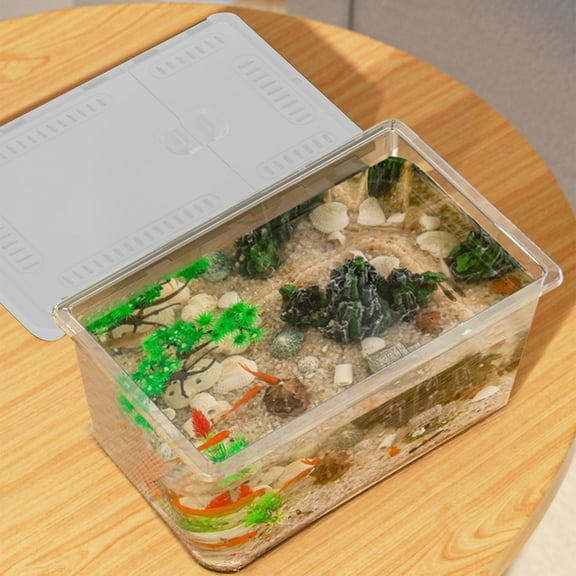
Plastic tanks can work for very small displays or short-term setup needs, but you should compare size limits and included parts carefully. You can usually turn to glass or acrylic for long-term fish aquariums and highly advanced layouts.
Deciding between tank only and fish tank starter kits
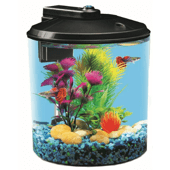
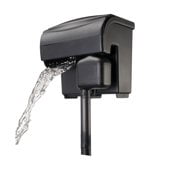
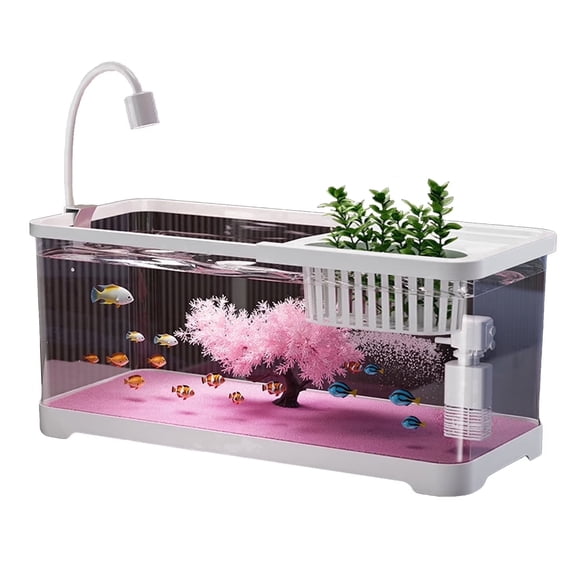
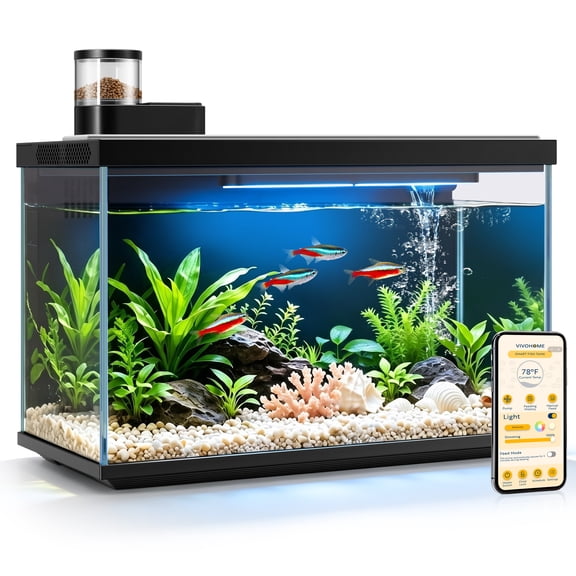
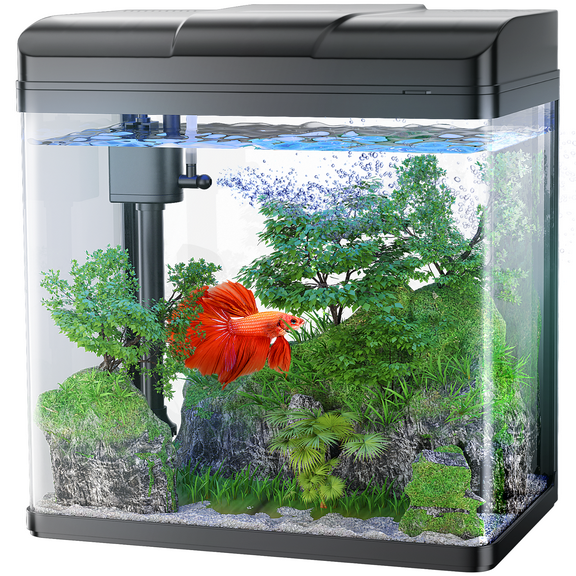
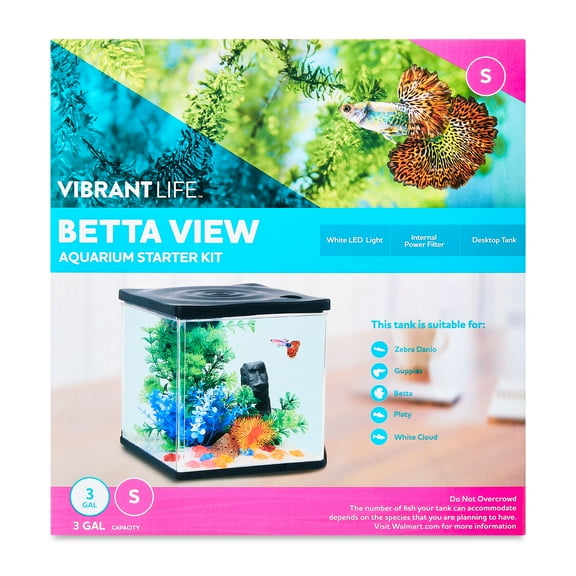
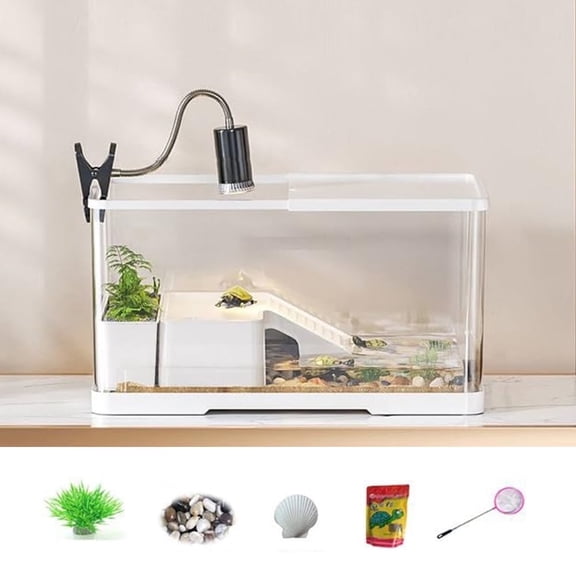
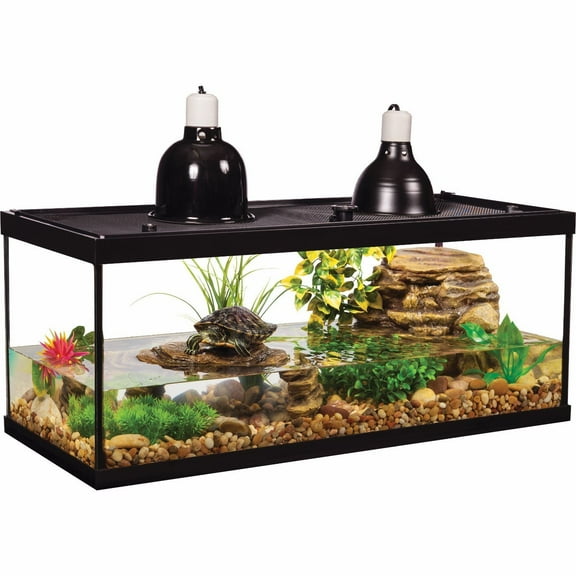
You can simplify setup when you choose fish tank starter kits that bundle key equipment in one package. You often get essentials like filtration, lighting, and a hood, which can make your first aquarium purchase easier.
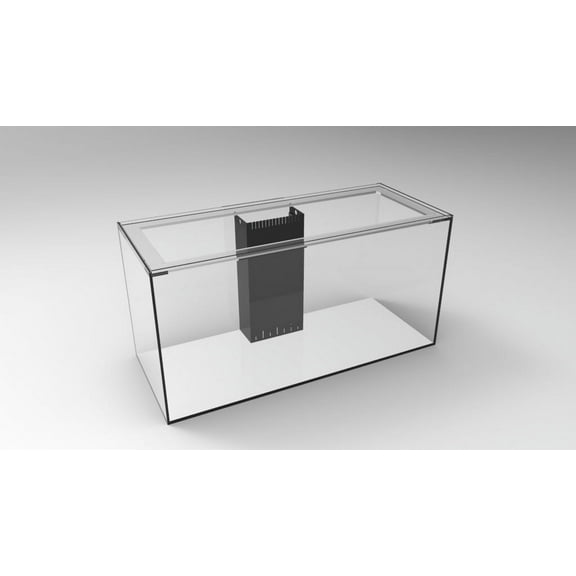
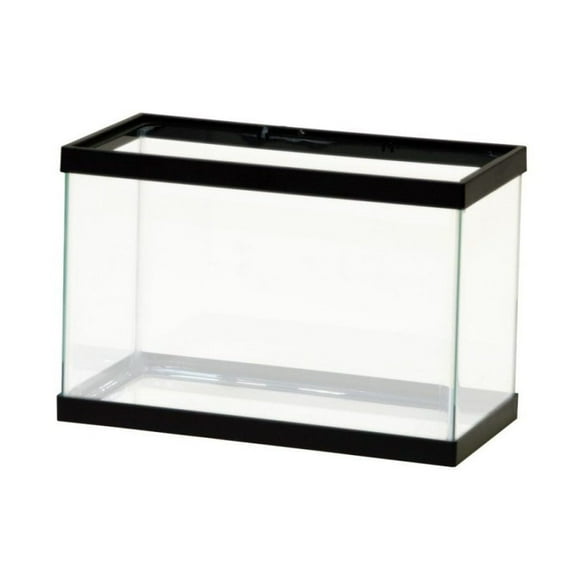
If you already know the components you want, a tank-only option gives you more control over each add-on. You can pair separate filters, heaters, lids, and lights with the tank dimensions you prefer.
Complete setup options can help you match size and equipment without guessing which pieces fit together. You should check whether your setup includes space for filter access, cord routing, and feeding openings.
When you compare kits, look at what supports your intended environment instead of focusing on one included part. You should match filtration, lighting, and heating with your freshwater, saltwater, or reef plans.
Checking whether aquarium tanks fit freshwater, saltwater, or reef use
You should choose your tank with your water type in mind because equipment needs can change quickly. You can often start more simply with freshwater, while saltwater and reef systems call for added planning.
Freshwater tanks can be a practical starting point when you want straightforward décor, common filter options, and flexible stocking ideas. You have many choices in gravel, plants, and everyday accessories for these setups.
For saltwater aquarium plans, you should check tank construction, lid compatibility, and space for added equipment. You may want room for protein skimmers, stronger flow, and lighting that suits marine displays.
If you build a reef setup, compare dimensions that leave room for rock structures and coral placement. You should also review how your tank shape affects light spread and cleaning access.
How to match fish tanks to your room and routine
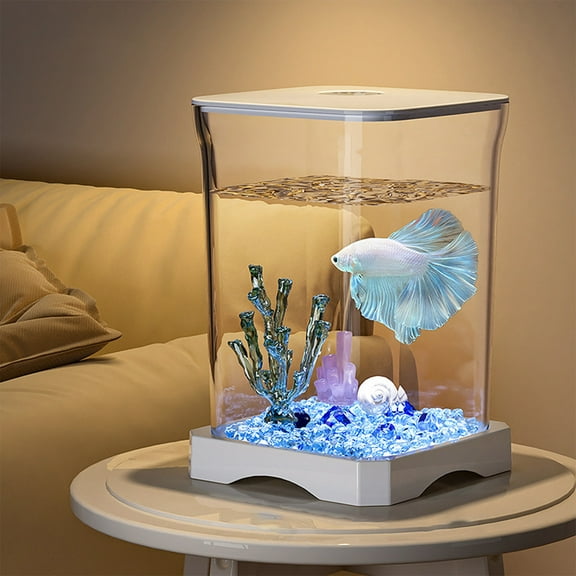
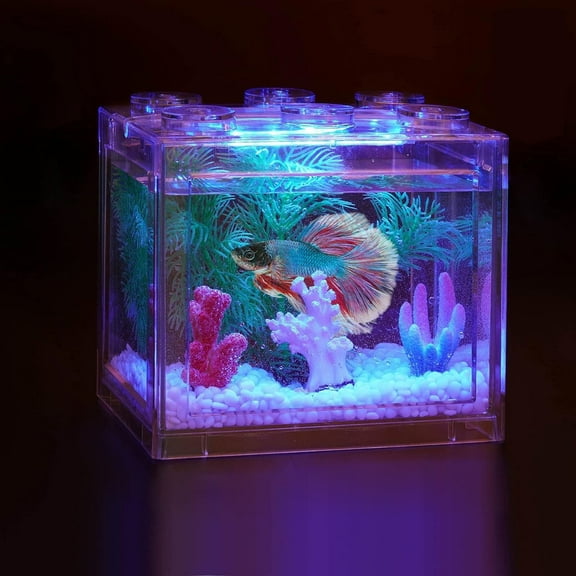
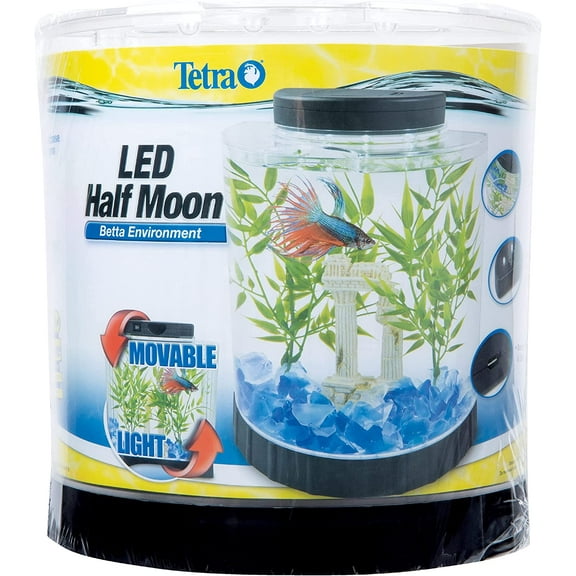
You can match small fish tanks to apartments, kids' rooms, or side tables when you want a compact display. You may appreciate how a smaller footprint fits limited surfaces, though your equipment space stays tighter.
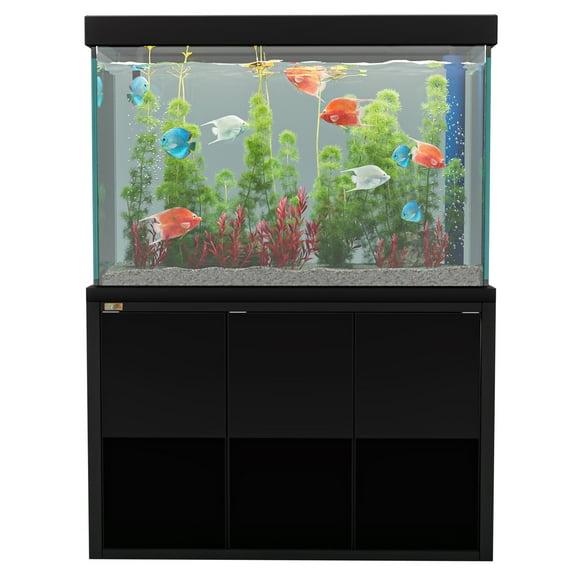
A medium or large aquarium can suit living rooms, offices, or dedicated hobby spaces where you want a stronger visual centerpiece. You get more freedom for layered décor, schooling fish, and accessory placement.
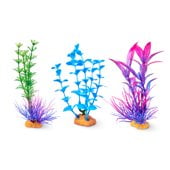
If you’re a beginner, you may prefer a complete kit in a common size because replacement parts are easier to compare. You also get a simpler path to aquarium filters, fish food, aquarium gravel, and aquarium decorations.
When you shop with size, material, and environment in mind, you can choose fish tanks that fit your layout and your maintenance routine. You end up with an aquarium that supports cleaner setup planning and a highly organized display.