

Fish Food for Goldfish, Betta & Tropical Fish | Walmart






















About Fish Food for Goldfish, Betta & Tropical Fish | Walmart - Walmart.com
Fish food helps you match each feeding to your tank, your species, and your water type. You can compare flakes, pellets, wafers, and freeze-dried options with clear guidance that fits daily aquarium care.
Choosing the right fish food for your setup
When you choose fish food, you should start with your fish type and feeding level. You’ll want floating choices for surface feeders and sinking options for fish that eat lower.
If you keep freshwater fish, you may compare formulas made for goldfish, bettas, tropical fish, and cichlids. If you keep marine tanks, you can look for aquarium fish food suited to saltwater routines.
You can narrow your options faster when you compare these common buying points. You’ll often see the right match by checking species, form, and feeding purpose together.
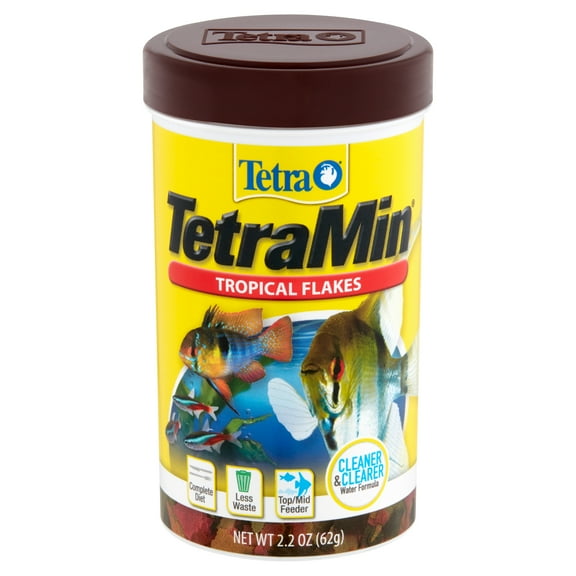
- You can use flakes when your fish feed near the surface.
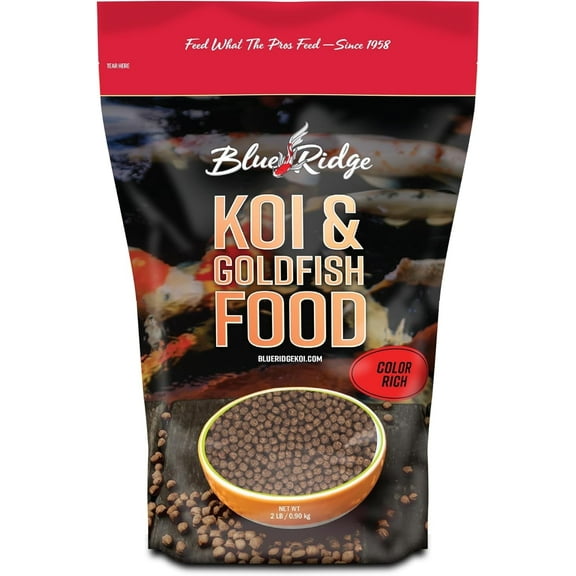
- You can choose pellets for steady mid-water feeding and easier portion control.
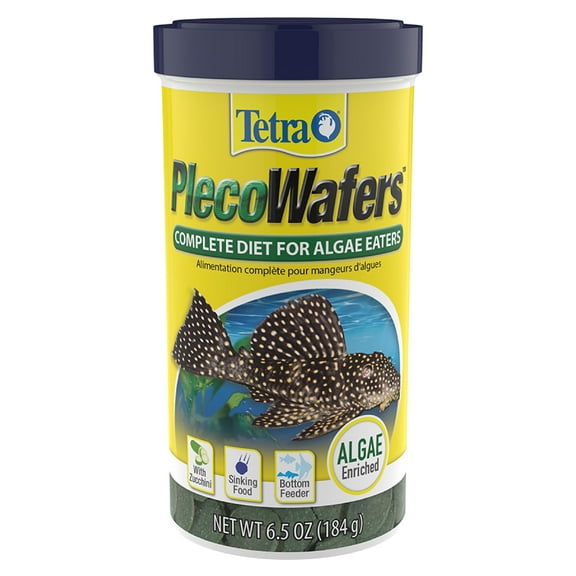
- You can pick sinking wafers when your fish search the bottom for food.
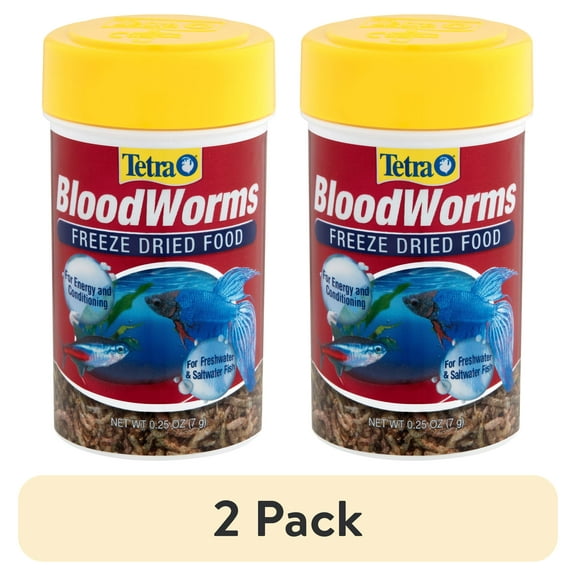
- You can try freeze-dried choices when you want texture variety in your routine.
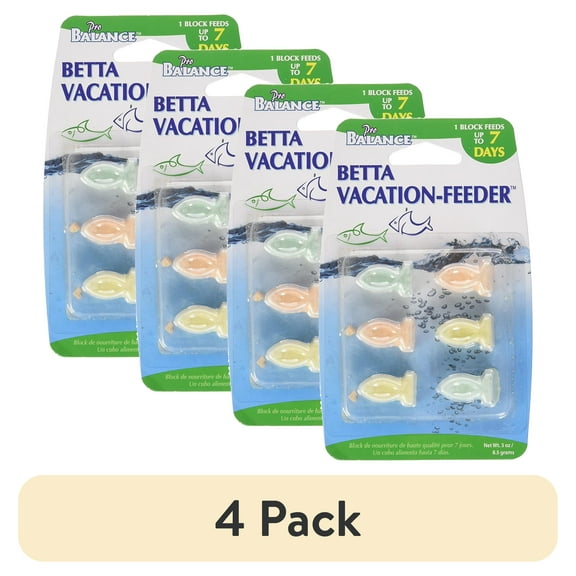
- You can select slow release fish food when you need a gradual feeding format.
How to compare food form and feeding behavior
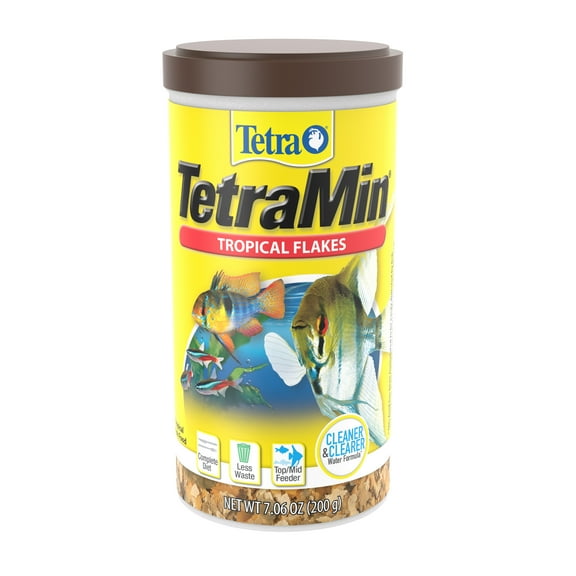
You should compare food form first because feeding level changes how easily your fish can eat. You’ll notice that flakes usually stay near the surface longer during feeding.
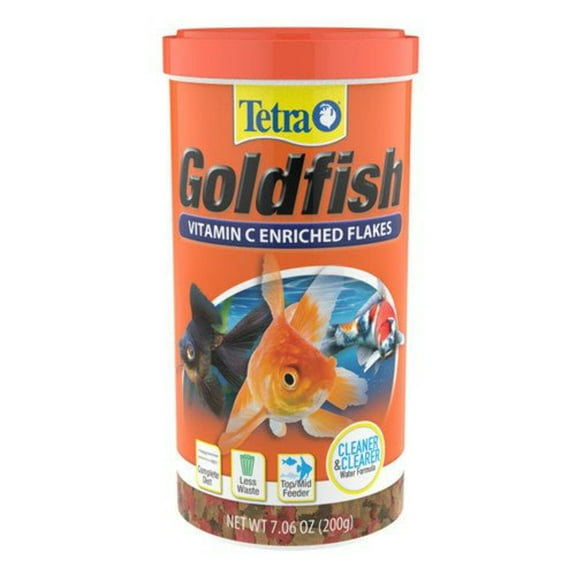
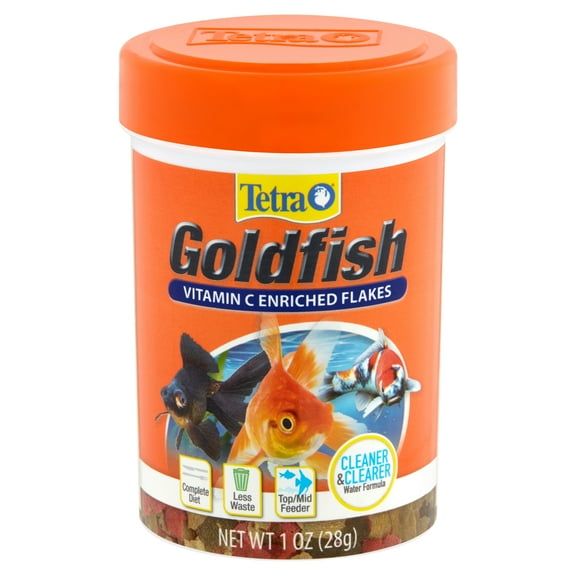
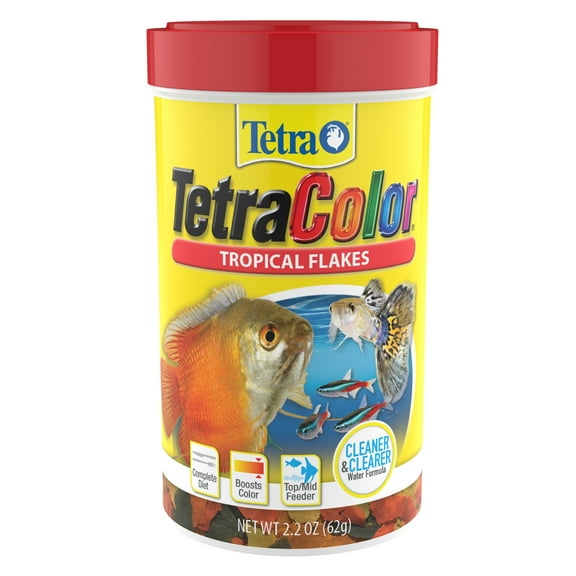
Goldfish food flakes can work well when your fish rise quickly at feeding time. You can crush flakes for smaller mouths, which helps you portion feedings with less guesswork.
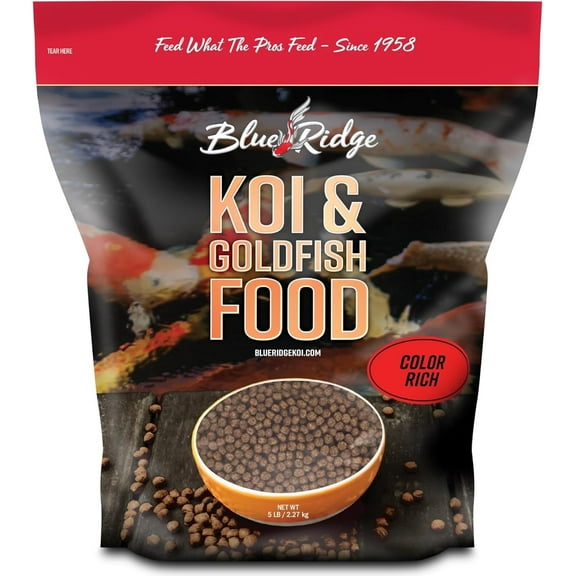
Fish food pellets can suit aquariums where you want more consistent size in each feeding. You can also compare floating pellets and sinking pellets based on how your fish move through the tank.
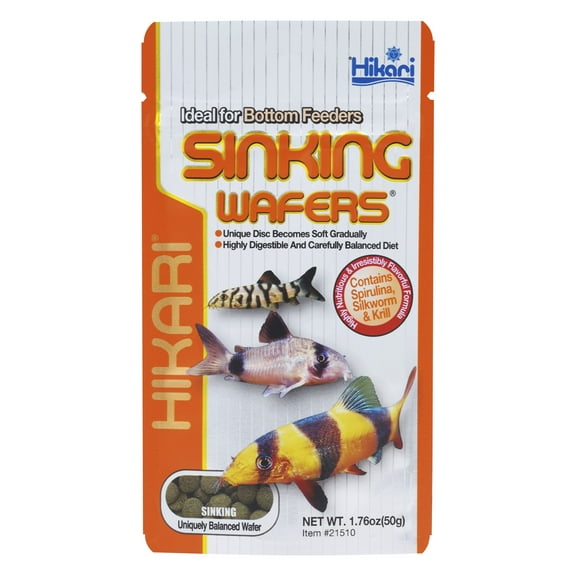
If your fish feed along the substrate, you may prefer sinking wafers or dense pellets. You’ll keep food closer to bottom feeders, which makes feeding behavior easier to match.
Freeze-dried pieces can add variety when you want a different texture than flakes or pellets. You should check piece size so your fish can eat comfortably without excess fragments.
Choosing by fish type and water type
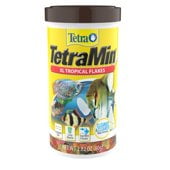
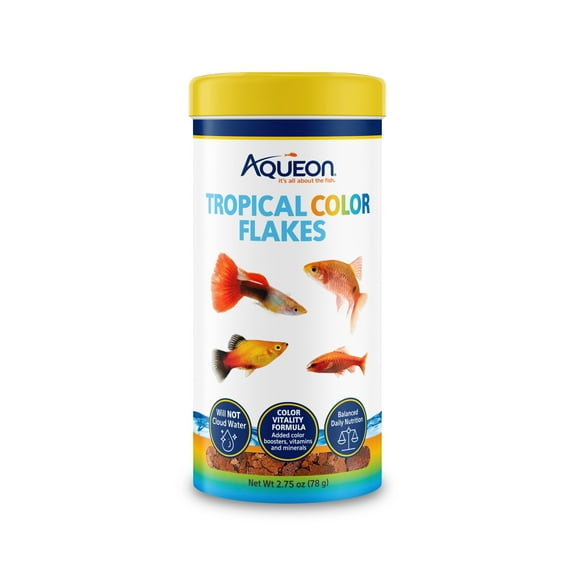
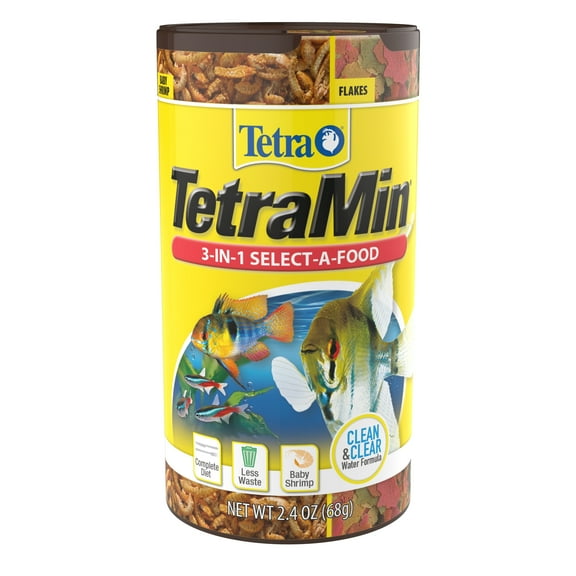
You’ll get a closer match when you compare formulas by species instead of choosing one general option. You can find tropical fish food for community tanks with active mid-water feeders.
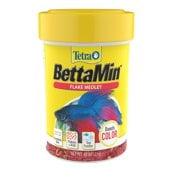
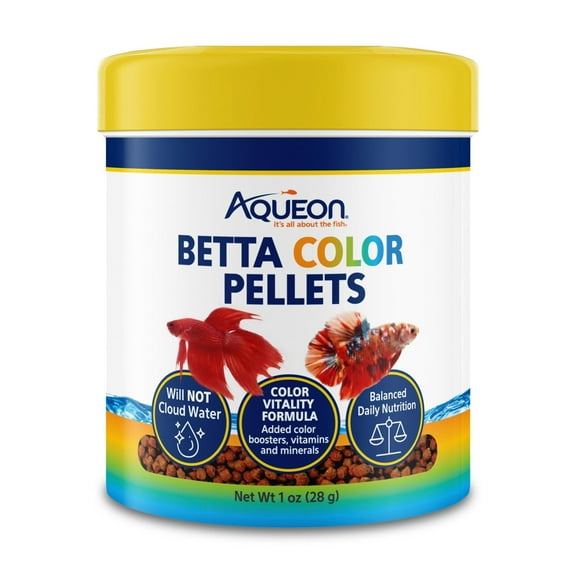
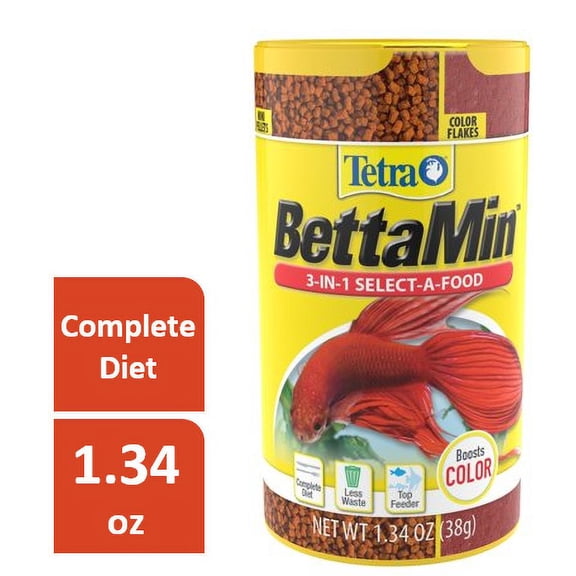
If you keep a betta, you should look at betta fish food with smaller portions and species-focused sizing. You’ll usually want pieces that fit a betta’s compact mouth and slower feeding style.
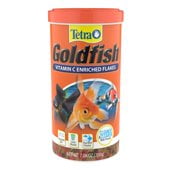
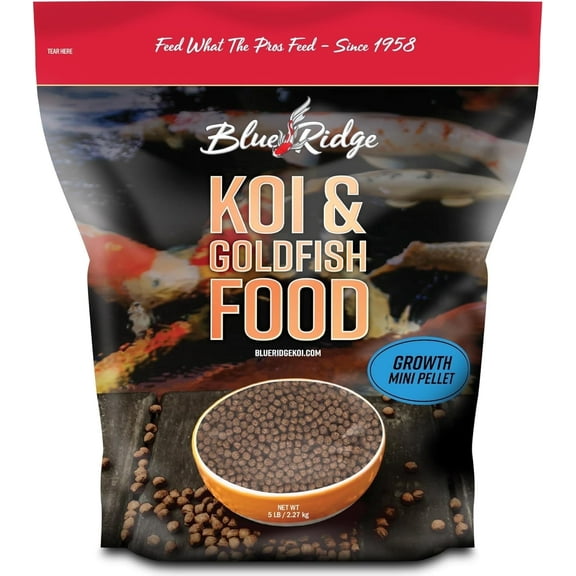
If you care for goldfish, you may compare goldfish food flakes, sticks, and pellets by tank size and feeding habits. You can choose forms that support easy daily feeding in bowls or larger aquariums.
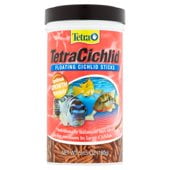
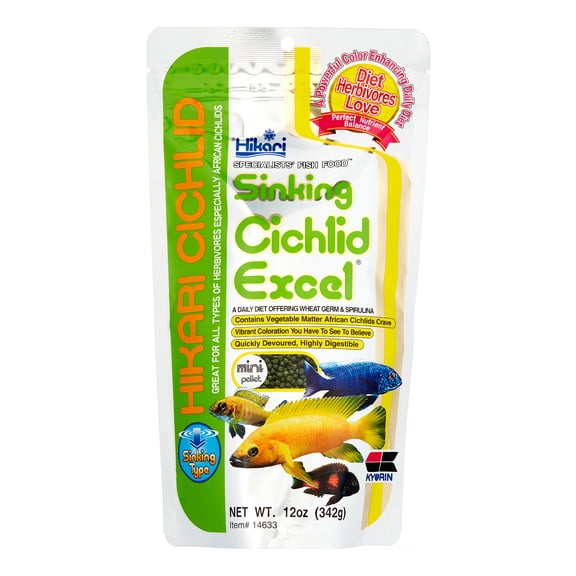
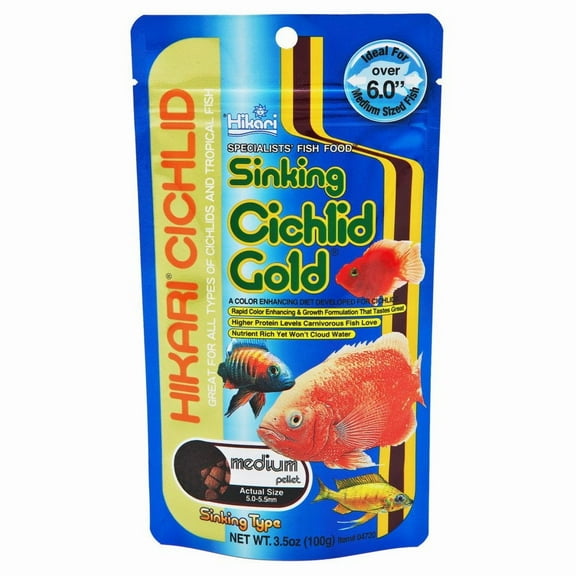
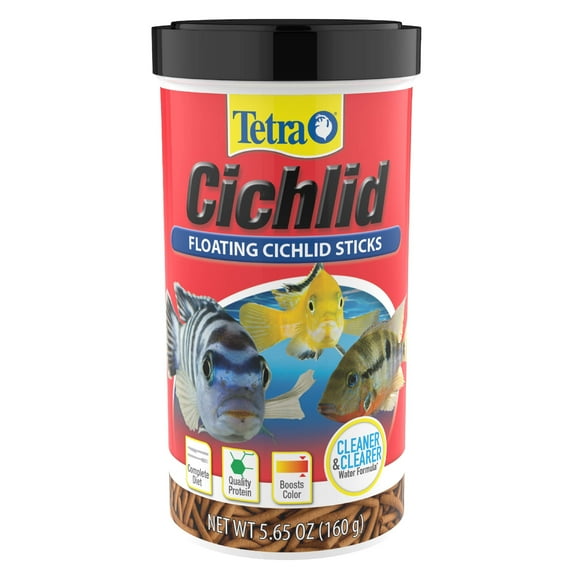
Cichlid keepers often compare pellet size and density to match larger mouths and stronger feeding action. You can check whether your fish take food at the surface, middle, or bottom.
Pond fish food matters when you feed outdoor fish that gather at the water surface. You can compare sticks and larger pieces that are easier to spot during feeding.
You should also consider water type before you choose aquarium fish food. You can narrow your choices by freshwater, saltwater, or marine labels for a more relevant fit.
What to look for in ingredients and dietary purpose
You can use ingredient panels to understand how a formula fits your everyday routine. You’ll often see protein sources, plant ingredients, and added color-enhancing elements listed on the package.
Protein sources help you compare formulas in plain terms because they show what the food contains. You can look for fish meal, shrimp meal, algae, or similar ingredients based on species needs.
If you want daily feeding, you should look for daily nutrition formulas made for regular portions. You can keep your routine simple when the package supports everyday aquarium feeding.
Color enhancing options can appeal when you want a formula with added visual nutrition features. You should treat that benefit as one decision point alongside species match and food form.
Growth formulas can fit fish that need a richer feeding plan during active stages. You can compare serving guidance carefully so your portions still match your tank routine.
Slow release fish food can help when you need a format that dispenses more gradually. You should still match that option to your fish type, tank size, and normal feeding schedule.
Using fish food in daily aquarium routines
You can keep feeding simple when you match portions to how quickly your fish eat. You should offer small amounts that your fish can finish during a short feeding window.
If you feed surface swimmers, you may use flakes or floating pellets during regular daytime checks. You’ll see leftover food more easily, which helps you adjust portions next time.
For community tanks, you can combine tropical fish food at the surface with sinking wafers below. You’ll support fish that feed at different levels without relying on one format alone.
If your tank includes a betta and other species in separate setups, you should keep betta fish food distinct from general community formulas. You can make feeding more precise when each setup gets the right size.
Outdoor keepers may use pond fish food during warmer months when feeding activity increases. You can choose visible sticks or floating pieces that are easier to monitor from above.
You should compare container size, texture, and feeding instructions before you restock. You’ll make daily aquarium care easier when your fish food matches your species and your routine.
With the right fish food, you can feed surface, mid-water, and bottom feeders with more confidence. You’ll support cleaner routines and a closer species match with forms and formulas that fit your tank.