


Fire Logs in Fireplaces

















About Fire Logs in Fireplaces - Walmart.com
Fire logs help you create a steady hearth setup with less prep than stacked cordwood. You can compare manufactured, gas, electric, and natural wood options by burn time, material, and fireplace fit.
Choosing the right fire logs for your fuel type
When you choose by fuel type first, you can narrow your options quickly and avoid a poor fit. You should match your fireplace setup to manufactured logs, gas fire logs, electric fireplace logs, or natural wood.
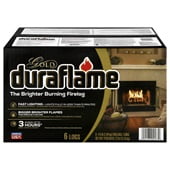
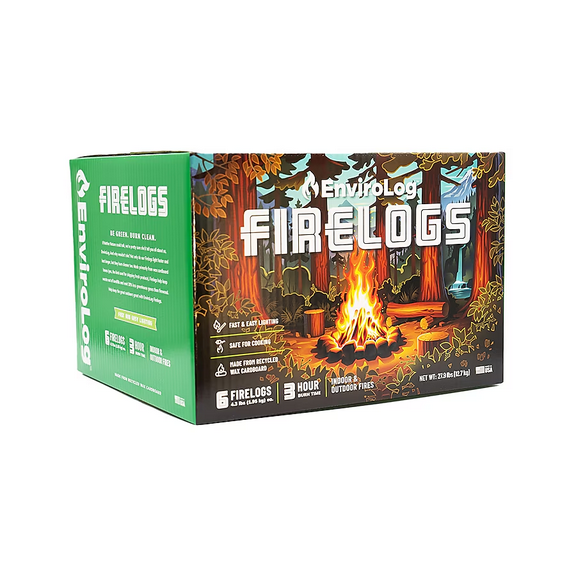
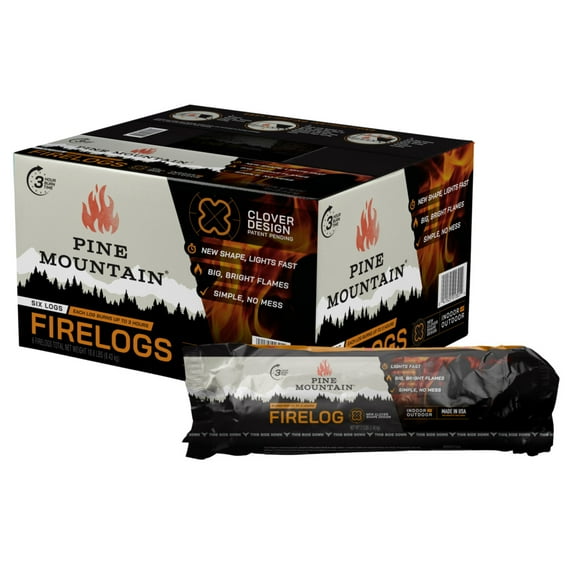
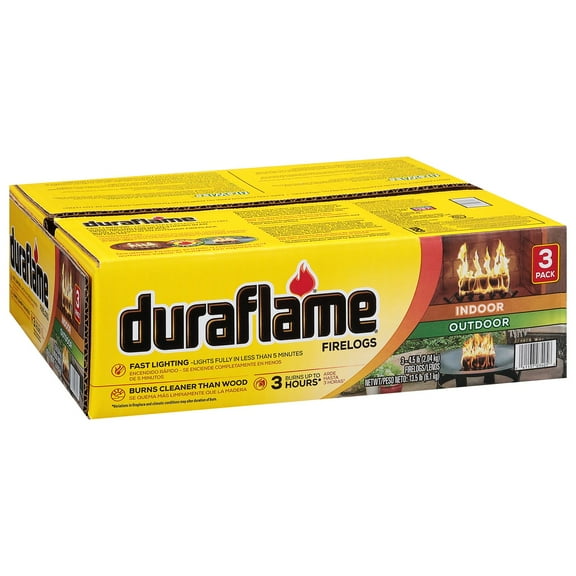
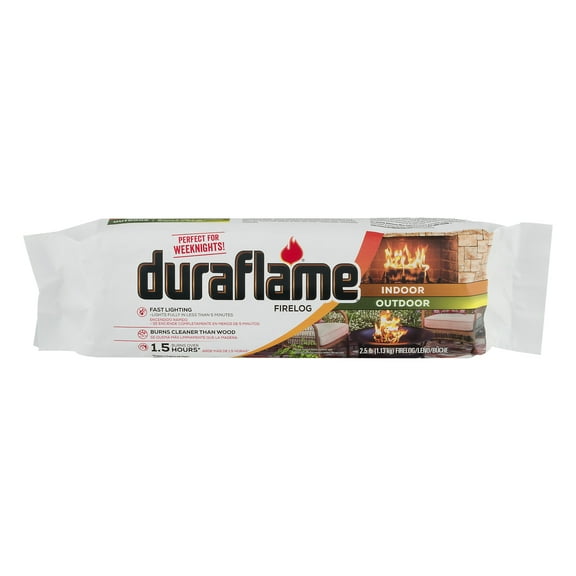
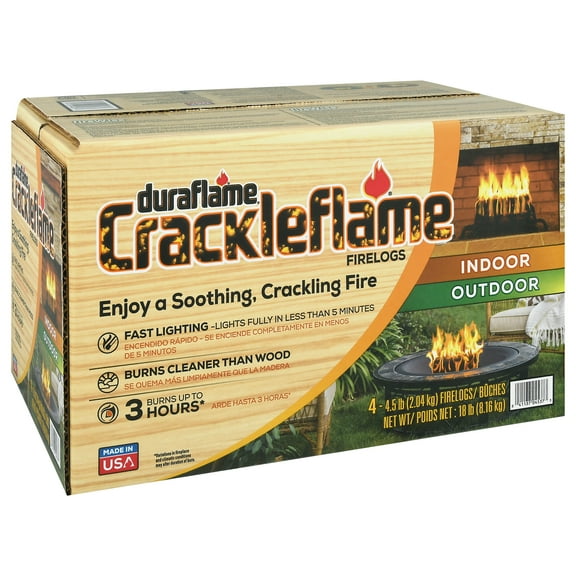
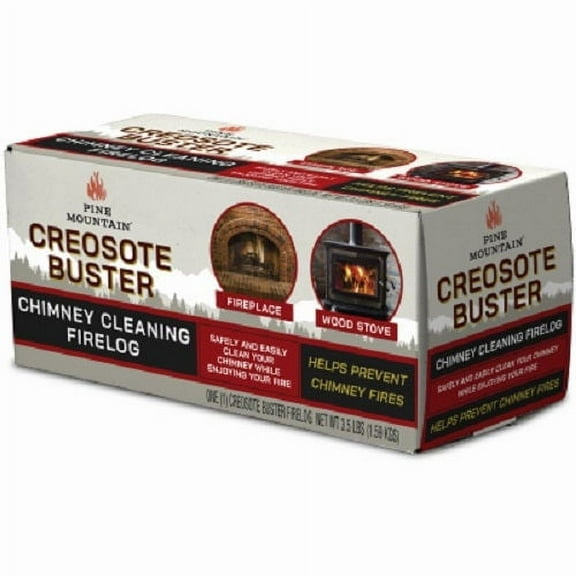
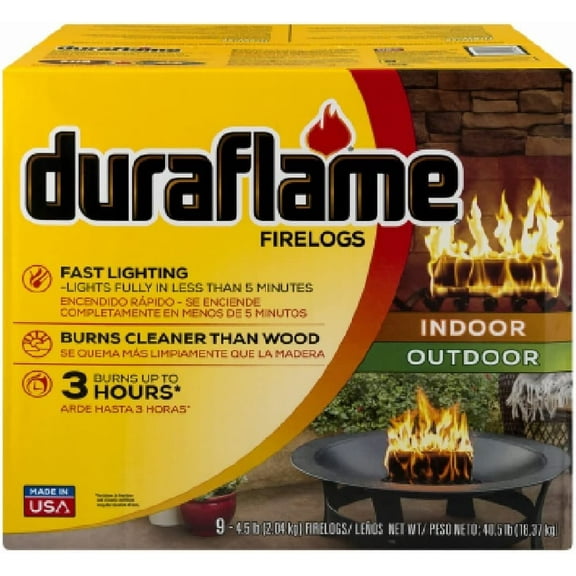
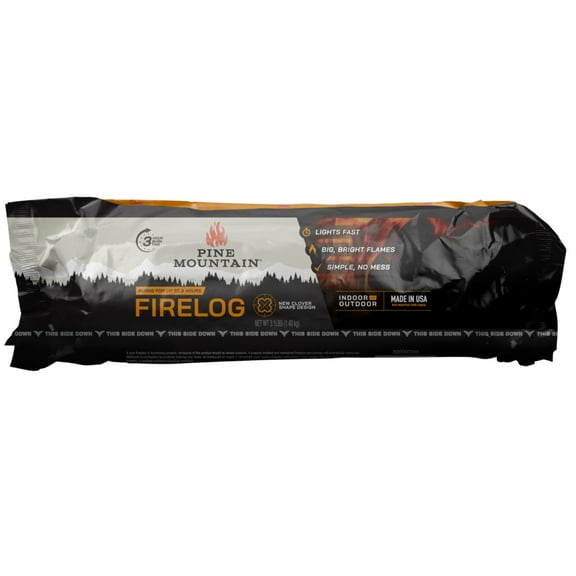
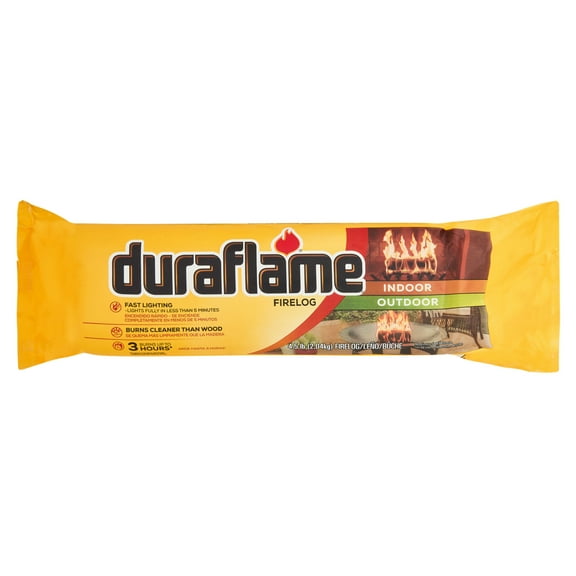
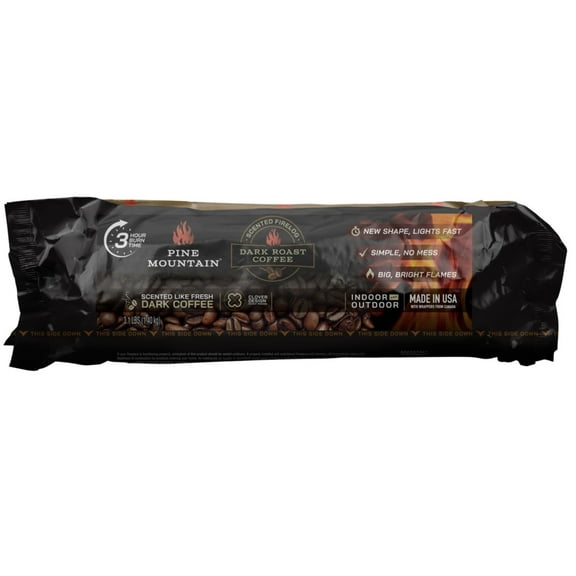
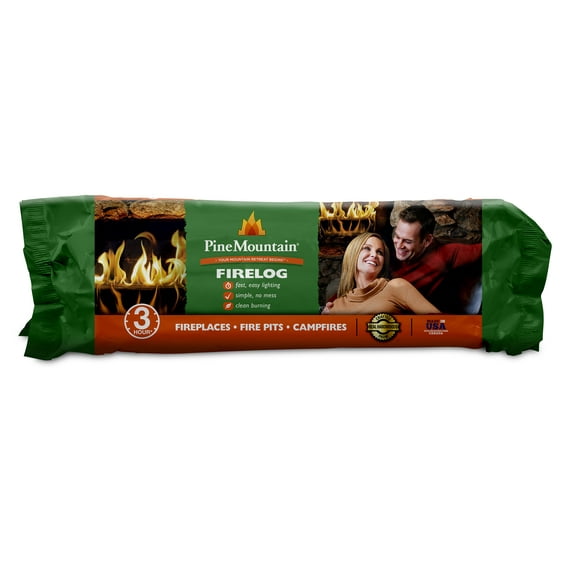
If you want predictable shape and storage, you may prefer manufactured wax-sawdust logs. You can use them for a consistent burn window and minimal mess compared to split wood.
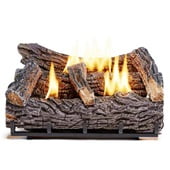
When your fireplace uses a burner system, you should compare vented and vent-free gas fire logs first. You can expect vented sets to emphasize flame appearance, while vent-free sets support efficient indoor operation.
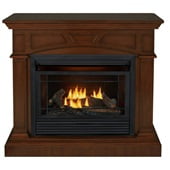
If plug-in convenience matters, you may choose electric fireplace logs for a flame-style display. You can use fake fire logs in media units, apartments, or rooms where easy setup matters.
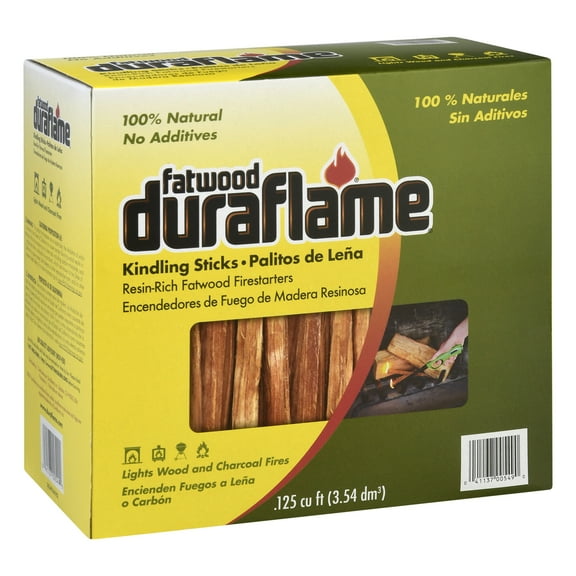
When you want a traditional fire-building routine, you may still choose natural wood for your hearth. You should confirm your fireplace accepts cordwood before you rely on that fuel type.
How to compare fire logs by burn time
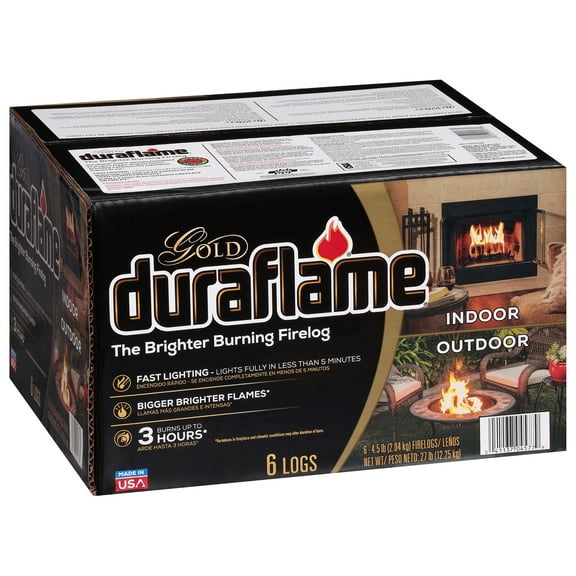
When you compare burn time, you can match each fire to your evening plans and cleanup routine. You should look at two-hour, three-hour, and 4 hour fire logs based on how long you want a steady burn.
- You can choose two-hour options for short fires, quick ambiance, and lighter cleanup afterward.
- You may prefer three-hour logs when your evening needs a balanced mix of duration and convenience.
- You can select four-hour styles for longer movie nights, holiday hosting, or extended fireplace use.
A longer burn can mean fewer log changes during the evening and a steadier flame pattern. You should still check your fireplace instructions, because fire logs for fireplace use can vary by format.
If you use your hearth often, you may appreciate uniform logs that light with less guesswork. You can stack and store many manufactured options neatly compared to loose pieces of wood.
What to look for in ceramic fire logs and other materials
Material affects how your logs look, where you use them, and what setup you need. You should compare ceramic fire logs, concrete styles, and wax-sawdust blends with your fireplace type in mind.
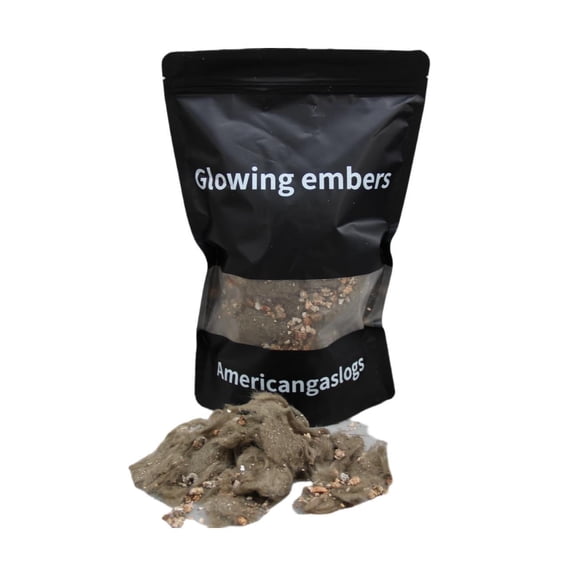
You can commonly use ceramic fire logs in gas sets when you want a realistic ember bed. You should treat them as display components for a burner system, not as stand-alone fuel.
If you want a sturdy display material, you may compare concrete log styles for gas units and outdoor features. You should check size and burner compatibility so your set fits the firebox correctly.
Manufacturers design wax-sawdust blend logs to burn as a packaged fuel source in many open-hearth fireplaces. You can choose them when you want easy handling and a controlled burn compared to loose cordwood.
When you have a multi-sided fireplace, you should review approved log formats before regular use. You can avoid mismatch issues by checking whether wax-sawdust products fit that firebox design.
Matching fire logs to indoor and outdoor use
Your use case changes which log style makes sense before you compare size or appearance. You should choose indoor fireplace, outdoor fire pit, or wood stove options based on the appliance design.
For an indoor fireplace, you may want manufactured logs that light easily and leave less loose debris. You can also compare gas fire logs or electric fireplace logs when your unit supports those formats.
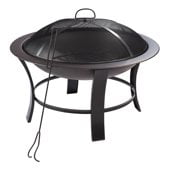
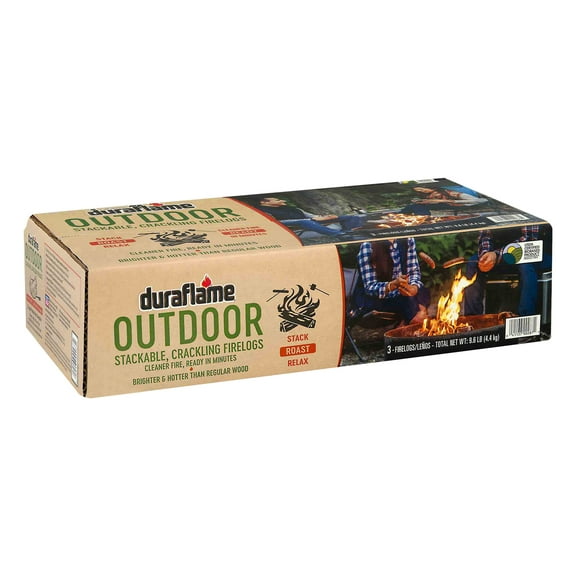
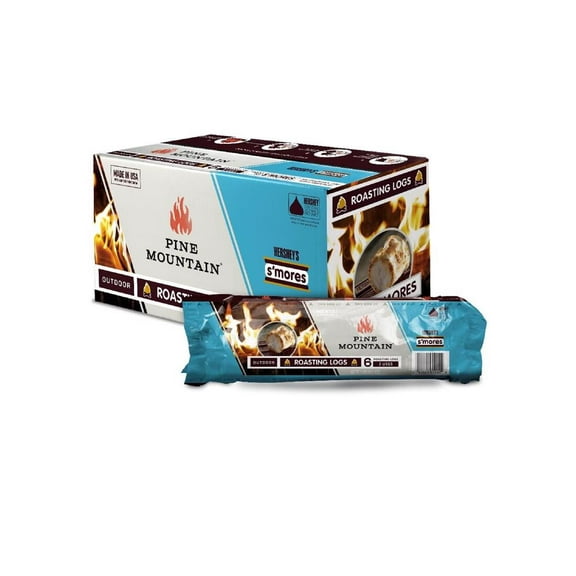
If you’re planning a patio setup, you should look at outdoor fire pit logs made for open outdoor features. You can create a tidy flame presentation outside without hauling a full stack of natural wood.
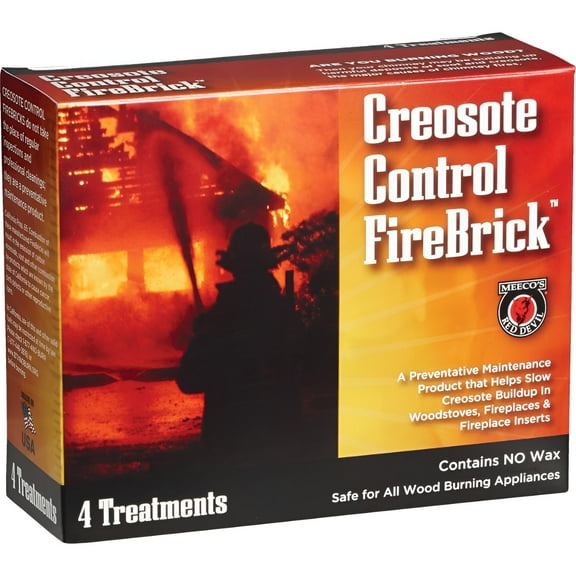
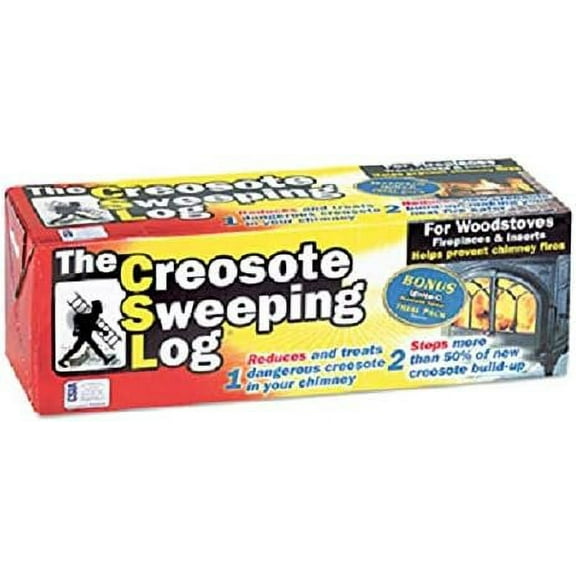
When you use a wood stove, you should confirm whether the stove accepts the fuel format you want. You can avoid trial and error by checking the manual before using manufactured logs there.
If appearance is your main priority, you may focus on realistic textures, ember effects, and log shapes. You can create a classic hearth look with ceramic sets or a contained burn with manufactured options.
How to compare fire logs for fireplace compatibility
Compatibility matters because your fireplace opening, burner system, and venting setup shape what you can use. You should measure your firebox and compare fuel requirements before choosing a log style.
With gas sets, you should confirm vented versus vent-free compatibility before you compare sizes or finishes. You can then narrow your options by material, log count, and preferred flame presentation.
When you compare electric units, you should check insert dimensions, plug requirements, and visual style. You can focus on fit and appearance, because electric fireplace logs center on display convenience.
With manufactured logs, you should review burn instructions, placement guidance, and suggested fireplace types. You can then pick the burn time and pack style that fits your routine with less guesswork.
When your fuel type, material, and burn time align, you can create a clean routine and a steady fire experience. You can feel confident when your chosen logs match your fireplace from the start.