


Squirrel Food in Wildlife Food


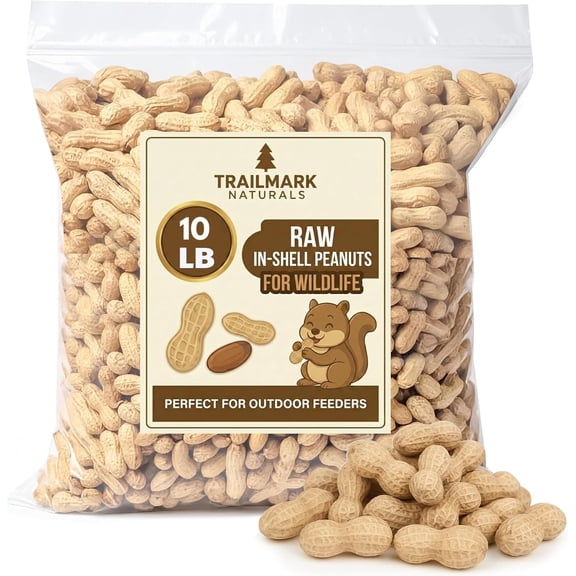

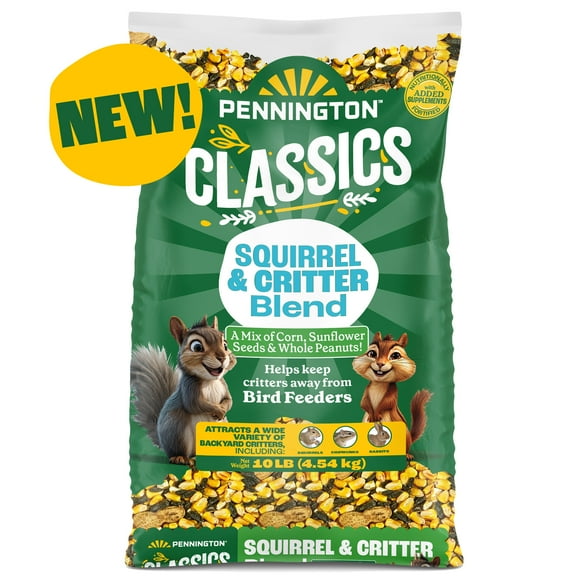




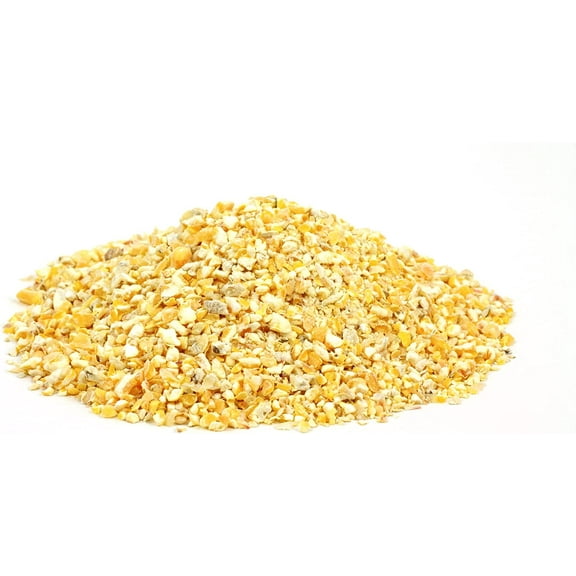

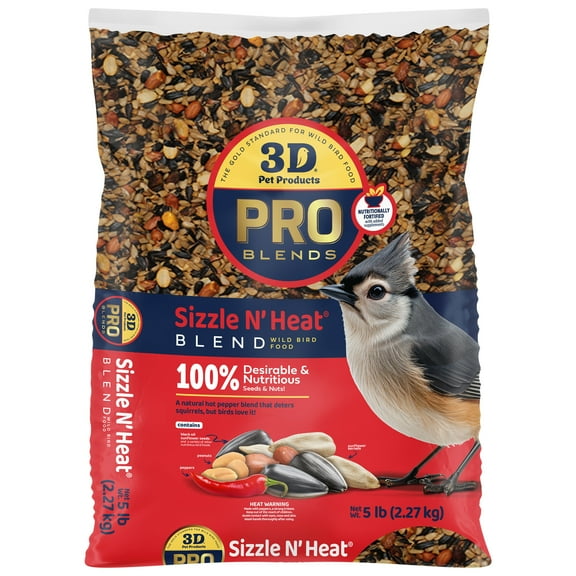


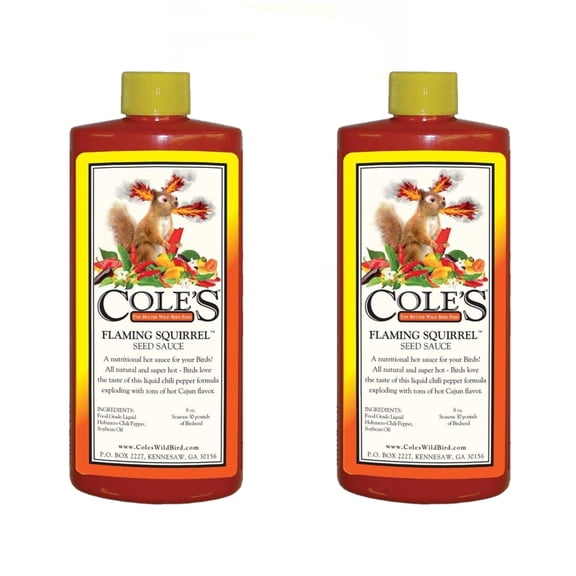


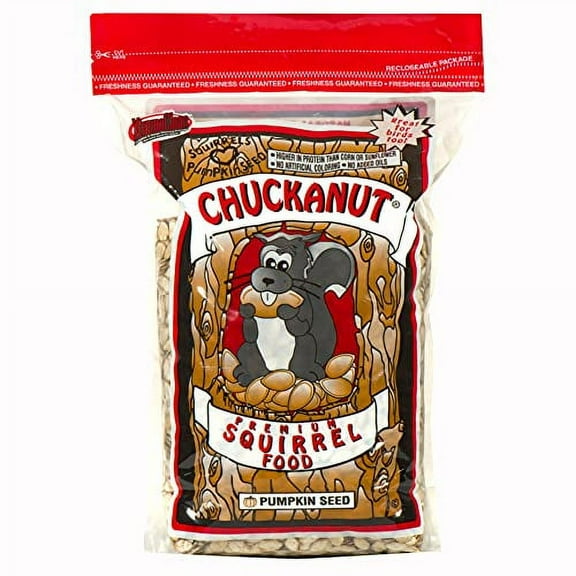


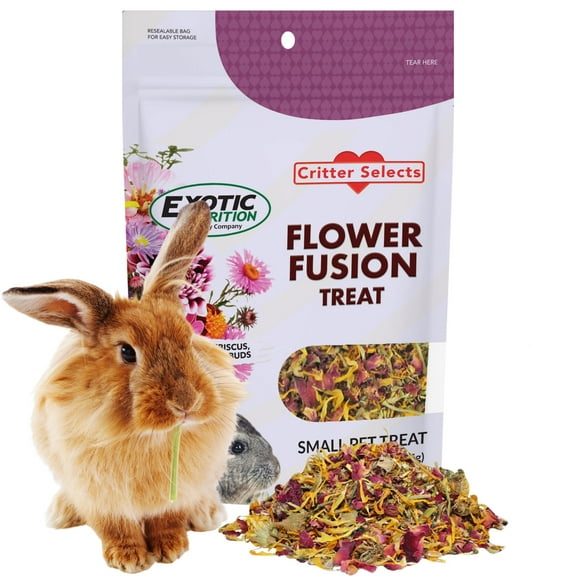
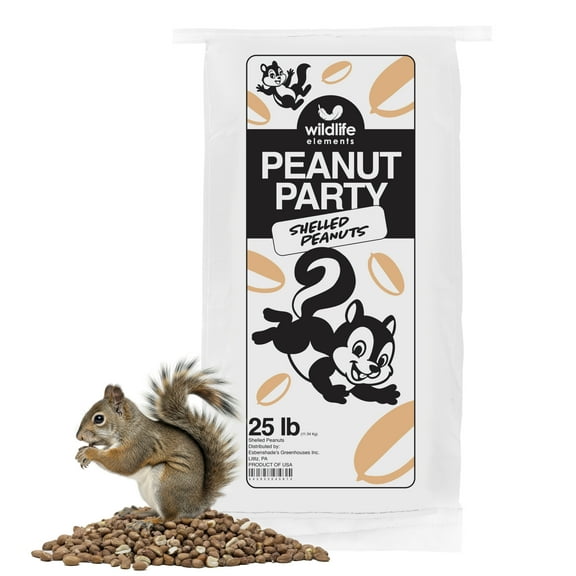
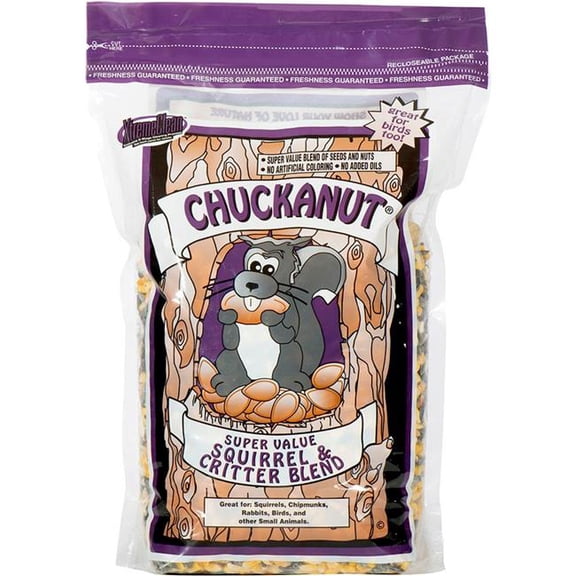


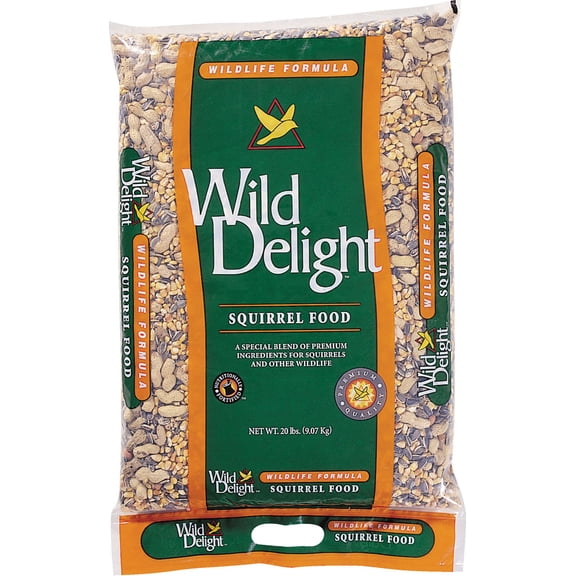

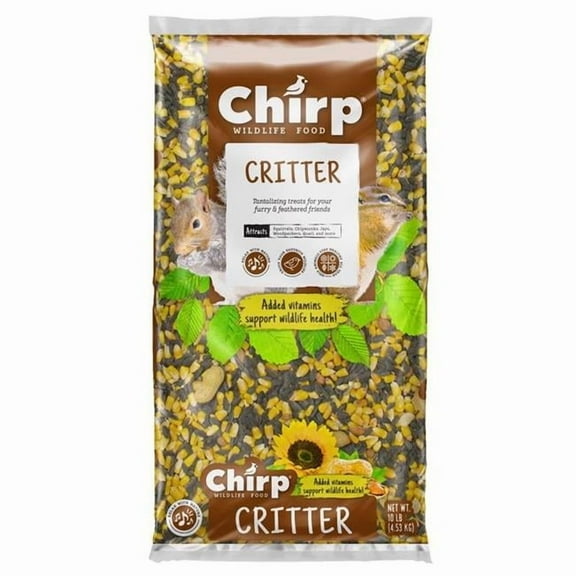
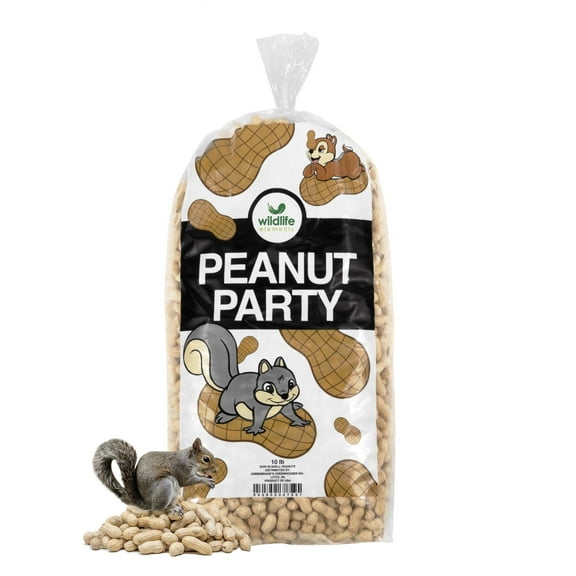

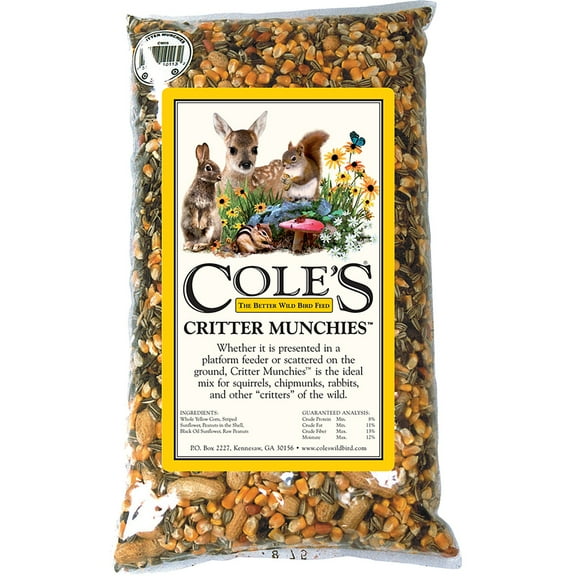



About Squirrel Food in Wildlife Food - Walmart.com
Bed sheets help you create a smooth, comfortable bed when you match size, material, and pocket depth to your setup. You can compare sheet sets, fitted sheets, and weave types to choose bedding that fits your routine.
You may want queen bed sheets for a main bedroom, or you may need a spare set for guests. You can also narrow your choice by cotton feel, cooling comfort, and mattress height.
How to choose bed sheets for your bed
You should start with mattress size, because the right dimensions help your bed look neat and feel easy to make. You can choose Twin, Full, Queen, King, or California King for a cleaner fit.
Your next step is set composition, because package contents change how much bedding you replace at once. You can pick sheet sets for coordination, or choose a flat or fitted piece only.
You should also consider who uses the bed each night before you choose fabric and finish. You may want queen bed sheets for daily use, while guest rooms may need simple extras.
What to look for in sheet sets
Sheet sets simplify your bedding update because you get coordinated pieces in one selection. You can make the bed quickly, and your room can look more pulled together.
Fitted sheets matter when you want a secure hold around the mattress corners without replacing every layer. You can focus on pocket depth, elastic fit, and mattress height with more precision.
- You can choose sheet sets when you want matching pieces for everyday use.
- You can select fitted sheets when your current top sheet still works well.
- You can compare flat sheets when you want an extra layer with a lighter feel.
- You can keep spare bed sheets ready for guest rooms, kids' rooms, or laundry days.
You may also want extra pieces when you rotate bedding often through the week. Your backup set can make wash days easier and help you reset the bed quickly.
Choosing cotton bed sheets or microfiber sheets
You should compare material first when feel and care needs shape your decision. Cotton bed sheets usually give you a breathable, familiar feel, while microfiber sheets often feel smooth and easy to maintain.
You may prefer cotton when you want a crisp or soft texture against your skin. You may choose microfiber when you want a durable option for frequent washing and regular use.
You can also compare Egyptian cotton, rayon from bamboo, and linen as you narrow your options. Your material choice affects texture, airflow, and the overall look of your bed.
You may notice rayon from bamboo and linen styles feel different from standard cotton constructions. You can use those materials when you want a lighter touch for warmer nights.
Deep pocket bed sheets and mattress fit
Deep pocket bed sheets matter when your mattress sits taller than a standard profile. You should check pocket depth in inches so your fitted sheet wraps the corners more completely.
You can compare standard pocket and deep pocket options based on mattress height and added layers. Your fit may also depend on mattress pads, toppers, or pillow-top construction.
You should measure your mattress before choosing fitted sheets for everyday use. You can get a neater look when the fabric reaches under each side securely.
You may find deep pocket bed sheets especially useful on taller queen and king mattresses. Your bed can stay smoother when the fitted layer holds its shape through the night.
How thread count and weave affect comfort
You may notice thread count first, but weave changes the feel just as much. You can use 400, 600, and 800 thread count as guides for density and texture.
You should treat thread count as one factor, not your only decision point. Your sheets may feel softer or crisper depending on the weave and material you choose.
Percale bed sheets usually give you a crisp touch with a matte finish. You can choose percale when you want cooling sheets and when you prioritize airflow for comfort.
Sateen sheets usually feel smoother and slightly warmer because of their weave structure. You can choose sateen when your room feels cool or you prefer a silkier surface.
You may prefer lower thread counts in percale when you prioritize airflow for comfort. You may prefer denser sateen constructions when you want a smoother hand feel.
Matching bed sheets to how you sleep
You can choose cooling sheets when you want a breezier feel throughout the night. Your material and weave choices work together, especially with cotton, rayon from bamboo, and percale options.
You may want sateen or denser fabrics when you like a warmer bed feel. Your colder-season setup may also include flannel sheets when temperatures drop.
You can use sheet sets in a primary bedroom when you want a coordinated look. Your guest room may benefit from microfiber sheets that stay ready between visits.
You may choose deep pocket bed sheets for mattresses with toppers in daily-use bedrooms. Your dorm or kids' room may need easy sizing and quick-wash materials.
You can also build a layered bed by pairing sheets with pillowcases, comforters, and mattress pads. Your full setup feels more complete when each layer follows the same size plan.
Bed sheets that support an easy bedding routine
You can make a smart choice when you compare size, material, pocket depth, thread count, and weave together. Your bed feels comfortable and looks neater when each detail matches your sleep style.
You don't need to guess when the key details are clear. You can choose bed sheets with the fit, feel, and fabric weight that suit your room and routine.