







Surveillance Cameras in Cameras & Camcorders
























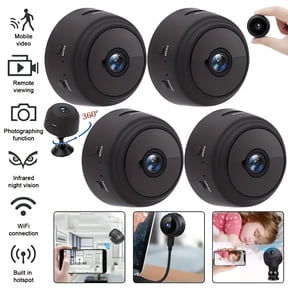
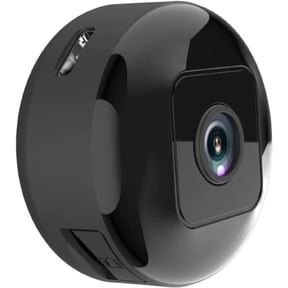
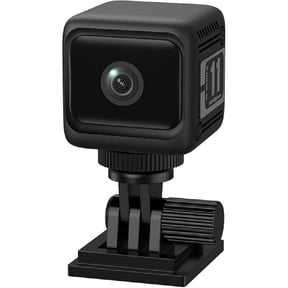


About Surveillance Cameras in Cameras & Camcorders - Walmart.com
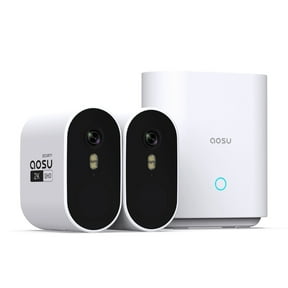
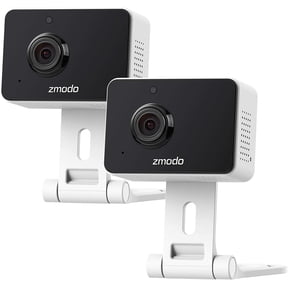
Surveillance cameras help you keep an eye on entries, driveways, and shared spaces with options that fit your home layout and routine. You can compare power, placement, storage, and viewing features, so your setup feels practical from day one.
You may want a simple indoor camera for a hallway, or you may need outdoor coverage for a porch and garage. You’ll also find choices that work with app controls, motion alerts, and flexible pickup or delivery timing.
How to choose surveillance cameras for your space
You’ll get more useful coverage when you match camera placement to the area you want to watch. You can choose indoor models for rooms and entryways, outdoor models for weather exposure, or indoor and outdoor styles for mixed use.
If you’re watching a front door, you may want a wide view that captures steps, packages, and visitors. If you’re covering a driveway, you may prefer a longer viewing angle that follows cars and curbside activity.
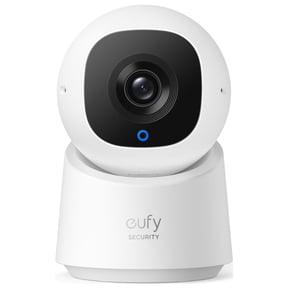
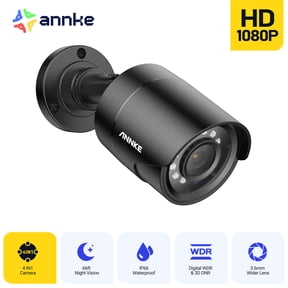
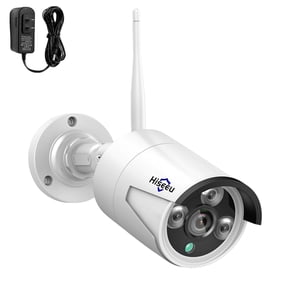
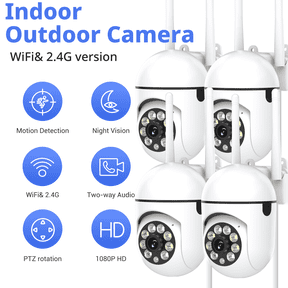
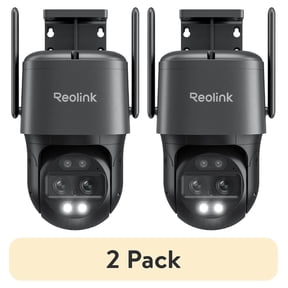
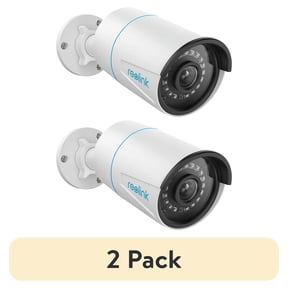
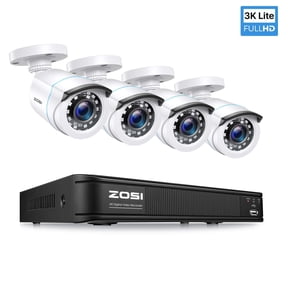
You can also compare camera styles based on how you want the unit to look and move. You may choose dome cameras for a low-profile look, bullet cameras for directional viewing, PTZ styles for movement, or floodlight cameras for illuminated coverage.
- You can place indoor cameras in hallways, nurseries, mudrooms, and common areas.
- You can use outdoor cameras where weather-ready housings matter for porches, gates, and garages.
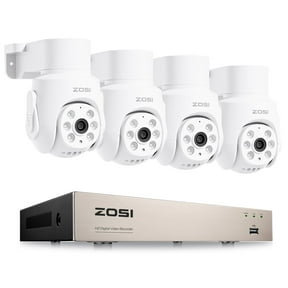
- You can choose PTZ cameras when you want remote pan, tilt, and zoom control.
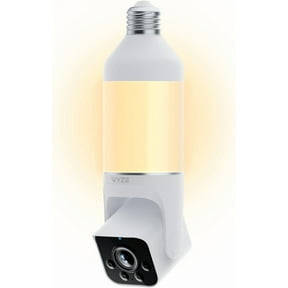
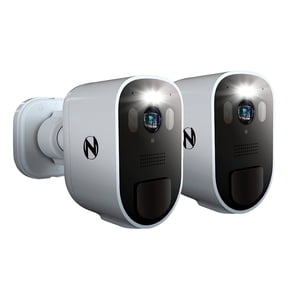
- You can pick floodlight cameras when you want combined lighting and camera coverage near entrances.
Choosing power and setup for a monitoring video camera
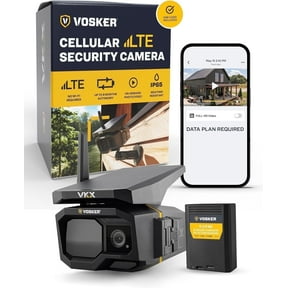
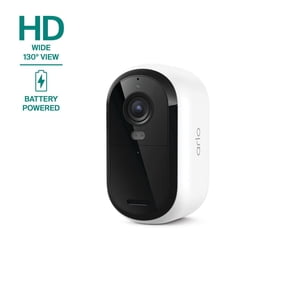
You should start with the power source because it affects installation time and placement flexibility. You can choose wired options when you want steady power, or wireless and battery-powered styles when you want easier placement.
If you don’t want to route cables through walls, you may prefer battery-powered cameras for quicker setup. If you want fewer charging steps, you may lean toward wired cameras in spots near power access.
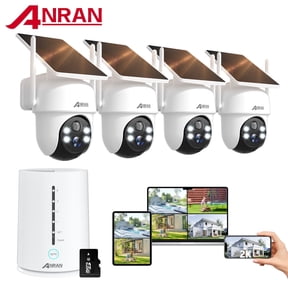
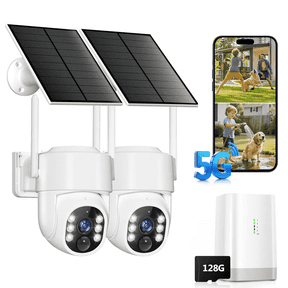
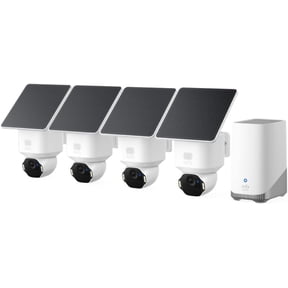
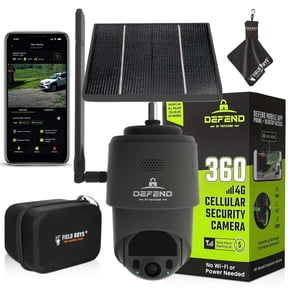
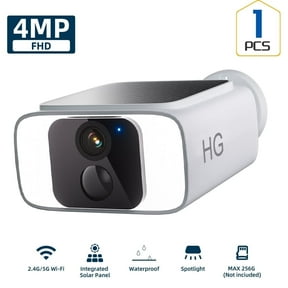
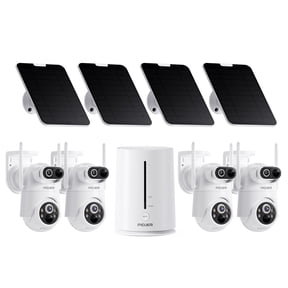
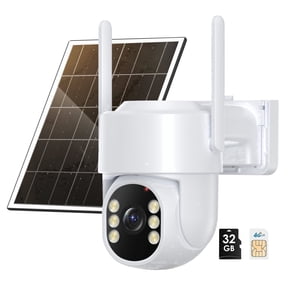
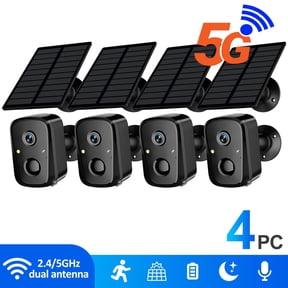
You can also consider solar-powered cameras for areas that get regular sunlight during the day. You’ll want to check panel placement and exposure, so your camera stays ready with less hands-on upkeep.
Wireless models can help you place cameras in sheds, detached garages, or rental spaces with fewer installation limits. Wired models can make sense when you’re building a larger video setup with continuous coverage in mind.
Comparing storage, resolution, and smart home features
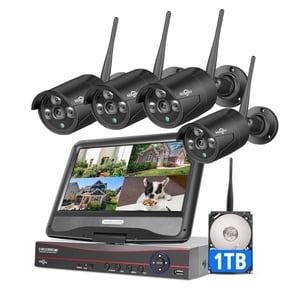
You’ll want to compare storage types carefully because they shape how you review clips and manage recordings. You can choose local SD card storage, cloud storage, or DVR and NVR systems based on how you want to save footage.
If you want recordings stored on the camera or nearby device, local SD card options can feel straightforward. If you want app access across devices, cloud storage can make playback and sharing easier.
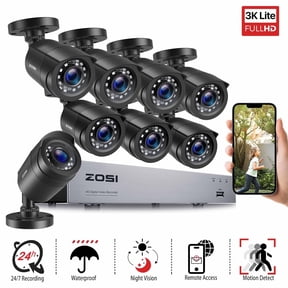
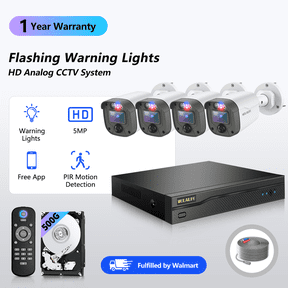
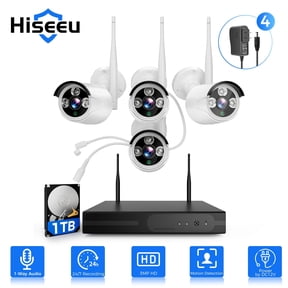
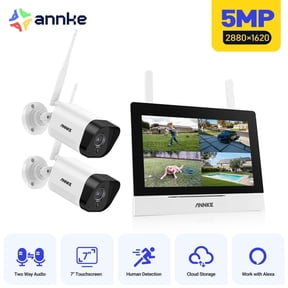
You may prefer DVR or NVR storage when you’re planning several cameras around one property. You can use that setup to keep multiple feeds organized in one place for regular viewing.
Resolution matters too because you’ll notice more scene detail when the image is sharper. You can compare 1080p and 4K options based on how closely you want to see faces, packages, or license plate areas.
Field of view can change how much ground one camera covers in a single frame. You may choose a wider angle for patios and living rooms, or a tighter angle for gates and side yards.
Smart home compatibility can make daily use feel simpler when you already use voice assistants. You can look for options that work with Alexa or Google Assistant for hands-free checks and connected routines.
Matching surveillance cameras to everyday use
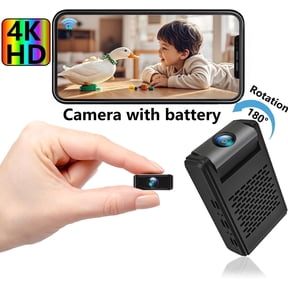
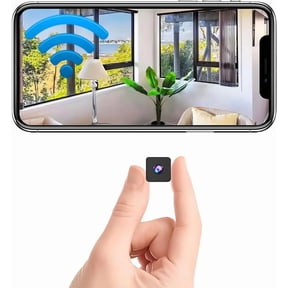
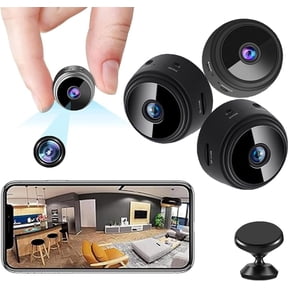
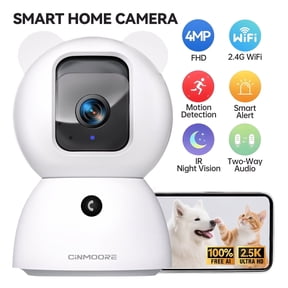
You can match surveillance cameras to specific routines instead of choosing by appearance alone. You may use a compact indoor model to check a nursery, watch a pet area, or monitor a main entry during deliveries.
For outdoor use, you may want a weather-ready camera near a porch, walkway, or backyard gate. You can use floodlight styles where evening visibility matters, especially around driveways and side entrances.
If you live in a larger home, you may combine indoor and outdoor cameras for connected coverage. You can pair a driveway camera with a garage camera and an entry camera, so movement between zones is easier to follow.
You may also want a system that supports app notifications and quick video review when you’re away. You can look for camera surveillance options that let you check live feeds during travel, work hours, or school pickup.
When you need a flexible setup, you can mix battery-powered units with plug-in cameras across different areas. You’ll get more control over blind spots without forcing every location to use the same installation method.
If timing matters, you may look for video surveillance same-day delivery on eligible items and locations. You can also compare pickup availability when you want faster access for a planned home setup.
You’ll feel more confident when your camera choice matches your layout, storage preference, and viewing habits. You can narrow the category faster and end up with coverage that fits the places you check most.