








Eye Wash Near Me: Sterile Eye Wash & Rinse Solutions
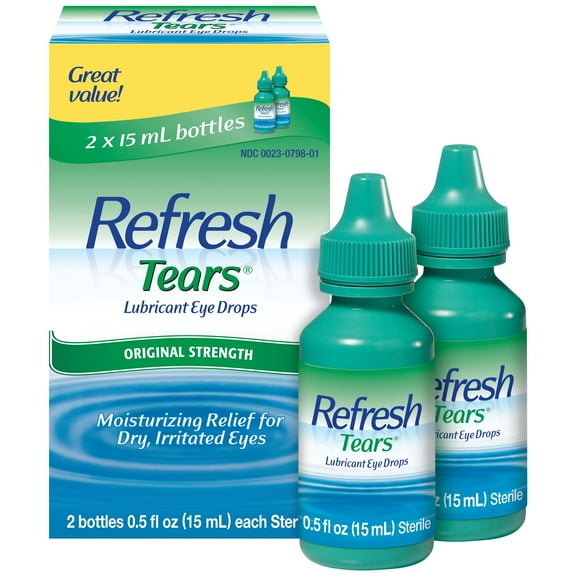

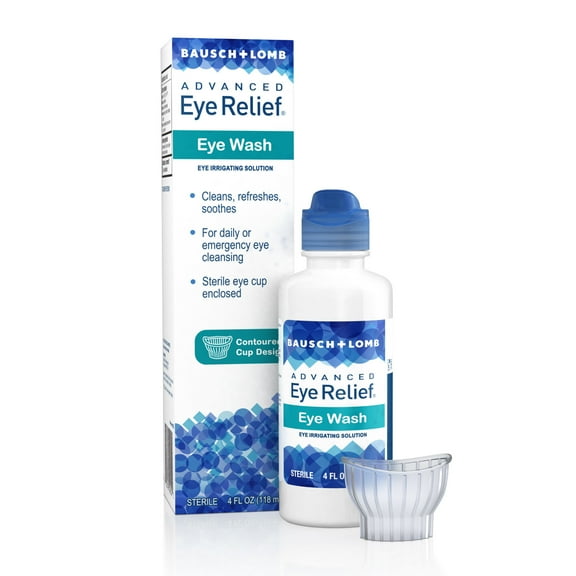
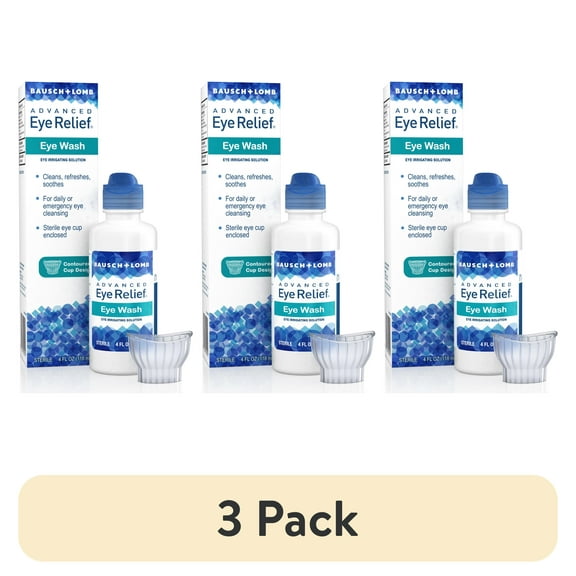
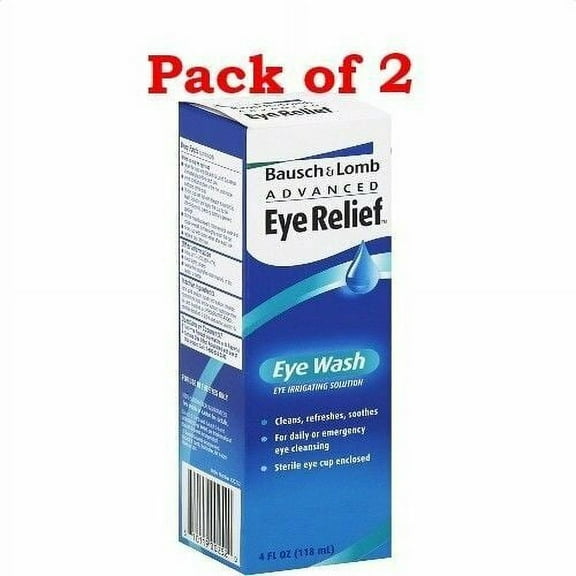

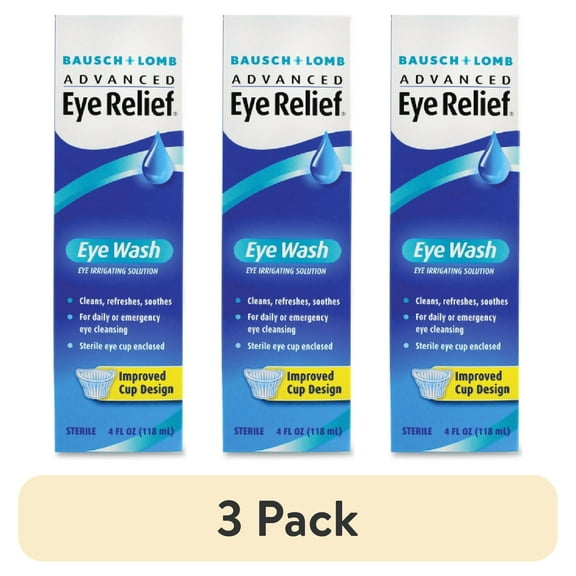
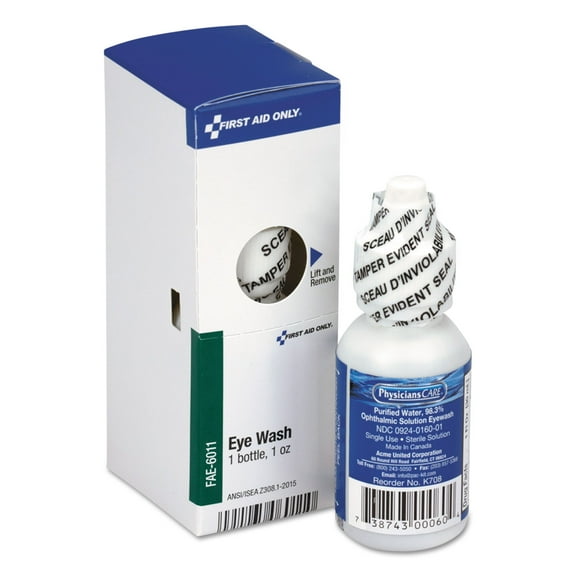
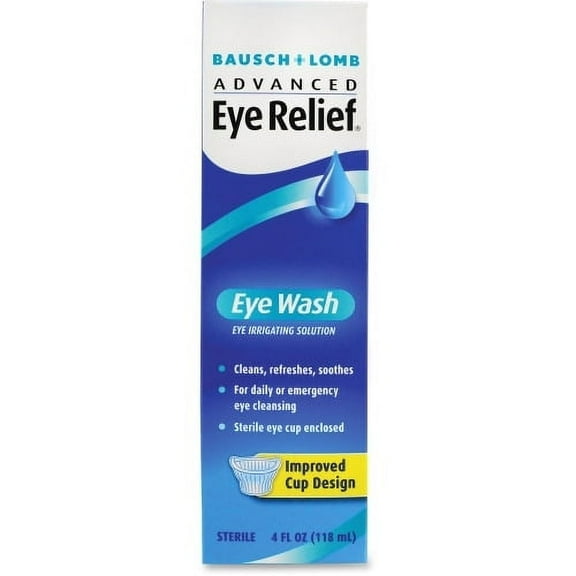


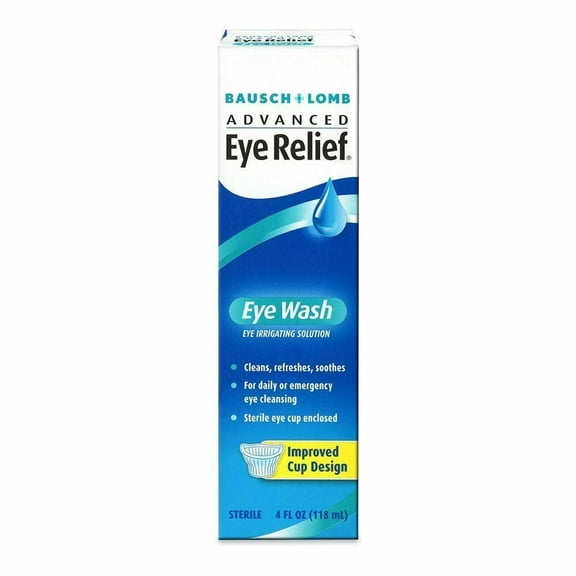
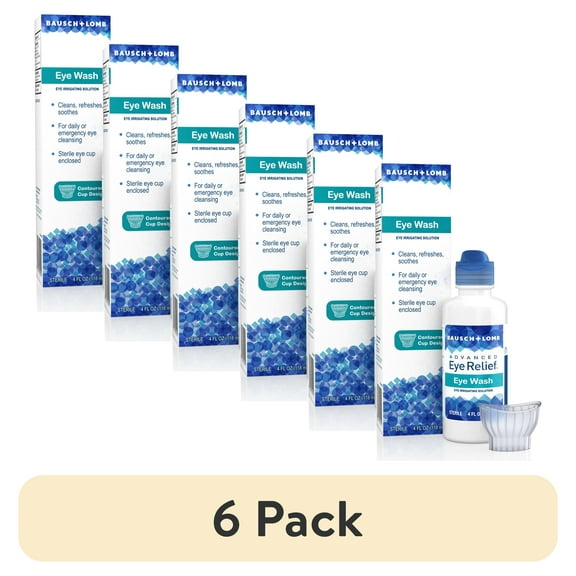
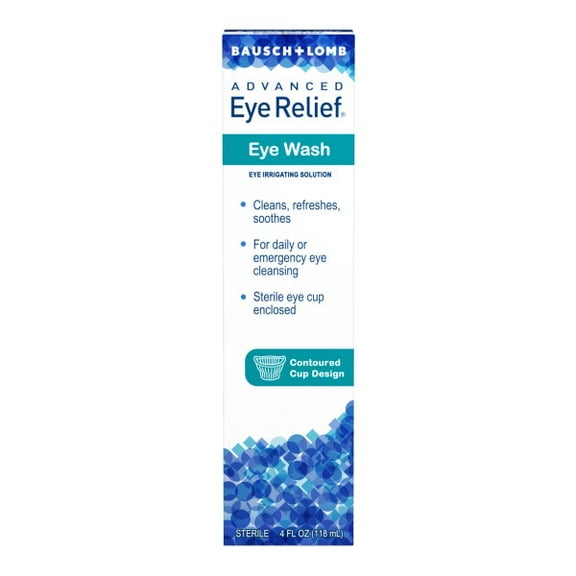
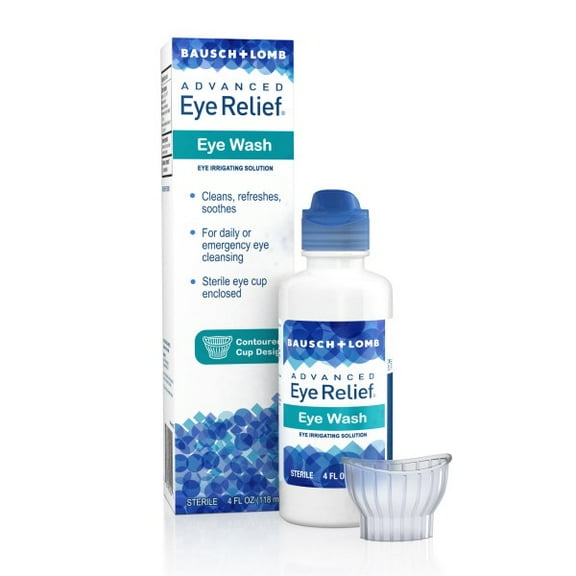
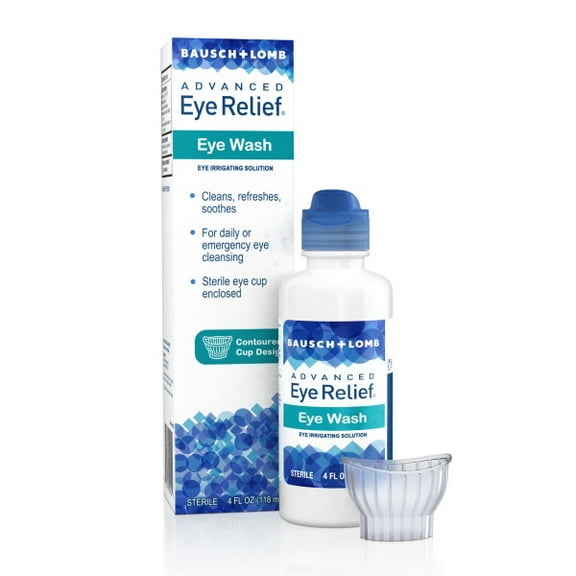

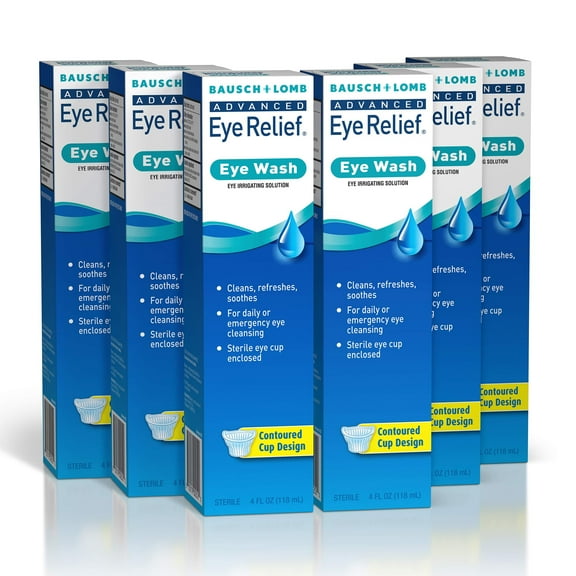
About Eye Wash Near Me: Sterile Eye Wash & Rinse Solutions - Walmart.com
Eye wash helps you prepare for home first aid and workplace response with formats that match personal needs and compliance requirements. You can compare bottles, stations, cups, and kits in one place, so your setup fits your space and use case.
If you're choosing for a jobsite, shop floor, or lab, you'll want guidance that reflects ANSI Z358.1 and OSHA-focused decisions. If you're choosing for home, you'll likely focus on sterile eye wash options, compact storage, and easy access.
How to choose eye wash by format
You should start with the format because it shapes how you store, access, and maintain your supplies. You can choose bottles for portability, stations for fixed placement, cups for directed rinsing, and kits for broader first aid organization.
When you compare an eye wash station with personal bottles, you should think about location and traffic. You may need wall-mounted access in work areas, while your home cabinet may only need a compact eye wash solution.
- You can use bottles when you want portable, ready-to-store eye flush supplies.
- You can choose stations when your workspace needs a visible emergency eye wash setup.
- You can add cups when you want more directed rinsing with a compatible solution.
- You can keep kits when you want eye wash with related first aid essentials together.
You should also check whether your setup is self-contained or connected to a water line. You may prefer gravity-fed stations for simpler placement, while plumbed units suit permanent safety layouts.
Choosing emergency eye wash for compliance needs
If you're buying for a workplace, you should compare personal use items against emergency eye wash stations carefully. You may need ANSI Z358.1 guidance and OSHA-compliant features, especially when your facility has formal safety requirements.
You can use these standards as a shopping filter rather than a technical obstacle. You should look for labeling, installation details, and refill compatibility that support your inspection and maintenance routine.
For personal use, you don't need the same setup as a fixed industrial station. You may simply want an eye wash bottle or sterile eye wash product that stores neatly and stays easy to identify.
What to look for in eye wash solution
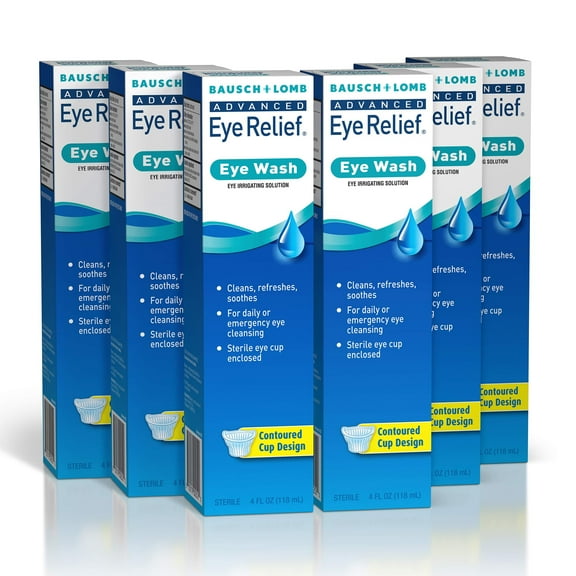
You should compare solution type next because the liquid itself affects your intended use and replacement plan. You can find sterile saline, purified water, and neutralizing formats across different eye wash solution products.
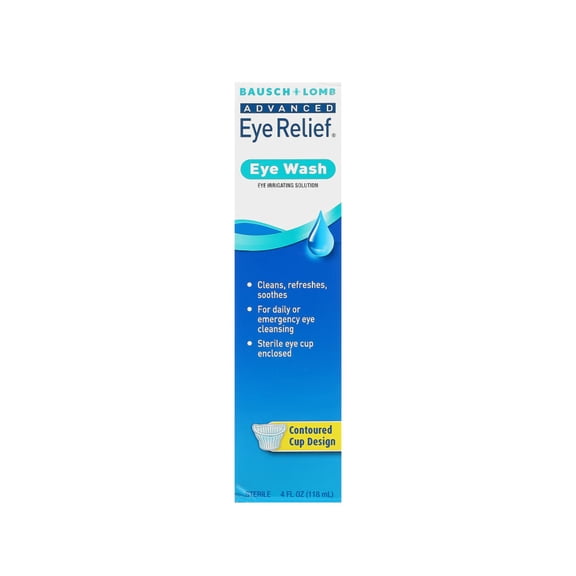
If you want a common personal-use option, you'll often consider sterile saline eye wash first. You can recognize it as a familiar format for first aid cabinets, travel kits, and breakroom storage.
You should review expiration information before you stock multiple units. You can use shelf life details to rotate inventory, replace older bottles, and keep your eye wash solution ready for planned inspections.
When you compare refill choices, you should confirm whether a station uses proprietary bottles or universal-style replacements. You can avoid setup confusion when your refill type matches your station design and maintenance schedule.
Comparing size, mounting, and refill setup
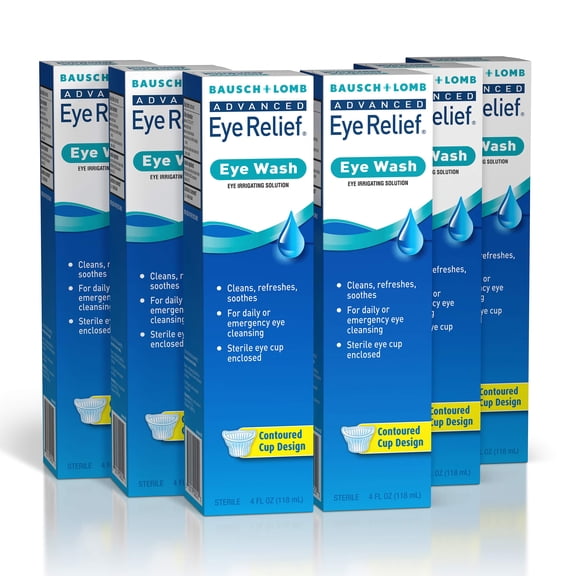
You should match volume and size to how often people may need access and where you'll place the unit. You can choose single-use bottles for compact storage, 16 oz or 32 oz bottles for larger capacity, and wall-mounted options for fixed placement.
If you're outfitting a workspace, you should consider visibility and refill planning along with bottle size. You may want wall-mounted emergency eye wash stations where employees can spot them quickly during routine walkthroughs.
You should also decide whether you want a plumbed system or a self-contained unit. You can use plumbed stations in permanent layouts, while gravity-fed units help when plumbing access isn't part of your space.
For home storage, you may prefer smaller bottles that fit in a bathroom cabinet or first aid bin. You can keep a simple eye flush option nearby without committing to a larger installation.
Matching eye wash to real-world use
If you're stocking a garage, workshop, or utility room, you should focus on easy storage and clear labeling. You can choose bottles or a small kit when you want personal-use access without a mounted station.
If you're supporting a warehouse, lab, or manufacturing area, you should compare emergency eye wash station layouts carefully. You can check wall space, refill size, and compliance notes before choosing a permanent or self-contained setup.
When you're updating a first aid area, you should pair eye wash with related supplies like bandages, burn care, and first aid kits. You can build a more organized response area when these items stay grouped by use.
If you're managing recurring inspections, you should look for refill dates and replacement details that are easy to track. You can keep your sterile eye wash supply organized when bottle size, solution type, and station design align.
You should feel more confident when your eye wash choice matches your space, compliance needs, and refill routine. You can narrow the category faster when you compare format, solution type, size, and station setup together.