


Ice Packs & Instant Cold Packs | Walmart




















About Ice Packs & Instant Cold Packs | Walmart - Walmart.com
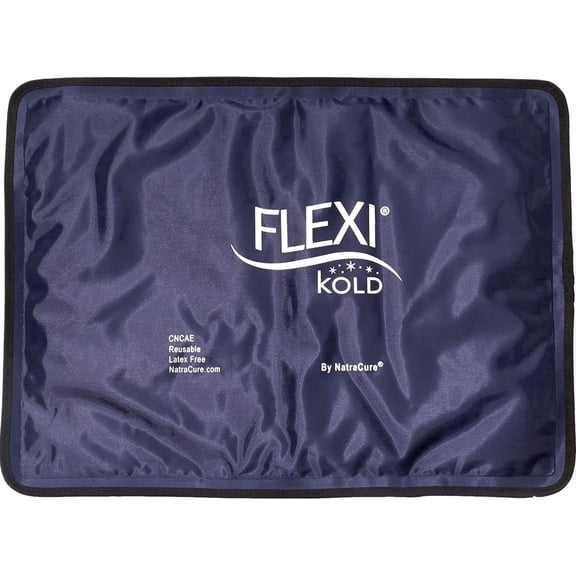
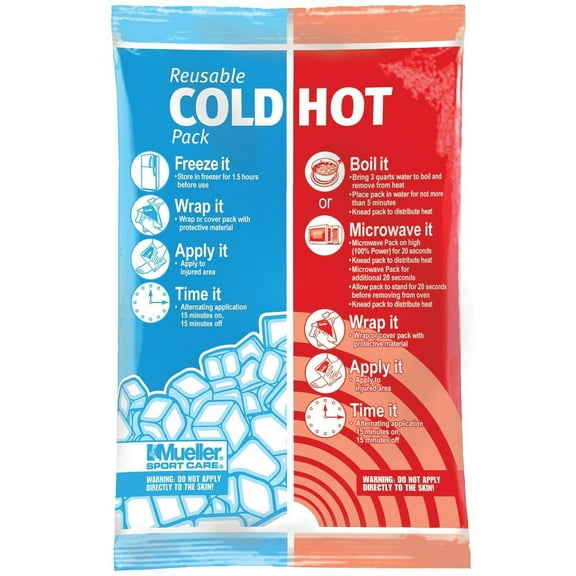
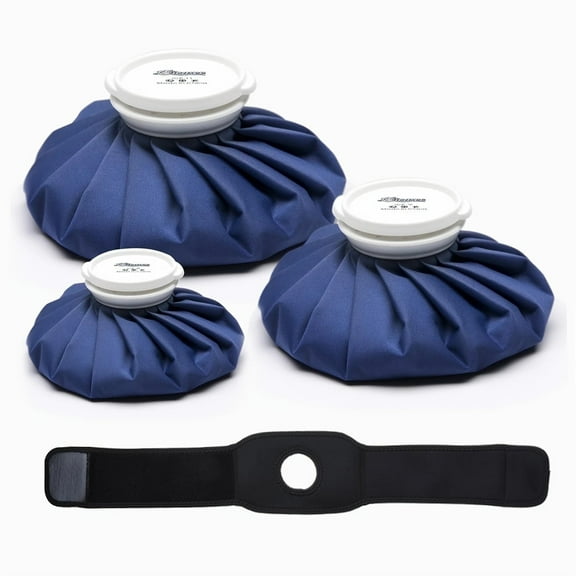
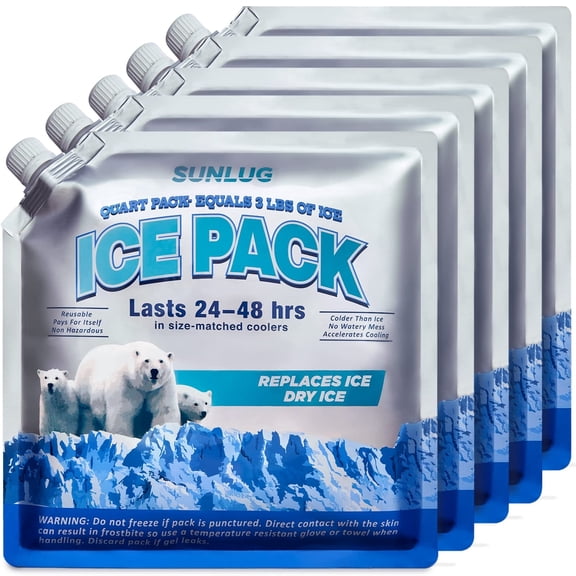
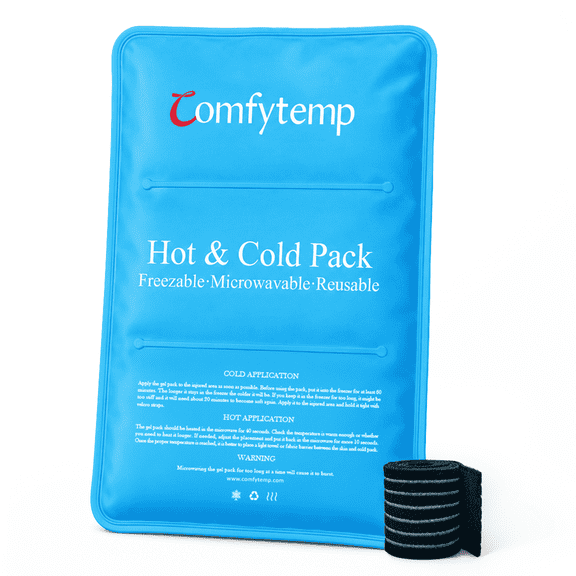
Ice packs help you handle everyday first-aid needs with options that match your routine, storage space, and preferred cold format. You can compare reusable ice packs, gel ice packs, and instant cold packs to find the right fit for injuries, lunch boxes, and home readiness.
How to choose ice packs by reusability
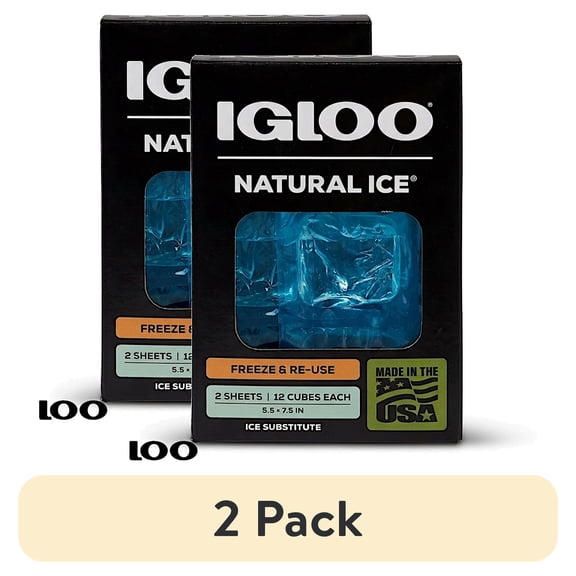
You should start with reusability, because that choice shapes convenience, storage, and how often you’ll reach for a pack. You may prefer reusable ice packs when you want a freezer-ready option for repeat use at home, work, or practice.
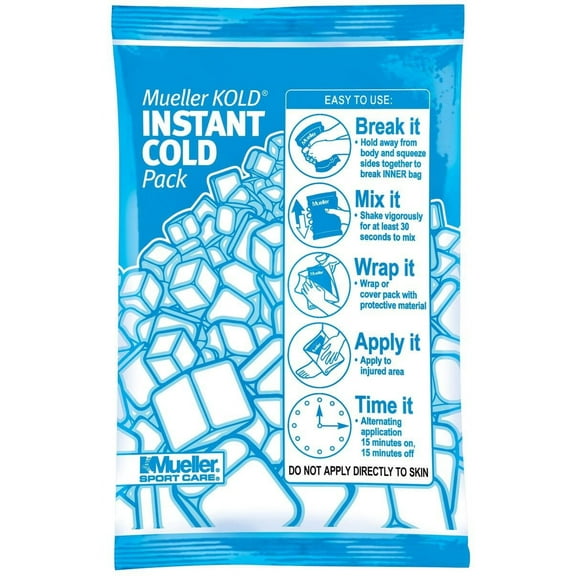
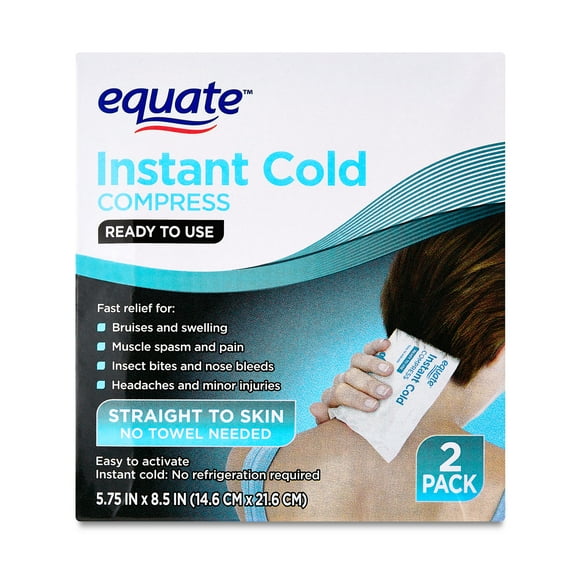
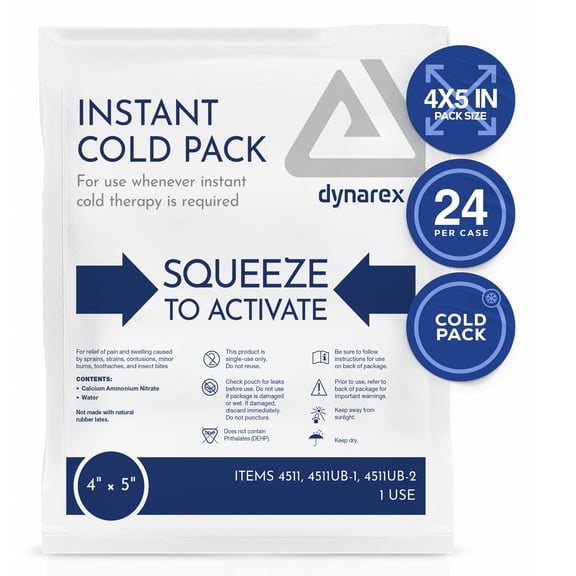
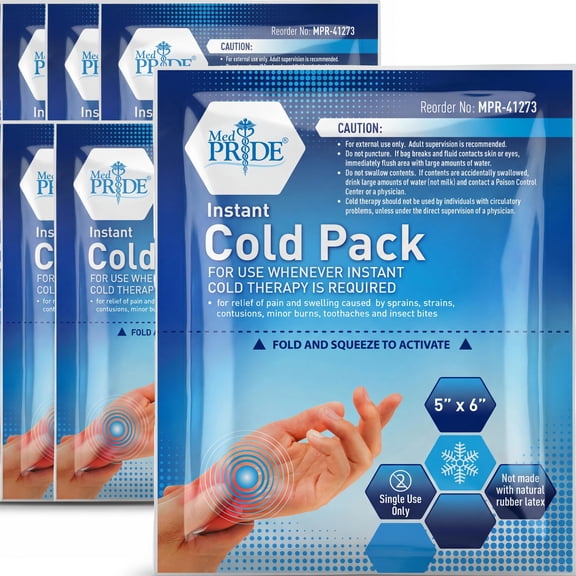
If you need a grab-and-go option, you can compare disposable or single-use cold packs for travel kits and emergency bags. You’ll usually activate instant cold packs without a freezer, which makes them useful when cold storage isn’t available.
You can use this quick guide to narrow your choice before you compare sizes and shapes. You’ll often find that your routine matters as much as the pack’s fill material.
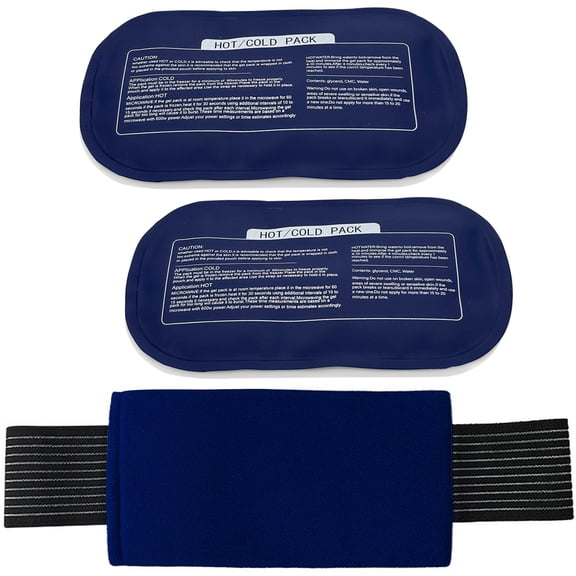
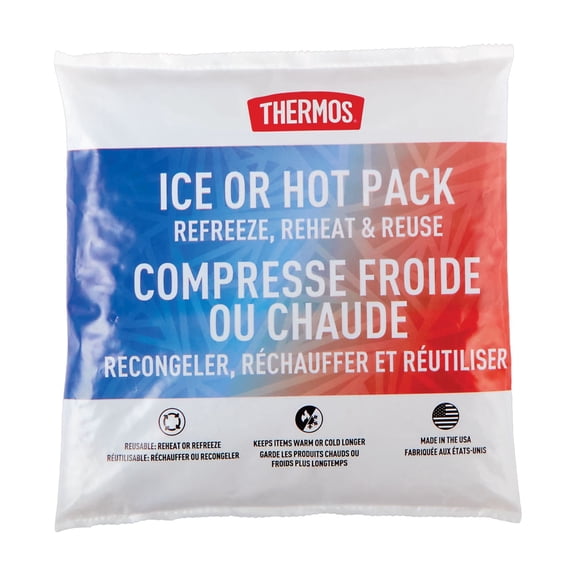
- You may choose reusable styles when you want a cold pack ready in your freezer.
- You may choose single-use styles when you need portable cold without freezer access.
- You can keep both types on hand if your home kit and travel kit serve different needs.
Choosing between gel ice packs and other fills
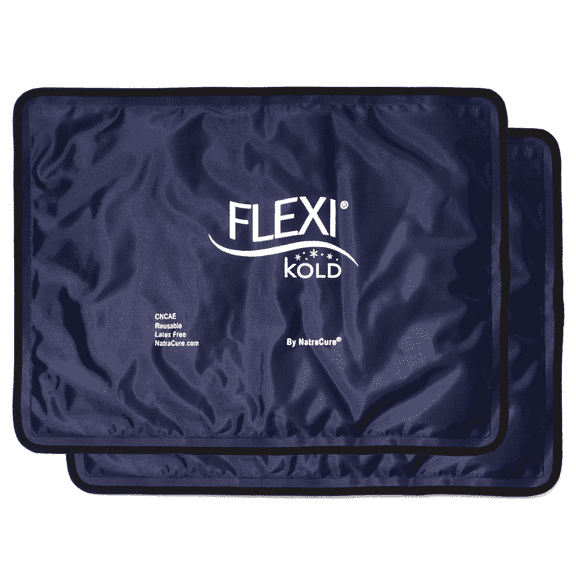
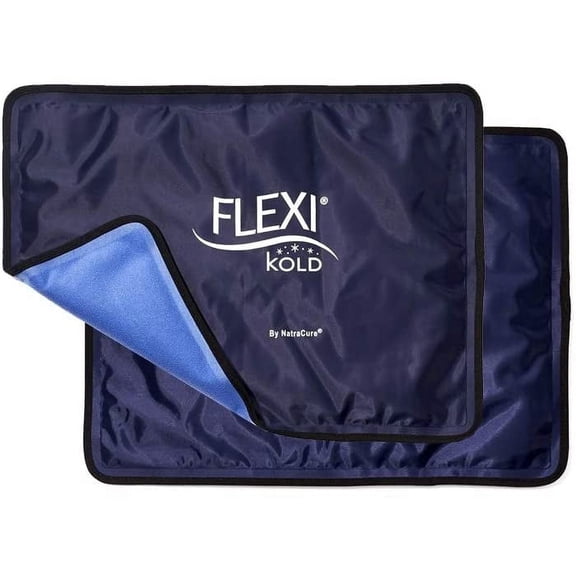
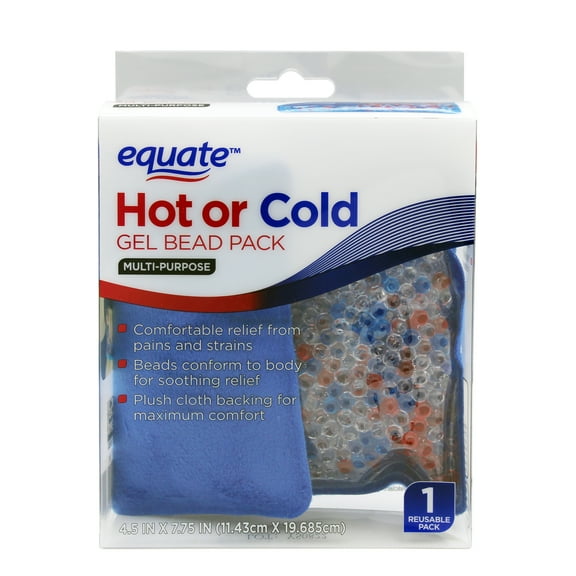
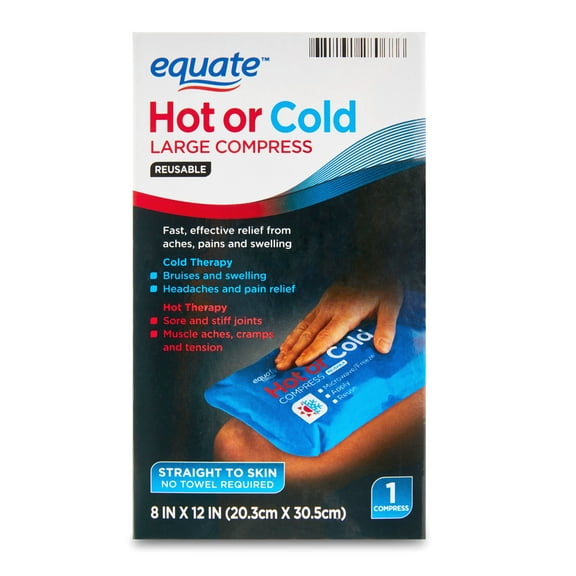
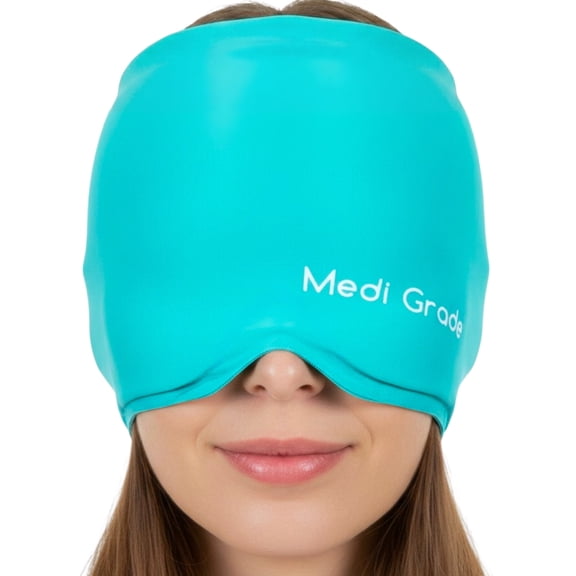
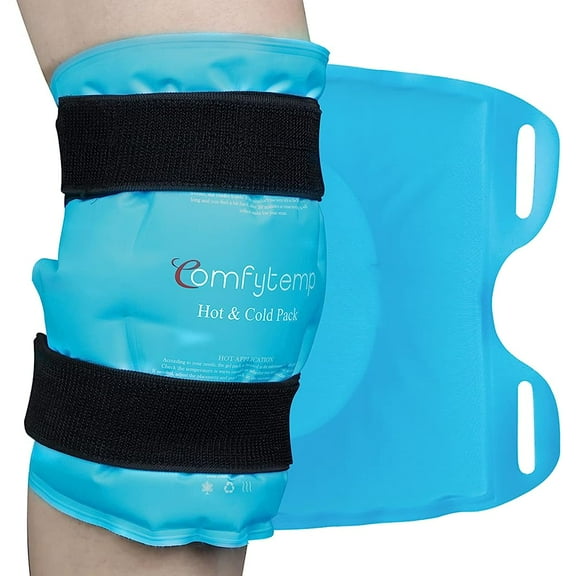
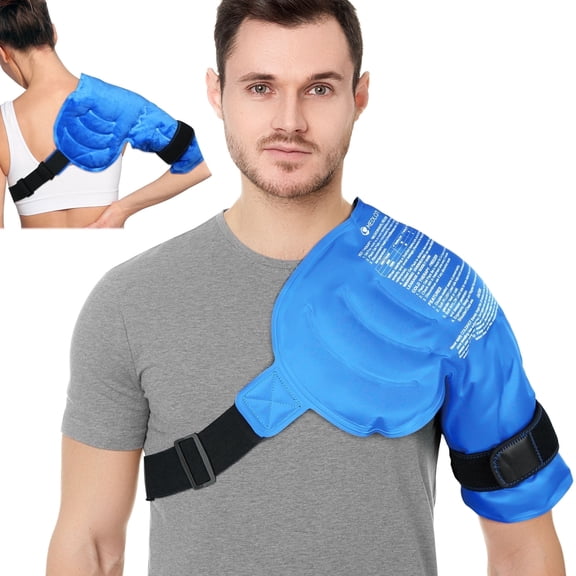
You’ll want to compare fill material next, because it affects flexibility, cold feel, and how the pack rests against your body. You may notice gel ice packs stay easier to position around knees, shoulders, ankles, and elbows.
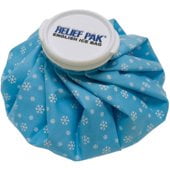
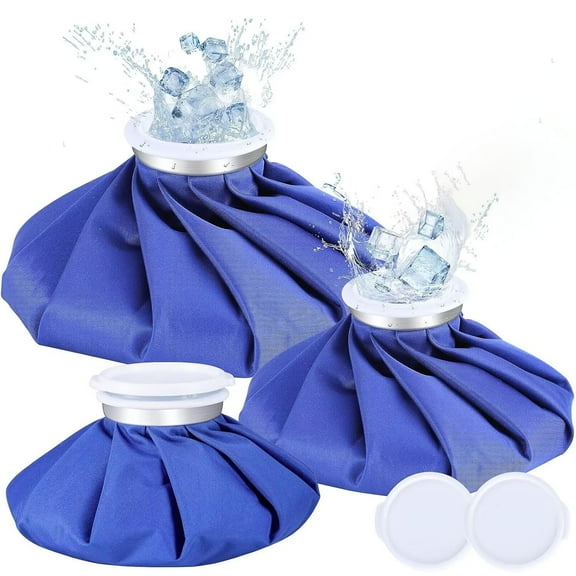
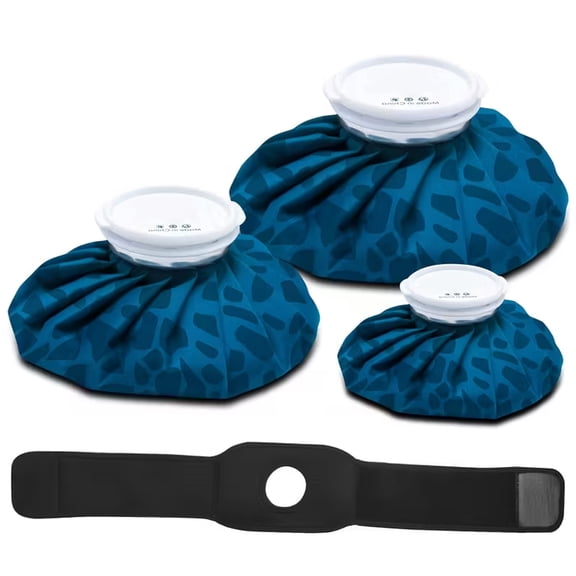
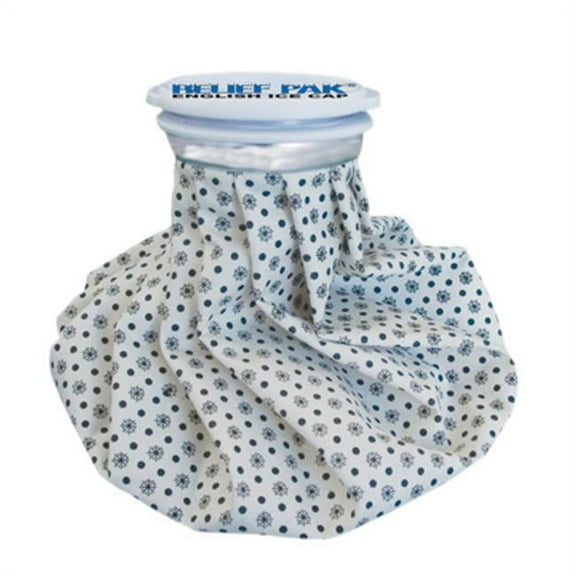
If you compare clay, instant chemical, and ice-fillable options, you’ll see each format supports a different routine. You can pick ice-fillable styles when you want to control the amount of ice, or choose instant packs when speed matters.
You should also check whether the pack uses non-toxic materials and a durable outer layer for family use. You’ll appreciate that detail when your pack touches skin through a towel or slips into a lunch bag.
Why flexibility matters for ice packs for injuries
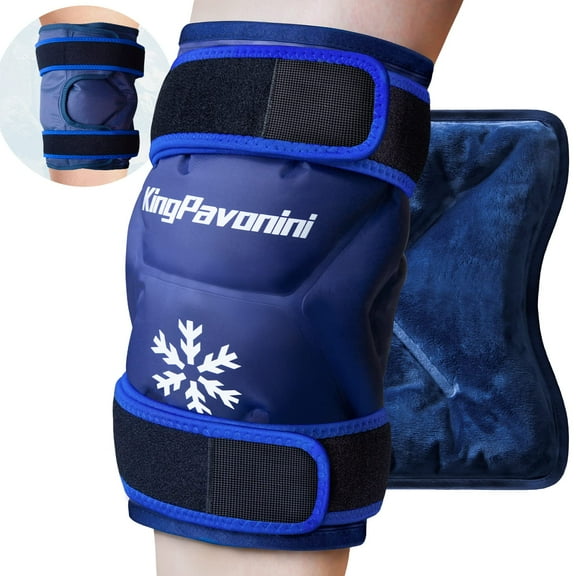
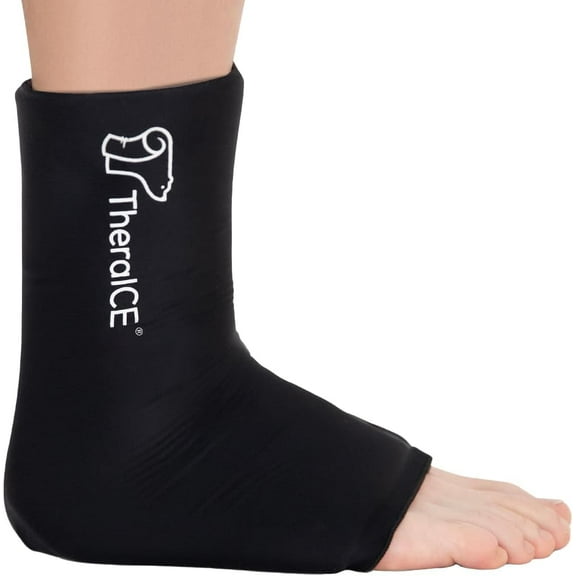
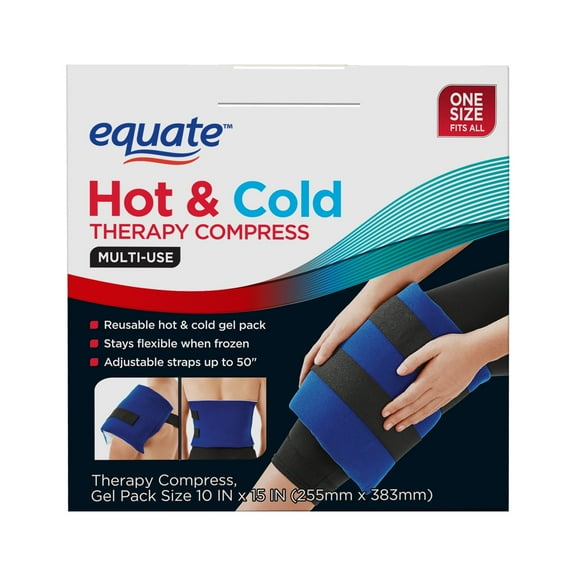
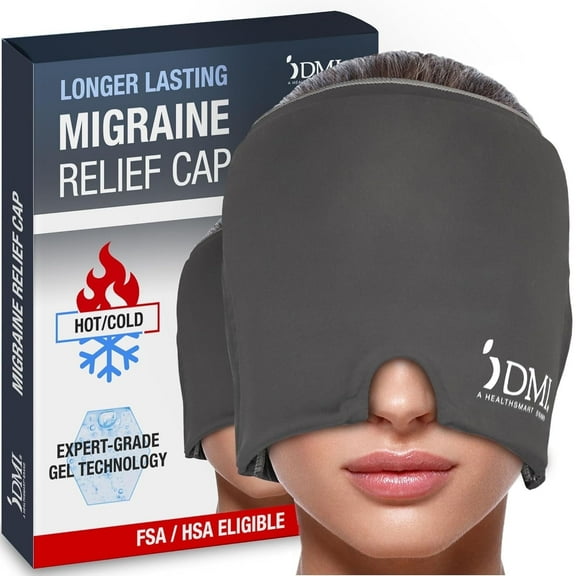
You should pay close attention to flexibility when frozen, because that detail changes how securely a pack sits on curved areas. You’ll usually want flexible ice packs for injuries involving joints, where a flat rigid pack may shift around.
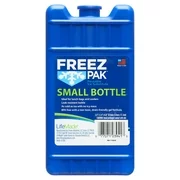
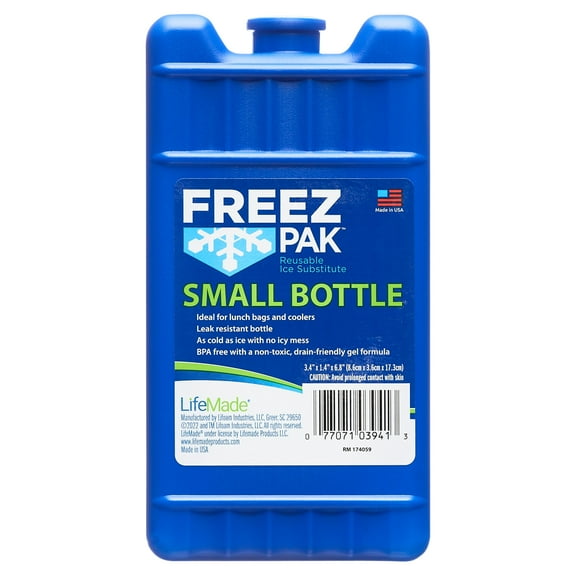
If your goal is contouring, you can look for packs described as flexible when frozen or designed to wrap around movement areas. You may prefer a more rigid shape when you want steady placement inside a cooler or lunch box.
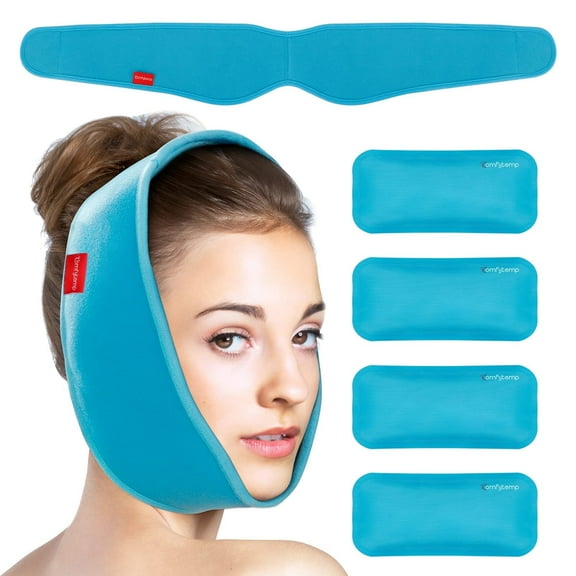
You can also compare pack shape with your target area before you choose. You’ll often find that long packs suit arms and calves, while smaller contouring shapes fit elbows and knees.
What to look for in cold duration and pack design
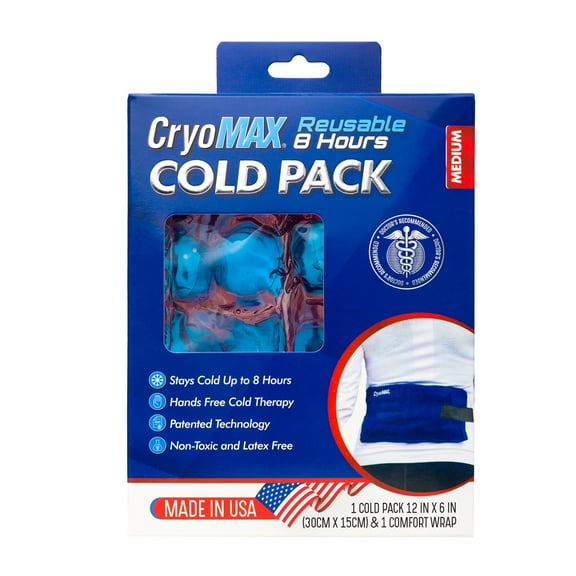
You should compare cold duration in plain terms, because that tells you how long your pack stays usefully chilled after leaving the freezer. You’ll want a balance between steady cold and comfortable handling, especially for repeat use through the day.
If you’re choosing for home care, you can look for thicker fills or layered designs that hold temperature longer. You may prefer slimmer cold packs when you want lighter weight, quicker chilling, or easier packing in lunch totes.
You should also measure size, closure style, and surface texture before you decide. You’ll get a smoother fit when your pack dimensions match the body area, lunch container, or storage drawer you use most.
- You can compare thicker packs when you want longer cold retention.
- You may choose slimmer packs when you want easier storage and lighter handling.
- You should check dimensions if you need a pack for a knee wrap, lunch box, or compact first-aid kit.
Matching ice packs to your everyday use cases
You can match your pack to the situation for a simpler decision. You may want gel ice packs or flexible ice packs for injuries when you need a pack to contour around knees, elbows, or shoulders.
If you’re packing meals, you can look for lunch box ice packs with slim shapes that fit beside containers and drinks. You’ll usually want a sealed design that stores neatly and chills contents without taking up too much room.
For emergency kits, you may keep instant cold packs where freezer space isn’t available. You can store them in cars, sports bags, classrooms, or workplaces for quick access when you need cold on the spot.
If you’re organizing home recovery supplies, you can compare reusable cold packs by shape, size, and softness when frozen. You’ll often prefer contouring packs for joints and broader packs for larger areas that need more coverage.
You should also think about who will use the pack most often. You may want easy-clean surfaces, non-toxic materials, and straightforward storage for family routines that include school lunches, sports gear, and first-aid drawers.
Ice packs that fit how you use them
You can choose confidently when you compare reusability, fill material, flexibility, and cold duration together. You’ll end up with ice packs that fit your routine, store easily, and stay ready when your day calls for dependable cold.