






Collapsible Folders & Expanding File Folders | Walmart






















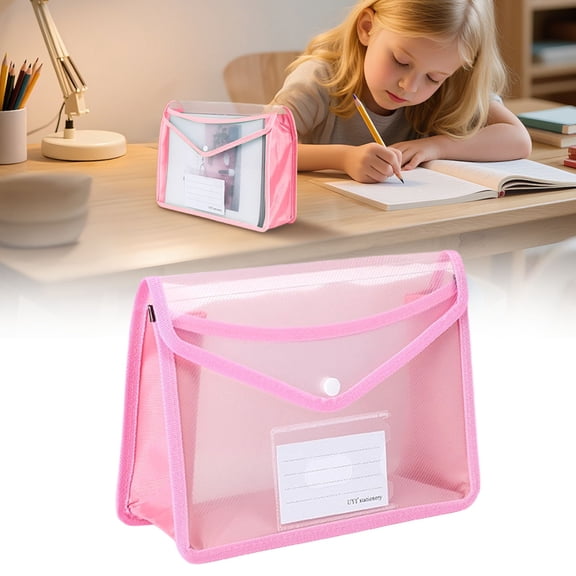


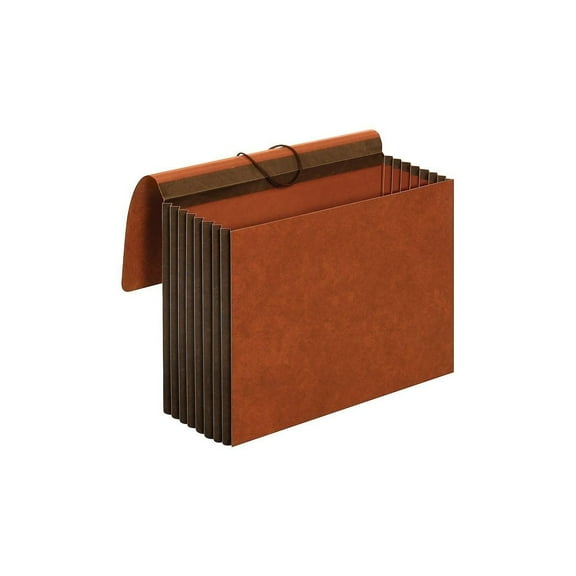
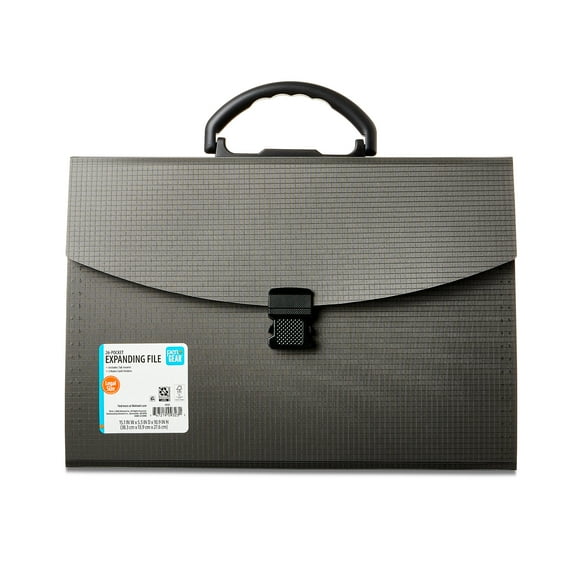


About Collapsible Folders & Expanding File Folders | Walmart - Walmart.com
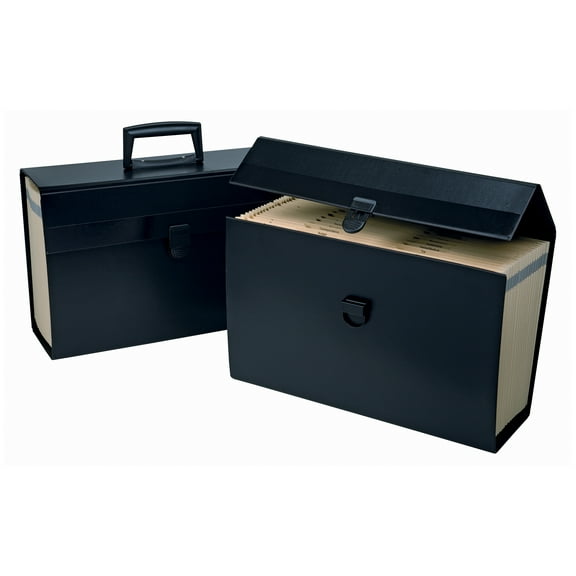
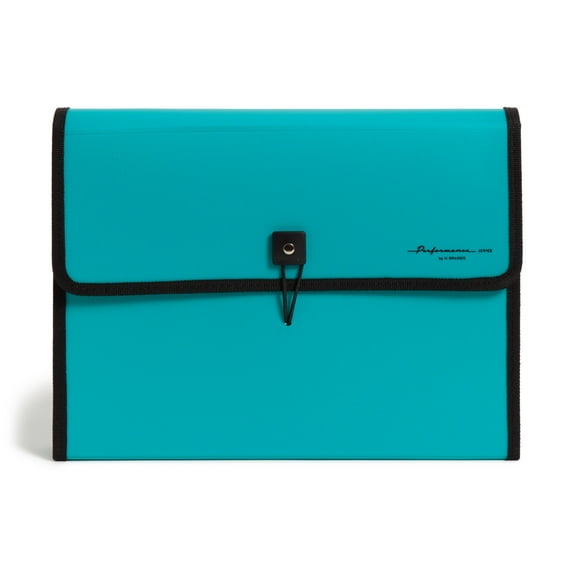
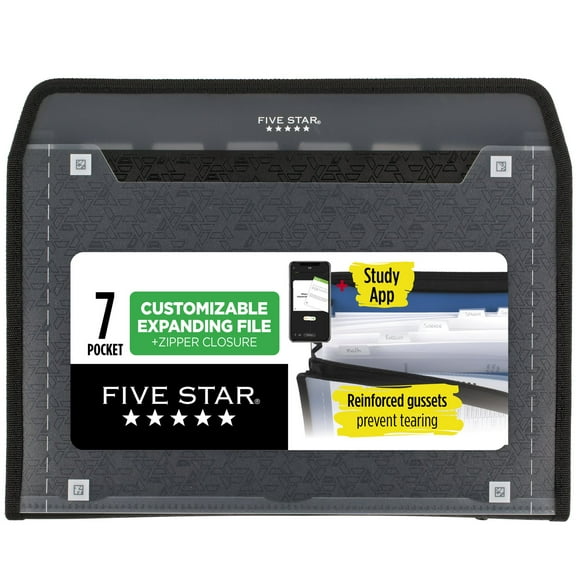
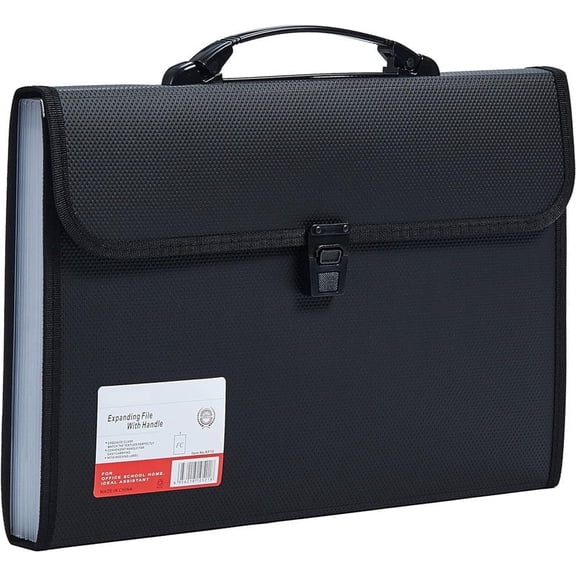
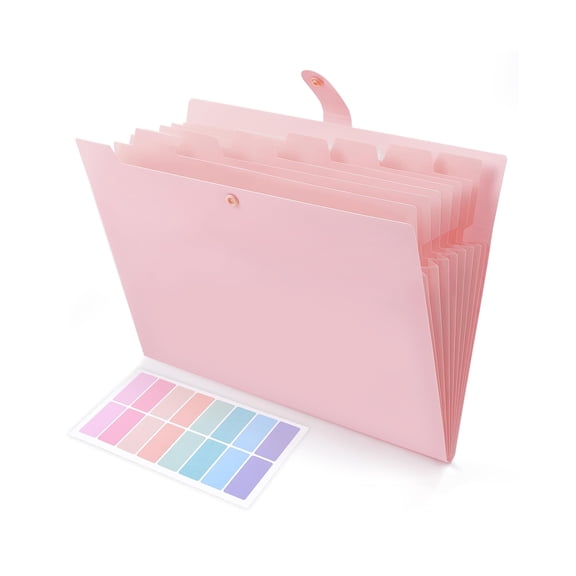
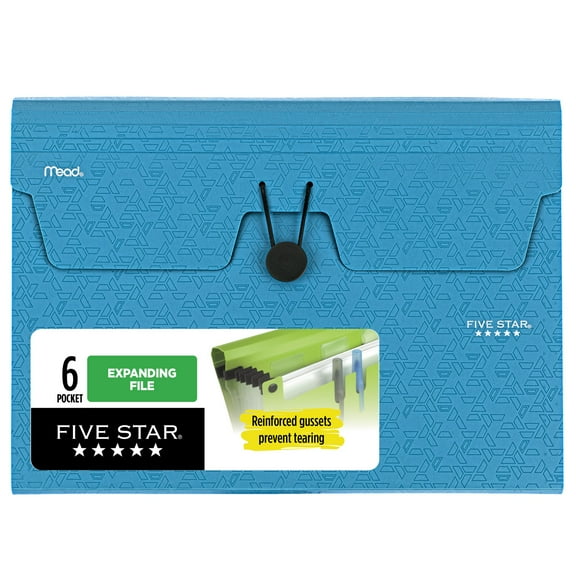
Expanding folders help you sort receipts, school papers, and office documents without stacking loose sheets. You can compare pocket count, size, material, and closure style to match how you file every day.
How to choose expanding folders
When you choose expanding folders, you should start with how many sections you need. You can keep simple projects tidy with fewer pockets or sort ongoing paperwork with many labeled sections.
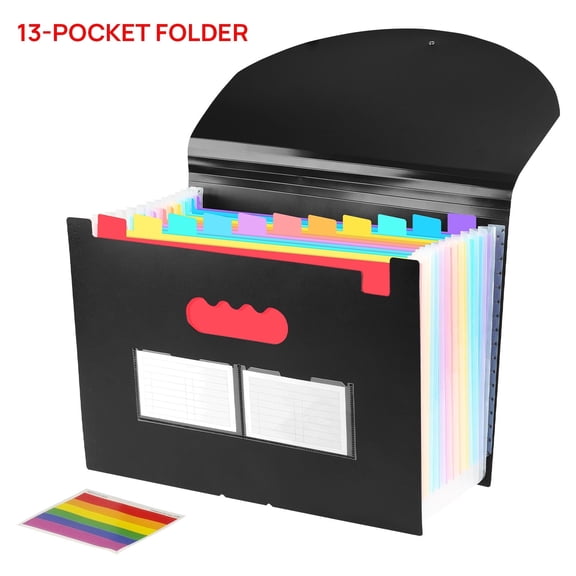
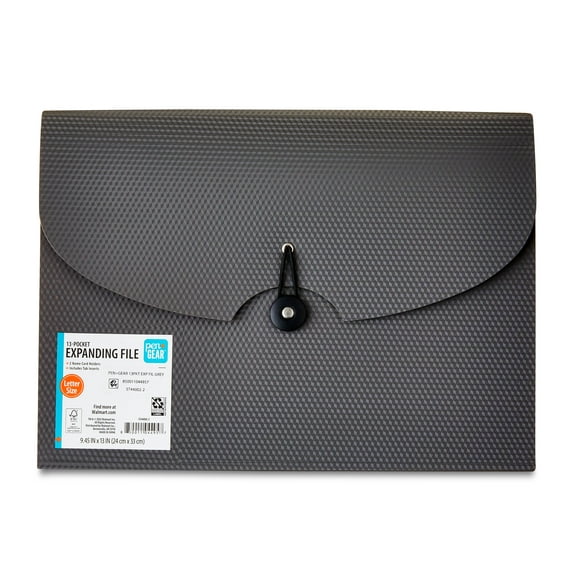
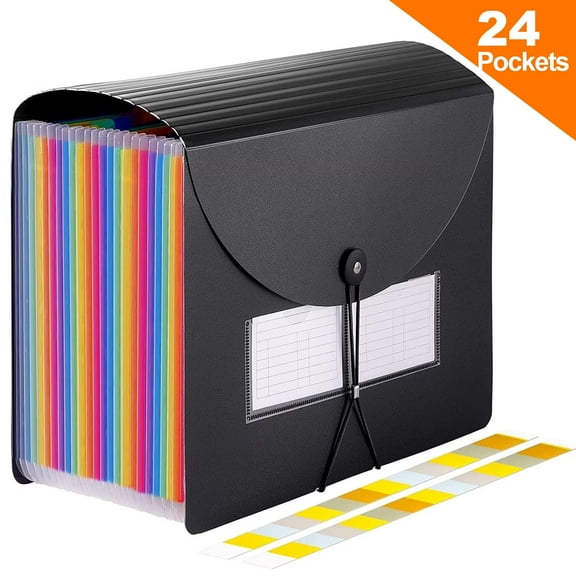
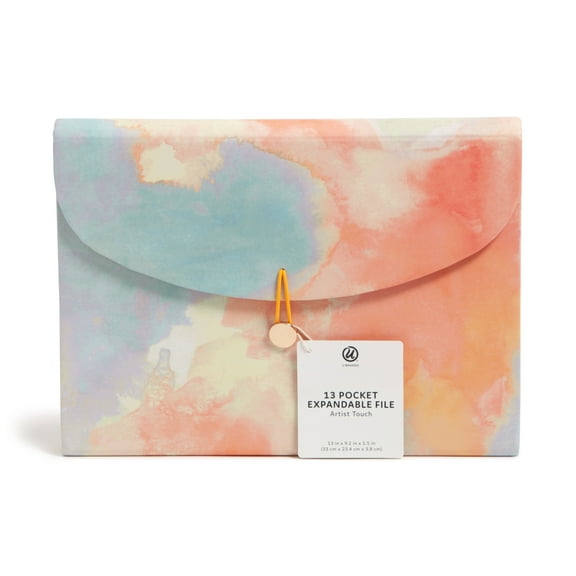
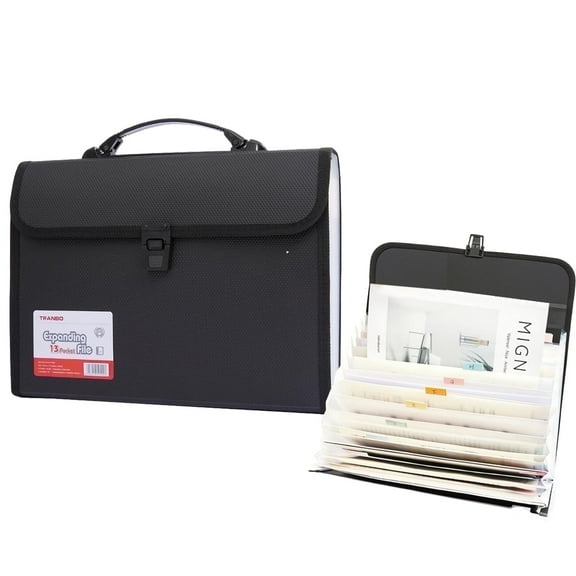
If you manage monthly bills, you may prefer a 13 pocket expanding file for clear category separation. If you sort larger sets, you can compare 24 pocket and 31 pocket formats.
Your filing routine should guide your choice more than appearance alone. You can keep tax papers, coupons, classroom handouts, or client forms easier to scan when each section has a clear purpose.
- You can separate bills, forms, receipts, and notes by pocket count.
- You can match letter size, legal size, or A4 sections to your documents.
- You can compare plastic, polypropylene, paper, and manila materials.
- You can choose elastic, zipper, snap, or buckle closures for travel or desk use.
Choosing pocket count in expanding file folders
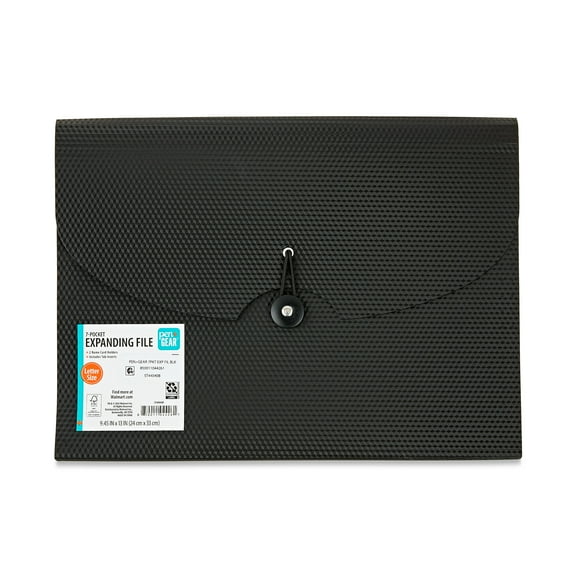
Pocket count affects how detailed your system feels during busy weeks. You can use a five pocket style for quick categories or a larger organizer for daily paperwork.
For home use, you may like 13 pockets because they fit monthly filing habits well. You can assign sections for utilities, school notices, medical forms, and receipts.
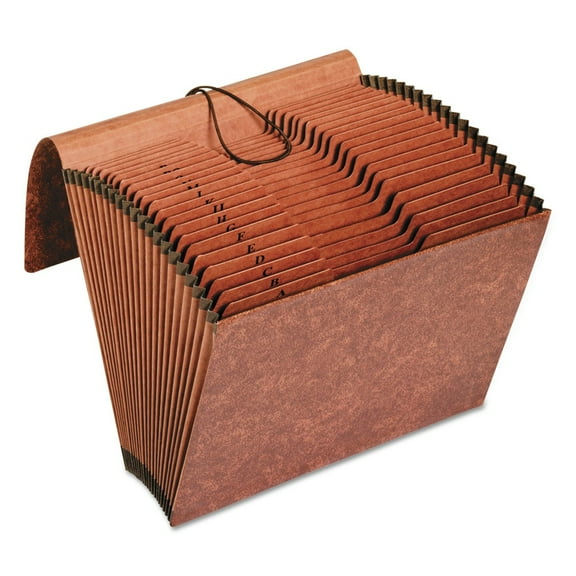
If you archive many categories, you may want 24 or 31 pockets for alphabetical or project-based filing. You can reduce paper mixing when each section stays dedicated.
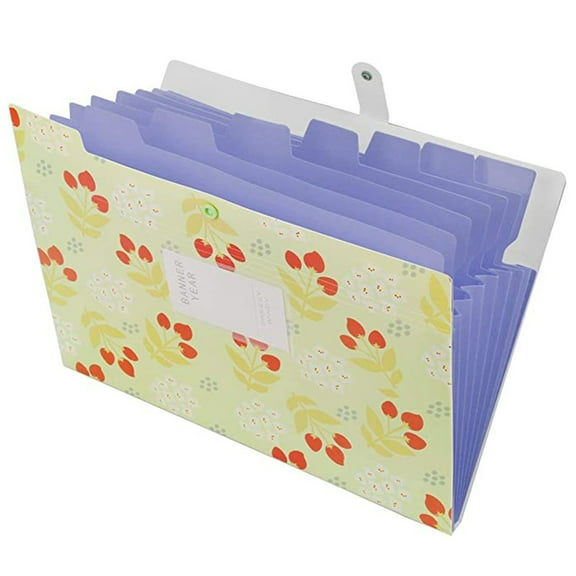
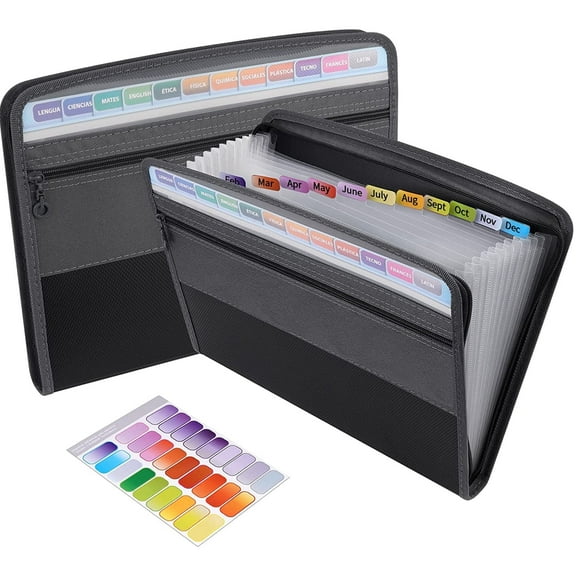
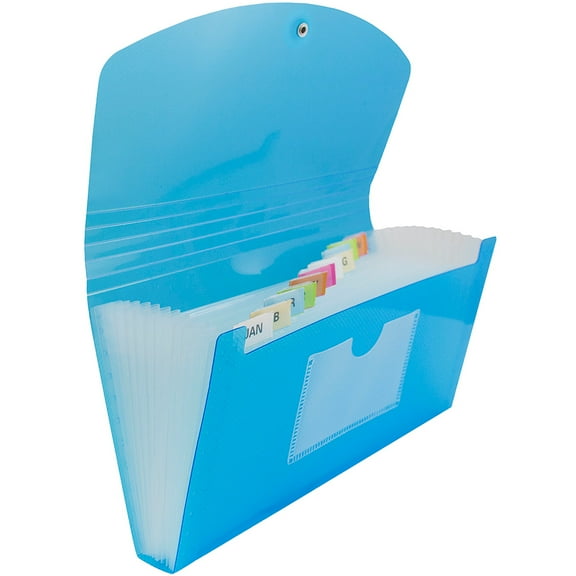
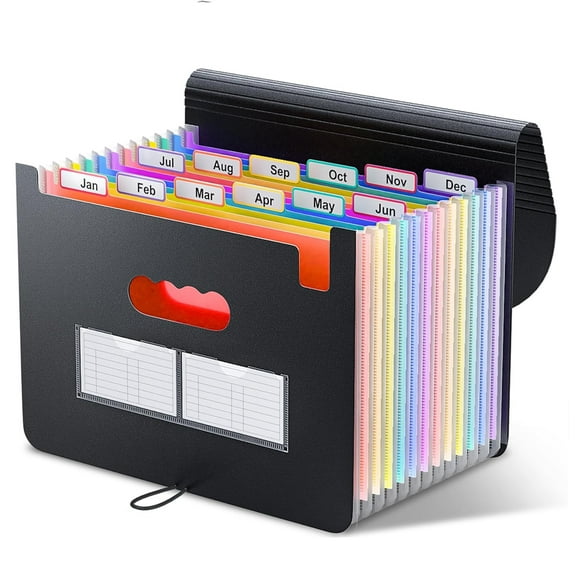
Tabs matter when you need faster reference during work or study sessions. You can use expanding folders with tabs to label subjects, months, accounts, or projects.
Choosing the right size for your documents
Size compatibility keeps your papers flat and easier to review later. You should check whether you file letter size pages, legal size forms, or A4 documents.
Letter size works well when you organize standard school, office, and household paperwork. You can store printouts and invoices without curling corners when the folder matches the page.
Legal size formats give you extra room for contracts, forms, and longer documents. You can avoid folding pages when your paperwork runs longer than standard sheets.
If you handle mixed document types, you should measure your largest papers first. You can compare depth and width so your organizer fits what you actually carry.
Comparing materials in an accordion file organizer
Material changes how your accordion file organizer feels in a backpack, tote, or desk drawer. You can compare plastic expanding folders, polypropylene styles, heavyweight paper, and manila options.
Plastic and polypropylene surfaces work well when you need a flexible outer shell. You can wipe them clean more easily, and you can carry them often without the same feel as paper.
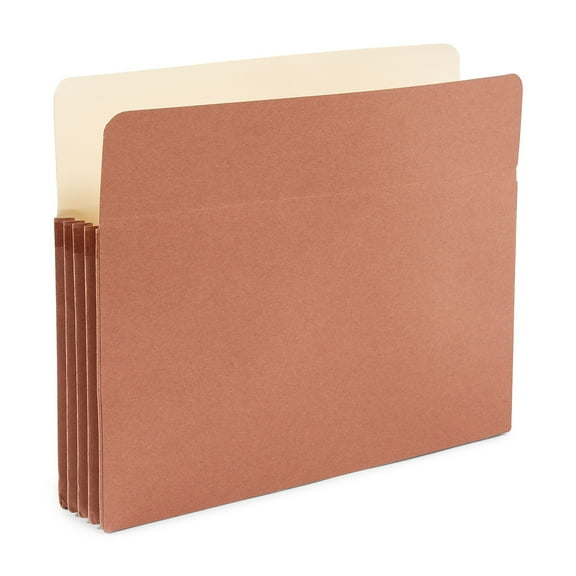
Heavyweight paper and manila styles give you a classic filing look for desk use. You can label them clearly, and you can stack them with other office supplies neatly.
Your environment should shape this decision as much as appearance. You may prefer sturdier plastic for daily commuting, while you may choose paperboard for shelf or cabinet filing.
Choosing closure types for travel or desktop filing
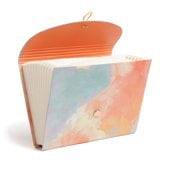
Closure type decides how secure your papers feel when you move between rooms or locations. You can compare elastic band, zipper closure, snap button, and buckle closure designs.
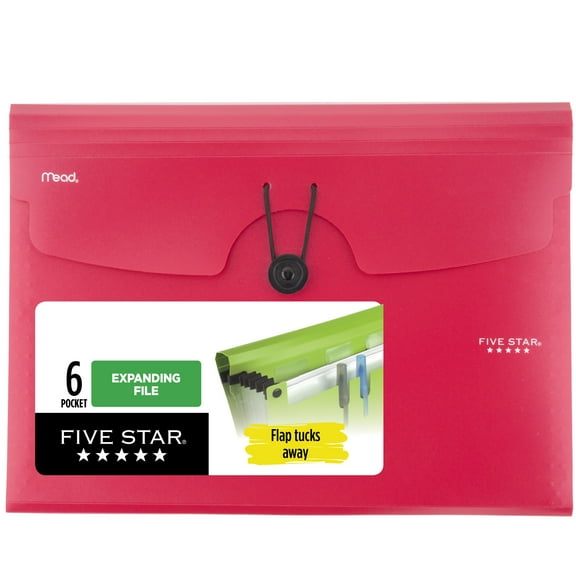
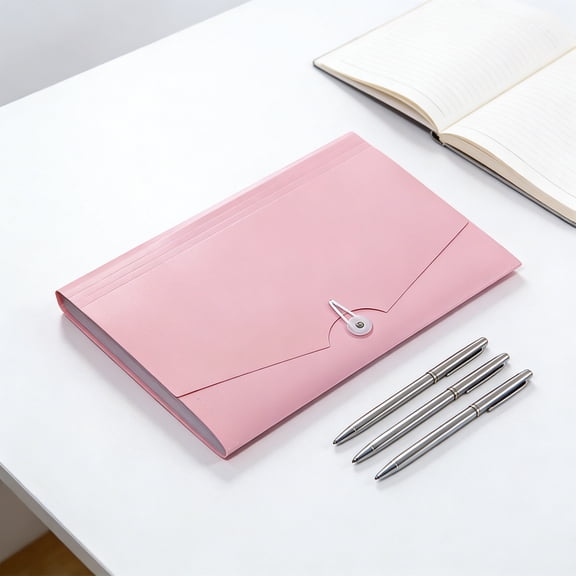
An elastic band gives you quick access when you open and close your file often. You can keep everyday papers together without adding much extra bulk.
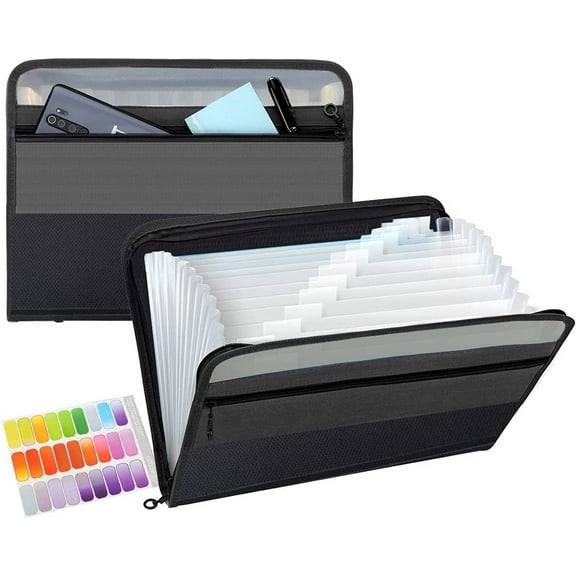
A zippered expanding file suits you when you carry documents in a backpack or work bag. You can keep contents enclosed during commutes, meetings, and classroom transitions.
Snap and buckle options give you a structured feel with simple access. You can choose them when you want closure support without a full zipper design.
Use cases for expanding folders and accordion organizers
You can use expanding file folders for school subjects, household records, event planning, or mobile office paperwork. You can keep forms grouped by deadline, class, client, or month.
For household organization, you can assign pockets to insurance papers, appliance guides, and tax documents. You can find records faster when categories stay separated all year.
At school, you can sort handouts, essays, and permission slips by class or week. You can keep papers flatter than a loose stack inside a backpack.
At work, you can organize invoices, meeting notes, contracts, and project drafts in one portable file. You can compare tabs, closures, and sizes based on whether you travel or stay at a desk.
If you need broader paper organization, you can also compare file folders, hanging file folders, and other office supplies. You can build a filing setup that matches both short-term sorting and long-term storage.
With the right expanding folders, you can keep papers separated, visible, and ready when you need them. You can choose by pockets, size, material, and closure for a filing system that stays organized.