



Bunk Beds in Kids’ Furniture




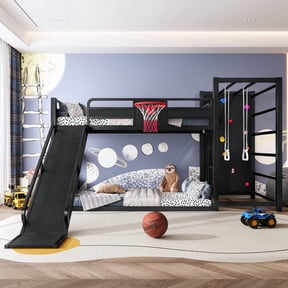



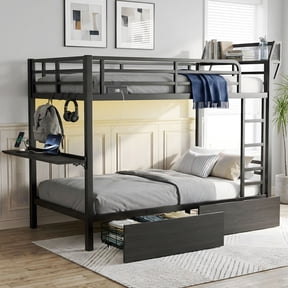


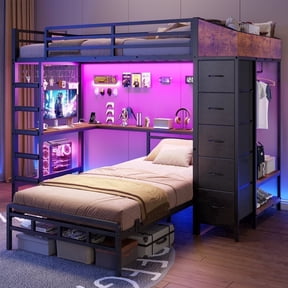


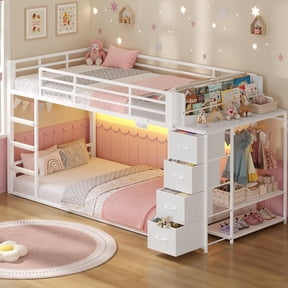


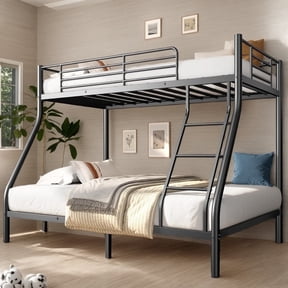

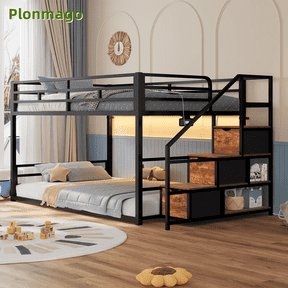


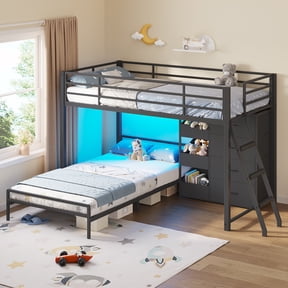













About Bunk Beds in Kids’ Furniture - Walmart.com
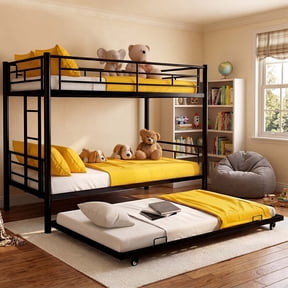
Bunk beds for kids help you use shared bedrooms wisely while keeping floor space open for play, storage, and study. You can compare low-profile frames, loft layouts, and split-apart designs that fit your room and your child’s stage.
When you’re choosing this category, you’re usually balancing sleeping space, ceiling clearance, and daily routines. You’ll want details like guardrail height, ladder style, and weight limit in pounds before you decide.
How to choose bunk beds for kids
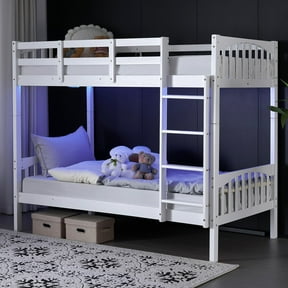
You can start with size and configuration because that choice shapes how the whole room works. You’ll usually see twin over twin, twin over full, full over full, and loft bed options.
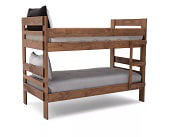
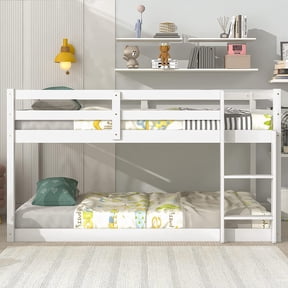
If you’re furnishing a smaller room, you may prefer twin over twin frames or a junior bunk bed with a lower height. You can also consider a small double bunk bed setup when you need more width without taking over the room.
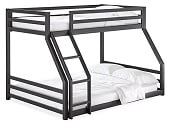
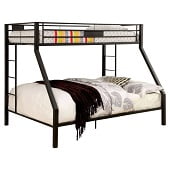
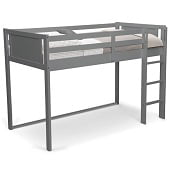
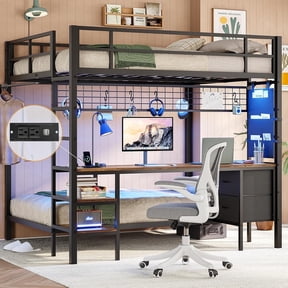
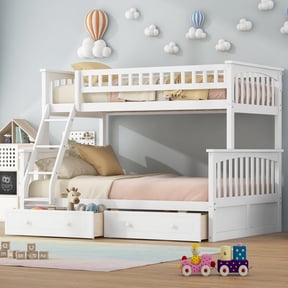
For siblings with different sleep needs, you may like twin over full designs because you get a compact upper bunk and a roomier lower bunk. If you need open space below, you can choose a loft bed for a desk, dresser, or reading zone.
- You can free up floor space for toy bins, desks, and dressers.
- You can match the frame to your child’s age, room size, and sleep setup.
- You can compare ladder, stair, and convertible designs with more confidence.
- You can plan around mattress size, bedding, and room clearance before assembly.
Toddler bunk beds for small spaces
You should measure ceiling height first because vertical clearance affects comfort on the upper bunk. You’ll want enough space between the mattress top and the ceiling so your child can sit up more comfortably.
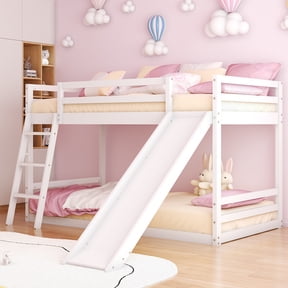
Low-profile styles can work well when you’re shopping for bunk beds for little kids or tighter rooms. You may also prefer lower ladders and easier bed access when you’re setting up a first shared bedroom.
Guardrail height matters too, especially when you’re comparing toddler and kids designs. You should check how high the rail sits above the mattress area so your setup matches the mattress depth you plan to use.
If you’re deciding between a ladder and stairs, you’ll want to think about age and daily habits. You may find stairs easier for younger children, while ladders can keep the footprint smaller.
Choosing the right junior bunk bed
You can use age group as a quick filter when you compare toddler, kids, and teen options. A junior bunk bed usually has a lower profile, which can feel easier to manage in smaller bedrooms.
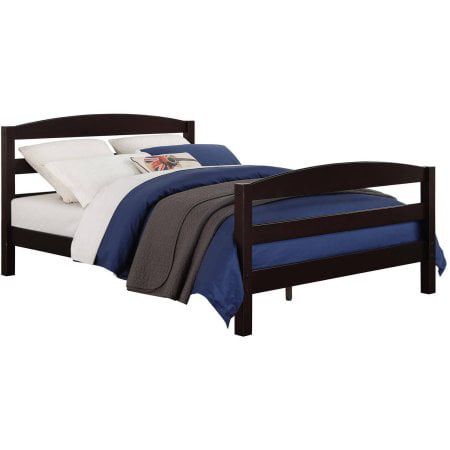
As your children grow, you may want longer-term flexibility from childrens bunk beds that can separate into two beds. That split design can help you adapt later if siblings move into different rooms.
You should also check the weight capacity for each bunk, listed in pounds on the product page. That number helps you compare who will use each level and how the frame performs.
Assembly details can make a real difference when you’re narrowing choices. You may want frames with clear instructions, standard tools, and labeled parts if you’re planning a home setup.
Key differences in kids beds bunk beds
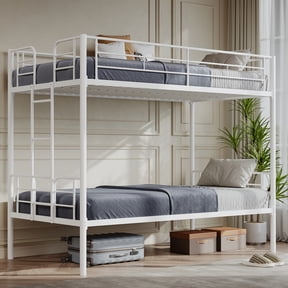
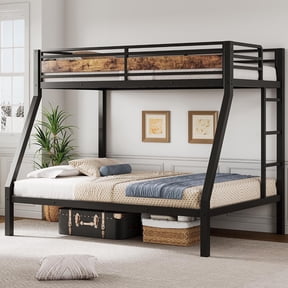
You can compare material next because it affects the look, feel, and upkeep of the frame. Solid wood often gives you a warm furniture look, while metal can feel lighter and more streamlined.
If you want a softer style, you may prefer upholstered details in kids beds bunk beds for a more finished bedroom look. You should check cleaning guidance and edge design when fabric accents are part of the frame.
Height profile also changes how the bed works in your room. You can choose low profile for younger kids, standard height for common layouts, or triple bunk options for larger shared spaces.
Some designs include underbed drawers, shelving, or open space for bins, which can help you organize tighter rooms. You may also look for beds that pair easily with twin or full mattresses and matching kids’ bedding.
Bunk bed safety and weight limits
You should review guardrails, ladder attachment, and slat support before you choose a frame. Those details help you understand how the design supports everyday climbing, sleeping, and bedtime routines.
Weight limit information is especially useful when you’re comparing twin over full and full over full designs. You can use those pound limits to match the bed to your household and sleeping arrangement.
You’ll also want to measure clearance around ceiling fans, windows, and nearby furniture before delivery. That planning step helps you place the bed where ladders, drawers, and stairs can move more easily.
If you expect your setup to change, you may want convertible styles that separate into two beds later. You get more flexibility for growing kids, room updates, or overnight guests without replacing the whole frame.
How you might use different bunk bed styles
You may choose twin over twin frames when you’re furnishing a shared room for two younger siblings. You keep the sleeping area compact, and you leave more floor space for play mats or storage cubes.
If you’re mixing ages, you might prefer twin over full options for a younger child above and an older child below. You get a layout that uses vertical space while keeping the lower bunk roomier.
You can use a loft bed when one child needs a sleep space and a homework zone in one room. That setup works well when you want a desk or dresser underneath instead of a second mattress.
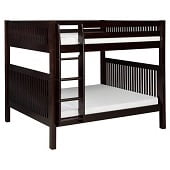
For teens or larger households, you may compare full over full or triple bunk designs more closely. You should measure wall width, walkway space, and ceiling clearance before choosing a taller frame.
When you need a flexible setup, you can focus on convertible frames with simple assembly guidance. You’ll feel more prepared when you know the tools required, the part count, and whether the bed includes mattresses or if you must buy them separately.
With the right measurements and features, bunk beds for kids can help you create a room that sleeps more people without feeling crowded. You end up with a setup that fits your space, supports daily routines, and stays useful as needs change.