


Find auto parts that fit
Let’s search for parts that fit your vehicle.Coolant Additives in Additives


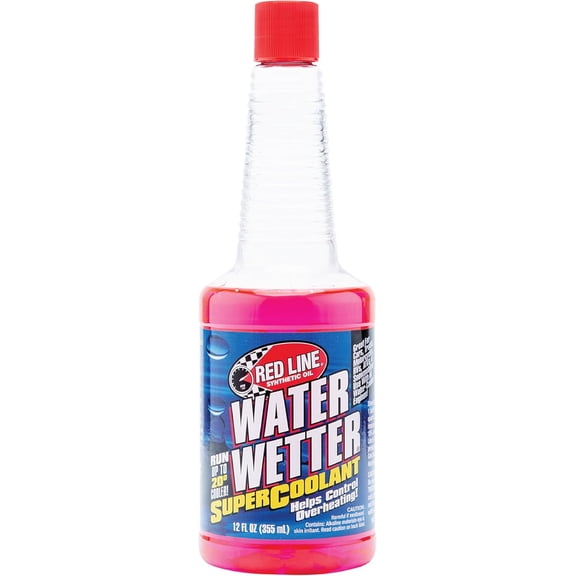
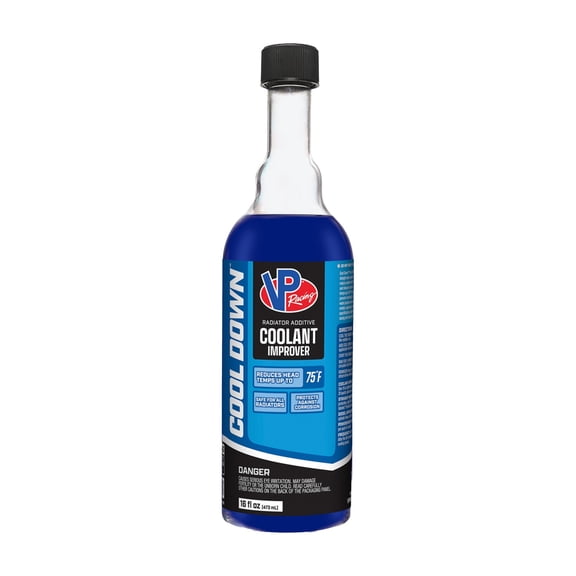
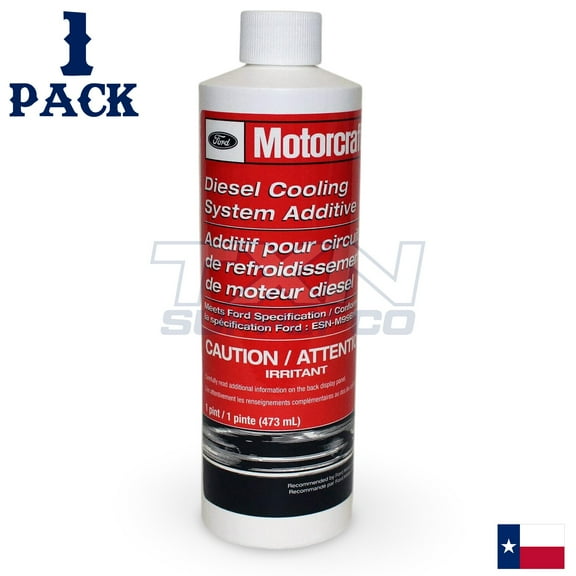
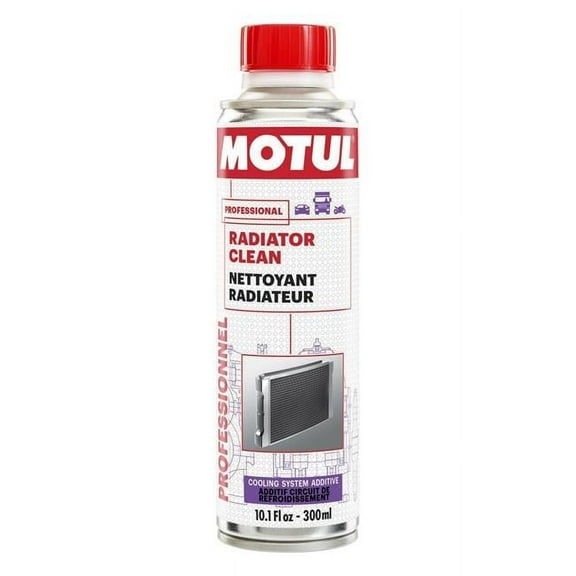
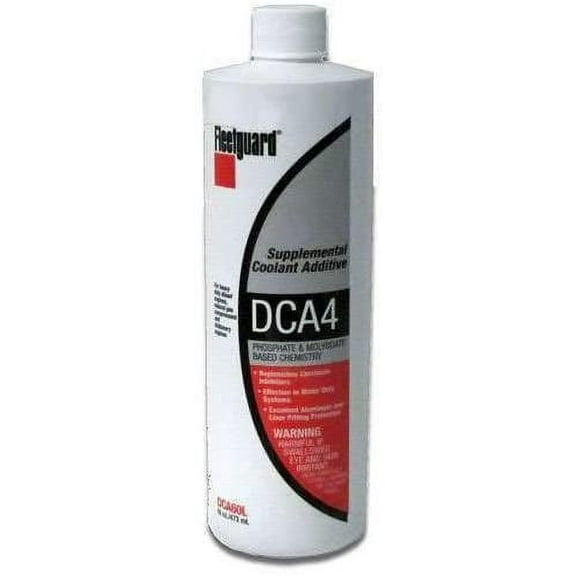


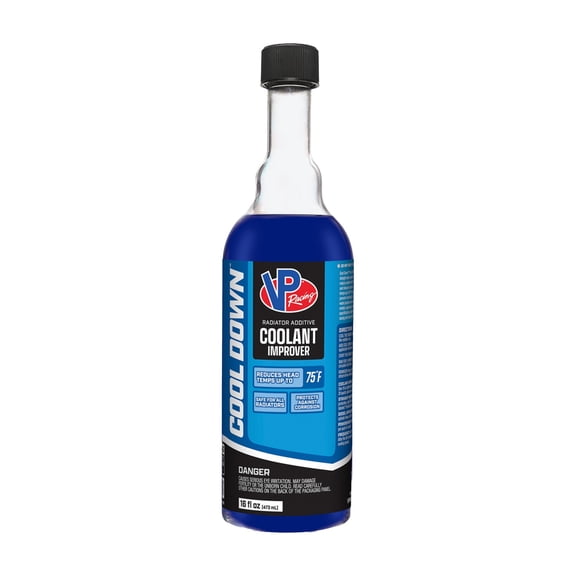
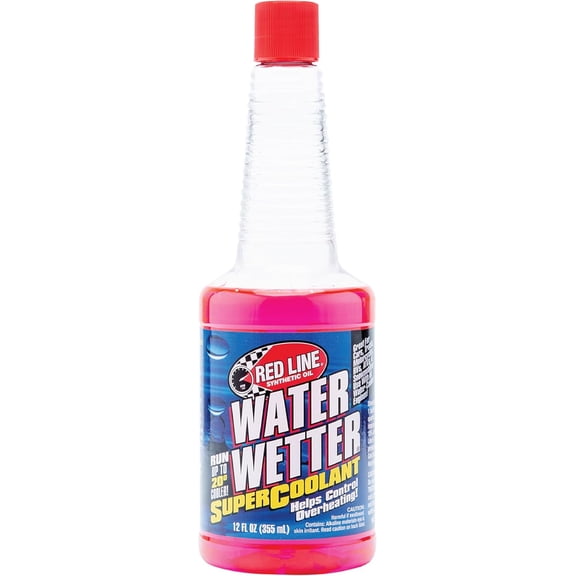
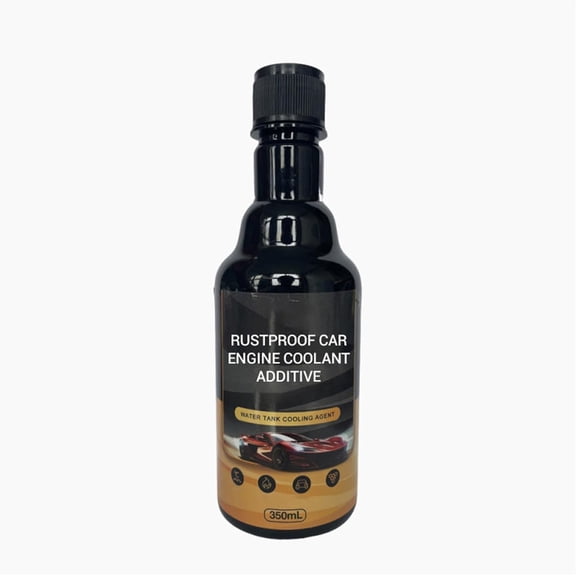
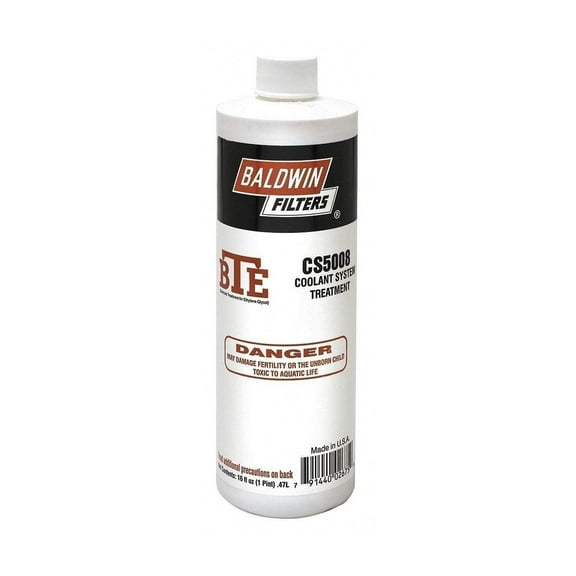

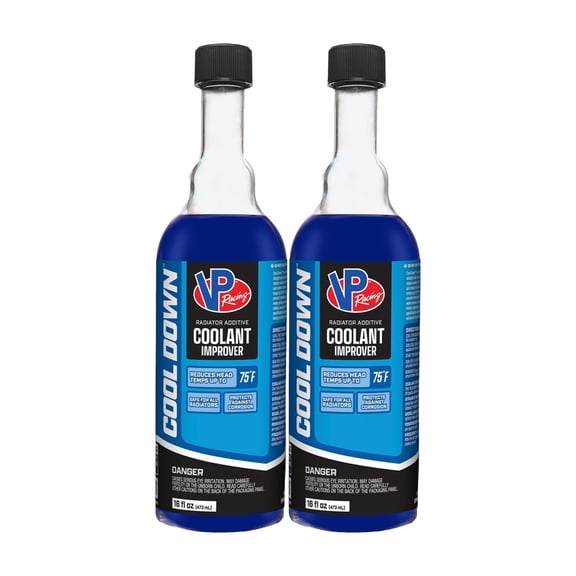



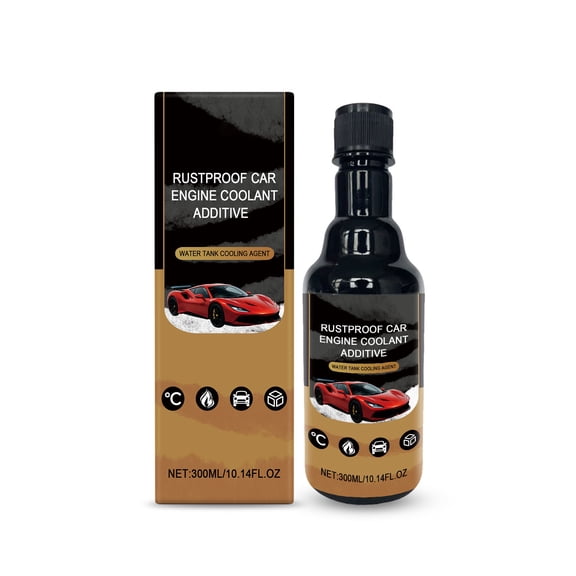


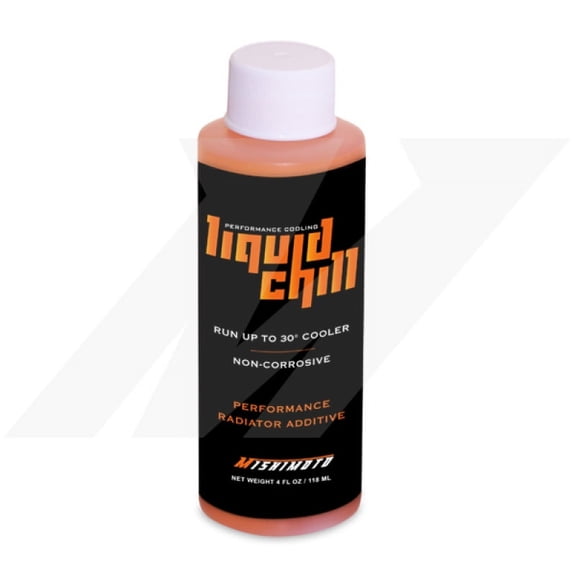


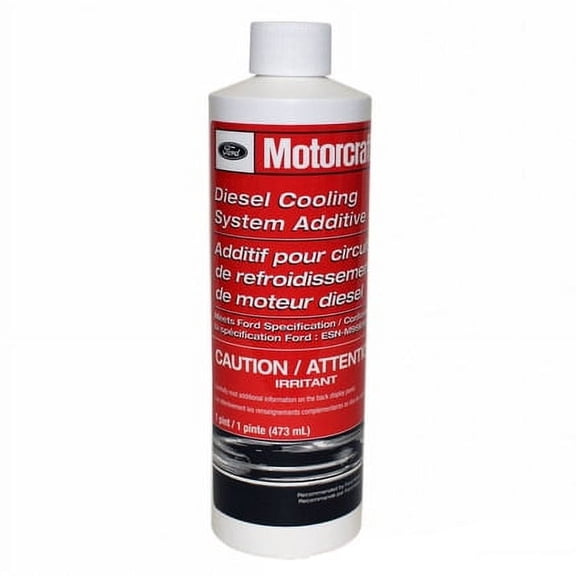

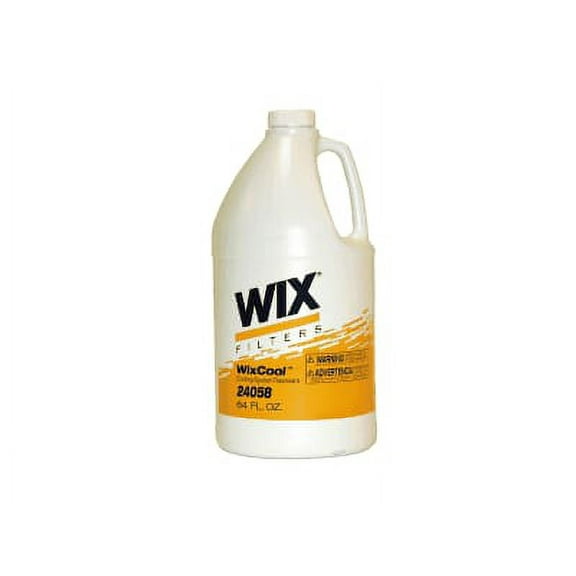

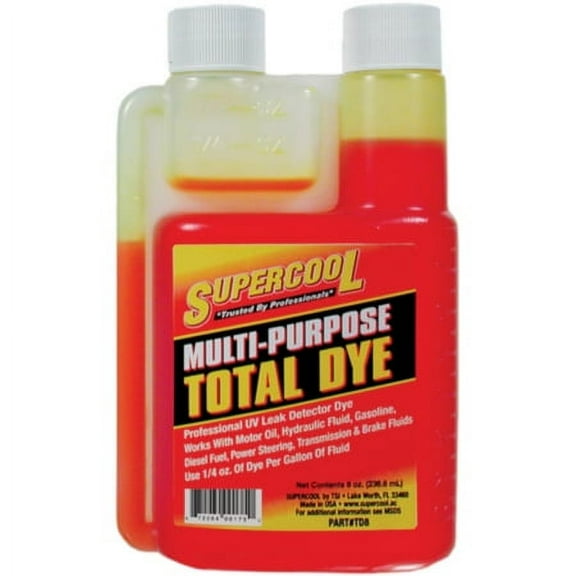
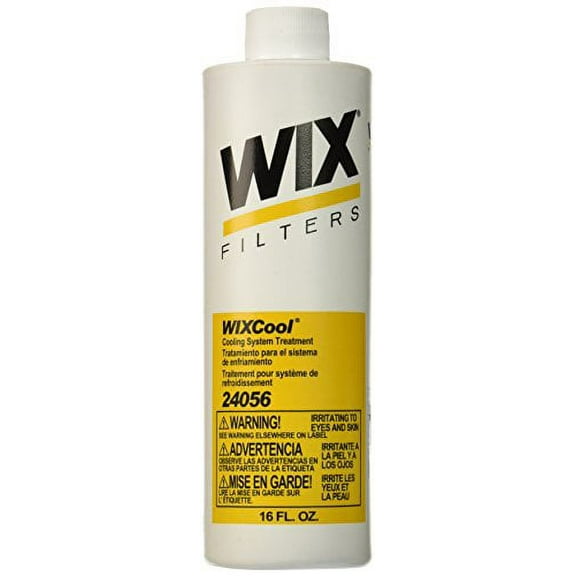

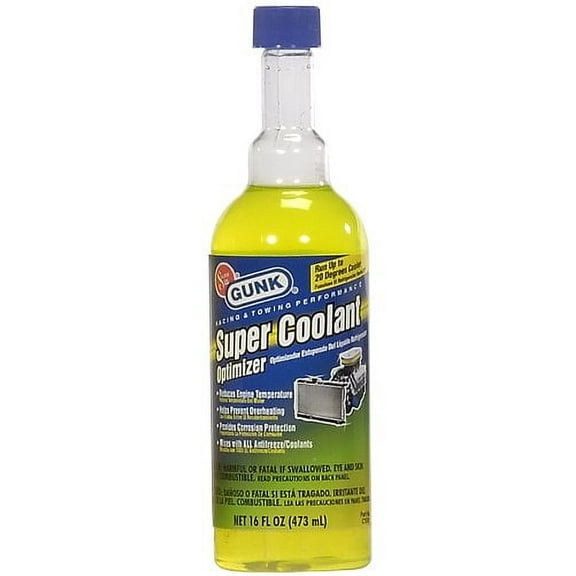
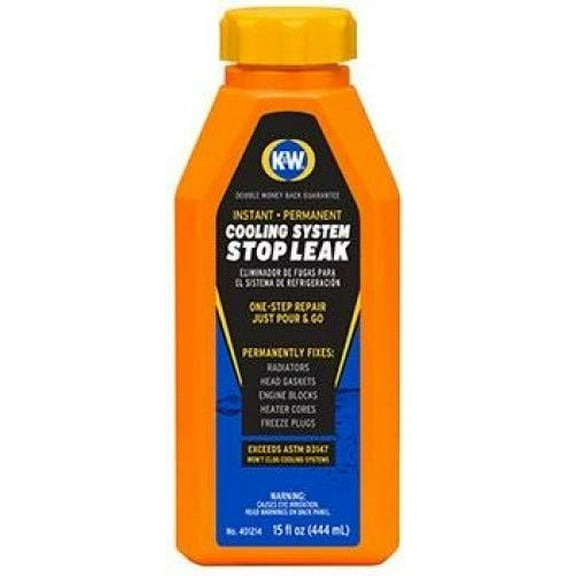

About Coolant Additives in Additives - Walmart.com
With coolant treatment for cars, you can fine-tune your cooling system between service intervals and support steady temperature control in daily driving. You’ll also find options that match specific coolant chemistries, which matters when your vehicle calls for OAT, HOAT, or IAT formulas.
If you’re comparing coolant additives, you likely want more than a generic fluid top-off. You may need help with rust control, heat transfer, or leak sealing in a radiator, heater core, water pump, or engine block.
How to choose coolant treatment for cars
Start by checking your owner’s manual, because you need the right chemistry before you add anything. You should compare OAT, HOAT, and IAT formulas carefully, since each type is designed for different coolant systems.
If your vehicle uses OAT coolant, you’ll usually want an additive designed for long-life organic acid systems. If your vehicle uses HOAT or IAT coolant, you should match that formula so your cooling system stays consistent.
Color alone won’t tell you everything, so you should confirm the specification listed for your vehicle. You’ll make a smarter pick when you compare the label with your current coolant type and your vehicle compatibility needs.
What benefits to look for in a cooling additive
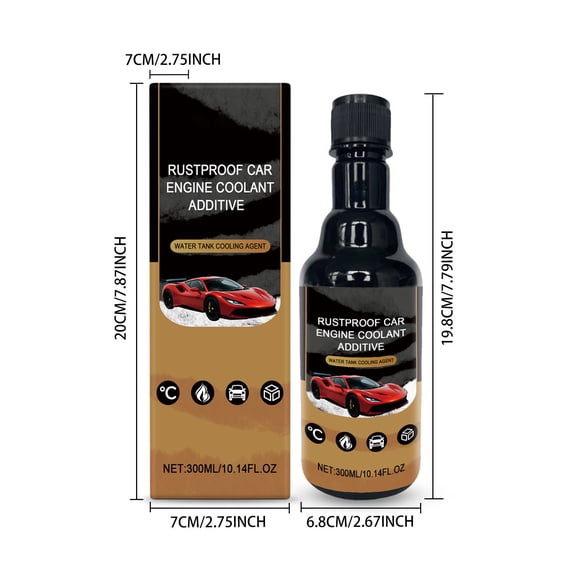
You can use a cooling additive to address specific system needs without changing the entire coolant fill. You may choose one formula for anti-rust support, while another focuses on anti-corrosion performance or heat transfer.
- You can help maintain cleaner internal passages in your radiator and heater core.
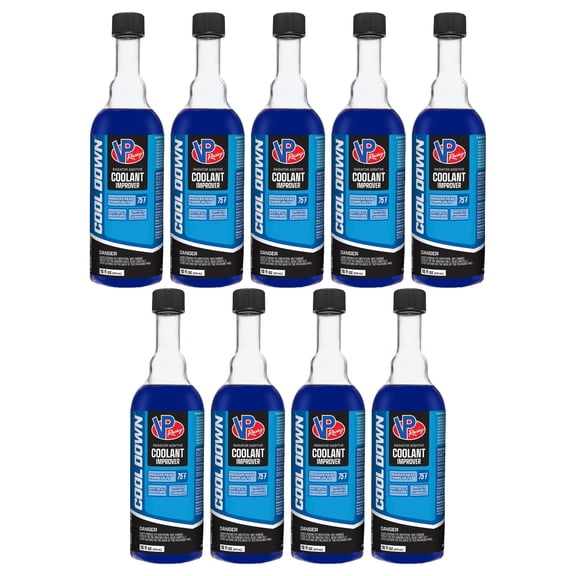
- You can support smoother heat movement when your engine works hard in traffic or warm weather.
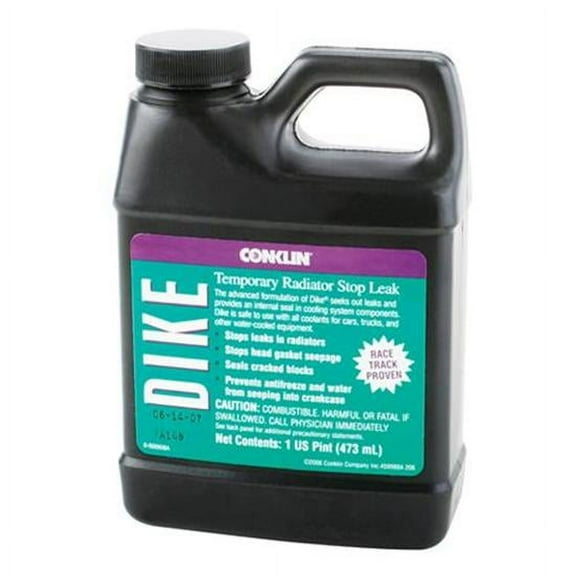
- You can target seep-level leak sealing in systems designed for that type of additive.
- You can choose formulas made for universal, import, domestic, or diesel applications.
When you’re trying to manage temperature swings, a radiator additive can support more efficient cooling through the system. When you’re focused on aging metal parts, you may prefer a coolant conditioner aimed at corrosion control.
If you tow, idle often, or drive in stop-and-go traffic, you may notice more demand on your cooling system. You can narrow your choice by matching the additive’s primary benefit to the way your vehicle is used.
Key differences between engine coolant additive formulas
You’ll want to compare formulation type, concentration, and intended system component before you decide. Those details help you choose an engine coolant additive that fits your maintenance plan and your current coolant setup.
Concentrate formulas give you more control, especially if you already know your coolant mix and fill level. Ready-to-use options can simplify application when you want a pre-diluted format with less measuring.
You should also check whether the product is made for a radiator, water pump, engine block, or heater core. Some formulas are broad-use coolant additives, while others focus on one part of the cooling system.
If mixing matters for your vehicle, you should read the label for chemical compatibility guidance. You’ll avoid guesswork when you confirm whether the additive is intended to work with your existing antifreeze formula.
An antifreeze additive may be useful when you want to support corrosion control and coolant performance in one step. You should still verify the chemistry match, because OAT, HOAT, and IAT systems aren’t interchangeable by default.
How to match coolant additives to your vehicle and driving habits
If you drive a domestic sedan for short commutes, you may want a universal or domestic-focused formula with simple pour-and-go use. You can keep your decision straightforward by checking compatibility and choosing the benefit you need most.
If you drive an import vehicle, you should pay extra attention to the specified coolant technology. You’ll often need an additive that aligns with the exact chemistry requirement, not just a similar coolant color.
For diesel or heavy-duty vehicles, you may look for formulas intended for larger cooling systems and higher thermal demand. You can also compare concentrate options when you need flexibility for service intervals and fluid volume.
When you’re dealing with light seepage, you may consider a coolant agent designed for leak sealing applications. When you’re focused on seasonal driving or heavy traffic, you may prefer radiator coolant additives centered on cooling efficiency.
If you handle your own maintenance, you may prefer labels that explain whether you can add the product directly or if you should flush first. You’ll save time during service when the application method matches your comfort level and your vehicle’s condition.
What to check before you add a radiator additive
You should confirm your coolant type, vehicle fit, and intended use before you add any formula. You’ll also want to check whether you need a concentrate or a ready-to-use option for your current fluid level.
Look for clear guidance on compatibility with universal, import, domestic, or diesel systems. You can shop with more confidence when the additive’s chemistry, target component, and application method all match your cooling system.
When you choose the right coolant treatment for cars, you can support steady cooling performance with a formula that fits your vehicle and maintenance routine. You’ll get a more precise match for your radiator, coolant chemistry, and day-to-day driving needs.