

Outlet Splitters & Multi-Plug Electrical Splitters
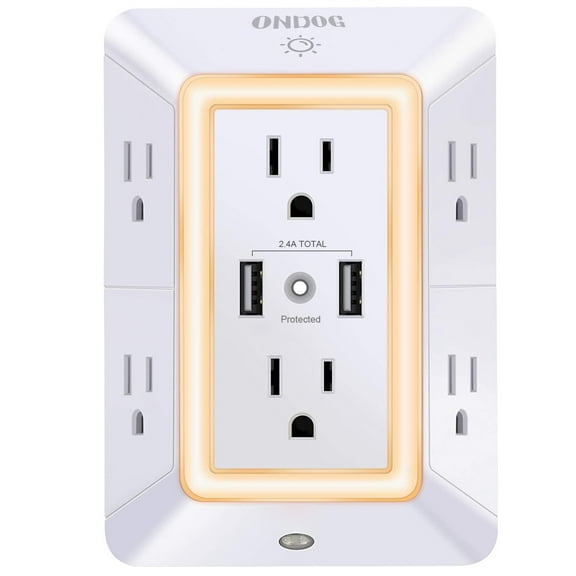


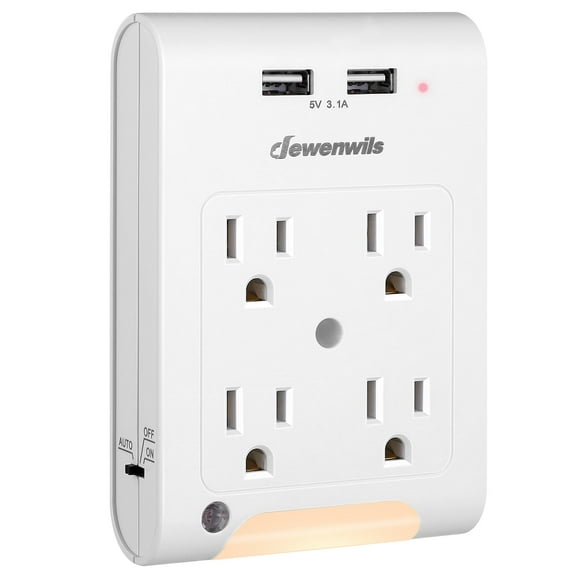
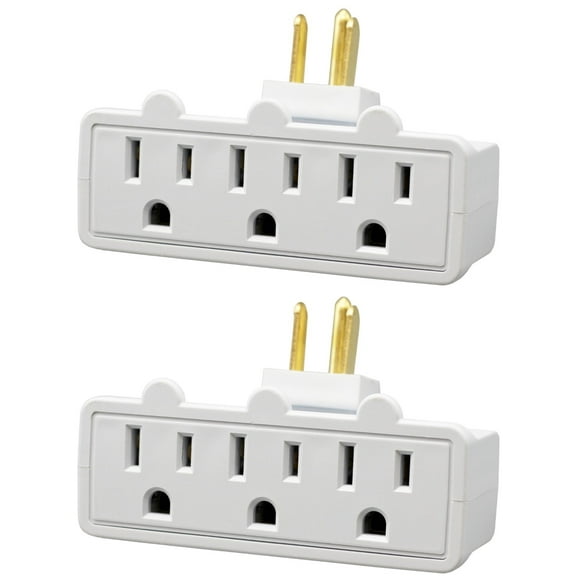
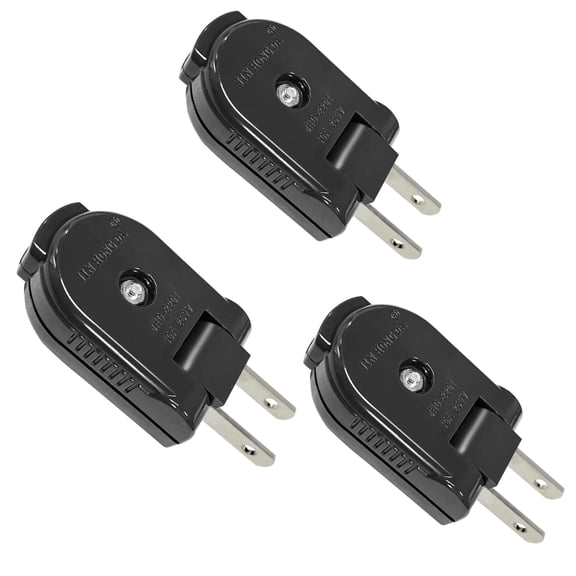


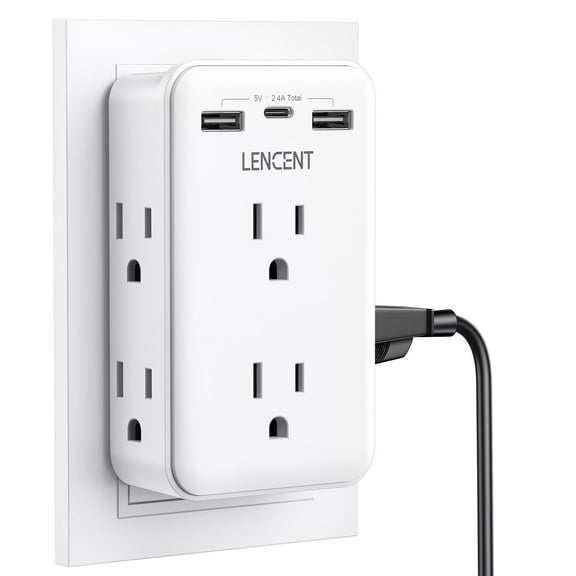
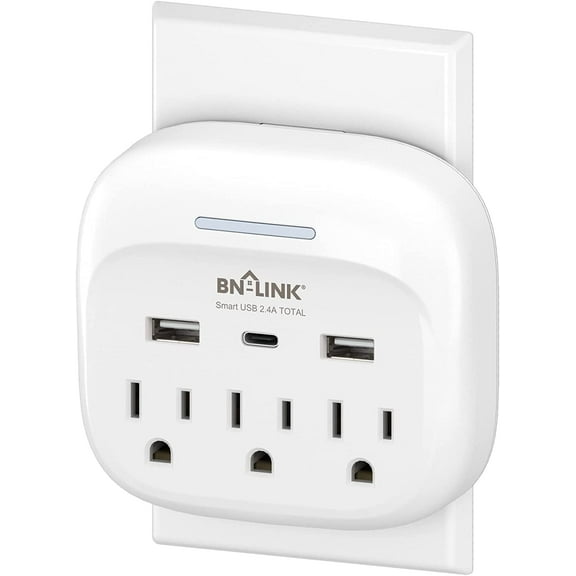
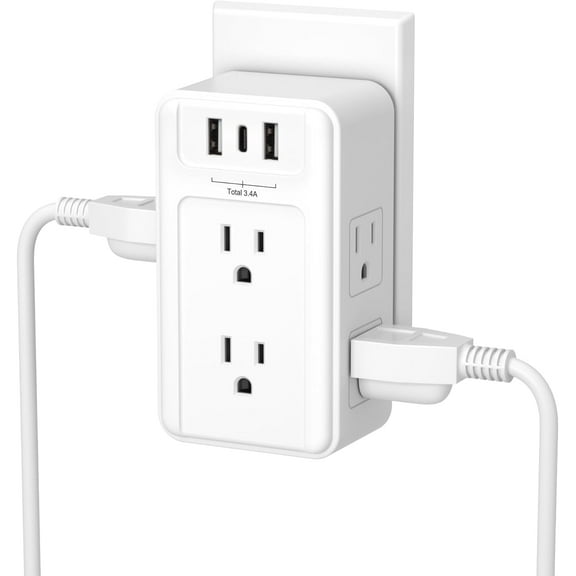


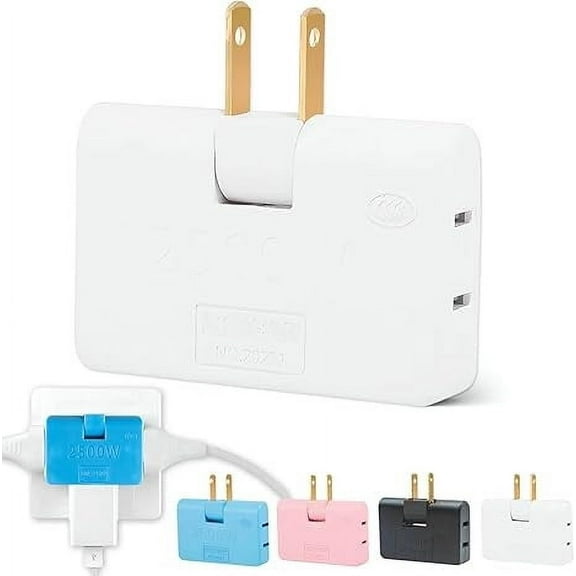


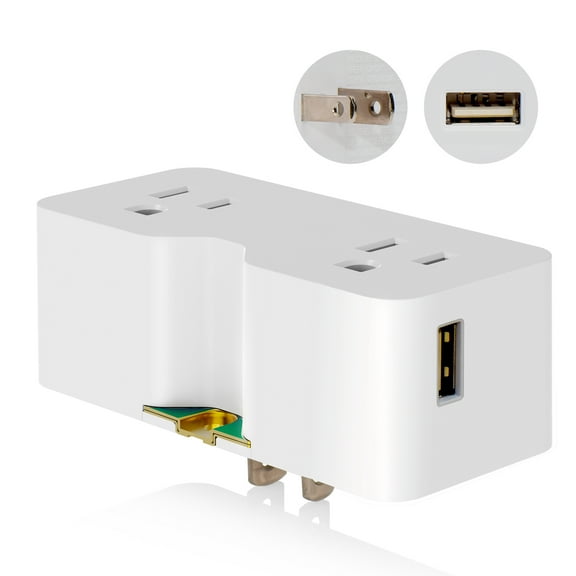
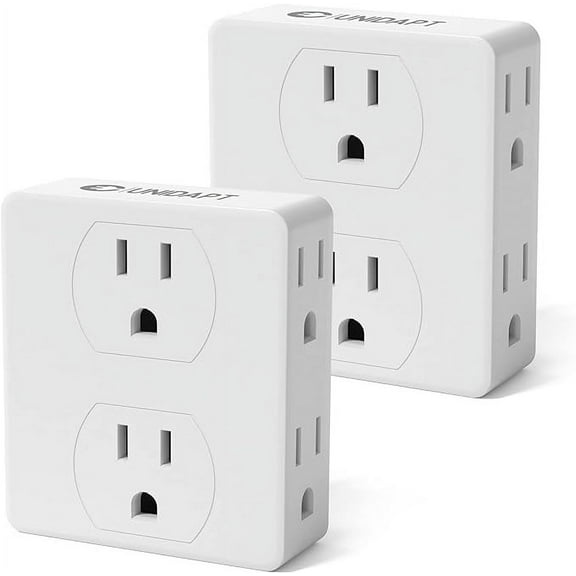

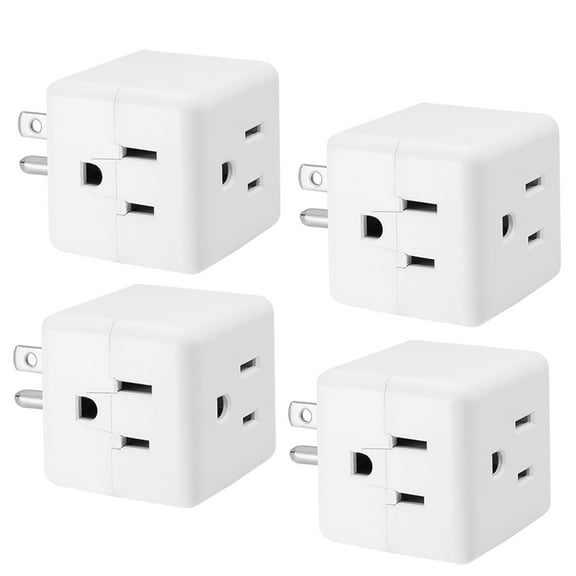
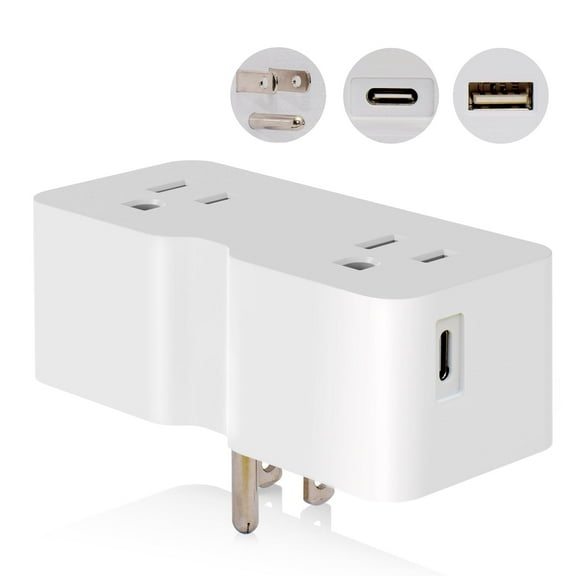















About Outlet Splitters & Multi-Plug Electrical Splitters - Walmart.com
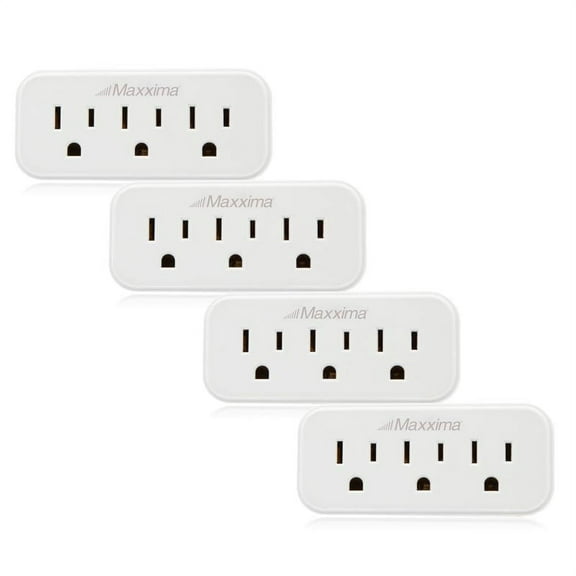
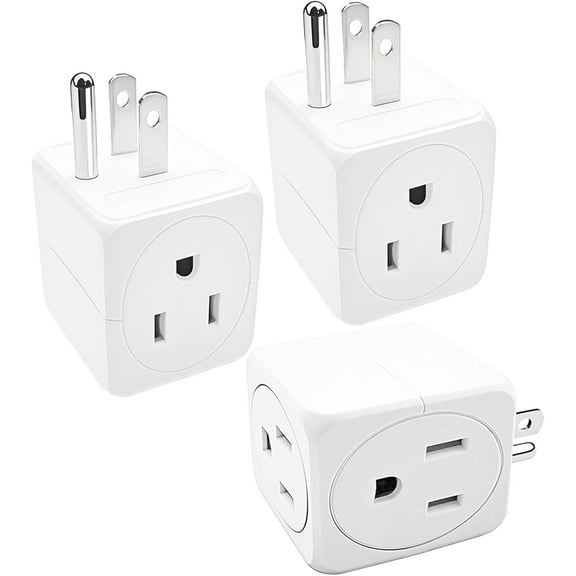
You can expand tight wall access with an outlet splitter that fits more devices without adding a full power strip. Your setup can stay cleaner when you compare outlet capacity, wall clearance, and grounded or surge protected designs.
When you compare this category, you should focus on the choices that affect daily use in your room. Your decision may depend on three-outlet or six-outlet layouts, swivel plugs, and the manufacturer designed use for indoor or outdoor spaces.
Choosing the right outlet splitter for your space
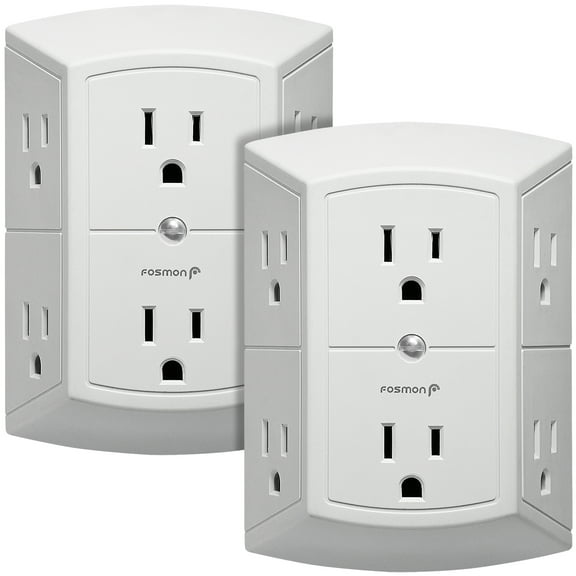
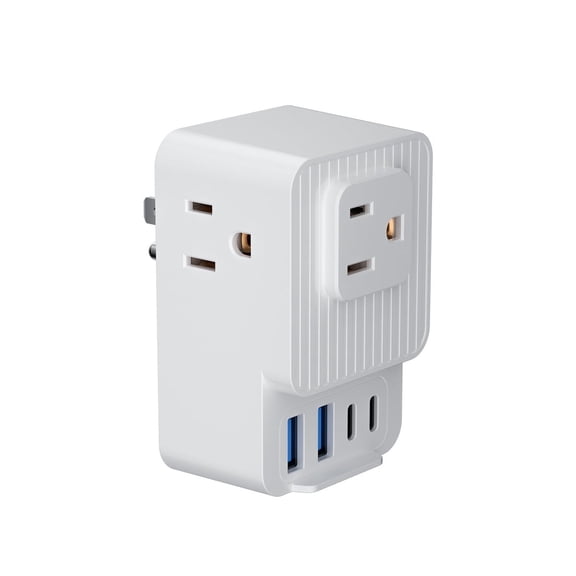
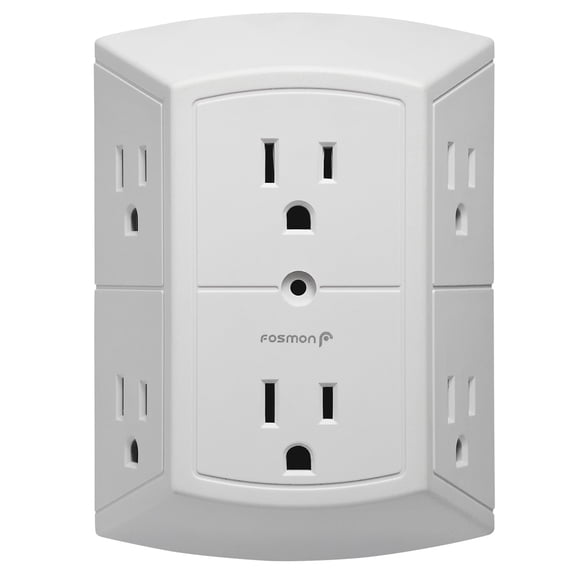
You should start with outlet capacity because it decides how many devices fit at one receptacle. Your room may need a three-outlet model for lamps and chargers, or a six-outlet option for denser setups.
Instead of placing a long strip on the floor, you can use a multi-plug wall tap for close-to-wall access. Your cords can stay shorter, and your desk, nightstand, or media stand can look less cluttered.
- You can power several small electronics from one wall outlet.
- Your neighboring plug may stay easier to reach with the right housing shape.
- You can compare grounded and surge protected options for your setup.
- Your room can use indoor, outdoor, or heavy duty styles based on placement.
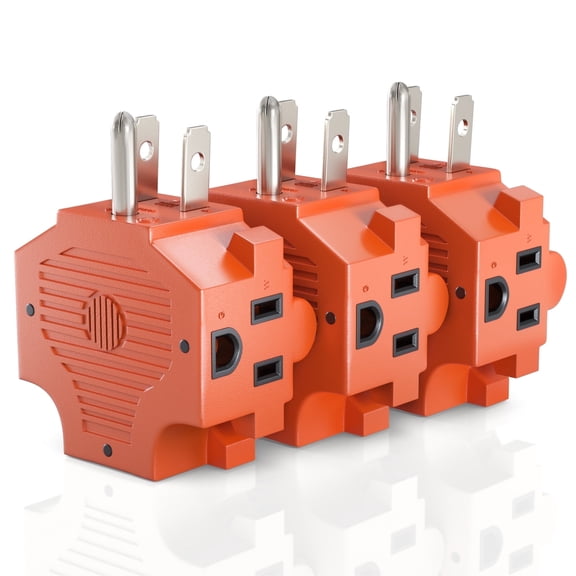
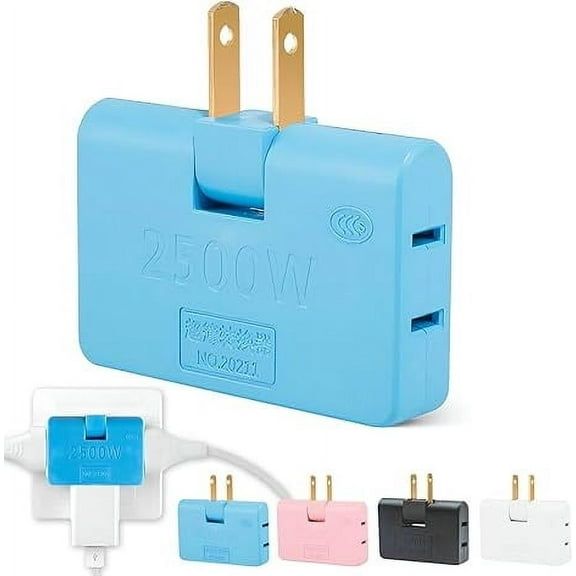
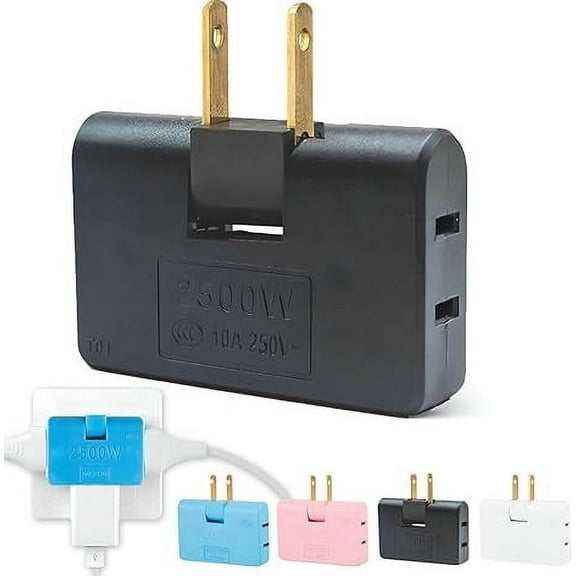
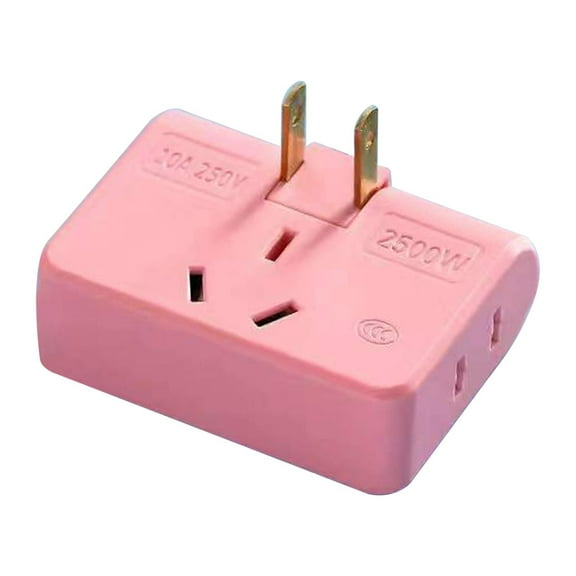
A block splitter gives you straightforward expansion, while a swivel plug can help in narrow spaces. Your daily setup often feels tidier when the body shape matches your furniture placement.
For furniture that sits close to the wall, you should check whether cords point forward or to the side. Your second receptacle may stay open when you compare compact housings and plug orientation carefully.
How to compare electrical outlet splitter features
You should look at form factor first because a wall socket splitter can sit very differently by shape. Your wall tap may suit simple front access, while your swivel style may help when cord direction matters.
Before you choose, you should measure the space around your receptacle if you use larger adapters. Your plug layout can feel less crowded when you check spacing between outlets on the front face.
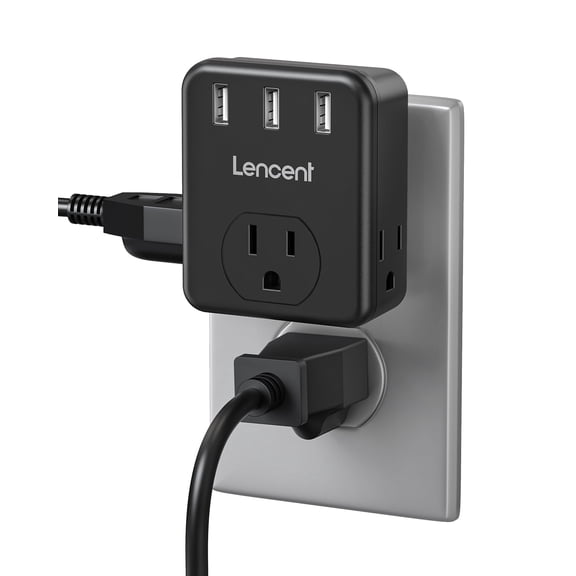
Grounding and surge protection also shape your choice when devices share one wall outlet. Your three-prong plugs need a grounded design, while your simple household setup may use an unprotected option.
If you want extra screening for connected electronics, you should compare the joule rating on an electrical splitter. Your comparison becomes easier because that number shows the level of surge absorption offered.
You should also verify the maximum load before connecting several devices at the same time. Your decision should center on the common 15-Amp or 1875-Watt limit used for many household outlet accessories.
When you plan to power lamps, chargers, or small office gear, you should total connected wattage first. Your setup stays aligned when you check both the splitter label and your device labels before use.
Key differences between receptacle splitter options
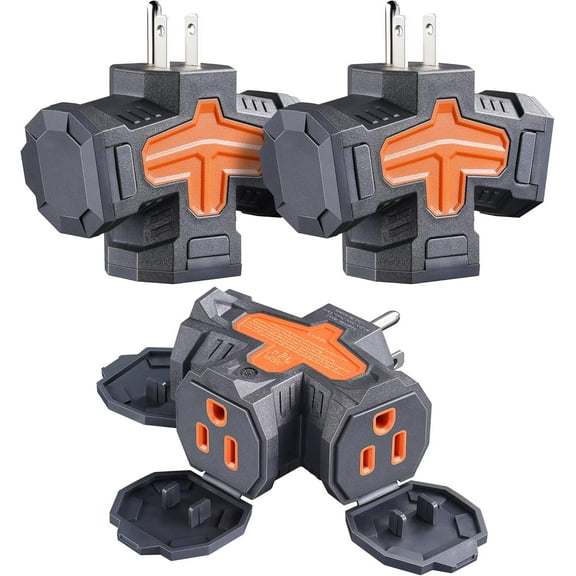
You should compare indoor, outdoor, and heavy duty designs based on the room or work area. Your bedroom or office often fits indoor models, while your patio, garage, or covered utility space may need outdoor use.
For a workshop or seasonal setup, you may want a receptacle splitter with a sturdier housing and clear load labeling. Your routine can feel simpler when thicker cords and frequent unplugging fit the design.
Your layout can also decide whether a power outlet splitter or an extension cord makes more sense. You can use a wall-mounted option when devices stay close to the receptacle and floor reach is unnecessary.
If you need reach across a room, you should plan around extension cords instead of forcing one outlet point. Your setup may also call for surge protectors when you want wider plug spacing for bulky adapters.
You may use an electrical splitter behind a TV stand, beside a bed, or near a kitchen counter. Your home office can also benefit when chargers, monitors, and speakers need one wall outlet.
In narrow areas, you should compare side-entry and swivel designs with extra care. Your fit can look neater when the housing shape follows the direction your cords naturally run.
What to look for in an outlet splitter
You should treat load capacity and plug spacing as key buying criteria for multi-device areas. Your shortlist becomes clearer when you compare grounded construction, surge protection, and the manufacturer designed use for indoor or outdoor spaces.
Once you match outlet count, form factor, joule rating, and 15-Amp limits to your room, your choice gets simpler. Your wall outlet setup can feel cleaner and more usable when your devices fit properly.