

Outdoor Electrical Boxes in Electrical Boxes























About Outdoor Electrical Boxes in Electrical Boxes
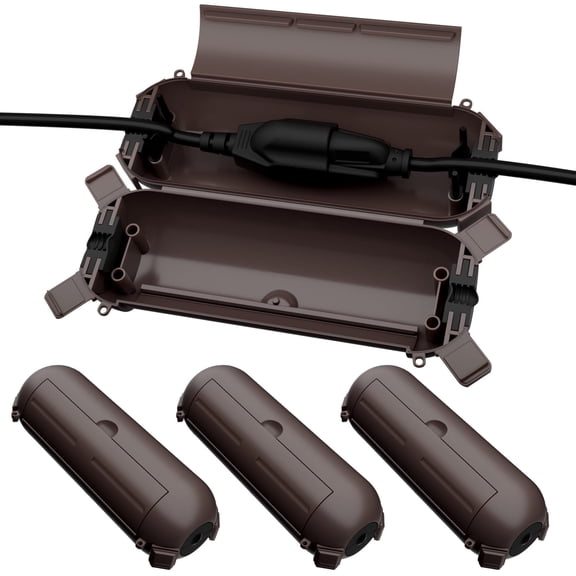
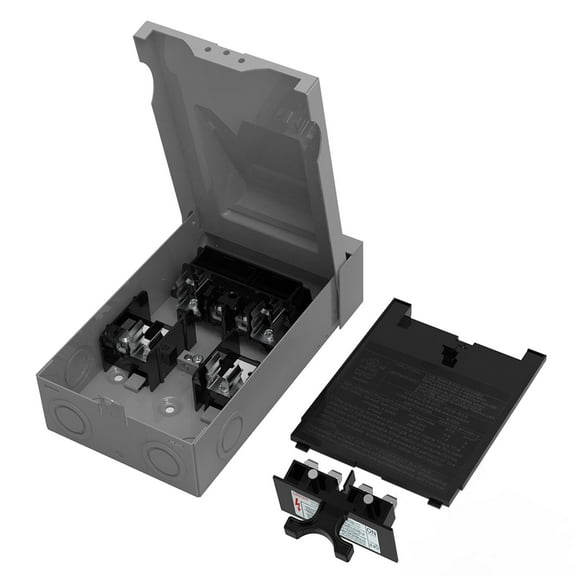
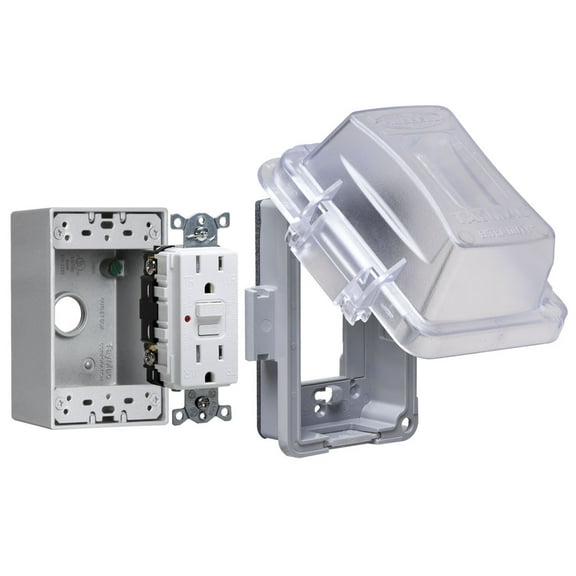
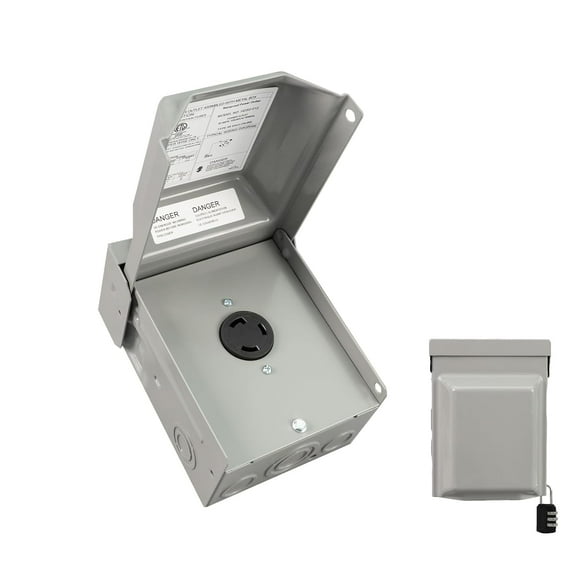
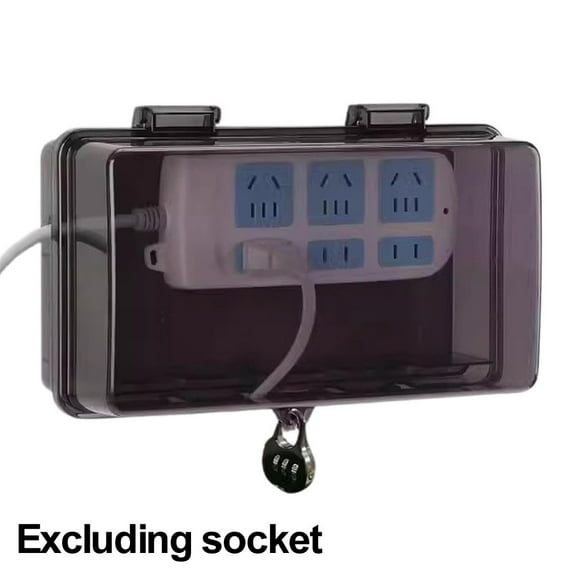
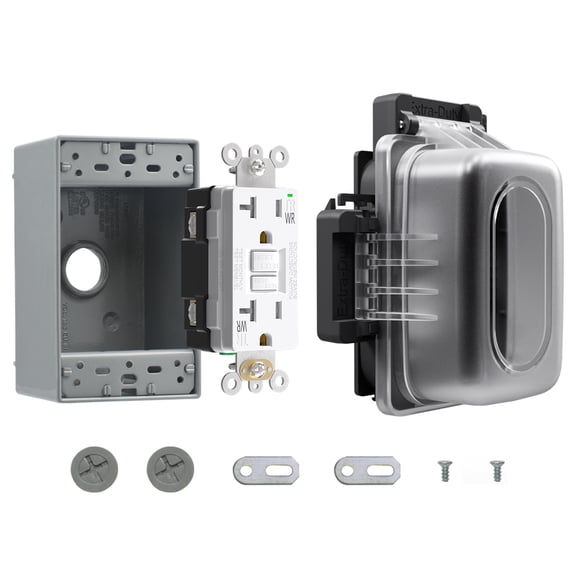
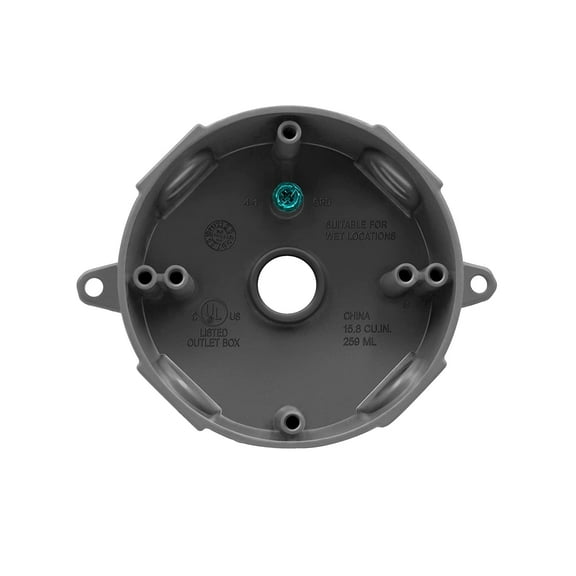
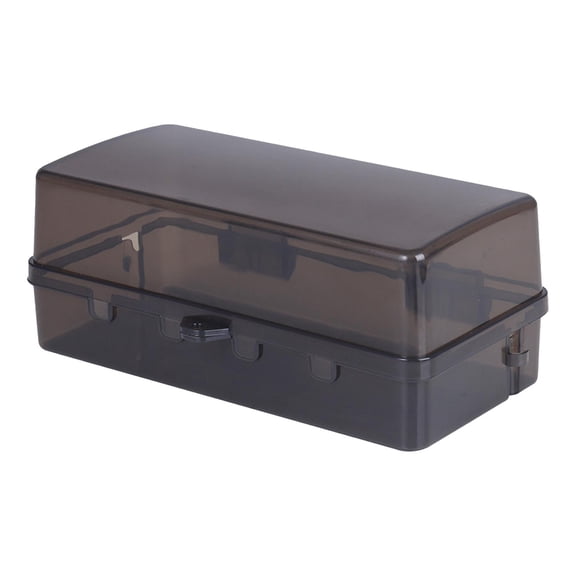
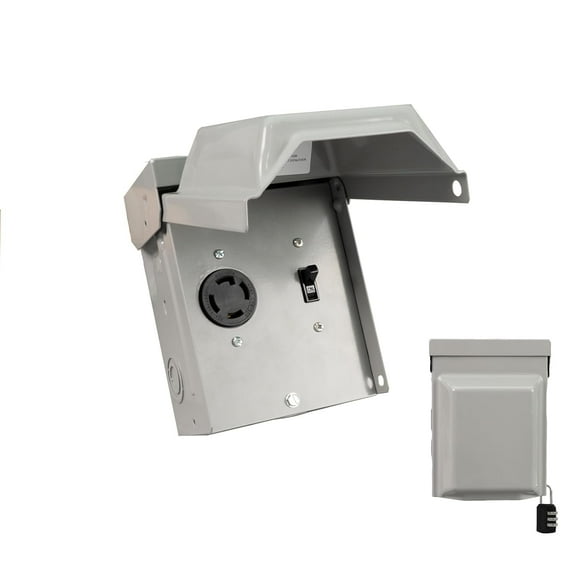
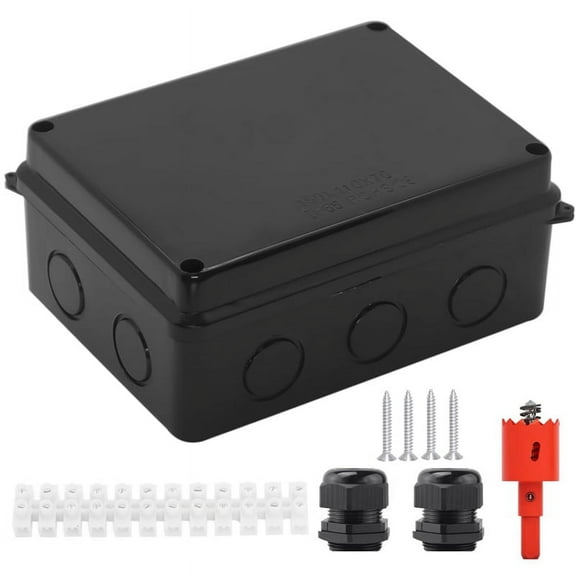
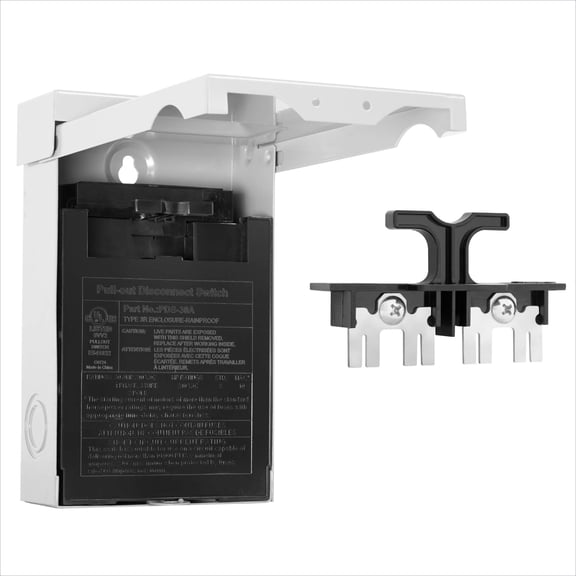
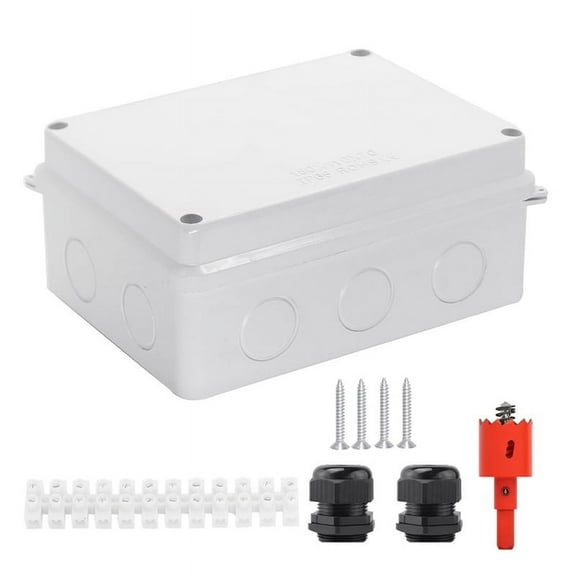
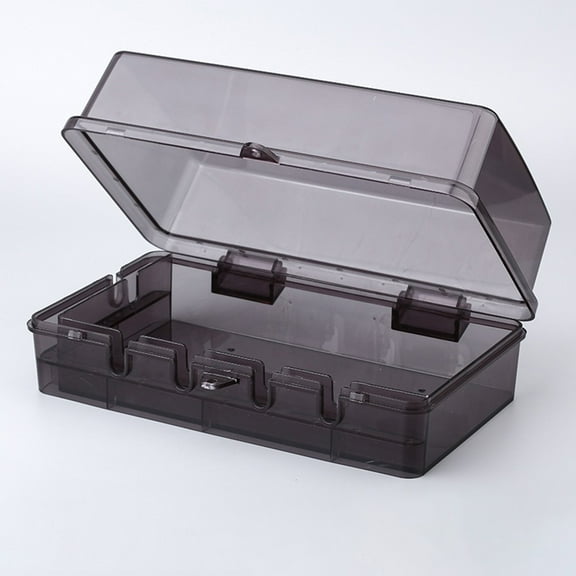
Outdoor electrical boxes help you protect exterior wiring from rain, sun, and debris while matching your outlet, switch, and conduit setup. You can compare weatherproof ratings, materials, gang sizes, and mount styles to choose a box that fits your project.
Choosing outdoor electrical boxes by weatherproof rating
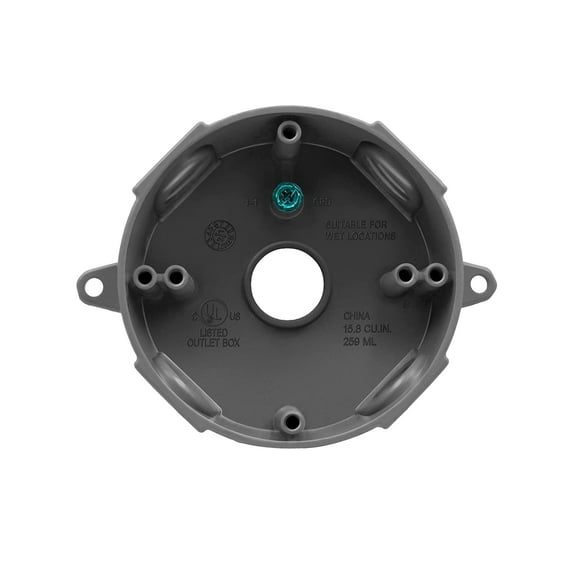
When you compare outdoor electrical boxes, you should start with the weatherproof rating because it guides how the box handles outdoor exposure. You may see a weatherproof electrical box labeled NEMA 3R, IP65, or waterproof for different installation needs.
If you need a box for typical outdoor wiring, you should look at NEMA 3R options designed for rain exposure and vertical mounting. If you expect windblown dust or stronger water resistance, you can compare IP65 details on the product page.
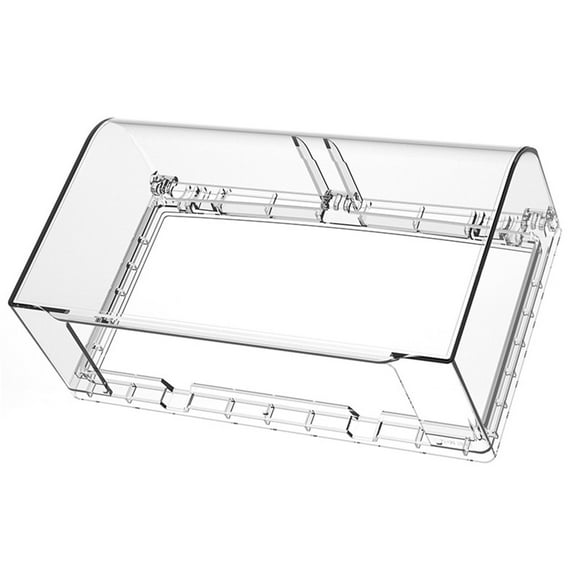
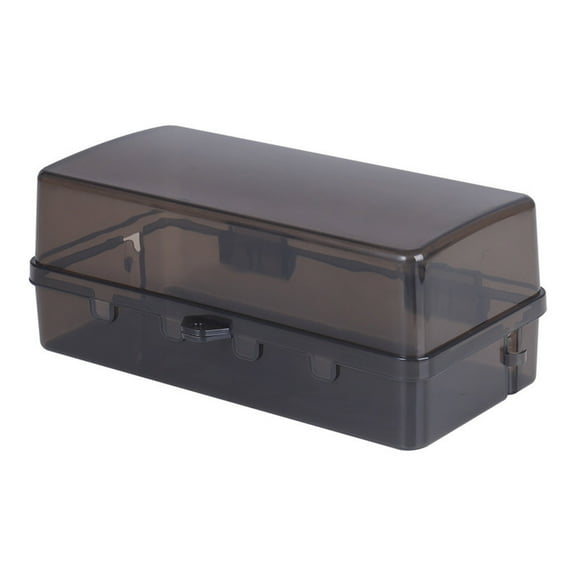
You should also check whether your box works with the cover style you plan to use, because the seal depends on both parts. You can get a dependable fit when your box, cover, and conduit openings match outdoor use standards.
- You can use NEMA 3R boxes for many exterior walls, service connections, and exposed conduit runs.
- You can compare IP65 options when your setup needs tighter sealing against dust and water spray.
- You should review gasket, cover, and threaded hub details before you choose a waterproof electrical box.
Comparing material options for a weatherproof electrical box
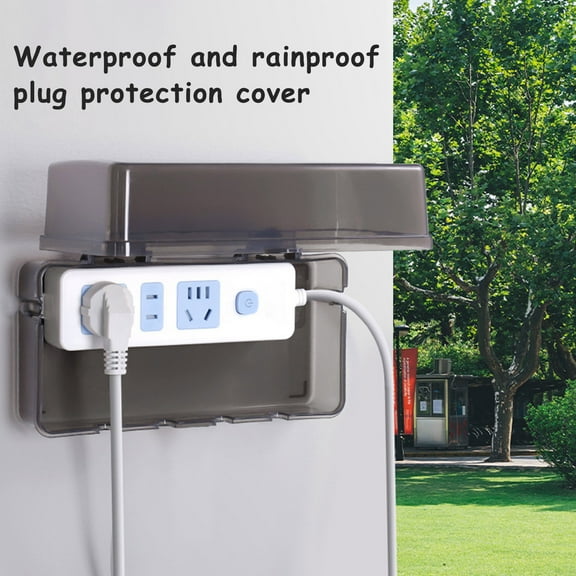
You should compare material early because it affects durability, weight, and how your box performs in sun, moisture, and busy work areas. You may choose a plastic outdoor electrical box when you want a lightweight option that resists rust.
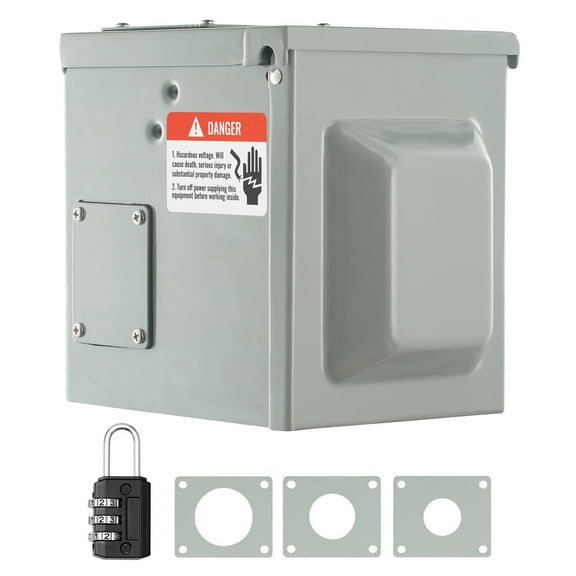
If you want added strength, you can compare a metal outdoor electrical box or cast aluminum style for exposed locations. You may see these options in setups where threaded entries and rugged housings matter.
PVC styles can help you match certain conduit systems, while metal boxes can support tougher commercial or workshop installs. You should check the material description so your box aligns with your conduit type and mounting surface.
Matching gang count and box size to your layout
You should match gang count to the device layout because the wrong size can complicate your installation plan. You may need a one-gang box for a single outlet, a two-gang box for paired devices, or a multi-gang option for expanded layouts.
An outdoor outlet box should also give you enough room for wiring and the cover you plan to install. You should compare depth, cubic inch capacity, and knockout placement when your project includes multiple conductors.
If you’re replacing an existing setup, you should measure the opening and confirm the device count before you choose. You can avoid fit issues when your box dimensions match your switch, receptacle, or GFCI configuration.
Deciding between surface mount and flush mount exterior junction box styles
You should choose the mount type based on your wall surface and conduit path, because installation style changes the finished look. You may prefer a surface mount exterior junction box when you’re running exposed conduit along masonry, siding, or garage walls.
If you want a lower-profile result, you can compare flush mount options that sit closer to the wall cavity. You should verify depth, stud space, and cover compatibility before you select that style.
Conduit entry size matters too, so you should review threaded hubs and knockout sizes before installation. You should look for an exterior junction box that lines up with your conduit diameter and planned entry points.
How to use these boxes in outdoor projects
You can use these boxes for patio outlets, porch switches, landscape lighting connections, detached garage wiring, and exterior equipment hookups. You should match the box rating and material to the exposure level, wall type, and number of devices.
For a covered porch, you may choose a one-gang weatherproof electrical box with a matching cover and conduit entry. For an exposed wall, you might prefer cast aluminum or metal with threaded hubs and a rain-ready design.
If you’re organizing branch wiring, you can use an exterior junction box to keep splices enclosed and routed cleanly. You should compare box depth and entry locations when your project includes several conductors or multiple conduit runs.
For workshops, sheds, and utility areas, you may need an outdoor outlet box that supports switches, receptacles, or combination layouts. You can get a clean installation when your gang count, mount style, and weather rating work together.
What to look for before you choose
You should review the rating, material, gang count, mount type, and conduit compatibility before you choose from outdoor electrical boxes. You can make a confident choice when those details match your wall surface, wiring plan, and exposure conditions.
With the right box, you can keep your exterior wiring setup organized, enclosed, and ready for outdoor installation needs. You can finish with a box that fits your devices and supports a clean weather-ready layout.