









Elbow Braces & Supports - Compression Sleeves & Straps






















About Elbow Braces & Supports - Compression Sleeves & Straps - Walmart.com
Elbow braces help you add focused elbow support for sports, work, and daily movement. You can compare sleeves, straps, wraps, and splints to match your fit, mobility, and compression needs.
How to choose elbow braces by use and fit
You should start with your main use case before you compare materials or closures. You may want a tennis elbow brace for racquet sports, lifting sessions, or repetitive desk tasks.
If your soreness centers around the outer elbow, you may look at straps or targeted bands. If your stiffness feels broader, you may prefer an elbow sleeve with even compression.
You can also compare how much movement your routine requires each day. If your schedule includes typing, errands, or gym time, you may want flexible support instead of a rigid splint.
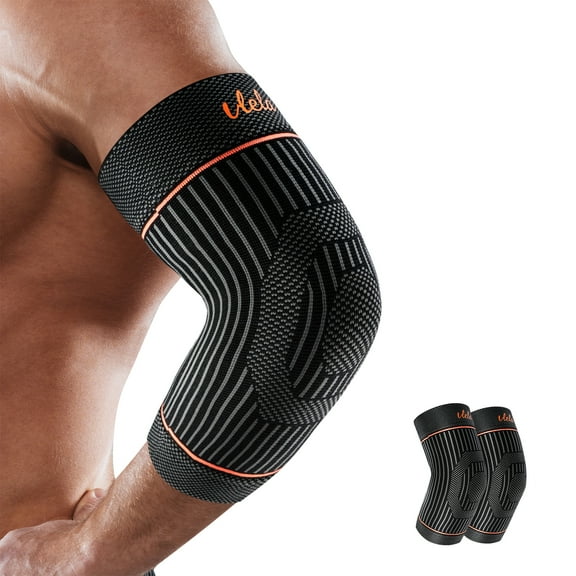
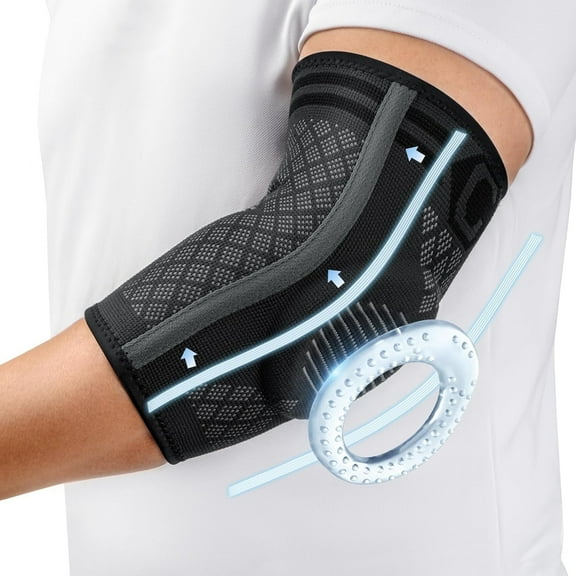
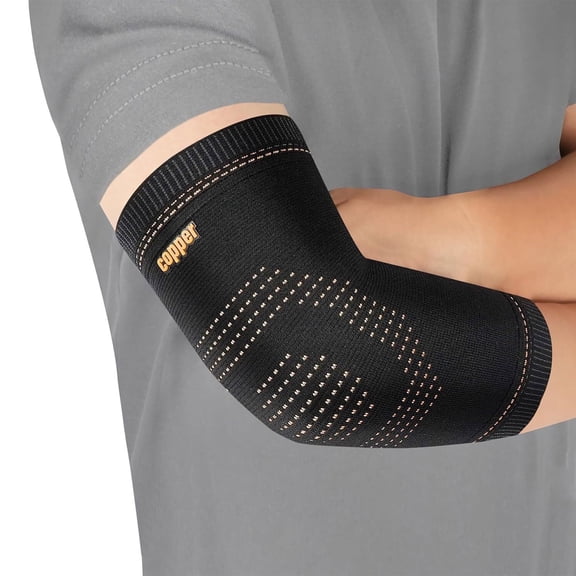
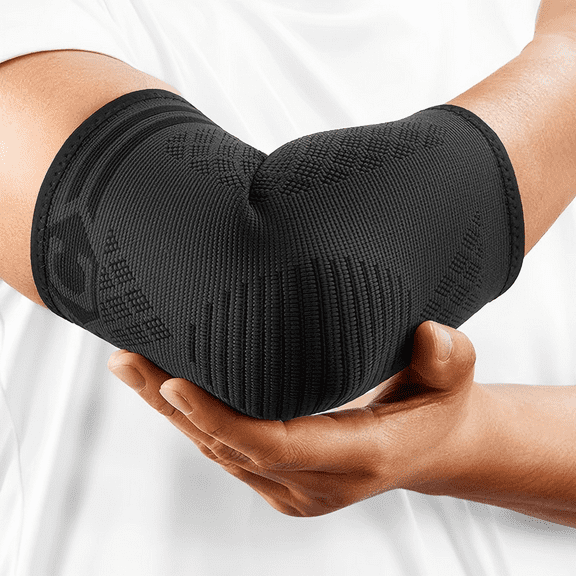
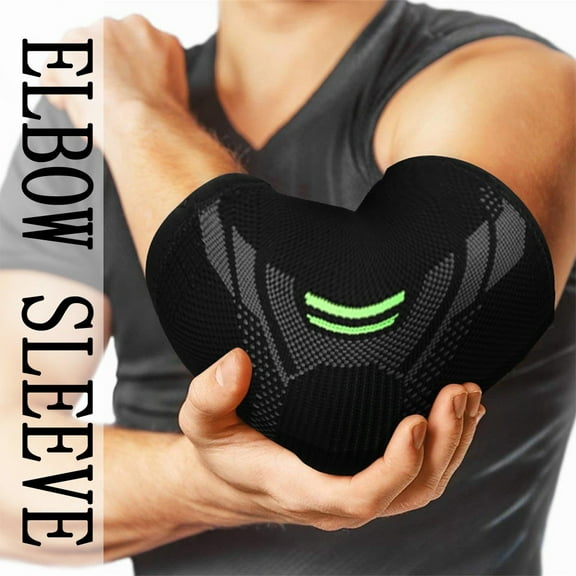
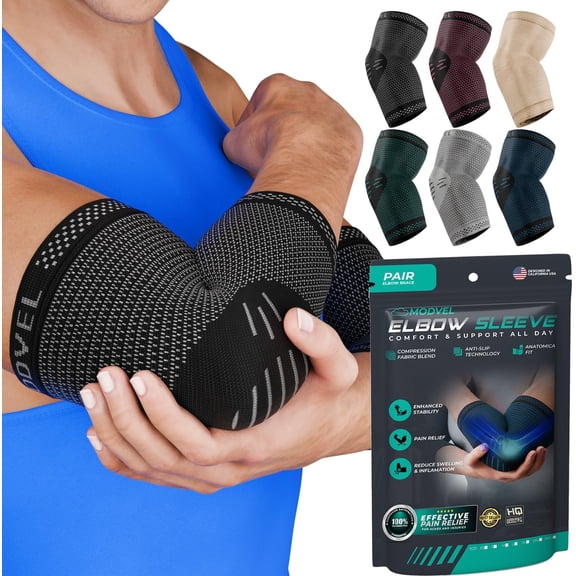
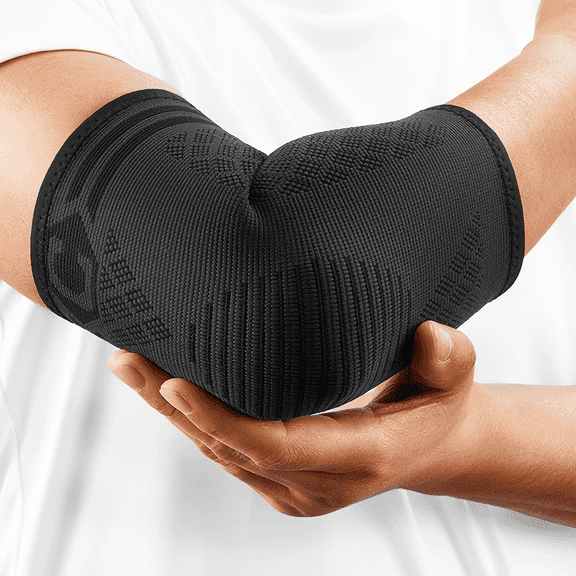
- You can use a sleeve when you want smooth, all-around compression and easy slip-on wear.
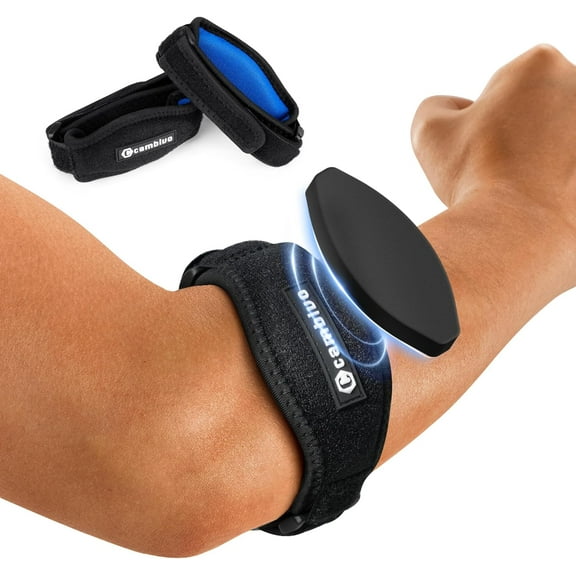
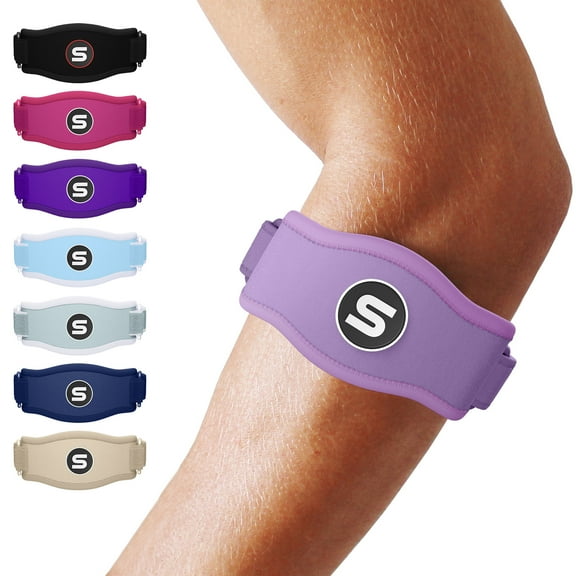
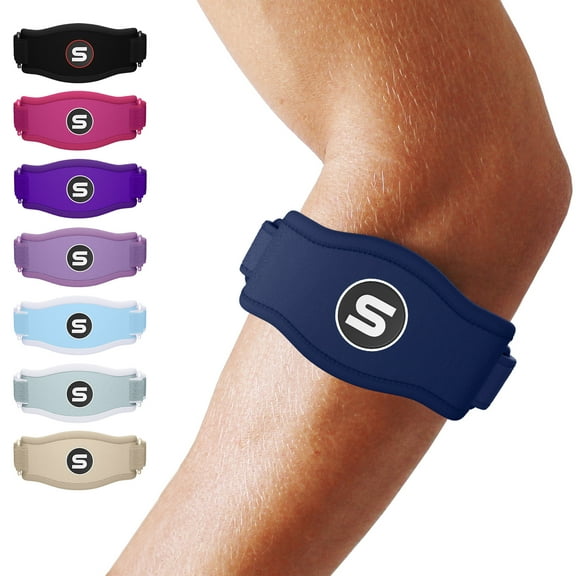
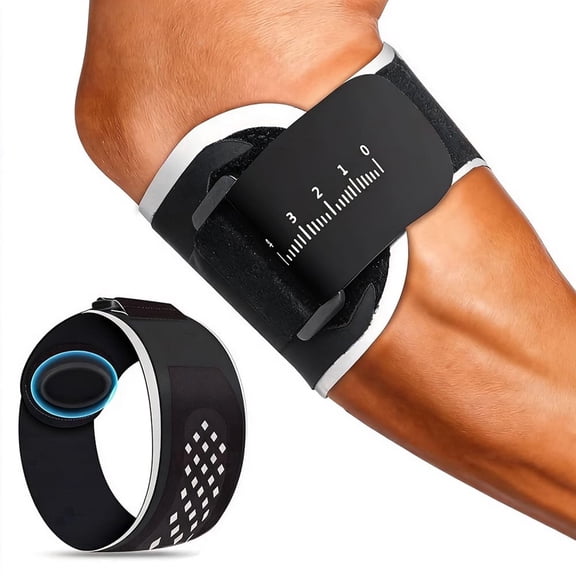
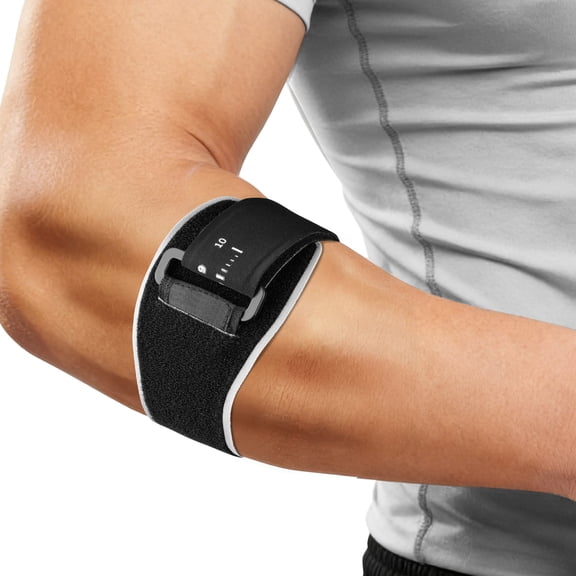
- You can choose a strap when you want targeted pressure around the forearm during sports or repeated motion.
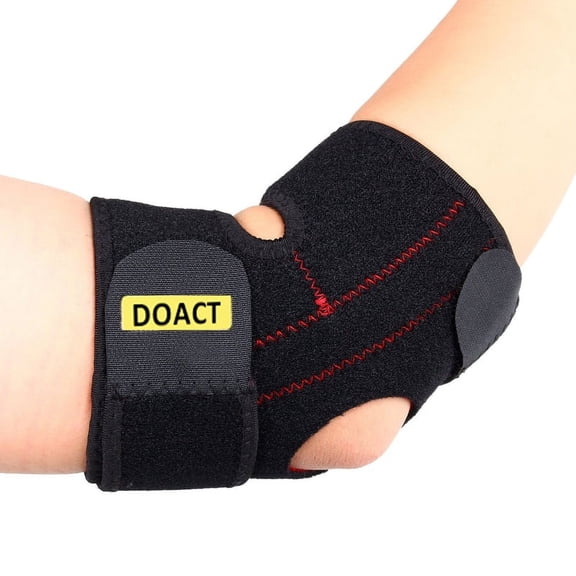
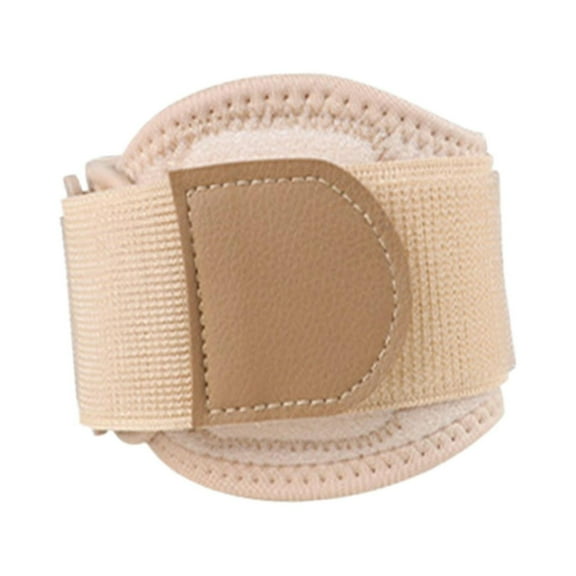
- You can consider a wrap when you want adjustable tension that you can fine-tune through the day.
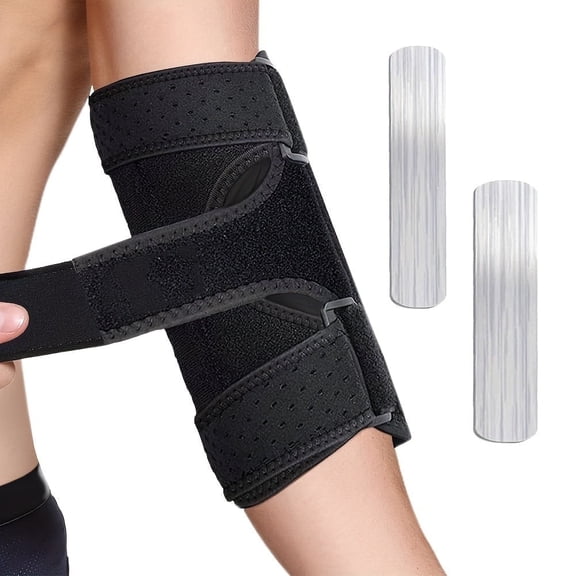
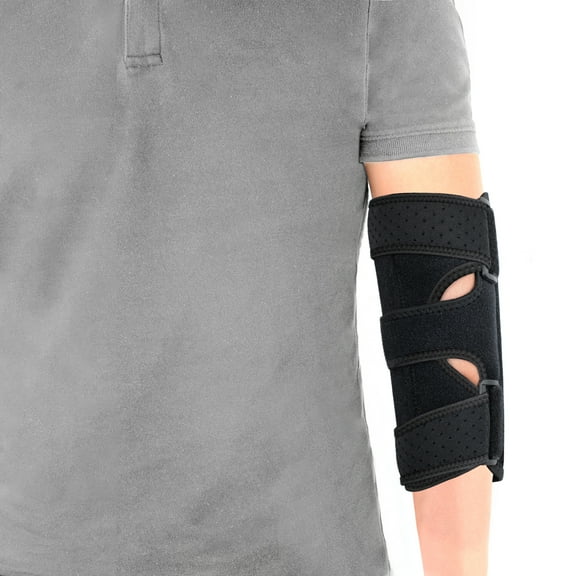
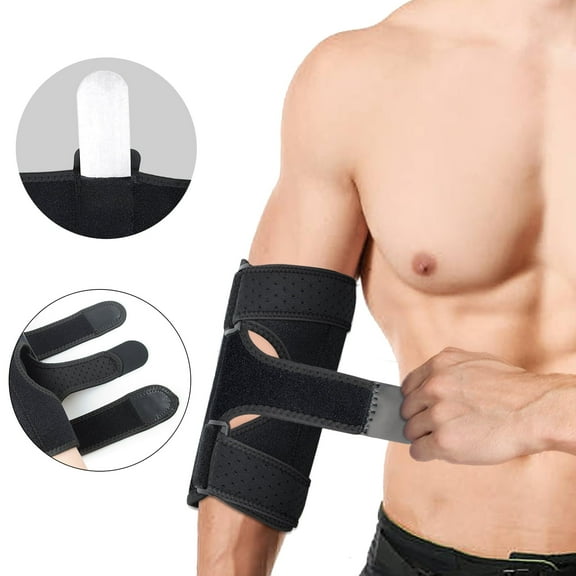
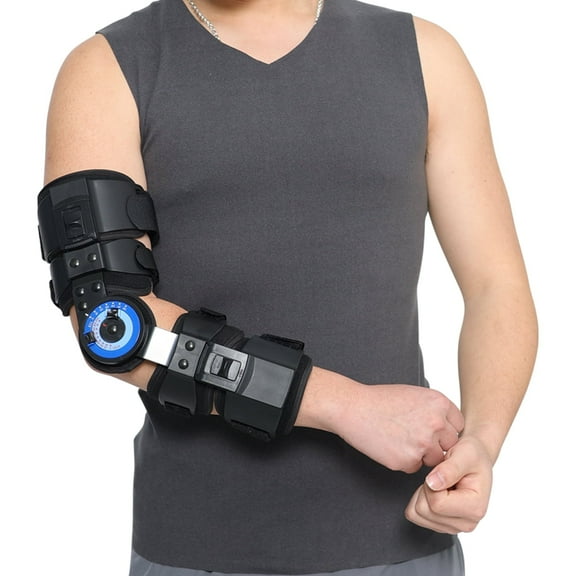
- You can look at a splint when you want a more structured feel with reduced elbow bending.
Choosing the right elbow support for your condition
You’ll want to match the support style to how and when you use your arm. You can often narrow your options faster when you compare tennis elbow, golfer's elbow, tendonitis, arthritis, or weightlifting needs.
For tennis elbow brace searches, you may prefer a strap that applies focused pressure below the elbow. You can wear that style during swings, serves, or other repeated gripping tasks.
For golfer's elbow strap options, you may look for similar targeted support with an adjustable fit. You can compare single-strap and dual-strap designs when you want more control over pressure.
If you’re considering an elbow brace for tendonitis, you may want either a sleeve or a strap. You can choose broader compression or more pinpoint support based on your daily motion.
When you want coverage for general stiffness, you may lean toward an elbow support sleeve. You can get a close fit that layers easily under shirts, sweatshirts, or training gear.
Comparing elbow sleeve materials and compression
You should compare material feel because it changes warmth, stretch, and breathability. You can use that decision to narrow your options before you choose closure style.
If you want a snug feel, you may look at neoprene designs. You can expect a thicker build that feels substantial during cooler workouts or shorter wear periods.
If you want lighter everyday wear, you may prefer elastic knit or breathable mesh. You can get airflow and stretch that feel easier under long sleeves.
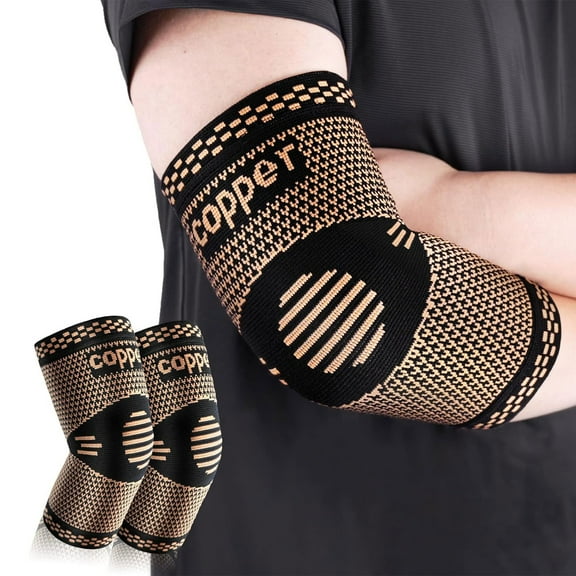
If you’re shopping for a copper elbow sleeve, you should still compare knit weight and panel design. You can focus on fabric feel, seam placement, and compression level when choosing.
A compression elbow sleeve can feel streamlined when you want support without extra straps. You can slide it on quickly for walking, chores, or low-bulk sportswear.
Checking adjustability, sizing, and mobility
You should measure around your elbow or upper forearm before you choose a size. You can use a soft tape and compare your numbers with the size chart.
If you’re between sizes, you should check whether you want firmer compression or easier movement. You can often size with your intended use in mind.
Slip-on sleeves can work well when you want simple wear and fewer closure points. Adjustable elbow brace styles can work better when your fit changes through the day.
You may want hook-and-loop or dual-strap designs when you like small fit changes. You can tighten or loosen them for training, commuting, or desk work.
If you need broad movement, you should compare flexible sleeves and wraps first. If you want less bending, you can look at splints with a more structured shape.
Using elbow braces for sports, work, and daily routines
You can wear elbow braces during tennis, golf, weightlifting, yard work, or computer tasks. You should match the design to your activity so your support feels practical, not bulky.
For weightlifting, you may prefer a close-fitting sleeve that stays put through presses and curls. You can compare knit stretch and cuff design when you want steady coverage.
For tennis or golf, you may choose a strap that sits below the elbow. You can get targeted elbow support without covering the entire joint.
For office routines or household tasks, you may prefer a breathable elbow sleeve. You can keep a lower-profile fit under daily clothing while moving through your schedule.
At night or during quiet recovery time, you may consider a splint or structured wrap. You can choose a design that matches lower-mobility moments and a more secure feel.
You’ll shop with more confidence when you compare brace type, material, adjustability, and intended use together. You can narrow elbow braces quickly and find support that fits your routine and preferred range of motion.