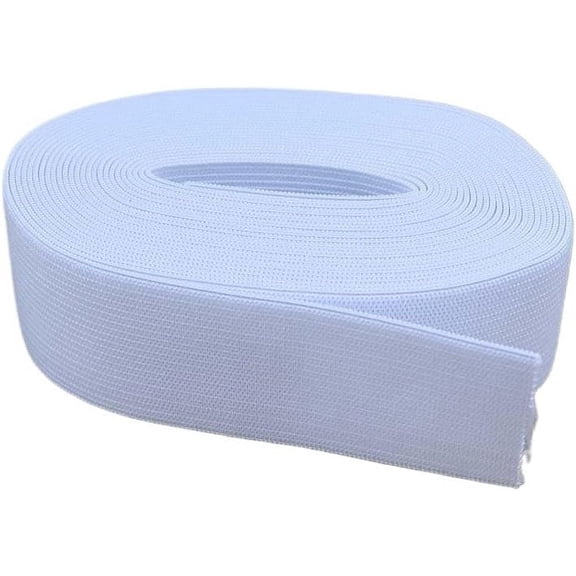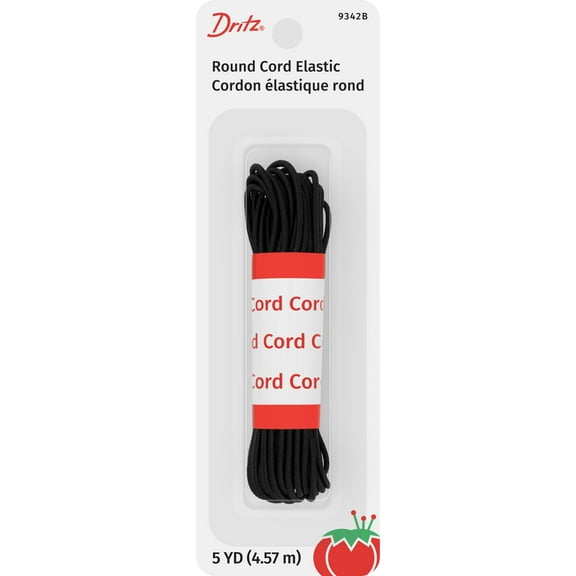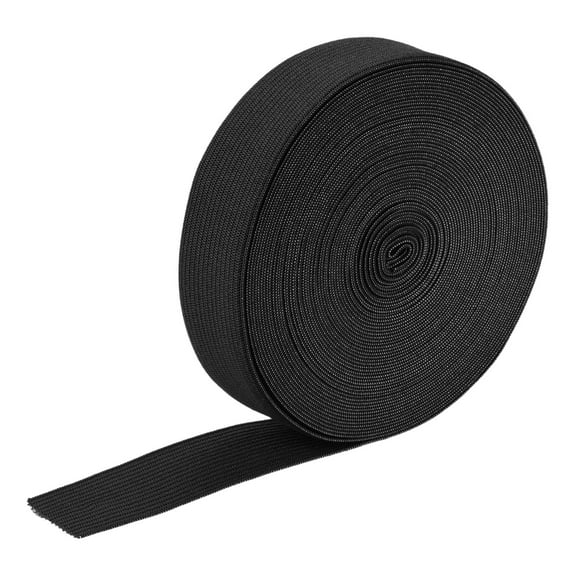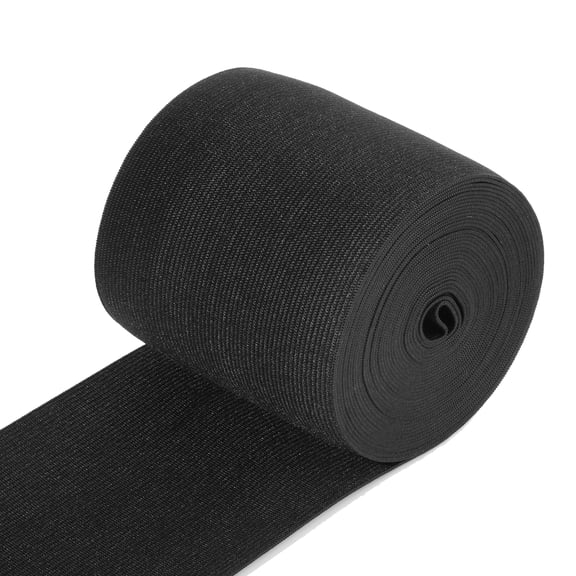

Elastic Bands for Sewing & Crafts
About Elastic Bands for Sewing & Crafts - Walmart.com
Your elastic band choice shapes how your sewing project fits, stretches, and wears over time. You can compare widths, types, colors, and lengths here, so your waistbands, cuffs, and craft projects match your plan.
How to choose an elastic band for sewing
When you choose an elastic band for sewing, you should start with the project area and fabric weight. You’ll want a narrow option for light casings and a wider option for waistbands that need steadier hold.
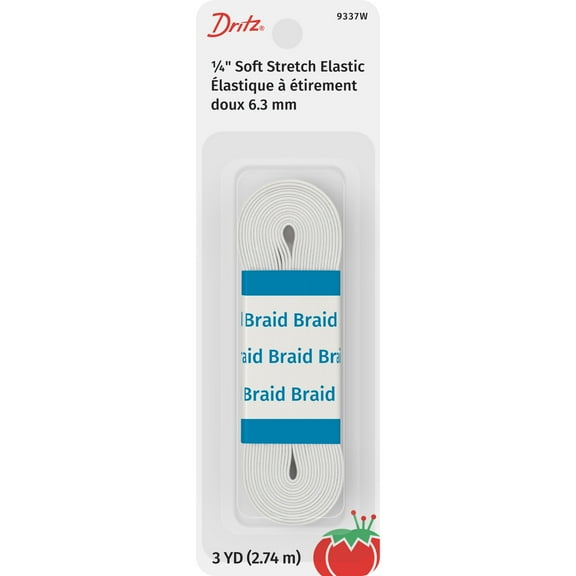
For delicate openings, you may prefer 1/4 inch elastic because it slips easily into small casings. For skirts, shorts, and pajama bottoms, you may compare 1/2 inch or 1 inch widths for a fuller feel.
If your project needs broader coverage, you can look at 2 inch elastic for wide waist sections. You’ll usually get a flatter look when your width matches the casing and fabric thickness.
- You can use narrower widths for sleeve hems, doll clothes, and lightweight crafts.
- You can choose medium widths for gathered skirts, pajama pants, and simple waistbands.
- You can select wider widths when your project needs more structure across a larger area.
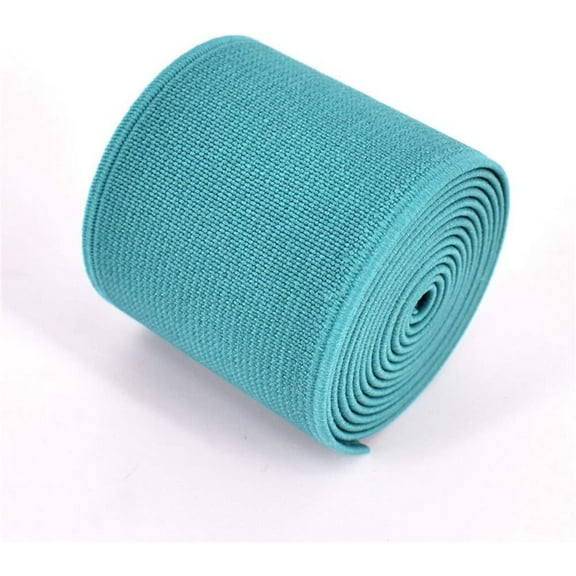
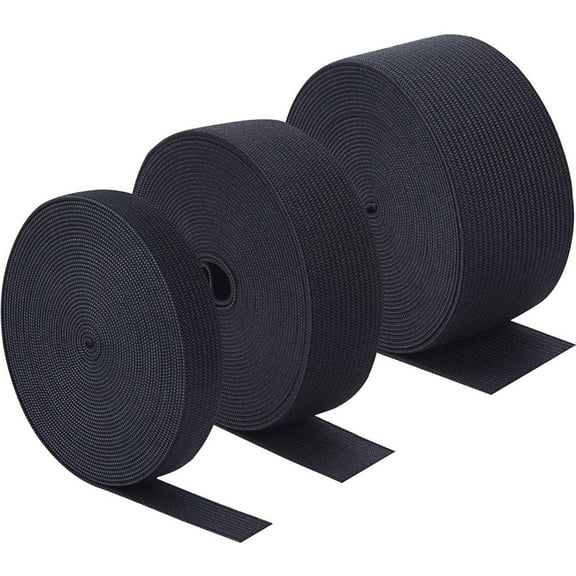
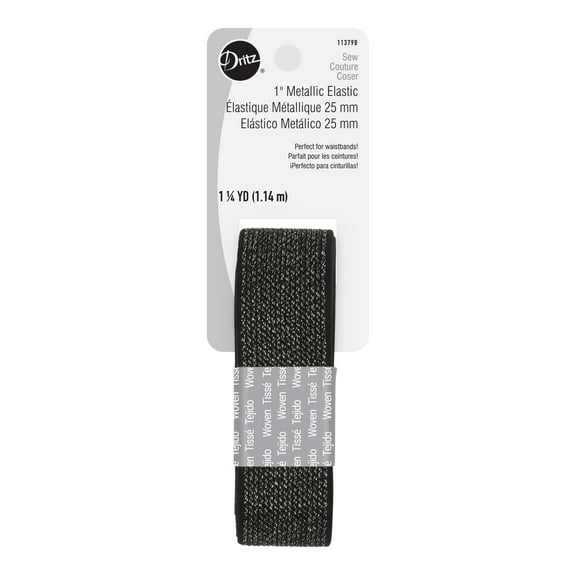
- You can compare white, black, and multicolor options to coordinate with your fabric or trim.
Choosing between braided, knit, woven, and fold-over elastic bands for sewing
You should compare type before you pick a spool or cut length, because each style behaves differently. You’ll notice that stretch recovery and roll resistance matter once your project gets washed and worn.
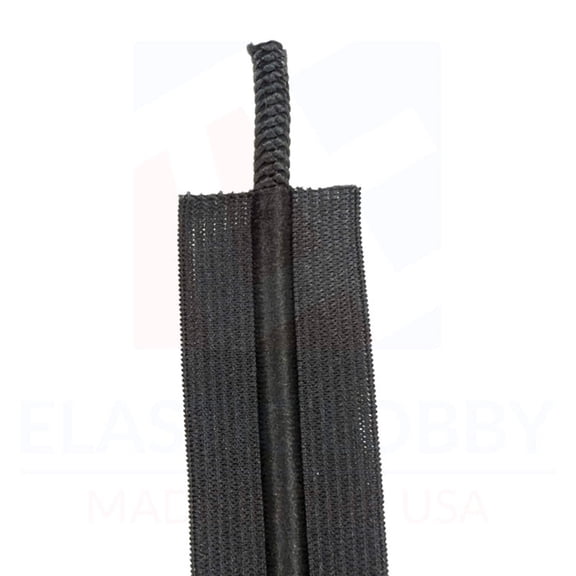
With braided elastic, you can add stretch to casings in lighter garments and simple crafts. You may notice it narrows more when stretched, so you should check whether that movement suits your pattern.
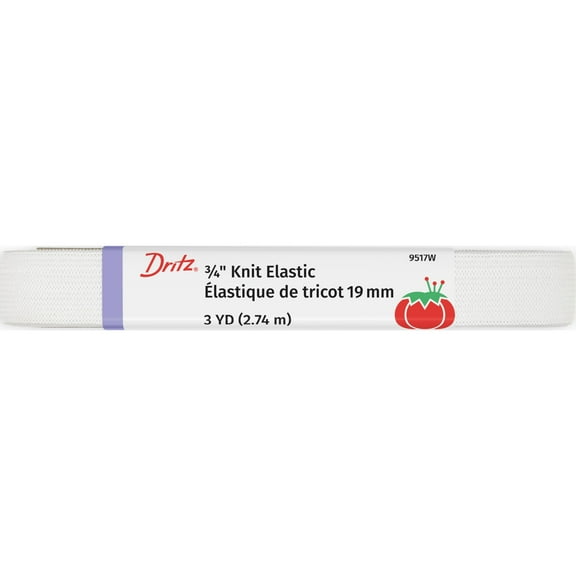
With knit elastic, you can use it in casings or stitch it directly onto fabric for flexible construction. You’ll often find it stays flatter than braided styles, which helps when your waistband should feel smooth.
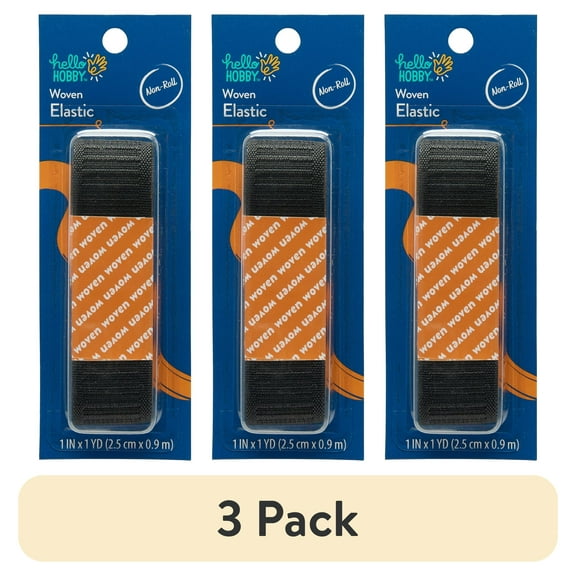
With woven elastic, you can choose firmer support for heavier fabrics or structured waist areas. You may prefer it when your project needs strong stretch recovery and less rolling during repeated wear.
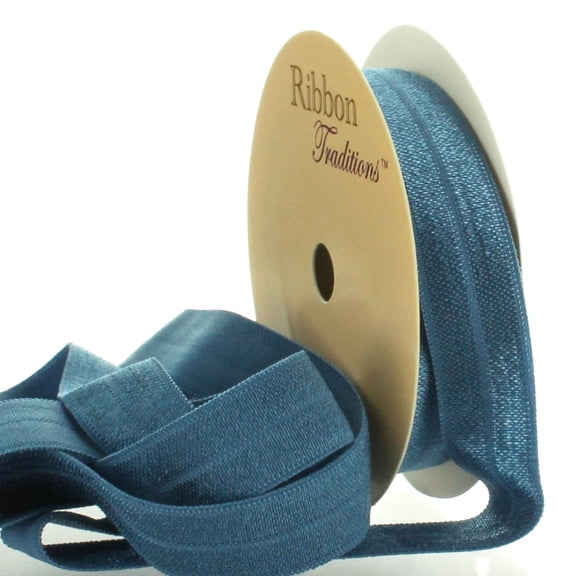
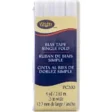
With fold-over elastic, you can finish edges on underwear, headbands, and soft accessories with a wrapped look. You can compare it when your pattern calls for visible edging instead of a hidden casing.
What to look for in width, color, and length
You should measure your casing or seam allowance before choosing width, because guessing often creates bunching. You’ll get a cleaner result when the elastic band fits the channel without twisting.
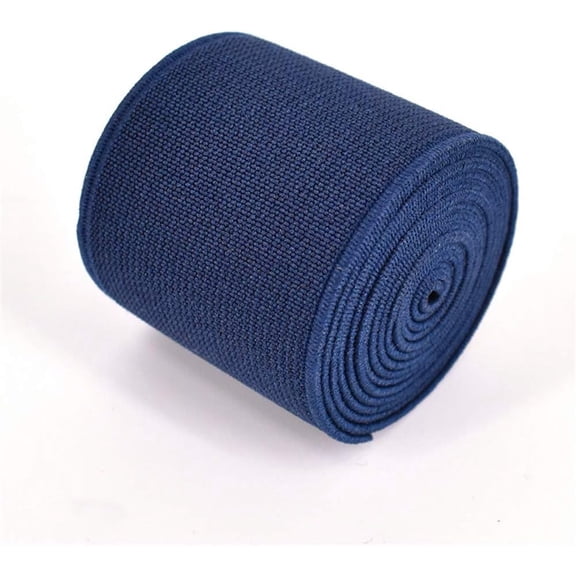
If your fabric is light, you may want a slimmer width that won’t add bulk. If your fabric is heavier, you can consider a wider band that distributes stretch across more surface.
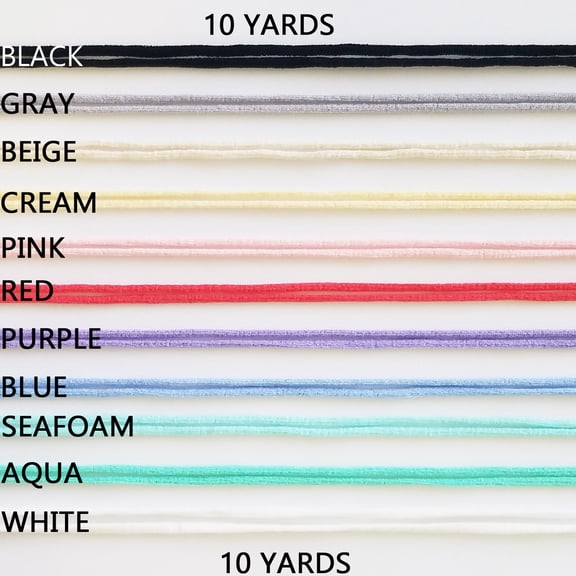
You can choose white for light fabrics and black for dark garments that may show through slightly. You may also pick multicolor options when your craft project includes visible trim, tie-dye fabric, or playful details.
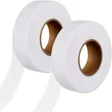
For length, you should compare five-yard cuts, 10-yard packs, and spool formats by project count. You’ll want shorter lengths for one garment, while spools help when you sew uniforms, costumes, or repeated repairs.
You can also check whether your project uses a full waistband, several leg openings, or multiple sleeves. You’ll avoid mid-project shortages when you measure each section and add extra length for testing.
How washability and stretch recovery affect your finished project
You should think about laundry care before sewing elastic into garments you’ll wear often. You’ll want an option that keeps its shape after regular washing and drying cycles.
Stretch recovery tells you how well the elastic returns after you pull it. You’ll notice stronger recovery helps waistbands and cuffs feel consistent after repeated wear and laundering.
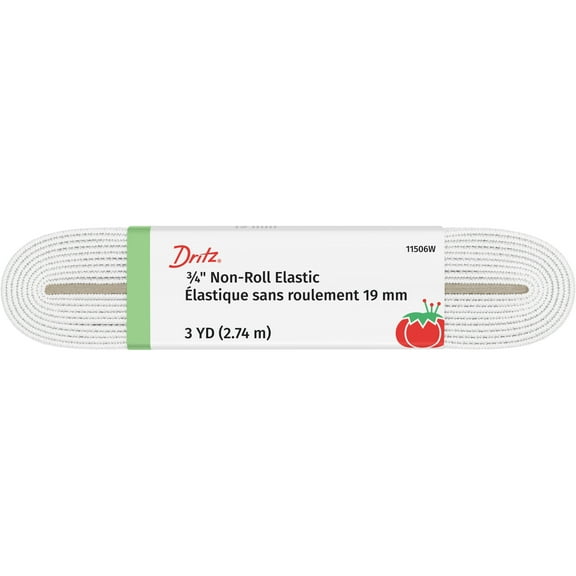
Roll resistance matters when your elastic sits inside a casing that bends during movement. You may prefer knit or woven styles when you want a flatter waistband with less twisting.
If you sew children’s clothing, activewear details, or lounge pieces, you should compare comfort and hold together. You’ll get a more dependable finish when the elastic matches both fabric weight and intended use.
Elastic band uses for garments, crafts, and quick repairs
You can use an elastic band for sewing skirts, shorts, sleeves, necklines, and fitted waistlines. You’ll also find it useful for face covering crafts, costume details, and fabric organizers that need flexible tension.
For apparel sewing, you should match soft stretch with the fabric drape and garment shape. You may choose knit styles for casual wear, woven styles for firmer support, and fold-over styles for finished edges.
In craft projects, you can cut custom lengths for journals, hair accessories, gift wraps, and home organizers. You’ll appreciate spool options when you make batches for classes, events, or seasonal decorations.
For mending, you can replace worn waistband inserts, refresh cuff sections, or update gathered details. You’ll get faster repairs when you keep common widths like 1/4 inch, 1/2 inch, and 1 inch on hand.
When you want convenient access through shipping, delivery, or pickup, you can compare elastic bands for sewing on Walmart.com. You’ll be able to match the right type and width without sorting through unrelated notions.
You can sew with more confidence when your elastic band matches your casing, fabric, and project length. You’ll get a cleaner finish, steadier stretch, and a result that feels made for your pattern.