







Dog Collars in Dog Collars, Leashes, and Harnesses


































About Dog Collars in Dog Collars, Leashes, and Harnesses - Walmart.com
Dog collars help you manage walks, tags, and daily wear with a fit that matches your dog’s size and routine. You can compare materials, closures, and safety details here, so your choice feels clear and practical.
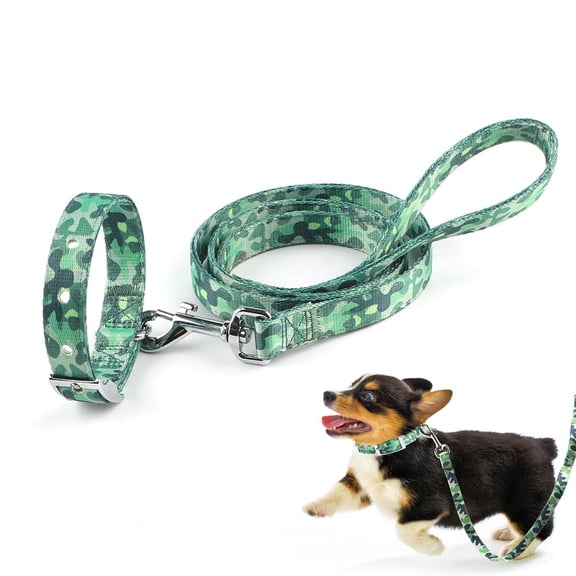
If your dog wears a collar all day, you may want one that balances comfort, durability, and easy adjustment. You can also match your collar with dog collars and leashes for a coordinated setup.
How to choose dog collars by material
Material affects how your collar feels, cleans up, and holds shape over time. You should compare nylon, leather, biothane, and neoprene based on your dog’s activity level.
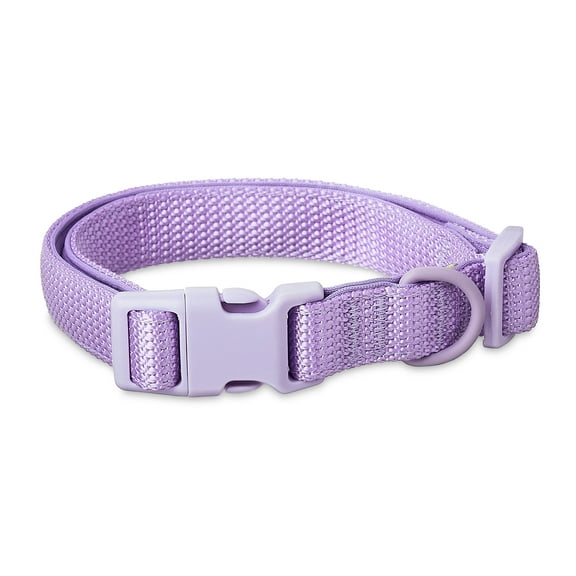
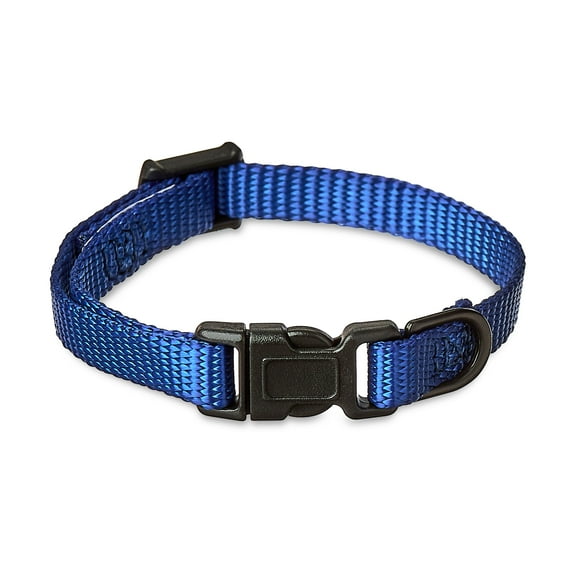
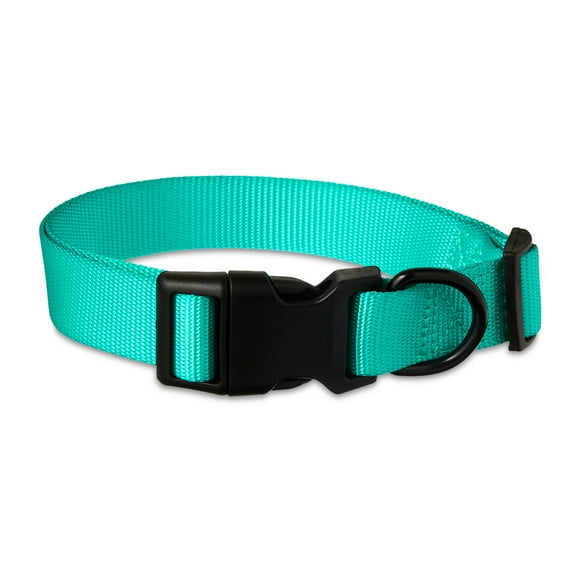
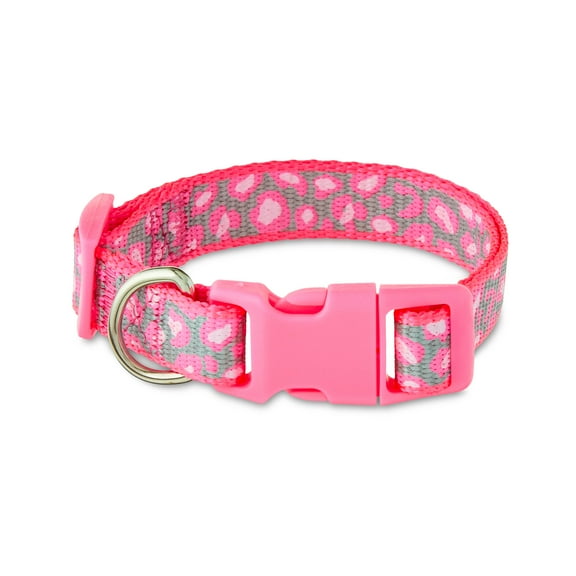
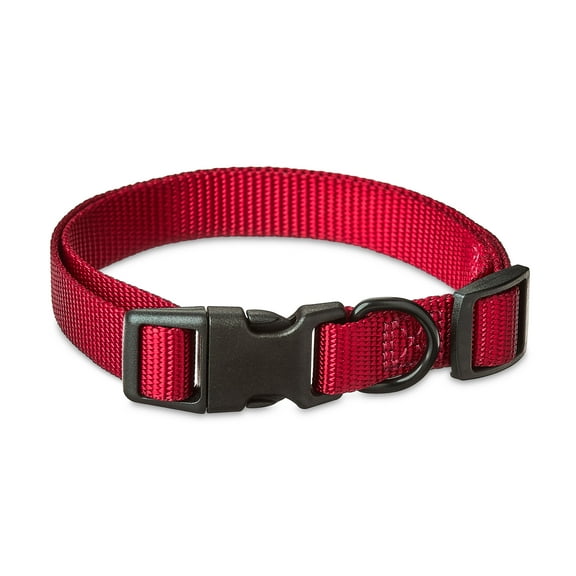
Nylon dog collars usually feel light and flexible, which helps if your dog wears a collar every day. You may like nylon for casual walks, quick drying, and easy color options.
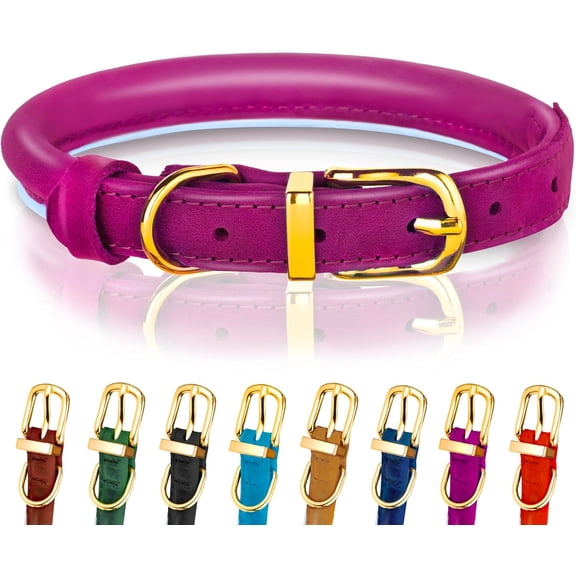
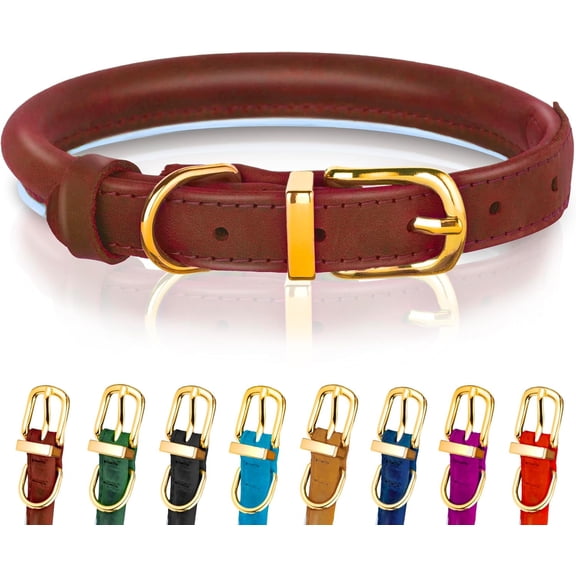
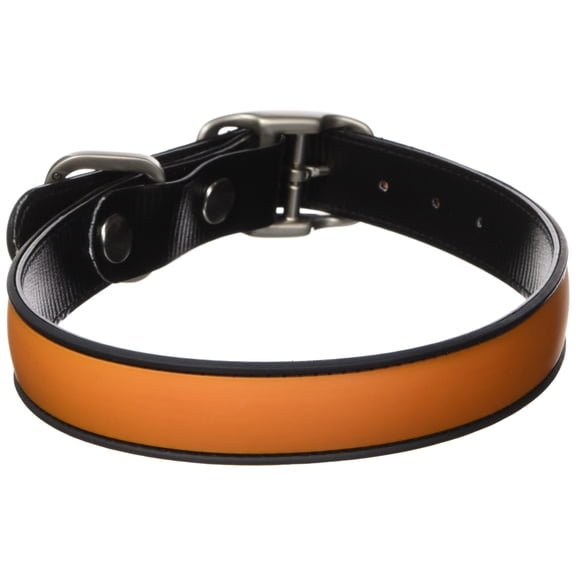
Leather dog collars give you a structured feel and a classic look that suits everyday wear. You should look for smooth edges and solid hardware if your dog pulls or plays hard.
Biothane styles can work well if your dog spends time outdoors in wet or muddy places. You may notice that wipe-clean surfaces can make routine cleanup simple.
Neoprene lining adds soft padding where your dog’s collar rests against the neck. You may prefer padded dog collars when your dog wears tags for long stretches.
What to look for in reflective dog collars and safety details
Safety features matter when you walk early, head out at dusk, or move through busy spaces. You should compare reflective stitching, hardware strength, and release style before you choose.
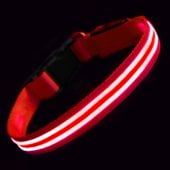
- You can use reflective dog collars to add visibility during low-light walks.
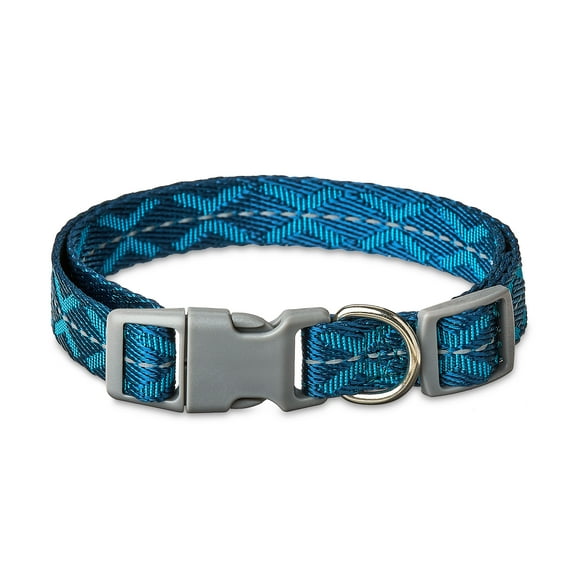
- You can choose quick-release buckles when you want fast on and off.
- You can check metal buckles when you want a traditional, secure closure.
- You can consider padded edges when you want added comfort around the neck.
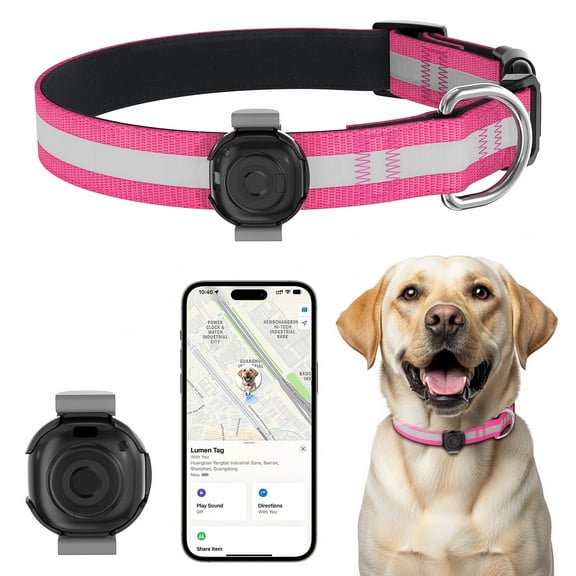
Reflective details help your dog stay easy to spot during evening routines. You may want stitching or trim that stays visible without making the collar bulky.
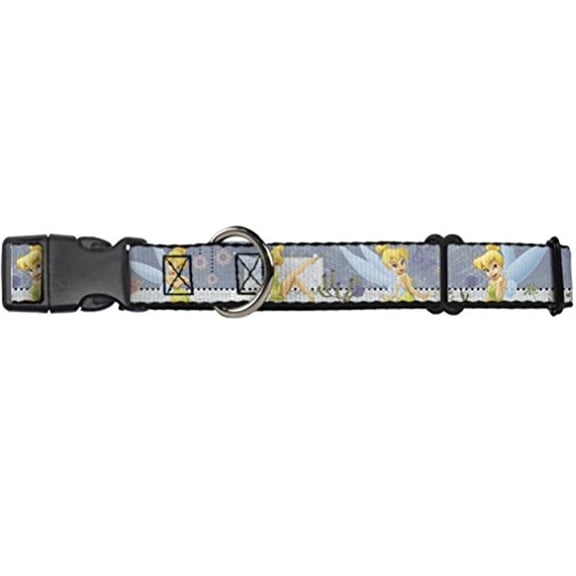
Quick-release buckle styles help you remove a collar fast during grooming or crate transitions. You may prefer that closure if your routine calls for frequent changes.
Metal buckle styles offer a familiar fit with set holes or adjustable ranges. You should check hardware thickness and ring placement if your dog pulls on walks.
Choosing adjustable dog collars by size and fit
Fit shapes comfort, control, and tag placement, so sizing deserves careful attention. You should measure your dog’s neck in inches before choosing small, medium, large, or extra large.
Use a soft tape where your dog’s collar sits, then note the neck measurement. You should leave room for the two-finger rule, so the fit feels secure but not tight.
Adjustable dog collars help you fine-tune the fit as coats change through the year. You may find adjustable ranges especially useful for growing dogs or thick fur.
Small sizes usually suit compact breeds with lighter frames and narrower necks. Medium, large, and extra large options give you additional width and hardware choices for stronger dogs.
You should also compare collar width with your dog’s build, not just neck size. A wider band can spread pressure evenly during regular walks.
Comparing heavy duty dog collars and closure types
Function matters as much as material when your dog pulls, trains, or spends time outdoors. You should compare standard collars, martingale styles, and heavy duty dog collars by daily use.
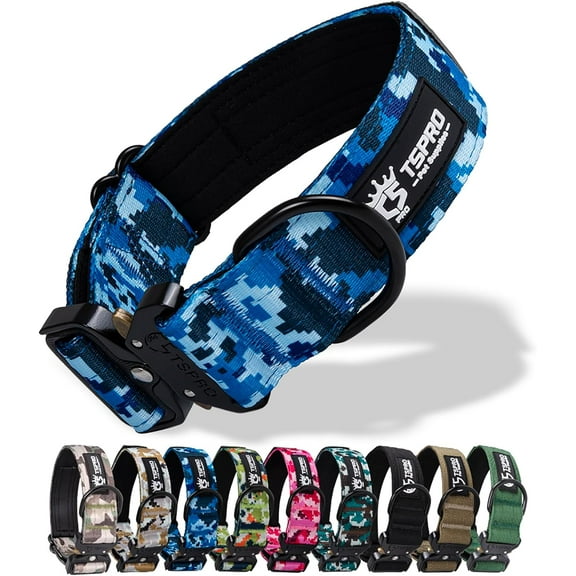
Heavy duty dog collars often focus on thicker webbing, sturdy rings, and durable buckle designs. You may want that setup if your dog is large, active, or strong on leash.
Martingale collars can give you added control without the constant bulk of a harness. You should consider this style if your dog backs out of standard collars or needs training guidance.
Training collars vary by design, so you’ll want to check the intended use before choosing. You can pair collar choices with dog harnesses or dog training supplies for specific routines.
Personalized styles can help you display your dog’s name or contact details right on the collar. You may prefer that option when you want fewer hanging tags.
Matching dog collars to your routine
Your routine can guide every collar decision, from materials to closure style. You should think about weather, coat type, walking habits, and how often your dog wears a collar.
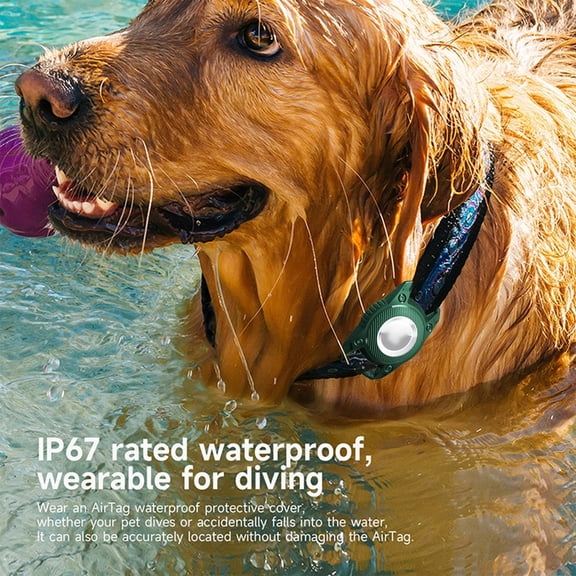
If your dog swims, hikes, or rolls in mud, you may lean toward wipe-clean or quick-drying materials. If your dog mostly lounges indoors, you might prefer a softer everyday collar.
For city walks, you may want reflective details and easy leash attachment points for repeated outings. For backyard play, you might focus on comfort, adjustability, and durable hardware.
If your dog pulls, a martingale or sturdier build may suit your routine closely. If your dog wears tags all day, softer linings can feel comfortable over time.
You can finish your setup with related essentials like dog leashes for walks or dog harnesses for added control. You can feel more confident when your collar matches your dog’s size, habits, and daily pace.
With the right measurements, material, and closure type, you can narrow dog collars down to options that truly fit your routine. You can get a collar that supports everyday comfort, secure walks, and smooth handling.