

Duplex Receptacles in Outlets











About Duplex Receptacles in Outlets - Walmart.com
Your duplex outlet choice affects fit, code alignment, and everyday convenience in each room. You can compare amperage, voltage, safety features, and style before you start your wiring project.
If you're replacing a worn wall plug or planning a new setup, you need the right configuration. You can narrow options faster when you know which features match your circuit and location.
How to choose a duplex outlet
You'll want to start with the circuit rating before you compare finishes or face styles. Your receptacle needs to match the electrical demands of the space you're updating.
When you compare common choices, you can focus on a few key decisions first. You should check amperage, voltage, safety requirements, and whether your outlet mounts horizontally or vertically.
- You can use 15 Amp options for many standard household circuits and everyday plug-in needs.
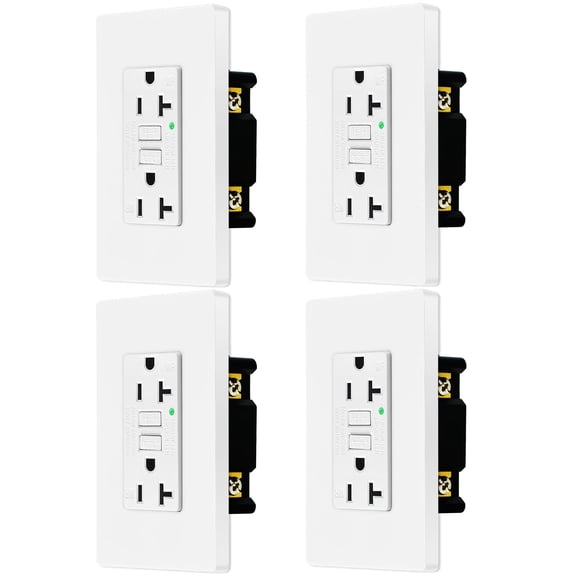
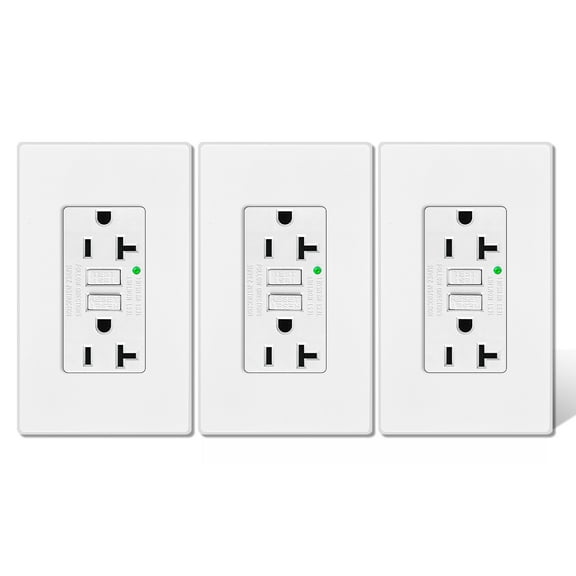
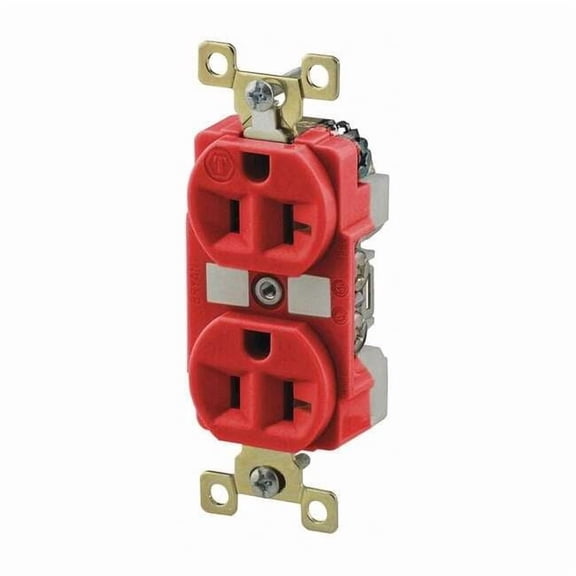
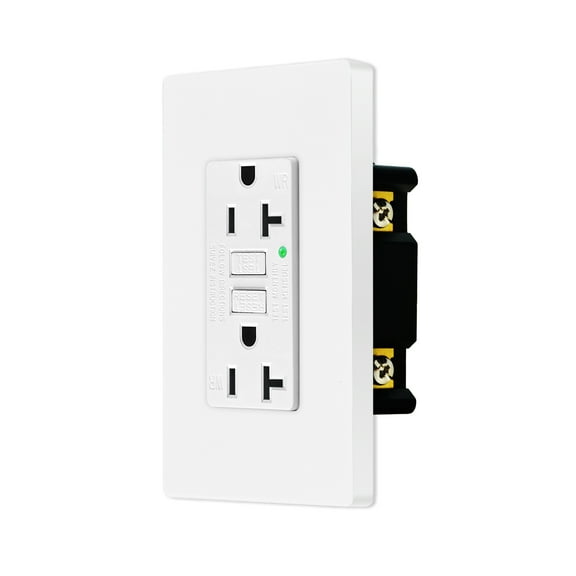
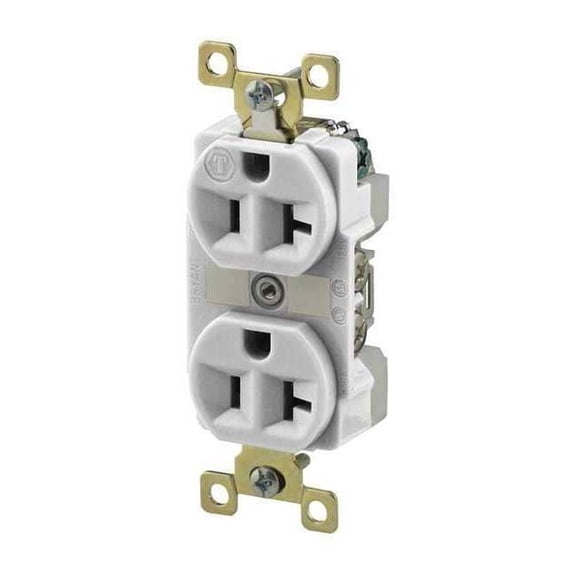
- You may need 20 Amp options when your branch circuit and plug pattern require that higher rating.
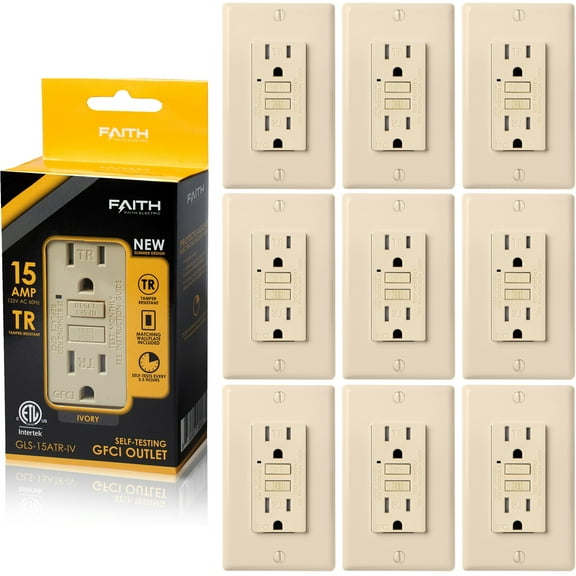
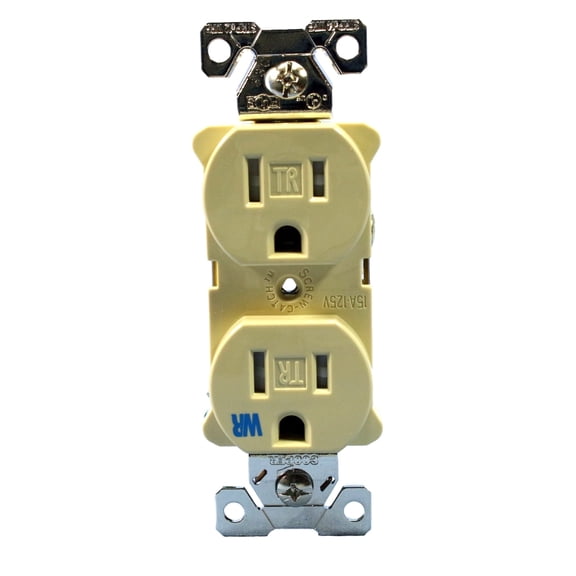
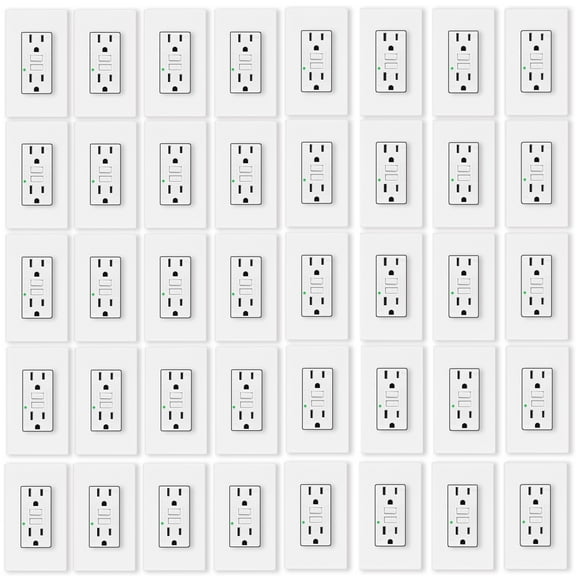
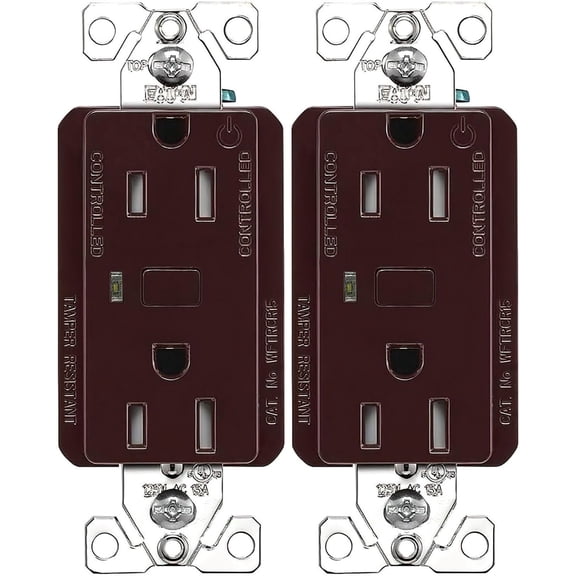
- You can choose tamper-resistant designs when your space calls for code-focused residential protection features.
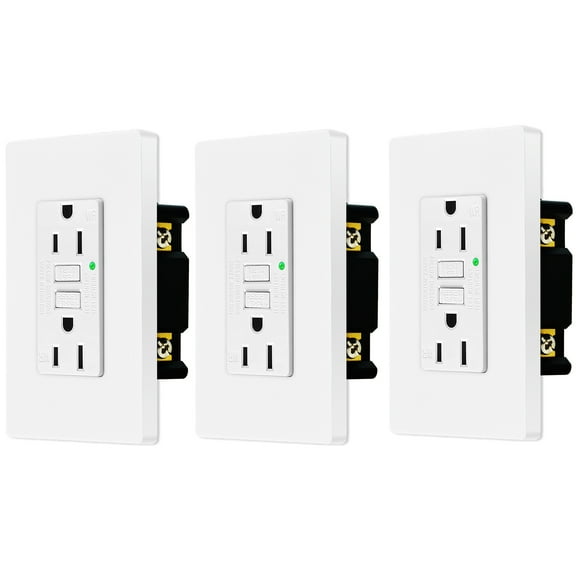
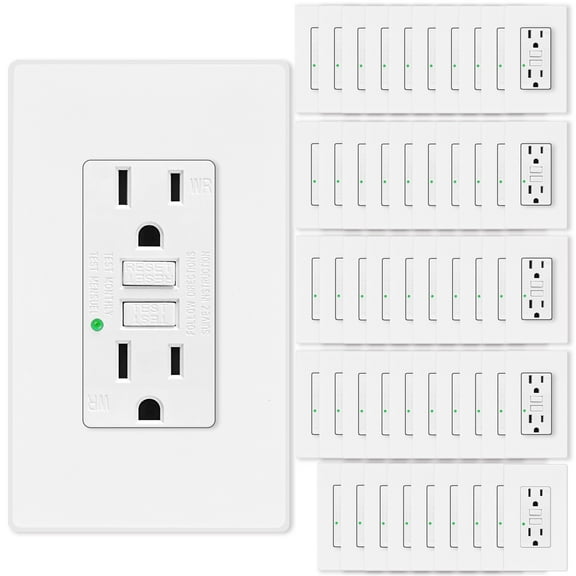
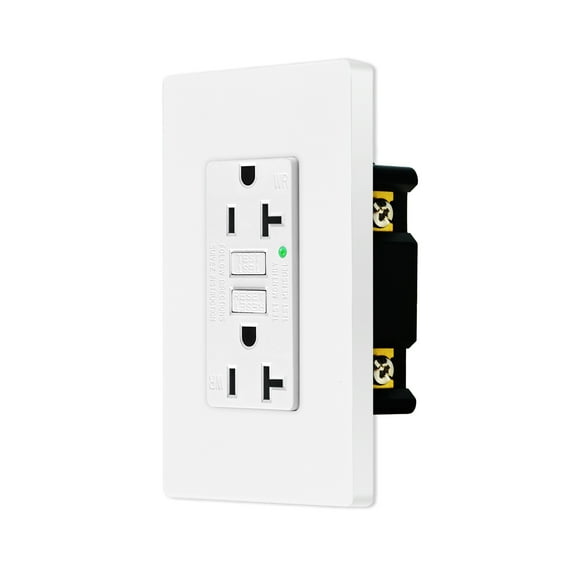
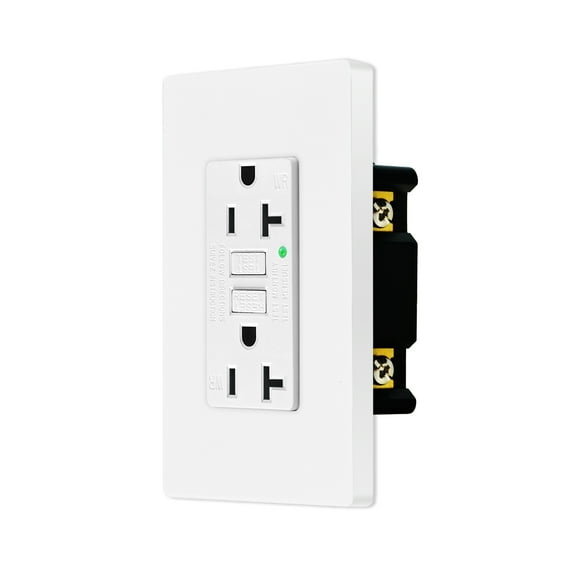
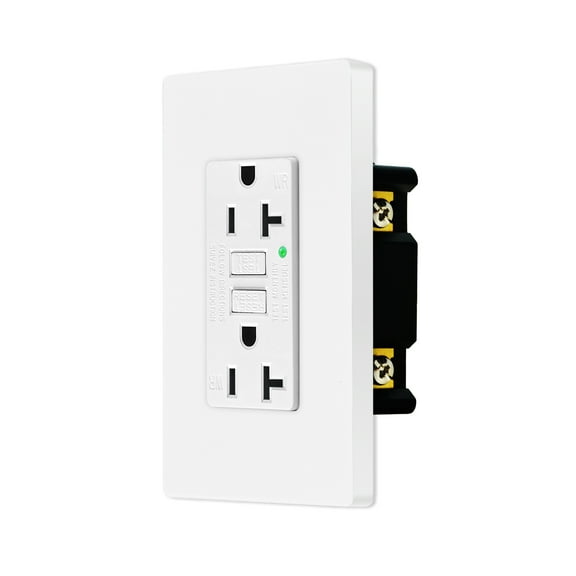
- You should consider weather-resistant or GFCI styles for damp or outdoor-adjacent locations.
- You can match decorative faces and wall plates when your room finish matters as much as function.
Choosing amperage and voltage
You should verify whether your circuit is 15 Amp or 20 Amp before you install a duplex receptacle. Your choice affects plug compatibility and helps you align the outlet with the circuit design.
If you're updating a general bedroom or living room outlet, you'll often compare 15 Amp models first. If your circuit handles heavier demand, you may need a 20 Amp configuration.
You should also check whether your project needs 125V or 250V service. Your voltage selection depends on the circuit and the equipment you plan to power.
When you compare these ratings, you can avoid ordering an outlet that doesn't suit the application. Your project moves more smoothly when the receptacle matches the circuit from the start.
Comparing safety features for your space
You may need tamper-resistant options in many residential areas where current code expectations matter. Your outlet can include internal shutters that help control access to the slots.
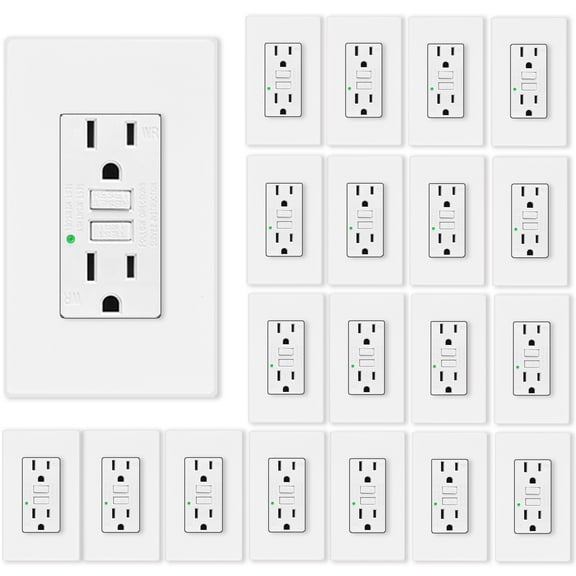
If you're working in bathrooms, garages, laundry areas, or covered outdoor spaces, you may compare GFCI choices. Your setup may also call for weather-resistant construction in damp or exposed conditions.
You should think about location before you choose the face design alone. Your patio, kitchen, or bath project often has different outlet needs than your hallway or office update.
When you want a duplex outlet for everyday living areas, you can still compare safety-focused designs for added peace of mind. Your final pick should reflect where you install the outlet and how you use the space.
Picking orientation and style
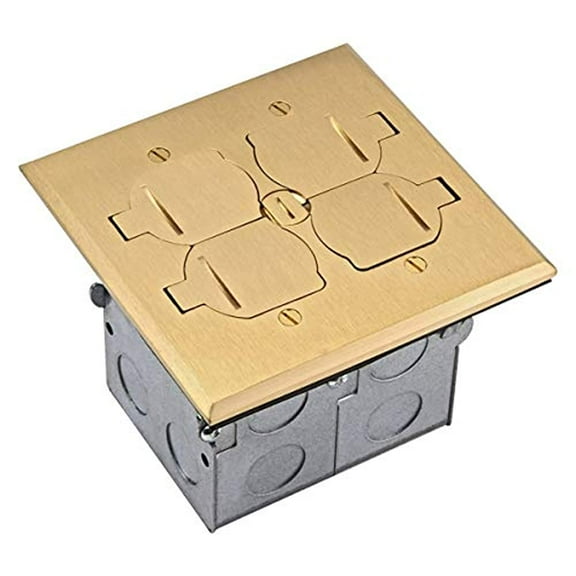
You can find vertical layouts that suit standard wall box orientation in many homes. You may also want a horizontal duplex receptacle for specific layouts, furniture placement, or design preferences.
If your room has visible outlets, you might prefer a decorative or decorator-style face. Your choice can help the receptacle blend with updated switches, wall plates, and cleaner interior lines.
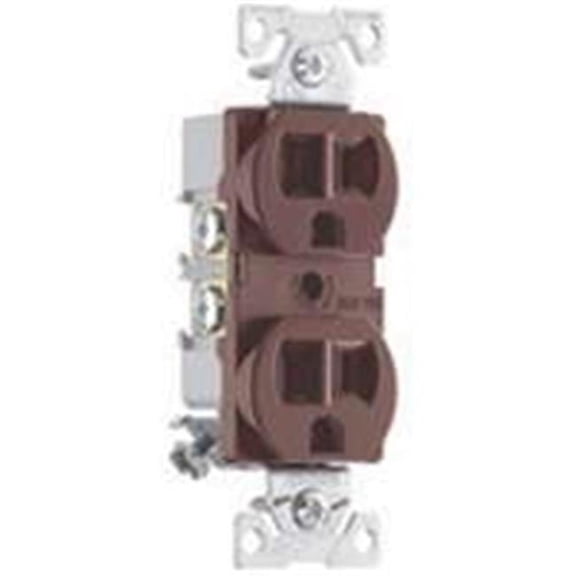
You should also think about color coordination when you refresh multiple outlets in one room. Your outlet, switch, and wall plate can look more consistent when you match the finish.
When aesthetics matter, you don't need to ignore function. You can choose a style that fits your space while still matching the right electrical rating.
Using duplex outlets in real projects
If you're replacing outlets during a room refresh, you can pair new receptacles with matching wall plates. Your finished wall can look more uniform in bedrooms, hallways, kitchens, and home offices.
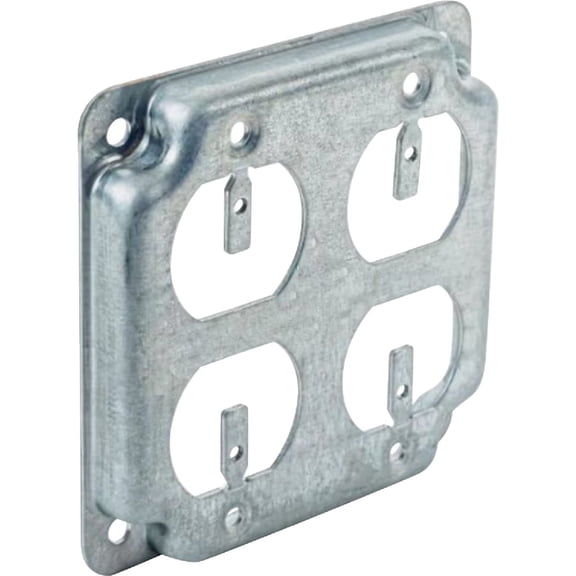
When you're updating a workshop or utility area, you may focus first on amperage and voltage. Your tools, appliances, or dedicated circuits can guide which specification makes sense.
You might choose tamper-resistant options for family living spaces where everyday access matters. You may look at GFCI or weather-resistant designs when your project includes bathrooms, garages, patios, or laundry areas.
If your layout calls for a side-mounted appearance or a custom box orientation, you can compare horizontal styles. Your project can feel more intentional when the outlet direction fits the wall design.
You can also plan ahead by coordinating related electrical parts in the same update. Your project may come together more cleanly when you also compare wall plates, electrical wire, and GFCI outlet options.
What to look for before installation
You should confirm the outlet rating, box setup, and intended room before making your final choice. Your selection process gets easier when you compare code-focused features alongside appearance.
With the right duplex outlet, you can support daily plug-in needs with a cleaner fit for your space. Your home project feels more complete when the receptacle matches the circuit, location, and room finish.