



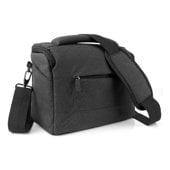
Camera Bags & Cases in Camera Bags & Portability


































About Camera Bags & Cases in Camera Bags & Portability - Walmart.com
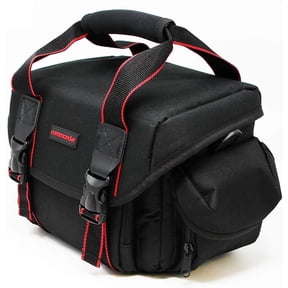
You can organize and protect your gear with camera bags and cases designed for travel, daily shoots, and quick access between locations. You’ll find options built for DSLR bodies, mirrorless kits, and compact cameras, with layouts that help your lenses, batteries, and cards stay in place.
How to choose camera bags and cases by bag type
You should start with bag type, because your carry style changes how easily you move and reach your camera. You’ll usually compare a camera backpack, a camera shoulder bag, a messenger style, a holster, or a hard case.
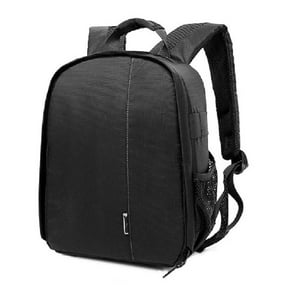
If you carry several lenses, you may prefer a camera backpack with balanced weight and room for extras. If you want faster access, you might choose a shoulder design or holster that keeps your camera close.
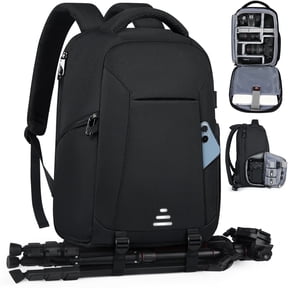
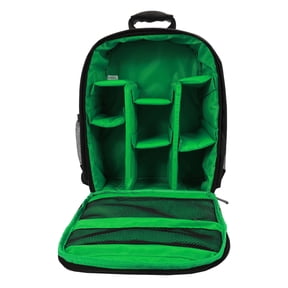
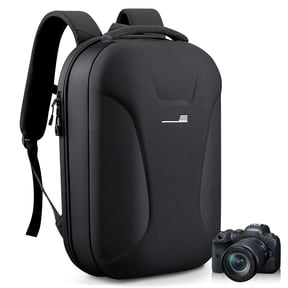
- You can use a backpack when your setup includes multiple lenses, a laptop, and a tripod.
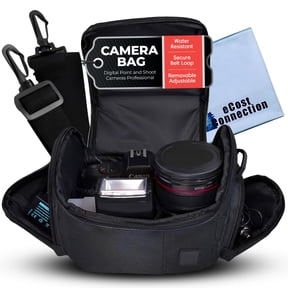
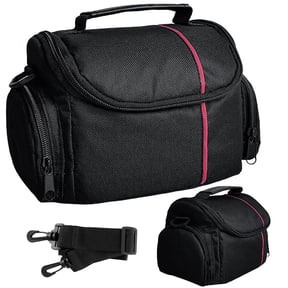
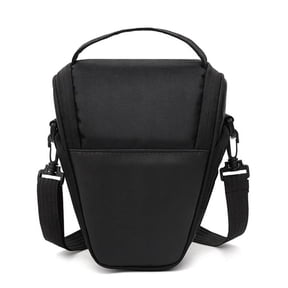
- You can choose a shoulder or messenger style when you need quick access during events or street photography.
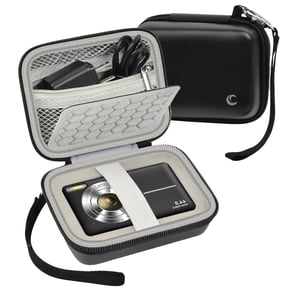
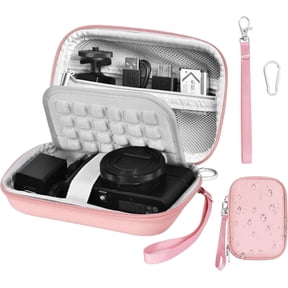
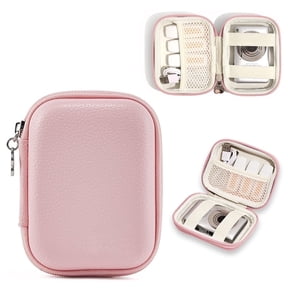
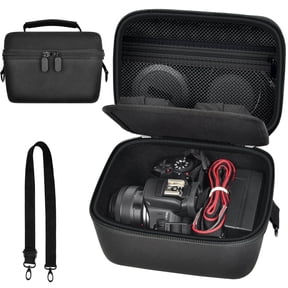
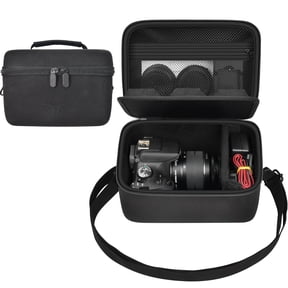
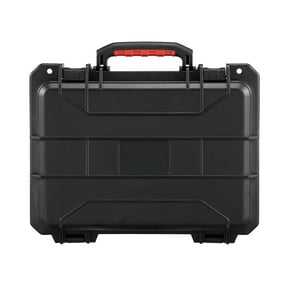
- You can pick a hard case when your priority is structured protection during storage or transport.
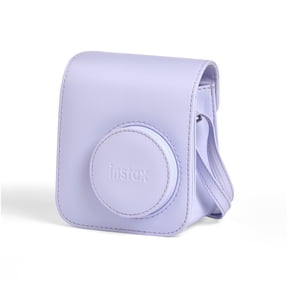
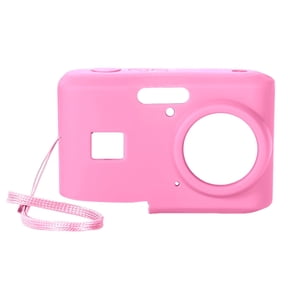
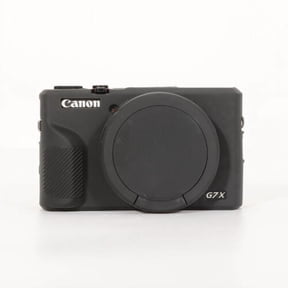
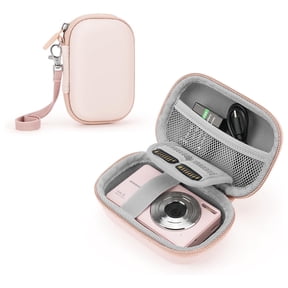
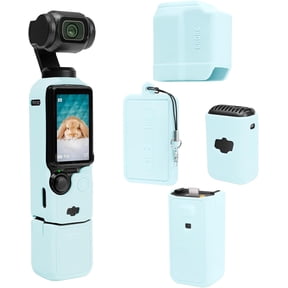
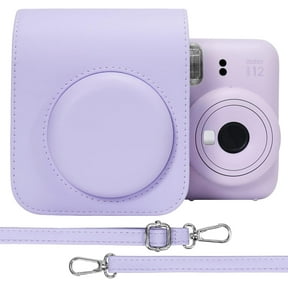
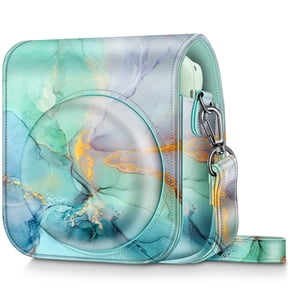
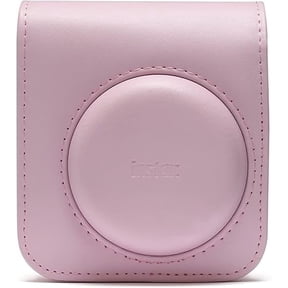
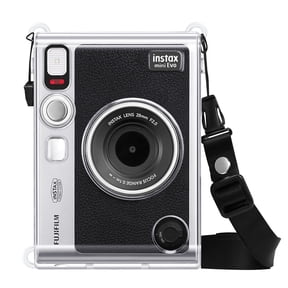
- You can keep a compact setup in a small camera case for point-and-shoot or action camera gear.
You’ll also want to compare how each style opens and closes during busy shooting days. You may like side access for quick grabs, or you may prefer rear entry for added security.
Choosing fit and capacity for your camera setup
You should measure your camera body, attached lens, and favorite extras before you choose a bag. You’ll get a better fit when you compare inner dimensions, lens capacity, and laptop sleeve size.
If you use a DSLR with a longer zoom, you may need deeper compartments and stronger dividers. If you carry a smaller mirrorless camera bag, you may want a slimmer profile that still fits spare batteries and cards.
You can also compare layouts based on how you shoot during the day. You might need space for one lens, or you might need room for multiple lenses, a flash, and filters.
Many shoppers look for a padded camera insert when they want flexible storage inside another tote or backpack. You can move that insert between bags, which helps you adapt your setup for work, travel, or casual outings.
Comparing protection levels and materials
You should check protection details closely, because your camera gear needs cushioning and coverage in changing conditions. You’ll often compare padded interiors, shock-absorbing foam, waterproof camera bag designs, and weather-resistant shells.
If you carry gear outdoors, you may prefer coated fabrics and covered zippers that help block light rain. If you store delicate lenses, you may want denser foam and snug dividers that reduce shifting inside the bag.
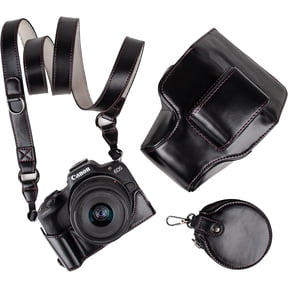
You can look for a dslr camera case with structured walls when your setup includes heavier bodies and glass. You may choose softer padded styles when you want lighter carry and easier packing in a car or suitcase.
You should also consider the difference between waterproof and weather-resistant construction. You’ll usually use weather-resistant bags for everyday travel, while waterproof designs suit wetter routes and exposed conditions.
Looking at comfort and access speed
You should compare straps, handles, and back panels if you carry gear for hours at a time. You’ll notice comfort matters more when your load includes a laptop, extra lenses, and a mounted tripod.
If you walk long distances, you may prefer padded shoulder straps and a sternum strap on a camera backpack. If you work in tighter spaces, you may like a camera shoulder bag that swings forward quickly.
You can also decide how quickly you need to reach your camera during the day. You might prefer quick-access side pockets for active shooting, or you might choose rear entry for more secure storage on crowded routes.
Some shoppers want wide openings that lay flat for easy packing and clear visibility. You may also want dedicated pockets that keep memory cards, chargers, and cleaning tools easy to separate.
Matching camera bags and cases to real use cases
You can match your bag to your routine by thinking about where you shoot and what you carry. You’ll usually narrow the choice faster when you compare travel, commuting, events, and outdoor photo days.
If you fly with gear, you may want a travel camera bag with a laptop compartment and organized accessory pockets. If you hike or explore cities, you may prefer a backpack with a tripod mount and balanced storage.
You can use a mirrorless camera bag for lighter daily carry when you want less bulk on trains, sidewalks, or campus walks. You may choose a small camera case for a compact camera that stays ready in a larger tote.
If you shoot sports or family events, you may want quick top or side access for fast lens changes. If you store gear between trips, you may favor a hard case that keeps your setup neatly contained.
You’ll get more from your setup when your camera bags and cases match your gear, your pace, and your shooting style. You can choose with more confidence when you compare fit, protection, comfort, and access in one place.