

Dry Wall Repair in Patching & Repair



















About Dry Wall Repair in Patching & Repair - Walmart.com
Drywall repair gets straightforward when you can compare patches, spackle, and tools in one place. This category helps you match the repair method to hole size, wall texture, and finishing steps.
Drywall repair for clean wall fixes
Small dents, popped fastener spots, and torn paper need different materials. Choosing the right option helps the patch blend evenly before primer and paint.
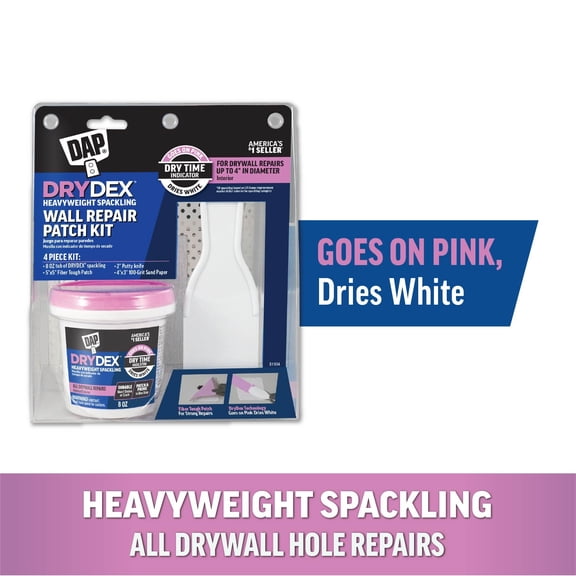
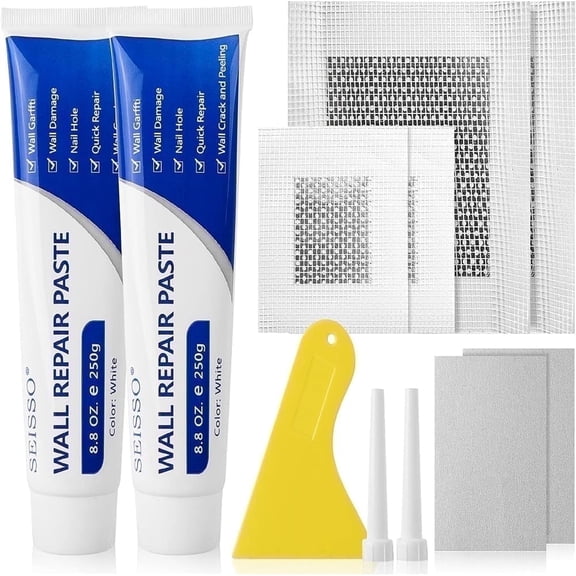
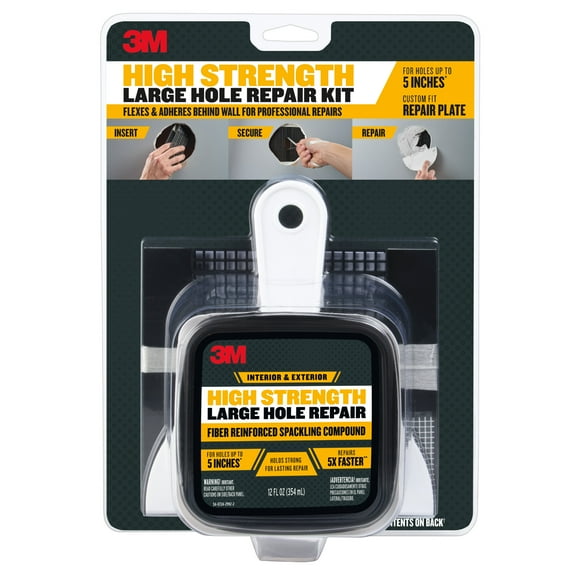
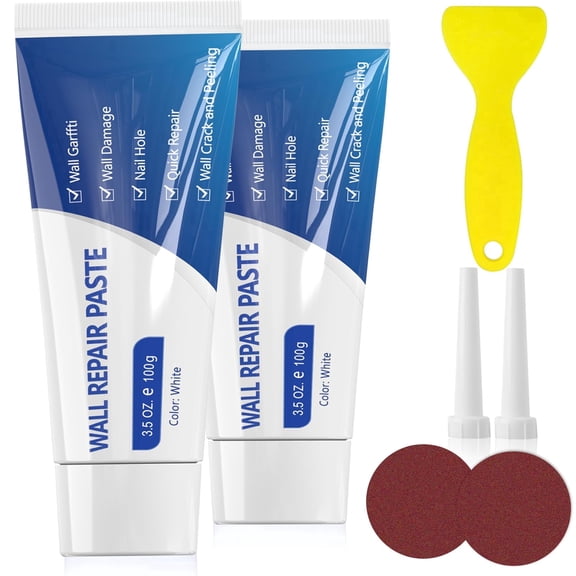
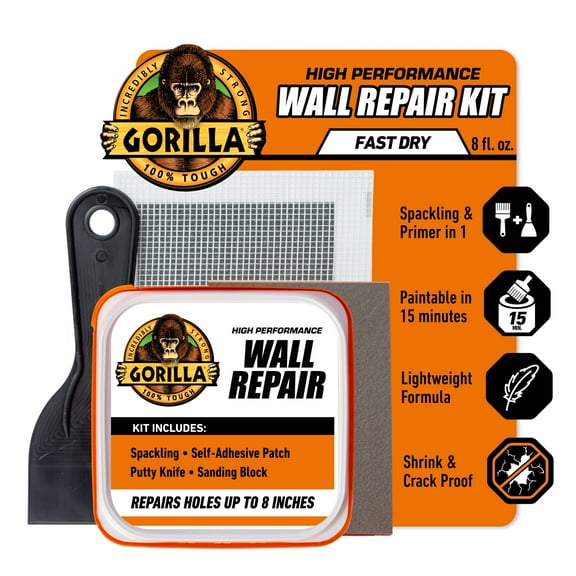
Many shoppers want an all-in-one answer for patch holes in wall projects. A hole in wall repair kit can pair compound, patch material, and application tools.
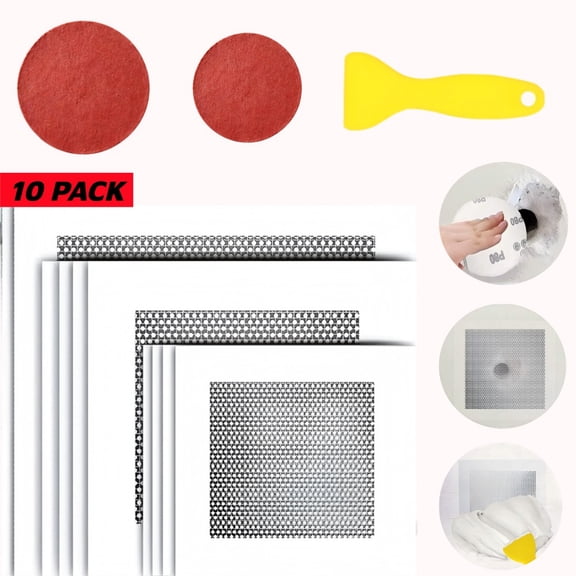
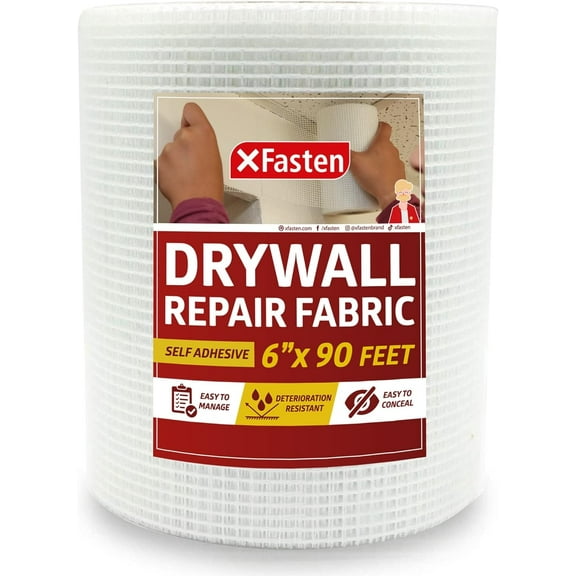
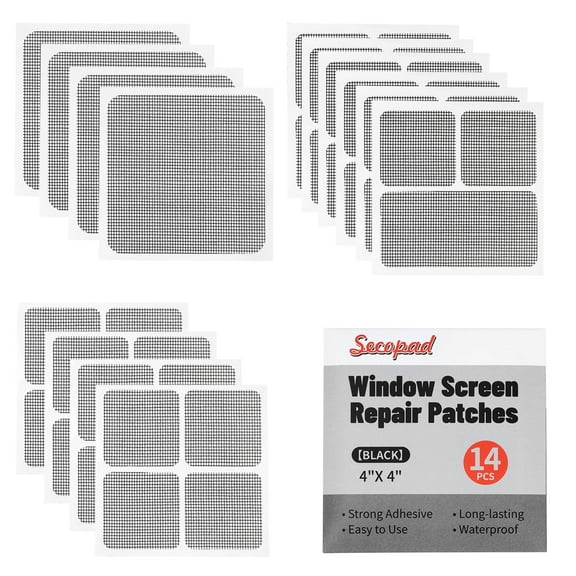
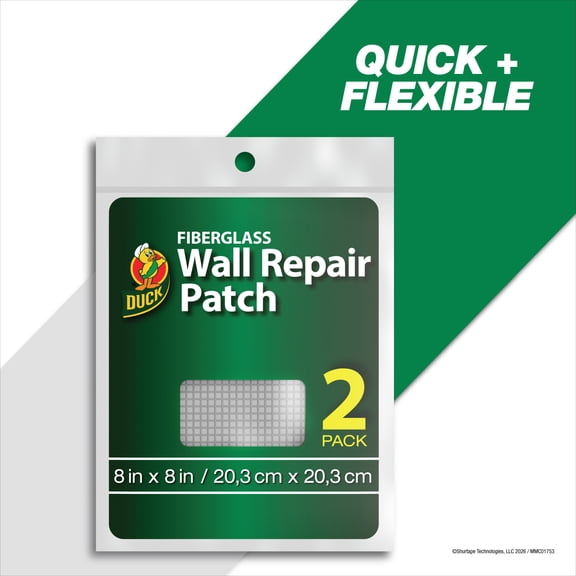
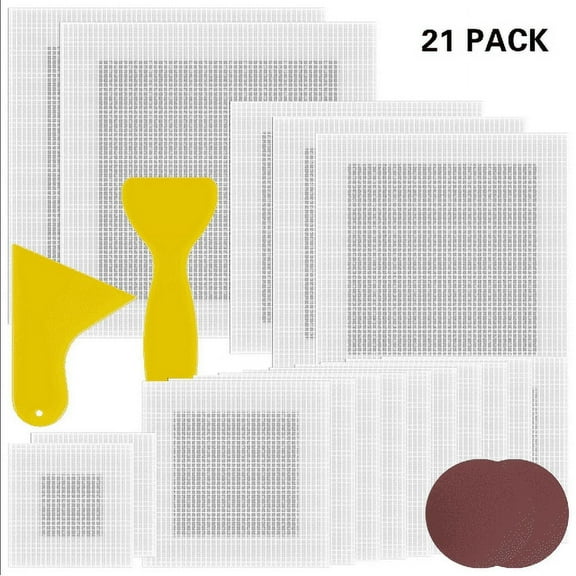
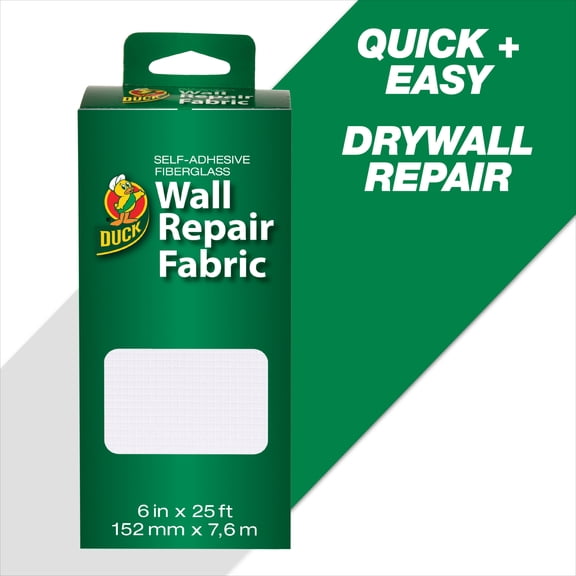
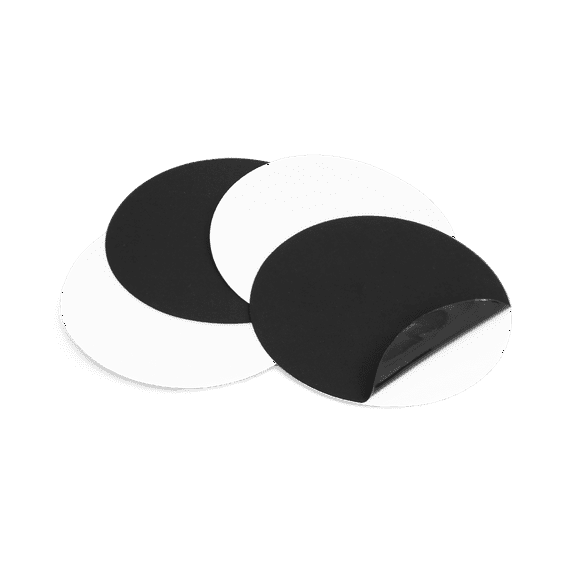
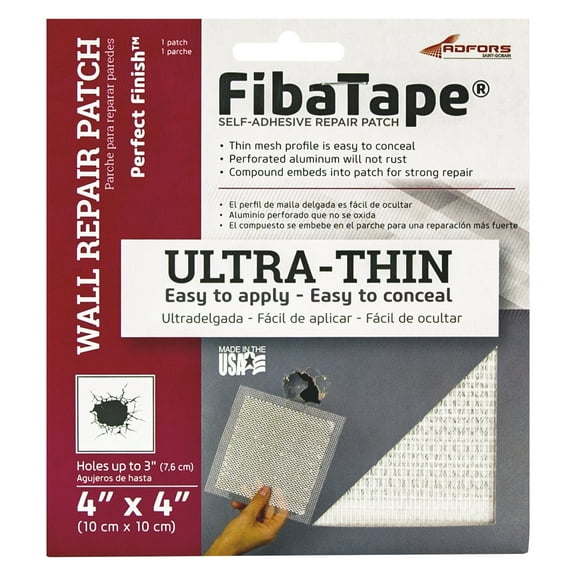
- Mesh and self-adhesive patches help cover small to medium openings with less setup.
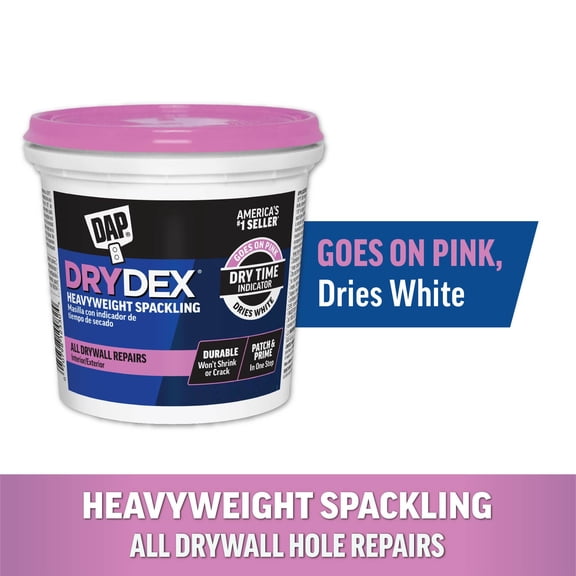
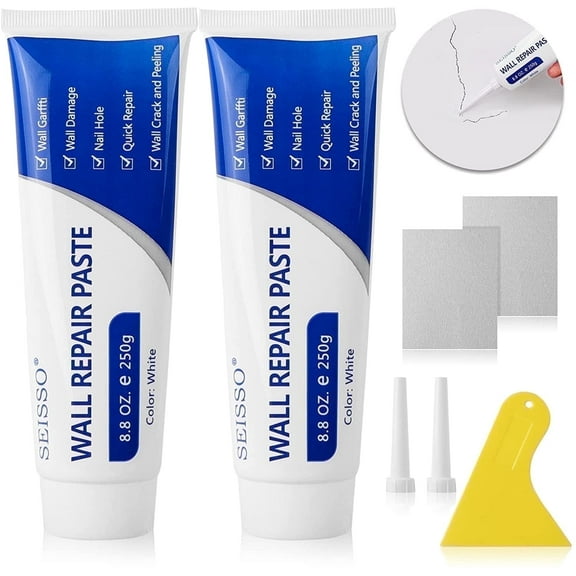
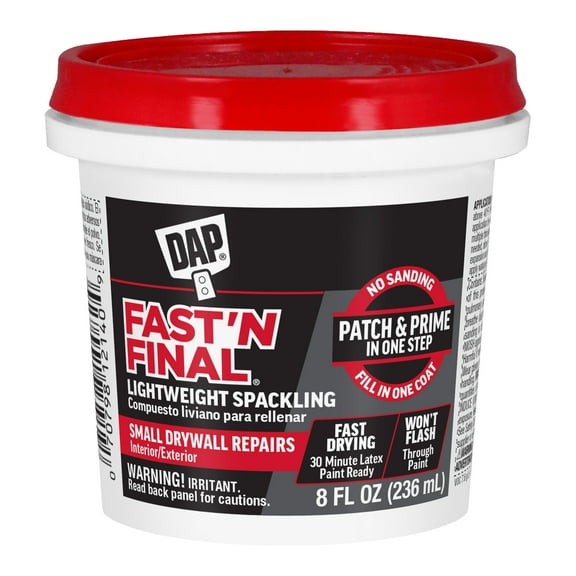
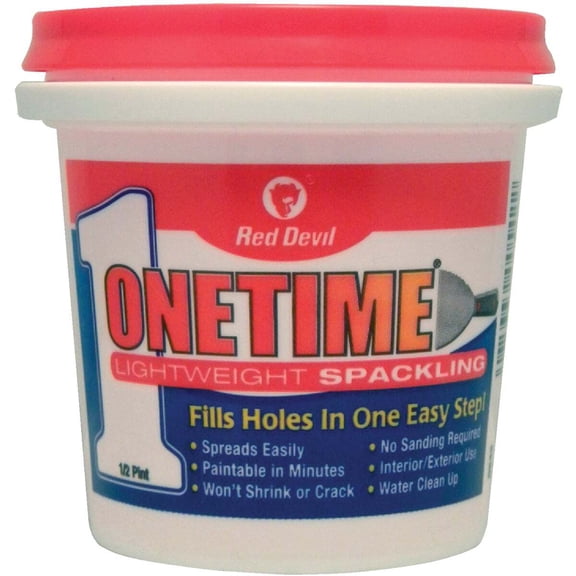
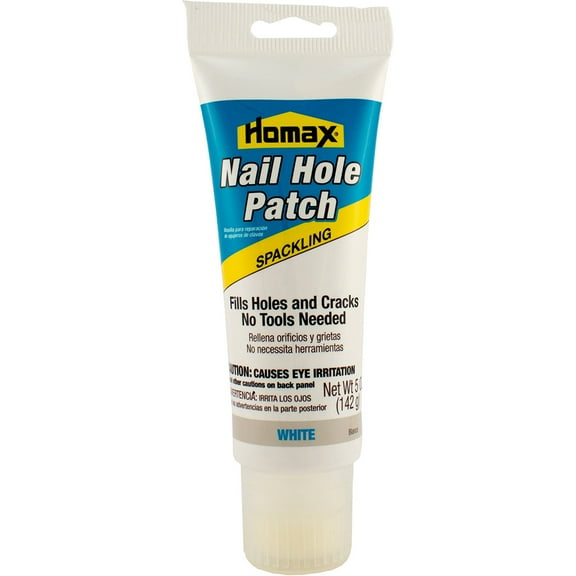
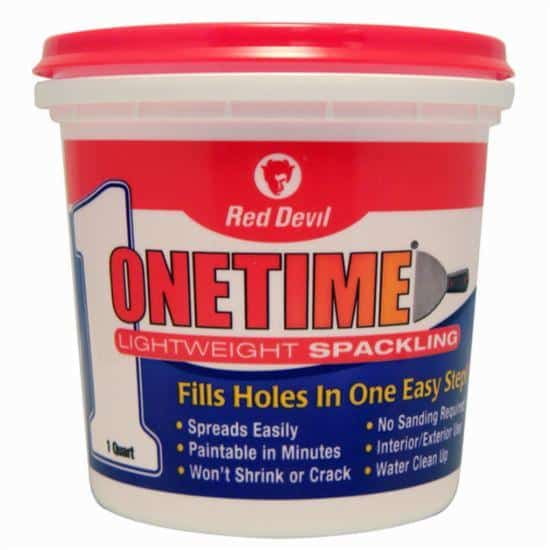
- Spackle and lightweight compounds help fill shallow dents, nail holes, and surface flaws.
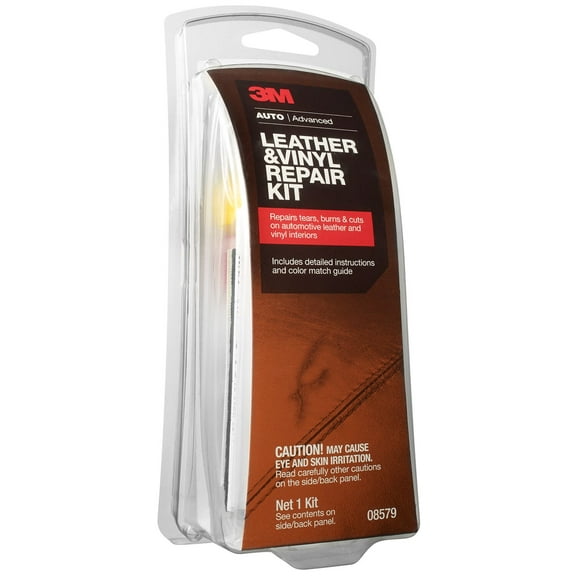
- Drywall paper repair kit options help smooth lifted paper before repainting.
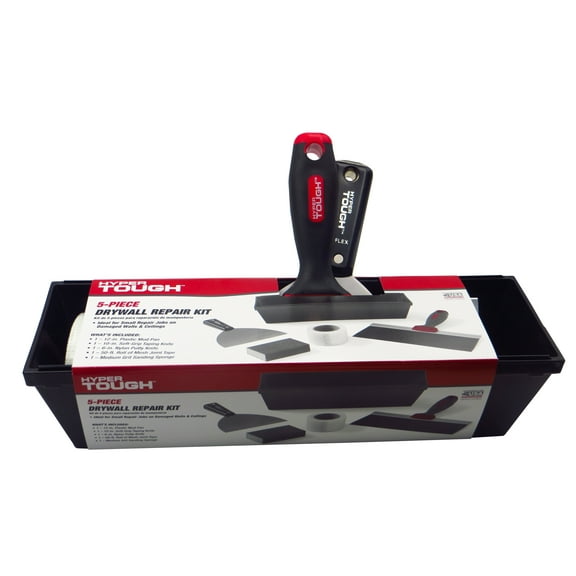
- Putty knives and sanding accessories help create flat edges and a neat finish.
That combination matters when youu're fixing one room or touching up several spots. You spend less time piecing together stuff to fix holes in walls.
Wall patch repair and spackle repair kit features
Patch type is a major decision point. Mesh patches suit punctures and small openings, while repair screens support wall patch repair on damaged sections.
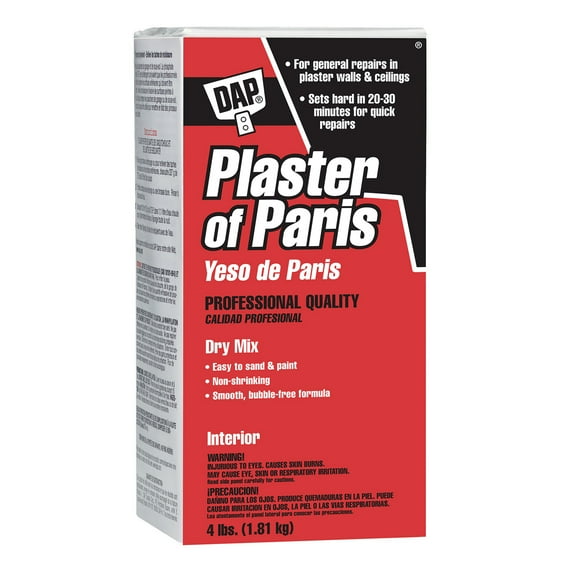
Compound style also changes the finish. A spackle repair kit often works well for minor repairs, while joint compound supports feathering over wider areas.
Look closely at included tools before choosing a kit. Some sets include putty knives, sanding pads, trays, or compound spreaders for efficient setup.
Dry time can shape your project plan. Fast-drying formulas help with quick touch-ups, while longer-working compounds can be useful for smoothing larger patched areas.
Texture matters too. Smooth walls show ridges easily, so finer compounds and careful sanding help. Textured walls may need thicker applications or texture-ready finishing products.
A drywall paper repair kit is useful when the top paper layer has peeled or bubbled. It helps create a stable surface before compound and paint go on.
Use the right drywall repair supplies for each project
For small repair jobs, lightweight spackle and a narrow knife are often practical choices. They work well for nail holes, anchor marks, and minor scuffs.
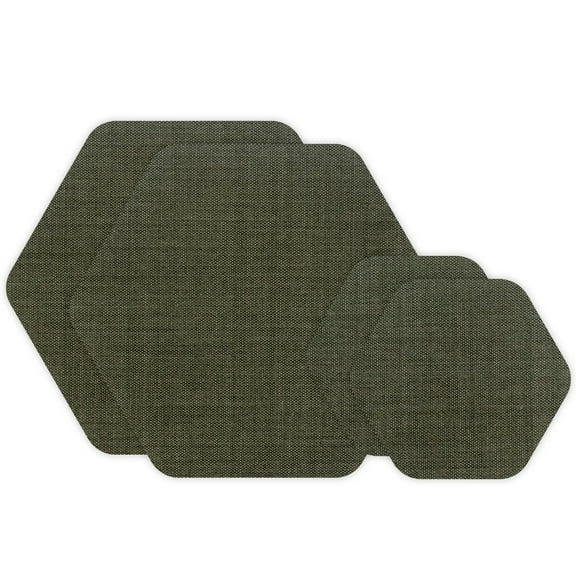
When a doorknob or furniture edge leaves a larger opening, patch support becomes important. A wall patch repair product can bridge the damaged area before compound covers it.
Ceiling touch-ups often call for careful feathering and sanding. Flat finishes can reveal uneven edges, so consistent application helps the repaired spot blend in.
Rental turnovers and room refreshes often involve several wall flaws at once. A hole in wall repair kit can keep the process organized from patching through finishing.
If paint prep is your next step, consider repair supplies that leave an even surface. Pairing your project with sanding tools, primer, and putty knives can streamline the job.
High-traffic spaces often show repeated dings near corners, switches, and hallways. Keeping drywall repair materials on hand makes quick cosmetic fixes simple before a full repaint.
For torn drywall facing around anchors or old adhesive spots, paper-specific products fit the task. Thatu's where a drywall paper repair kit can be especially useful.
Choosing drywall repair supplies with confidence
The right drywall repair setup depends on the wall damage, the patch size, and the finish you want. With kits, compounds, and patches grouped together, itu's simple to complete an even repair.
Drywall repair buying guidance
Picking the right supplies starts with the wall surface and the size of the damaged spot. Small punctures usually need spackle, while wider openings often need a patch first.
Painted walls can show every ridge after the compound dries. That makes sanding pads, broad knives, and primer helpful parts of many drywall repair projects.
Kits appeal to DIY shoppers because the parts are matched for one task. You can compare patch material, compound type, and tool count without guessing what belongs together.
- Choose mesh patches for punctures, dents, and openings that need surface support.
- Choose lightweight spackle for shallow flaws, nail holes, and quick touch-up areas.
- Choose joint compound when you need wider feathering across a repaired section.
- Choose paper repair products when the wall facing has lifted around anchors or adhesive.
Drywall repair for touch-ups and bigger patches
Different rooms create different repair needs. Hallways, bedrooms, and entry areas often collect scuffs, anchor marks, and doorknob damage over time.
For a small repair before painting, a spackle repair kit can cover common wall flaws with fewer separate items. That helps keep prep and cleanup organized.
Larger openings often need a hole in wall repair kit with a rigid or mesh-backed patch. After that, compound and sanding help the surface blend with the surrounding wall.
Textured walls need extra attention during finishing. Smooth compounds can fill the opening, while texture-ready products help the repaired spot match nearby surfaces.
When torn facing appears around old hardware, a drywall paper repair kit helps prepare the area for finishing layers. That step supports a cleaner painted result.
Projects often continue beyond the patch itself. Putty knives, sanding tools, and paint primers work well alongside drywall repair supplies for a complete wall refresh.
With the right patch, compound, and tools, drywall repair can leave walls ready for primer, paint, and everyday use with a clean appearance.