

Dryer Balls in Dryer Sheets




























About Dryer Balls in Dryer Sheets - Walmart.com
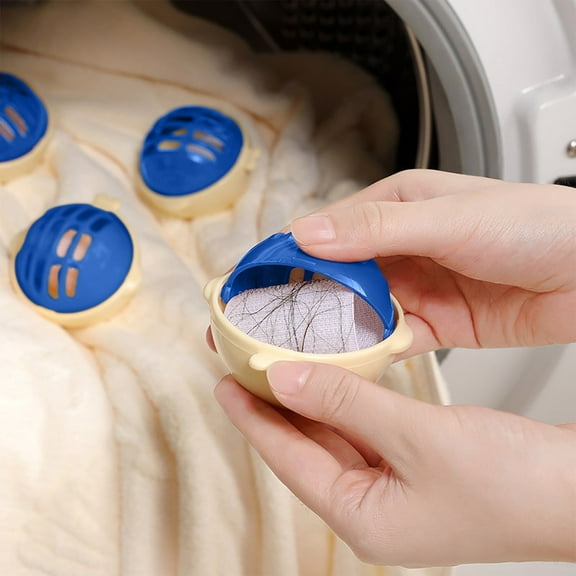
Dryer balls help clothes tumble freely, separate heavy fabrics, and support a smoother laundry routine. At Walmart, you can compare wool dryer balls, reusable dryer balls, and plastic styles for different load sizes.
These laundry tools fit shoppers who want a simple fabric softener alternative. They also suit homes that wash towels, bedding, activewear, and everyday clothes often.
Why dryer balls belong in the laundry room
Dryer balls work by lifting and separating wet items as the drum turns. That added movement helps air circulate through bulky loads like blankets and bath towels.
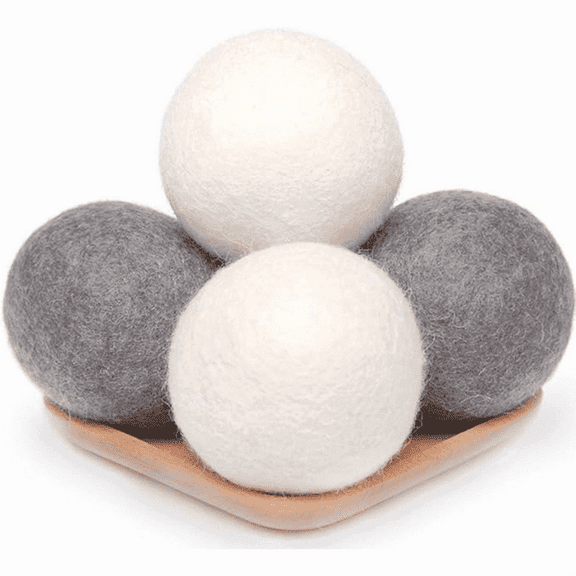
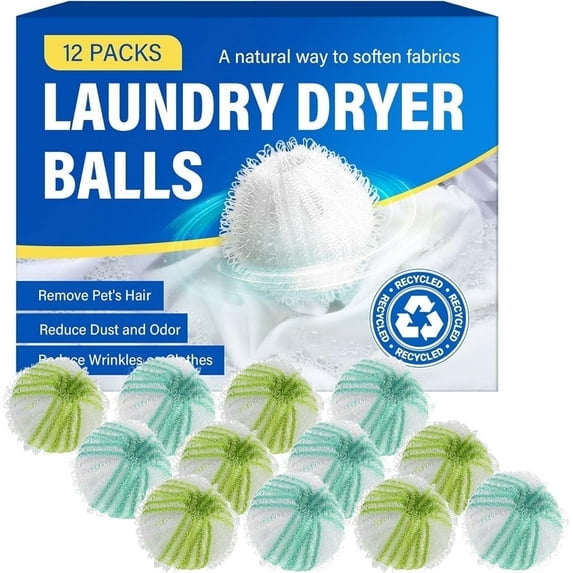
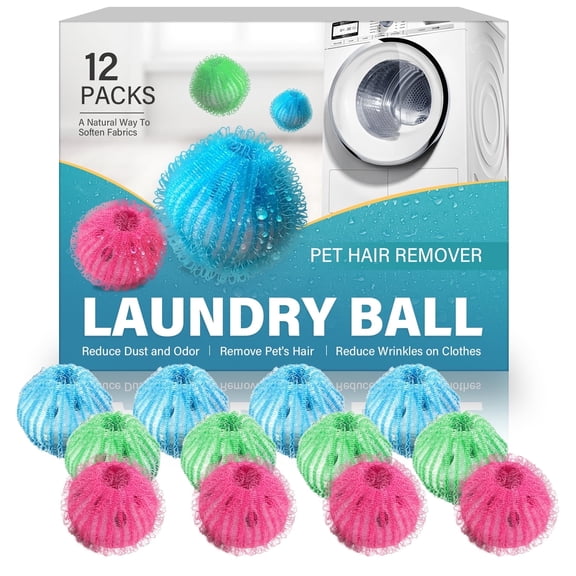
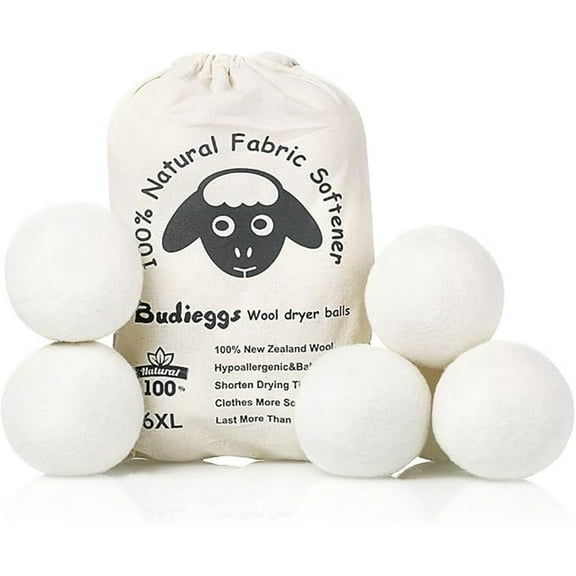
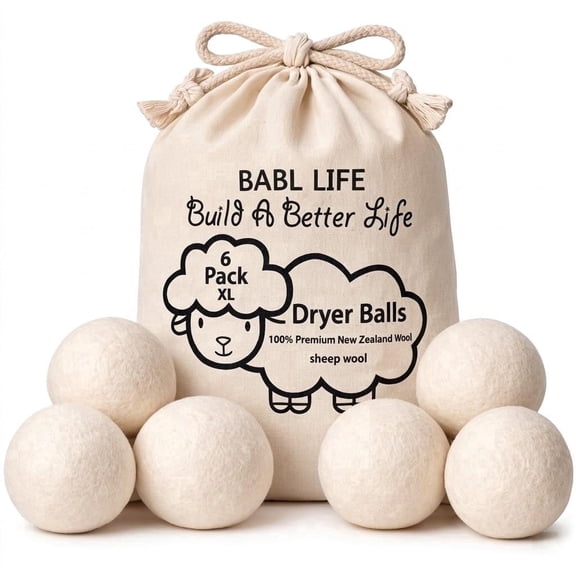
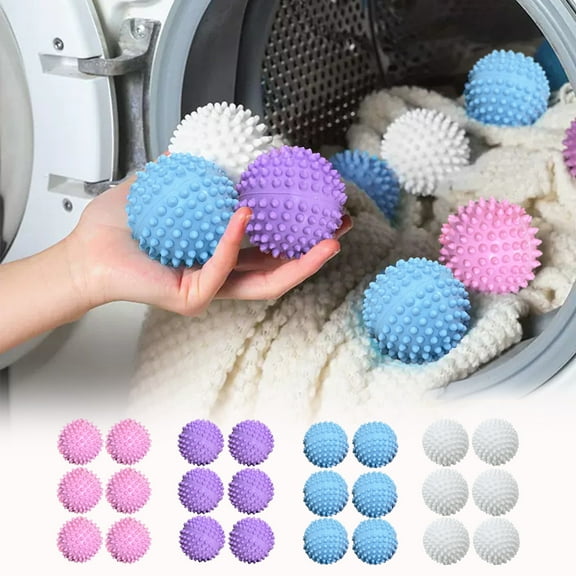
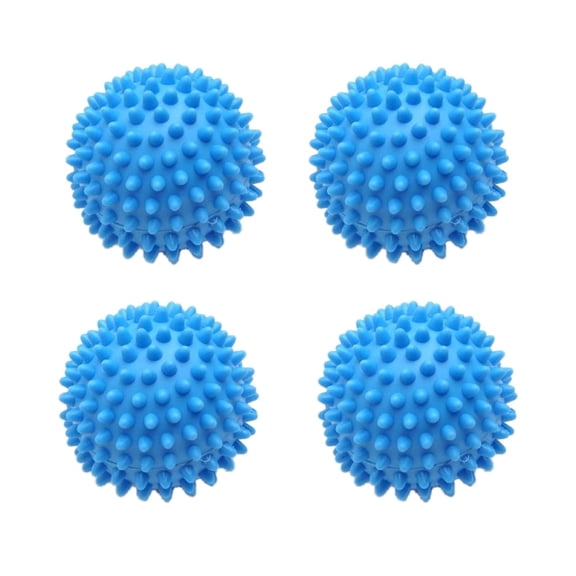
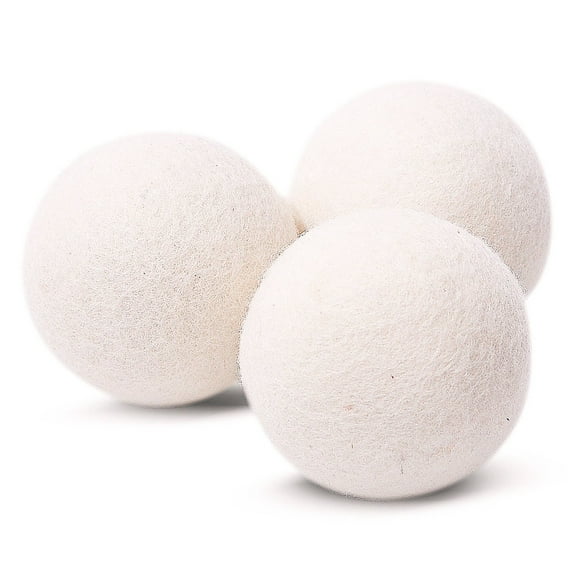
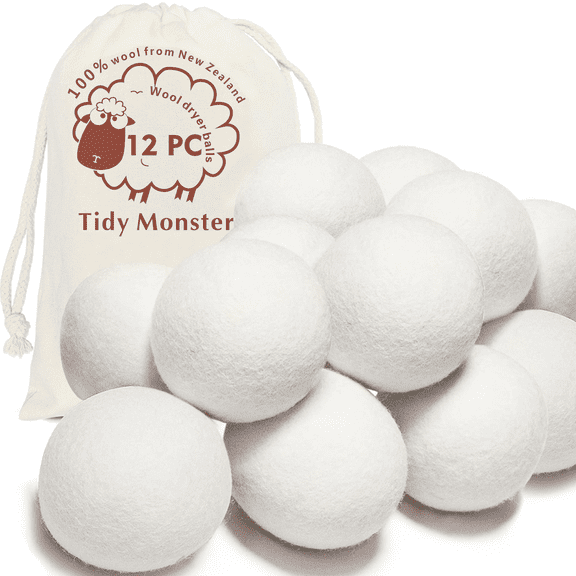
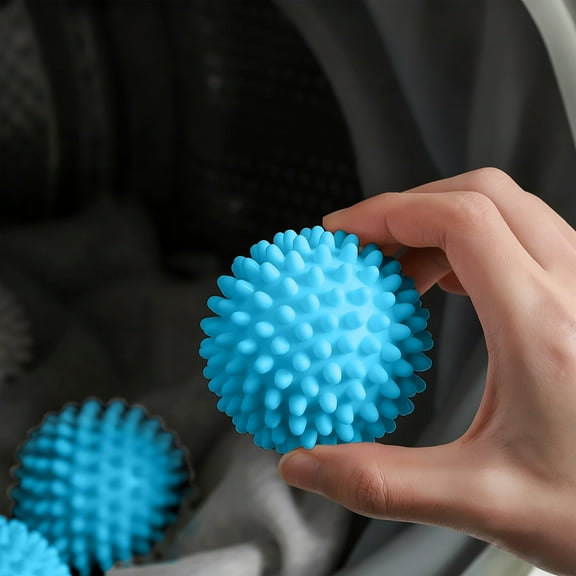
Many shoppers choose wool dryer balls for a quieter feel and a natural fiber construction. Others prefer plastic dryer balls with textured surfaces and a firmer shape.
- Help reduce clumping in sheets, towels, and comforters.
- Support softer-feeling laundry without relying on single-use dryer sheets.
- Offer a reusable option that stays in rotation across many loads.
- Fit easily into regular laundry routines with little setup.
Because they move with each cycle, laundry dryer balls can help large items dry more evenly. That matters when denim, sweatshirts, or crib sheets bunch together.
Theyu're also easy to keep on hand between loads. Just store them in the laundry area and toss them into the dryer when needed.
Choosing wool dryer balls and reusable dryer balls
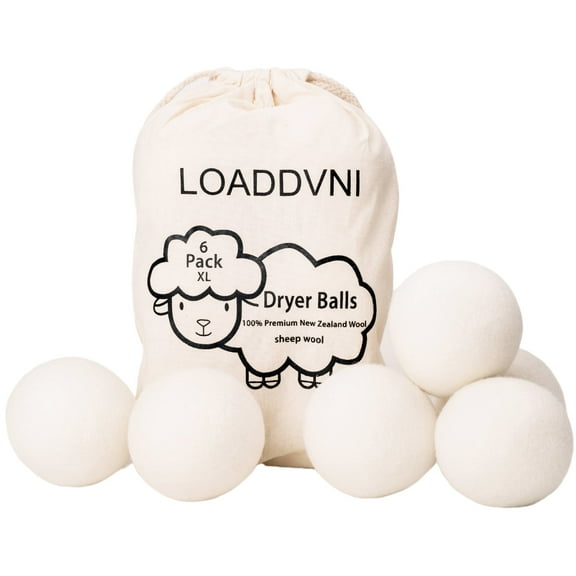
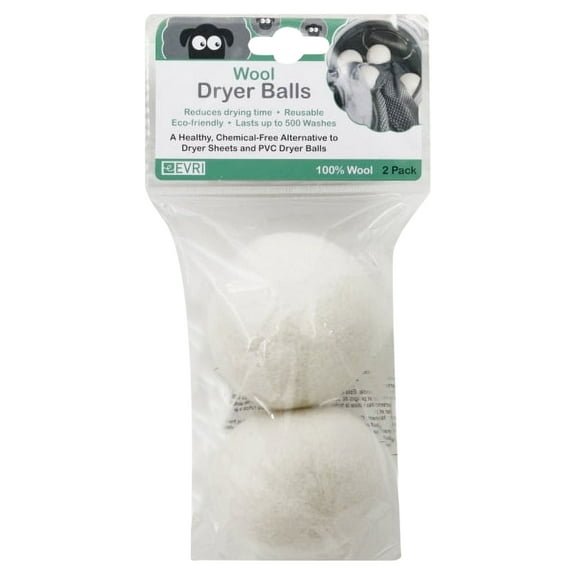
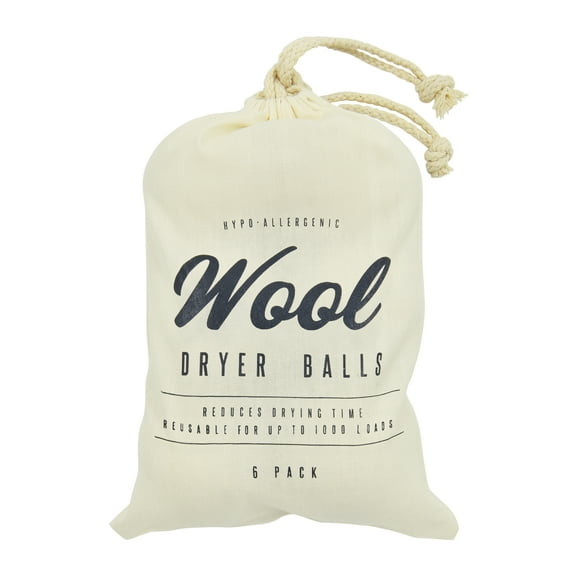
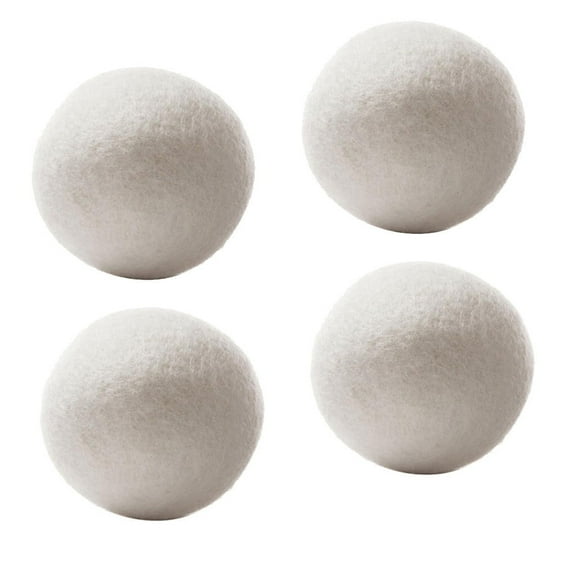
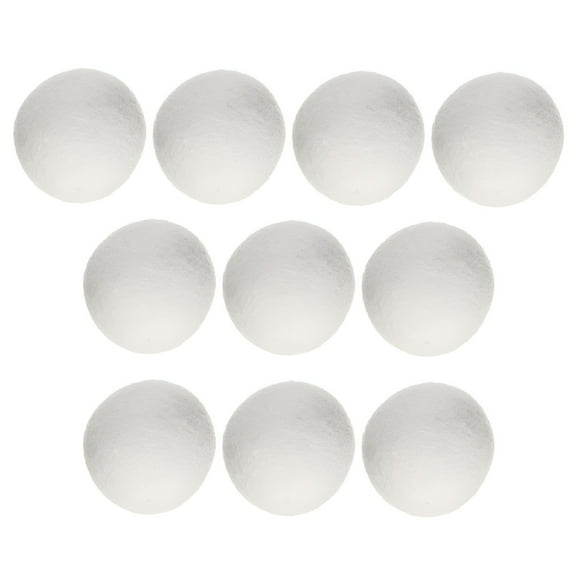
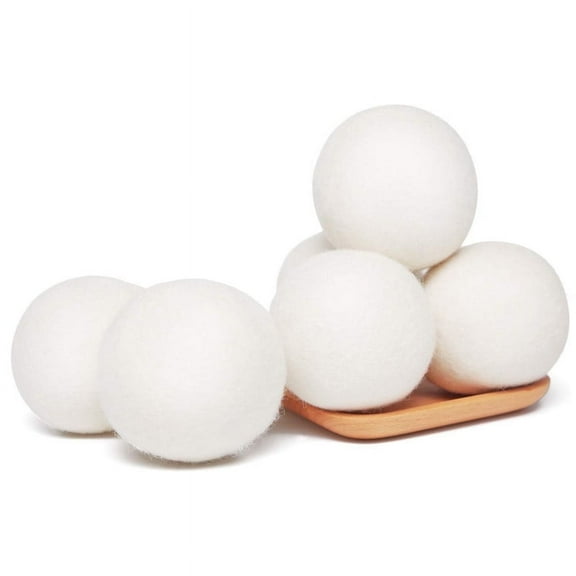
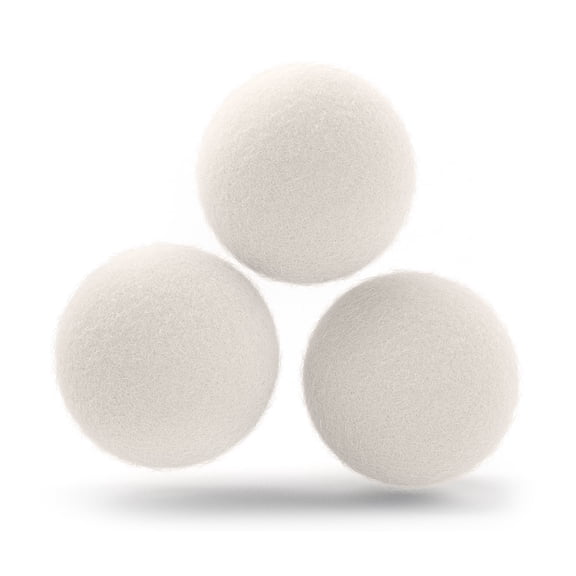
Material affects how dryer balls feel, sound, and perform in daily use. Wool dryer balls are usually made from felted wool and come in multi-pack sets.
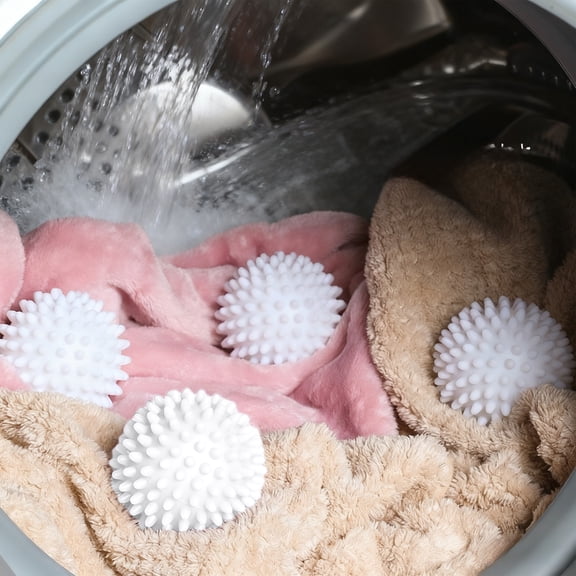
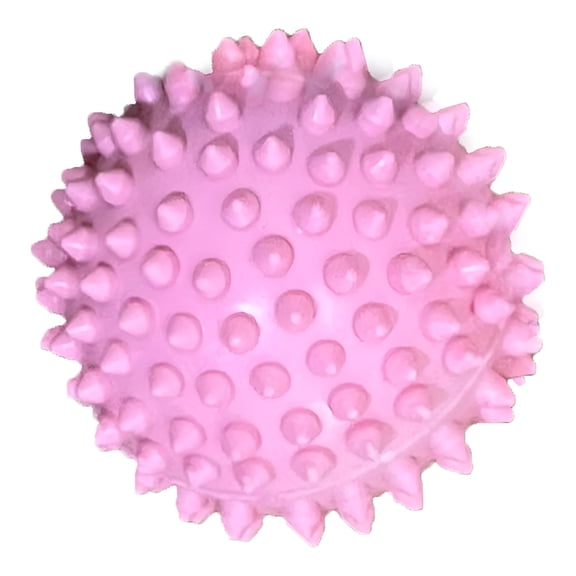
Plastic dryer balls often feature ridges or nubs that create separation between garments. Reusable dryer balls in either material can suit households with frequent wash days.
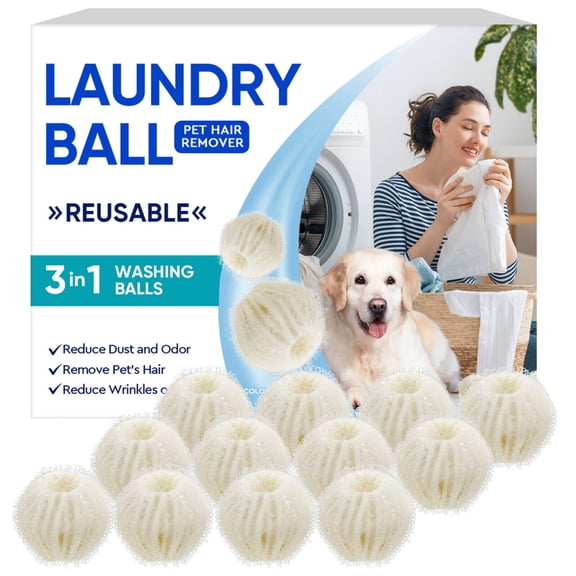
Experienced shoppers often compare pack count first. Small sets can handle lighter clothing loads, while larger sets work well for comforters and family laundry.
Size also matters in the drum. Larger balls create more lift for bulky items, while smaller options can move easily through mixed loads.
Look at texture before choosing a style. Smooth felted wool offers a different feel than molded plastic with raised edges.
Some shoppers keep one set for daily clothing and another for towels and bedding. That setup makes it easier to match the load type.
If youu're comparing a fabric softener alternative, think about routine and preference. Wool options appeal to shoppers focused on natural fibers, while plastic styles bring a structured design.
How to use dryer balls for everyday loads
Using dryer balls is simple, but the right load match can improve results. Toss them into the dryer with wet laundry before starting the cycle.
For small or medium loads, a few balls can provide steady movement through shirts, socks, and lighter fabrics. Larger loads usually benefit from more pieces in the drum.
They shine with bulky laundry that tends to twist together. Think bath towels, fleece layers, throw blankets, quilted bedding, and heavy cotton sweatshirts.
Wool dryer balls are a common pick for baby clothes, pajamas, and knit basics because the felted surface feels gentle. Plastic dryer balls can suit sturdy everyday loads.
Theyu're also useful when drying mixed fabrics. The constant tumbling action helps separate leggings, T-shirts, jeans, and pillowcases throughout the cycle.
For apartment living, shared laundry rooms, or busy family schedules, reusable dryer balls keep the process simple. You can move them from load to load without extra prep.
Some shoppers pair them with detergent and skip liquid softener on certain loads. Others use them specifically for towels, sheets, and other larger household essentials.
What to look for before you choose dryer balls
Start with the fabric types you dry most often. Homes with lots of towels and bedding may want larger sets designed for bulky household loads.
Next, compare material and feel. Sheep wool dryer balls have a soft, fiber-based build, while plastic versions offer a firm shape and patterned surfaces.
Pack size matters for convenience. Having enough pieces for full loads helps maintain steady movement across the entire drum.
It also helps to check care instructions and intended use. Some shoppers want dryer balls only for clothing, while others need them for blankets and comforters too.
Think about storage and visibility in the laundry room. Bright colors can make plastic dryer balls easy to spot, while neutral wool blends into a calm setup.
Long-lasting construction is another key detail in this category. Reusable designs make sense for frequent laundry routines and repeated weekly loads.
Dryer balls stand out because they serve a specific job inside the dryer drum. That category focus makes them different from detergent, stain removers, and general laundry supplies.
With the right set, you get a practical fabric softener alternative built for repeated use, easier load separation, and more consistent tumbling across everyday laundry.