

Ceiling Fan Downrods in Ceiling Fan Accessories

















About Ceiling Fan Downrods in Ceiling Fan Accessories - Walmart.com
Ceiling fan downrods help you position your fan at the right height for airflow, clearance, and a cleaner finished look. You can compare lengths, diameters, finishes, and thread types here, so your install feels more precise from the start.
How to choose ceiling fan downrods
You should start with your ceiling height, because downrod length changes how your fan hangs and how your room feels. You can use a simple formula: ceiling height minus fan height minus seven feet.
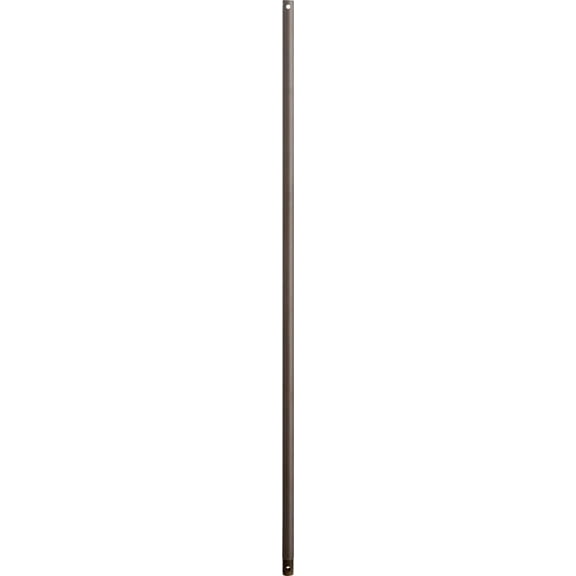
If your ceiling is higher than standard, you may need a ceiling fan extension rod to bring the blades lower. You’ll usually see common lengths like 12 inch, 18 inch, 24 inch, 36 inch, 48 inch, and 72 inch.
You can use shorter rods for slightly taller ceilings, while longer rods suit foyers, great rooms, and vaulted spaces. You’ll want the fan blades to sit high enough for proper clearance and low enough for effective air movement.
What to look for in length, diameter, and fit
You should measure before you choose, because diameter compatibility matters as much as length. You may need a ceiling fan downrod 1/2 inch size, while other fans use 3/4 inch outer diameter or 1 inch options.
You’ll want to check your fan manual or existing rod before ordering, since the wrong diameter may not connect correctly. You can avoid fit issues by matching the rod size to the fan motor coupler.
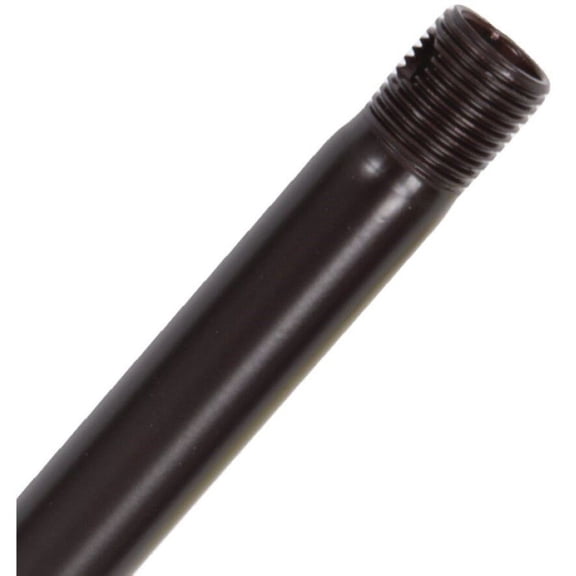
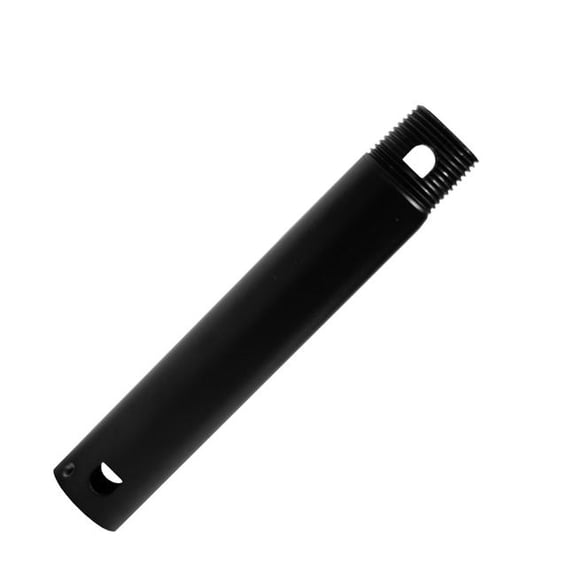
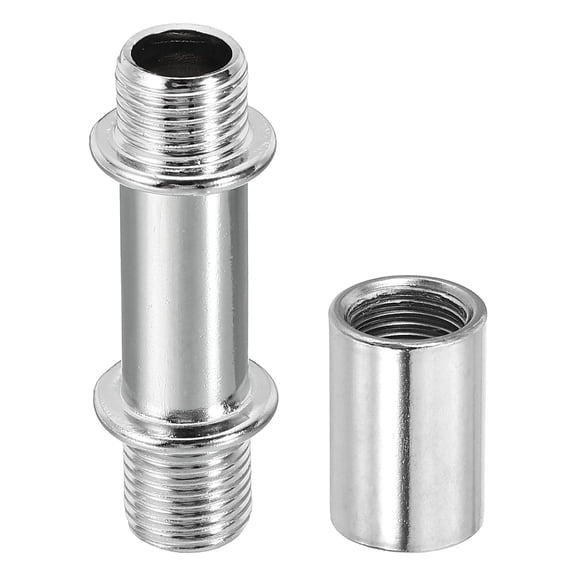
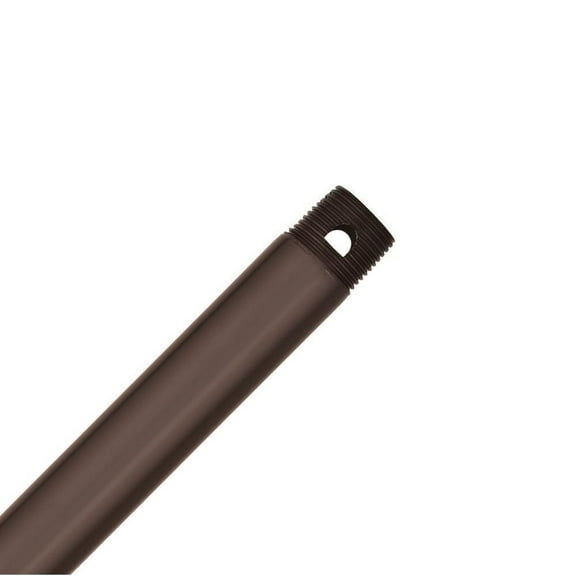
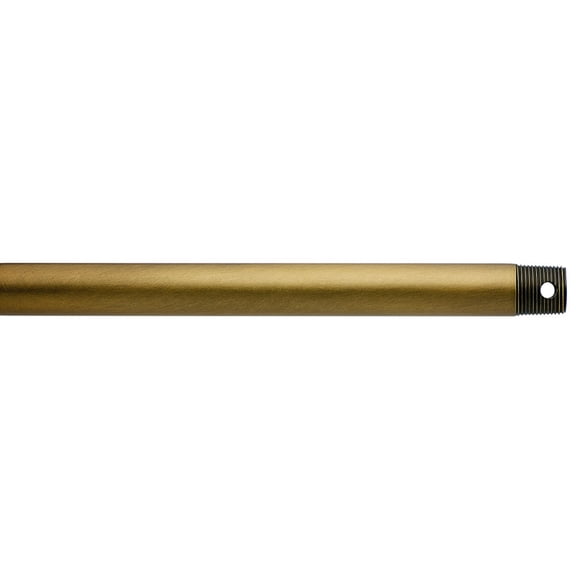
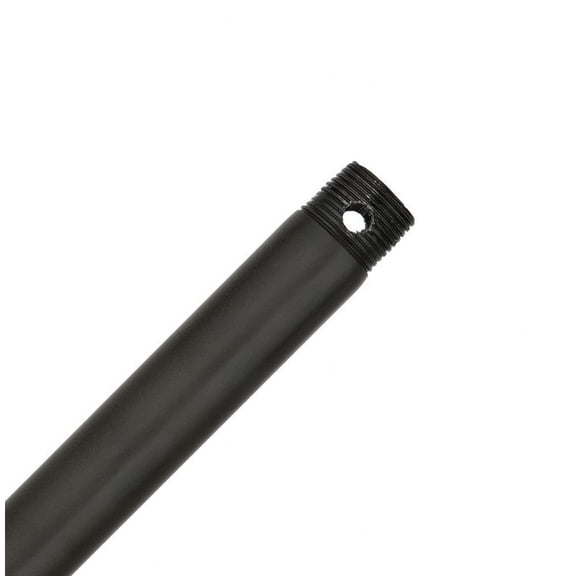
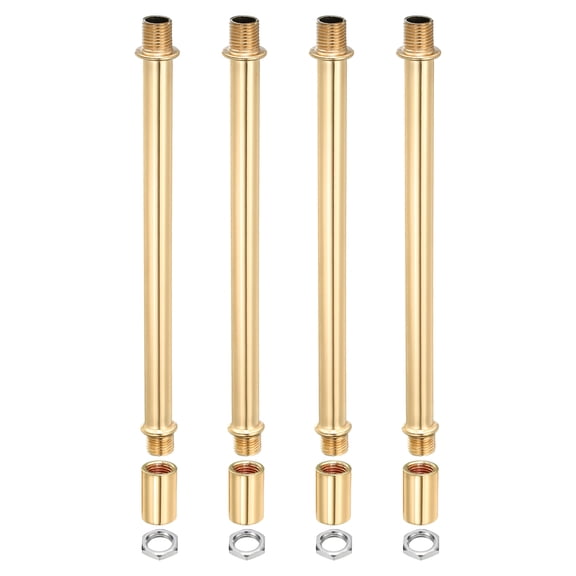
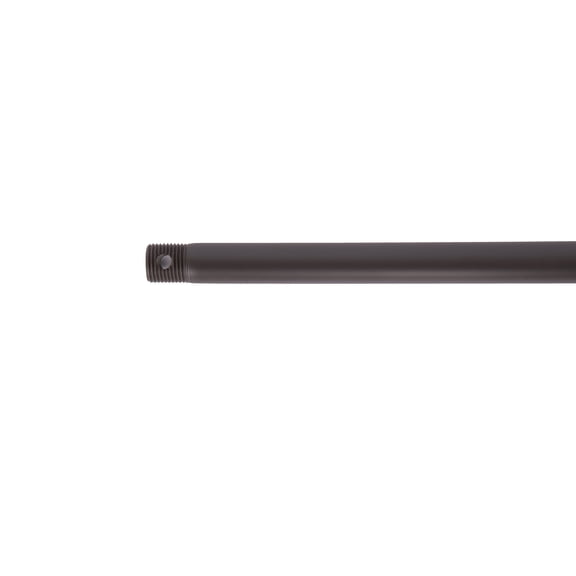
Thread type also matters when you compare options for a secure installation. You may need a threaded ceiling fan downrod, a non-threaded style, or a dual-threaded design based on your fan hardware.
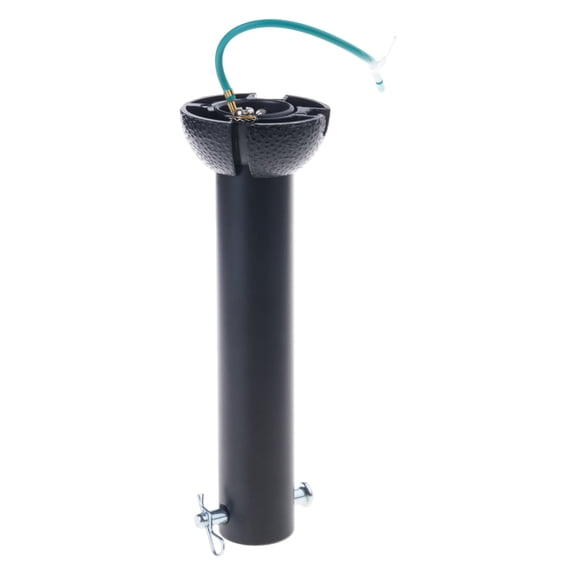
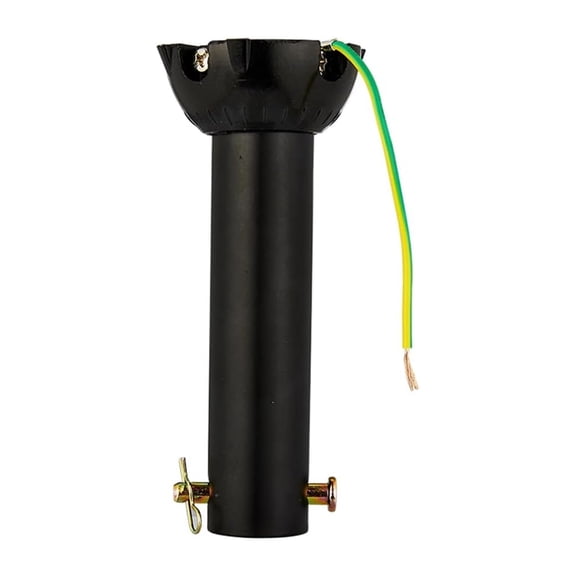
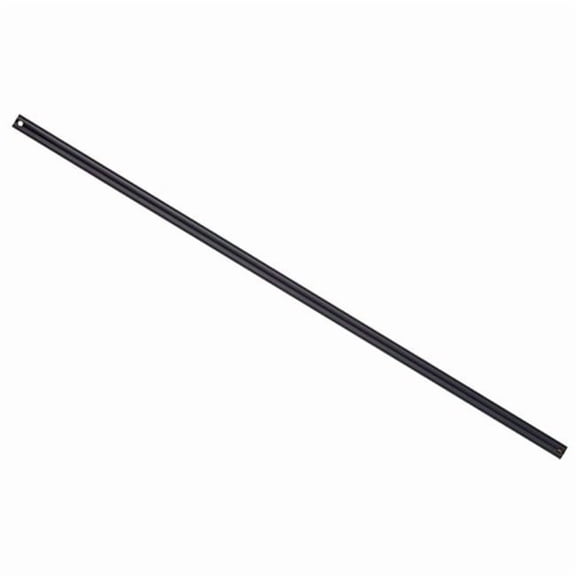
If your fan uses a threaded connection, you should match that exact setup for proper assembly. If your fan uses a pin-and-cotter system, you’ll want a smooth rod made for that mounting method.
- You can choose 12 inch or 18 inch rods for modest ceiling height adjustments.
- You can use 24 inch, 36 inch, or 48 inch rods for taller rooms and sloped ceilings.
- You should confirm 1/2 inch, 3/4 inch, or 1 inch diameter before you replace an existing rod.
- You can match threaded, non-threaded, or dual-threaded connections to your fan’s mount.
Choosing finishes and outdoor ratings
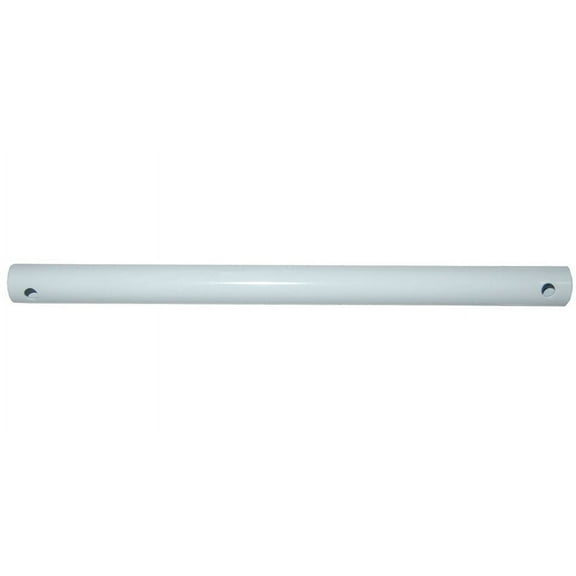
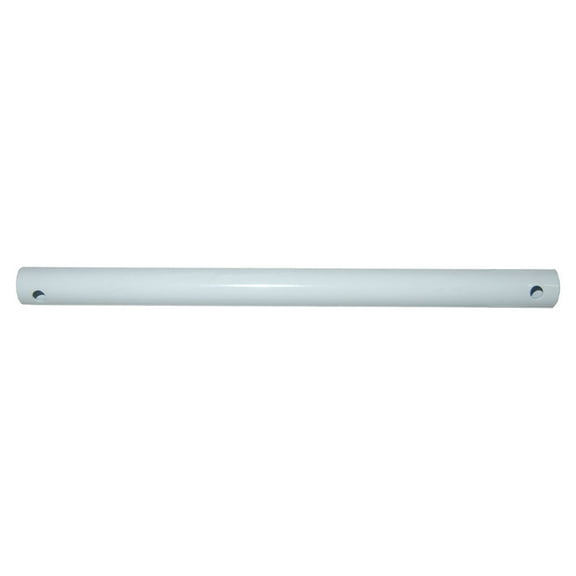
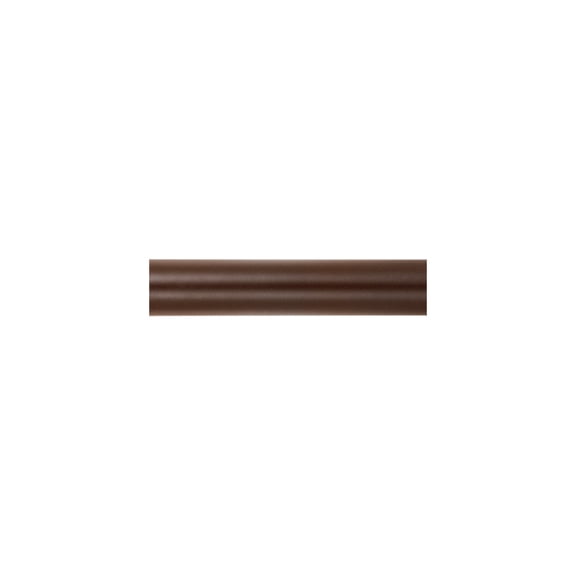
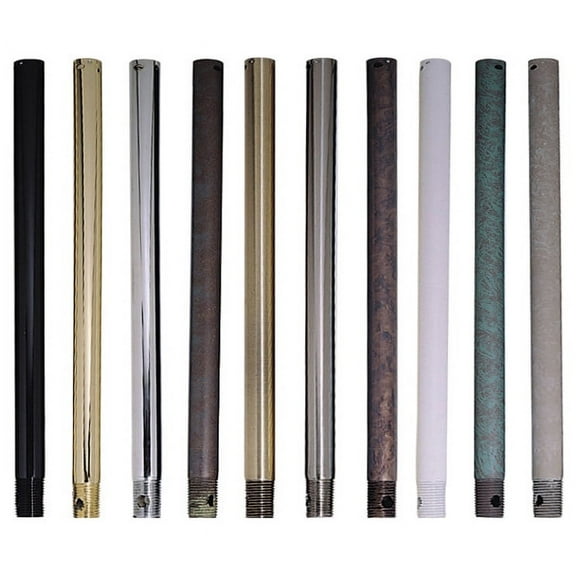
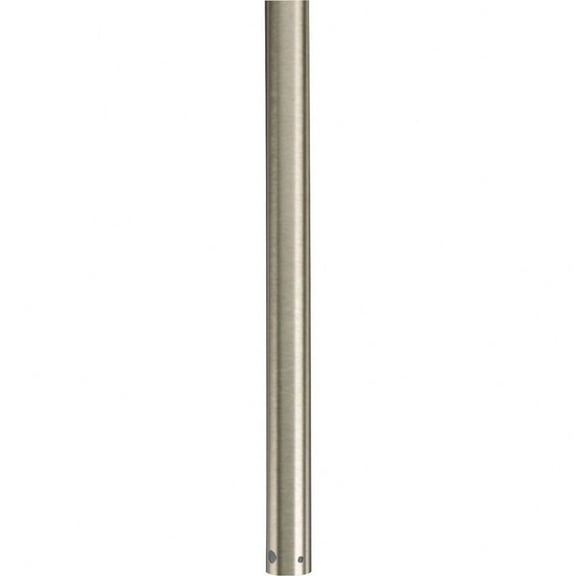
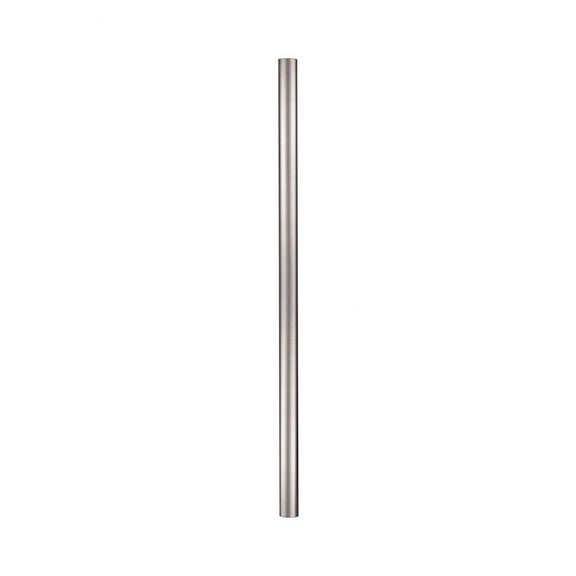
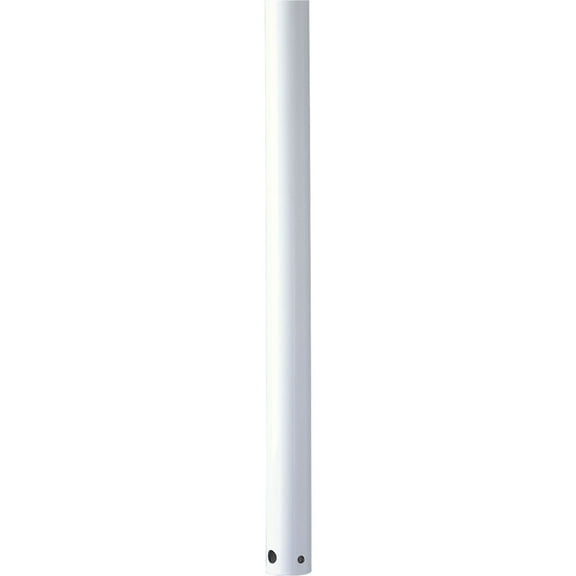
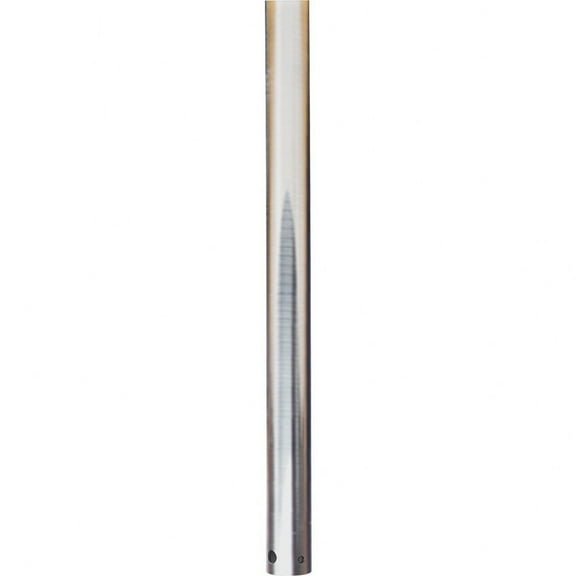
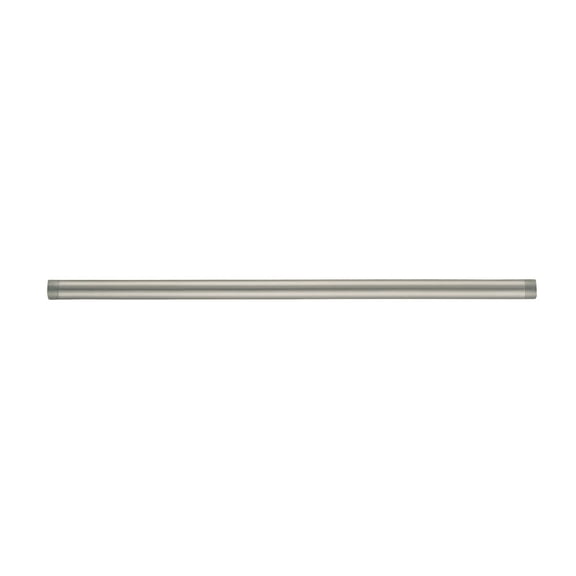
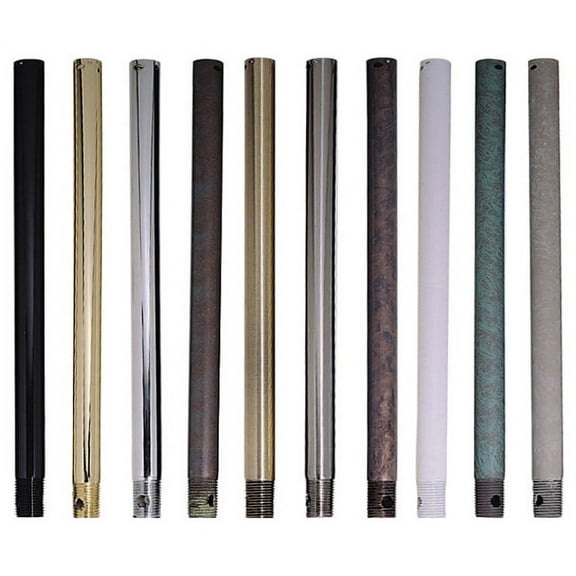
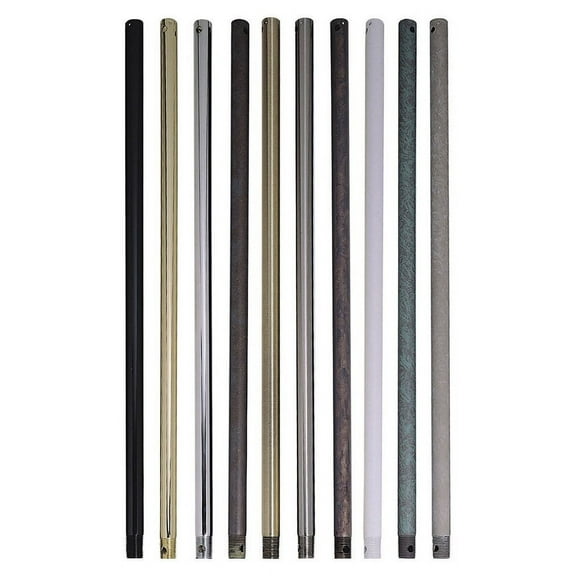
You can keep your installation looking coordinated when you match the rod finish to your fan canopy and motor housing. You’ll often find matte black, brushed nickel, oil rubbed bronze, white, and polished brass choices.
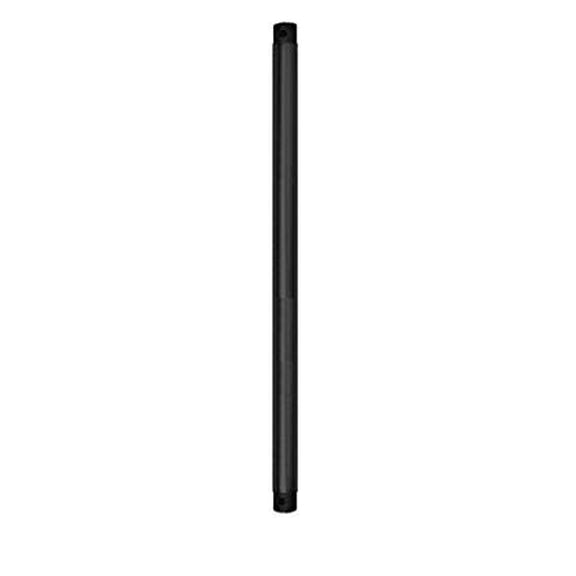
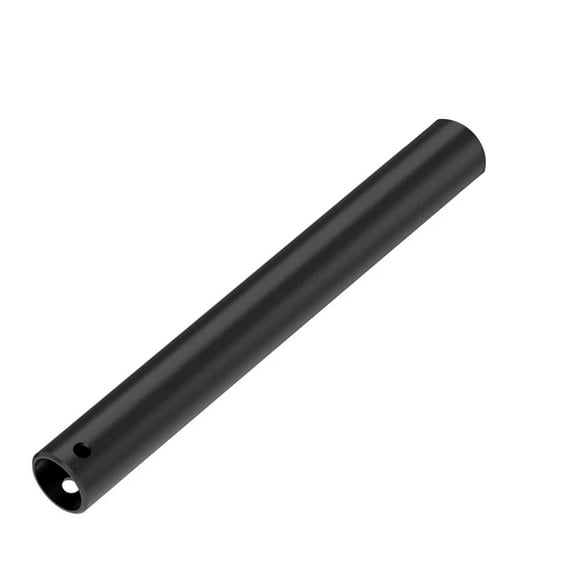
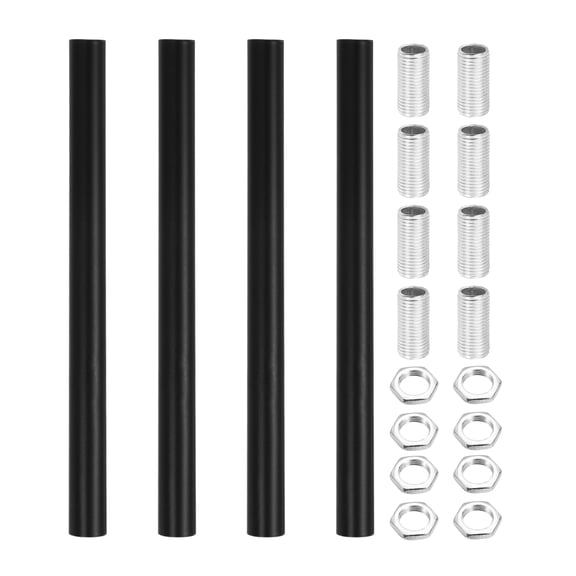
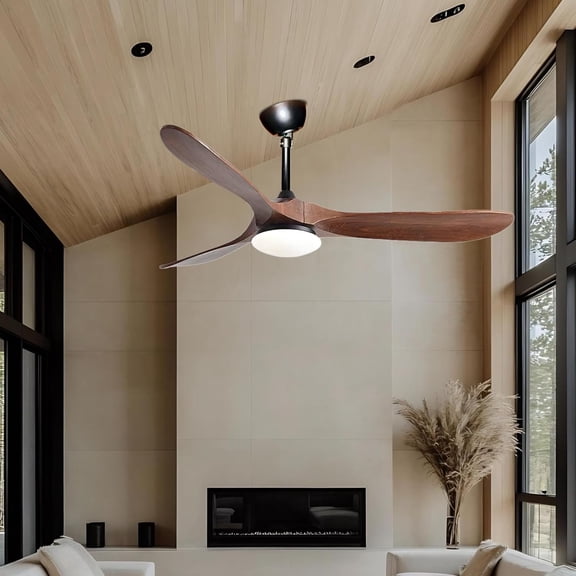
If you want a modern look, a black ceiling fan downrod can blend well with dark hardware and clean-lined fixtures. If your fan has lighter trim, you may prefer white or brushed nickel for a more consistent appearance.
You should also compare where the fan will hang before you choose a finish or rating. You may need an outdoor ceiling fan downrod for a covered patio, porch, sunroom, or other exposed area.
If your space stays sheltered, you can look for outdoor damp rated options. If your fan faces direct weather, you should check whether an outdoor wet rated rod matches your fan setup.
How to match downrods to real rooms
You can use shorter downrods in bedrooms, offices, and standard living rooms where you need a modest drop. You’ll often choose longer rods in entryways or vaulted ceilings where standard mounts leave the fan too high.
For a two-story foyer, you may compare 36 inch, 48 inch, or 72 inch lengths to bring the fan into a more useful position. You should measure the fan body and blade height so your final hanging height stays consistent.
In covered outdoor spaces, you can pair an outdoor ceiling fan downrod with a compatible damp or wet rated fan. You’ll want the rod rating and finish to suit the space, especially when moisture or humidity is common.
If you’re replacing an older rod, you should compare the original length, diameter, and thread style before switching finishes. You can get a cleaner result when the new rod aligns with the fan canopy and downrod coupler.
Key differences between threaded and non-threaded rods
You should treat connection style as a fit detail, not just a small hardware note. You can reduce guesswork when you compare the rod ends, mounting ball, and attachment method before you buy.
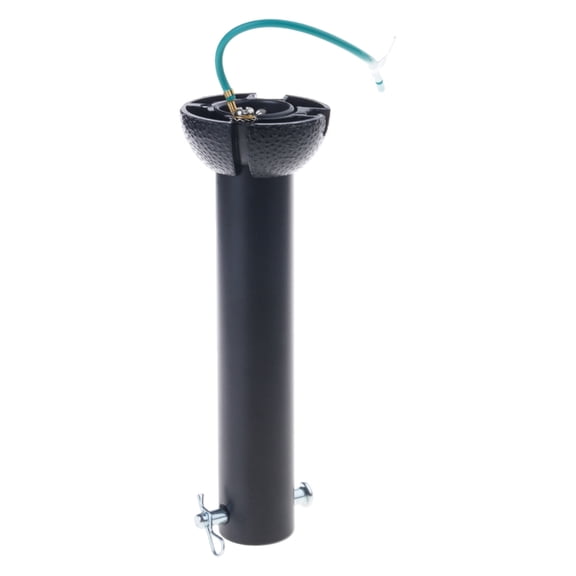
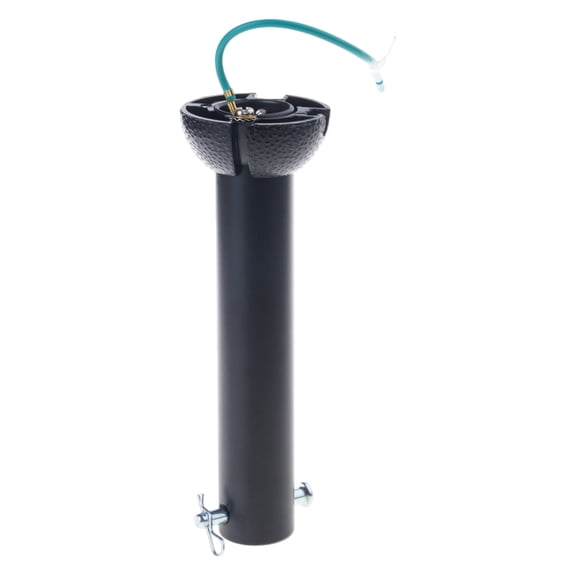
A threaded ceiling fan downrod typically screws into a matching fitting on the fan body. A non-threaded rod usually works with a cross pin and cotter pin arrangement that locks the rod in place.
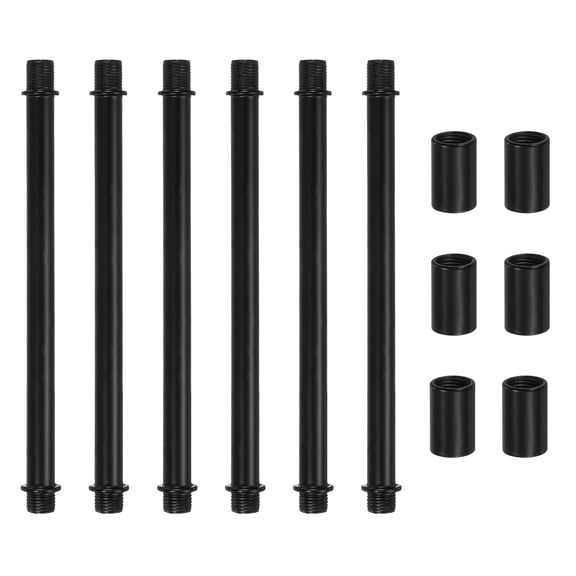
You may also see dual-threaded designs when both ends need threaded attachment points. You’ll want to compare the full mounting setup, because similar-looking rods may connect in very different ways.
Why the right downrod makes a difference
You can improve fan placement, room proportion, and installation fit when your downrod matches your ceiling and hardware. You’ll feel more confident choosing the right length, diameter, finish, and connection for a cleaner final result.
Popular in Ceiling Fan Downrods in Ceiling Fan Accessories - Walmart.com
- Kichler Ceiling Fan Parts
- Kichler Lighting Fan Replacement Parts & Accessories
- Reduced Price in Accessories Fan Shop
- Craftmade Fan Replacement Parts & Accessories
- Kichler Fan Replacement Parts & Accessories
- Hunter Downrod
- Minkaaire Java
- Miseno Ceiling Fans
- Fanaway
- Savoy House All Fans
- Decorative Fans Ceiling Fan Parts