






Down Comforters in Comforters





























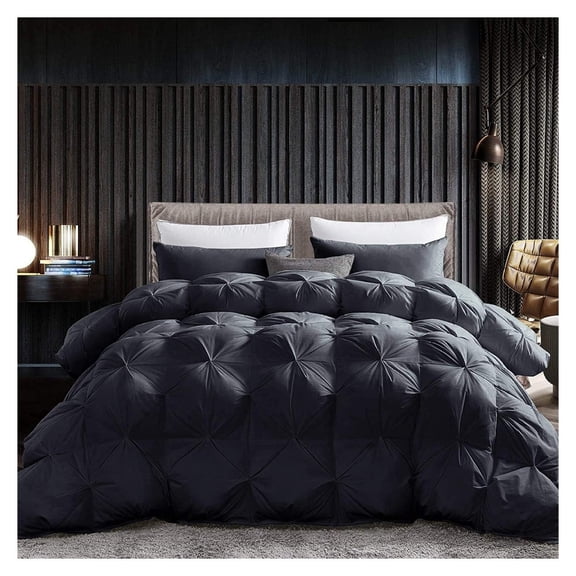


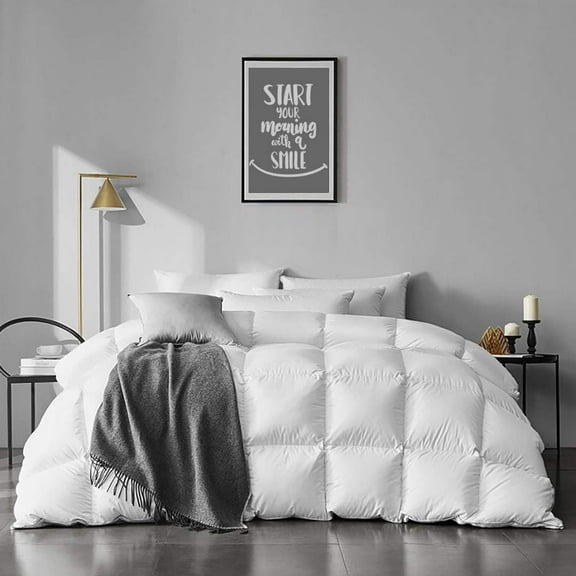




About Down Comforters in Comforters - Walmart.com
A down comforter helps you build a warmer, more inviting bed with loft, softness, and size options that fit your room setup. You can compare warmth levels, construction details, and sets more easily when you know what each feature means.
How to choose a down comforter by warmth level
Your climate and sleep preferences should guide your first choice. You can start with lightweight, all-season, or heavyweight options based on how much coverage you want at night.
If your room stays warm, you may prefer lightweight fill that feels airy and easier to layer. If you want year-round use, you can choose all-season designs that balance loft and everyday comfort.
Colder rooms may call for heavyweight fill that gives you a fuller look and a cozier feel. You should compare warmth descriptions carefully, because fill weight changes how your bed feels in every season.
- You can choose lightweight options for warmer bedrooms and easy layering.
- You can pick all-season comforters for flexible use through changing temperatures.
- You can select heavyweight styles when you want extra loft and fuller coverage.
- You can compare sets and individual pieces based on your bedding routine.
Choosing the right down comforter size
Your mattress size affects how much overhang you get on each side. You should measure your bed before buying, especially if you want fuller drape or share your bed.
If you need a down comforter queen size, you should check both product dimensions and your mattress depth. You may want extra inches if your bed has a tall profile or layered topper.
For larger beds, you can compare king and cal king down comforter options by length and width. You should look closely at measurements, because cal king sizing usually adds length for longer mattresses.
Twin and full sizes can work well for guest rooms, kids' rooms, and smaller spaces. You can keep the bed looking neat when you match the comforter size to the mattress and intended overhang.
What to know about down comforter set options
Your bedding routine can help you decide between an individual comforter and a down comforter set. You may prefer a set when you want a coordinated look with fewer separate choices.
If you like mixing sheets, shams, and layers on your own, you can choose a single comforter. If you want faster bedroom styling, you can compare set contents before you commit.
When you review a down comforter set, you should check exactly what pieces are included. You may see options designed for queen beds, and you may also find down comforter sets king for larger setups.
Your duvet cover plans matter here too. If you use a cover, you can refresh your bed's look without changing the insert, and you can simplify regular upkeep.
Understanding fill power and construction
Your comforter choice gets easier when you understand how construction affects loft and warmth. You can use fill power and stitching style as practical decision points, not just technical details.
Higher fill power usually means you get more loft from less weight. You may notice that a lighter comforter can still feel plush when the fill power is stronger.
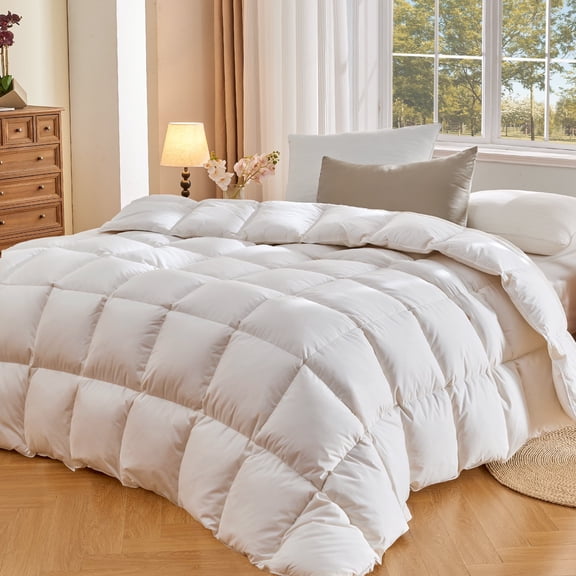
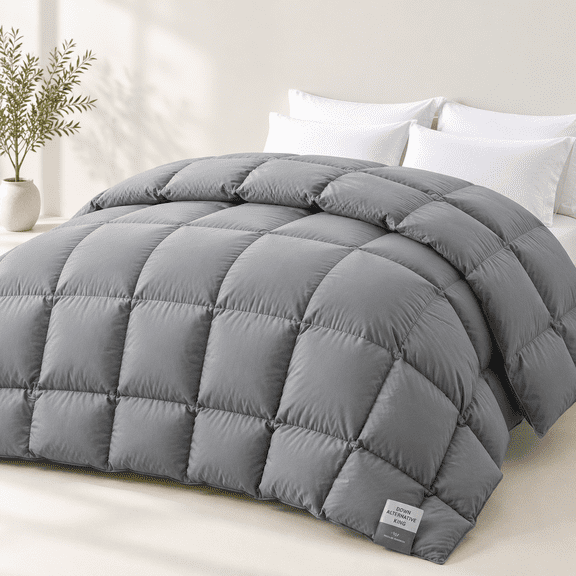
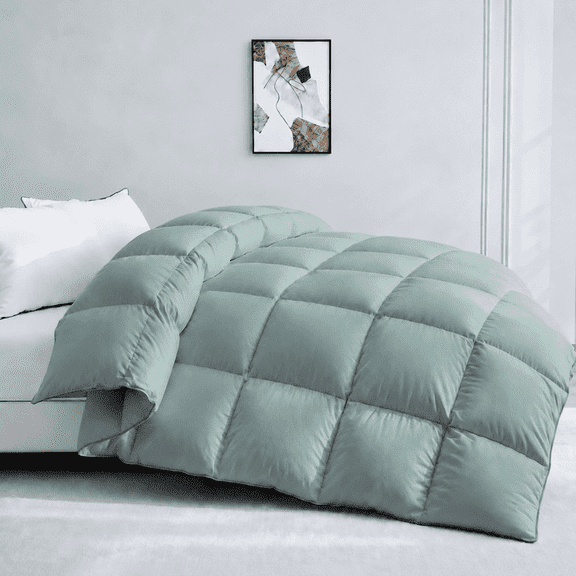
Baffle-box construction uses fabric walls between the top and bottom layers. You can expect the fill to stay more evenly distributed, which helps reduce shifting and keeps the loft more consistent.
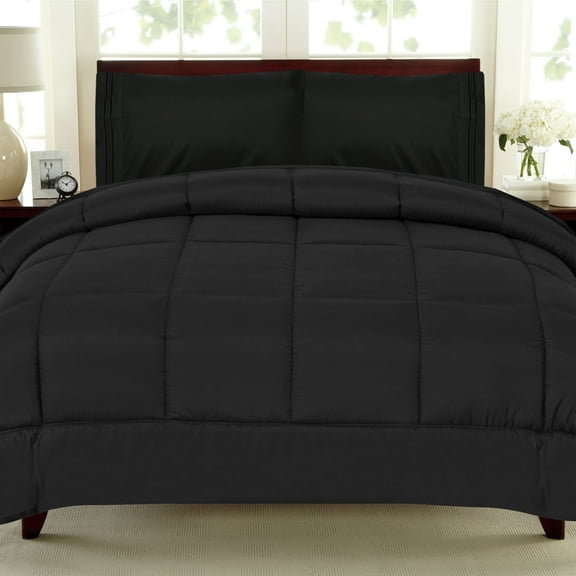
Sewn-through construction stitches straight through both layers without inner walls. You may like this option if you want a lighter profile, though you should expect less loft in each stitched section.
Your bed style also affects this choice. If you want a fuller, puffier look, you can compare baffle-box designs first, especially for colder rooms or thicker mattress styling.
How duvet cover compatibility and care affect your choice
Your maintenance routine should shape the comforter you choose. You can make care simpler when you check whether the comforter is designed to pair well with a duvet cover.
If you plan to use a duvet cover, you should compare dimensions carefully for a smoother fit. You may also want corner loops or attachment points, because they help the insert stay aligned inside the cover.
Without a cover, you should review care instructions before you decide. You can look for cleaning guidance, fabric details, and storage notes that fit how you maintain bedding at home.
Your everyday use matters as much as the materials. If you change bedding often, you may prefer features that make removal, washing, and seasonal storage feel more manageable.
Comparing options by size, set, and price point
Your budget planning can be easier when you compare category options by size and configuration. You can often narrow choices faster when you decide whether you want a twin insert, a queen option, or a larger set.
If you're comparing a down comforter under $300, you should still review warmth level and construction first. You can find options across several price points, but the right fit depends on how you use the bed.
A guest room may need a lightweight twin or full option that stores easily between visits. Your primary bedroom may call for a queen or king comforter with more loft and a fuller drape.
For larger spaces, you can compare a cal king down comforter with coordinated set options for a more finished look. You should match the size, warmth, and construction to how your room feels every night.
Your ideal choice comes from matching warmth, size, and construction to your bed and routine. You can create a more comfortable, polished setup when your down comforter fits your mattress, layers well, and keeps its loft where you need it.
Popular in Down Comforters in Comforters - Walmart.com
- Down Alternative Comforter Jcpenney
- Down Alternative Bedding
- Weighted Down Alternative Comforter
- Hypoallergenic Comforter
- Queen Down Alternative Merchandise
- Down Comforter And Pillows
- Goose Down Alternative Comforters
- Ultra Essence Antimicrobial Fiber Comforter
- Fill Power Comforter
- Down Bed
- Warm Things Down Comforter
- Qvc Down Comforter