

Doorbells & Doorbell Cameras




















About Doorbells & Doorbell Cameras - Walmart.com
Doorbells help you greet guests, catch deliveries, and hear every visitor clearly. You can compare wired, wireless, and smart options that fit your entryway, power setup, and daily routine.
You may want a simple chime for the front door or a doorbell camera for added visibility. You can narrow your choice efficiently when you compare power source, connectivity, video resolution, and installation type.
How to choose doorbells for your home
You should start with the entry setup you already have at home. Your existing wiring, chime box, and preferred placement often decide which models make sense.
If you want a familiar setup, you can choose wired units that connect to existing low-voltage lines. You should check transformer voltage and chime compatibility before you choose that route.
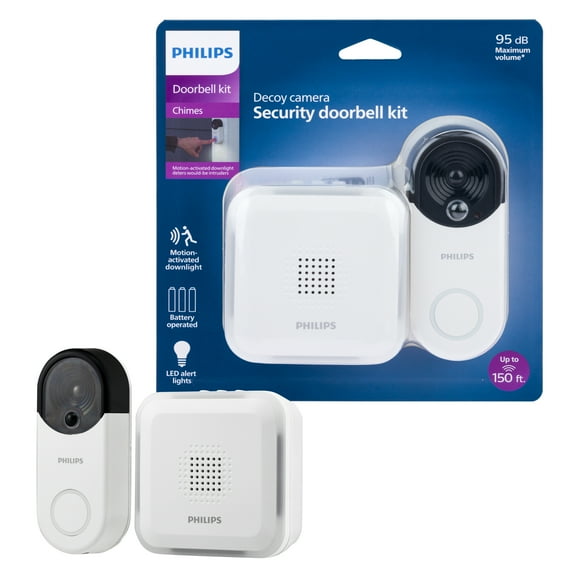
When you want a simpler install, you can look at wireless doorbells or battery-powered styles. You can place many of these options without routing new wire through your wall.
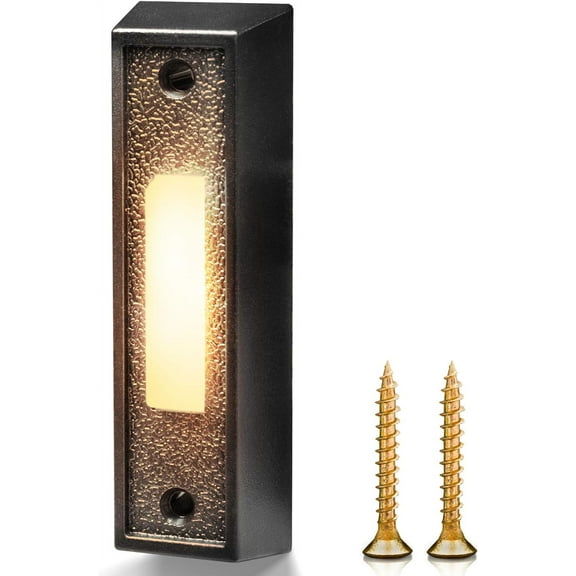
- You can keep a traditional entry setup with wired models and existing chime support.
- You can simplify placement with wireless doorbells that work in spots without current wiring.
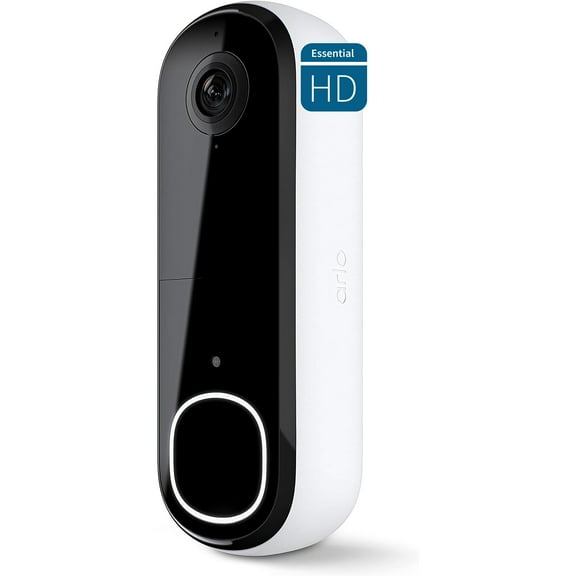
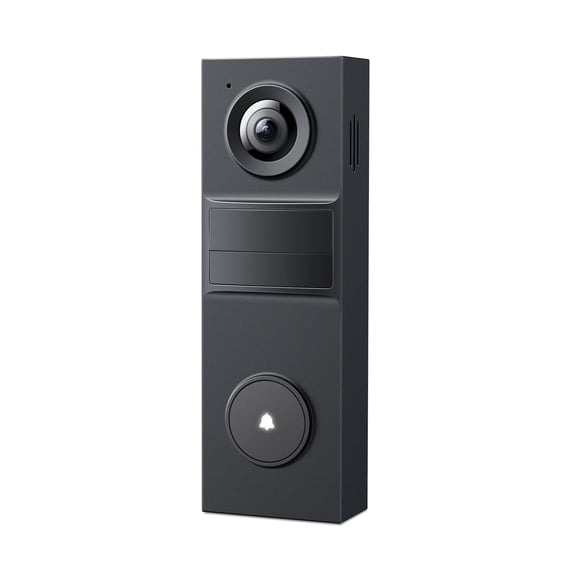
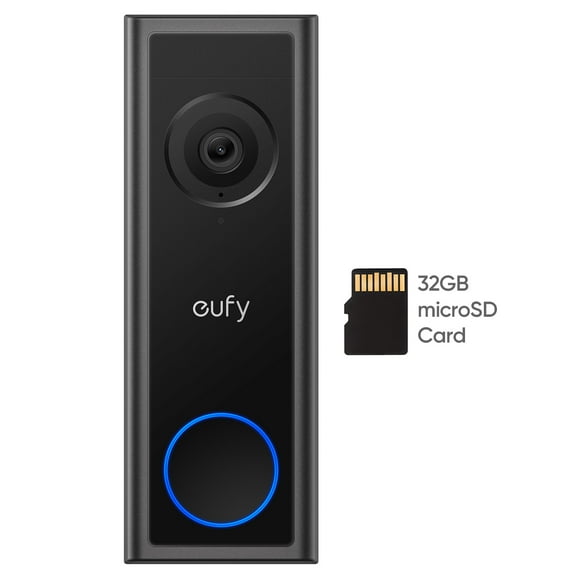
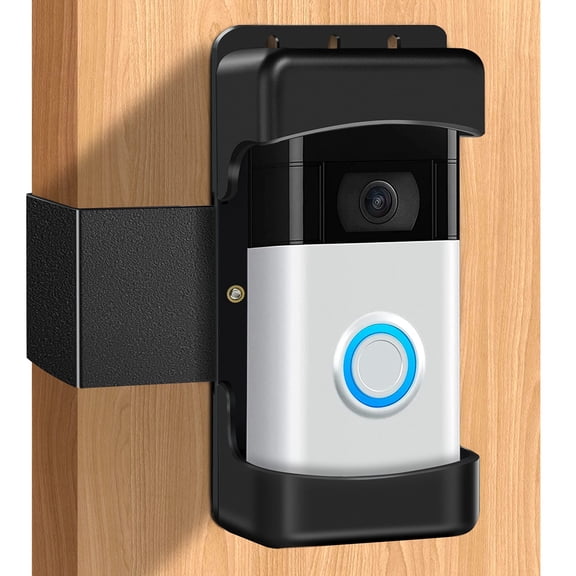
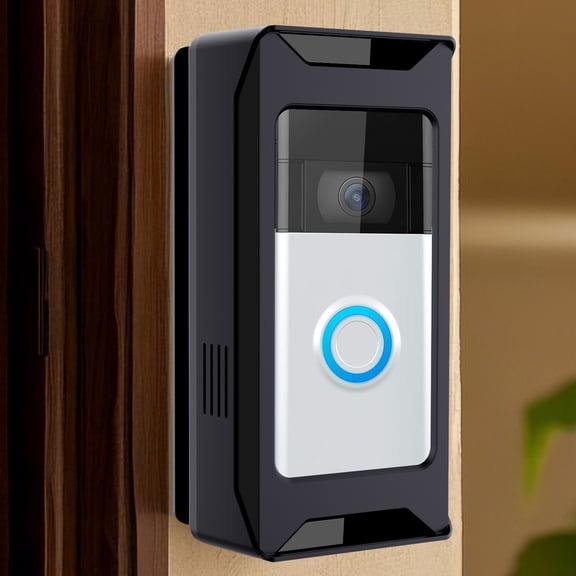
- You can add porch visibility with a doorbell camera that shows visitors and packages.
- You can choose smart doorbells when your app alerts matter as much as an indoor chime.
Choosing the right power source and installation
You should compare wired, wireless, and battery-powered designs based on your home layout. Your choice affects installation time, placement flexibility, and how you handle doorbell batteries later.
With wired models, you can use existing low-voltage wiring for a steady connection. You should confirm your transformer output and your doorbell chime type before installation.
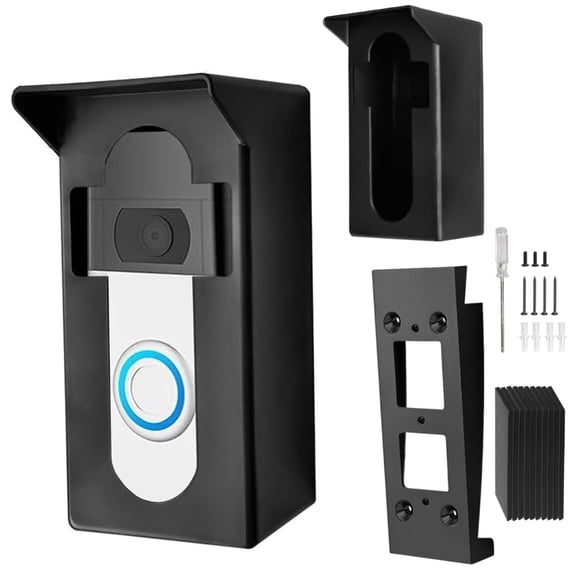
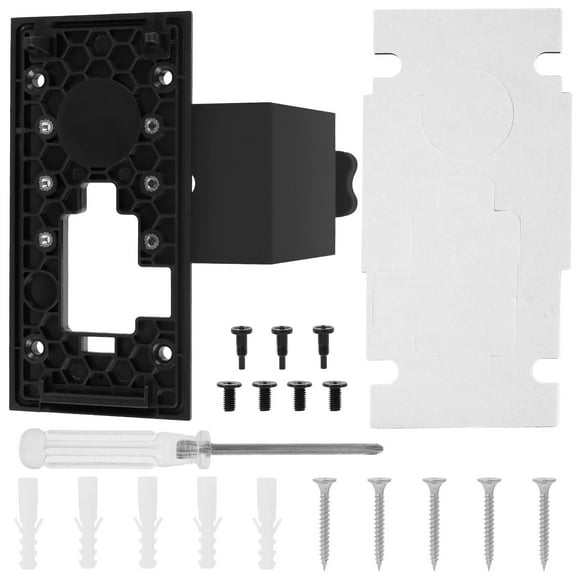
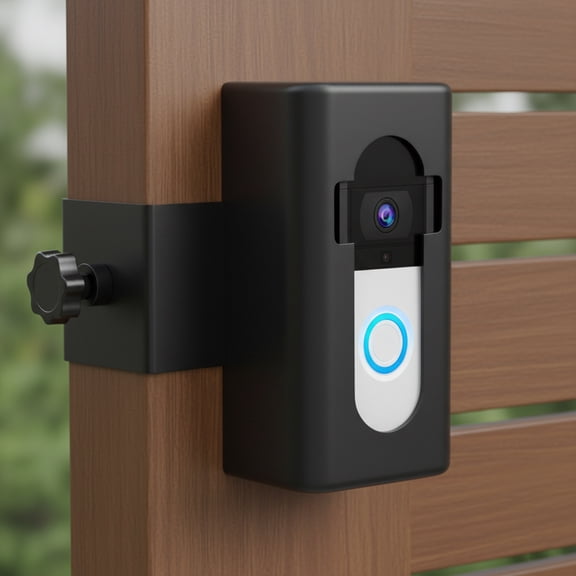
Battery-powered models give you flexibility when your doorway lacks wiring. You can mount many units with screws, and some designs also support adhesive placement.
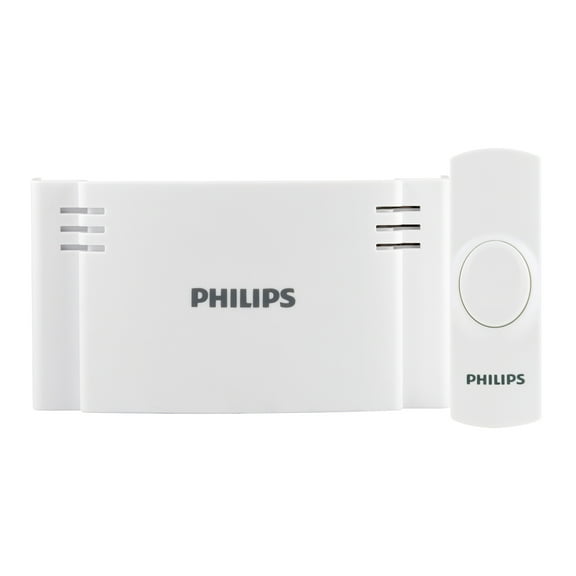
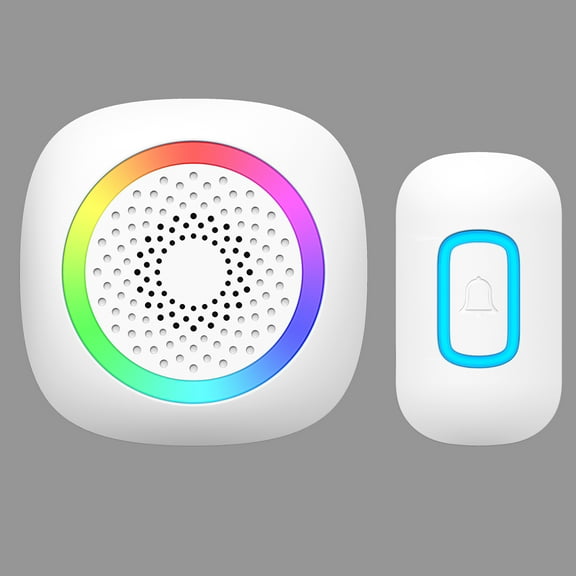
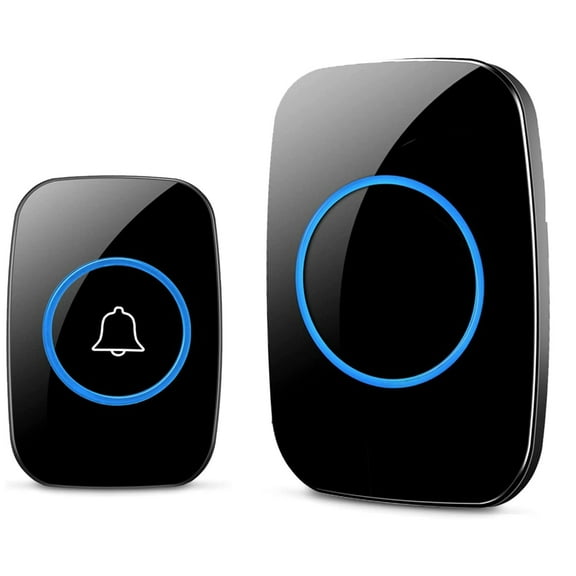
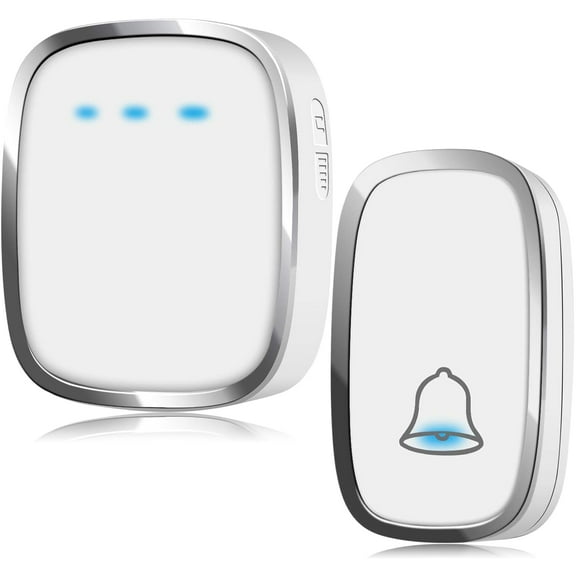
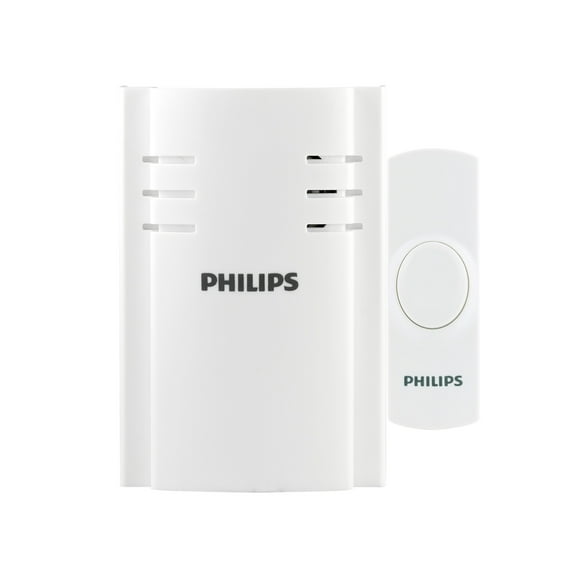
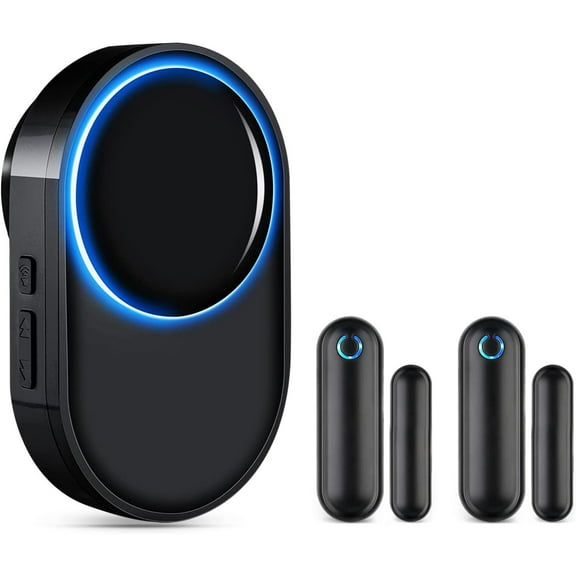
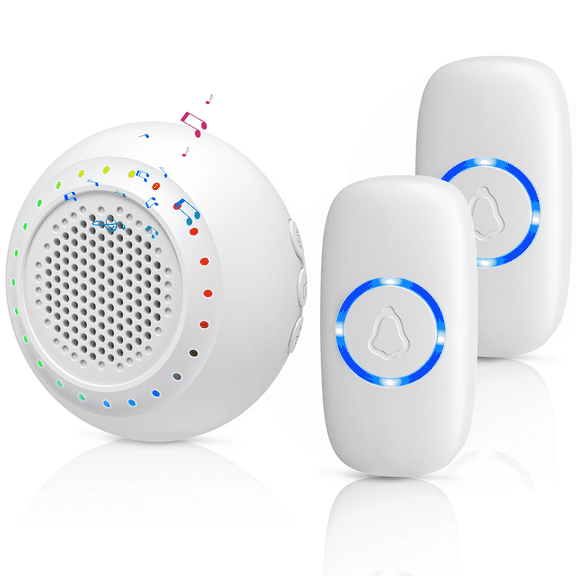
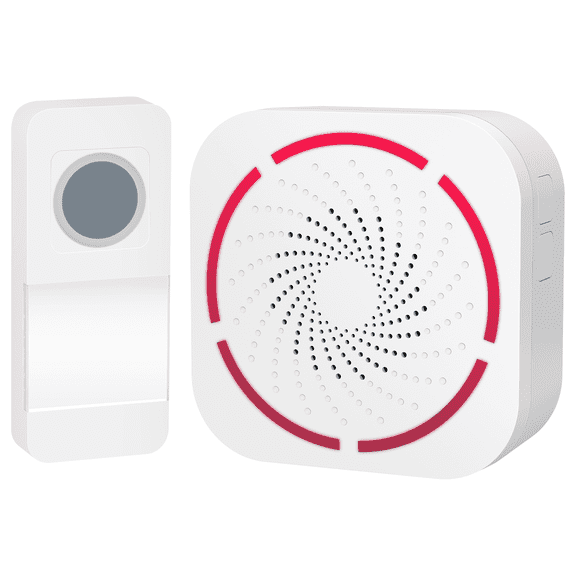
Wireless receiver systems help you hear visitors in more than one room. You can move plug-in chime receivers around your home until your alerts are easy to catch.
If you rent or want less drilling, you may prefer adhesive or plug-in options. You can often finish setup quickly when your mounting method matches your surface.
Comparing smart doorbells and traditional chimes
You should decide whether you want a basic ring or app-connected alerts. Your choice often depends on whether you want smartphone notices, recorded clips, or two-way audio.
Traditional analog choices keep things simple when you only want a reliable door bell sound. You can focus on chime style, power source, and receiver range instead of app settings.
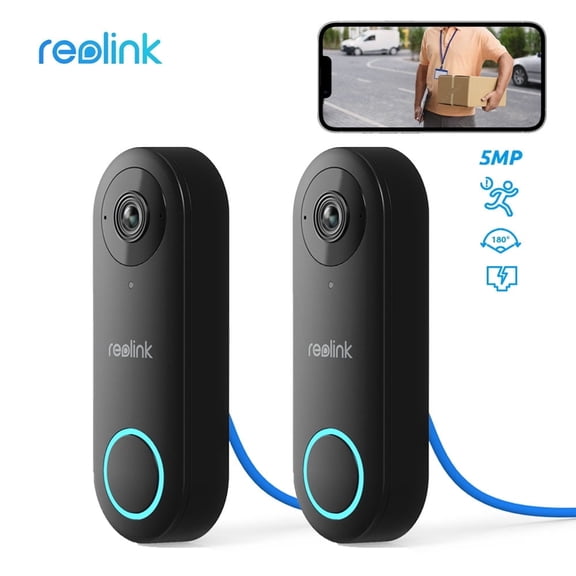
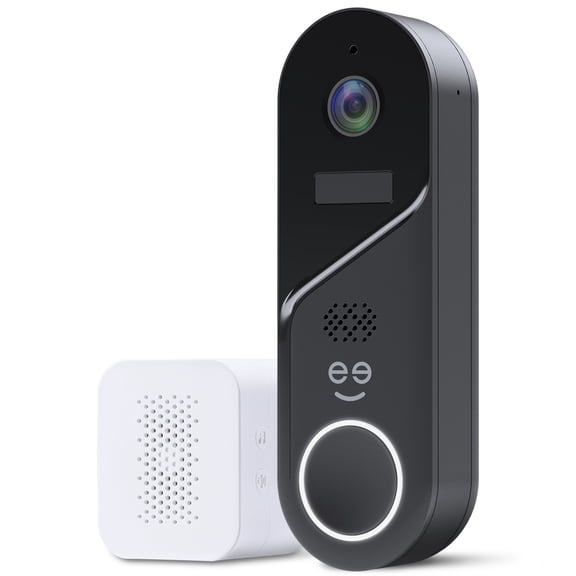
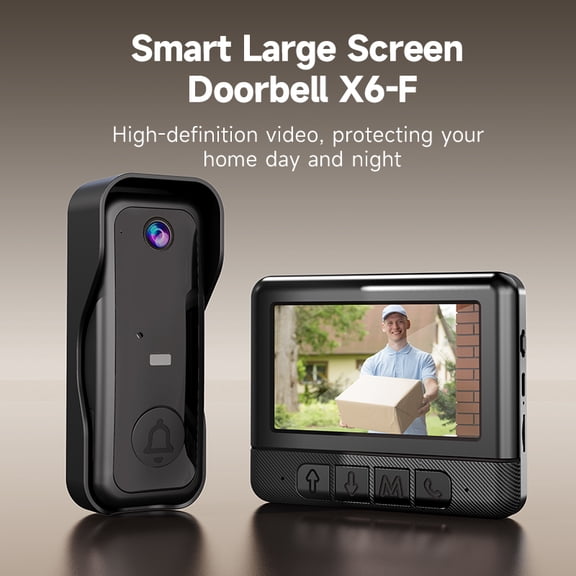
Smart doorbells connect through Wi-Fi and send alerts when someone approaches your door. You can check visitors from your phone and speak through supported two-way audio features.
If you compare smart options, you should also check cloud storage and local storage details. Your subscription preferences may shape which video features feel practical for everyday use.
You may also want a doorbell camera that works with other connected devices at home. You can create a smoother setup when your doorbell fits your smart display or security routine.
Understanding video resolution and viewing area
You should compare 1080p, 2K, and no-camera options based on what you want to see. Your entry shape, porch depth, and package drop spot all affect that decision.
A 1080p doorbell camera can give you clear everyday footage for faces and movement. You may prefer 2K when your doorway is farther from the street or porch edge.
You should also look at field of view, not only resolution. Your camera angle affects whether you can see visitors head-to-toe or watch packages near the threshold.
Some tall viewing formats help you track deliveries placed close to the door. You can often spot boxes more easily when the aspect ratio shows more vertical space.
If you don't need video, you can choose no-camera models that focus on clear chimes. Your selection can stay simple when your goal is hearing arrivals throughout the house.
What to look for in everyday use
You should think about weather exposure before making your final pick. Your porch may need a unit with an IP rating that signals resistance to rain and snow.
You can also compare indoor chime style, alert volume, and receiver range. Your larger home may need multiple plug-in chimes so you hear visitors from upstairs rooms.
When you expect regular motion alerts, you should review battery life and charging frequency. Your routine may be easier with replaceable or rechargeable doorbell batteries, depending on usage.
You may want screw-in mounting for a permanent setup on wood, brick, or siding. You can choose adhesive mounting when your surface and placement call for less hardware.
For busy households, you should check app setup steps and notification controls. Your alerts are more useful when you can fine-tune motion zones, sound, and timing.
With the right combination of power, connectivity, and coverage, you can choose doorbells that fit your doorway and daily habits. Your entry can feel responsive, organized, and easy to monitor every day.
Popular in Doorbells & Doorbell Cameras - Walmart.com
- Bronze Security Door
- Top Rated Products in Entry Door Hardware
- Ultra Hardware Door Security
- Ultra Hardware Products Door Security
- Alno Door Security
- Prime Line Prod. Door Security
- Oil Rubbed Bronze Door Viewer
- Door Knocker With Peephole
- Brass Door Knocker Viewer
- Door Knocks
- Prime-line Products Door Security
- Taiwan Fu Hsing Industrial Co Door Security