





Shop Dog Crates & Kennels – Indoor, Outdoor Pet Cages | Walmart.com


























About Shop Dog Crates & Kennels – Indoor, Outdoor Pet Cages | Walmart.com
Dog crates help you create a structured space for training, rest, travel, and daily routines. You can compare size, material, durability, and door access to fit your dog and home.
How to choose dog crates by size
You should start with your dog’s nose-to-tail length and standing height before you compare interior dimensions. You’ll want enough room for turning, standing, and lying down without extra unused space.
If you’re choosing a large dog crate, you should check both weight guidance and actual measurements. You may notice two crates fit similar weights, while their interior length differs in ways that matter.
For growing dogs, you can look for options that support staged use with divider panels. You’ll get a more tailored fit now while keeping room to adjust later.
Choosing crate material for your routine
You can match crate material to how you use it frequently at home or on the go. You’ll usually compare wire, plastic, wood, and fabric or soft-sided designs.
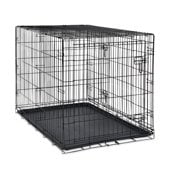
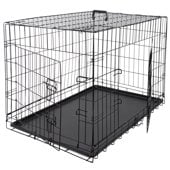
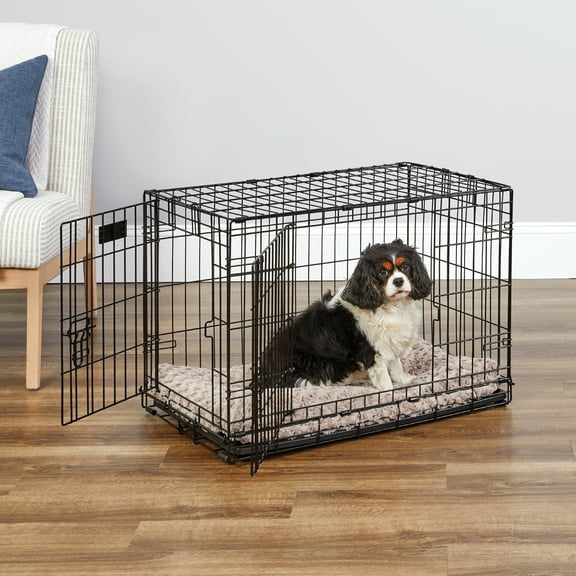
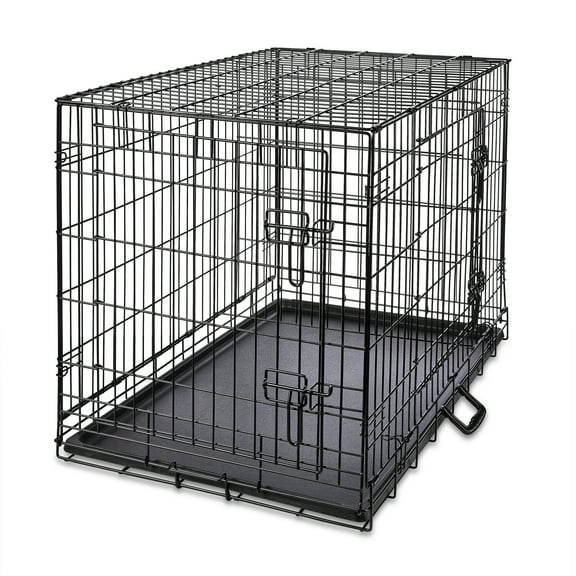
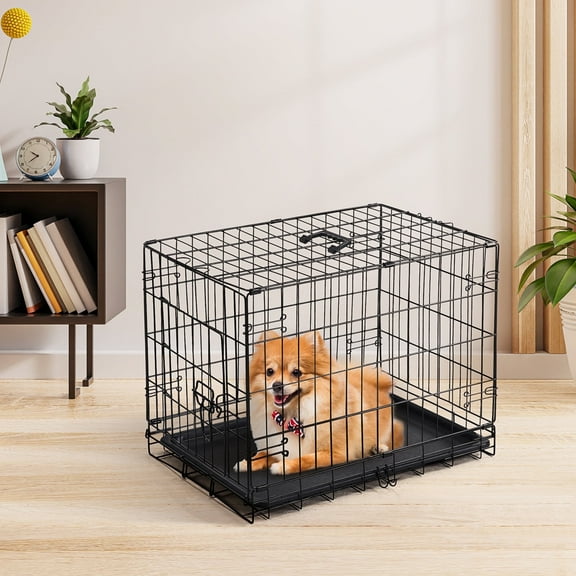
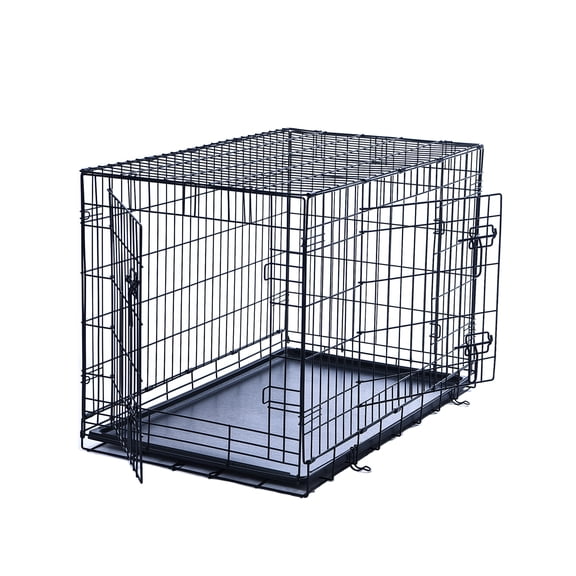
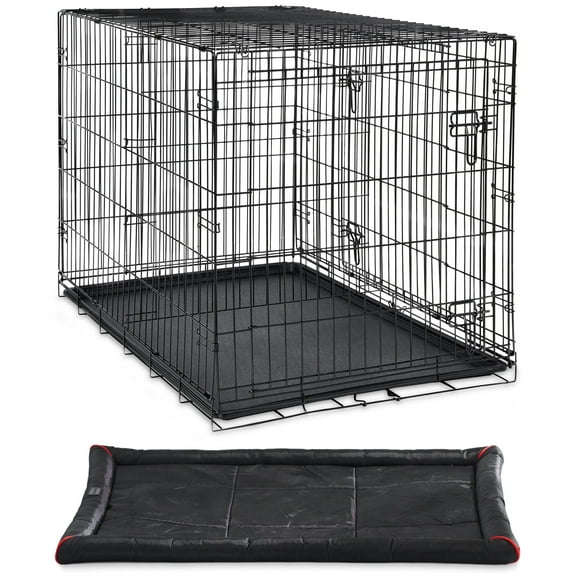
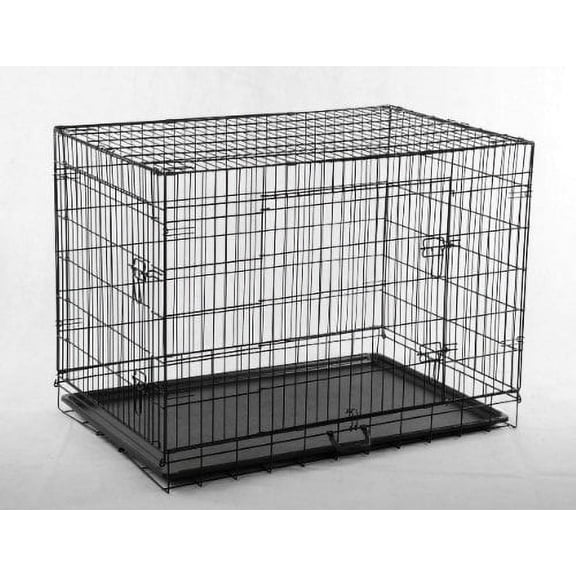
A wire dog crate gives you open visibility and airflow that you may prefer for everyday use. You can also find folding frames that make storage simpler between trips.
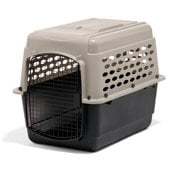
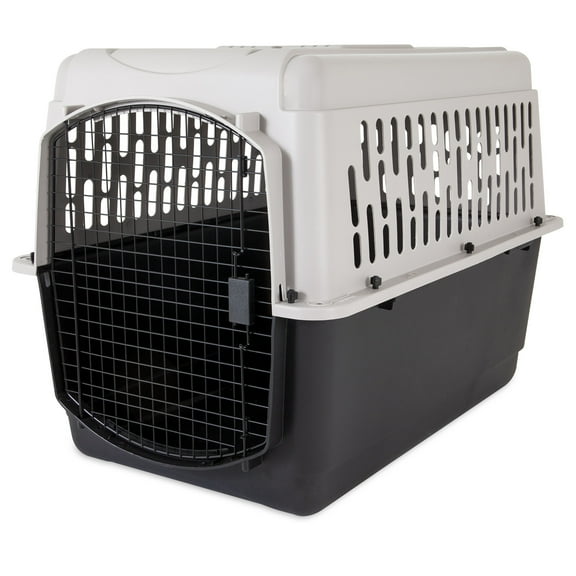
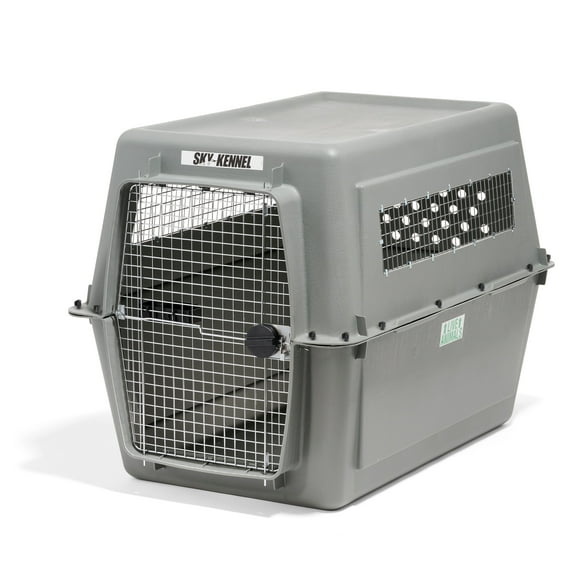
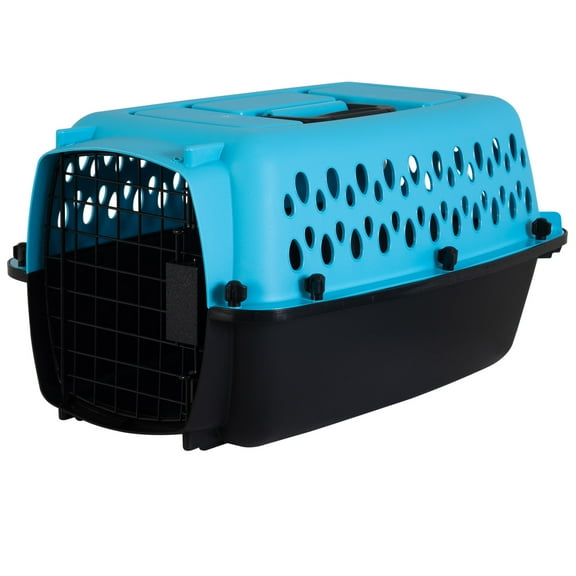
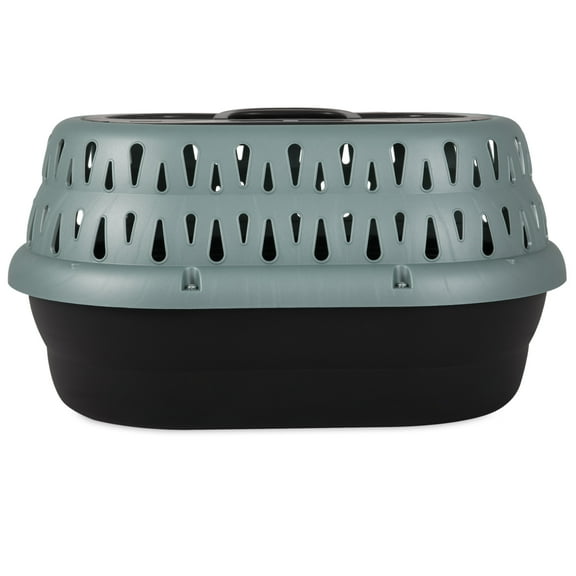
A plastic dog kennel can feel more enclosed, which you may prefer during car rides or overnight rest. You should check ventilation openings and door fit when you compare styles.
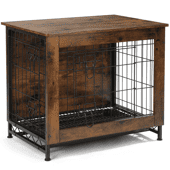
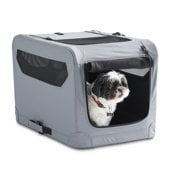
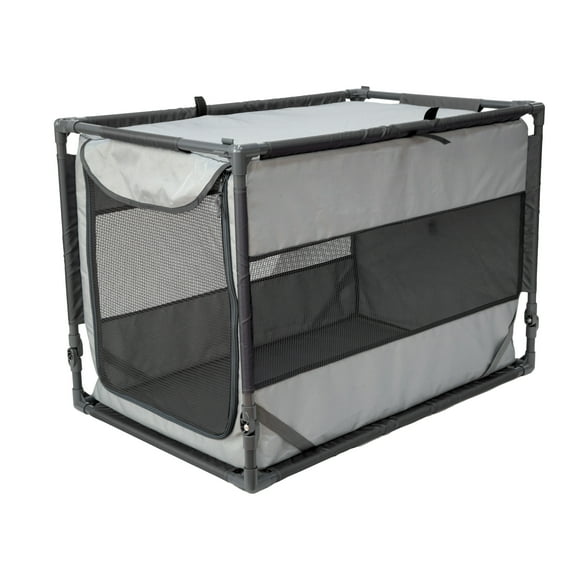
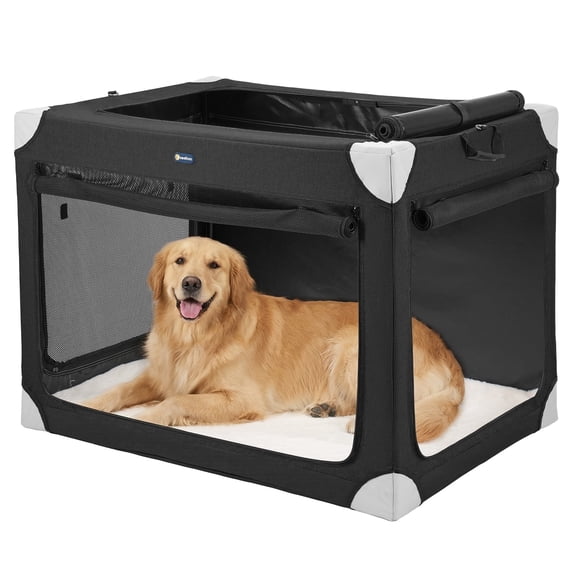
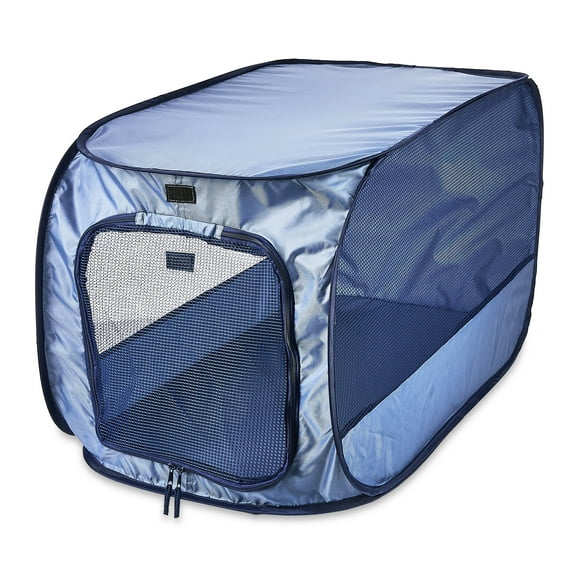
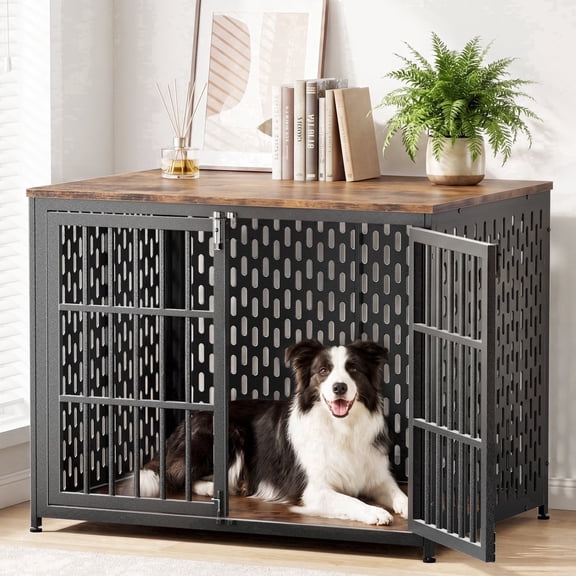
If you want furniture-like placement, you may consider wood designs that blend with surrounding decor. You can also choose fabric or soft-sided styles when your priority is lightweight portability.
Choosing heavy duty dog crate durability
You should compare durability based on your dog’s chewing habits, energy level, and crate experience. You’ll often see standard, heavy duty dog crate, and escape proof options across this category.
Standard crates can work well when your dog settles easily and uses the crate for routine downtime. You should look at wire gauge, frame thickness, and corner reinforcement for a clearer durability picture.
If your dog pushes doors or tests weak closures, you may need stronger latches and a sturdier frame. You’ll want fewer flex points and hardware that feels secure during repeated use.
- You can choose standard builds for calm daily crate use.
- You can compare heavier frames when your dog leans, paws, or chews.
- You can check latch placement when your dog noses at doors.
- You can look for reinforced corners when you want added structure.
Choosing folding and travel-friendly options
You may want a folding dog crate when you move it between rooms or store it after use. You can compare collapsible frames, carrying handles, and wheeled designs for easier transport.
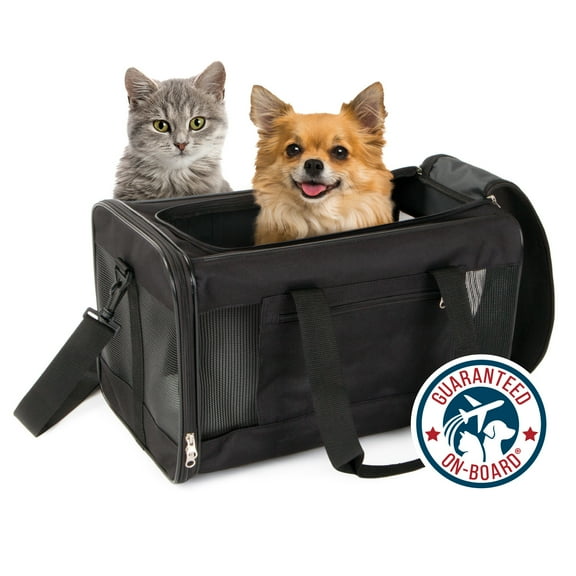
For road trips or short stays, a travel dog crate can help you keep routines consistent. You should verify dimensions against your vehicle space before you choose a portable dog kennel.
If you’re planning air travel, you should check airline rules and IATA requirements before buying. You’ll want approved sizing, secure door construction, and clear ventilation on multiple sides.
Choosing a double door dog crate layout
You can simplify placement by choosing a door layout that suits your room and entry angle. You’ll usually see single door, double door dog crate, and triple door options.
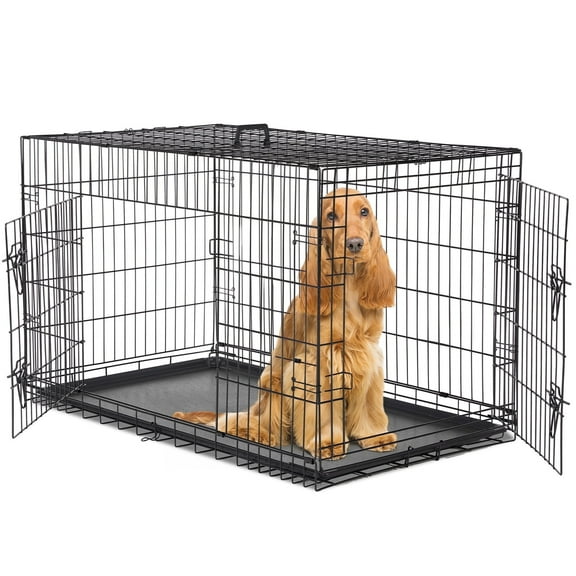
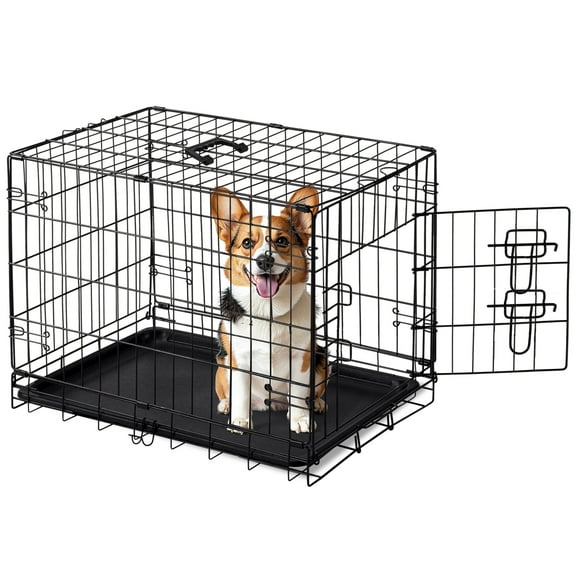
A single door design can work when you have a clear path in front of the crate. A double door dog crate gives you more flexibility when furniture or wall placement limits access.
If you use trays or move the crate often, extra access points can make cleanup easier. You should also check door swing direction and latch reach before you decide.
Matching dog crates to real-life use
You can use wire styles for training setups, daily downtime, and spaces where airflow matters. You may prefer a dog crate with tray when you want quicker cleanup after messy moments.
If your dog is strong or persistent, you should compare reinforced frames for more contained daily use. You’ll often see heavy duty options chosen for dogs that challenge lighter construction.
For apartments or shared spaces, you may want wood crates that blend into living areas. You can also pick soft-sided travel styles when your dog is crate-comfortable and your trips are frequent.
When storage matters, you should compare folding frames that collapse without much effort. You’ll appreciate that feature when you rotate setups between training, travel, and overnight use.
Dog crates work effectively when you match measurements, material, durability, and door access to your dog’s routine. You’ll feel more confident when your crate fits your space and supports smoother daily structure.