






Dog Strollers in Dog Carriers




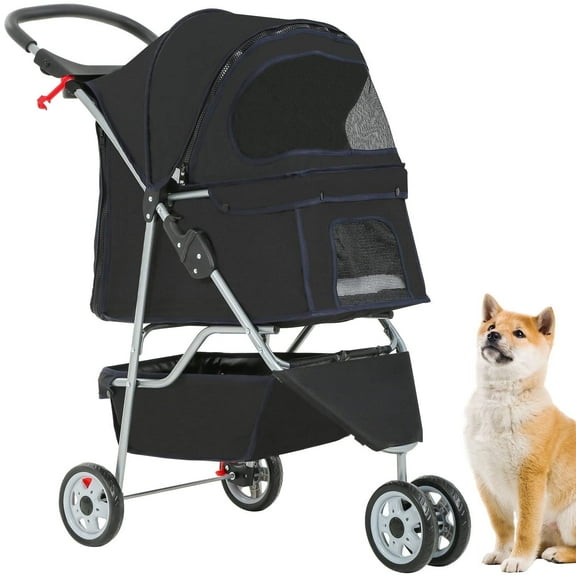
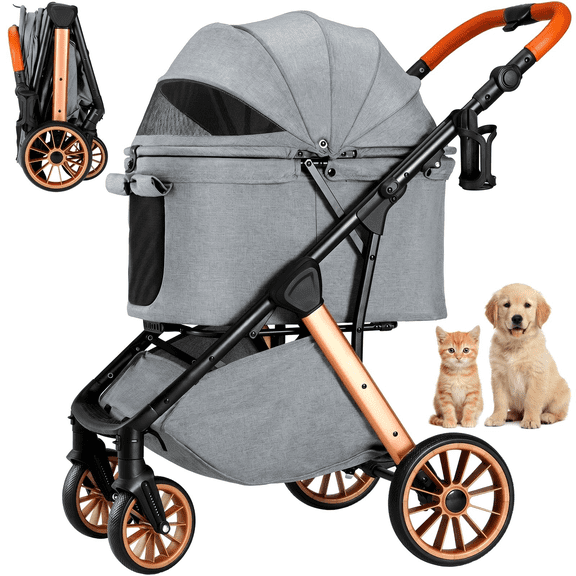
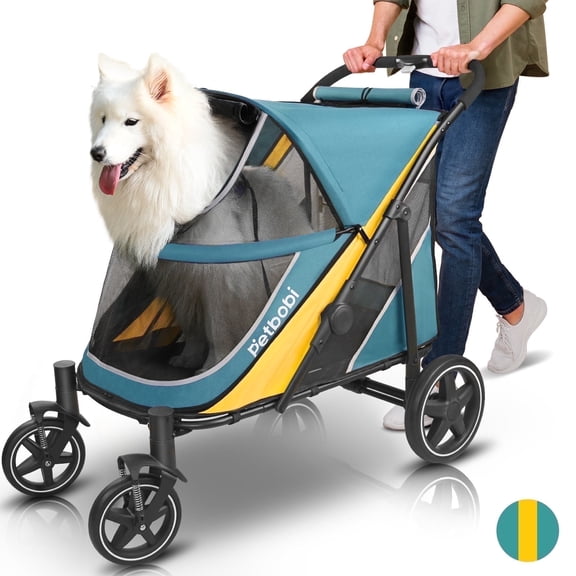
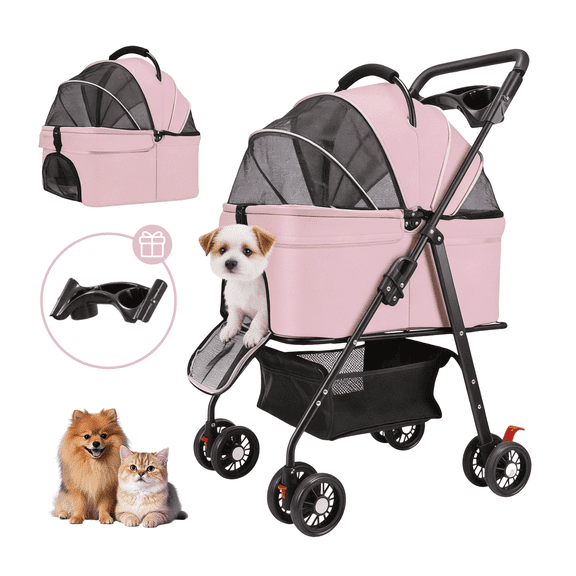




































About Dog Strollers in Dog Carriers - Walmart.com
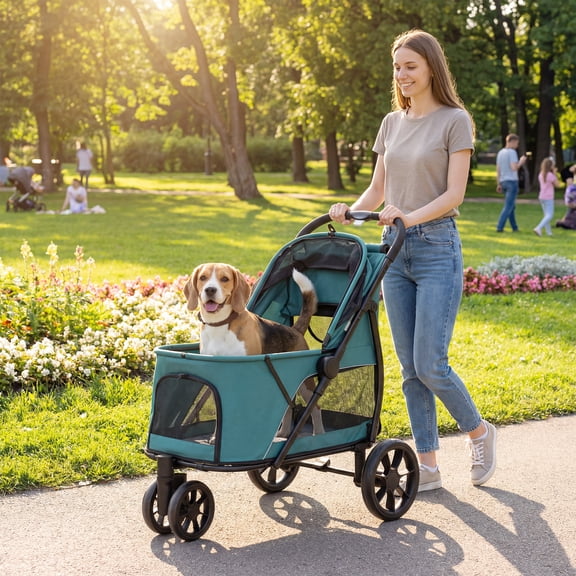
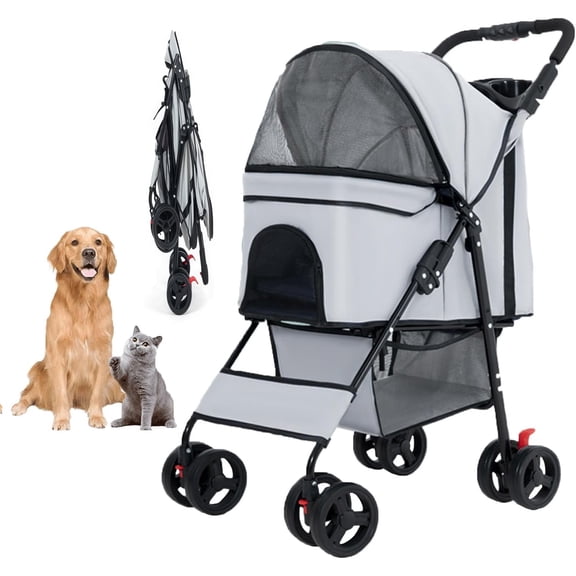
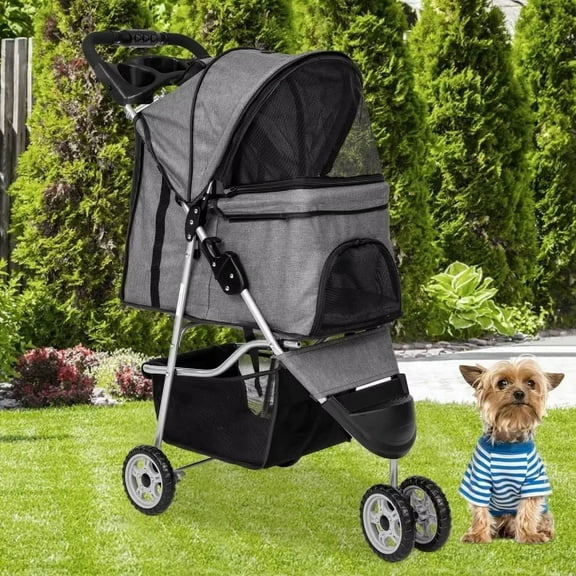
Dog strollers help you travel with your pet more comfortably, especially when you need weight support, smoother rides, and easy folding for daily outings. You can compare dog strollers by capacity, wheel style, enclosure design, and portability, which makes this category easier to shop with confidence.
If your dog tires on longer walks, you can use a pet stroller to keep your routine moving without constant lifting. You can also choose designs built for sidewalks, park paths, or multi-pet households, which makes this category distinct from standard dog carriers.
How to choose dog strollers by your dog’s size
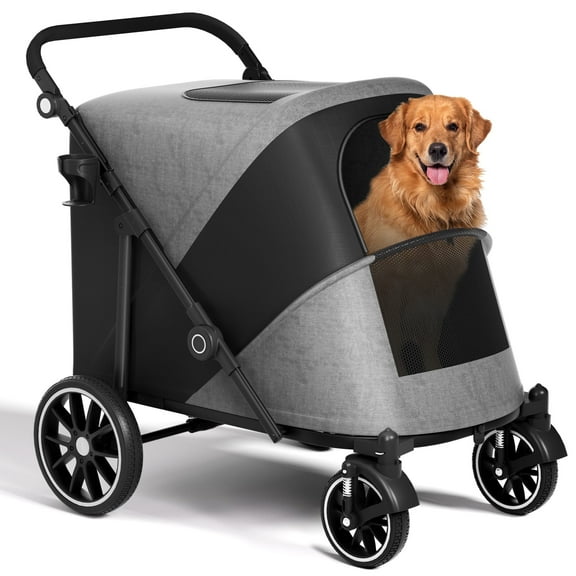
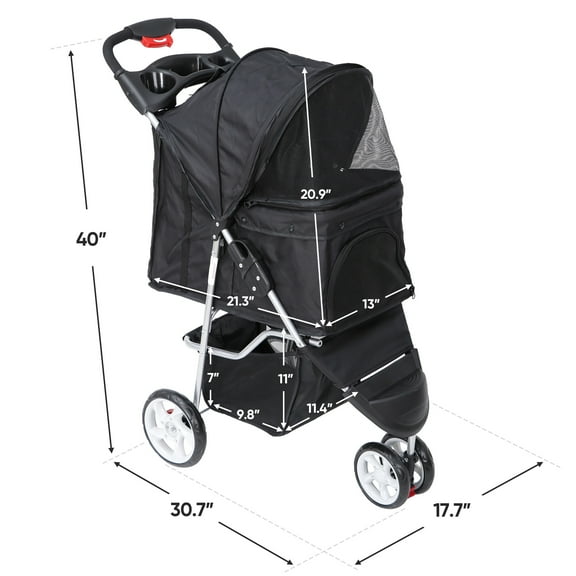
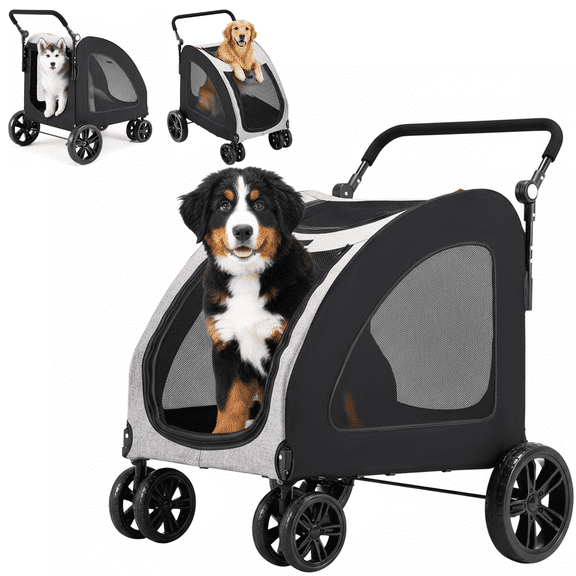
You should start with weight capacity, because your dog’s size affects comfort, fit, and push stability. You can find options for pets under 25 lbs, a dog stroller for medium dogs, and larger models rated up to 100 lbs.
When you compare cabin space, you should check both the listed weight limit and the interior room. Your dog may need extra length to sit, turn, or lie down comfortably during longer walks.
- You can choose lighter frames for small pets and quick neighborhood walks.
- You can look for more cabin room when your dog needs space to stretch out.
- You can compare higher weight limits when your pet is heavier or you carry extra gear.
- You can match stroller size to your car trunk or home storage area.
For older dogs or pets with lower stamina, you may prefer a roomier cabin and a stable base. You’ll notice that the right size can make loading, riding, and stopping feel more manageable.
Choosing a pet stroller by wheel and terrain type
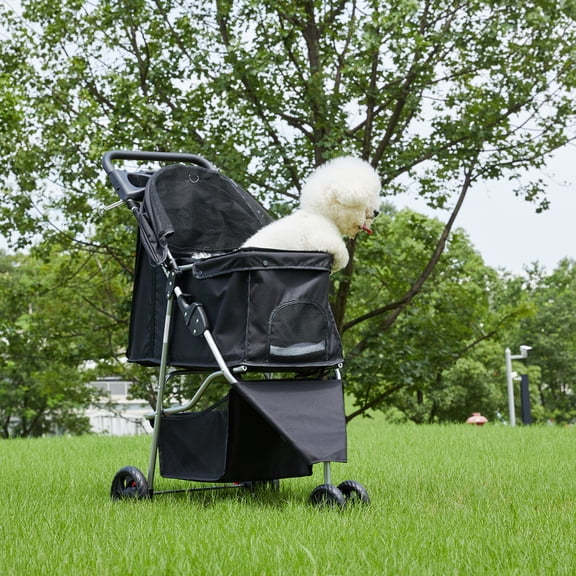
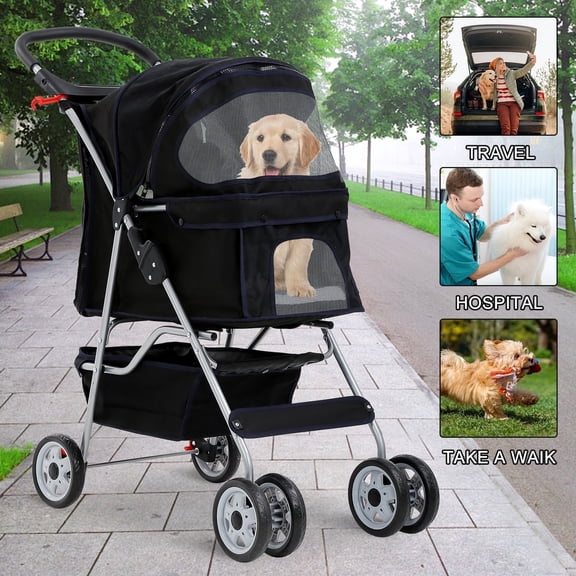
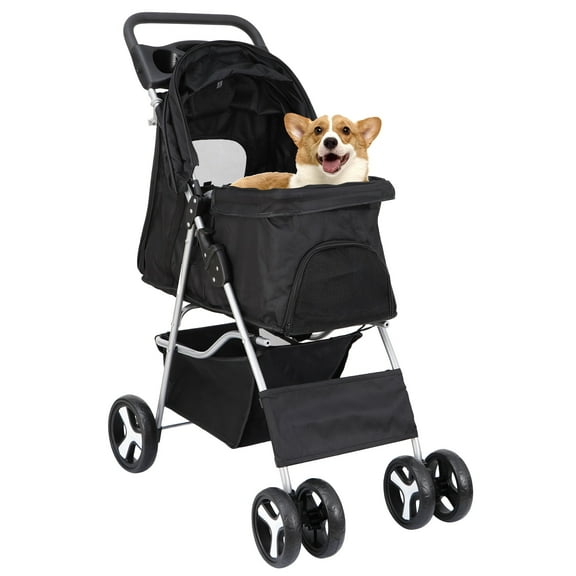
You should match wheel design to where you walk most often, because terrain changes how smoothly your stroller rolls. A four-wheel urban model usually suits sidewalks, paved paths, and quick trips around town.
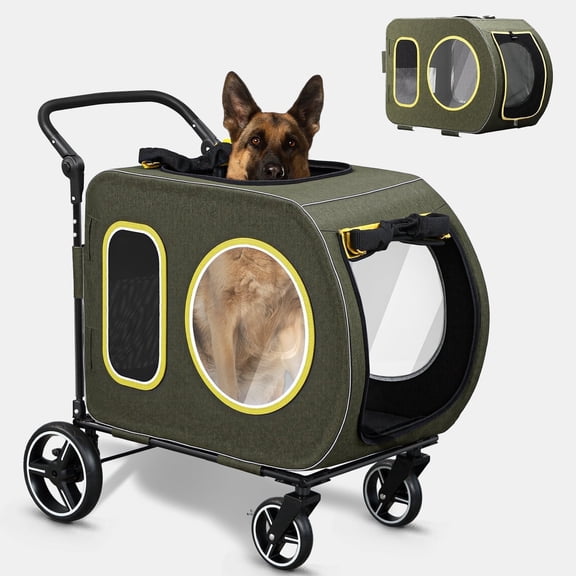
If you walk on rougher ground, you can consider all-terrain air-filled wheels for more grip and steadier movement. You may also want a dog jogging stroller when your routine includes faster pacing or longer outdoor routes.
Three-wheel jogger frames can help you steer through curves and keep momentum on open paths. You’ll want to compare wheel size, front wheel movement, and handle height for easier control.
On mixed terrain, you can look for suspension details and larger rear wheels for a smoother ride. Your pet may stay more settled when bumps feel less noticeable on gravel, grass, or uneven pavement.
Comparing enclosure styles and double dog stroller layouts
You should check enclosure style next, because entry design affects daily convenience and your pet’s comfort. You can compare zipperless entry, mesh screen ventilation, and double-decker layouts for different household needs.
Mesh panels give your dog more airflow and a wider view during walks around busy areas. You may prefer zipperless entry when you want quicker loading and less fuss at the curb or trailhead.
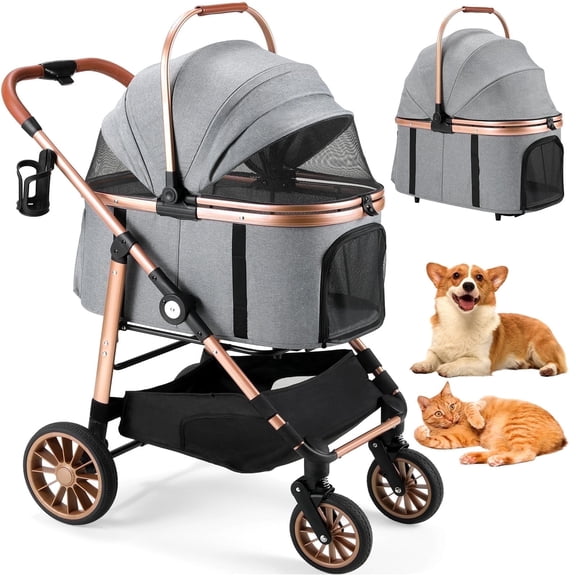
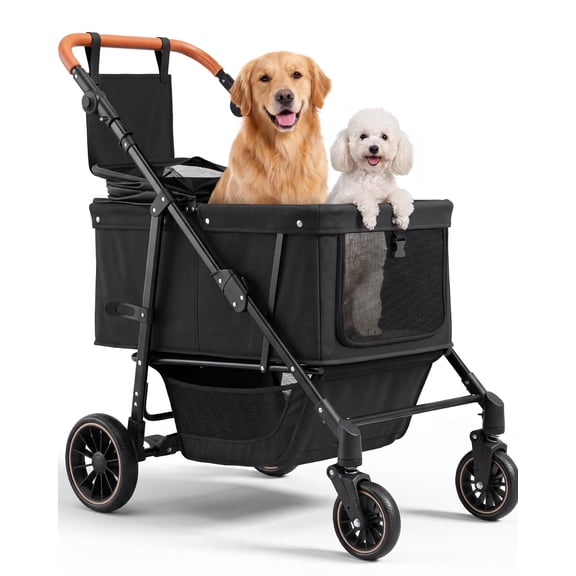
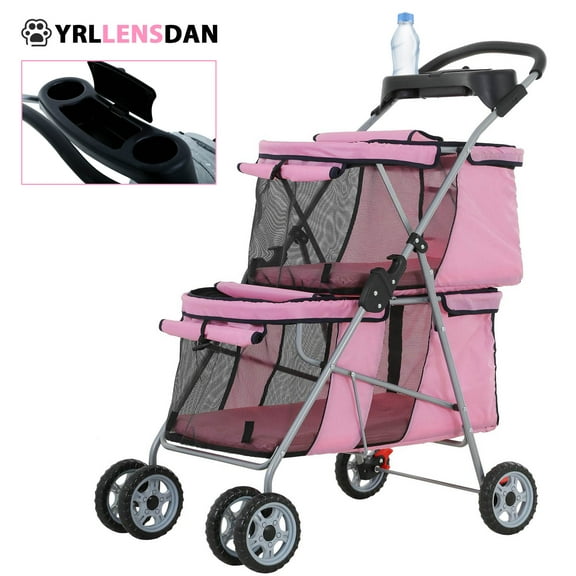
If you travel with two pets, you can consider a double dog stroller with separate spaces or stacked compartments. Your pets can ride with more defined personal space, which can simplify outings for multi-pet homes.
Some layouts also help when your pets differ in size or energy level during the same trip. You can compare cabin openings, divider placement, and viewing panels to match your routine.
Checking portability, folding, and travel-friendly details
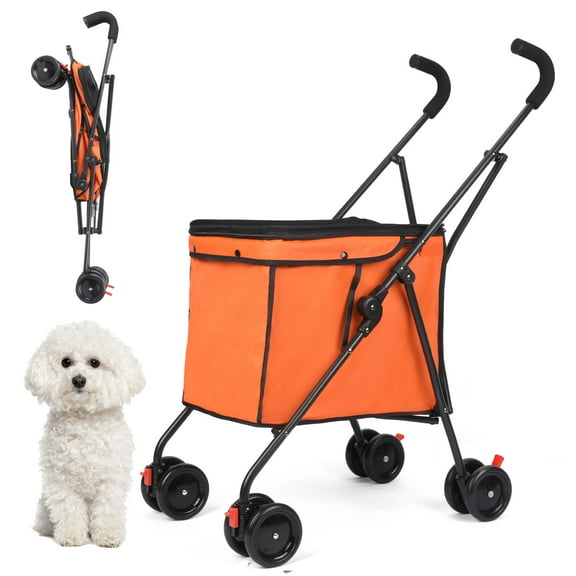
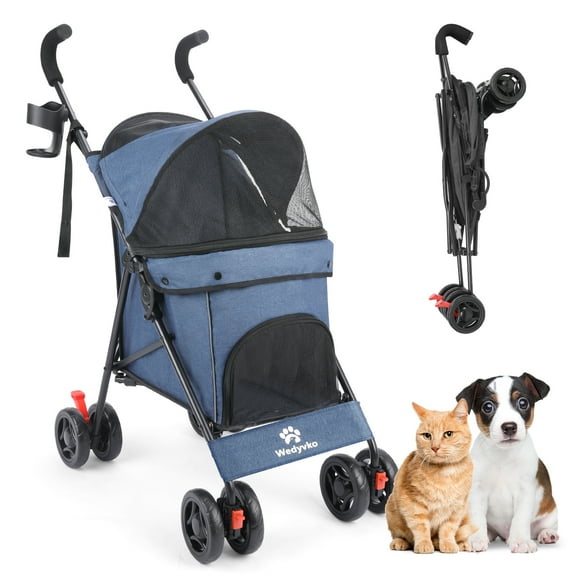
You should also compare how the stroller folds, because storage convenience matters after every walk. A one-hand quick fold can help you load the frame into your car with fewer steps.
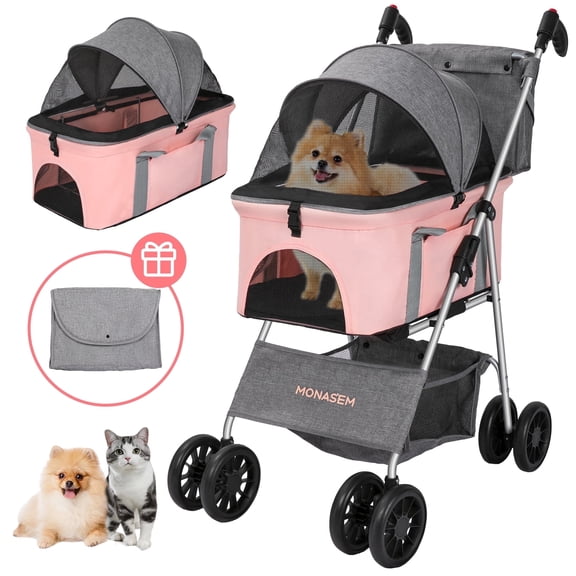
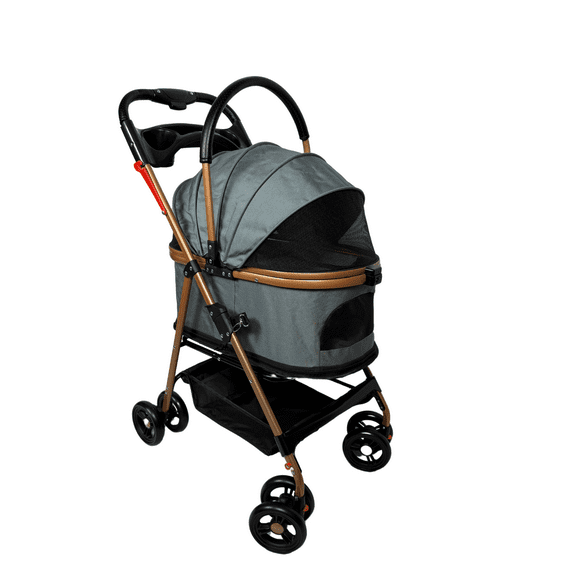
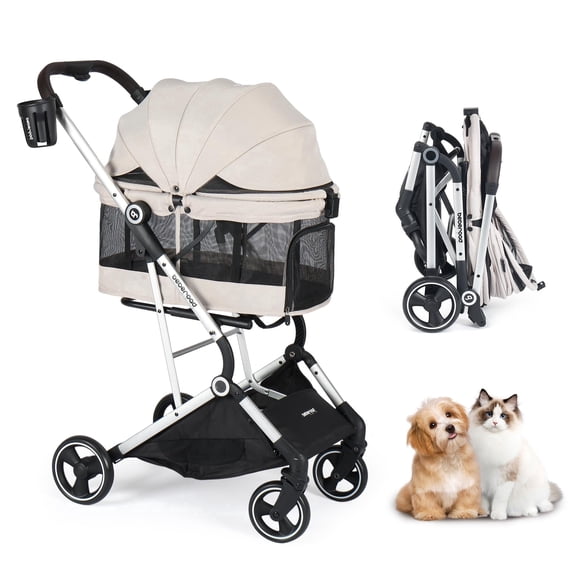
If you switch between walking and carrying, you may like a detachable carrier that lifts off the frame. You can also consider a compact travel frame when trunk space or closet space is limited.
Frame weight matters when you lift the stroller often, especially for errands, appointments, or weekend trips. You’ll want to check folded dimensions so your stroller fits your vehicle and storage spot.
Handles, basket access, and brake placement also shape daily use more than many shoppers expect. You can compare these small details before choosing, because they affect setup, stopping, and unloading.
Using dog strollers for everyday walks, travel, and multi-pet outings
You can use dog strollers for neighborhood walks, outdoor events, and longer outings where your pet needs a ride break. Your stroller can also help you keep pace when sidewalks, crowds, or distance make carrying less practical.
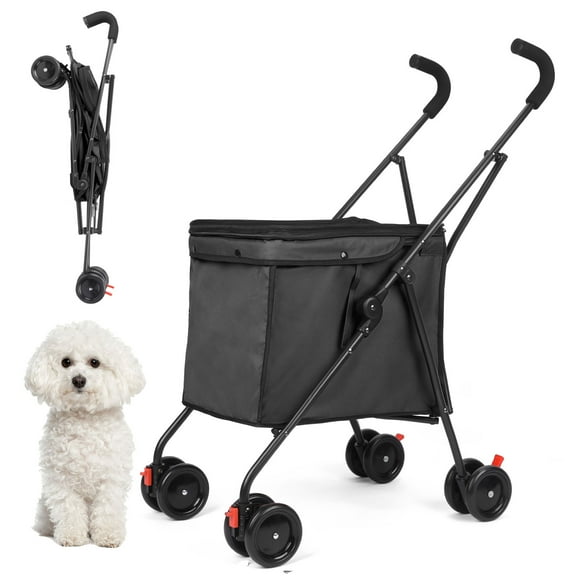
For city routines, you may prefer a four-wheel pet stroller with a compact fold and easy steering. You can move through sidewalks, parking lots, and store entrances with a frame built for tighter spaces.
For parks and longer routes, you might choose a dog jogging stroller or an all-terrain setup with larger wheels. Your ride may feel smoother on mixed surfaces, especially when your route includes grass or gravel.
If you have two small pets, you can look at a double dog stroller for shared outings and simpler transport. Your pets can stay contained together while you manage one handlebar and one storage basket.
When you travel often, you may prefer detachable carriers or compact frames that fit quickly into your trunk. You can keep your routine more flexible by choosing a stroller that matches your storage and destination needs.
With the right dog strollers setup, you can match pet size, terrain, and portability to the way you actually travel. You’ll feel more prepared for walks, errands, and outings when your stroller fits your routine clearly.