


Find auto parts that fit
Let’s search for parts that fit your vehicle.Oil Dipsticks for Cars & Engines | Walmart












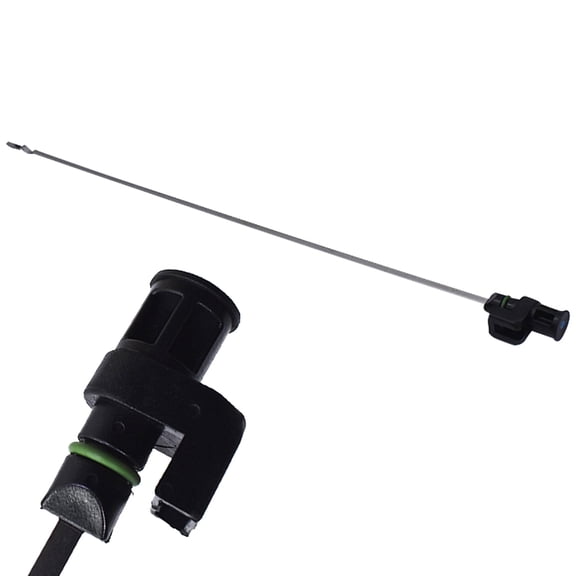

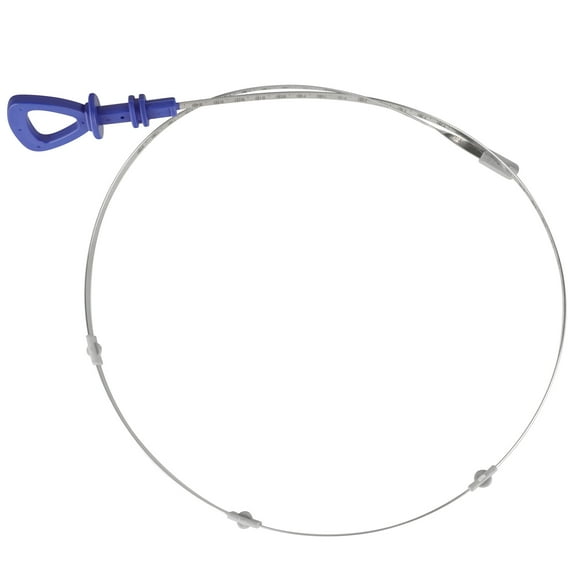
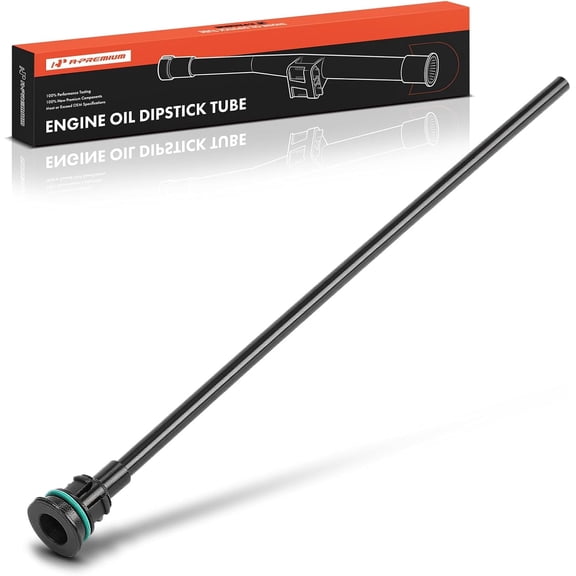

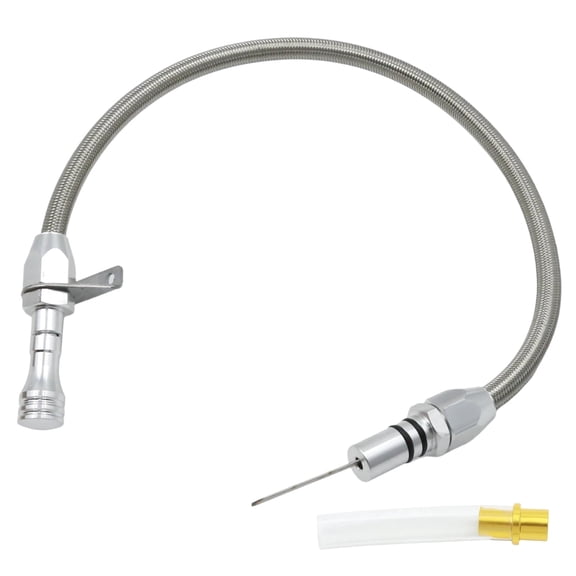






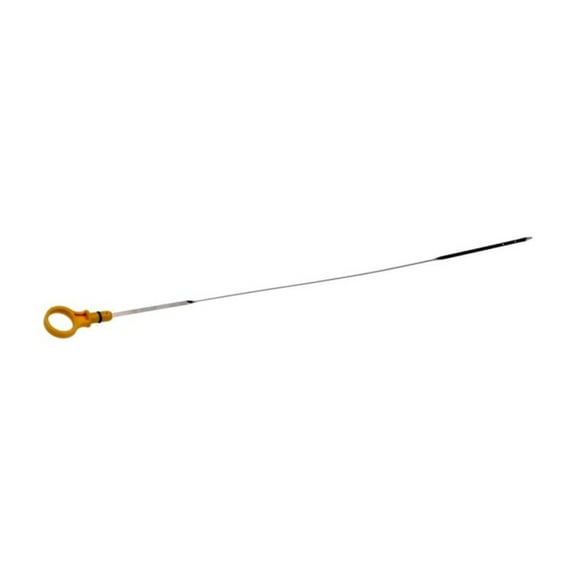
About Oil Dipsticks for Cars & Engines | Walmart - Walmart.com
Oil dipsticks help you check fluid levels with the right fit for your vehicle. You can narrow your choice by application, tube length, markings, and handle style.
If you're replacing a worn or missing part, you need fitment details that match your year, make, model, and engine size. You can also compare engine and transmission options without guessing which tube or reading range you need.
Choosing oil dipsticks by vehicle fitment
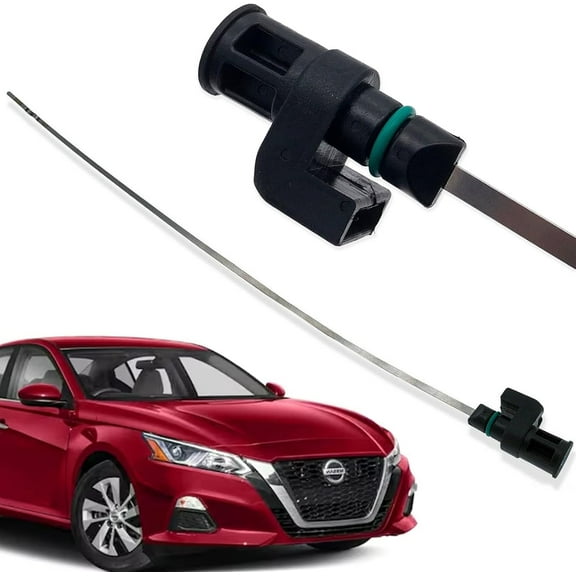
You should start with vehicle fitment because a few millimeters can change how your reading lands. You need the correct year, make, model, and engine size before you compare finishes or handles.
You may also want to check engine code, tube length, and OEM part number cross-reference. Those details help you match a replacement engine oil dipstick to the tube depth and reading marks your vehicle uses.
When you compare listings, you should look for clear fitment notes and application details. You can avoid trial and error when your dipstick length and handle position line up correctly.
Engine oil dipsticks vs. transmission dipsticks
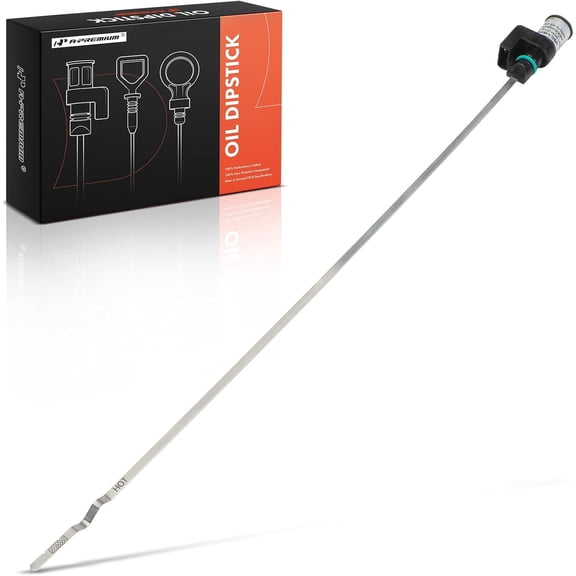
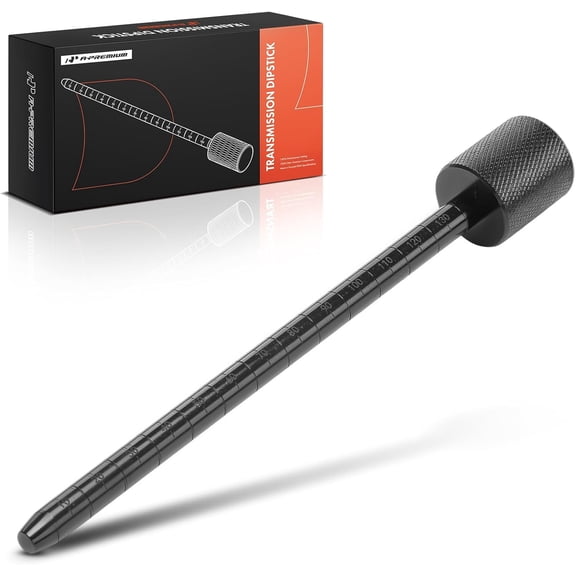
You need to confirm whether you're replacing an engine oil dipstick or a transmission dipstick. Those parts can look similar, but you use them for different fluid systems and different reading ranges.
If you're working on routine maintenance, you may need a car oil dipstick with easy-to-read full and add marks. If you're restoring an older vehicle, you may need a replacement dipstick that follows an OEM-style design.
You can use this quick checklist when you compare common options. You should match the part to your vehicle's fluid system before you compare materials or handle shapes.
- You should verify whether the part is for engine oil or transmission fluid.
- You should confirm year, make, model, and engine size.
- You should compare tube length and overall dipstick length.
- You should check whether the markings match your intended application.
- You should look for an OEM part number cross-reference when available.
How to compare materials and handle styles
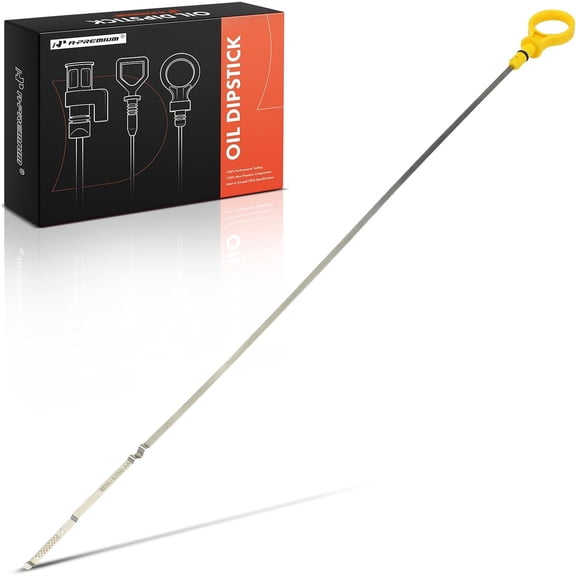
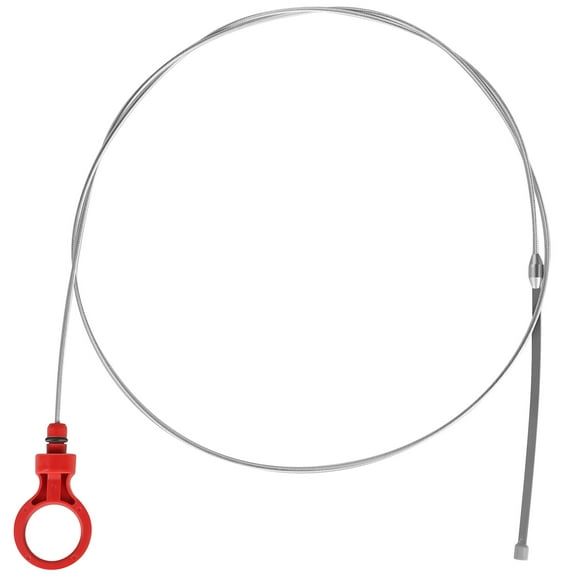
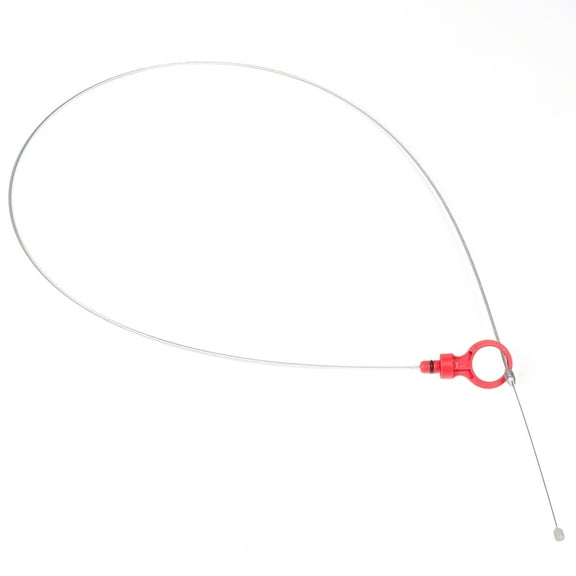
You can choose rigid steel when you want a familiar factory-style feel and straightforward insertion. You may prefer a flexible oil dipstick when your engine bay has tighter routing or limited clearance.
Flexible stainless steel designs can help you guide the blade through curved paths more easily. Rigid steel designs can help you keep a consistent feel during insertion and removal.
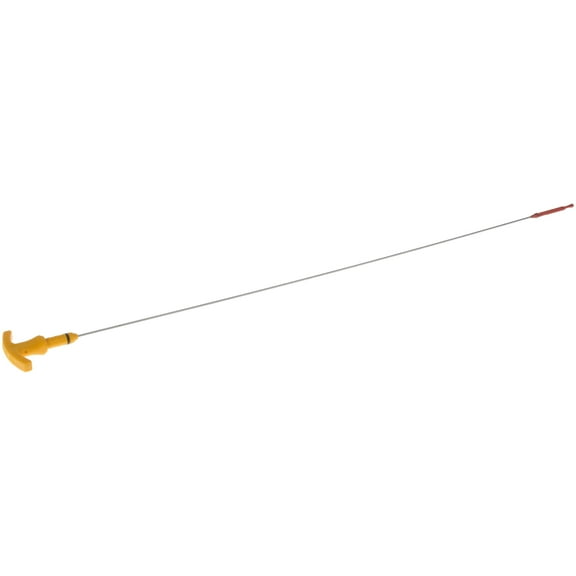
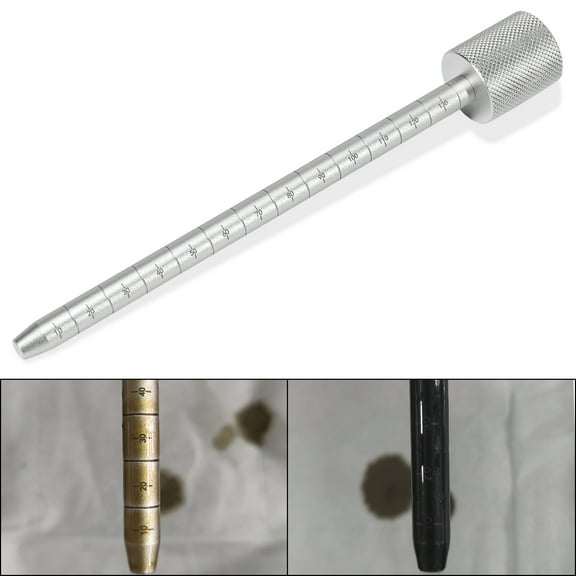
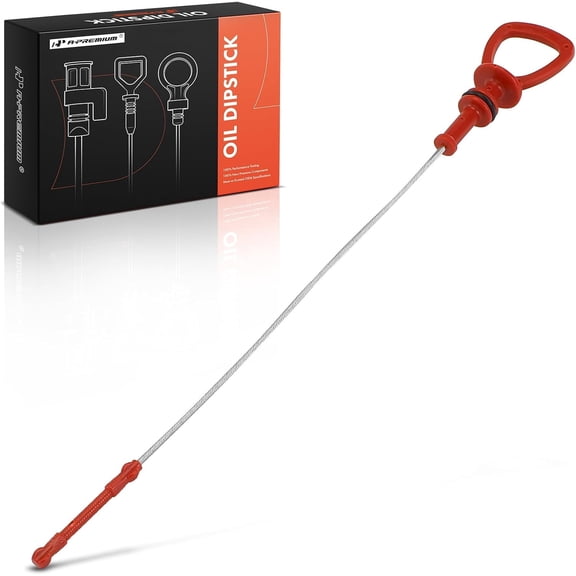
If you're updating appearance details, you may notice billet aluminum handles and caps in some options. You can also choose T-handle, ring pull, or OEM style designs based on grip and the look you want.
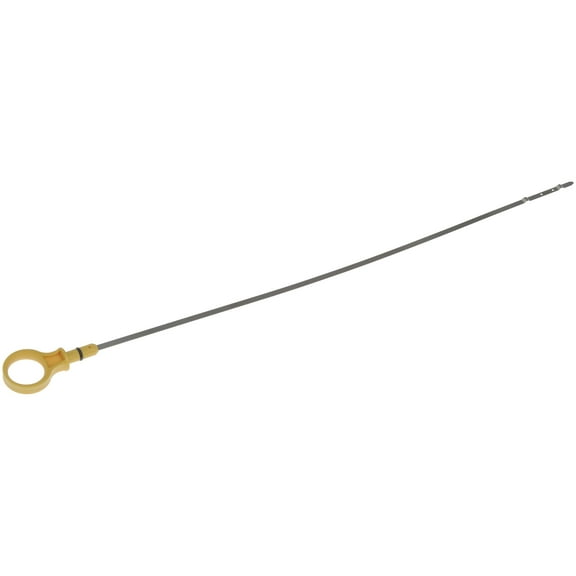
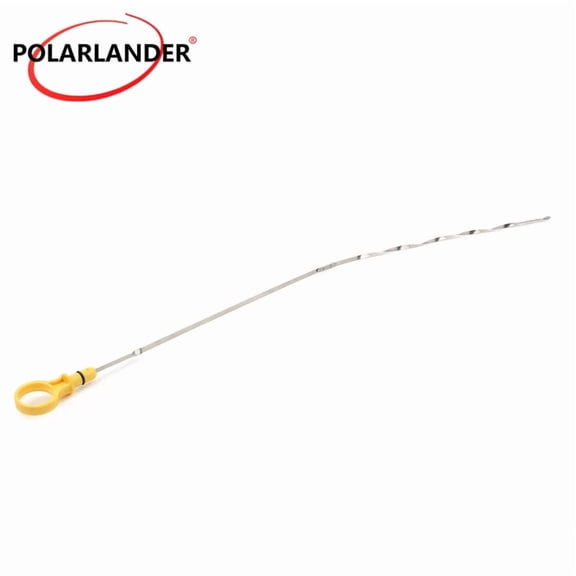
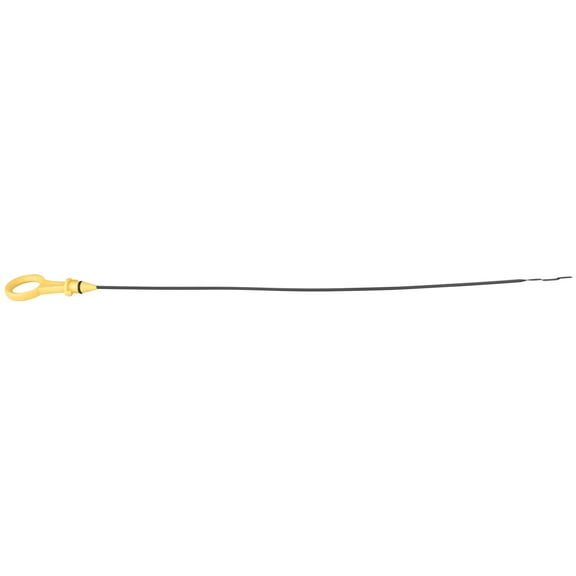
T-handle designs can give you a broader grip when your hands are slippery from maintenance work. Ring pull styles can feel familiar if your factory setup used a loop-shaped handle.
OEM style handles can make sense when you want a factory-look replacement for a daily driver or restoration. You should still verify the fitment details, since handle style alone doesn't confirm compatibility.
What to look for in an oil level indicator
You should check the reading marks because a clear oil level indicator helps you read fluid faster. You can compare etched, stamped, or high-contrast markings when you want easier visual reference.
Tube length and stop depth also matter because they affect where the dipstick seats in the tube. You need the blade to land at the intended point, or your reading may not match your vehicle's scale.
If you're comparing a replacement dipstick for a truck, SUV, or car, you should review the notes around engine size carefully. You may find that the same model year uses different lengths across multiple engines.
Using fitment details for real maintenance needs
You can simplify a weekend oil change when you choose a matched engine oil dipstick with the right length and markings. You can avoid second-guessing whether the add and full range lines belong to your engine.
If you're replacing a missing handle, you may want an OEM-style option that fits the original tube opening cleanly. You can keep your maintenance routine straightforward when the part seats and pulls like the factory design.
When you're working around tight headers, covers, or accessories, a flexible oil dipstick can be easier to route. You can also use flexible stainless steel options when a rigid blade feels awkward in a crowded engine bay.
If your project vehicle needs a transmission dipstick, you should confirm the fluid application and fitment details first. You can then compare handle style and material once the length and seating depth match.
For older vehicles, you may rely on OEM part number cross-reference to narrow your options faster. You can use that detail with year, make, model, and engine size for a more confident match.
You get accurate readings when your oil dipsticks match the exact application, length, and markings your vehicle requires. You can keep fluid checks simple when your replacement part fits cleanly and reads clearly.