


Find auto parts that fit
Let’s search for parts that fit your vehicle.Automobile Diagnostic Tools & OBD2 Car Code Readers

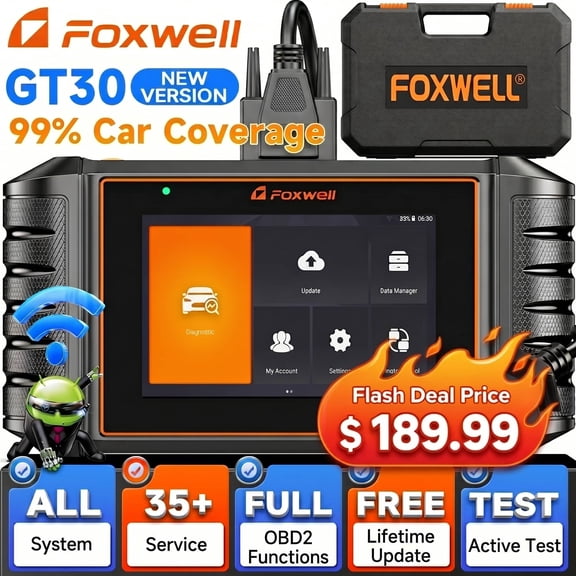
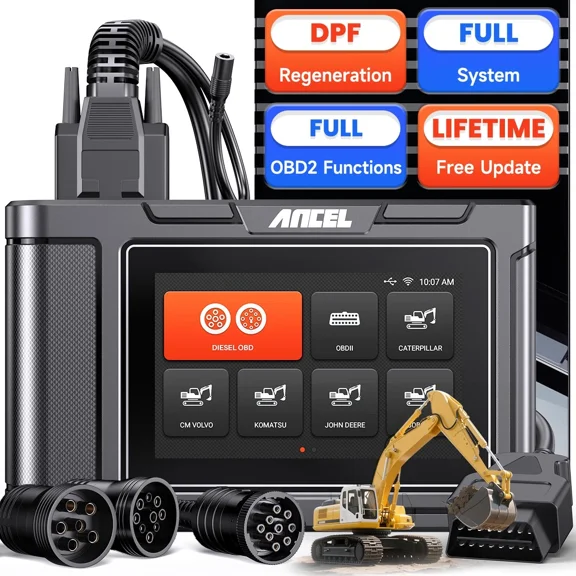
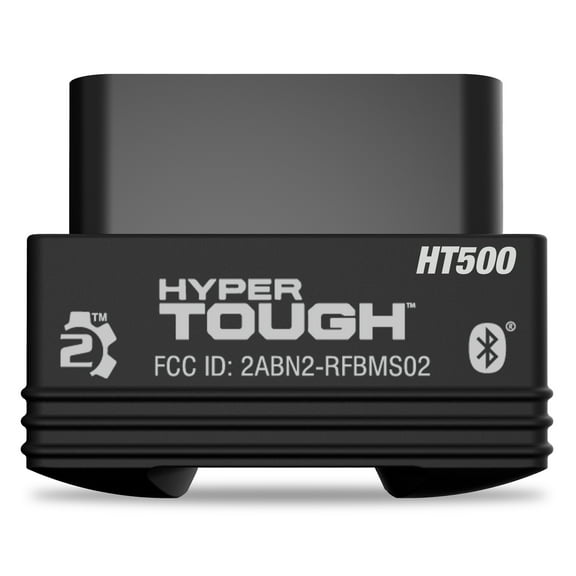


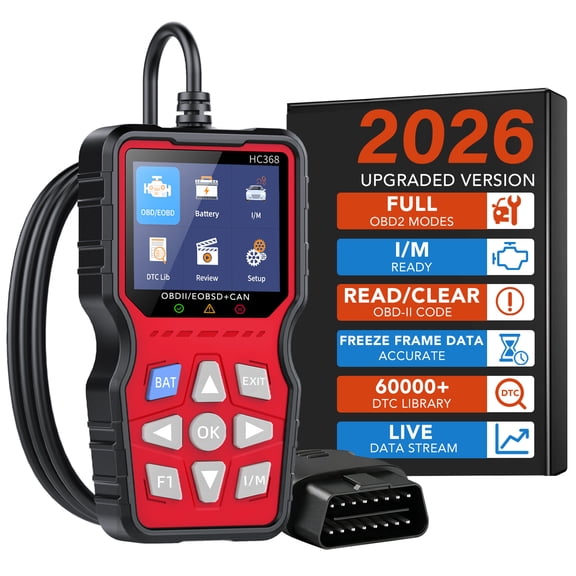












About Automobile Diagnostic Tools & OBD2 Car Code Readers - Walmart.com
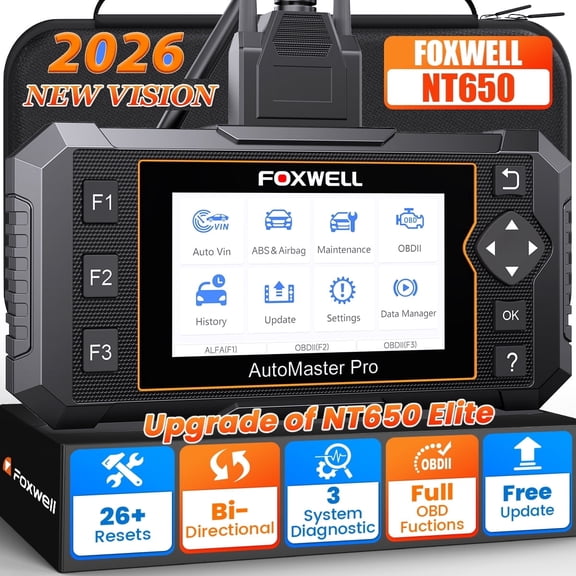
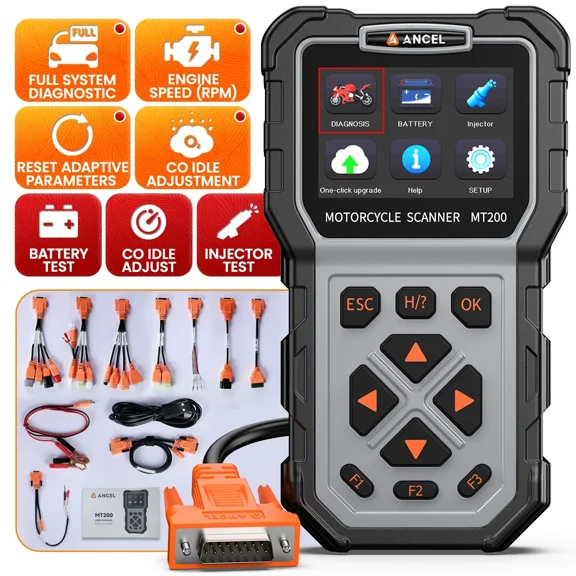
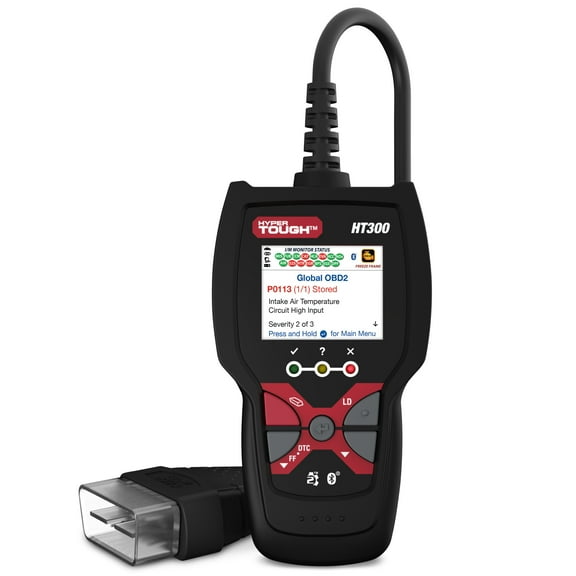
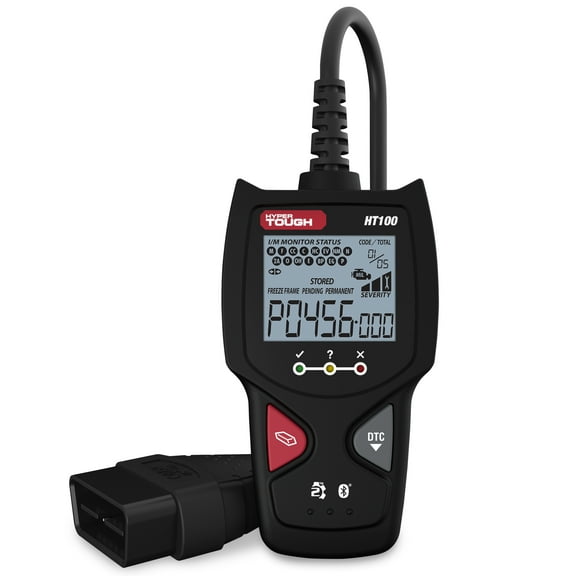
You can compare diagnostic test tools by compatibility, scan depth, and connection style before you start work on your vehicle. You can find category options for engine codes, battery checks, and electrical troubleshooting in home garages and shop bays.
How to choose diagnostic test tools for your vehicle
You should start with compatibility, because your tool needs to match your vehicle’s system before other features matter. You can check OBD2 protocol coverage, make and model support, and whether your vehicle uses 12V or 24V power.
If you drive a newer car, you may focus on an obd2 scanner or car code readers. If you service older, mixed, or fleet vehicles, you may compare universal and brand-specific options more carefully.
You can narrow your choice quickly by matching the tool type to the task you handle frequently. You may want an engine light code reader for quick checks, or you may need battery load tester options for charging systems.
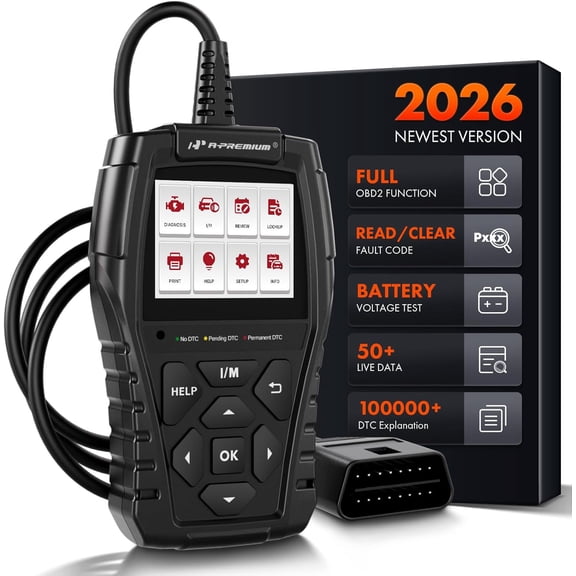
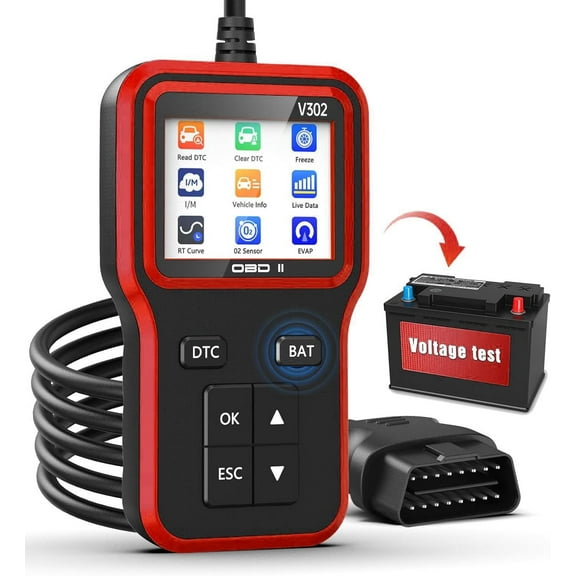
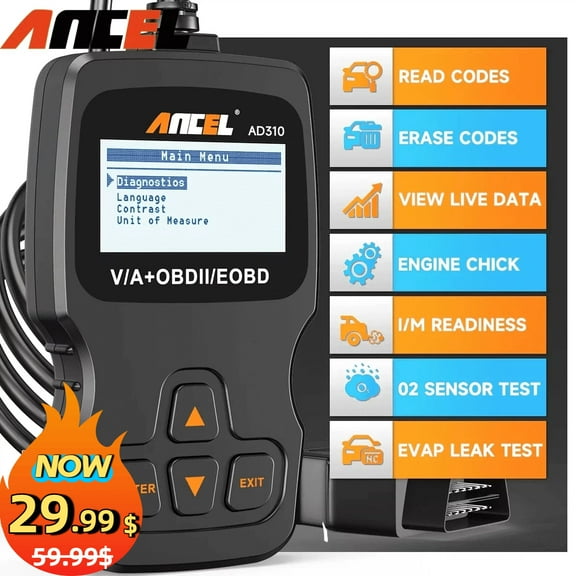
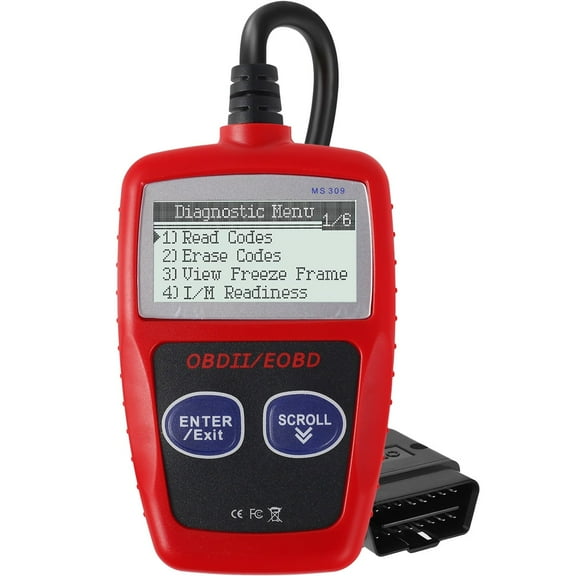
- You can use OBD2 scanners to read and clear fault codes from compatible vehicles.
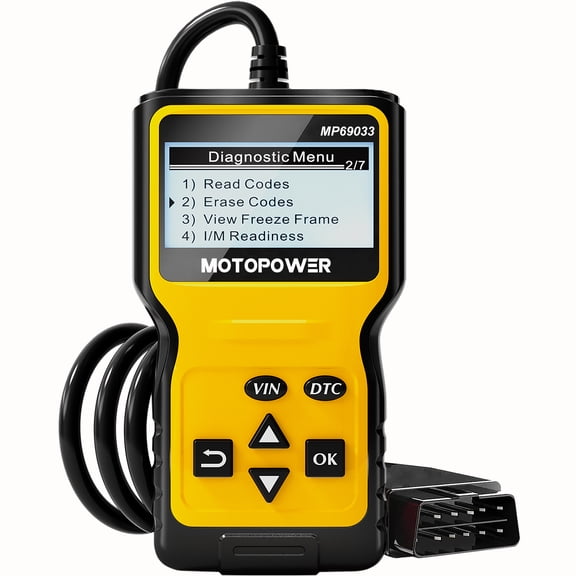
- You can use code readers when you want simple menus and quick engine light checks.
- You can use battery testers to review charging output and starting system condition.
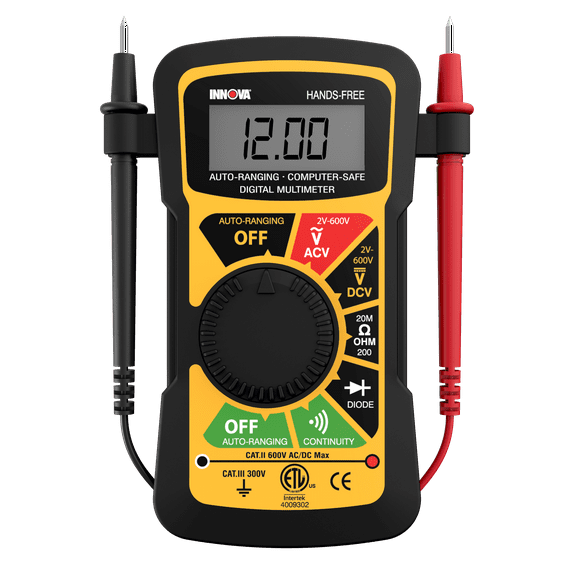
- You can use multimeters when you need voltage, continuity, and circuit checks.
- You can use circuit testers when you want quick confirmation of power at fuses, switches, and connectors.
Choosing between car diagnostic tools by function
You should compare what each tool lets you do after it connects to the vehicle. You may only need basic code reading, or you may want live data, reset functions, and emissions readiness status.
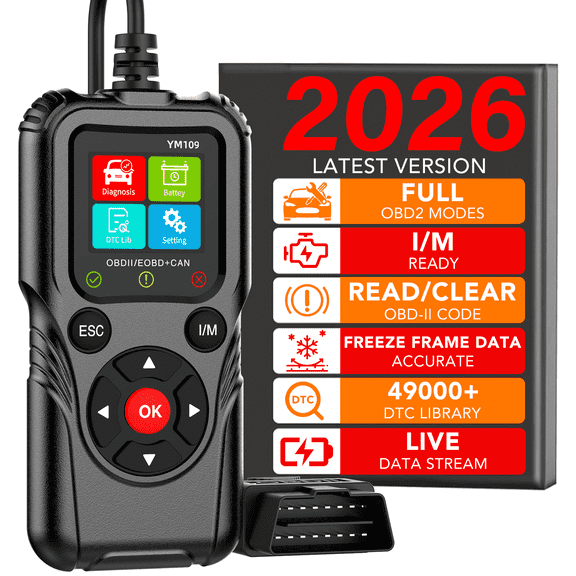
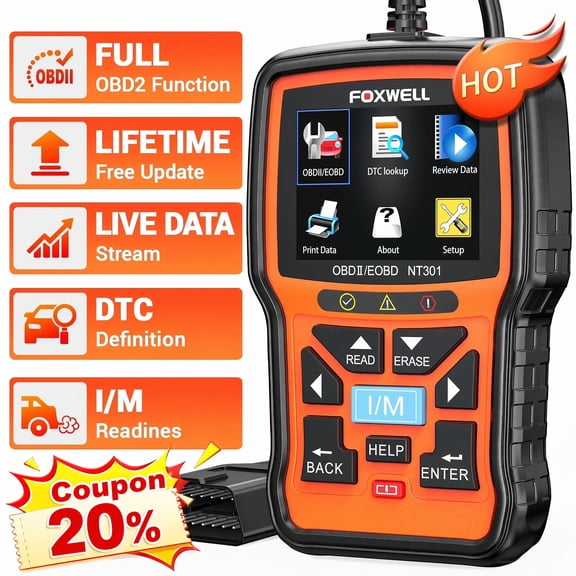
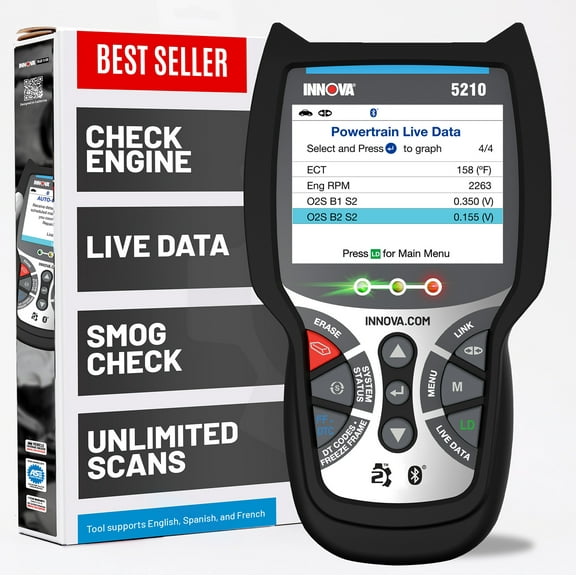
If you want quick answers, basic car diagnostic tools can read and clear codes in a few steps. If you want detailed information, you can track live data streams like sensor activity while the engine runs.
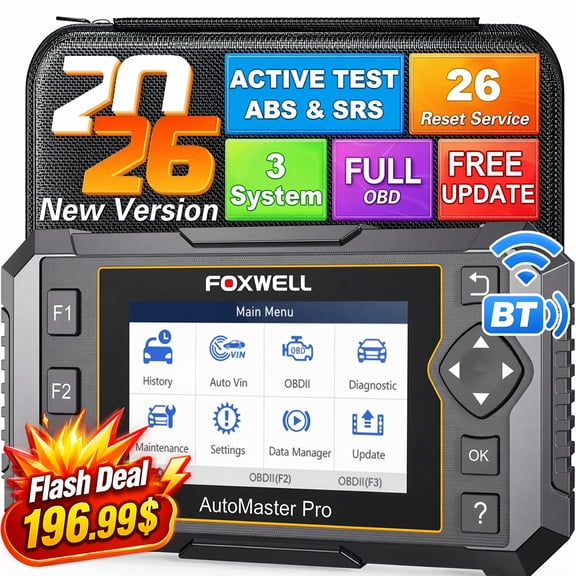
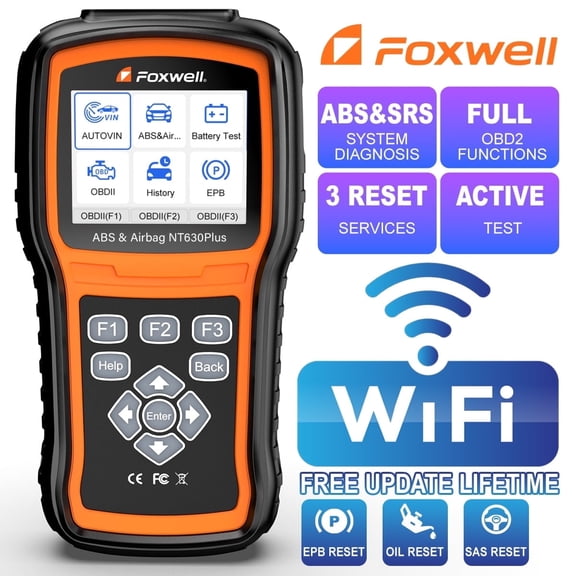
You may also look for ABS and SRS reset support when you service braking or restraint system components. You can check emissions readiness monitors before inspection, which helps you confirm drive-cycle progress.
Battery health features matter when your vehicle has starting or charging questions during routine maintenance. You can compare battery testers that review voltage, cranking behavior, and charging output in one workflow.
What to look for in car diagnostic tools connectivity
You can choose handheld units if you want a self-contained screen and physical buttons in the garage. You may prefer a wired setup when you want direct plug-in use without pairing steps.
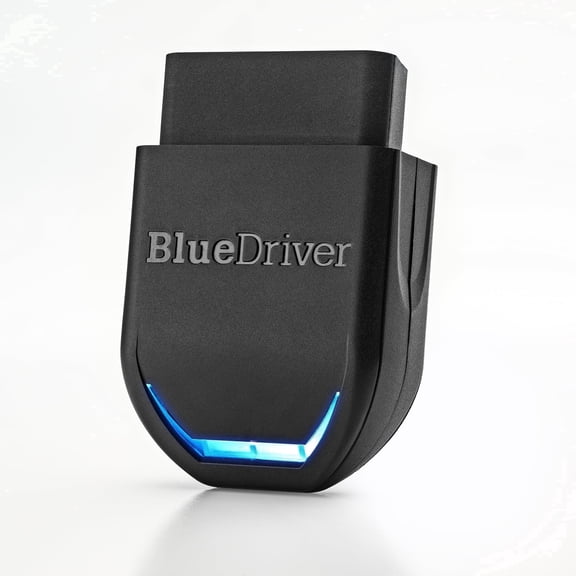
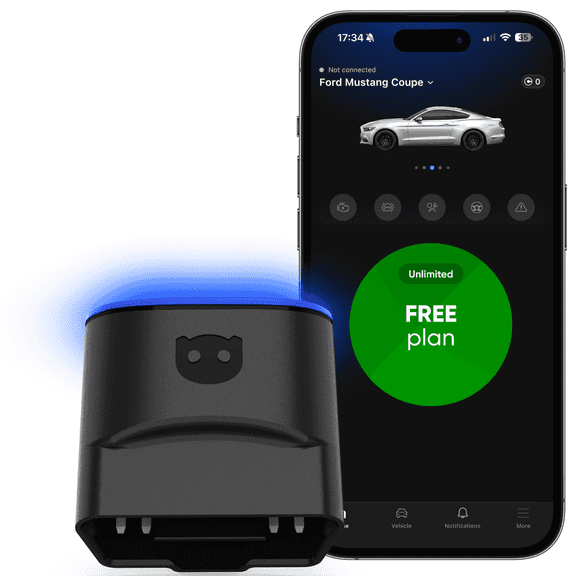
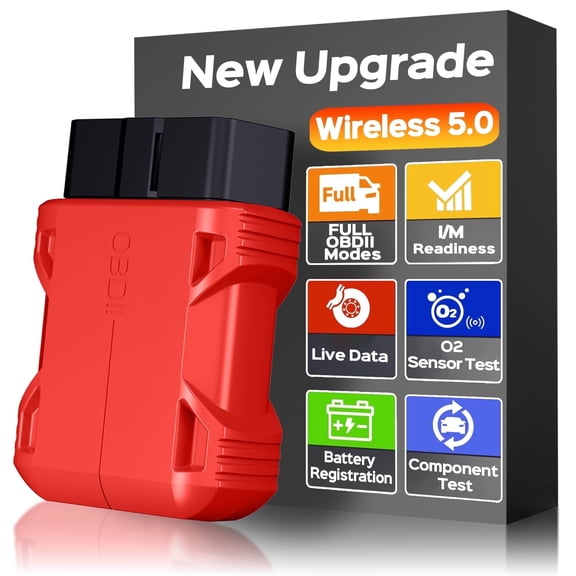
Bluetooth and wireless automotive diagnostic scanners work well when you like using your phone for menus and reports. You can keep results in an app, review data later, and move easily between compatible vehicles.
App-compatible options can feel convenient if you already use your phone during maintenance tasks. You should check operating system support, update access, and whether the app shows live gauges clearly.
Screen size also shapes daily use, especially when you’re reading codes in dim garages or tight parking spaces. You may want a color screen, simple hotkeys, and clear menu labels that speed each test.
Matching diagnostic test tools to your skill level
You can shop by user level so the tool fits your experience instead of slowing you down. If you’re new to scanning, you may prefer guided prompts and plain-language menus.
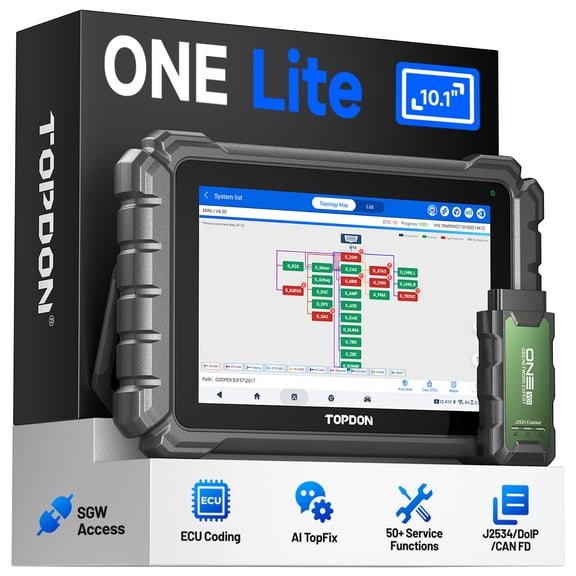
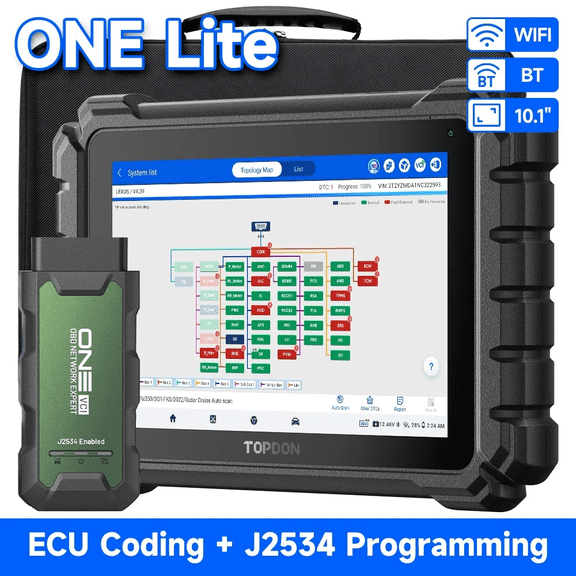
Intermediate users may want more data views, graphing, and access to system-specific functions. Professional mechanics often compare broader vehicle coverage, efficient navigation, and reset functions used across many service jobs.
You should also think about how often you’ll use the tool during the month. If you only check occasional warning lights, simple car code readers may cover your needs without added complexity.
If you diagnose several vehicles, broader automotive diagnostic scanners can support repeat use and quick verification. You can move from code checks to live data and battery testing with fewer extra steps.
Using diagnostic test tools in real garage scenarios
You can use an obd2 scanner when a dashboard warning light appears and you want a starting point quickly. You can see whether the system stores the issue as a code and whether clearing it is available.
If your vehicle cranks slowly, you may reach for a battery load tester before replacing parts. You can review battery condition and charging behavior, then decide your next maintenance step with more confidence.
When a fuse, light, or accessory stops working, you can pair a multimeter or circuit tester with visual inspection. You can confirm power and continuity at key points without guessing through the electrical path.
You may also want a tool that checks emissions readiness before registration or inspection appointments. You can confirm monitor status on compatible vehicles and avoid repeat trips that incomplete drive cycles cause.
For multi-vehicle households, you should compare universal coverage and app-based convenience carefully. You can keep one compact scanner in the glove box, or you can choose a larger handheld unit for garage use.
You can get the full benefit from diagnostic test tools when you match compatibility, function, and connection style to your maintenance routine. You can make confident decisions, verify common vehicle issues, and keep your troubleshooting process organized.
Popular in Automobile Diagnostic Tools & OBD2 Car Code Readers - Walmart.com
- Fowler Automotive Diagnostic Tools
- Electronic Specialties Automotive Diagnostic Tools
- Actron Auto Repair Tools
- Rollback in Automotive Diagnostic Tools
- Diagnostic Test Pc
- Car Diagnostic Tools
- Reduced Price in Automotive Diagnostic Tools
- Obdii Pin
- Br Code Reader
- Cat Et Diagnostic Tool
- Heavy Duty Code Reader
- Autolink Code Reader