

Car Cleaning Putty in Car Interior Cleaners














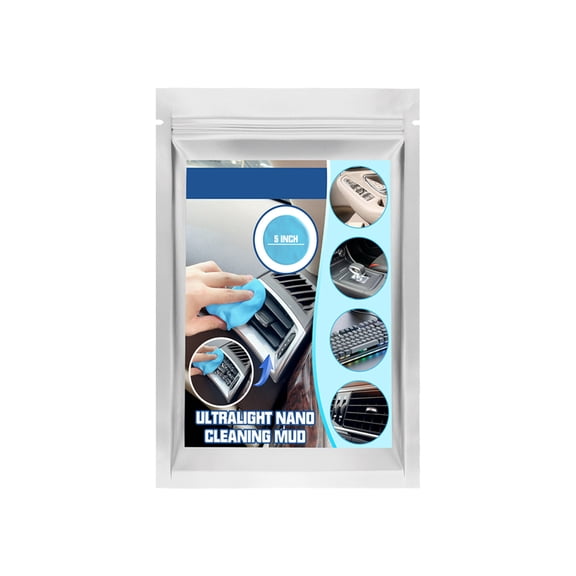
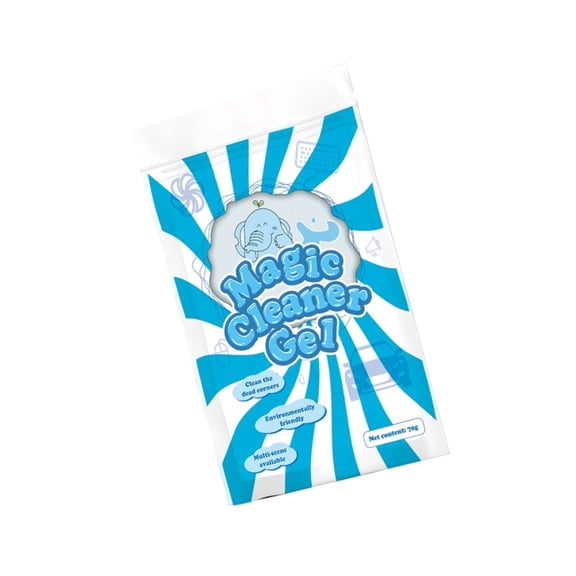


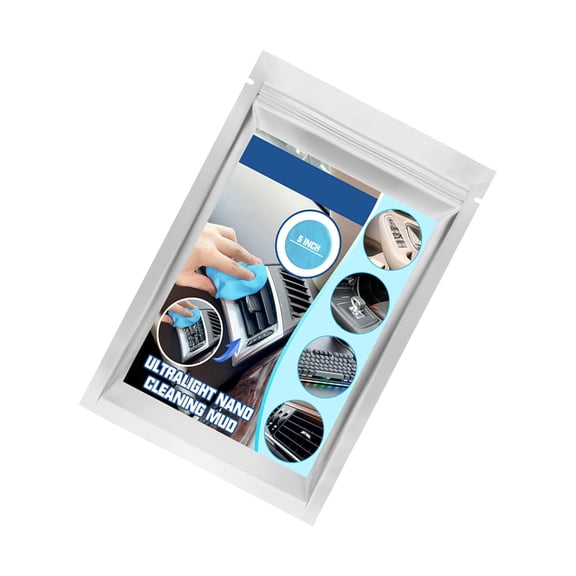


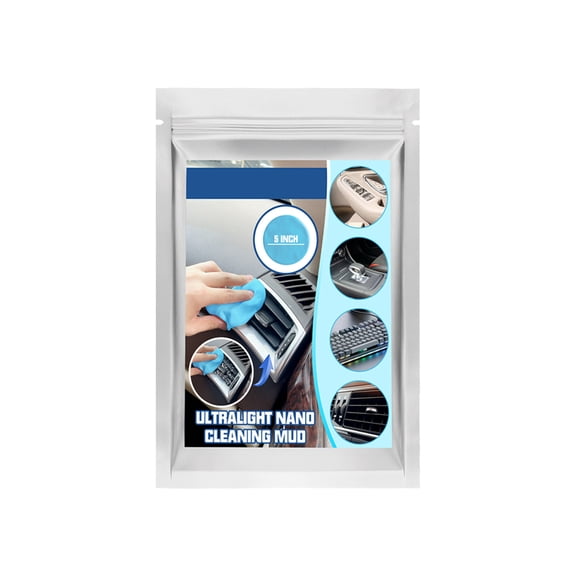
About Car Cleaning Putty in Car Interior Cleaners - Walmart.com
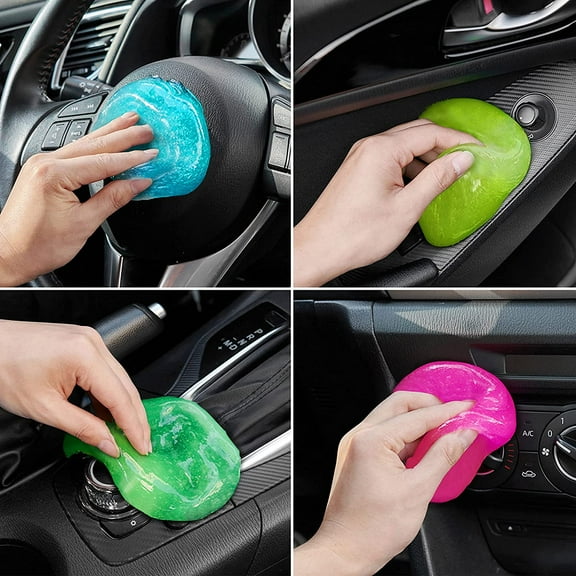
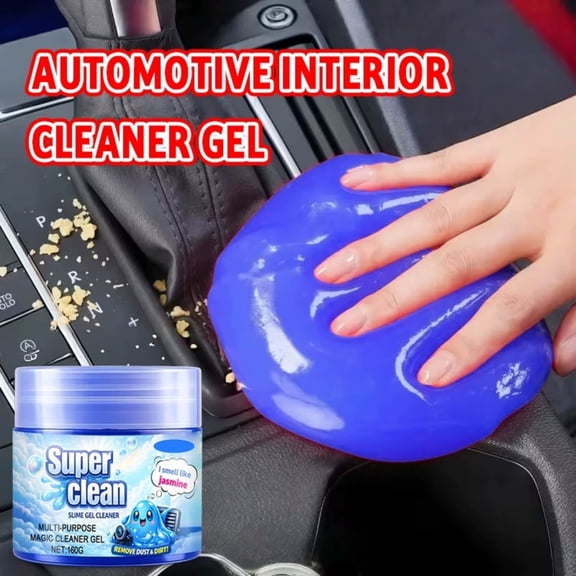
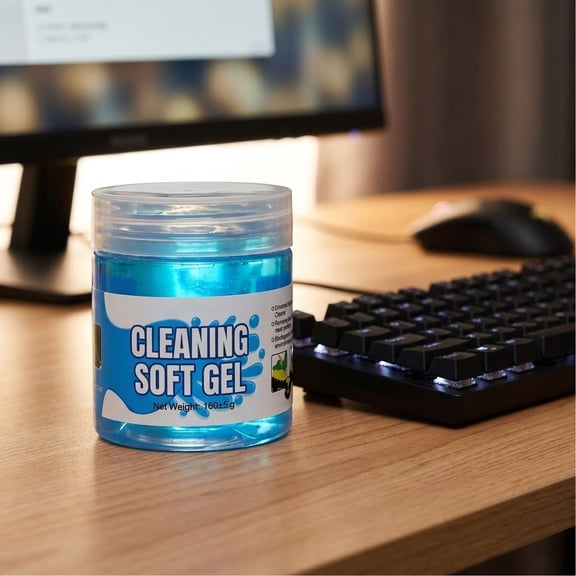
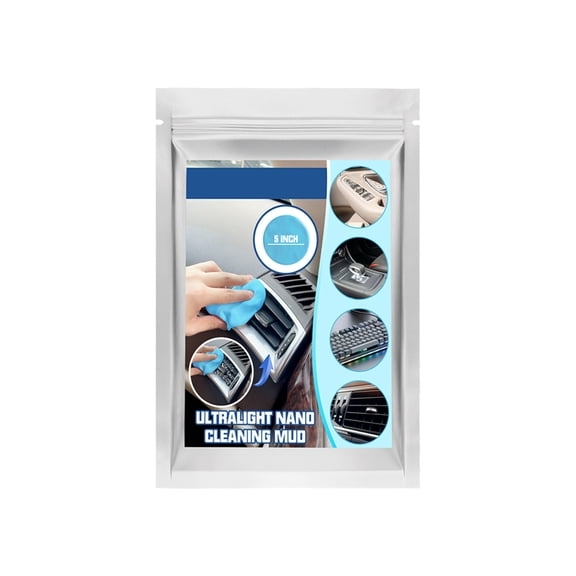
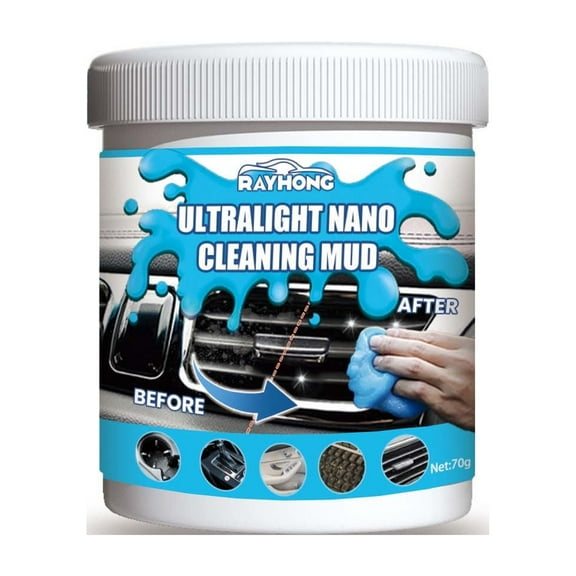
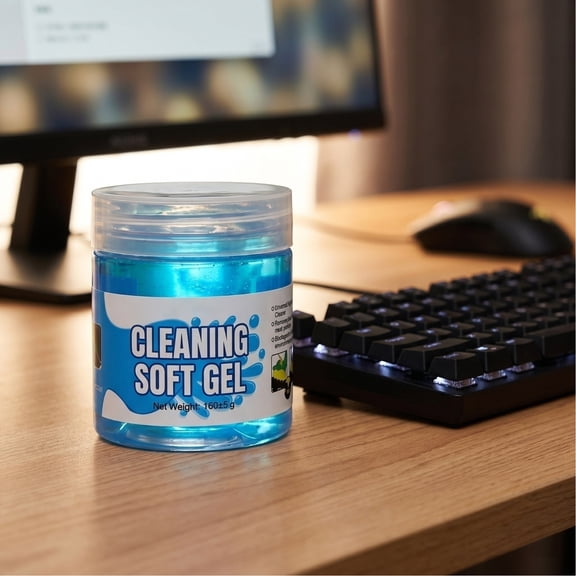
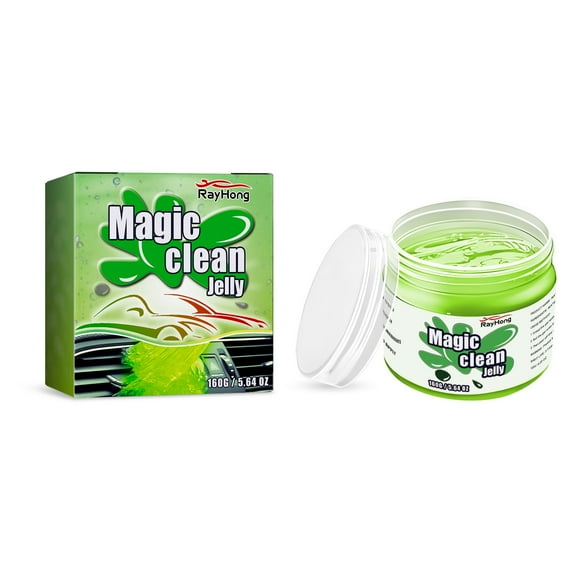
You can use putty cleaner for car interiors to lift dust from vents, seams, and buttons without bulky tools. You also get a simple detailing option for textured dashboards, consoles, and door handle pockets.
If you’re comparing gel, putty, and detailing clay, you should focus on interior crevice cleaning first. You can use this guide to match texture, surface, and reuse cues to your routine.
Choosing the right putty cleaner for car use
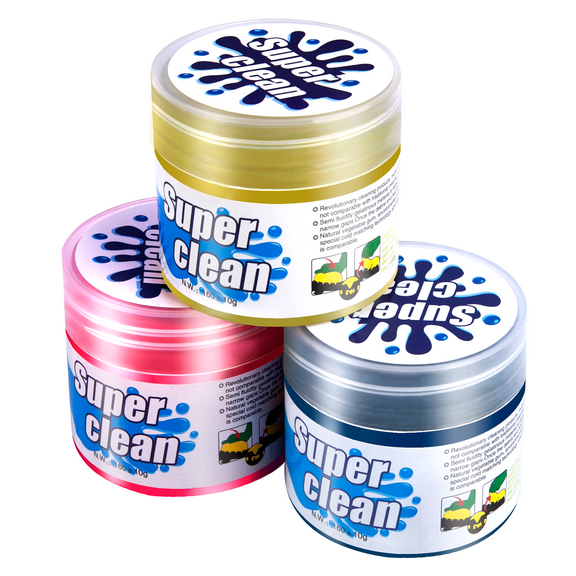
When you compare form and texture, you should start with gel, putty, and detailing clay. You may want car cleaning putty or car cleaning gel putty for interior crevices, while detailing clay targets exterior surface prep.
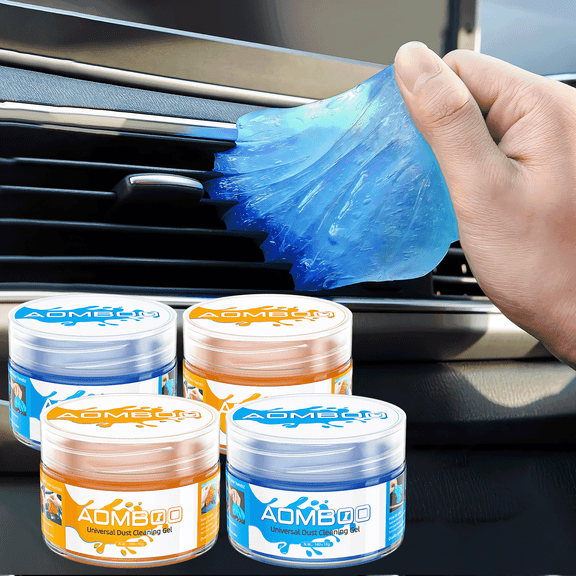
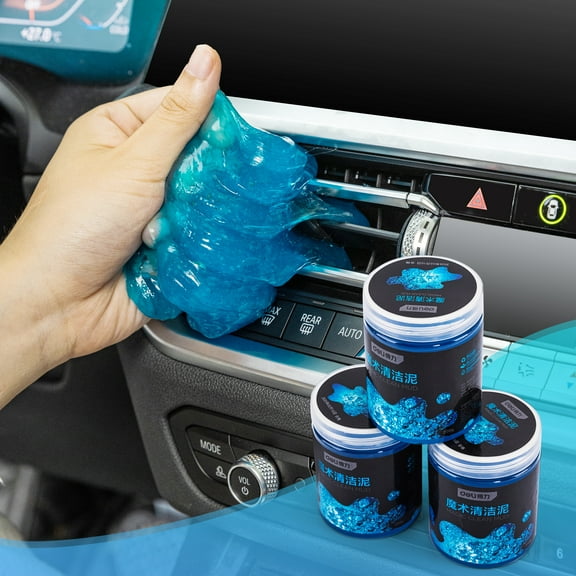
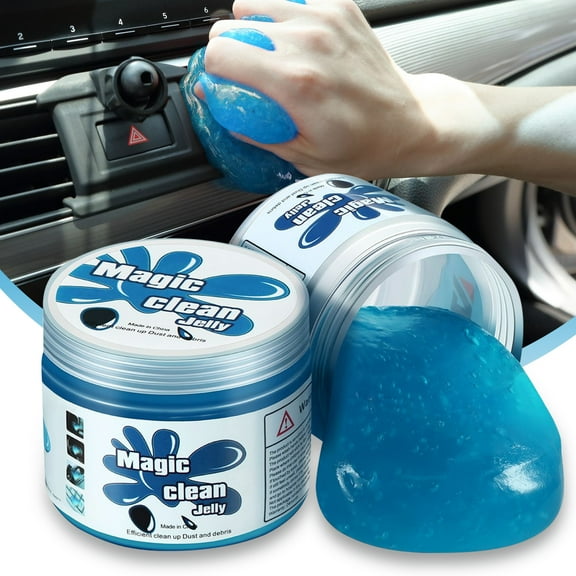
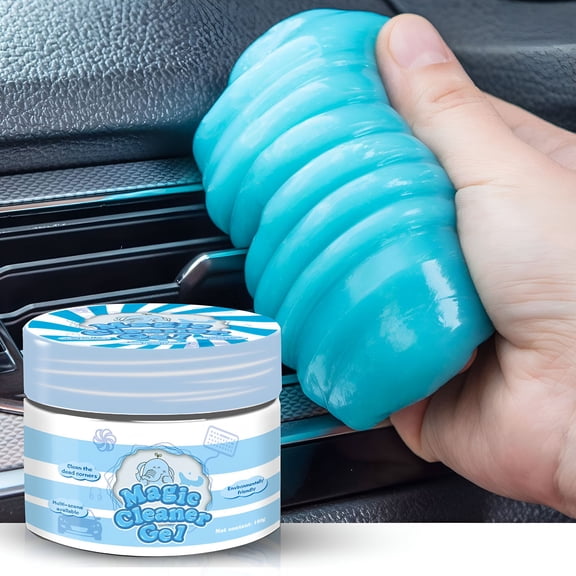
If you’re focusing on vents and dashboard edges, you should look for a soft, moldable texture. You can notice that flexible car putty reaches narrow fins and switch gaps more easily than wipes alone.
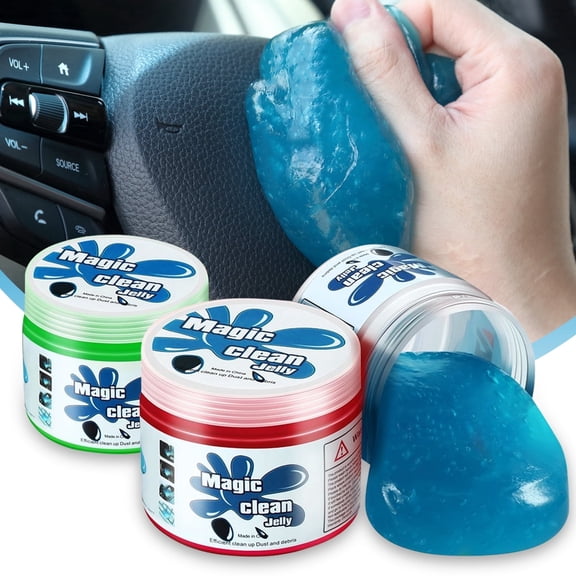
For broad interior touchups, you may prefer a car putty cleaner that presses into cup holder seams and console corners. You should check that the texture lifts debris cleanly instead of smearing it across smooth trim.
What to look for in car cleaning putty
You should compare application areas before you choose a formula or texture. You may need dashboard putty for textured plastics, or you may need a softer option for air vents.
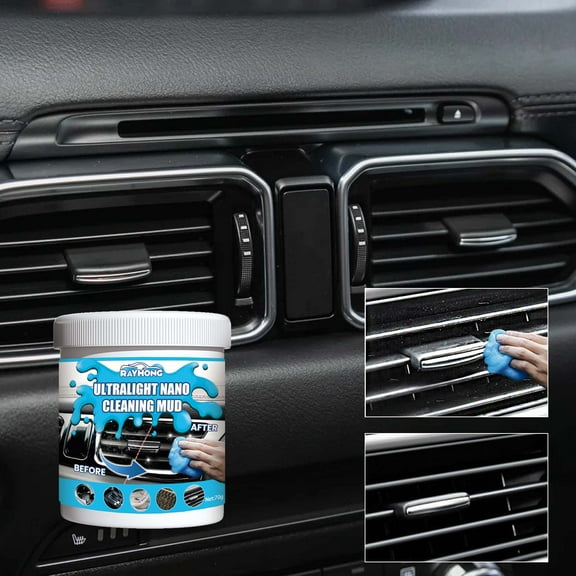
- You can press putty into vent slats to lift dust from narrow channels.
- You can clean around shifter trim, knobs, and buttons without chasing crumbs deeper.
- You can reach door handle pockets and console seams where cloths often miss debris.
- You can keep textured dashboard surfaces tidier between full interior cleanups.
Surface compatibility matters when you clean around electronics, screens, and touch controls. You should look for a non-greasy feel, because you don’t want sticky residue left behind on glossy trim.
Texture also affects results on different materials inside your vehicle. You can often find that auto detailing putty grabs dust from textured plastic, while smooth screens need lighter contact.
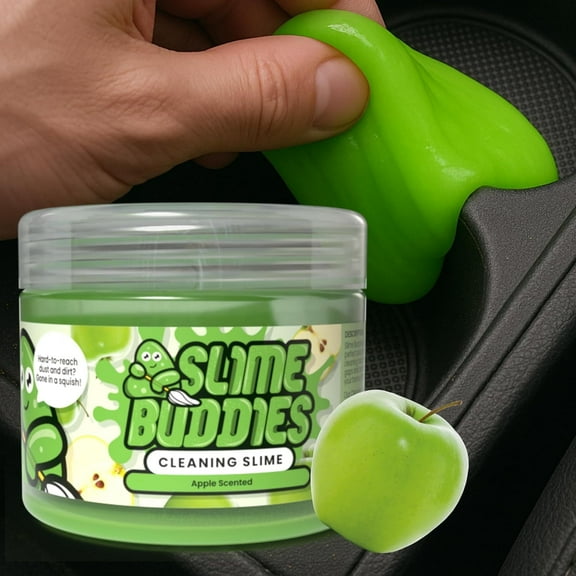
Scent can shape your experience during quick cleanups in a closed cabin. You may prefer a mild option if you clean often, especially around dashboards, vents, and center consoles.
How to compare car putty, gel, and detailing clay
You should separate interior cleaning tasks from exterior paint prep before you choose. You’ll usually use car cleaning putty for cabin dust, while detailing clay targets bonded residue on painted surfaces.
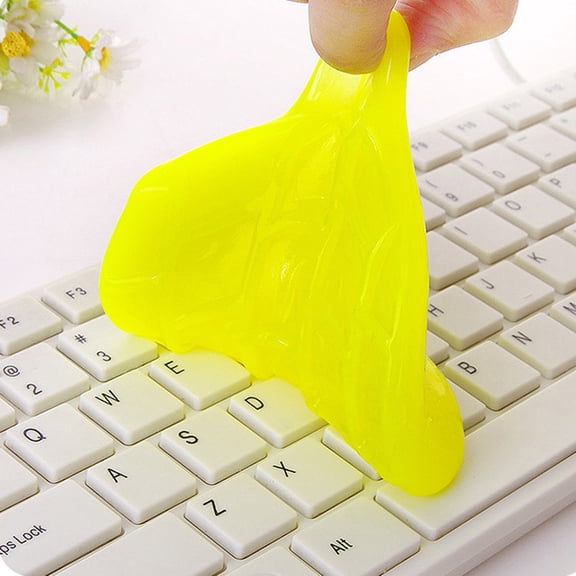
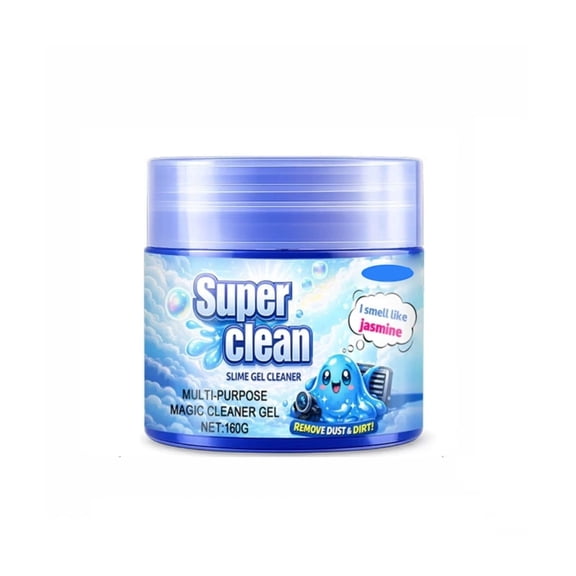
Gel textures often feel softer and more spreadable when you press them into vent fins. Putty textures may give you more control when you’re cleaning console edges, emblem recesses, and dashboard seams.
If you’re deciding between reusable and multi-use options, you should check how the material holds together after repeated kneading. You may want a piece that stays cohesive while picking up lint, crumbs, and fine dust.
You should also compare how the product signals when it’s time to discard it. Some options use a color-changing indicator, so you can stop when the putty turns dark gray.
How to use auto detailing putty safely
You should start with a dry surface, because moisture can change how the putty picks up dust. You can press gently into air vents, dashboard grain, and console gaps, then lift straight away.
For screens and glossy panels, you should use lighter pressure and smaller pieces. You may want to avoid aggressive rubbing, because your goal is controlled pickup instead of broad wiping.
If you’re cleaning around buttons or charging ports, you should shape the putty into a small point. You can target seams and edges without pushing debris farther into tight openings.
After each pass, you should knead the material to expose a cleaner surface. This helps keep pickup more consistent when you fold trapped dust inward before the next section.
You should stop using reusable putty once it looks heavily darkened or loses its clean, elastic feel. You can treat that color shift as a simple sign that the material reached the end of use.
Matching car cleaning putty to your routine
If you handle light dusting between washes, you may want a compact gel or putty for weekly touchups. You can quickly freshen vents, cup holder edges, and dashboard stitching lines before debris builds up.
When you’re doing deep detailing, you should pair putty with microfiber towels and interior cleaners. You can lift debris from crevices first, then wipe surrounding trim for a more complete finish.
If your vehicle has heavily textured plastics, you should focus on a tacky but controlled feel. You can get more useful contact in grainy dashboard surfaces and molded door panels.
For family vehicles and daily commuters, you may need multi-use putty that handles snack crumbs and lint. You can work through console bins, seat-side trim, and door pulls with less fuss than bulky tools.
You should also consider related interior care items when you plan your kit. You can pair car putty with car wipes, interior car cleaners, and microfiber towels for more complete upkeep.
With the right texture, application area, and reuse cues, you can keep interior crevices noticeably cleaner. This provides a practical tool for vents, dashboards, and consoles during everyday detailing.