










Desk Mats in Desk Organization































About Desk Mats in Desk Organization - Walmart.com
Desk pads help you protect your workspace, smooth your writing area, and define your setup with clean coverage for work or home. You can compare materials, sizes, and surface feel to match how you type, write, and move your mouse each day.
How to choose desk pads for your workspace
You should start with the job your desk pad needs to do. You may want to guard wood or laminate, create smooth mouse glide, or keep papers from shifting.
Your layout also matters before you choose a desk blotter or mat. You should measure your keyboard, mouse, laptop, and writing space so your pad supports your full routine.
You can narrow your options quickly when you compare a few practical points first. You should look at material, size, protection level, and backing stability before you decide.
- You can protect desk surfaces from everyday scuffs, pen marks, and cup rings.
- You can create a smooth area for writing, tracking, and organizing papers.
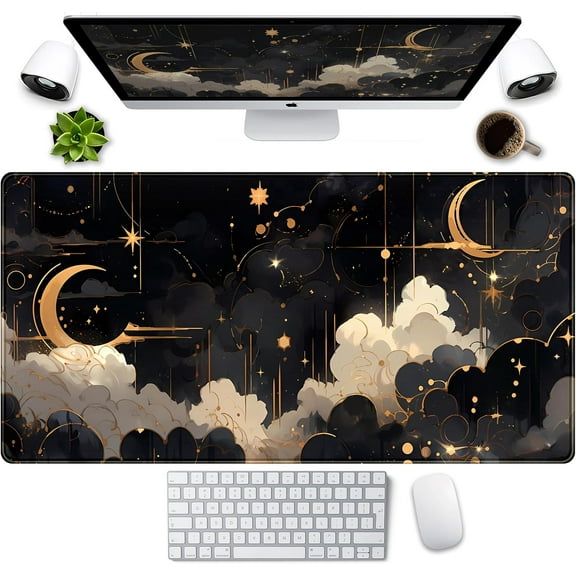
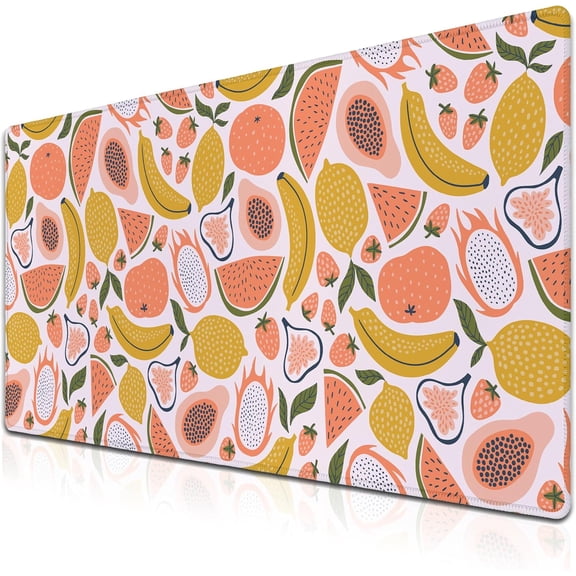
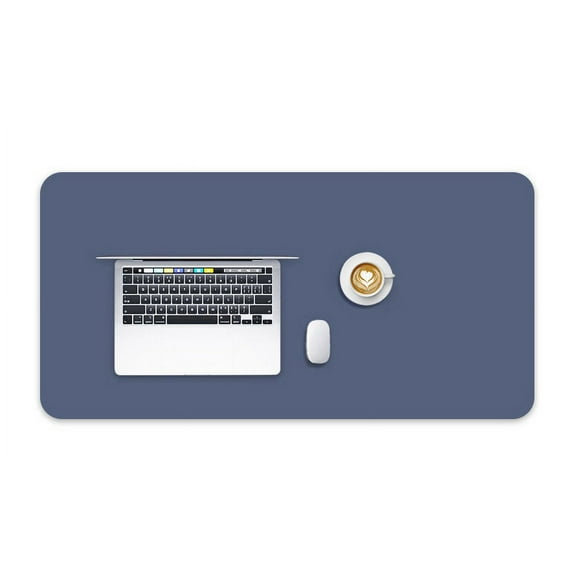
- You can choose a style that matches minimalist, textured, gaming, or dual-sided setups.
- You can pick coverage that fits compact desks or extended workstation layouts.
Choosing the right desk pad material
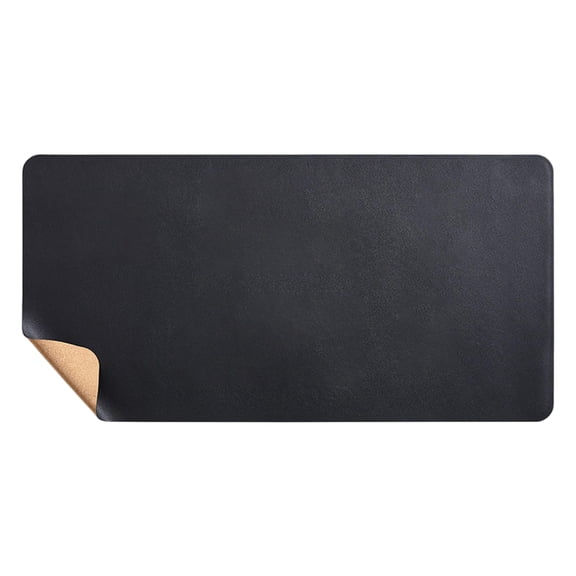
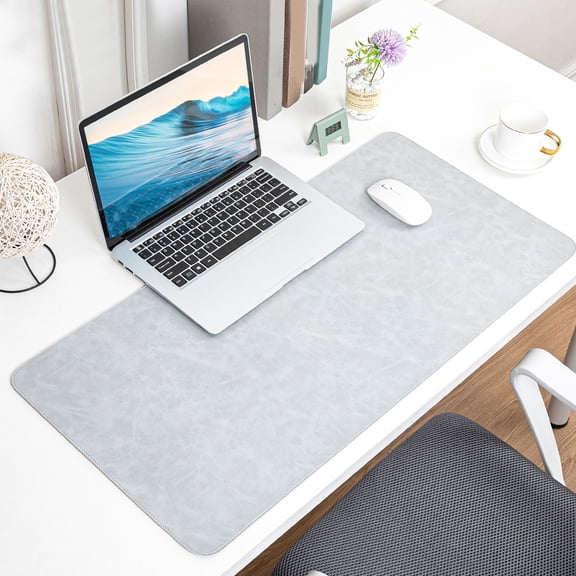
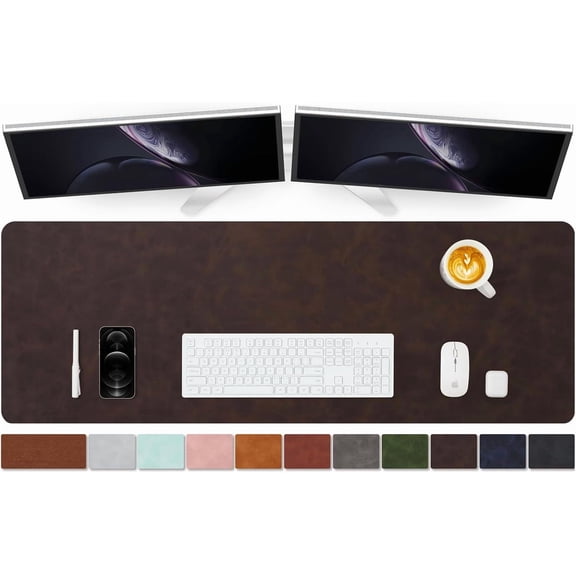
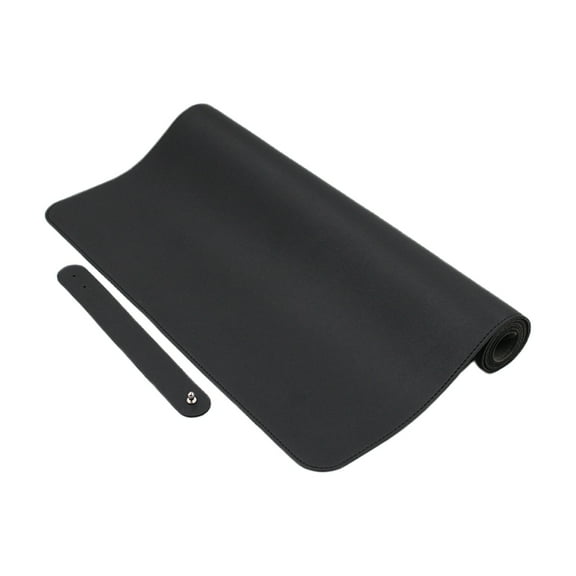
You should compare surface feel first because it changes how your workspace behaves. You may prefer a leather desk pad when you want a smooth wipe-clean finish.
You may notice felt gives your desk a soft, warm look. You should expect a felt desk pad to feel cozy under your wrists, though it may need careful cleaning.
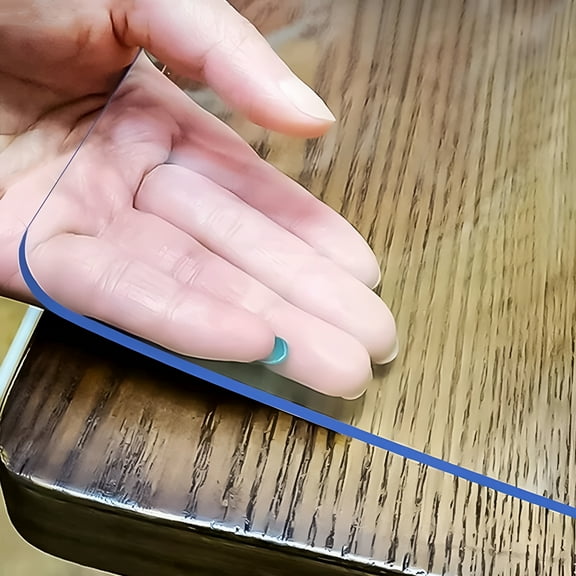
You can also consider cork when you want a natural texture with visual warmth. You may like clear PVC when your goal is a clear desk protector that shows the desk underneath.
Your material choice also affects how a mouse moves across the surface. You should check whether your pad can replace a mousepad, especially if you use low-sensitivity tracking.
Choosing the right size and large desk mat coverage
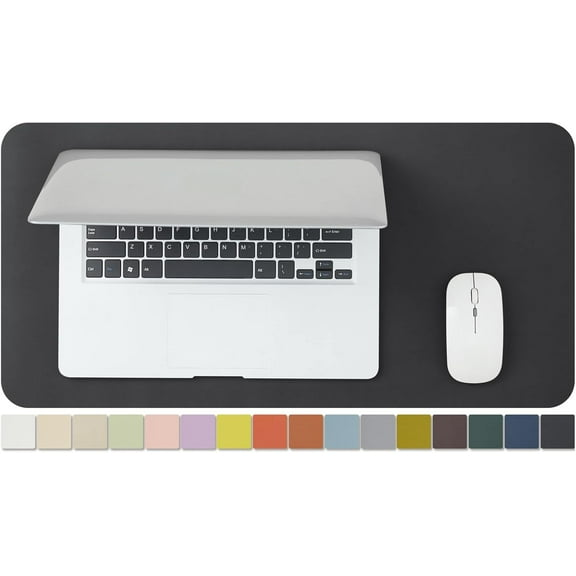
You should measure width and depth before you choose a size. You may need a small or medium option for writing, or a large desk mat for keyboard and mouse coverage.
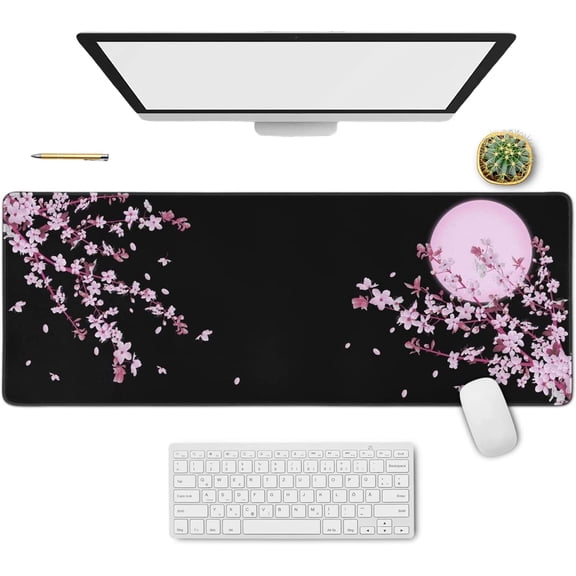
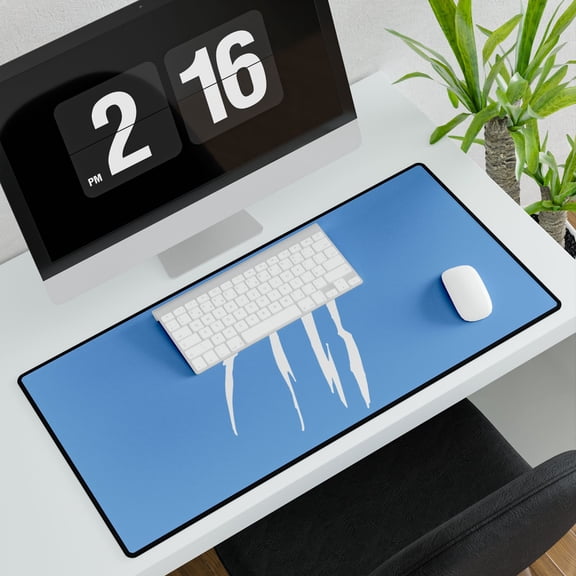
You may want extended sizing when your setup includes a full keyboard, mouse, and accessories. You can create a unified surface when your monitor stand or laptop stays above the pad.
Your writing habits should guide how much open area you leave. You should make sure your hand can move freely if you sign forms, take notes, or sketch often.
You can avoid crowded layouts when you compare pad size to desk edges. You should leave room for lamps, trays, and charging stands so your workspace still feels balanced.
Comparing protection levels and surface performance
You should think about what touches your desk during the day. You may want waterproof protection for drinks, scratch-resistant surfaces for tools, or heat-resistant coverage for warm mugs.
Your desk pad should also support both writing and computer use. You can look for a surface that feels steady under paper while still allowing smooth mouse movement.
You can also check the backing so your pad stays in place. You should compare non-slip bases if you type heavily or move your mouse quickly across the desk.
Your comfort can improve when the pad softens contact with a hard desktop. You may notice less friction under your wrists during longer sessions, especially on larger mats.
Matching style and use case to your setup
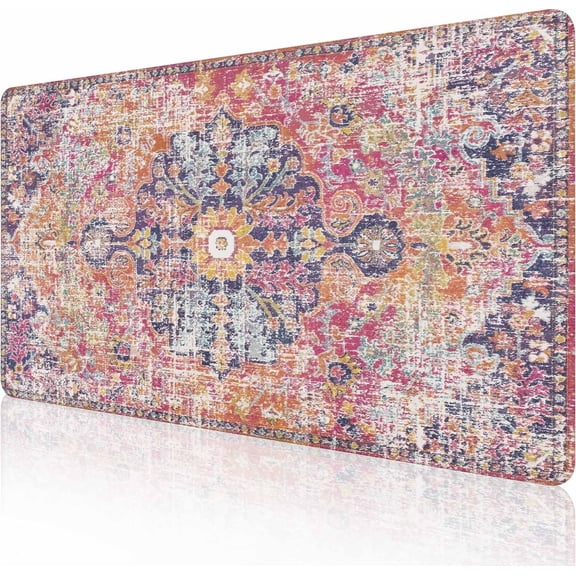
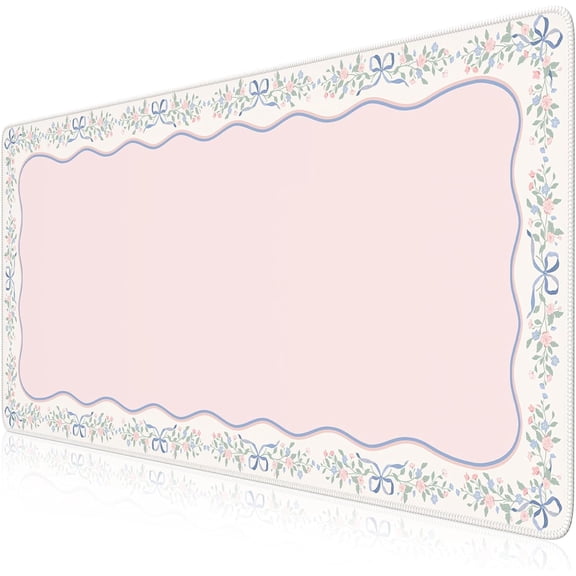
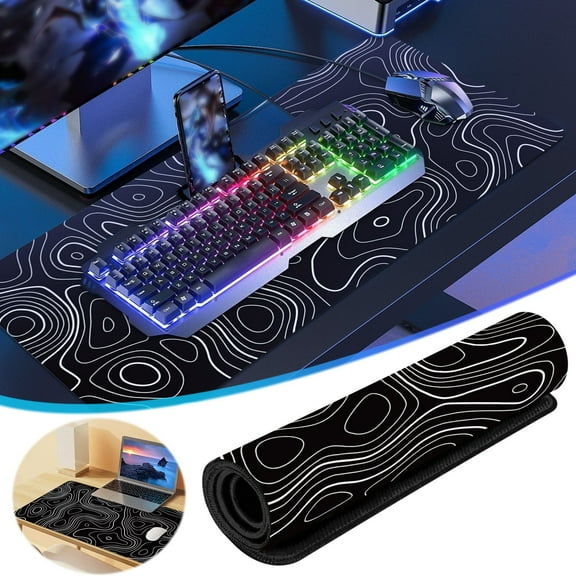
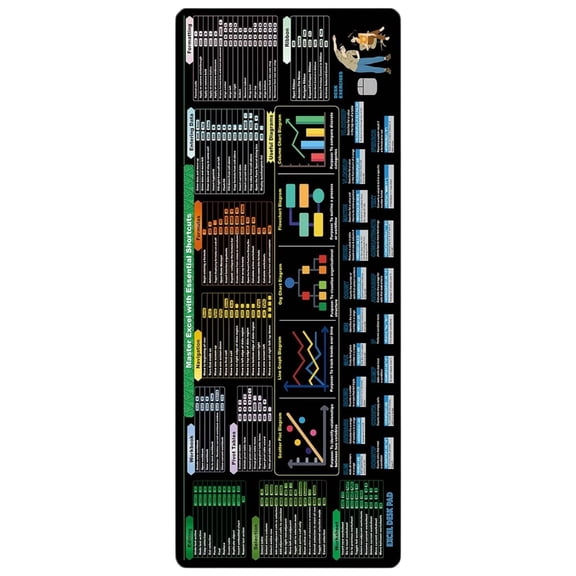
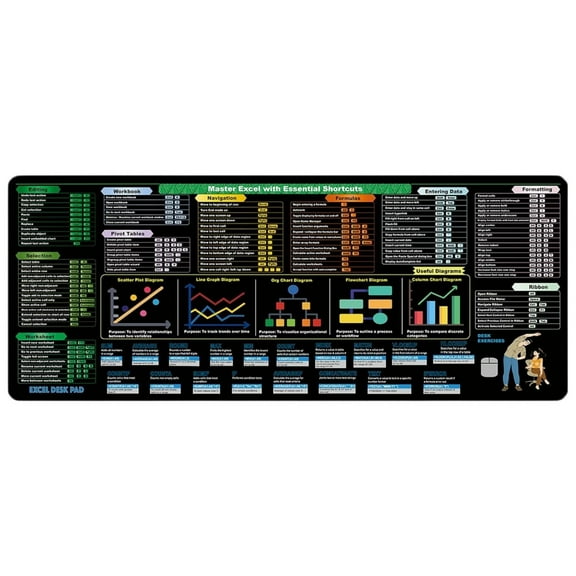
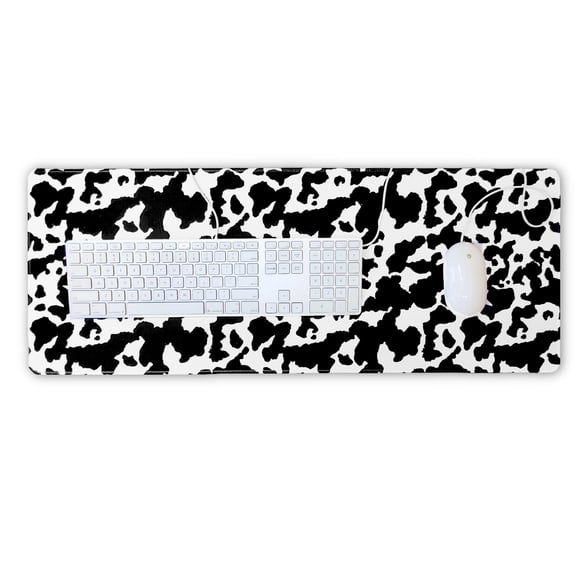
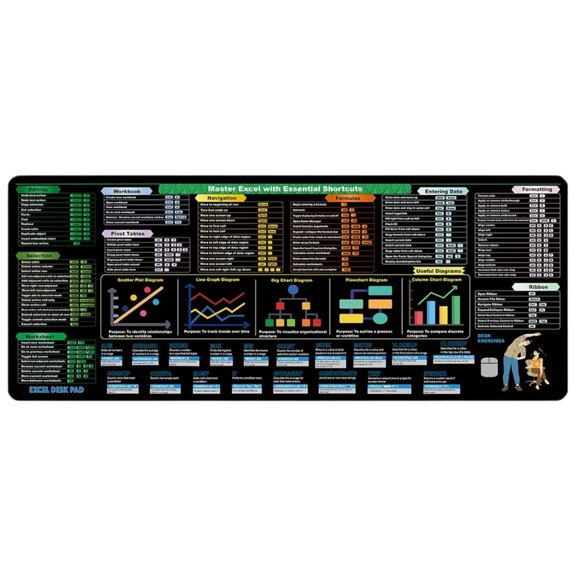
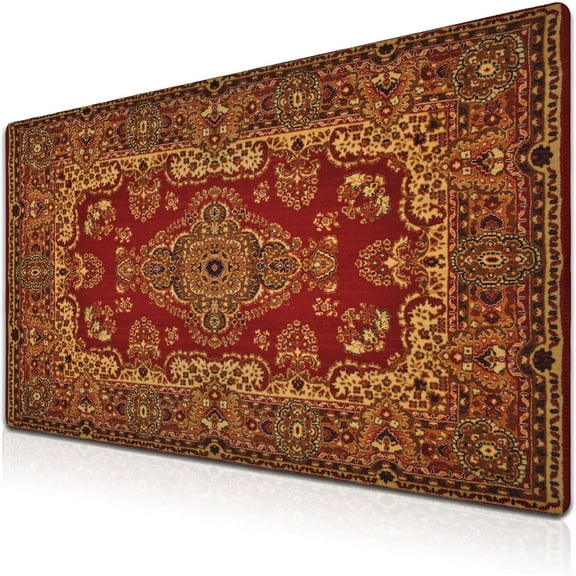
You should match the pad’s look to the rest of your room. You may prefer minimalist finishes for clean offices, textured surfaces for visual depth, or gaming styles for bold setups.
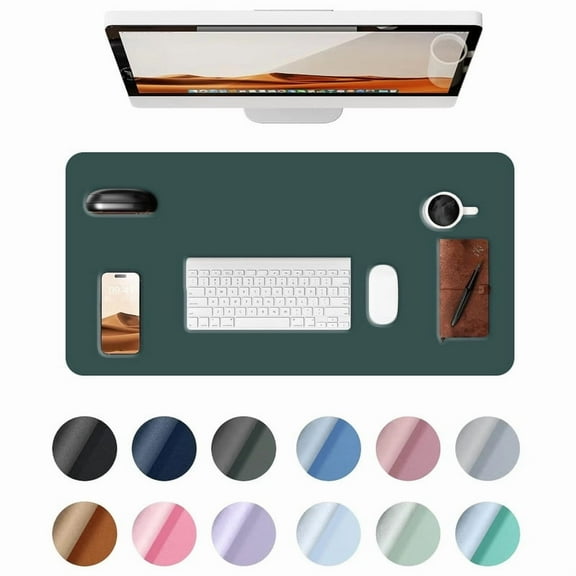
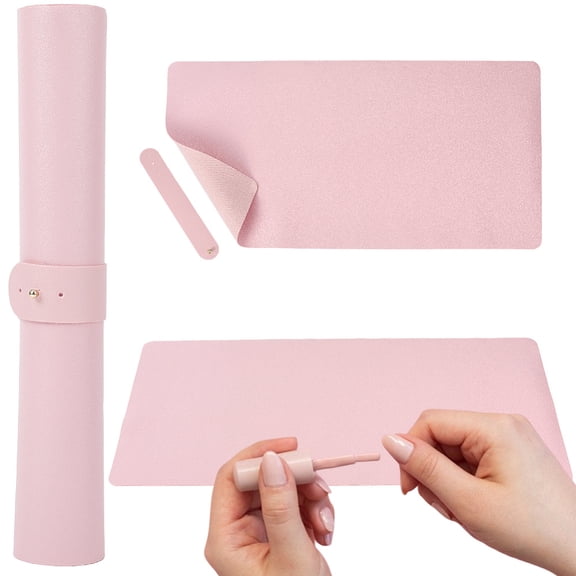
You can also compare dual-sided designs when you want two looks in one accessory. You should consider that option if you like changing colors or surface feel without replacing the pad.
Your daily routine can help you choose the right combination of features. You may want leather with extended coverage for a sleek home office, or felt in medium size for a warm writing desk.
You should consider clear styles when you want to display the desk surface or notes underneath. You can use a clear desk protector in study areas, reception desks, or shared family workspaces.
You may also want a desk blotter for paperwork, signatures, or planning pages. You can keep documents flat and create a defined writing zone that feels organized.
Your setup works efficiently when the surface matches how you move through the day. You can choose desk pads with the right material, size, and grip for a cleaner, steadier workspace.