



Deer Feeders & Game Feeders









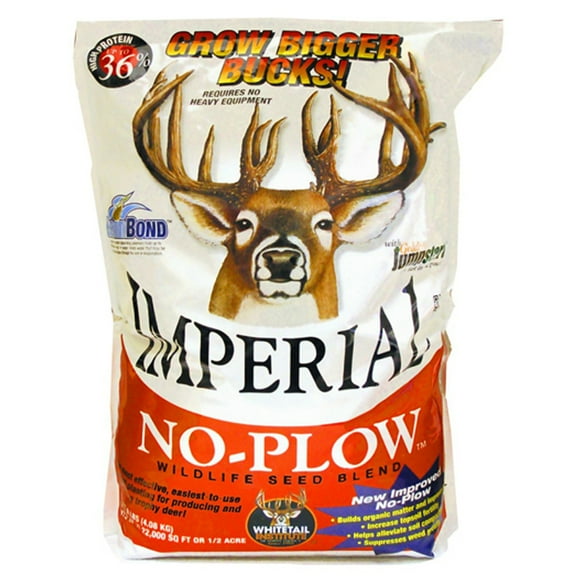
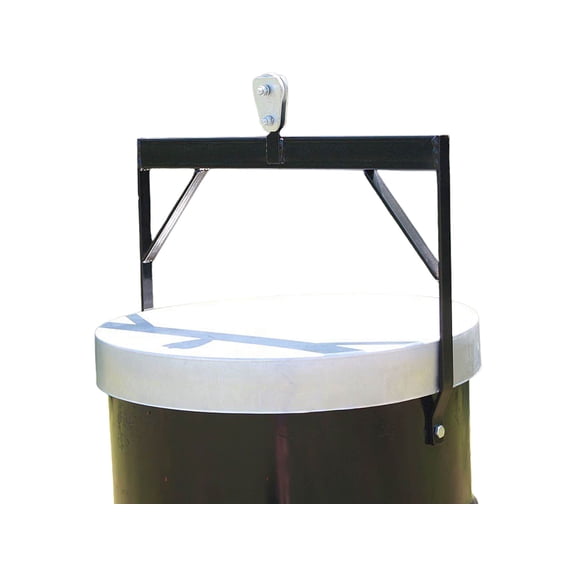


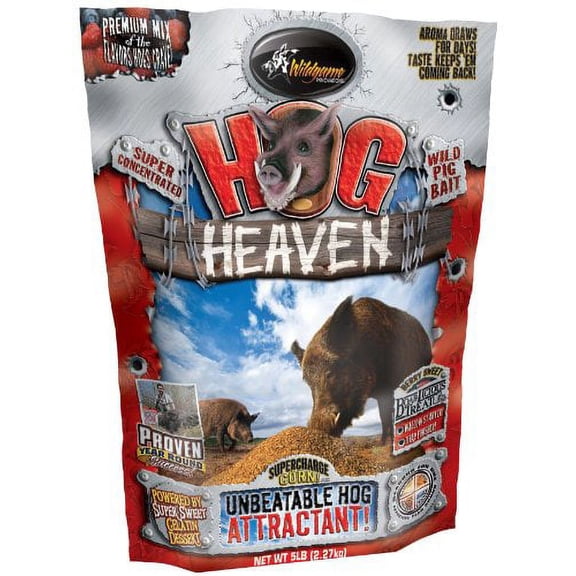


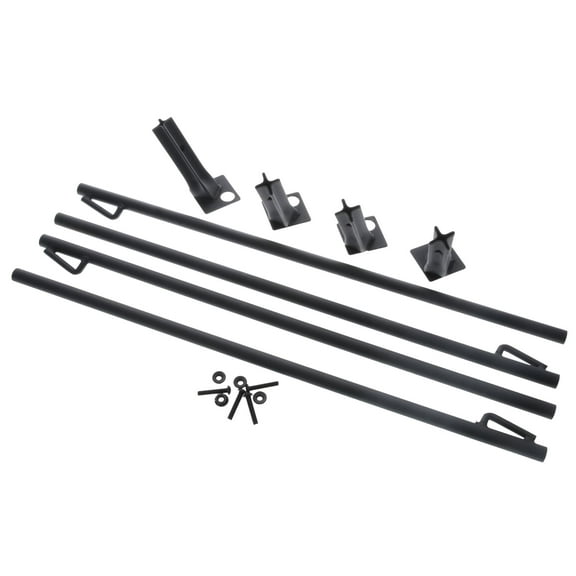




About Deer Feeders & Game Feeders - Walmart.com
Deer feeders help you manage feeding patterns, reduce refill trips, and choose setups that fit your land and hunting season. You can compare feeder types, capacities, mounting styles, and power options in one place for a more informed purchase.
How to choose deer feeders by feeder type
You should start with feeder type because it shapes how feed drops and how often you need to check it. You can compare gravity deer feeders, automatic deer feeders, spin cast models, and trough designs by how you plan to use corn or pellets.
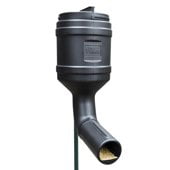
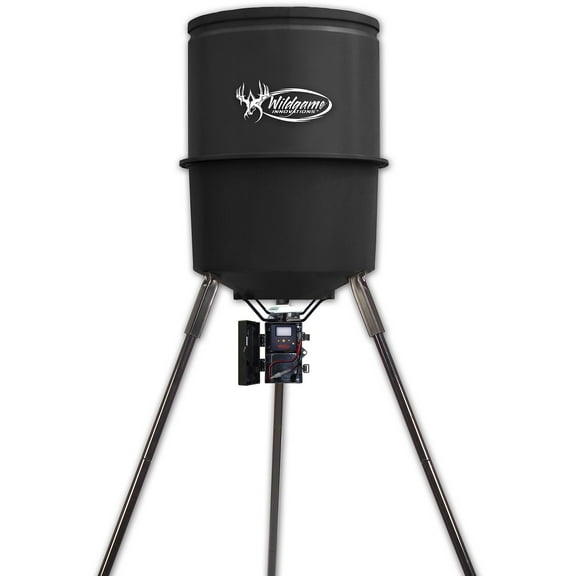
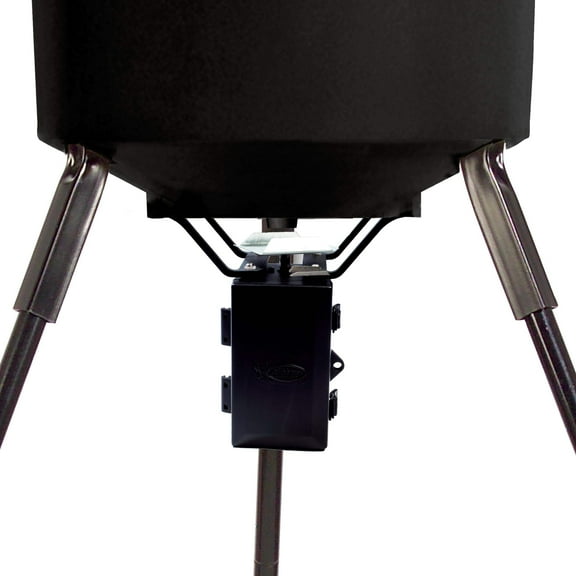
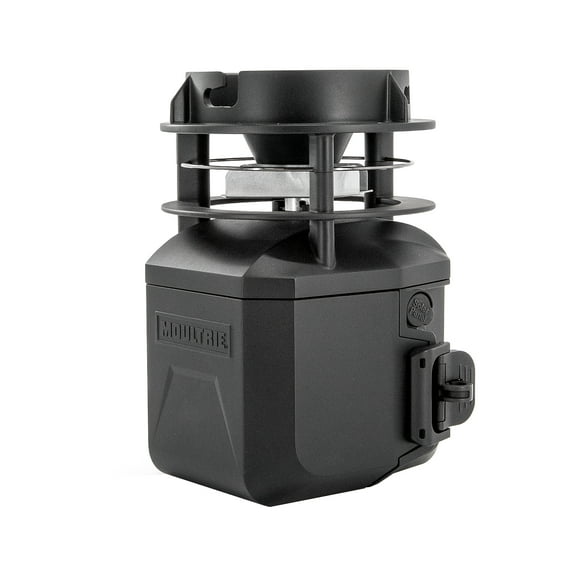
With gravity models, you let feed flow as animals eat, which keeps the setup simple and manual. With automatic units, you use timed dispensing to place feed at set intervals and support more controlled patterns.
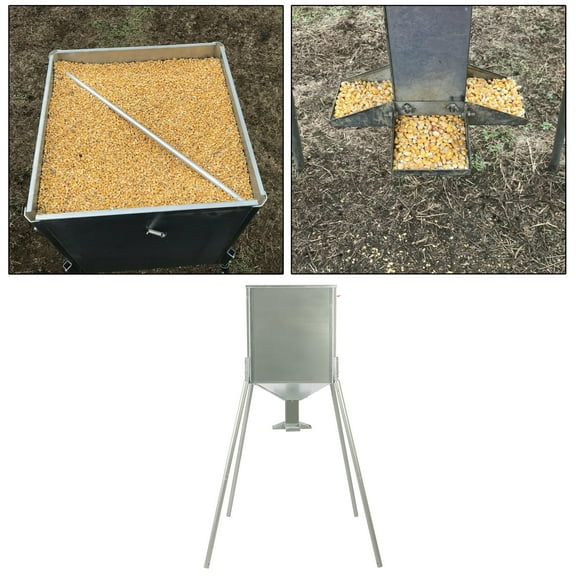
Spin cast units suit open areas where you want wider broadcast coverage around the feeder site. Trough styles can help you place feed in a more contained area when you want a direct feeding lane.
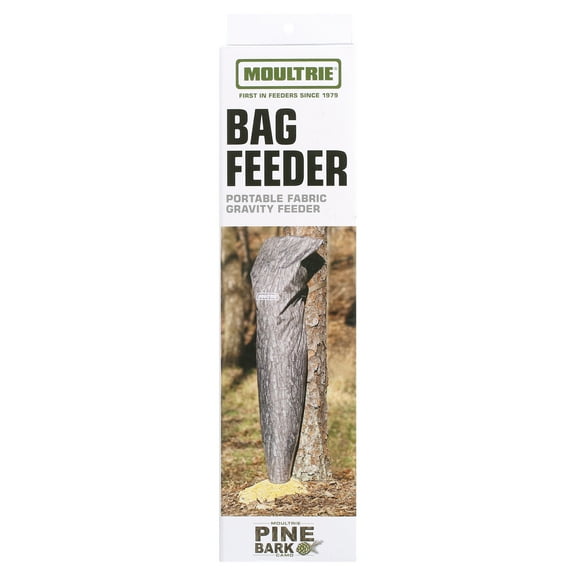
- You can choose gravity designs when you want fewer moving parts and straightforward refills.
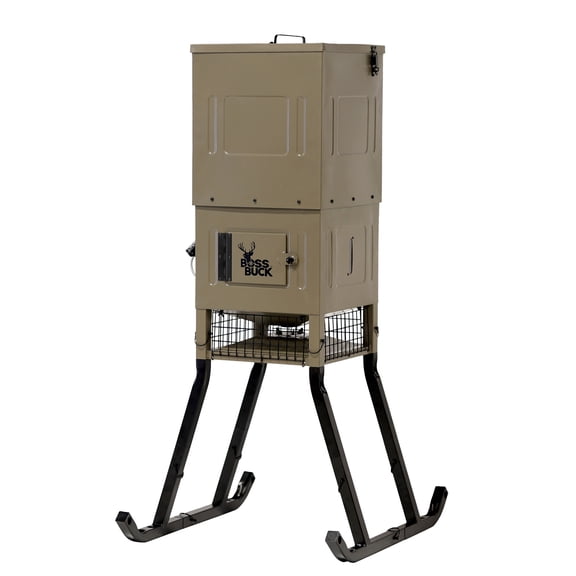
- You can choose automatic designs when you want scheduled feeding times and more control over output.
- You can choose spin cast feeders when you want wider spread around a clearing or trail edge.
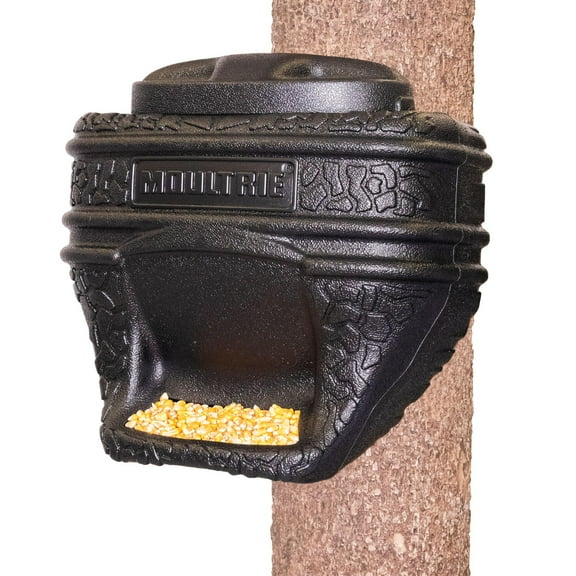
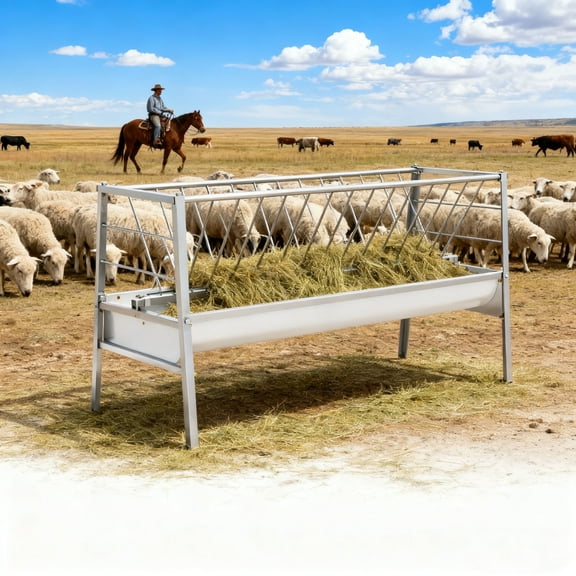
- You can choose trough feeders when you want feed placed in a concentrated area.
Choosing capacity for your land and refill schedule
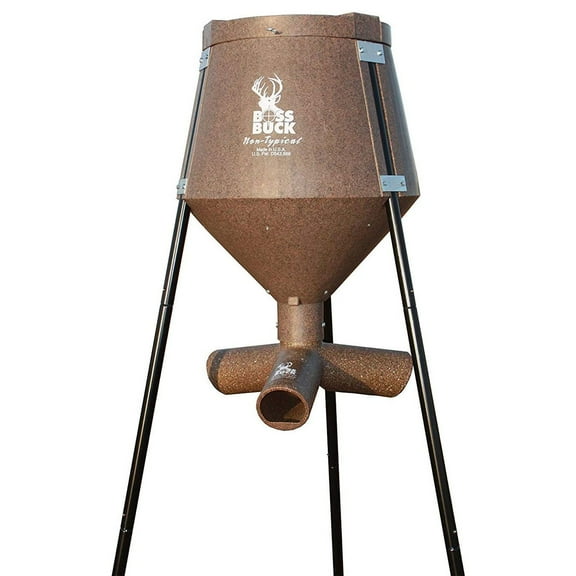
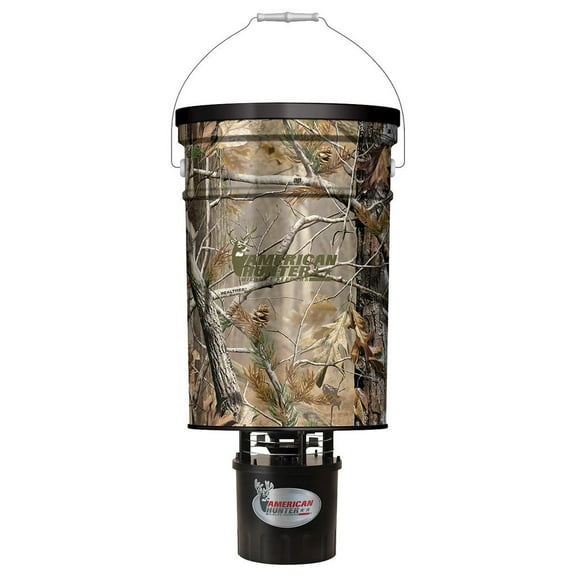
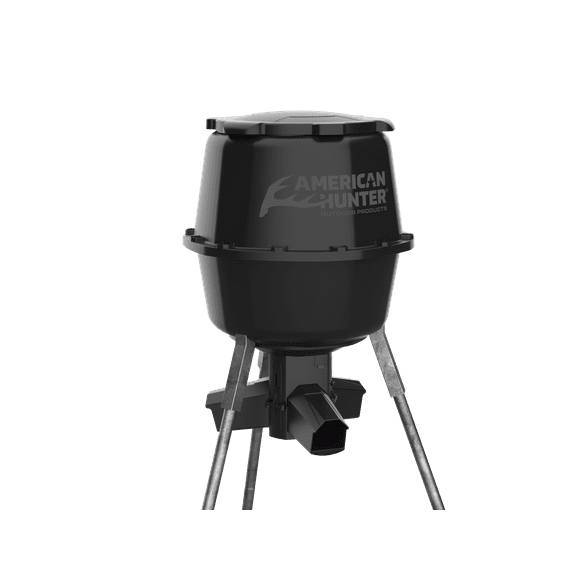
You should compare capacity based on deer traffic, property size, and how often you can refill the unit. You may prefer a 30-gallon or 150 lb option for lighter use, smaller plots, or easier handling.
If you manage a busy feeding site, you may want a 55-gallon or 300 lb feeder. That larger size can help you stretch the time between refills during active periods.
You should also think about where you store feed and how far you carry it to the setup spot. A larger hopper can mean fewer trips, while a smaller one can feel easier to move and service.
Comparing tripod deer feeders, hanging styles, and tree-mounted options
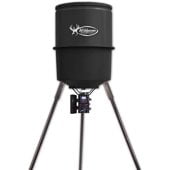
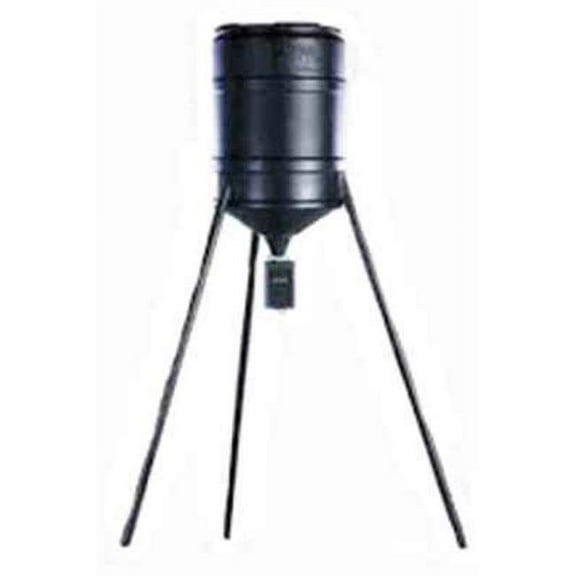
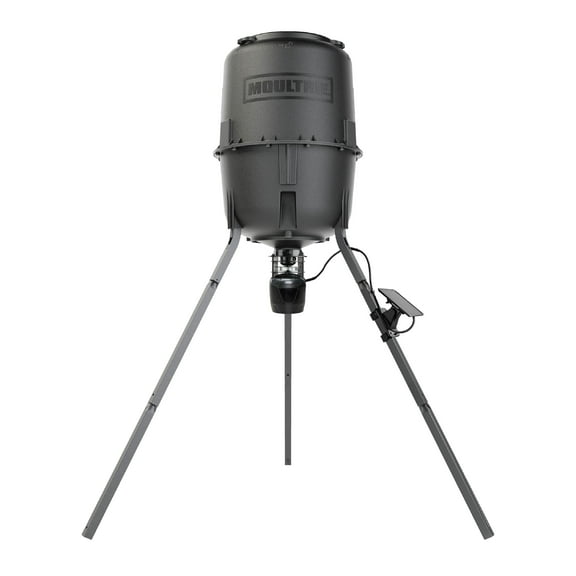
You can narrow your choice by mounting type because setup location changes stability, height, and access. Tripod deer feeders work well when you want a freestanding option in clear ground without relying on a branch or trunk.
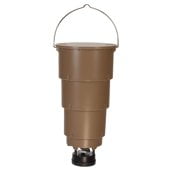
Hanging game feeders can suit spots where you already have strong overhead support and want a compact footprint. Tree-mounted styles can help you use existing cover while keeping the feeder close to a consistent travel route.
You should measure your placement area before choosing legs, straps, or hanging hardware. You can also compare feeder height with your refill method so regular maintenance stays manageable.
Picking power options for automatic deer feeders
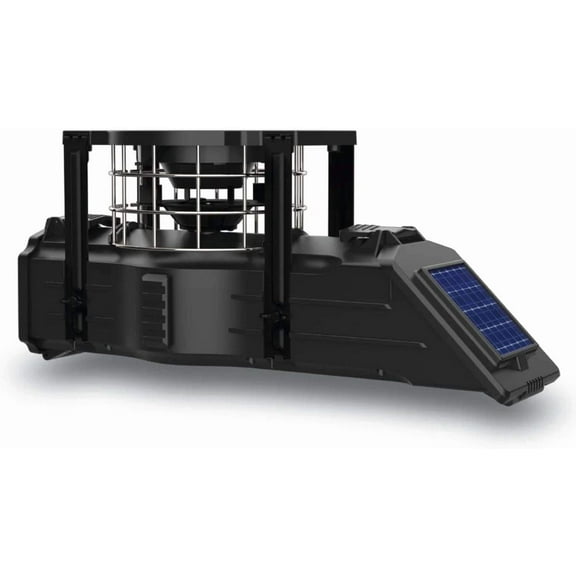
You should compare power source early if you want automatic deer feeders in remote areas. Solar-powered options can reduce battery changes, while manual models remove power needs entirely.
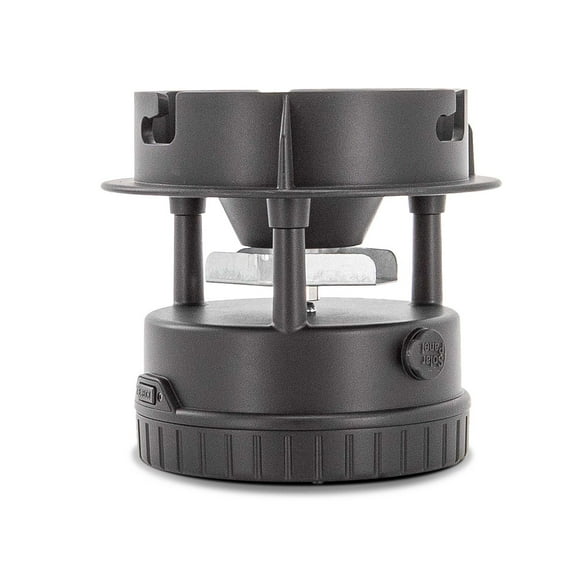
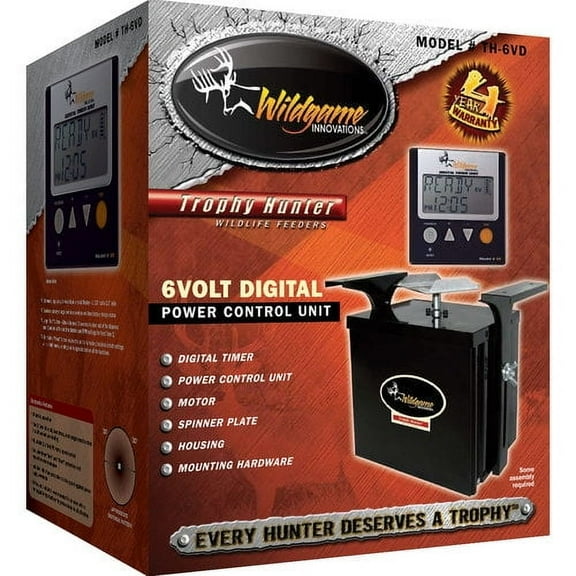
If you choose a timed feeder, you may see 6V battery and 12V battery systems listed. You should check voltage ratings because they affect compatibility with motors, timers, and some solar setups.
You can use 6V systems for straightforward feeder builds with simple power needs and common replacement options. You may choose 12V systems when you want stronger compatibility across certain larger automatic setups.
You should also consider how often you visit the property and how exposed the feeder is to sun. A solar panel setup can fit remote placements where regular battery swaps feel less convenient.
What to look for in pest control and weather-ready design
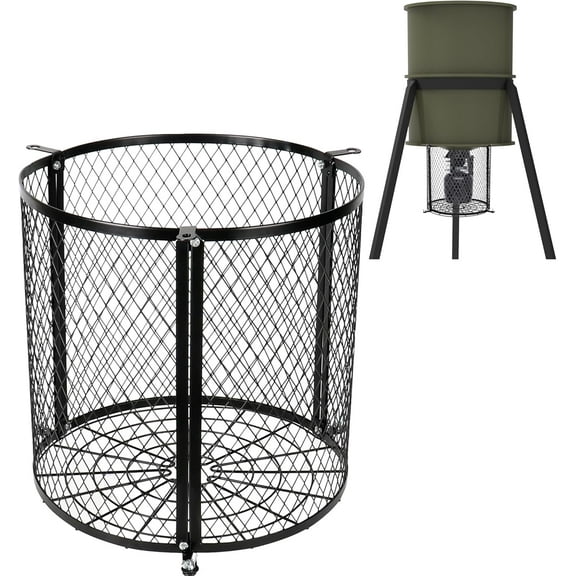
You may want feeder designs that help you keep corn protected from raccoons and other feed thieves. Covered hoppers, enclosed motors, and feeder guards can support cleaner storage and more consistent feed access.
You should also look at leg design, lid fit, and overall construction for outdoor use across changing weather. A stable frame and secure top can help you keep feed drier and reduce mess around the site.
When you compare spinner height, guard options, and feed opening style, you can match the feeder to your location. Those details matter when you place units near woods, field edges, or established game trails.
Using game feeders for seasonal hunting setups
You can use game feeders to support scouting patterns before deer feeders for hunting season become a priority. Trail corridors, food plot edges, and interior clearings each call for different feeder combinations.
For a small clearing, you might pair a gravity unit with a moderate capacity and a simple hanging mount. For a larger open area, you may prefer a spin cast feeder with tripod support and a higher-capacity hopper.
If you manage a remote property, you can compare automatic units with solar support and 12V compatibility. If you check sites often, you may prefer manual or gravity options that keep setup straightforward.
You can also coordinate wildlife feeders with nearby trail cameras to monitor feeding times and site activity. That pairing helps you evaluate placement, refill timing, and feeder style with clearer property insight.
How deer feeders fit your buying decision
You can choose with more confidence when you compare feeder type, capacity, mounting style, and power source together. That approach helps you match your feeder to your land, your refill routine, and your hunting setup.
With the right combination, you can create a cleaner feeding site, more predictable maintenance schedule, and a setup that fits your property conditions. You’ll also get a feeder that matches how you actually manage the season.