

Deer Blinds & Hunting Blinds























![Hunting Ground Blind Carry BackPack - Adjustable Extra Long - Water Resistant - Backpack [Color: Green/Black]](https://i5.walmartimages.com/seo/Hunting-Ground-Blind-Carry-BackPack-Adjustable-Extra-Long-Water-Resistant-Backpack-Color-Green-Black_4ab9b34b-030d-45bc-8d1c-3f60260dbc94.9837b4a8062da5777733b844fa21bc0a.jpeg?odnHeight=576&odnWidth=576&odnBg=FFFFFF)

About Deer Blinds & Hunting Blinds - Walmart.com
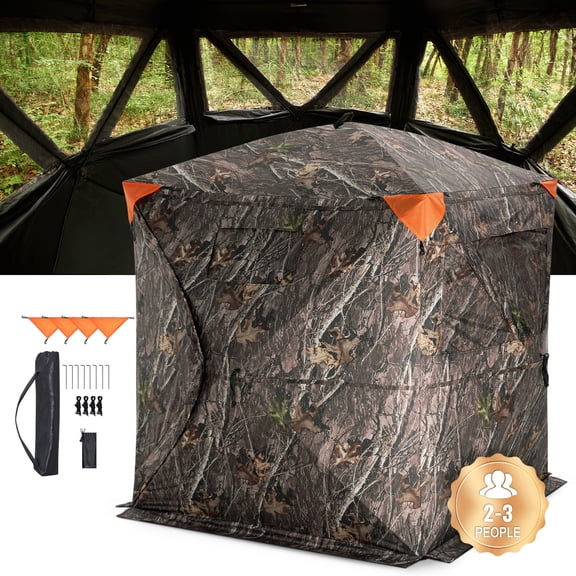
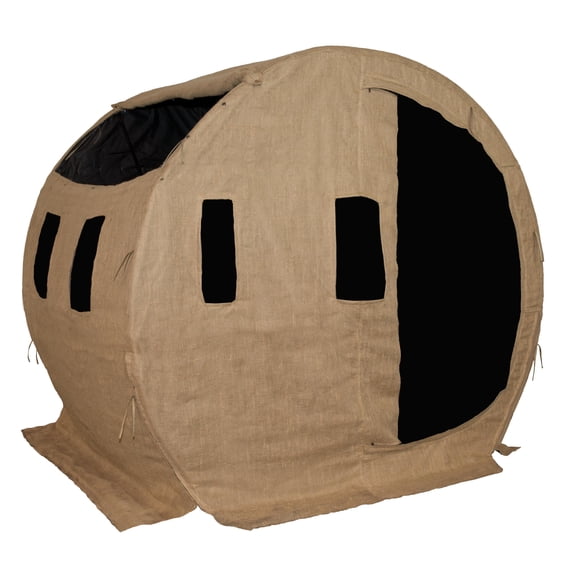
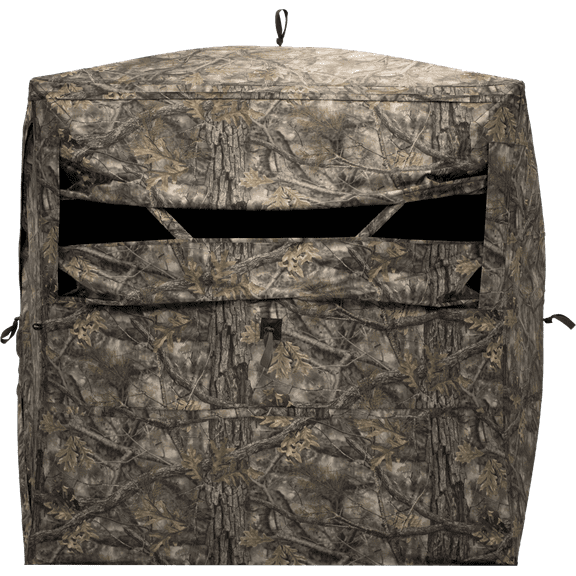
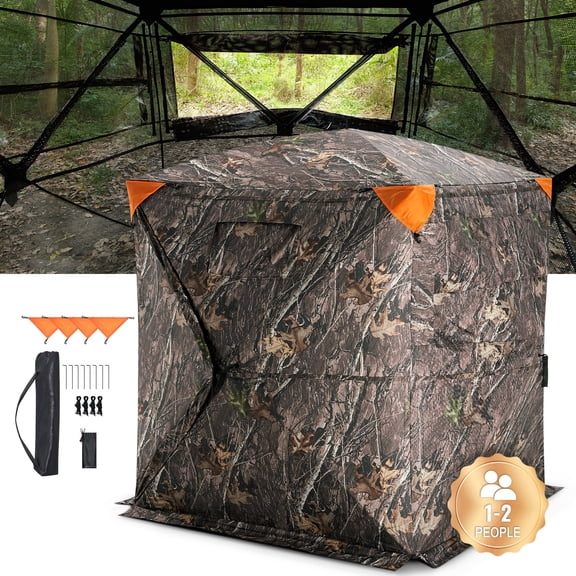
Deer blinds help you stay concealed, manage sightlines, and match your setup to changing terrain. You can compare blind types, materials, and window styles here, so your hunt feels more dialed in.
When you're sorting through deer blinds for woods, fields, or snowy edges, you need clear decision points. This guide helps you compare ground layouts, elevated options, camouflage patterns, and visibility details that fit real hunting conditions.
Choosing the right deer blinds for your setup
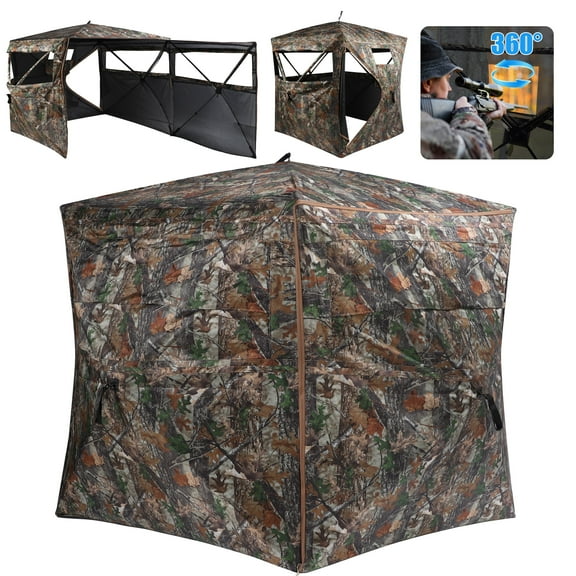
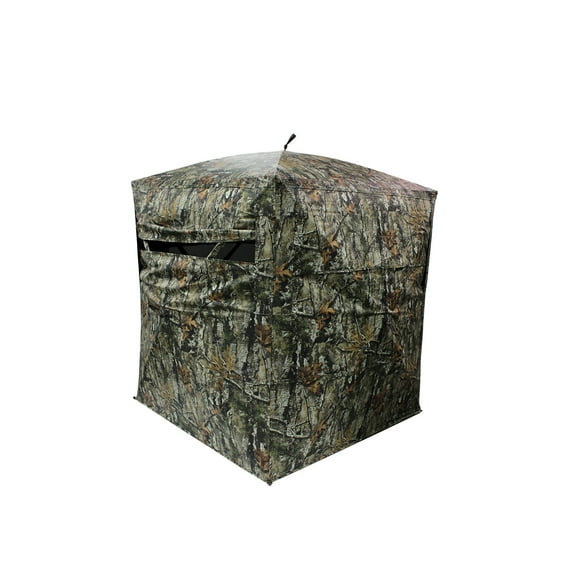
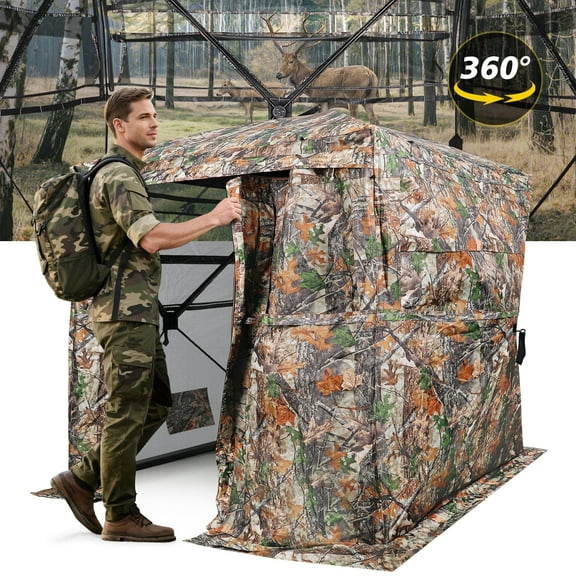
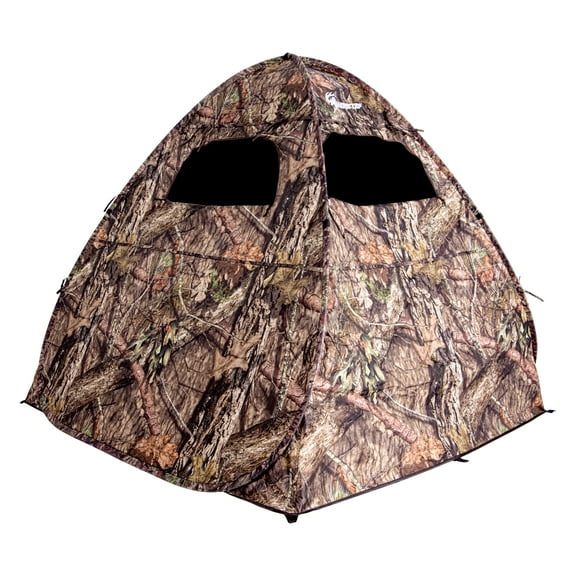
Blind type shapes how you enter, sit, and watch movement across your area. Ground blinds work well when you want quicker placement and a lower profile near brush lines.
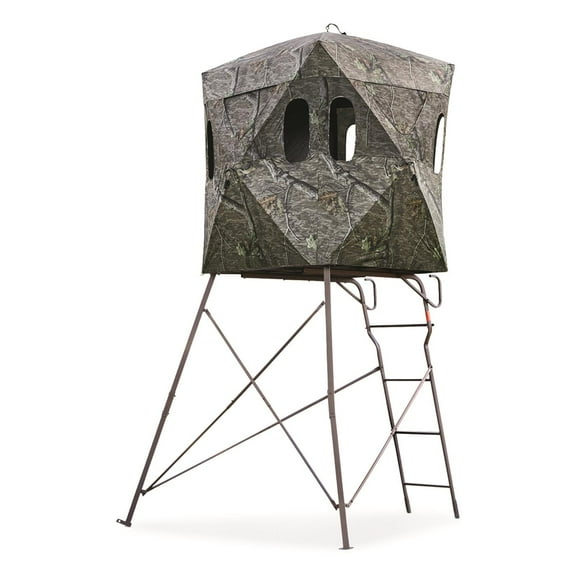
Box blinds and tower blinds make sense when tall grass or rolling ground blocks your view. With added elevation, you can watch wider lanes and keep clearer sightlines over field cover.
Interior space matters when you carry chairs, packs, decoys, or extra layers for longer sits. Before you choose, measure floor space and standing height, so your gear fits without crowding your movement.
- You can use ground blinds near trails, food plots, and fence rows when you need fast placement.
- You can choose box blinds or tower blinds when elevation helps you see over crops or grass.
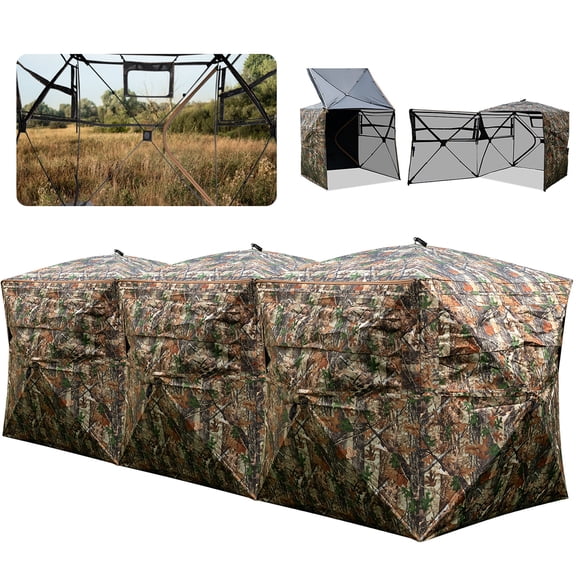
- You can compare larger interiors when your setup includes extra gear or another hunter.
- You can look for wider window coverage when deer may approach from different directions.
How to compare materials and weather resistance
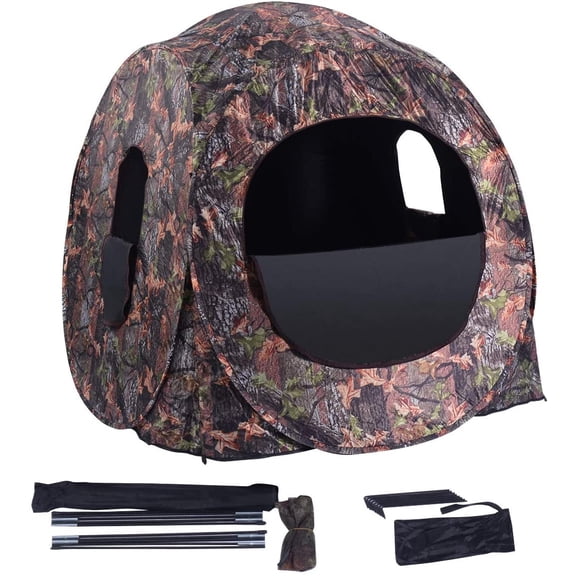
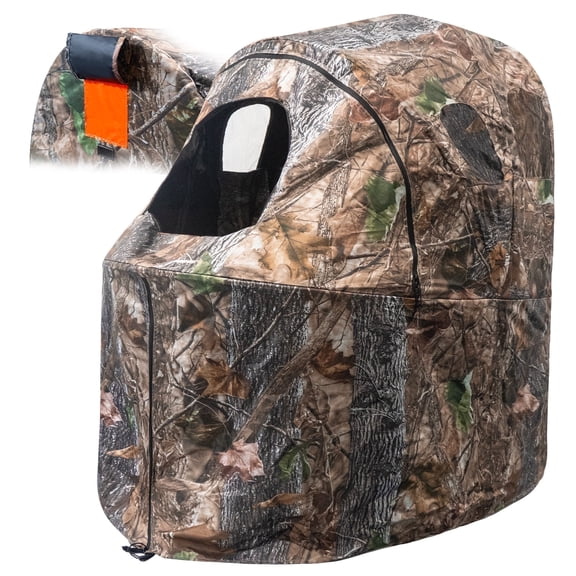
Material choice affects carry weight, structure, and season-to-season wear in open conditions. Fabric, canvas, and plastic deer blinds each support a different hunting routine.
Fabric options suit you when easier transport and compact storage matter during mobile hunts. If you compare denier ratings, you'll usually find higher denier fabric feels thicker and stands up to brush better.
Canvas styles can appeal to you when you want a heavier feel and more structured wall panels. If you check for UV resistance, you can judge how the material may hold its pattern through repeated sun exposure.
Plastic deer blinds fit your setup when you want rigid walls and easier wipe-clean surfaces. By comparing molded panels, roof shape, and door size, you can narrow down which shell feels practical.
Weather details matter when your blind stays in place through wind, wet mornings, or late-season snow. Reinforced corners, roof pitch, and anchor points help you judge whether the build matches your hunting area.
Choosing visibility options and shooting angles
Window layout affects how quietly you track movement and how easily you line up a shot. See through deer blinds can help you monitor more of your surroundings without constant repositioning.
Mesh windows may suit you when you want broad visibility across several directions at once. Sliding windows can work well when you want a defined opening for a rifle rest or seated position.
Bowhunting and rifle use call for different clearance needs inside the same footprint. Taller openings and corner windows give you more freedom when your draw length or angle changes.
Window height also deserves a close look before you settle on a final setup. If you measure your chair height and rest position, you can match the opening to how you actually hunt.
Choosing camouflage patterns and snow camouflage netting
Camouflage works harder when you match the pattern to the season and surrounding cover. Woodland, brushwood, and snow camouflage each help you blend with different ground colors and textures.
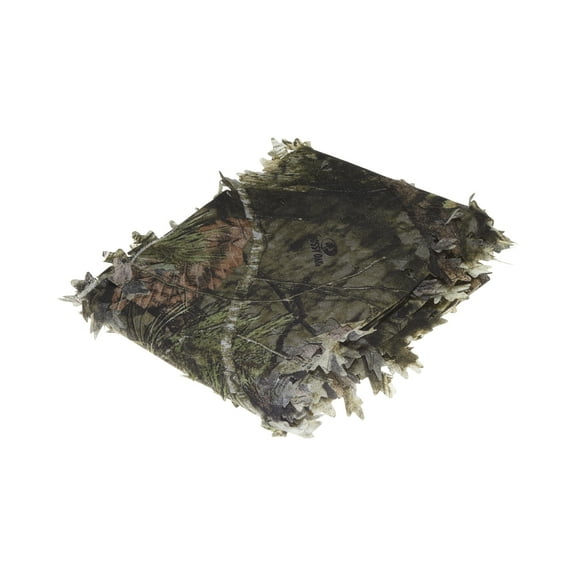
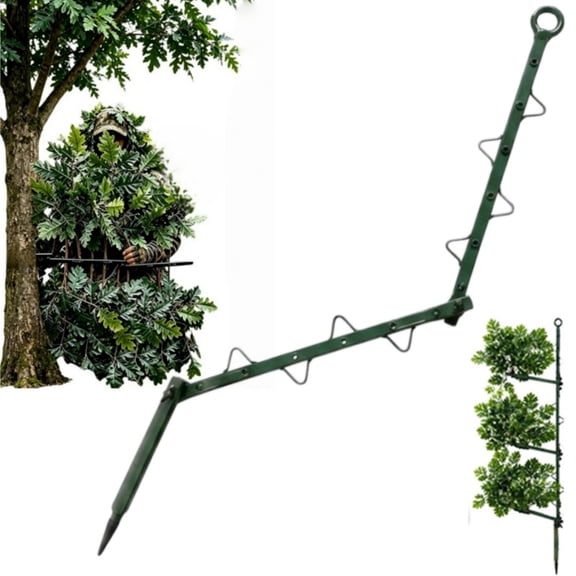
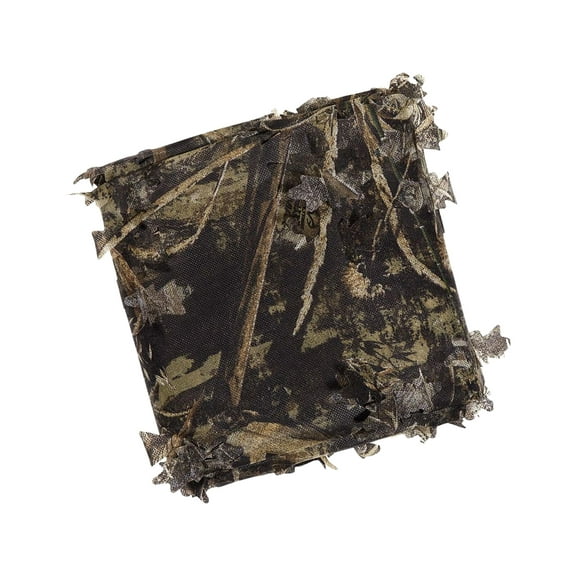
Snow camouflage netting makes sense when late-season hunts leave your cover bright and bare. You can drape it over a blind frame or nearby brush, so hard edges look less obvious in winter scenes.
Pattern choice should make sense from a distance, not only when you inspect fabric up close. When you step back and compare outlines, you can spot whether your blind breaks up straight lines naturally.
Darker interiors can also matter when bright light makes movement easier to notice from outside. If you hunt open fields or snowy edges, that detail can help your setup stay visually subdued.
How to match deer blinds to real hunting use cases
Timber edges and narrow trails often call for ground blinds with a lower visual profile. In that setting, you can slip into cover faster and stay closer to natural brush lines.
Large fields usually favor box blinds or tower blinds when ground cover limits visibility. With more height, you can watch crossing points and keep cleaner shooting lanes over standing vegetation.
Bow setups often benefit from see through deer blinds when movement tracking matters across a wide arc. That visibility style lets you follow approach paths with less shifting inside the blind.
Exposed properties can point you toward plastic deer blinds when repeated weather matters over several seasons. Those hard-sided options can suit your setup when you want solid walls and easier cleanup after use.
Late-season hunts may leave you carrying layered clothing, bulkier gear, and extra concealment pieces. In those conditions, roomier interiors and snow camouflage netting can help your setup stay usable and visually blended.
If you're comparing inexpensive deer blinds, focus on layout, materials, and window function before anything else. When you search for deer blinds near me, you'll usually want pickup convenience, fast delivery options, and a setup that fits your terrain without guesswork.
An informed choice comes from comparing blind type, weather details, interior space, and camouflage as one system. That approach helps you choose a setup that fits your land, supports your shot angles, and stays dependable through the season.