


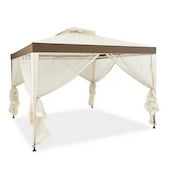
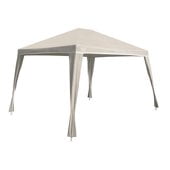
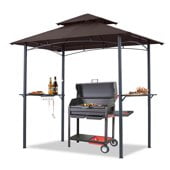
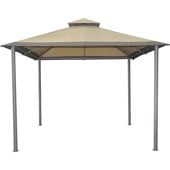
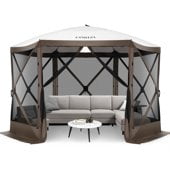
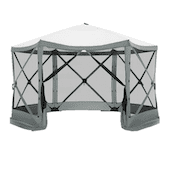
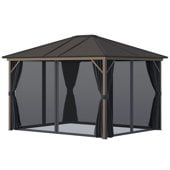
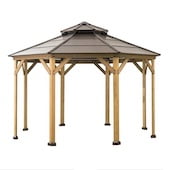
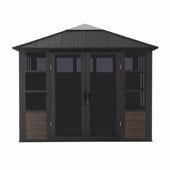
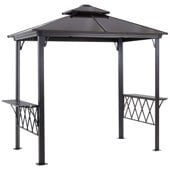
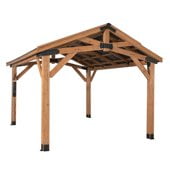

Gazebos




















About Gazebos - Walmart.com
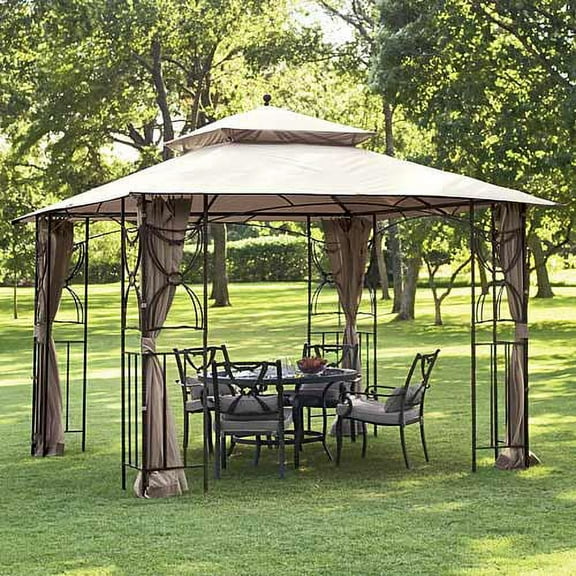
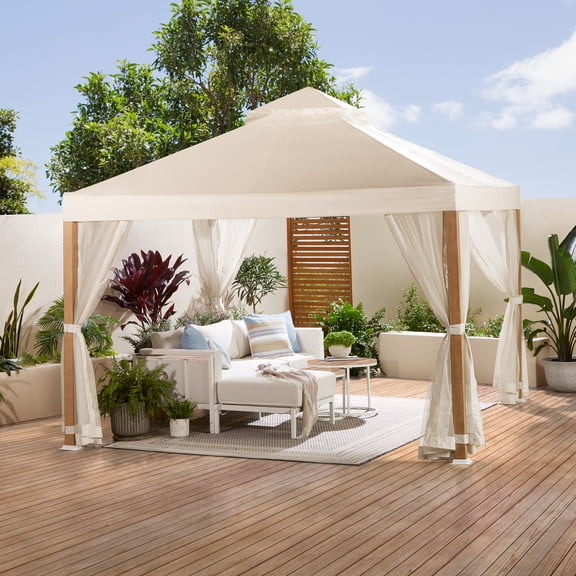
Gazebos help you create shaded outdoor living space with more structure than a basic canopy. You can compare roof type, size, material, and included features to match your patio, deck, or backyard layout.
How to choose gazebos for your space
Start with the footprint you can actually place, not just the look you want. You should measure width, depth, and overhead clearance before you compare 10x10, 10x12, 12x12, or 12x14 options.
A smaller layout can suit a compact patio or a tighter deck. A larger footprint can give you room for dining sets, conversation seating, or open walking space.
You should also check how posts, overhangs, and roof edges affect placement. You'll want enough clearance for doors, railings, pathways, and nearby landscaping.
Choosing patio gazebos by material
Material affects how your structure looks, feels, and holds up through the seasons. You can compare wood, metal, steel, aluminum, and vinyl based on upkeep, weight, and style.
Wood can give your yard a classic architectural look that pairs well with garden settings. You'll usually need more routine upkeep, but you may prefer the warmer appearance.
Metal gazebos often fit modern patios and mixed-material outdoor furniture. You can expect a more streamlined frame, and you may appreciate easier cleanup than stained wood surfaces.
Steel frames can feel sturdier and heavier in open spaces. Aluminum frames can be easier for you to handle during assembly, especially when you want corrosion-resistant outdoor use.
Vinyl styles can appeal when you want a clean exterior with less visible maintenance. You should compare frame thickness and panel details if you want a more built-in appearance.
Comparing roof types for outdoor gazebos
Roof type shapes how your gazebo performs in sun, rain, and changing weather. You can compare hardtop gazebos, soft top styles, canopy roofs, and double roof designs.
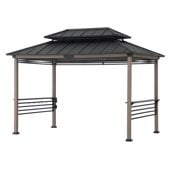
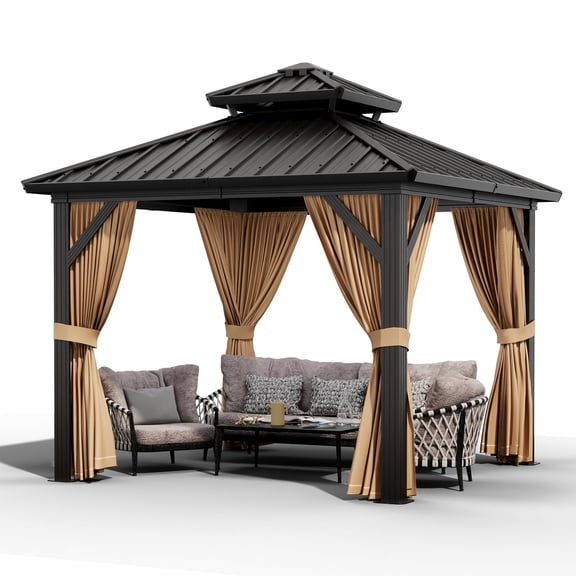
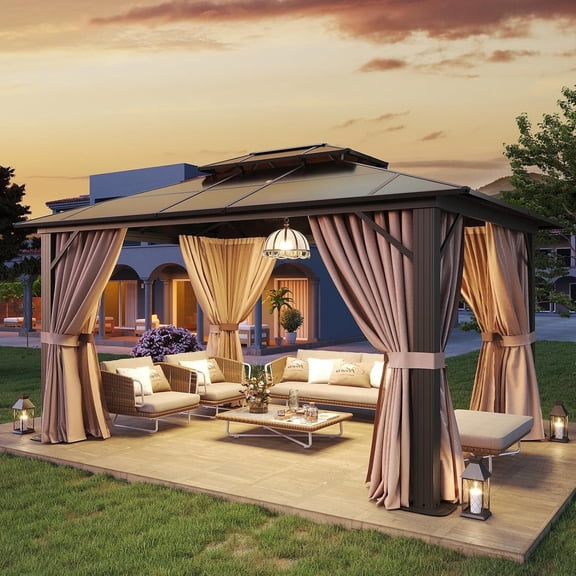
Hardtop gazebos usually give you a more permanent look and a more solid overhead feel. You may prefer them when your backyard setup stays in place through multiple seasons.
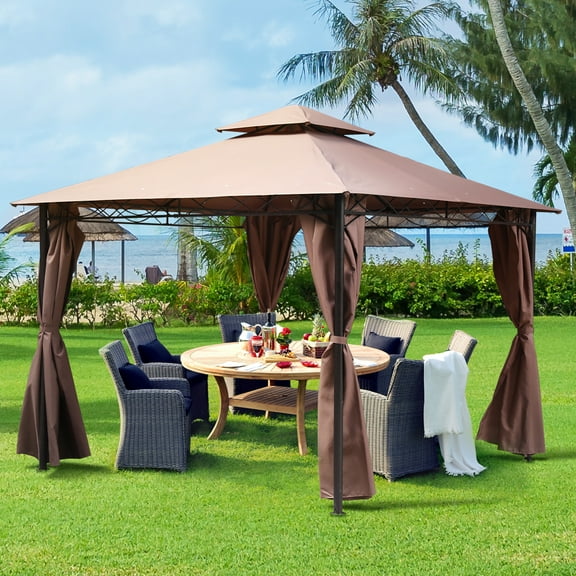
Soft top and canopy designs can feel lighter and more flexible for seasonal use. You should check the fabric attachment style and frame support when you compare these options.
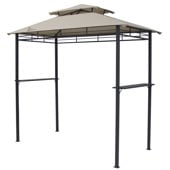
Double roof construction can improve airflow under the roofline on warm days. You'll also notice that vented designs can give your gazebo a taller, more finished profile.
When you compare roof styles, you should read assembly details closely. You'll want to know whether ladder work, multiple helpers, or professional assembly may make setup easier.
Features that affect everyday use
Included features can change how comfortable your setup feels from morning to evening. You can narrow your choices by focusing on netting, curtains, screened panels, and pop-up designs.
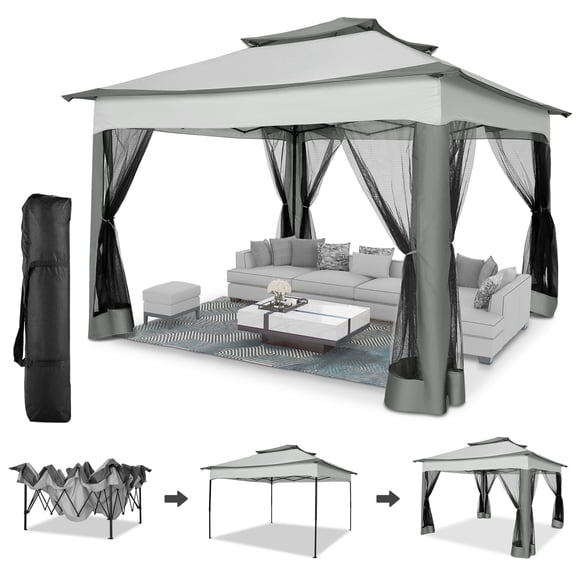
- You can use netting to create a more enclosed dining or lounging area.
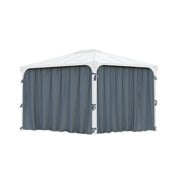
- You can add curtains when you want flexible privacy and a softer finished look.
- You can choose screened styles when you want wider panel coverage around the sides.
- You can consider pop-up options when you need faster setup and easier seasonal storage.
These details matter because your gazebo often serves more than one purpose. You may host dinner outside one day, then want a quieter shaded reading area the next.
You should also compare entry openings, tie-backs, and closure styles. You'll find these small design choices can affect traffic flow and daily convenience.
Matching size and use case to your yard
Your intended use should guide the size, roof, and accessory mix you choose. You can match patio gazebos, backyard gazebos, deck setups, and garden placements to different routines.
For a dining setup, you should leave room for pulled-out chairs and walking space. A 10x12 or 12x12 footprint can help you fit a table without crowding the perimeter.
For lounge seating, you may want a deeper layout with open corners and wider entry space. A 12x14 option can give your arrangement a more relaxed flow.
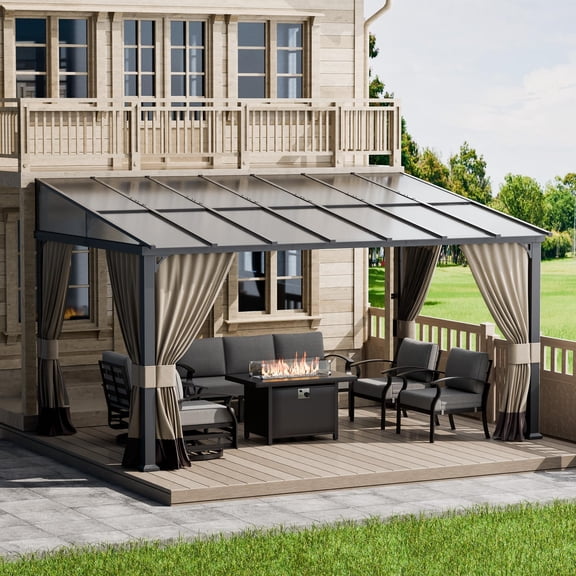
If you’re placing a structure on a deck, you should confirm both footprint and height. You'll want the roofline to clear nearby railings, doors, and any upper-story overhang.
Garden placement can call for a style that blends with plantings and pathways. You may prefer wood tones, decorative framing, or a double roof silhouette in that setting.
Backyard gazebos can also anchor entertainment zones near grills, fire tables, or sectional seating. You should think about shade coverage, open sightlines, and how people move around the space.
What to look for before assembly
Assembly can vary a lot between lightweight seasonal models and larger framed structures. You should review the parts list, tool requirements, and estimated setup time before you choose.
Some builds may work well when you have basic tools and an extra set of hands. Larger roof panels and heavier frames may make professional assembly a practical choice for you.
You should also look for clear instructions and labeled hardware in the listing details. You'll feel more confident when the setup process matches your time, tools, and placement plan.
When you choose gazebos with the right size, material, roof, and accessories, your outdoor area feels more usable through more seasons. You can create a defined space for dining, relaxing, and gathering with shade that suits your layout.