

Deck Balusters & Spindles | Metal, Aluminum & Iron















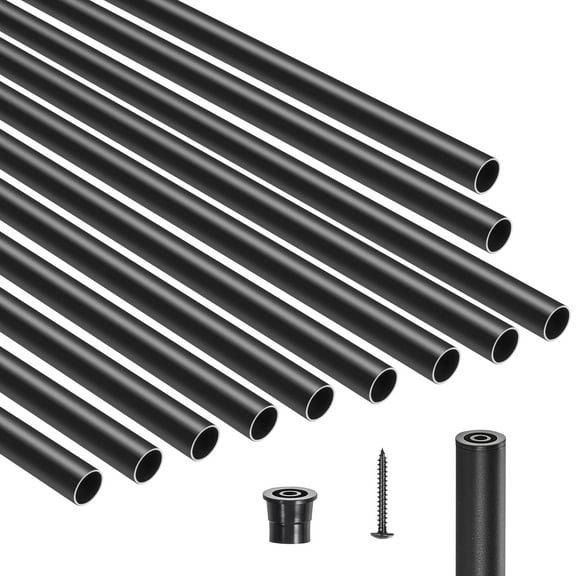


About Deck Balusters & Spindles | Metal, Aluminum & Iron
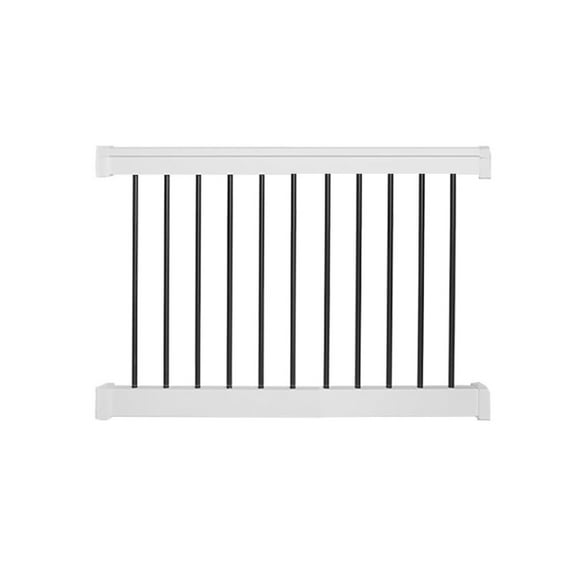
Deck balusters help you build a railing that looks finished and feels consistent from deck boards to stairs. You can compare materials, heights, and mounting styles here, so your project matches your layout and railing plan.
If you're replacing worn parts or starting a new build, you need choices that fit deck sections, stair runs, and porch railings. You can also narrow by shape and finish, which helps your railing coordinate with posts, rails, and post caps.
How to choose deck balusters by material
Material affects how your railing looks over time and how much upkeep you want. You should compare aluminum, iron, wood, and other metal options before you match your balusters for decks.
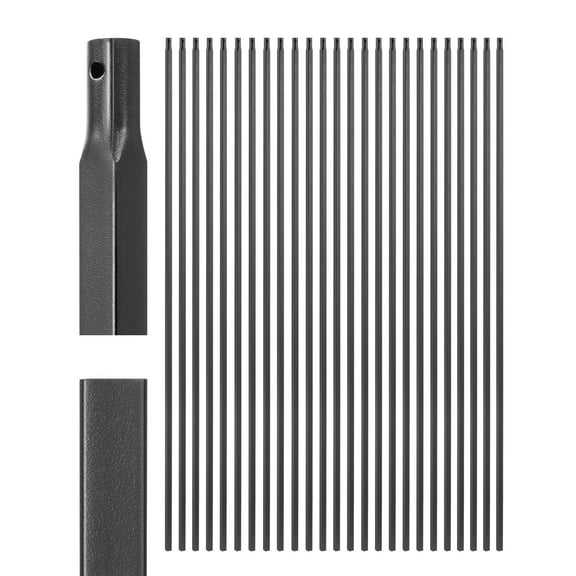
With aluminum pieces, you get a lighter option that many DIY projects find easier to handle during layout and installation. You can also look for powder-coated finishes, since they help outdoor deck spindles keep a consistent appearance.
With iron deck spindles, you get a heavier feel and a classic look that suits traditional rail designs. You should check finish details closely, because your coating choice affects how your railing complements hardware and rails.
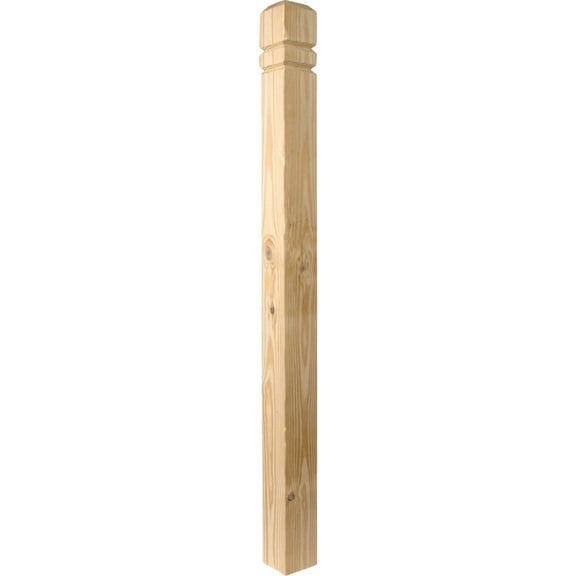
If you prefer wood, you can match your railing to surrounding lumber for a unified appearance. You may also want wood when your porch railing pickets need a paintable or stain-friendly surface.
- You can compare aluminum and iron for weight, look, and maintenance expectations.
- You can choose powder-coated or natural-style finishes to match rails, posts, and fasteners.
- You can select wood or metal options based on the style of your deck or porch.
Choosing application, height, and spacing for deck balusters
Your application changes what you should measure first, because flat deck runs and stairs use different layouts. You should confirm whether you need pieces for a deck section, a stair section, a porch, or decking handrail spindles.
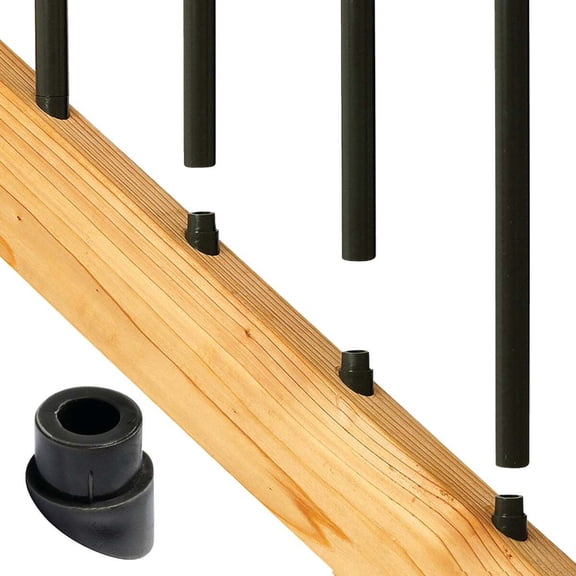
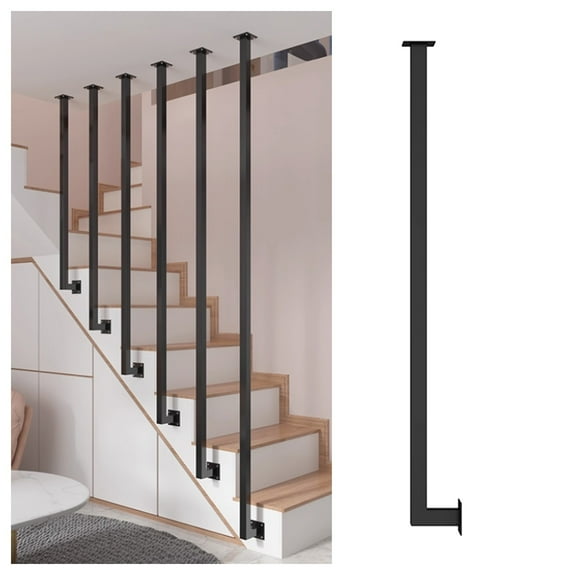
For stairs, you need parts shaped or mounted to follow the rail angle without making the run look uneven. You should compare deck stair balusters and mounting hardware together, so your stair rail keeps a clean, repeating pattern.
Height matters too, especially when your project follows a 36-inch or 42-inch rail plan. You should measure your rails first, because your baluster length needs to fit the rail height and the installed spacing.
Spacing affects both appearance and planning, so you should count your sections before you order. You can estimate how many pieces you need by measuring each opening and dividing by your preferred gap pattern.
Comparing style and finish options in deck balusters
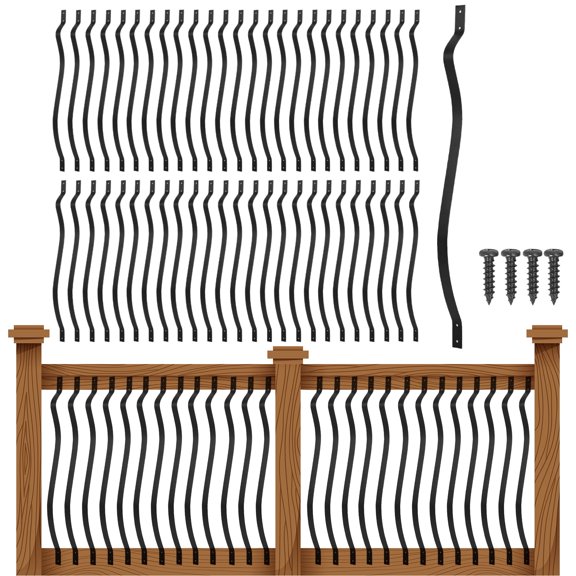
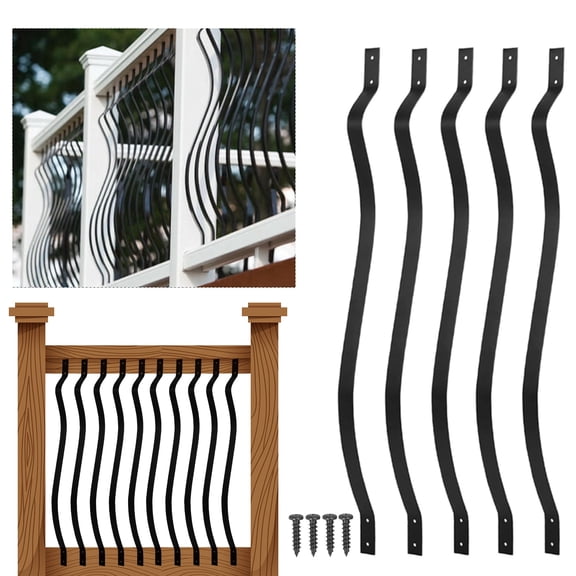
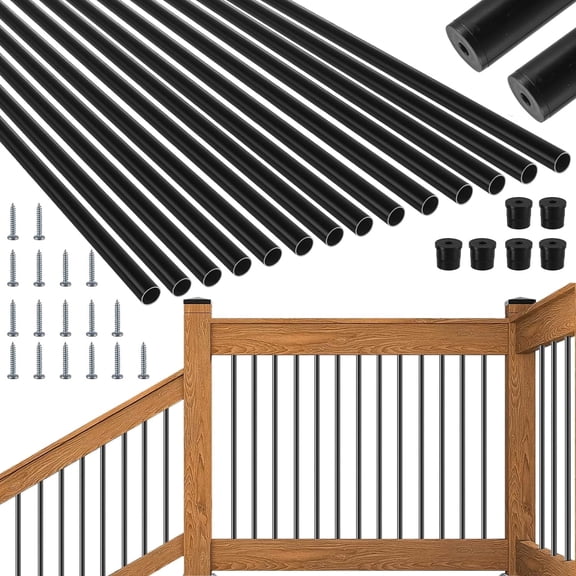
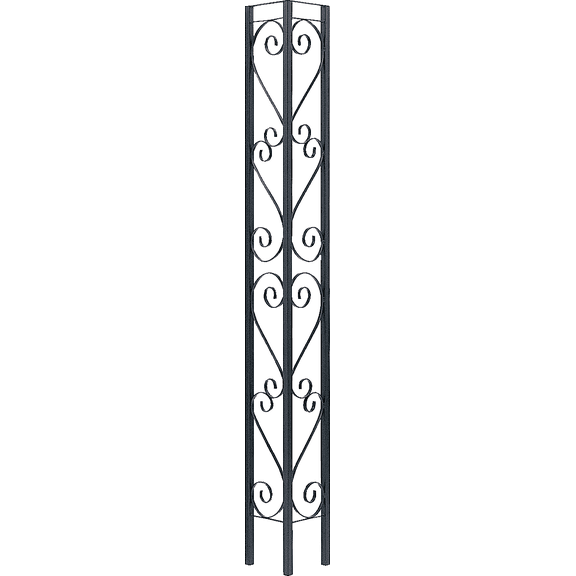
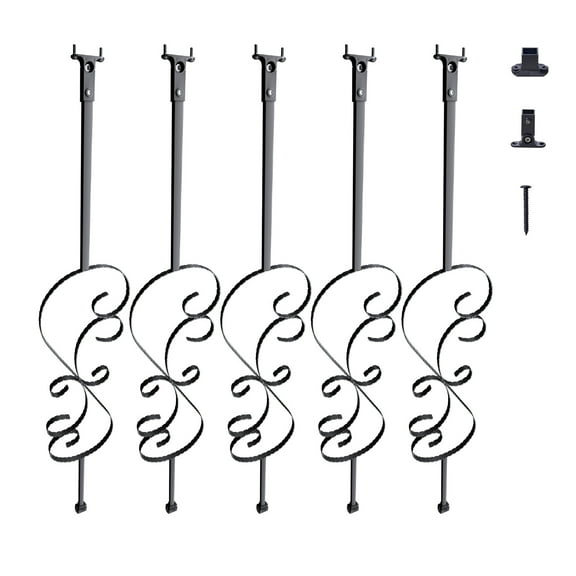
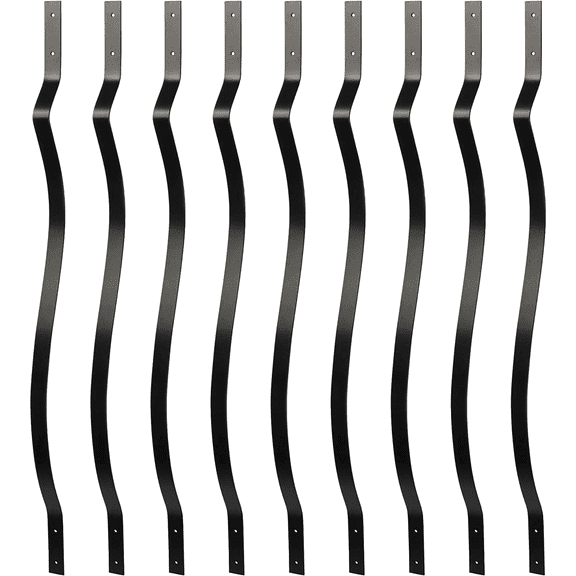
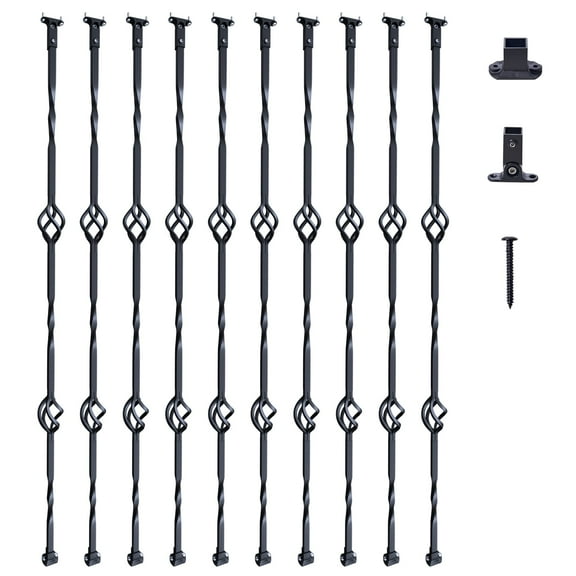
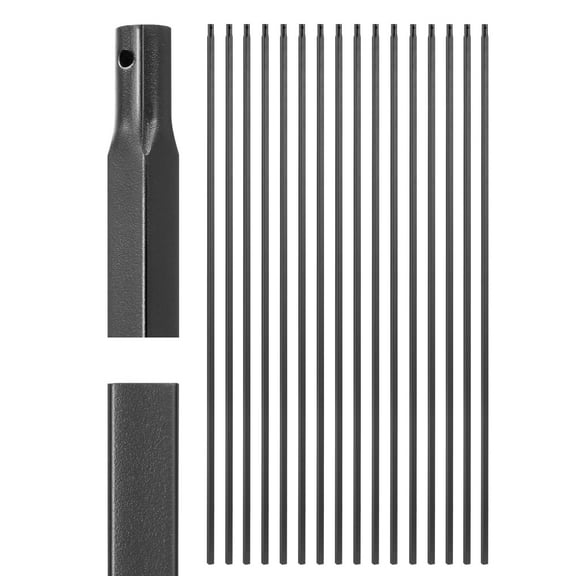
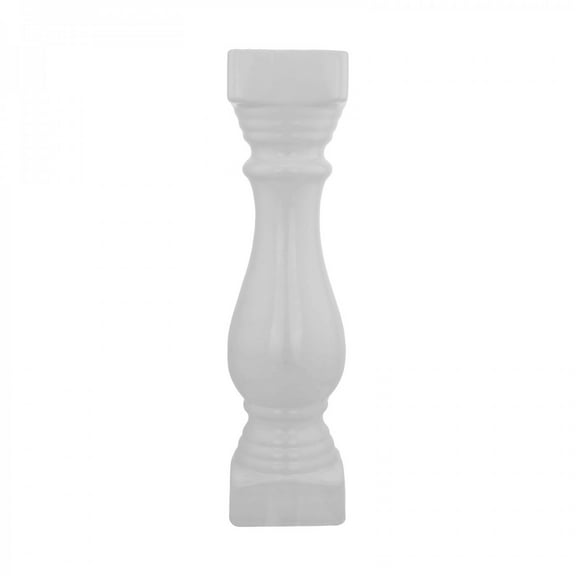
Style changes the whole look of your railing, even when your rail posts and top rails stay the same. You can use round or square shapes for a simpler look, or choose baroque details for a classic pattern.
If your home has a modern exterior, you may prefer straight lines and matte black finishes. If your porch leans traditional, you might like bronze tones or decorative curves that echo older railing designs.
Mounting style also matters when you compare a face-mount option with connector-shoe installation. You should check your rails and brackets first, because your hardware setup determines which deck metal baluster style fits cleanly.
With face-mount pieces, you attach directly to the rail surface for a visible, defined look. With connector shoes, you can create a more finished transition at the top and bottom connection points.
Finish affects coordination as much as durability, so you should match color with nearby hardware and lighting. You can choose matte black for contrast, bronze for warmth, or natural wood tones for a familiar deck appearance.
Matching deck spindles to real project needs
If you're updating an older wood deck, you may want deck spindles aluminum options that change the look without changing the whole frame. You can pair simple square profiles with existing rails when you want a cleaner, more current appearance.
For front porch updates, you may compare porch railing pickets in decorative shapes that suit columns and trim. You should look at finish and silhouette together, because both details affect curb-facing style.
When your project includes stairs, landings, and level rail sections, you need coordinated parts across each section. You can keep the layout consistent by matching shape, finish, and mounting hardware from flat runs to stair angles.
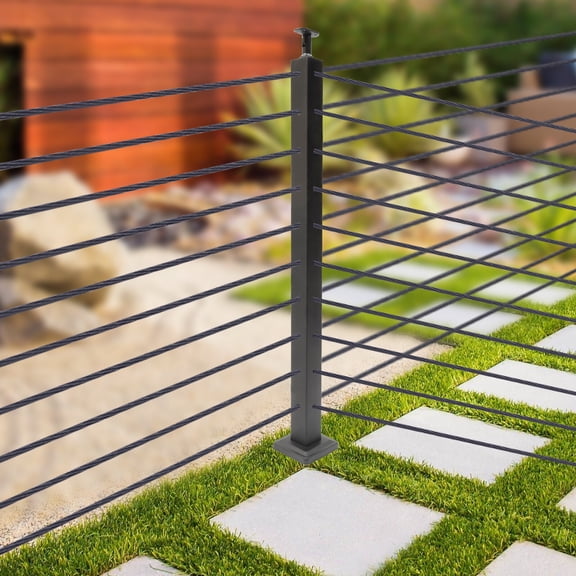
If you're building around a metal rail system, you may prefer deck metal baluster options that align with modern posts and brackets. You should confirm connector compatibility before installation, especially when rails use predrilled channels or shoe mounts.
Contractors and experienced DIY shoppers often start with measurements, application, and material before choosing finish. You can streamline your decision by checking rail height, section width, and hardware style before comparing decorative details.
With the right combination of material, height, style, and mounting method, you can create a railing that looks intentional from every angle. You can also simplify installation planning and get a cleaner finished line across decks, stairs, and porches.