

2026 Planners & Agendas Near Me | Walmart





























About 2026 Planners & Agendas Near Me | Walmart - Walmart.com
Planners help you turn busy schedules into clear daily action, and you can compare layouts, sizes, and bindings that match how you organize. You can use this guide to narrow choices faster and focus on pages, covers, and formats that fit your routine.
How to choose planners for your schedule
When you compare planners, you should start with layout type because your page design shapes how you see appointments, tasks, and deadlines. You can choose daily pages for detailed schedules, weekly spreads for balance, or monthly views for quick planning.
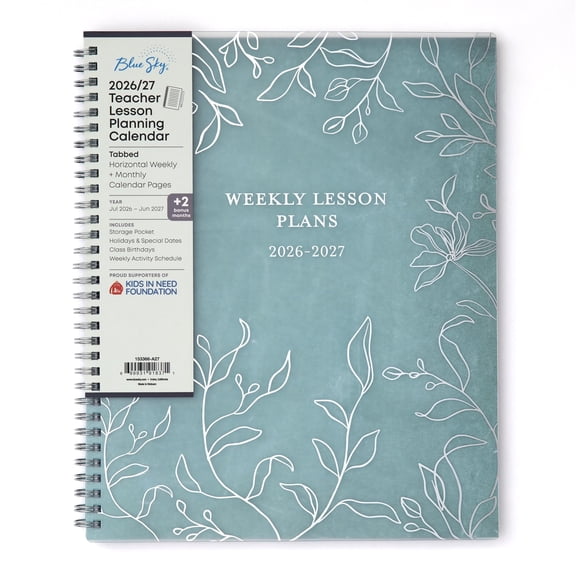
If you manage classes or term dates, academic planners can align with school-year timing instead of a standard calendar year. You can also compare weekly and monthly planners when you want both broad views and day-to-day structure.
As you narrow options, you should think about how much writing space you need on each page. You may prefer personal organizers with compact layouts, or you may want larger formats for long notes.
Choosing the right layout type
You should pick daily planners when your schedule changes often and you need room for appointments, reminders, and task lists. You can keep separate sections for meetings, errands, and priorities without crowding one page.
Weekly and monthly planners work well when you want a clear view of the week and a quick look ahead. You can track routines, due dates, and events without flipping through too many pages.
If your year follows semesters, academic planners can help you map classes, breaks, and project deadlines in one place. You can line up assignments with term schedules and keep notes beside important dates.
- You can use daily layouts for detailed time blocking and full task lists.
- You can use weekly layouts when you want a balanced view of appointments and to-dos.
- You can use monthly layouts for deadlines, birthdays, and long-range planning.
- You can choose academic formats when your schedule follows semesters or mid-year starts.
What to look for in size and portability
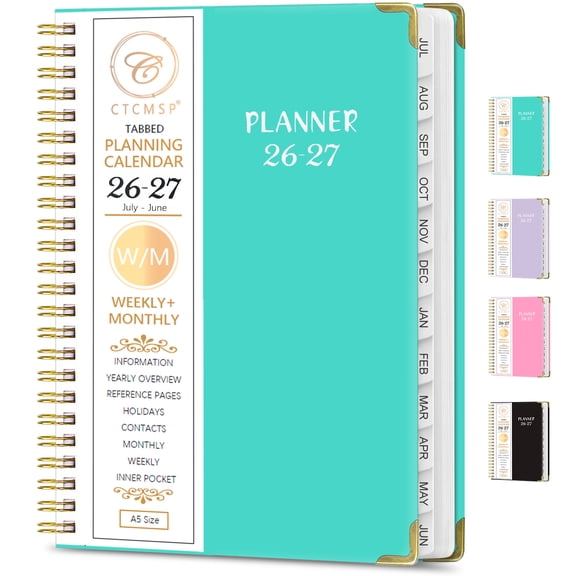
You should measure where your planner will live before you choose a size. You may want a pocket format for a handbag, an A5 option for commuting, or a desk size for home planning.
If you carry your planner every day, you should check whether the cover and page size feel easy to hold. You can often write comfortably in letter size formats, but you may prefer smaller books for travel.
Personal organizers often appeal when you want a planner that moves easily between work, school, and home. You can compare page space against portability so your planner fits your routine, not just your shelf.
Comparing binding and cover styles
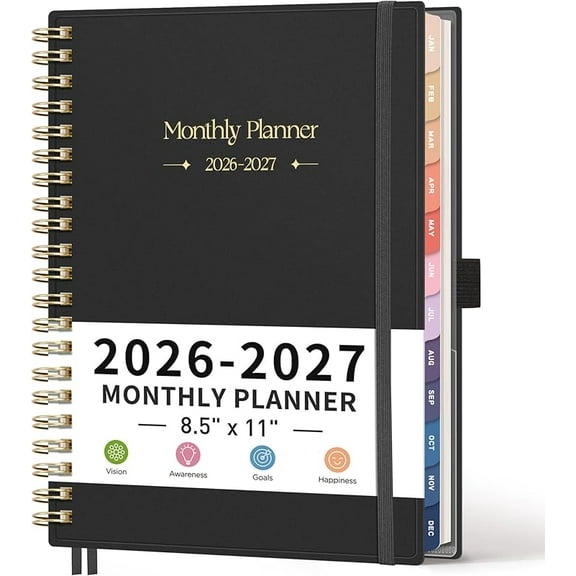
You should look at binding type because it affects how your planner opens, stores, and travels. You can choose spiral bound styles for easy page turning, or you can consider hardcover and softcover formats.
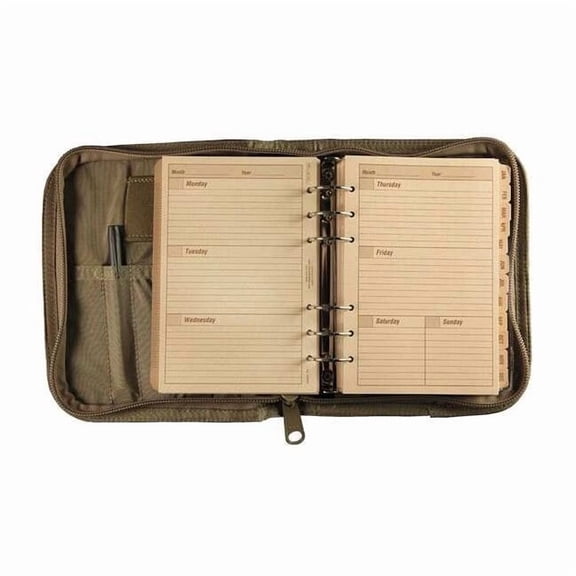
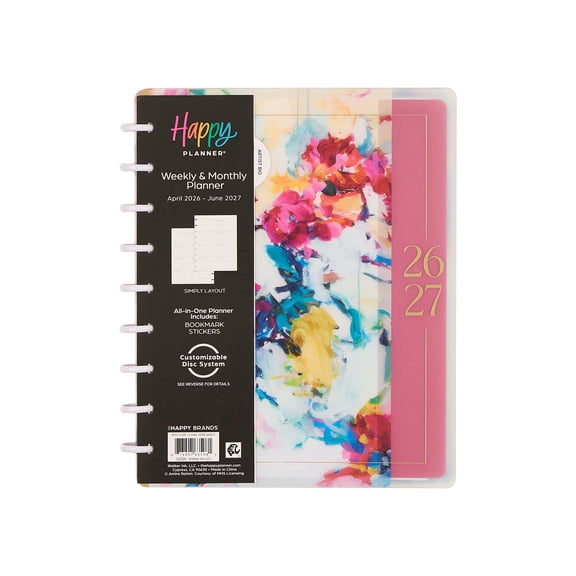
If you write across both pages, you may like a binding that lies flatter on a desk. You can also explore discbound options when you want flexibility around page arrangement and section changes.
Your cover choice matters too because it affects weight, structure, and how the planner feels in a bag. You may prefer a firm cover for desk use or a lighter cover for everyday carrying.
Checking duration, dates, and paper details
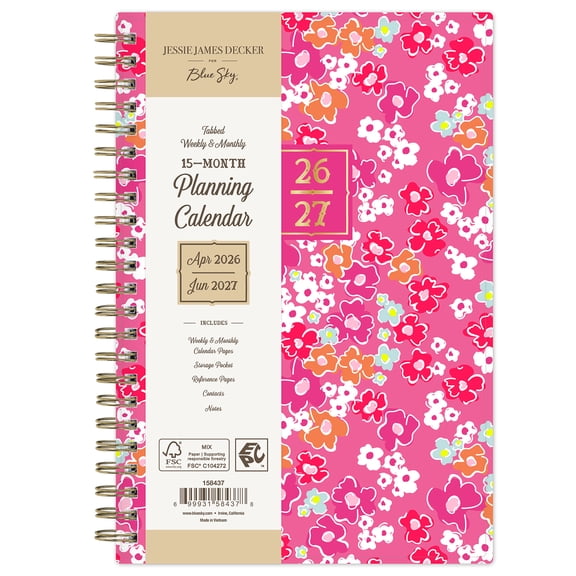
You should compare duration next because it changes how long your planner supports your schedule. You can choose 12-month formats for a standard year, 18-month formats for longer planning, or undated pages for flexibility.
If you’re thinking ahead, 2025 planners can help you align upcoming goals, events, and school or work milestones. You can also choose undated styles when you don’t want unused pages during slower months.
Paper details matter when you write with gel pens, markers, or fountain pens. You should look for pages that feel smoother and more opaque, because you’ll notice cleaner notes and less visible show-through.
Using planners for real routines
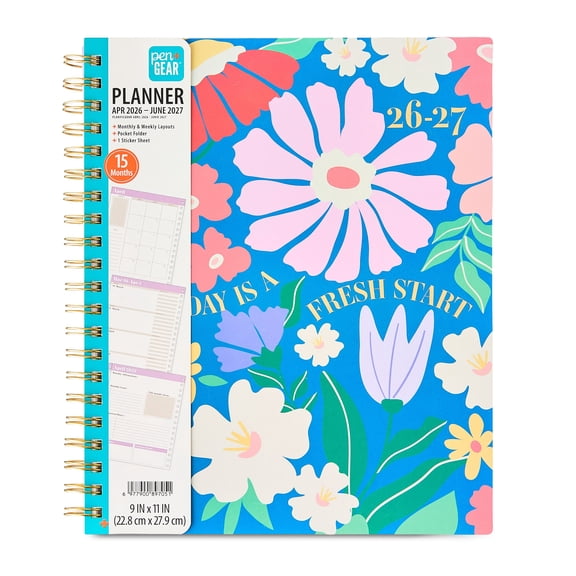
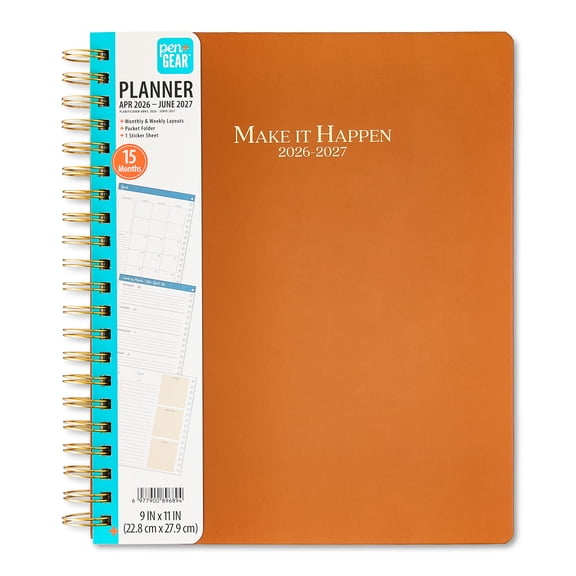
You can use planners to manage class schedules, meal prep, work shifts, family calendars, and project deadlines in one place. You may keep a monthly spread for major dates and a weekly spread for follow-up tasks.
If you balance school and activities, academic planners can help you separate assignments, exams, and events by term. You can also pair a compact size with a spiral binding when you move between classrooms or meetings.
For home offices, you may want desk formats with larger writing areas and clear monthly grids. You can use those pages to map bills, appointments, and recurring household tasks without crowding small boxes.
When your schedule changes often, daily planners give you more room to adjust details as plans shift. You can track priorities, note times, and leave space for lists, which helps your day stay visible.
If you prefer one book for personal and work planning, weekly and monthly planners can give you structure without feeling crowded. You can review upcoming commitments quickly and still keep room for notes.
You can choose planners with the layout, size, binding, and duration that match how you actually organize your time. This helps you get a clearer writing experience and a schedule that stays easy to follow all year.