

Mirror Dash Cams in Dash Cam Features



















About Mirror Dash Cams in Dash Cam Features - Walmart.com
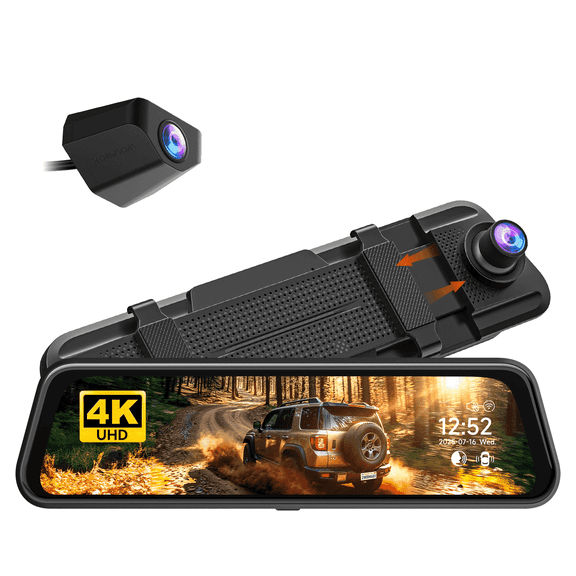
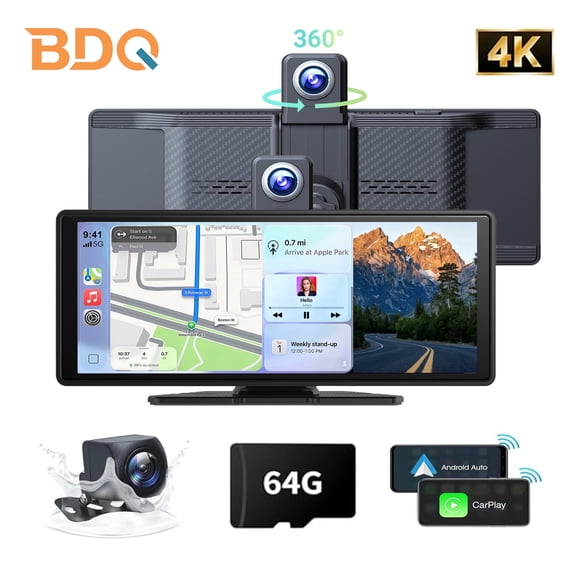
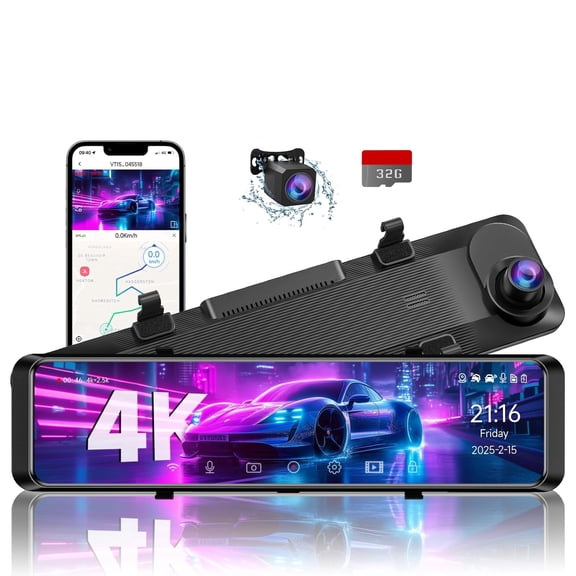
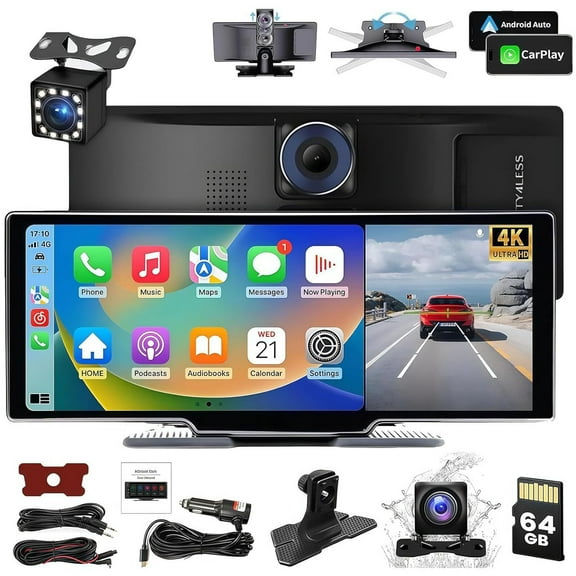
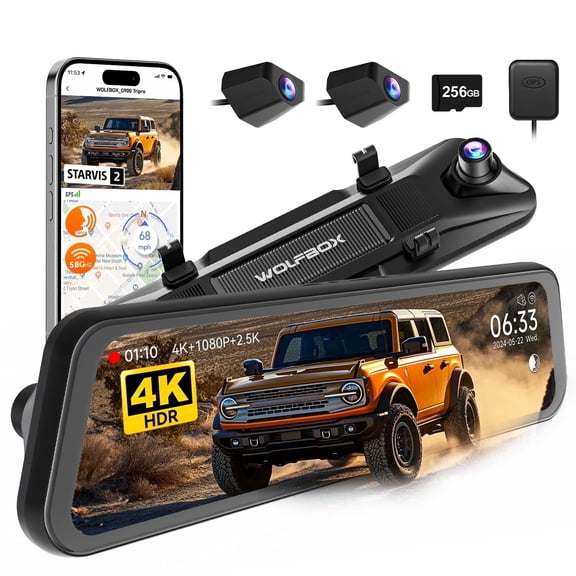
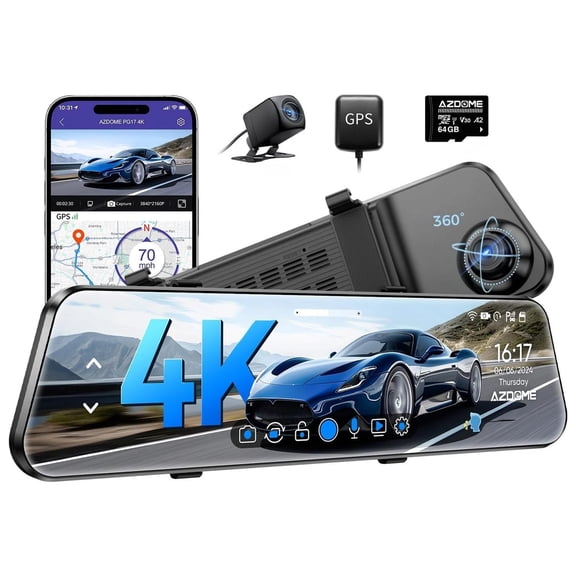
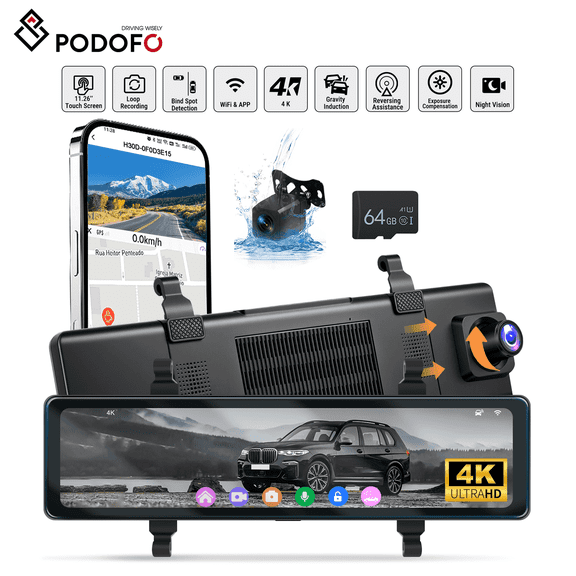
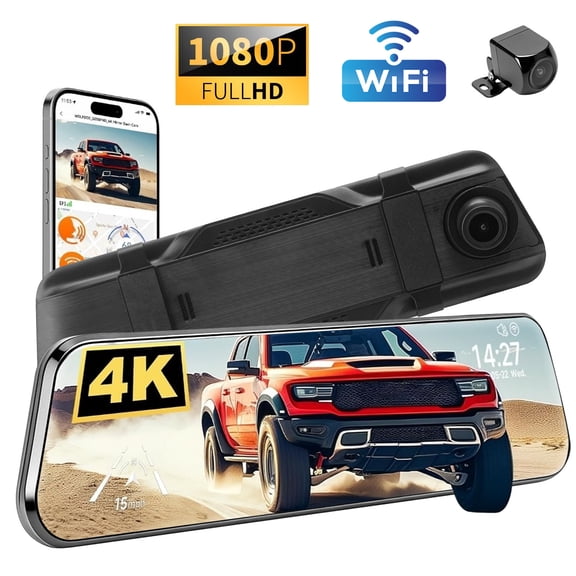
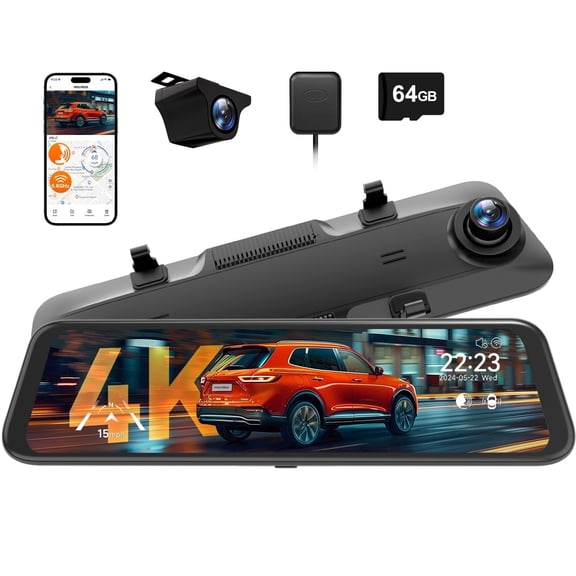
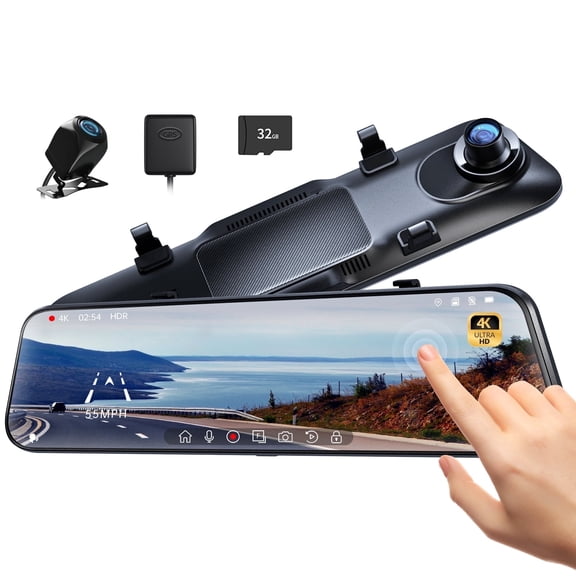
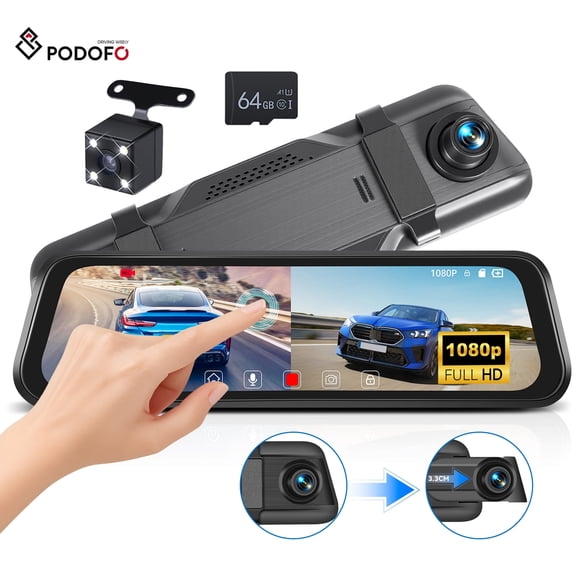
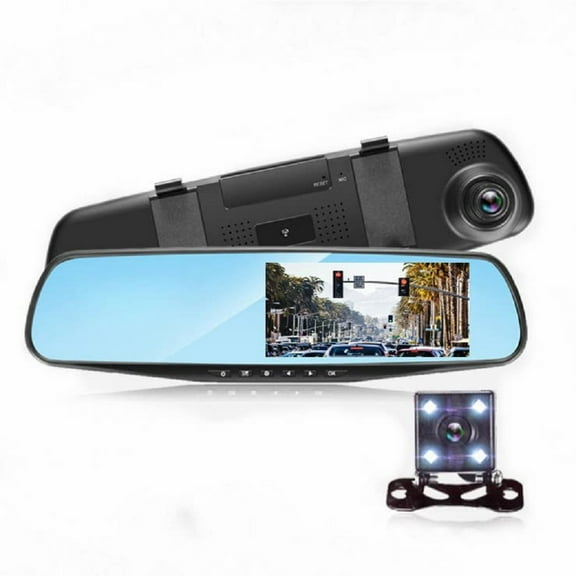
Your front and rear dash cam mirror can give you wider road coverage without cluttering your windshield. You can compare display style, fitment, and wiring options to match your vehicle and driving routine.
If you want a cleaner look than a standard camera mount, you may prefer a mirror-based setup. You can keep a familiar rearview position while adding front and rear recording in one place.
How to choose a front and rear dash cam mirror
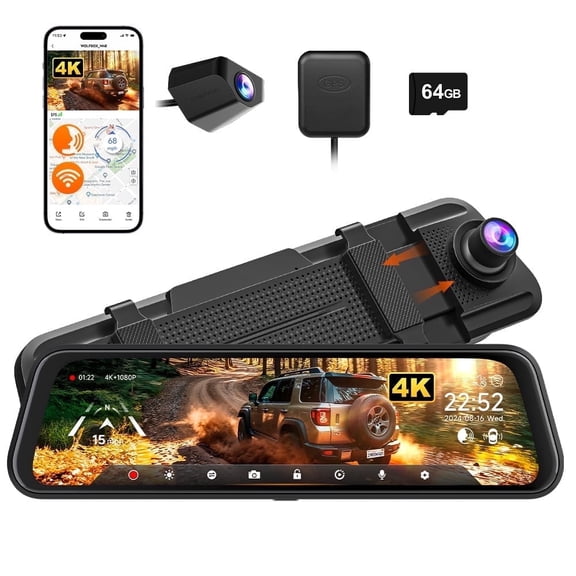
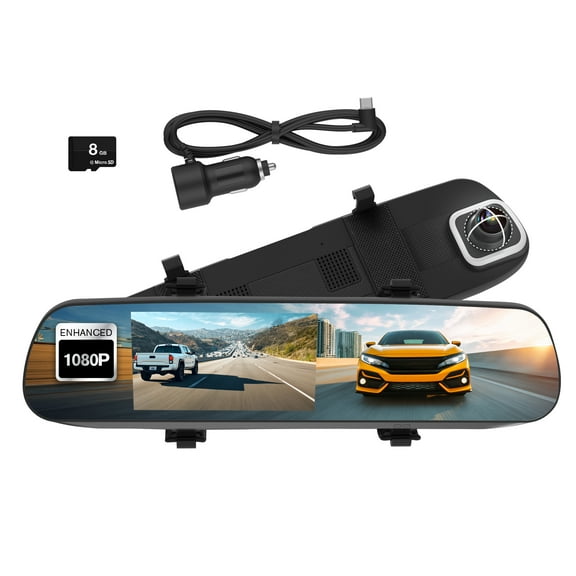
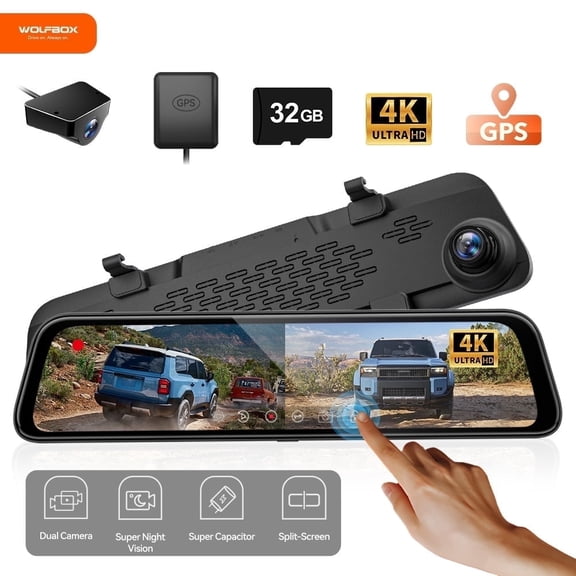
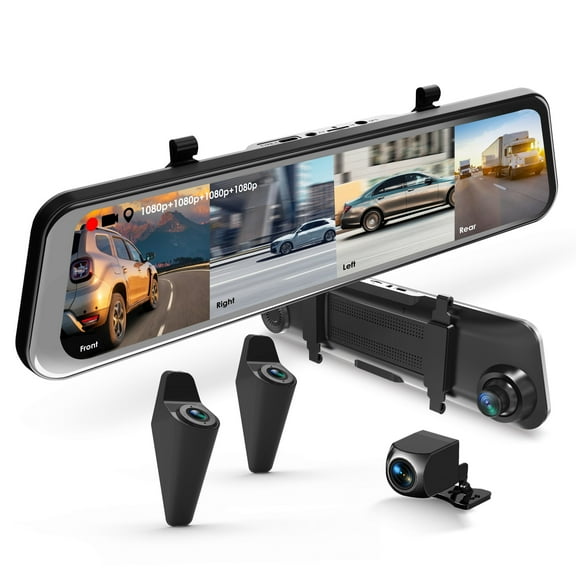
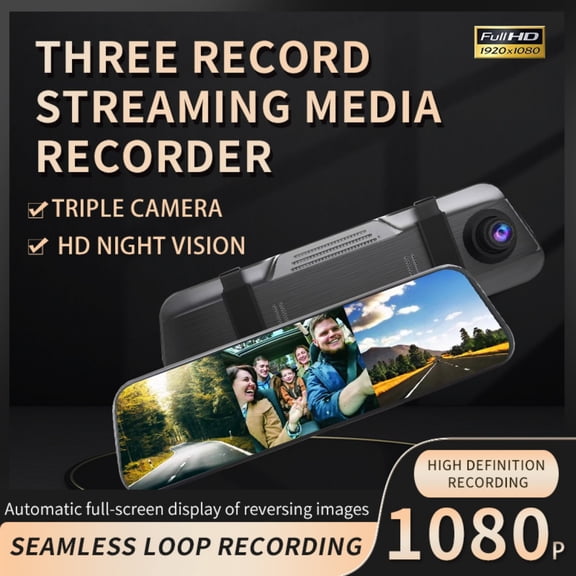
You should start with camera coverage because it changes what your system can capture every time you drive. You can choose front only, front and rear dual channel, or 3-channel options for added cabin visibility.
When you compare a rearview mirror with dash cam design, you should think about your daily routes and parking habits. You may want rear coverage for backing up, highway merges, and recording behind your vehicle.
You can also compare camera location to match your setup goals. You may see options built around the rearview mirror, side mirror dash cam styles, or passenger side mirror with camera layouts.
- You can reduce windshield clutter by choosing a mirror-mounted camera instead of a separate hanging unit.
- You can capture front and rear views together, which helps you review lane changes, parking movement, and traffic behind you.
- You can pick a display style that fits your comfort level, from reflective glass to a full touch screen.
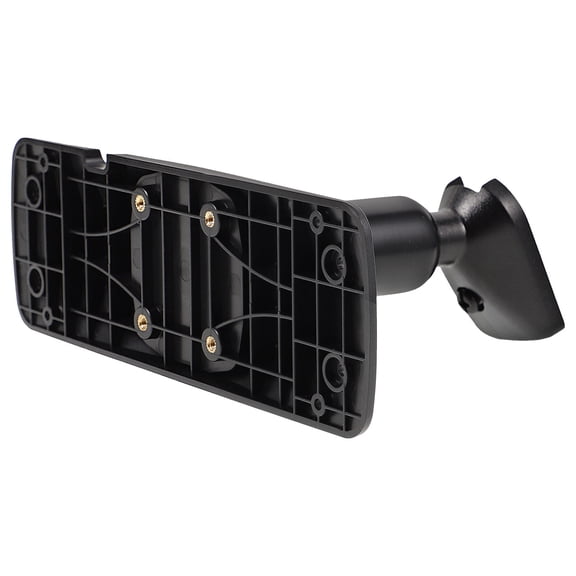
- You can match installation style to your vehicle by choosing strap-on or bracket replacement designs.
Choosing display type and fitment
You should check screen diagonal size in inches before you choose a dash cam rearview mirror. You can get a clearer live view when the screen fits your mirror width without blocking controls.
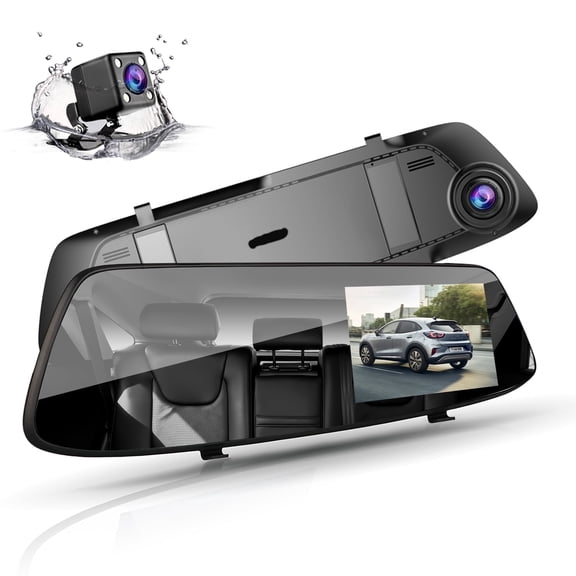
If you prefer a familiar mirror look, you may like reflective glass models with a hidden display. If you want a larger viewing area, you may choose a digital rear view mirror with dash cam features.
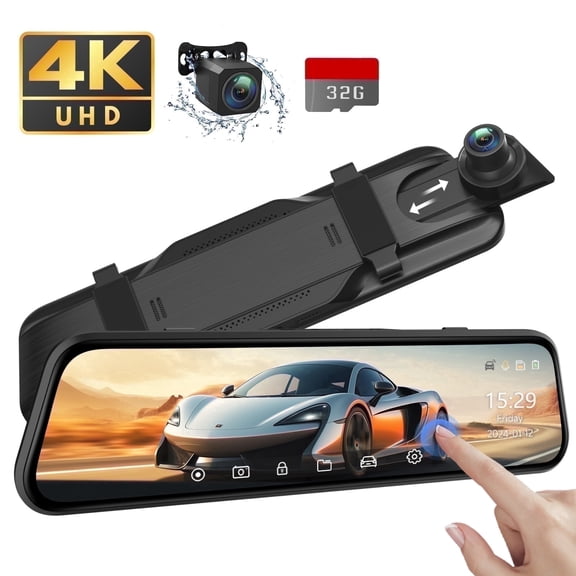
You can also compare digital LCD screens with IPS full touch screen layouts. You may notice IPS panels look clearer from different angles and feel easier to swipe through settings.
Fitment matters because you need the mirror housing to sit securely over your existing mirror. You should measure your current mirror and check whether straps or brackets match your vehicle shape.
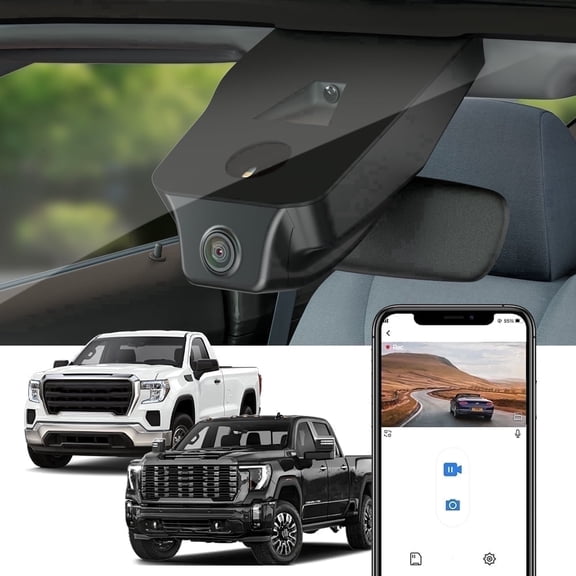
Strap-on styles work well when you want simpler installation and broad compatibility. Bracket OEM replacement styles suit you when you want a factory-style fit and a more integrated appearance.
What to look for in video, wiring, and storage
You should compare video resolution because it affects how clearly you can review road details later. You may want higher resolution and strong night vision for clearer license plates in low light.
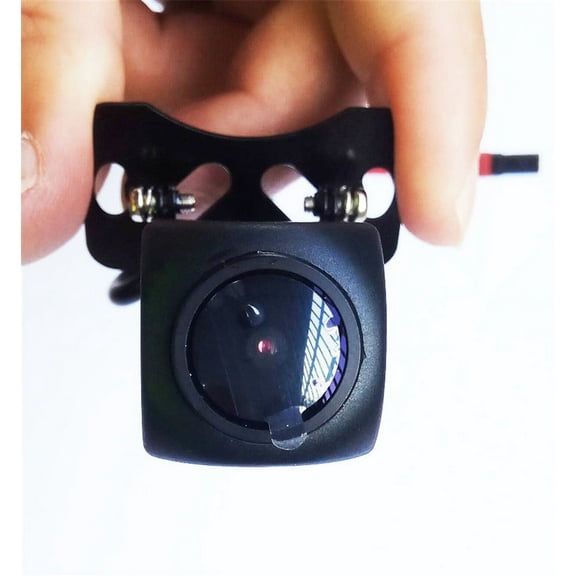
A car mirror with camera setup often includes a rear camera that supports reversing views on the mirror screen. You can make parking and backing up easier when your display switches to the rear feed.
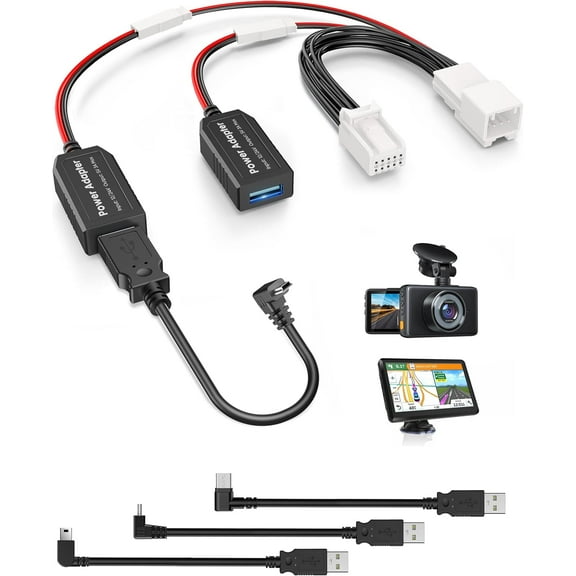
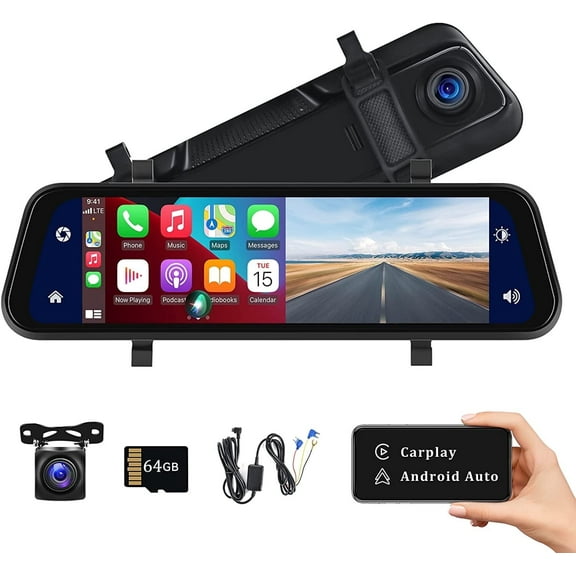
You should also look at power source options before you decide. You can plug some units into a 12V outlet, while others support hardwire kits for a cleaner cable route.
If you want parking mode, you should check whether hardwire support is available. You can keep the mirror recorder connected in a way that suits longer-term use and a tidier installation.
Storage capacity matters because you need enough space for repeated driving footage. You should look for loop recording, which lets your car mirror dash camera overwrite older clips automatically.
You may also want to confirm memory card support and file handling. You can avoid guesswork when you check supported card sizes and how the unit saves locked clips.
Matching the right mirror camera to your driving needs
If you commute in traffic every day, you may want front and rear dual channel coverage with strong low-light recording. You can review merging, stop-and-go movement, and rear activity from one screen.
When you share a vehicle or switch cars often, you may prefer strap-on installation. You can move a center mirror dash cam more easily than a bracket-based replacement design.
If you drive at night or on dim roads, you should focus on screen clarity and night vision performance. You can see a brighter rear feed and review darker footage with less guesswork.
You may want a digital rear view mirror with dash cam functions if your cargo or passengers block a standard mirror view. You can rely on the live camera feed when your rear window sightline feels limited.
For parking-focused use, you should look for rear camera guidance and simple wiring options. You can pair a rearview mirror with dash cam setup with your backup routine for smoother maneuvering.
If you want a clean cabin look, you may choose car mirrors with camera designs that combine recording and display in one unit. You can cut down on extra mounts, dangling screens, and crowded glass.
You should also compare whether an auto mirror camera offers touch controls, physical buttons, or voice-friendly menus. You can pick the control style that feels easiest while you stay focused on driving.
With the right mirror format, screen size, and wiring path, you can build a setup that fits your vehicle cleanly. You can drive with a clearer rear view, dual-camera coverage, and a more organized dashboard.