

Wood Cutting Boards & Cutting Boards for Kitchen











![Bamboo Cutting Boards for Kitchen [Set of 3] Wood Cutting Board for Chopping Meat, Vegetables, Fruits, Cheese, Knife Friendly Serving Tray with Handles](https://i5.walmartimages.com/seo/Bamboo-Wood-Cutting-Board-Set-Chopping-Board-with-Juice-Groove-for-Meat-Cheese-Vegetables-Butcher-Block-Cheese-Charcuterie-Board_08f6b868-892e-463a-9cd4-ac43eb916722.7558bbe4cf8b42c39ce898a2e7f1cddd.jpeg?odnHeight=576&odnWidth=576&odnBg=FFFFFF)











About Wood Cutting Boards & Cutting Boards for Kitchen - Walmart.com
Cutting boards help you prep meals with a surface that fits your kitchen, your ingredients, and your cleanup routine. You can compare materials, sizes, and board types that match everyday chopping, carving, and serving.
How to choose cutting boards for your kitchen
You can narrow cutting boards faster when you compare material, size, type, and care needs together. You should start with how much counter space you use and how often you prep.
Different kitchen cutting boards support different tasks, from quick fruit slicing to full dinner prep. You can also look for details like juice grooves, handles, and non-slip edges.
- You can use wood for a classic prep surface that feels sturdy and easier on many knife edges.
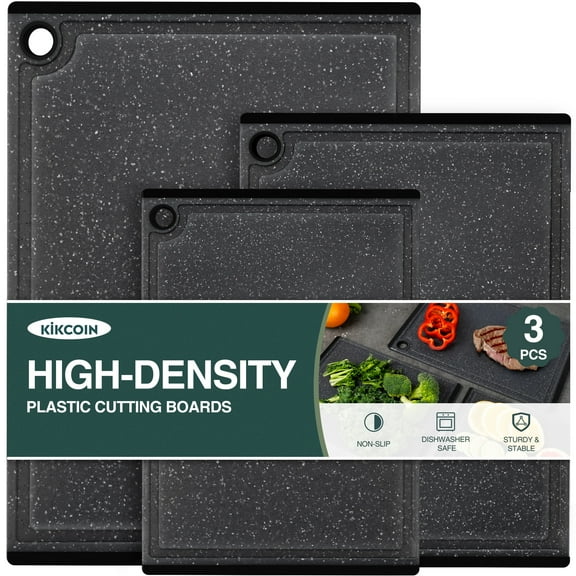
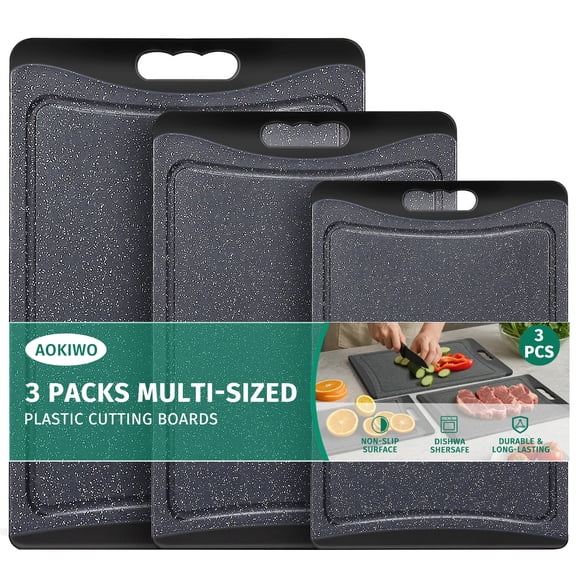
- You can pick plastic for simple cleanup, especially when dishwasher safe designs fit your routine.
- You can choose large cutting boards when you need more room for batch prep, carving, or serving.
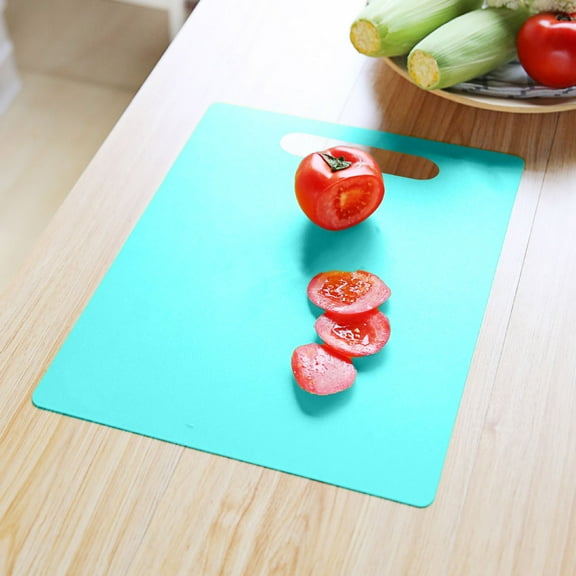
- You can try flexible mats when you want to guide chopped ingredients into bowls or pans.
When you compare these details together, you can narrow your options with less guesswork. You’ll choose with more confidence when your board fits your meals and your storage.
Choosing the right wooden cutting boards
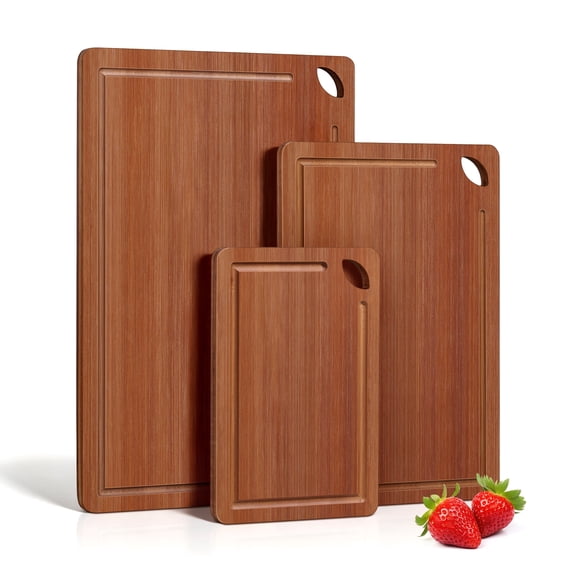
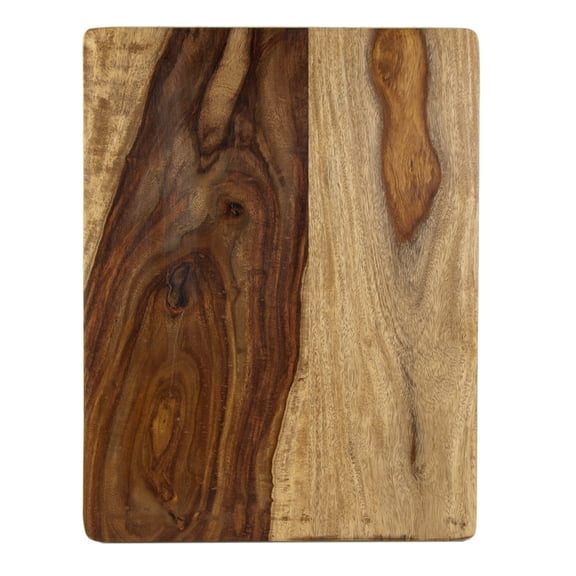
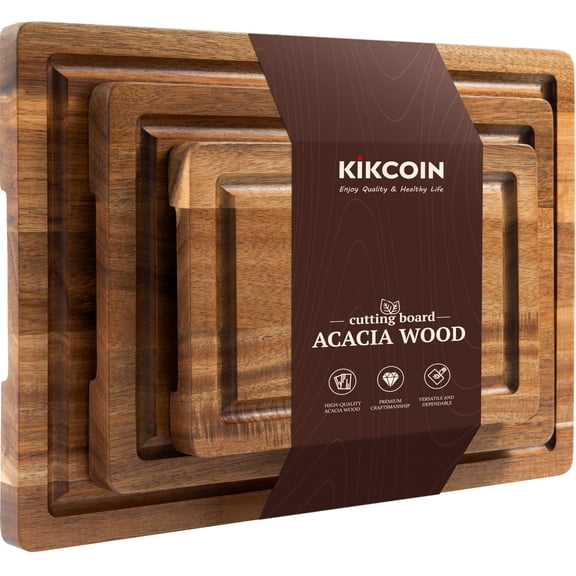
You may prefer wooden cutting boards when you want a substantial surface and a warm kitchen look. You can use them for slicing produce, prepping herbs, or serving bread and cheese.
When you compare wood species, you should look at grain and hardness in simple terms. You’ll often notice tighter grain feels smoother, while harder surfaces can feel firmer under your knife.
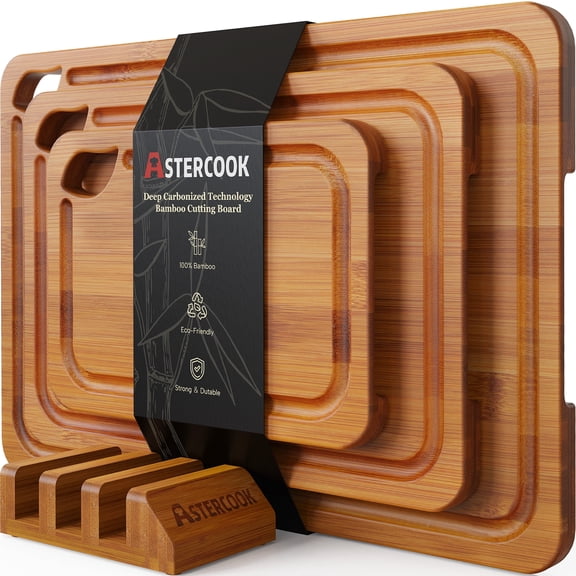
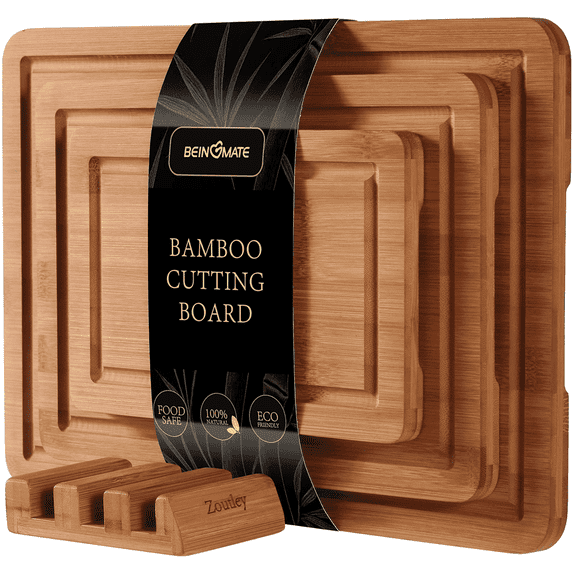
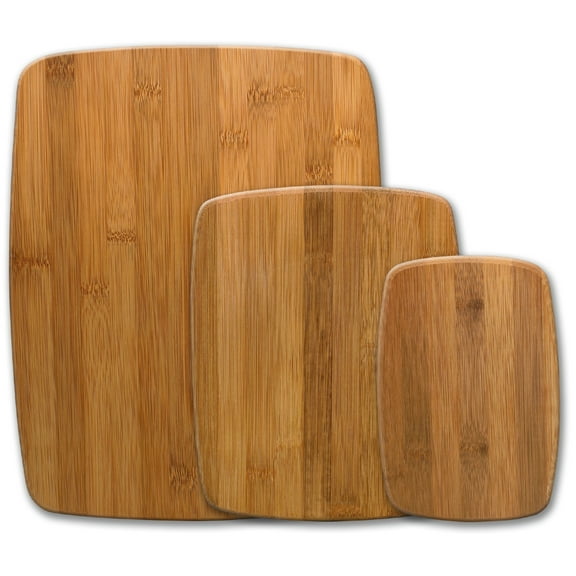
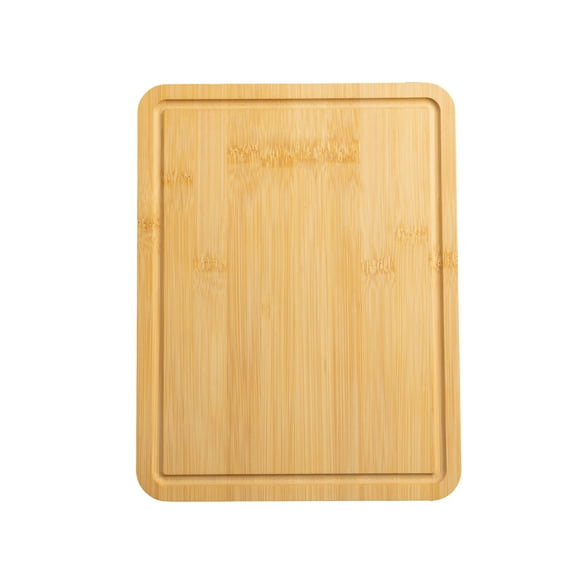
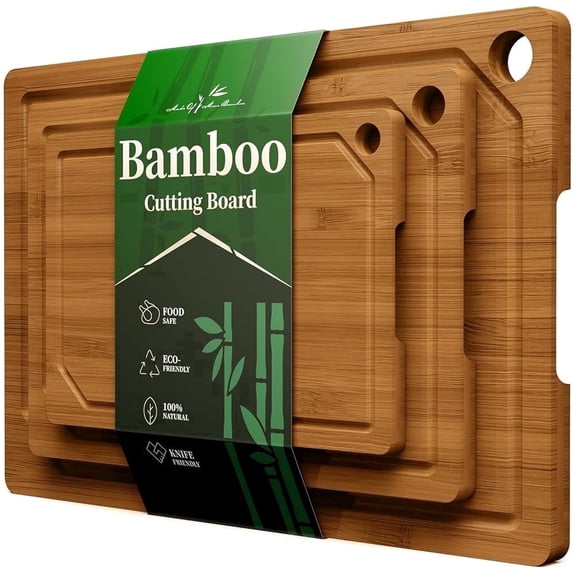
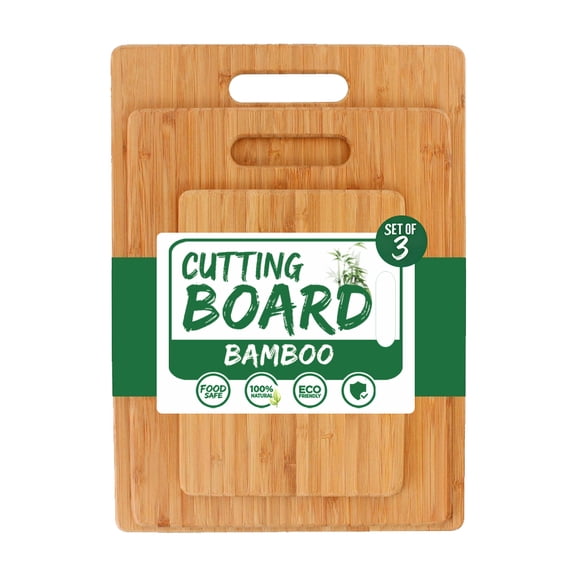
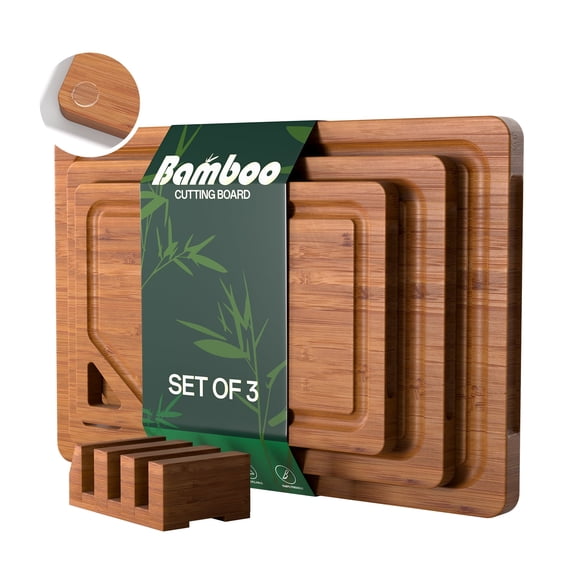
Bamboo gives you another natural-looking option when you want a lighter board with a crisp appearance. You should know bamboo can feel harder, so your cutting feel may differ from traditional wood.
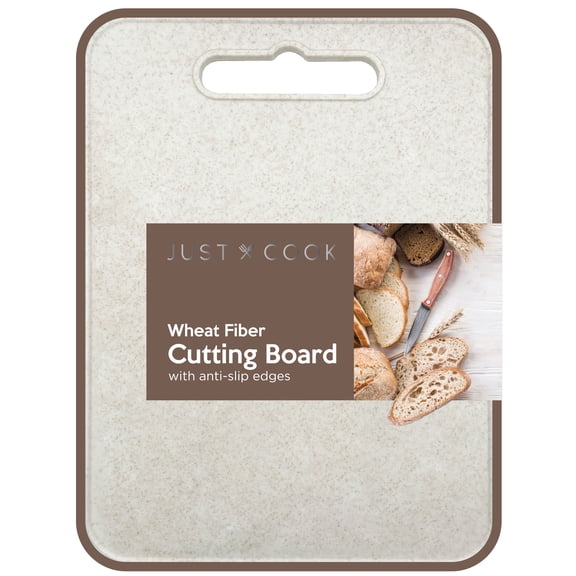
Composite boards can give you a middle-ground choice when you want a dense prep surface. You can compare them if you like a cleaner look with less visible grain.
For upkeep, you should check whether your board needs hand washing and occasional oiling. You’ll keep your surface ready for daily prep when you follow simple care steps.
Comparing plastic cutting boards and easy-clean options
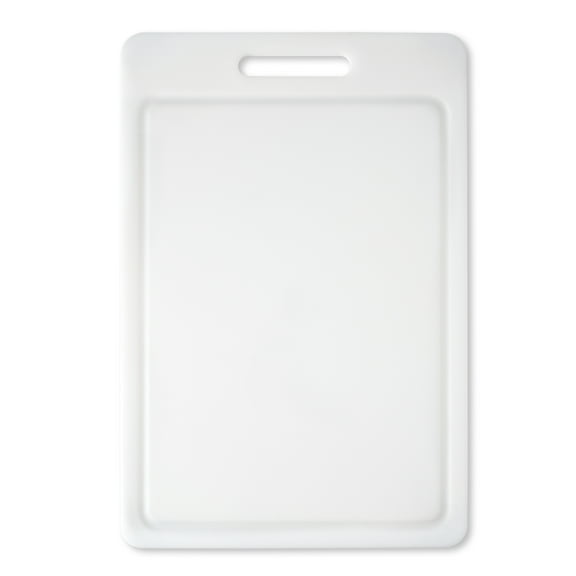
You may choose plastic cutting boards when quick cleanup is a main priority in your routine. You can often place dishwasher safe options into your regular wash cycle.
Many plastic styles include non-slip edges or textured surfaces that help you keep ingredients in place. You’ll appreciate that extra stability when your counter gets busy during meal prep.
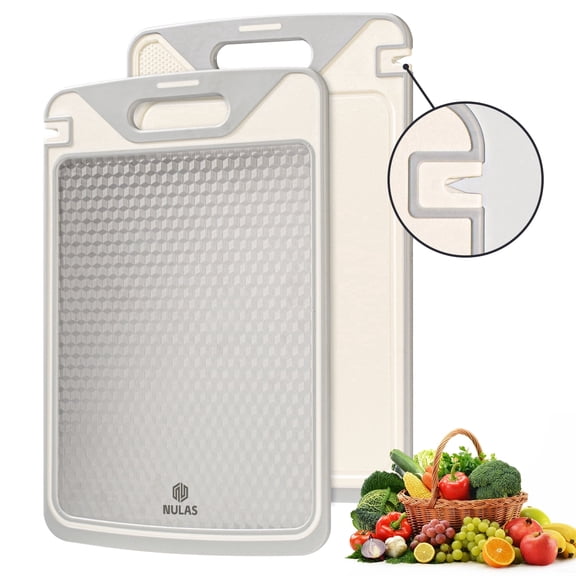
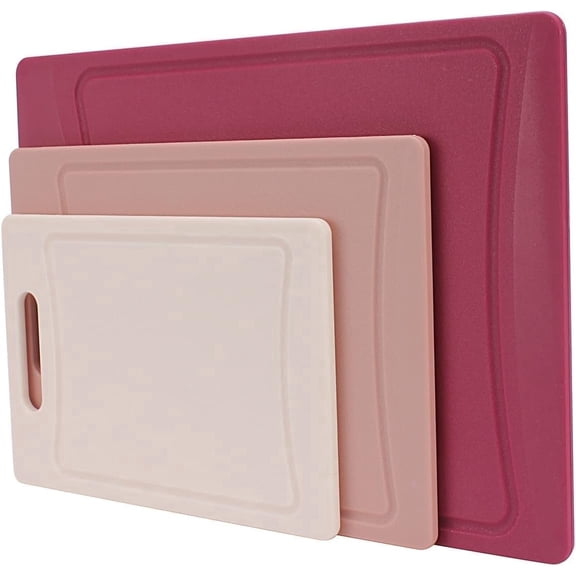
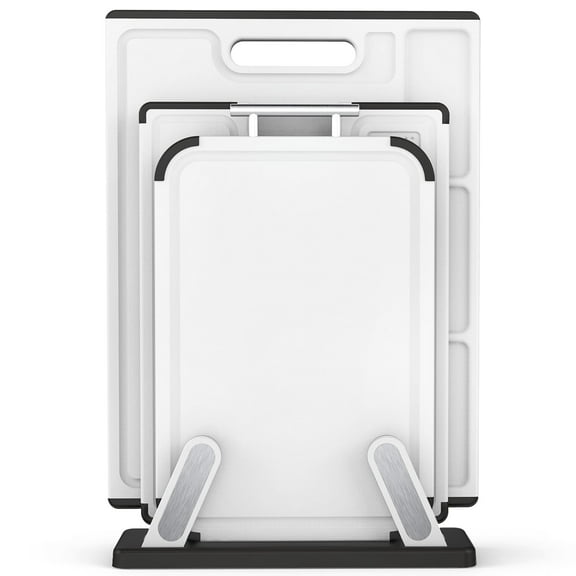
If you want separate boards for different foods, you can compare sets, colors, and flexible mats. You can organize prep tasks more clearly when each surface has a clear purpose.
Some chopping blocks in plastic or composite styles offer extra thickness for a sturdy feel. You should consider that weight if you want the board to stay put during heavier chopping.
Choosing size, type, and board shape
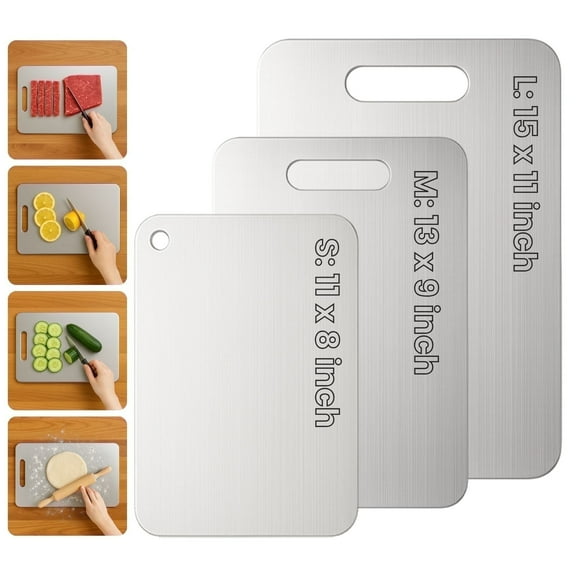
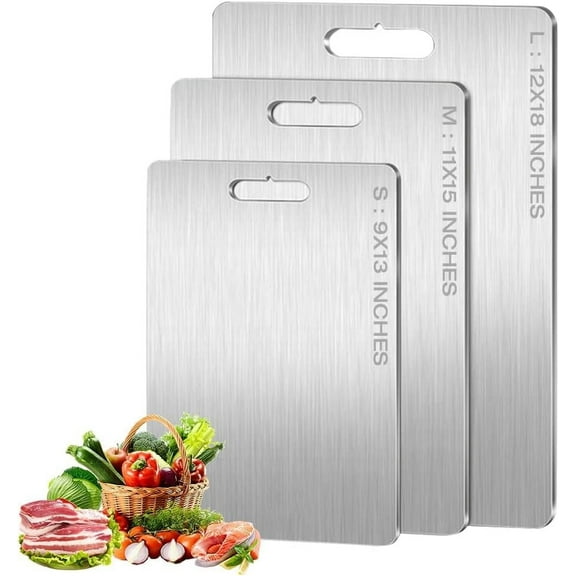
You should measure your counter before you choose between small, medium, and large cutting boards. You’ll avoid crowding your workspace when the board fits your prep area.
Small boards work well when you slice fruit, trim garnishes, or prep quick snacks. You can store them easily in tighter cabinets or apartment kitchens.
Medium boards give you an everyday option for sandwiches, vegetables, and weeknight meals. You’ll have enough room for steady prep without taking over the whole counter.
Large cutting boards help you handle batch cooking, family meals, and bigger ingredients. You can spread out chopped items without constantly moving food off the board.
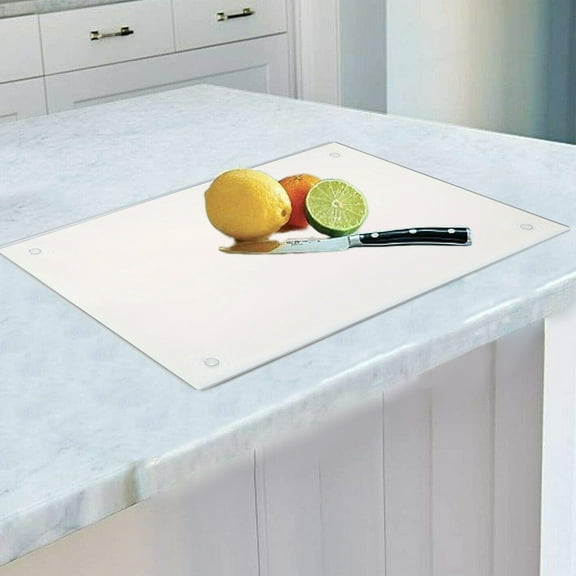
Over-the-sink designs help you use space that might otherwise stay empty during prep. You can create a wider work zone when your kitchen has limited counter area.
A carving board can help you manage roasted meats or juicy produce with less mess. You should look for a juice groove if you want liquid to stay on the board.
Flexible mats suit quick transfer jobs because you can bend them toward a bowl or pan. You’ll find them useful when chopped onions or peppers need a fast move.
What features to look for in kitchen cutting boards
You should compare handles, edges, thickness, and surface texture before you decide. You’ll notice these details affect how your board feels during daily use.
Handles can make it easier for you to lift, wash, or move a board to the table. You can also hang some boards when your drawer space is limited.
Non-slip corners help you keep the surface steadier while you chop or slice. You may want that added grip if you prep several ingredients in one session.
A juice groove matters when you carve meat, slice citrus, or cut tomatoes. You’ll keep liquids more contained and your workspace neater with that channel.
Thickness changes how substantial a board feels on your counter during prep. You should compare lighter boards for easy lifting and thicker boards for a more grounded feel.
If you want one board for many tasks, you can balance cleanup, storage, and prep space first. You’ll choose more confidently when each feature matches a real kitchen habit.
Matching cutting boards to real cooking routines
You might want a wood board for bread, herbs, and everyday slicing at the counter. You can also use a carving board when weekend roasts and holiday meals need more room.
If your weeknights move quickly, you may lean toward plastic cutting boards with dishwasher safe cleanup. You’ll spend less time on cleanup steps when your routine stays simple.
For smaller kitchens, you can choose a medium board or an over-the-sink style. You’ll keep your prep area workable without giving up useful cutting space.
If you prep ingredients in stages, you may want several kitchen cutting boards or flexible mats. You can move chopped food from board to pan with less interruption.
When you cook for groups, large cutting boards and thicker chopping blocks can feel more practical. You’ll have more room for carving, portioning, and serving in one place.
You can choose this category with a clearer plan when you understand each material, shape, and feature. You’ll end up with a board that fits your kitchen, your storage, and your prep style.