

Crown Moulding & Trim: Wood, MDF & Peel and Stick




























About Crown Moulding & Trim: Wood, MDF & Peel and Stick - Walmart.com
You can use crown moulding to give your rooms a finished ceiling line and a more tailored look. You’ll find options for ceilings, cabinets, and walls, with materials and profiles that fit different projects.
How to choose crown moulding for your space
When you compare crown moulding, you should start with where you’ll install it and how much cutting you want. You’ll also want to match the profile size to your ceiling height for balanced proportions.
In rooms with lower ceilings, you may prefer a smaller cove or modern profile that won’t overpower the wall. In taller rooms, you can consider deeper decorative crown moulding with more detail and projection.
- You can create a cleaner transition where your wall meets the ceiling.
- You can coordinate trim around cabinets, ceilings, and accent walls.
- You can choose materials that match humid rooms, painted finishes, or stained woodwork.
- You can pick installation styles that suit quick updates or detailed trim projects.
If you want a simple refresh, you can use moulding to make plain rooms feel more complete. If you’re updating older trim, you can use matching profiles to tie the room together.
Choosing the right material for crown moulding
You should compare material first because it affects cutting, finish, and room placement. You’ll usually see wood, PVC, polyurethane, and MDF across many home projects.
If you want natural grain and a paintable or stain-ready surface, you may choose wood crown moulding. If you’re trimming a bath, laundry room, or kitchen, you may prefer pvc crown moulding for moisture resistance.
You can also consider polyurethane when you want a lighter piece that’s easier to handle during installation. If you plan to paint the trim, you may like MDF for its smooth surface and consistent look.
For painted rooms, you’ll often compare white crown moulding with unfinished or primed options. If you want less prep, you can choose primed trim, while unfinished trim gives you more control over the final finish.
Comparing installation types and room conditions
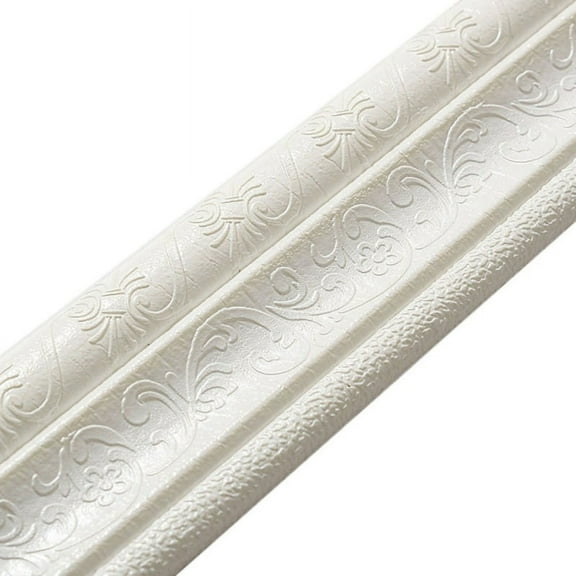
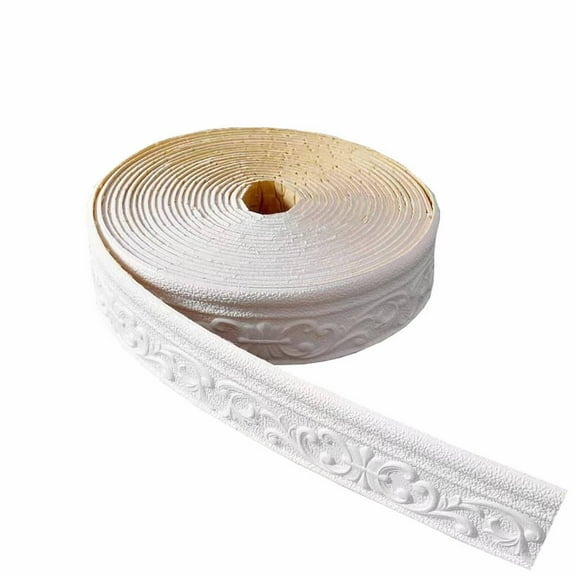
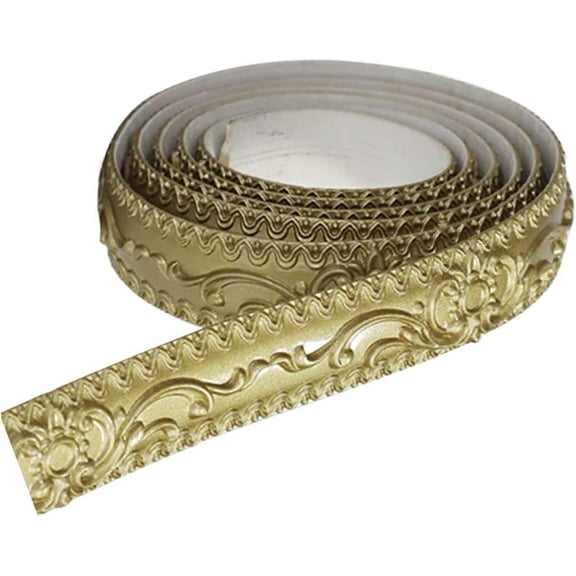
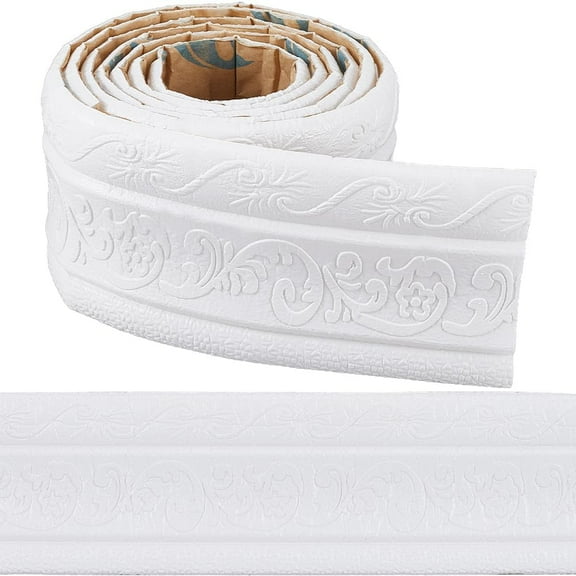
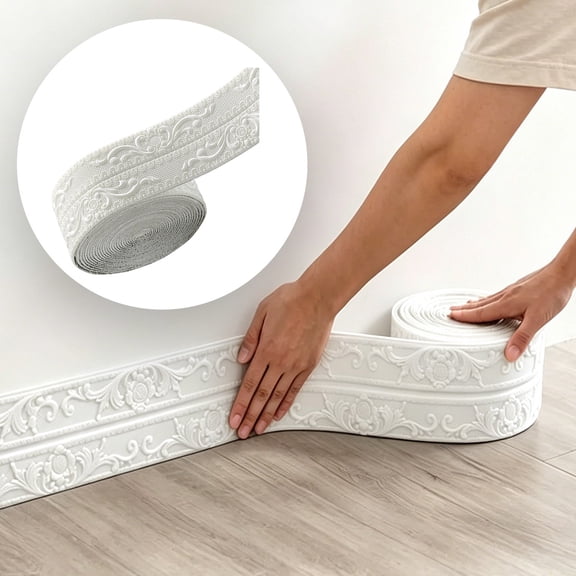
You should check installation type before you choose a profile, because labor and tools can vary. You can find peel and stick crown moulding, adhesive styles, and classic nail-down options.
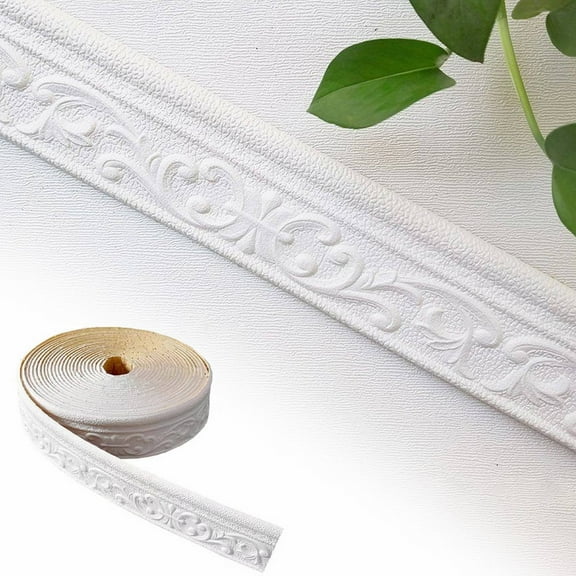
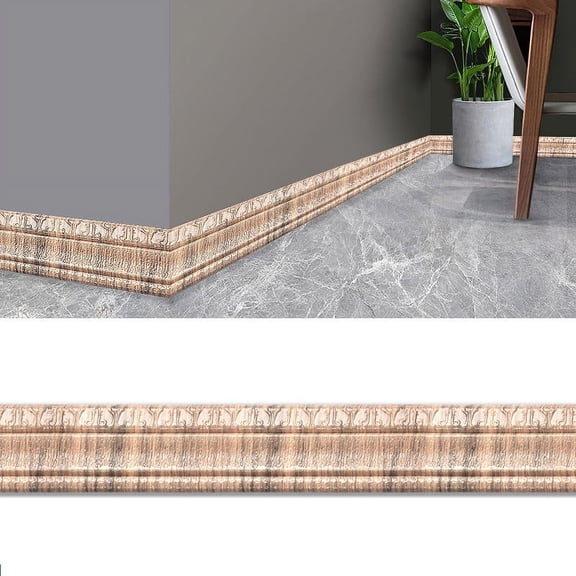
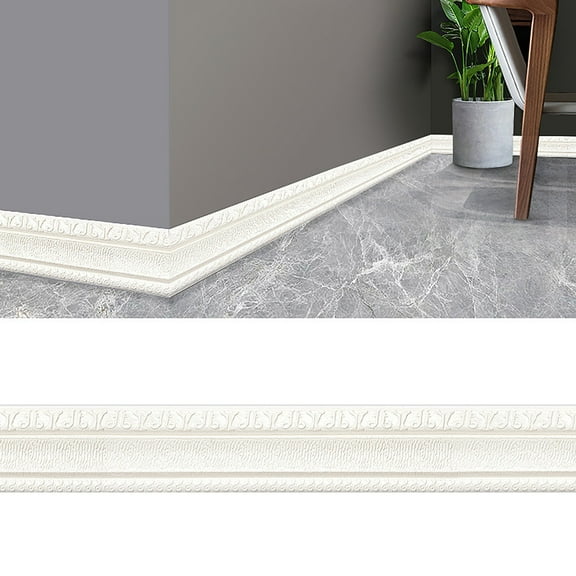
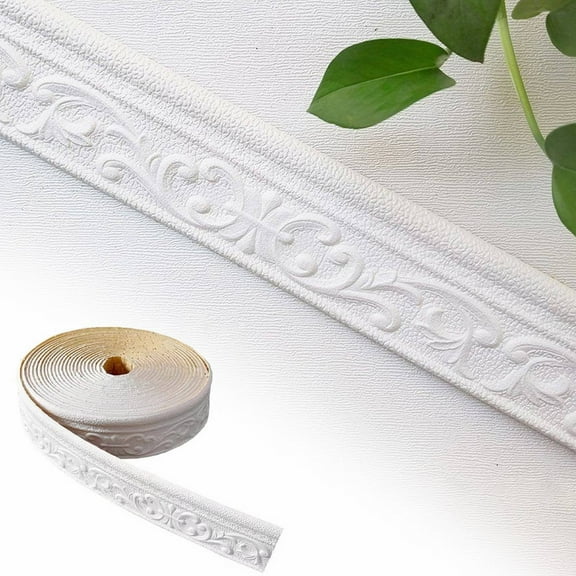
If you want a lighter DIY project, you may consider peel and stick crown moulding for fast visual updates. You won’t need the same cutting setup that detailed wood trim often requires.
When you choose nail-down trim, you should expect measuring, angle cuts, and corner fitting. You’ll usually get a more traditional built-in look, especially with larger profiles and multi-room installations.
For bathrooms and kitchens, you should check whether the material handles moisture and changing humidity well. You’ll often lean toward PVC or polyurethane when you need ceiling moulding in damp spaces.
If you’re planning around inside corners and outside corners, you should also consider how flexible the material feels. You may prefer flexible crown moulding styles for curved walls or uneven surfaces.
Choosing color, finish, and profile style
You should match the finish to your room trim so the moulding looks intentional from floor to ceiling. You can select white, unfinished, or primed styles based on how much finishing work you want.
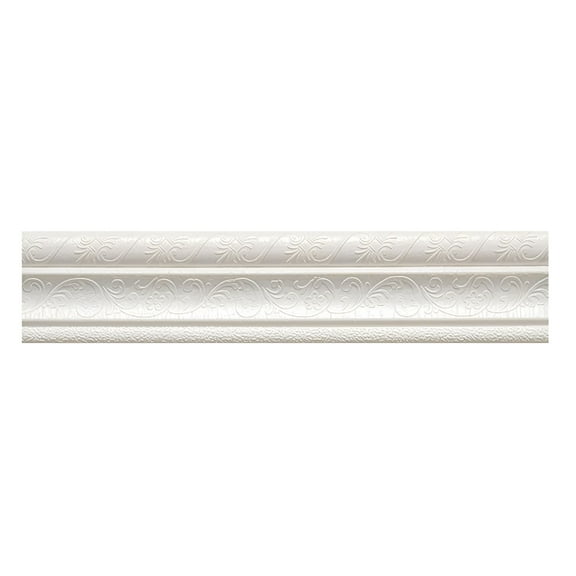
If your walls and trim are already painted, white crown moulding can help you create a crisp, unified border. If you’re matching custom woodwork, unfinished pieces may give you a closer stain match.
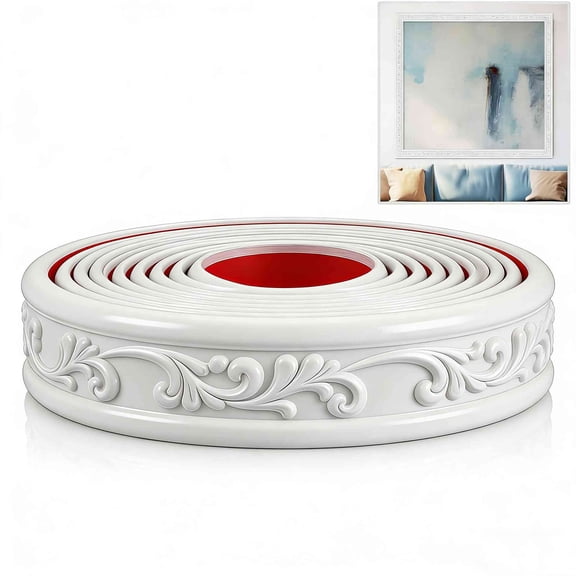
Profile style changes the feel of the room, so you should compare shape as carefully as material. You can choose traditional curves, modern lines, dentil detail, or a softer cove edge.
For formal dining rooms or older homes, you may look for decorative crown moulding with layered detail. For simpler spaces, you may prefer flatter profiles that keep the room clean and streamlined.
Using crown moulding on ceilings, cabinets, and walls
You can use crown moulding in several ways, so application matters when you compare shapes and sizes. You may install it as ceiling moulding, above cabinets, or along wall features.
In living rooms and bedrooms, you can use ceiling moulding to frame the room and connect paint, lighting, and trim. In kitchens, you can place moulding above cabinets to close gaps and add a finished edge.
If you’re creating a built-in look, you can pair cabinet trim with painted doors and simple wall color. If you’re adding detail to an accent wall, you can use crown pieces to finish the upper border neatly.
You should also measure ceiling height before choosing width and projection. With eight-foot ceilings, you may want slimmer trim, while taller ceilings can carry larger profiles more comfortably.
When you compare these details carefully, you can narrow your options with more confidence. You’ll end up with crown moulding that fits your room, your installation plan, and your finish goals.
You can make your project look more polished when you match material, profile, and installation type to the room. With the right crown moulding, you’ll create cleaner lines and a more finished transition at the ceiling.