

Crossbow Scopes & Sights - Illuminated Optics | Walmart















About Crossbow Scopes & Sights - Illuminated Optics | Walmart - Walmart.com
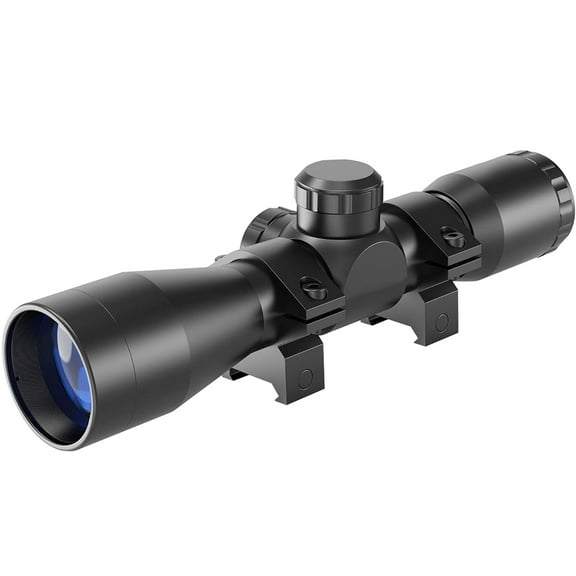
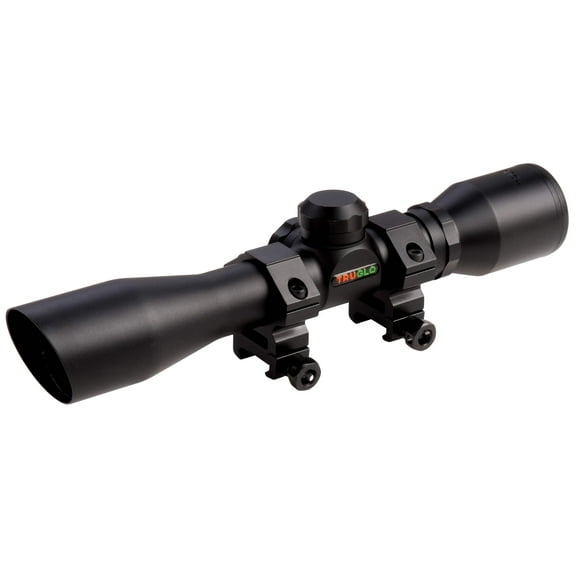
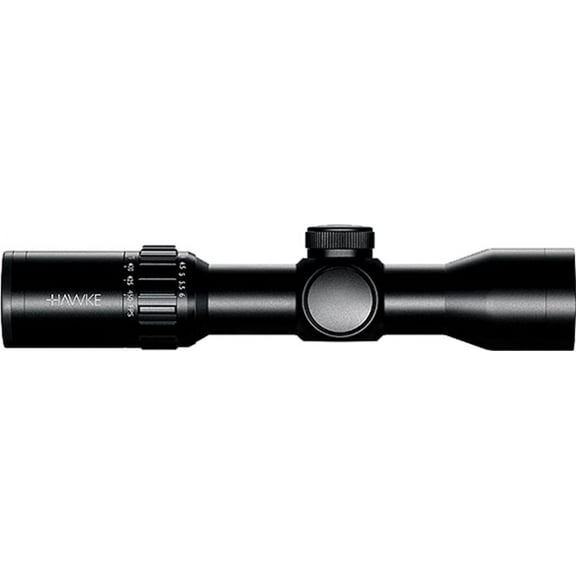
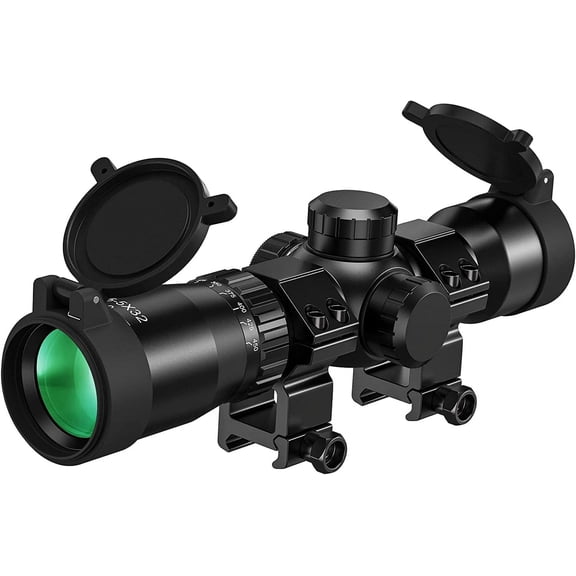
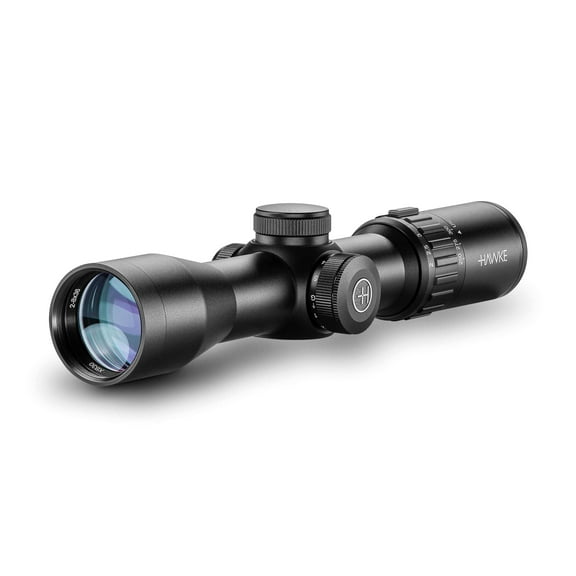
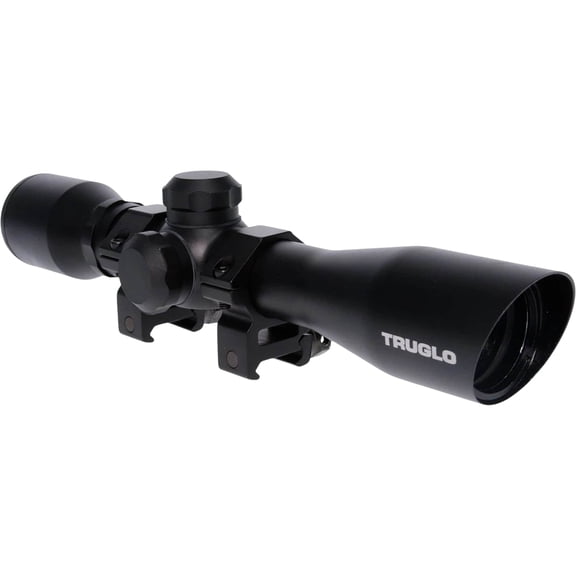
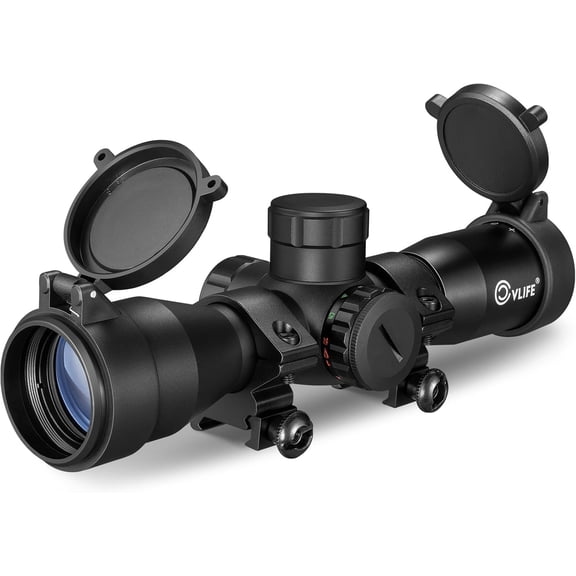
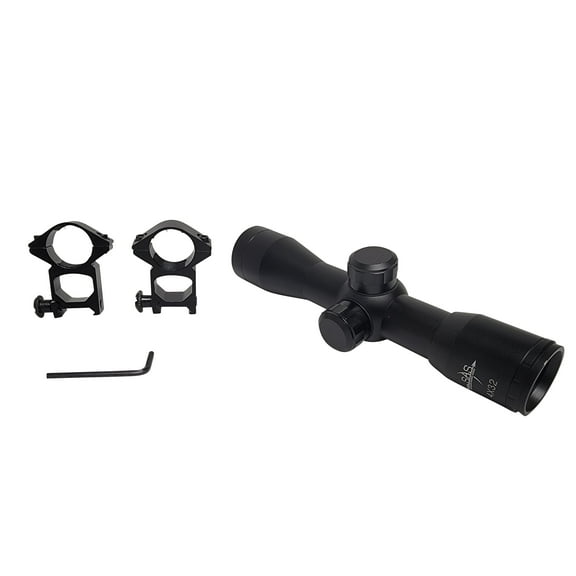
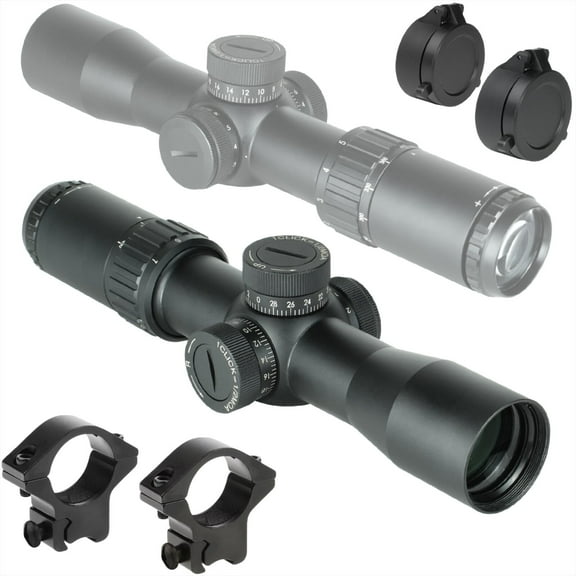
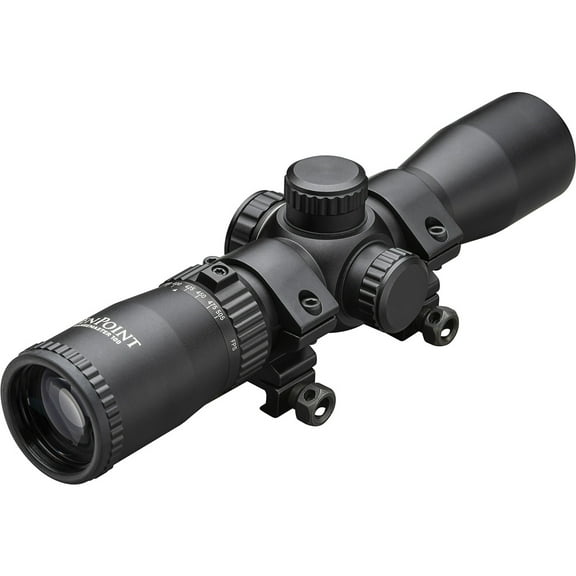
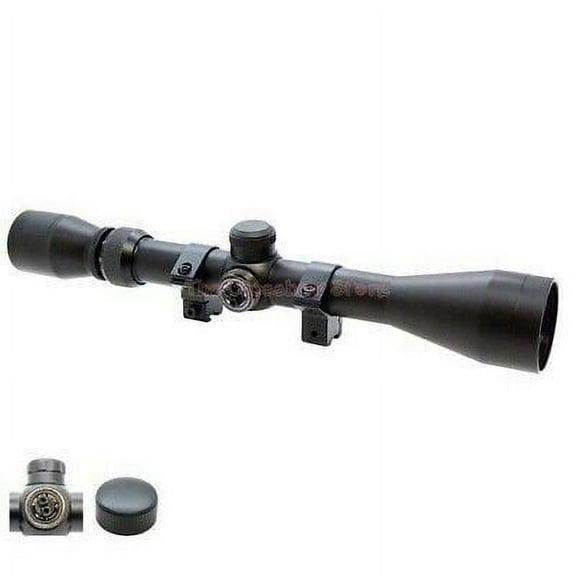
Crossbow scopes help you aim with clearer hold points, faster target pickup, and fit options built for crossbow speeds and rails. You can compare reticles, illumination, and mounting details here, so your setup feels dialed in from the start.
If you're replacing a basic optic or refining a hunting build, you need guidance that matches real crossbow decisions. You'll see choices that focus on speed calibration, rail fit, and visibility in changing light.
How to choose crossbow scopes
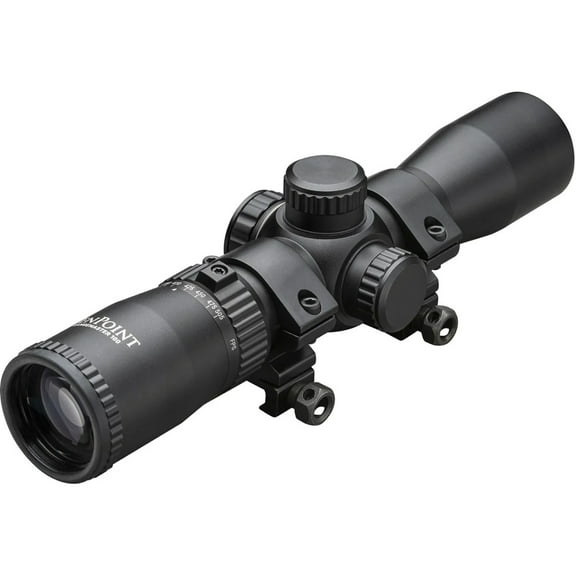
You should start with speed compatibility, because your reticle works around your crossbow's velocity. If your optic matches the right FPS range, you can line up hold points with more confidence.
You'll also want to compare your mounting rail before you choose a crossbow scope. Many setups use Weaver or Picatinny rails, and you should check which base your crossbow accepts.
Another key choice is how you want your aiming point to appear in the field. You may prefer multi-reticle designs for varied distances, or you may want a simpler single-dot view.
- You can use speed-rated reticles to match common crossbow velocity ranges.
- You can compare Weaver and Picatinny compatibility before mounting.
- You can choose illuminated or non-illuminated views for different light conditions.
- You can look for waterproof, fogproof, and shockproof construction for outdoor use.
Choosing reticle type and crossbow sights
You should treat reticle type as a major decision, because it shapes how quickly you read distance markers. A multi-reticle layout can help you transition between closer and longer shots.
If you like a cleaner sight picture, you may lean toward a single-dot option. You might also consider etched glass patterns when you want aiming marks that stay crisp in varied light.
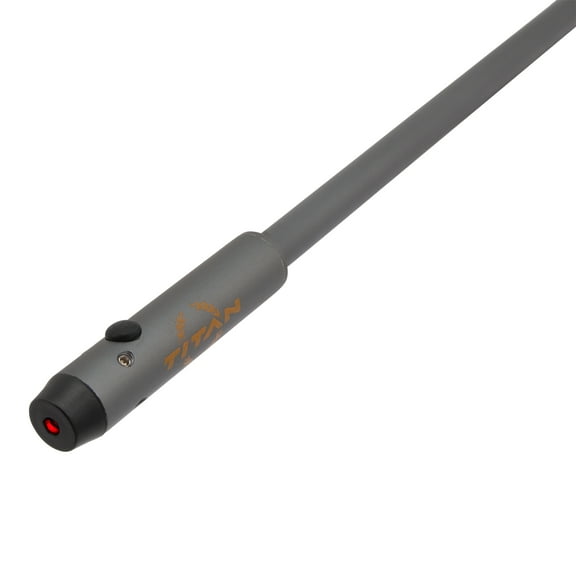
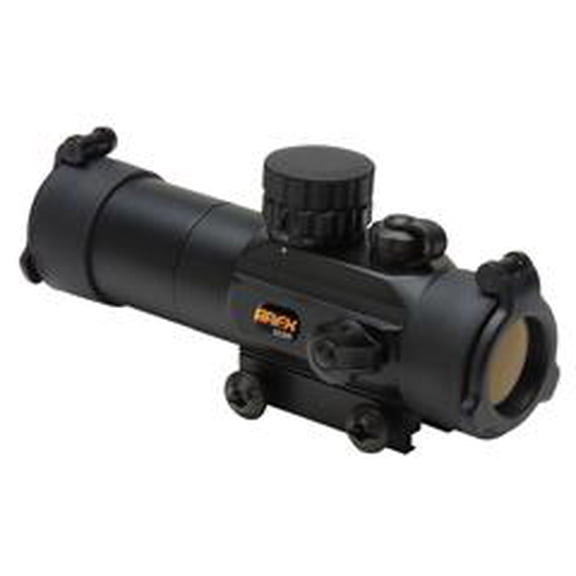
You can also compare scopes, red dot sights, and laser sights within the broader crossbow sights category. A traditional crossbow optic often gives you magnification, while red dot styles can feel quicker at short range.
When you compare illumination, think about how your reticle looks against brush, shadows, and early morning light. An ir crossbow scope can give you a gentle red or green glow that stays easier to see.
You should check adjustable brightness settings if you hunt in changing light. Lower settings can look less distracting, while stronger settings can stand out against darker backgrounds.
What features matter in a crossbow scope
You should look closely at FPS rating and velocity calibration, because those specs are decision-critical for crossbows. They tell you how the aiming marks line up at different distances.
If your bow shoots within the supported speed range, you can get more useful holdover references. You should still confirm your setup with sight-in adjustments after mounting.
Rail compatibility matters just as much as optical features, because a poor fit can interrupt your setup process. You should verify whether your crossbow uses Weaver or Picatinny mounting dimensions.
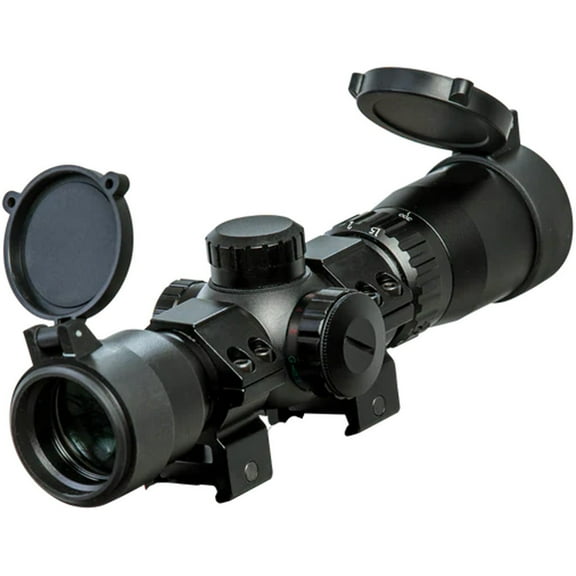
You may also want a crossbow scope illuminated for dusk woods or shaded blinds. That added glow can make aiming points easier to pick up without changing your whole sight picture.
Construction details affect how your optic handles outdoor conditions over time. You should compare waterproof, fogproof, and shockproof builds if your gear rides through damp mornings and repeated shots.
Shockproof construction matters because crossbows create a distinct forward and reverse recoil pattern. You want an optic built for that movement, not a generic scope meant for another platform.
Fogproof designs help you keep the image clearer during temperature changes. Waterproof sealing can also support more consistent performance when your hunt starts in wet grass or light rain.
Matching use cases to your setup
If you hunt from a blind at first light, you may want illuminated crossbow scopes with adjustable brightness. You can keep the reticle visible without overwhelming your view in dim conditions.
If you shoot known distances on a range, you may prefer a speed-calibrated reticle with multiple aiming points. You can practice holdovers in a way that mirrors your hunting setup.
When your crossbow has a Picatinny rail, you should narrow your search to compatible mounts first. That simple check can help you avoid extra adapters and keep installation more straightforward.
If your setup already uses a Weaver rail, you should confirm the included mounting details before you choose. You can make a cleaner swap when your optic matches the base from the start.
You may want a non-illuminated model when you prefer fewer controls and a simpler sight picture. You can also choose etched glass options when you want reticle marks that remain visible without lighting.
If you move through wet timber, open fields, and changing temperatures, durability becomes a bigger priority. You should focus on waterproof, fogproof, and shockproof construction that fits active outdoor use.
You might also compare a crossbow scope with red dot or laser-style options for shorter distances. Your choice depends on whether you want magnification, quick alignment, or a more minimal aiming view.
Why the right crossbow scopes choice matters
You get a more useful setup when your optic matches your speed rating, rail type, and preferred reticle style. That fit helps you spend less time troubleshooting and more time dialing in accurate sight marks.
You can narrow the field faster when you know how illumination, durability, and mounting details affect real crossbow performance. That clarity helps you choose an optic that fits your bow and your shooting routine.