

Craft Foam in Craft Supplies



















About Craft Foam in Craft Supplies - Walmart.com
Craft foam helps you build school projects, cosplay pieces, and decor with clean cuts and flexible shaping. You can compare formats, thicknesses, and colors fast when your project needs flat panels or dimensional details.
How to choose craft foam for your project
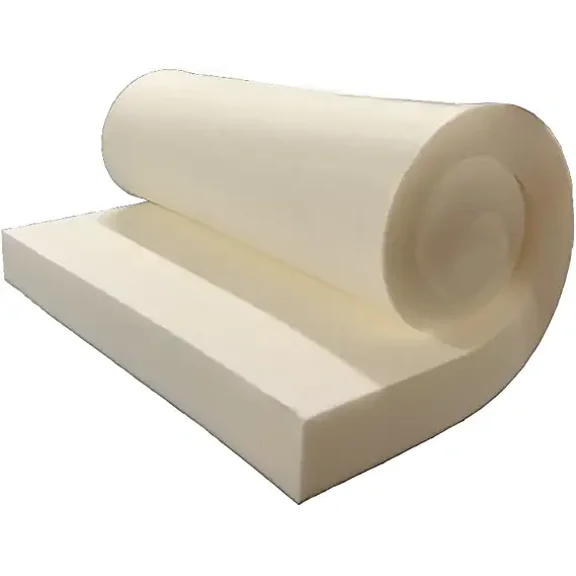
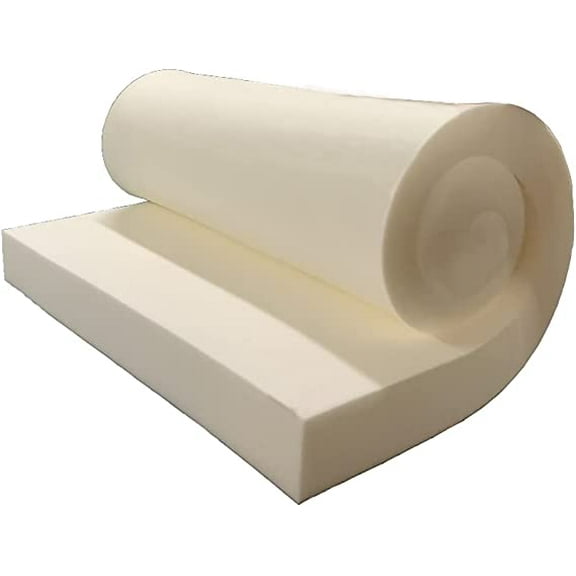
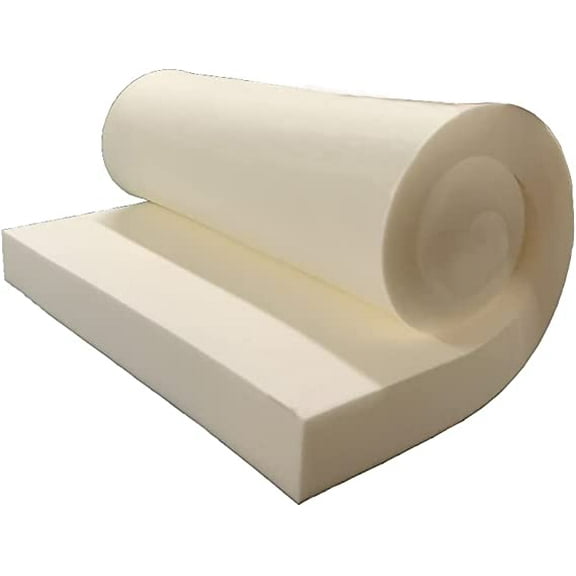
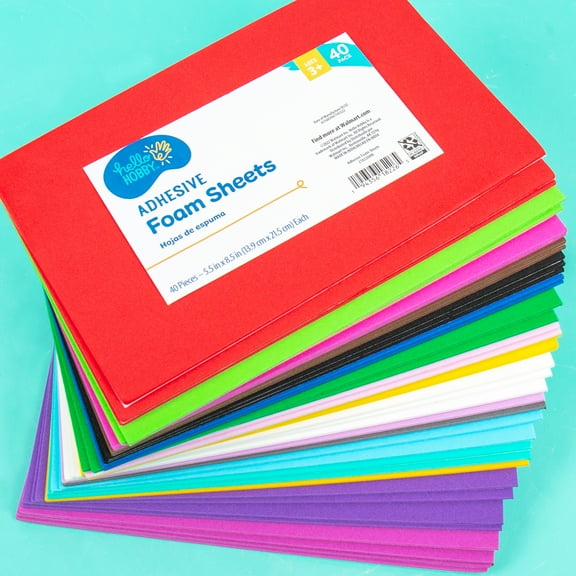
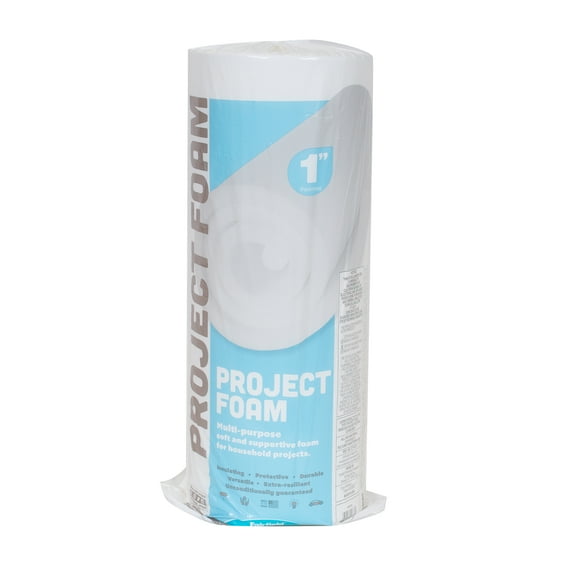
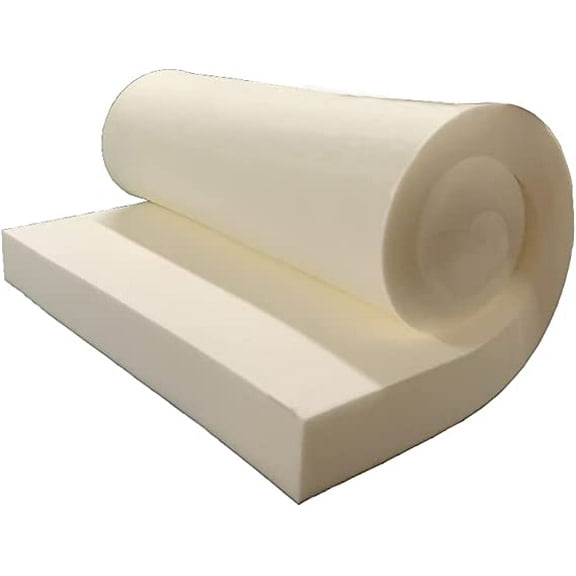
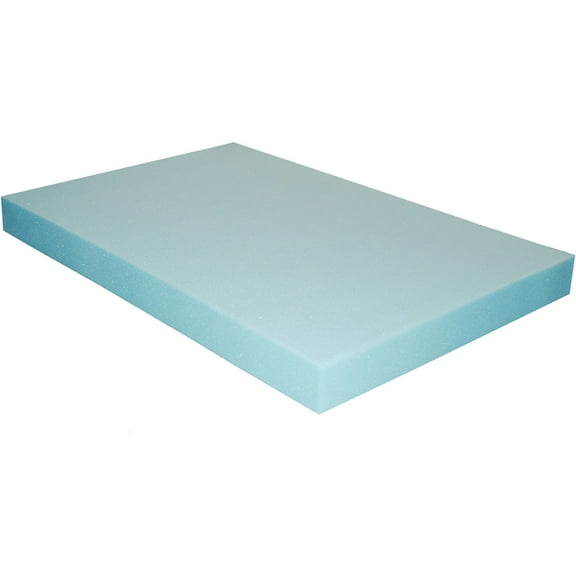
You should start with the format because shape requirements affect every next decision. You can use craft foam sheets for flat designs, rolls for continuous coverage, blocks for carving, and shapes for quick embellishing.
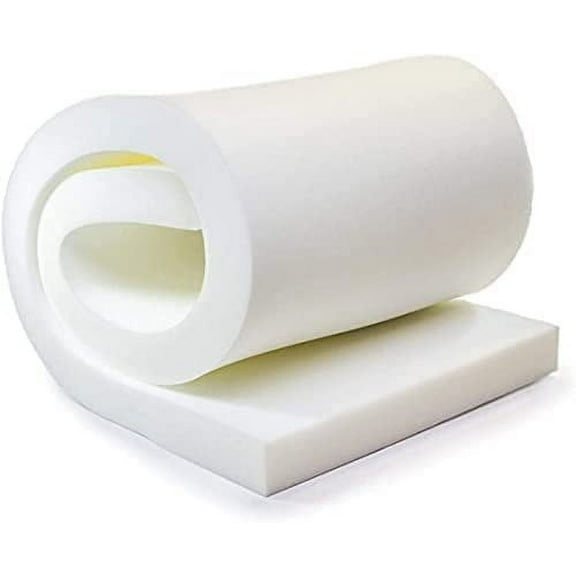
You may prefer sheets when your posters, classroom crafts, or card toppers need crisp edges. You can choose rolls when your banners, backdrops, or liners need long, uninterrupted sections.
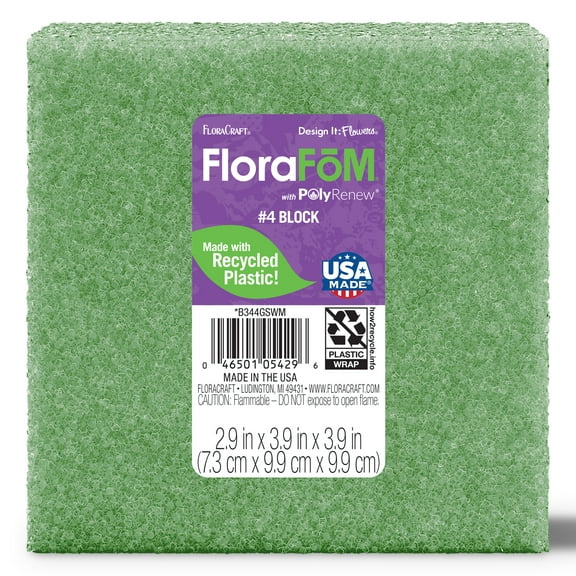
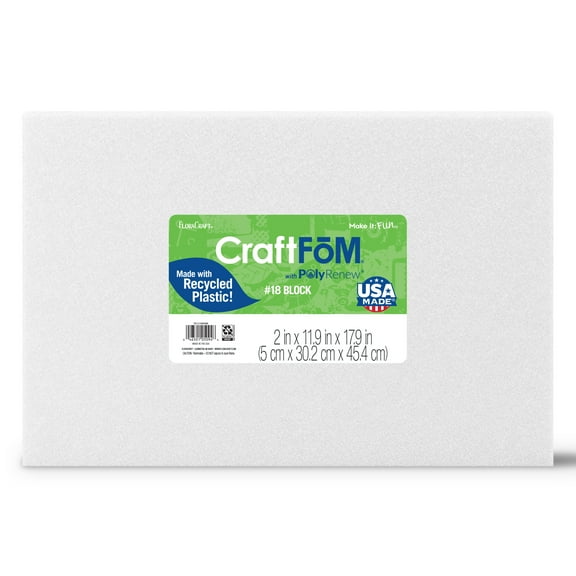
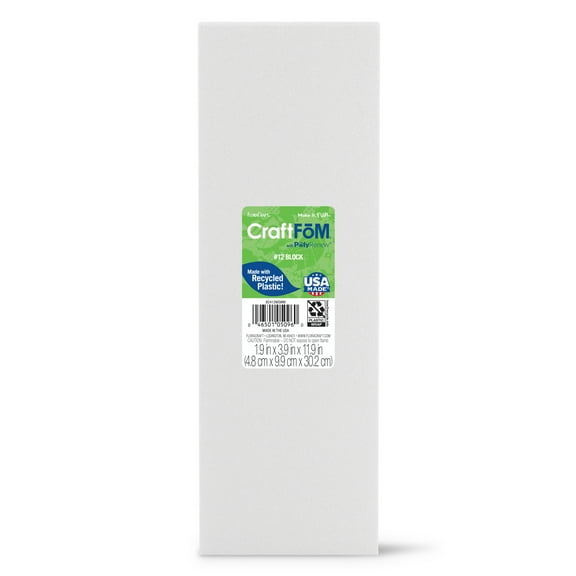
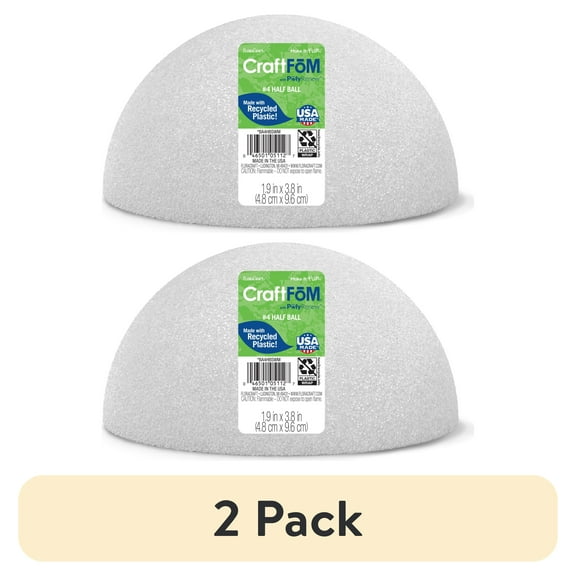
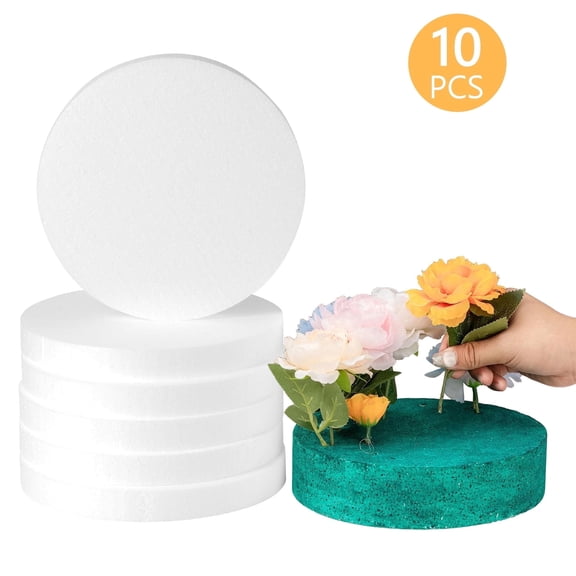
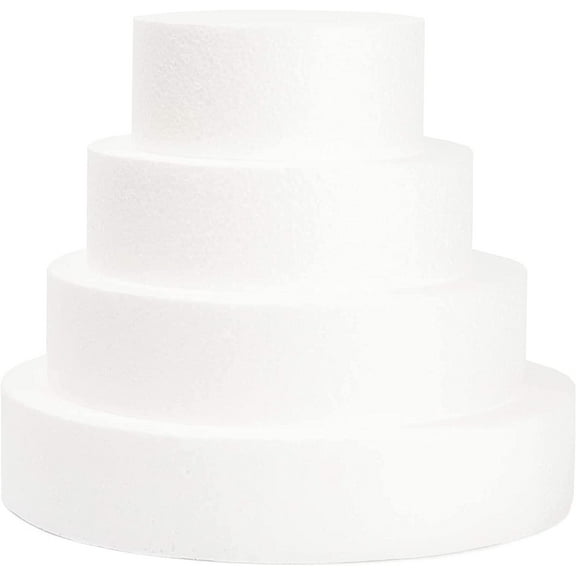
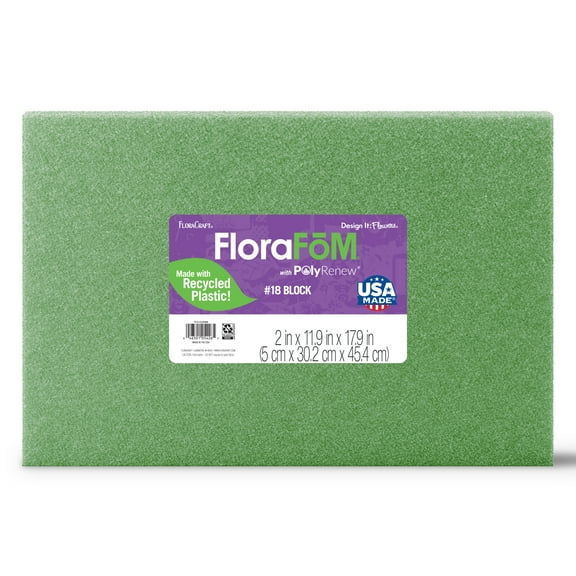
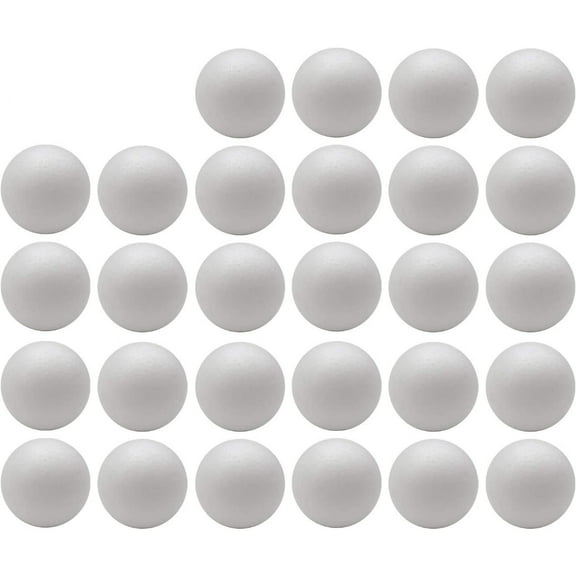
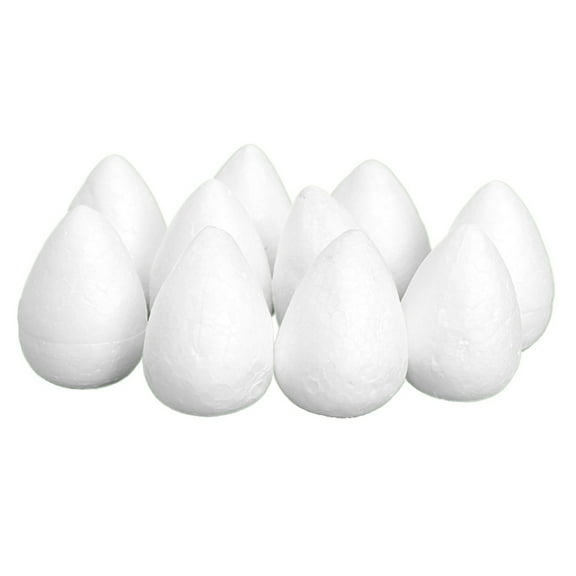
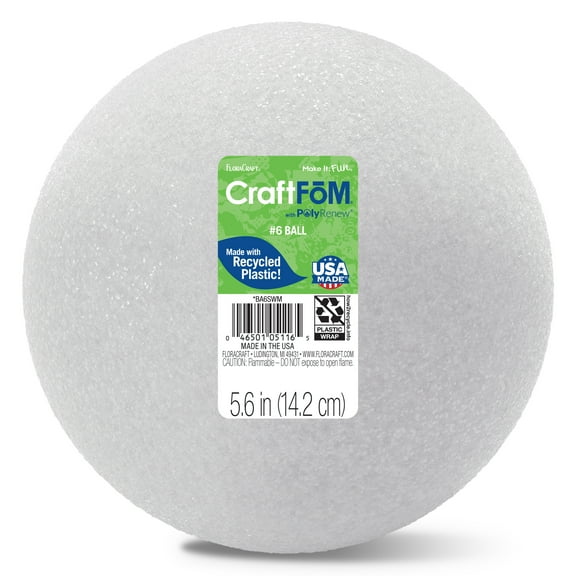
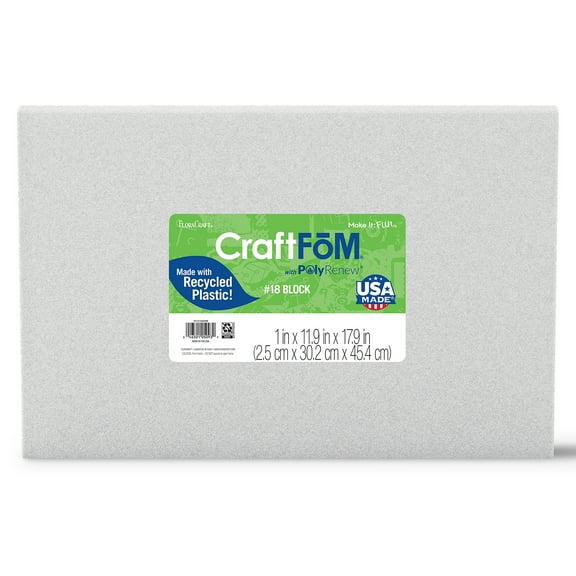
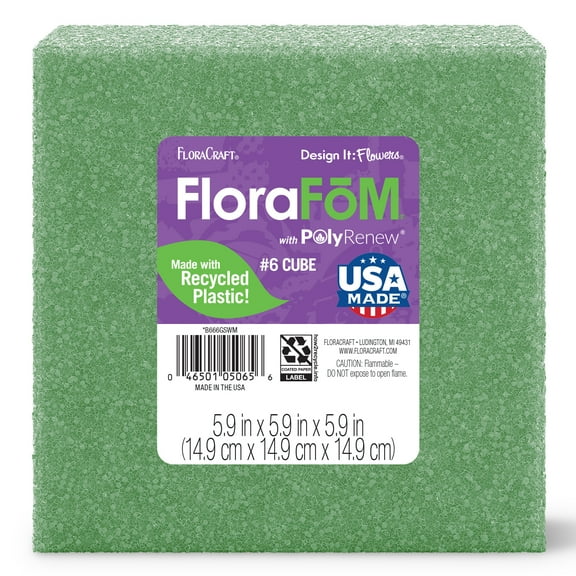
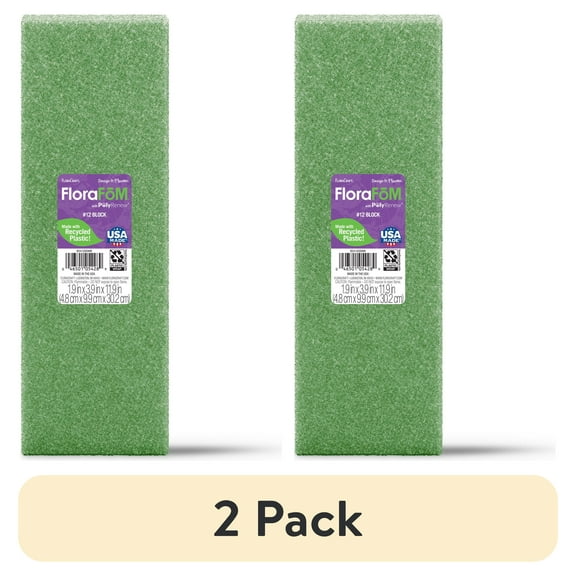
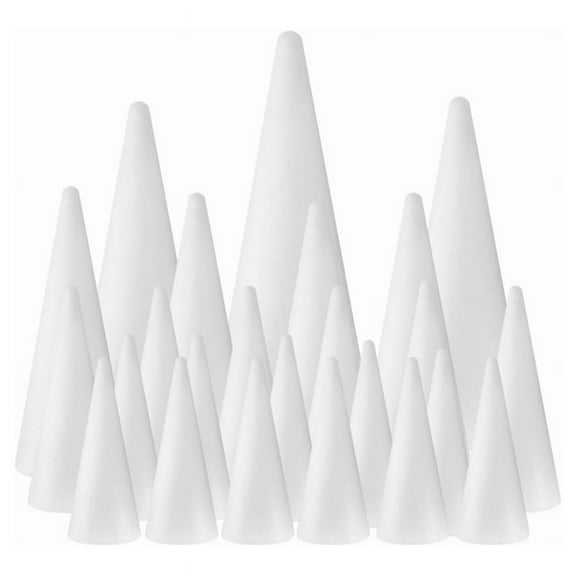
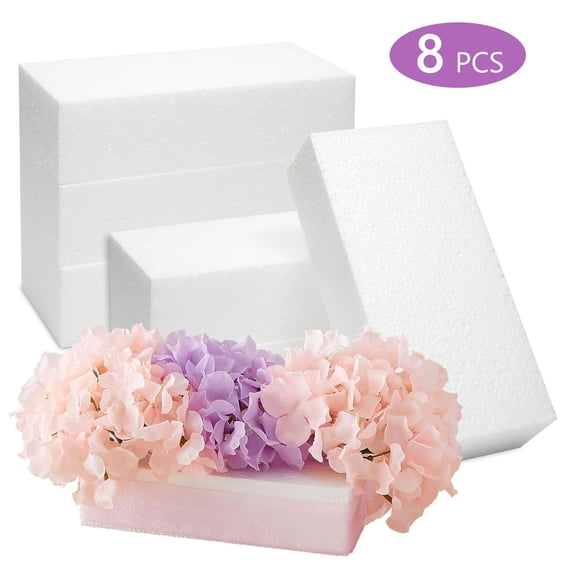
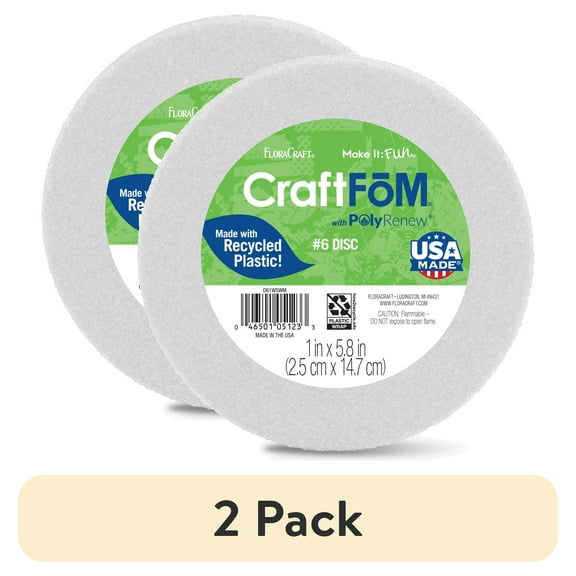
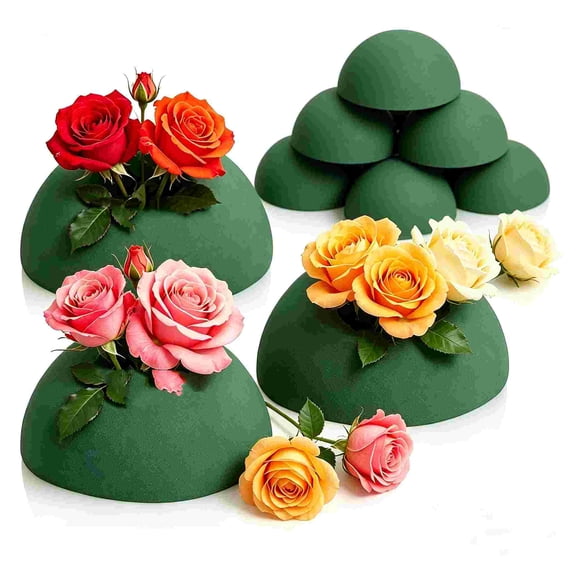
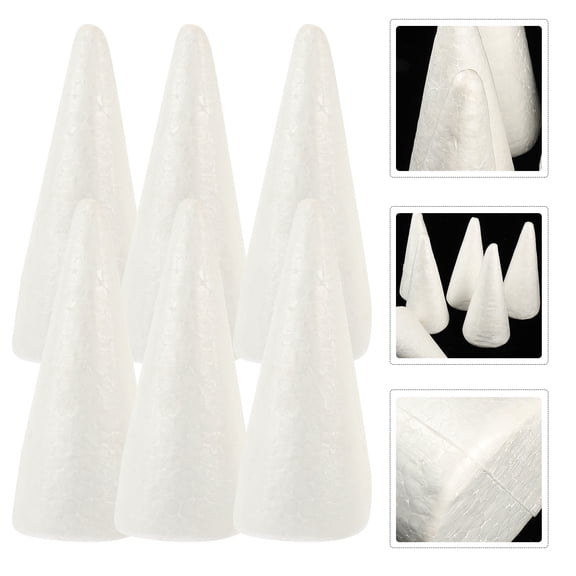
If your project needs depth, you can compare craft foam blocks with pre-cut circles and holiday craft foam shapes. You can carve blocks for modeling, while shapes speed up themed projects.
You’ll also notice that material type changes how your project feels during cutting and shaping. You can look at eva craft foam when your costume armor, props, or structured details need a denser base.
- You can cut many thin sheets with household scissors for fast classroom crafts.
- You can shape EVA foam with heat tools when your cosplay pieces need curved forms.
- You can stack thicker pieces when your models need raised layers and dimension.
- You can choose pre-cut circles or shapes when your holiday projects need repeatable accents.
Choosing craft foam sheets, rolls, and blocks
You should match the format to the surface area and depth your design requires. You can keep waste lower when you choose sheets for templates, rolls for coverage, and blocks for carved forms.
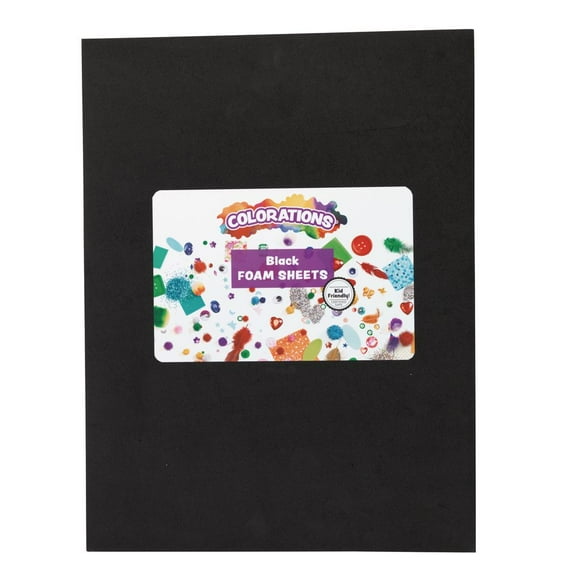
White craft foam sheets give you a clean base for paint, markers, and layered lettering. Black sheets can help your outlines stand out, while colored craft foam supports quick color coding.
If your project includes glitter finishes, you should check whether you want sparkle built into the sheet. You can use multi-color packs when your classroom activity or party craft needs several shades at once.
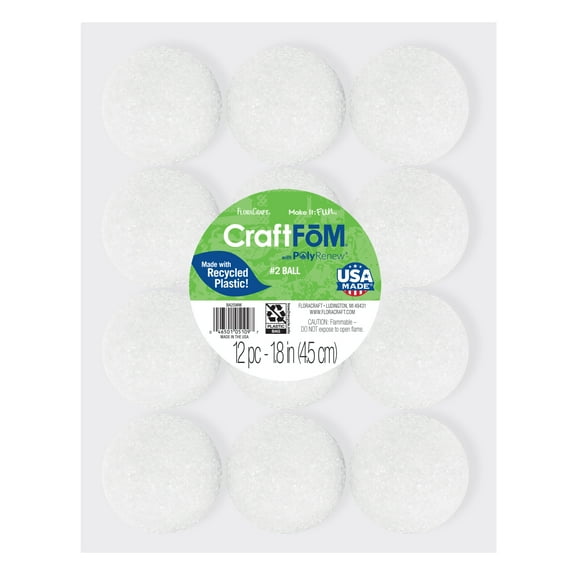
You may also want to compare foam circles for crafts with standard rectangles and specialty shapes. You can speed up badge making, flowers, ornaments, and layered signs when the pieces arrive pre-cut.
What to look for in eva craft foam and thickness
You should compare thickness before you choose color because thickness changes stiffness and shaping. You can use 2mm sheets for lightweight layers, 5mm for balanced structure, and 10mm for bold dimension.
When you shop thick craft foam, you should also check density rating if it’s listed. You can expect denser foam to hold cleaner edges for props, masks, and display models.
You may find eva craft foam especially useful when your project needs sanding, sealing, or heat forming. You can create costume panels, faux armor, and shaped accessories with a more structured feel.
For floral crafts, you might prefer thinner pieces that bend around stems and petals. For modeling, you can use thicker panels or blocks when your forms need carved depth.
How to check cutting and adhesive compatibility
You should think about your tools before you choose thickness or material. You can trim thin foam with scissors, while thicker pieces may work better with a utility knife or hot wire cutter.
If your project uses layered details, you should check whether the foam is peel-and-stick. You can move faster with self-adhesive backing, or you can pair standard foam with glue, hot glue, or contact cement.
You’ll want smooth edges when your letters, masks, or model parts need a polished finish. You can get cleaner curves by matching the tool to the foam density and thickness.
When your project includes painting or embellishing, you should leave room for glue, glitter, and trim. You can pair craft foam with adhesives, cutting tools, and embellishments for a more complete setup.
Matching craft foam to real projects
You can use craft foam sheets for classroom signs, animal cutouts, and holiday decorations that need easy tracing. You can switch to rolls when your booth display or bulletin board border needs longer coverage.
For cosplay, you should compare eva craft foam in 5mm and 10mm thicknesses first. You can build armor plates, prop layers, and shaped accessories that need stronger structure and cleaner contours.
If your child needs a school diorama, you can start with white craft foam sheets and colored accents. You can cut letters, scenery, and labels quickly, then attach them with common craft adhesives.
For modeling and floral crafts, you should decide whether you need carving or flexible petals. You can use craft foam blocks for dimensional forms, or choose thinner sheets for wrapped stems and blossoms.
Seasonal makers can also plan around themed pieces without losing core versatility. You can use halloween craft foam and holiday craft foam shapes for ornaments, masks, banners, and party table accents.
You’ll get more consistent results when your format, thickness, and adhesive choice all match the project. You can finish with cleaner edges, steadier layers, and less trial and error.