

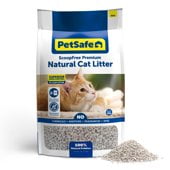
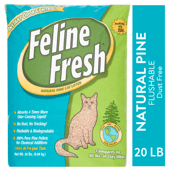
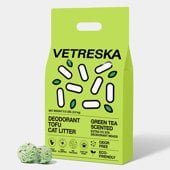
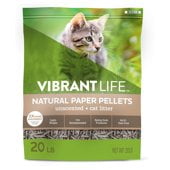
Corn Cat Litter in Alternative Cat Litter




About Corn Cat Litter in Alternative Cat Litter - Walmart.com
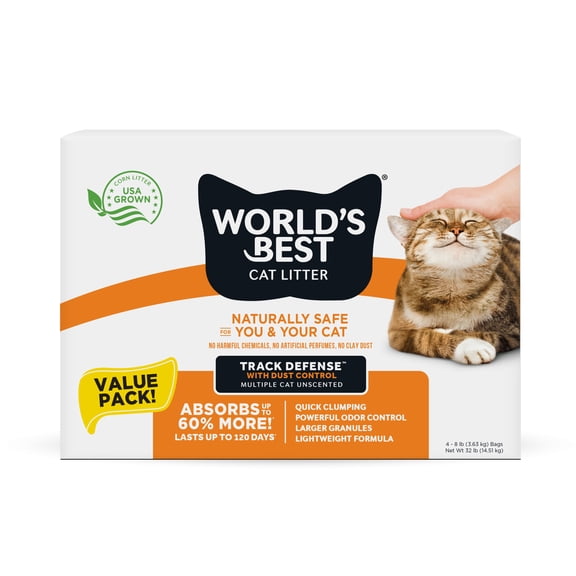
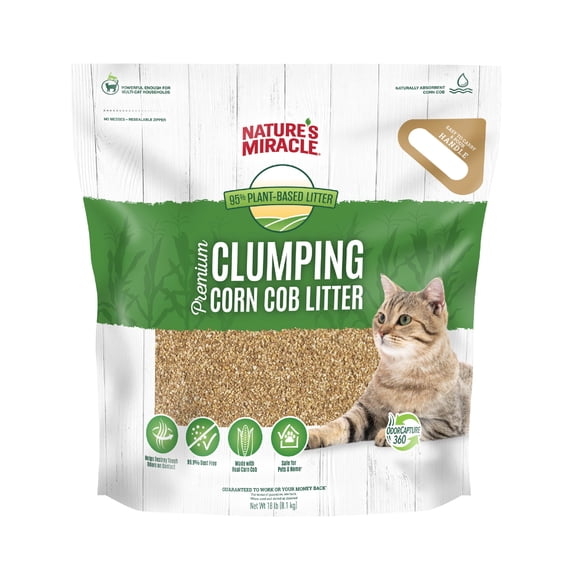
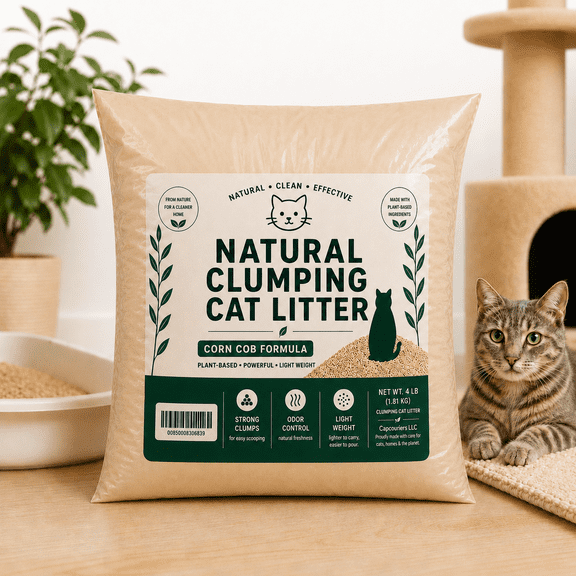
Cat litter made from corn gives you a plant-based litter option with multiple textures, cleanup styles, and household fits. This category covers corn cob, corn husk, and pellet formats. Use these to compare clumping, odor control, dust, and tracking.
How to choose cat litter made from corn
Start with the material form because texture changes the daily litter box routine. Cat litter made from corn can appear as granules, corn cob pieces, corn husk blends, or pellet shapes.
Granules often feel familiar if you're switching from traditional scoopable litter. Pellets and cob pieces create a different underpaw feel. They can also change how easily litter moves outside the box.
Check whether you want tighter clumps, lighter carrying weight, or simpler trash disposal. Those priorities help narrow the right corn litter for cats.
Key differences in cat litter corn formats
Material form affects how the litter pours, scoops, and settles in the pan. Cat litter corn options usually fall into a few distinct categories with different cleanup patterns.
- Corn granules often support scoopable cleaning and a familiar spread across the box.
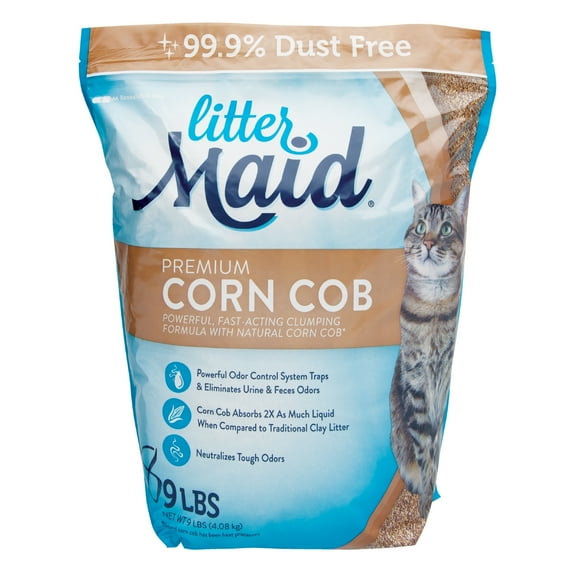
- Corn cob litter uses small cob pieces that can change texture and absorbency.
- Corn husk cat litter may offer a different particle shape and surface feel.
- Corn pellet cat litter uses larger pieces that are easy to spot during box checks.
Compare particle size before choosing for your home. Smaller granules may suit cats that like softer footing, while pellets can feel easier to handle during refills.
Look for tracking control if litter often travels beyond the mat. Larger pellet and cob formats may behave differently than finer corn litter.
What to look for in cat litter made with corn
Performance features matter because daily upkeep depends on more than material alone. Check the label for clumping behavior, odor control, low dust language, and cleanup style.
Clumping formulas can simplify scooping and help keep the remaining litter bed more even. Non-clumping or pellet-forward styles may suit shoppers who prefer a different cleaning rhythm.
Odor control is another important decision point. Compare formulas designed for everyday litter box use, especially in bathrooms, laundry rooms, or other active spaces.
Low dust wording can matter when pouring fresh litter into the pan. It also helps when comparing products for indoor cats, covered boxes, and frequent top-offs.
Weight and bag size shape the refill routine too. Lightweight options can make carrying, pouring, and storing litter simpler in apartments, stairs, or small utility closets.
Choosing between corn cob litter and corn husk cat litter
Corn cob litter and corn husk cat litter sound similar, but they point to different material forms. That difference can affect texture, absorbency, and how the box surface looks after use.
Corn cob cat litter often features visible cob pieces or a coarser blend. That can help when comparing cob litter against finer granules.
Corn husk formats may have a different shape and feel in the scoop. If your cat is picky about underpaw texture, compare form descriptions closely before deciding.
Measure box size and scoop style before choosing between coarse and fine particles. A deep litter box may handle one format differently than a shallow pan.
How to match corn litter for cats to your household
Single-cat homes and multi-cat homes often need different cleanup patterns. Consider how often you scoop, how many boxes you maintain, and how much litter you carry each week.
For single-cat setups, you may focus on texture preference and compact bag storage. For multi-cat spaces, steady clump pickup and odor control often become bigger decision points.
Indoor cats may benefit from tracking-focused formats when boxes sit near hallways or bedrooms. Kittens may need a litter texture that supports an easy transition during training.
Check whether your cat prefers digging, covering, or standing on larger particles. Those habits can help you compare granules, pellets, and cob pieces more clearly.
When corn pellet cat litter makes sense
Corn pellet cat litter can suit shoppers who want a more visible litter format. Pellets are easy to identify in the box and simplify quick visual checks.
Corn pellets cat litter may also suit households comparing granules against larger particles for tracking control. The larger format creates a different cleanup experience than fine corn litter.
Compare pellets by scoopability, bag weight, and intended cleanup method. You may prefer pellet styles for straightforward refills and easy box monitoring.
Practical buying guide for disposal and cleanup
Disposal preference should guide the final choice. Some shoppers want scoopable litter for daily spot cleaning, while others focus on lightweight handling and easy cleanup.
Check package directions for how you should remove and refresh the litter. That guidance helps match the product to your litter box routine.
If you empty boxes on a set schedule, compare bag size and fill depth recommendations. If you scoop throughout the day, focus on clump formation and scoop pass-through.
A strong category fit comes from matching corn material form, particle size, household type, and cleanup style. That combination helps create a litter setup that feels easier to maintain every day.