


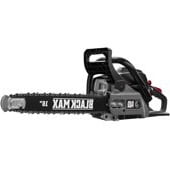
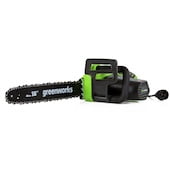
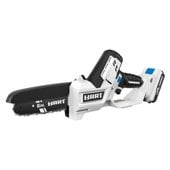
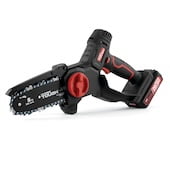
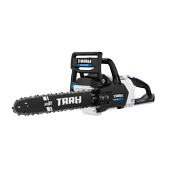
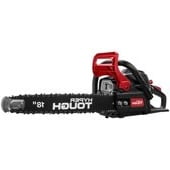
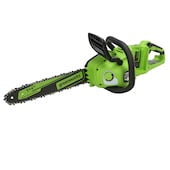
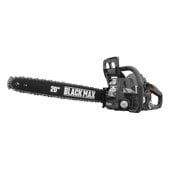




Cordless Chainsaws in Chainsaws

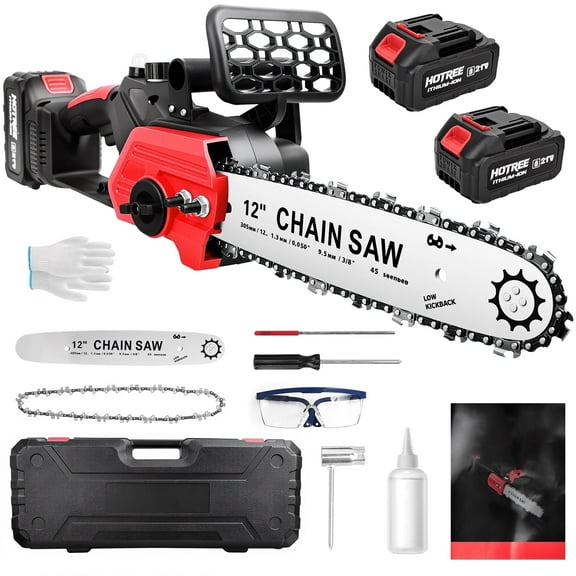
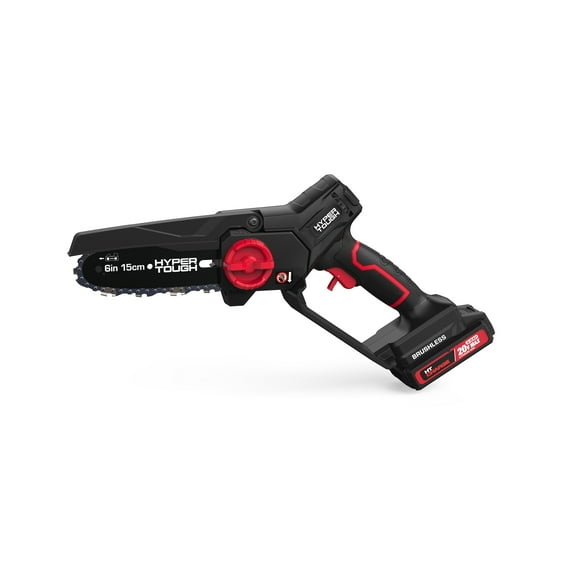


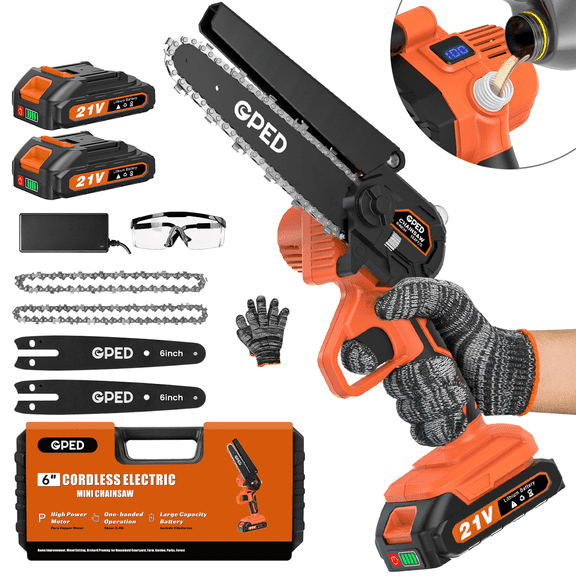
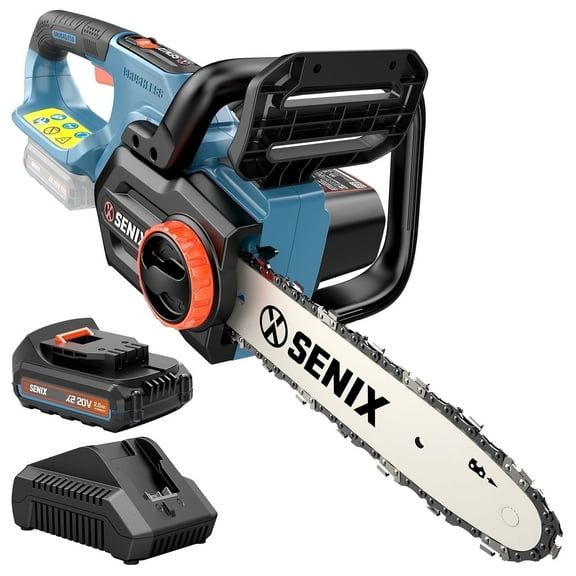
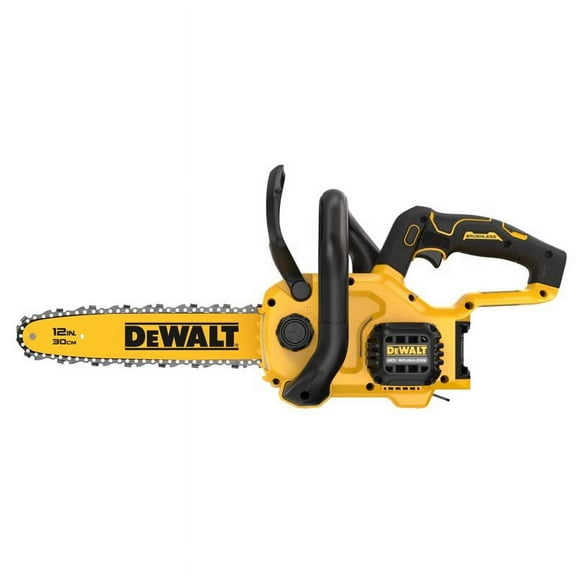

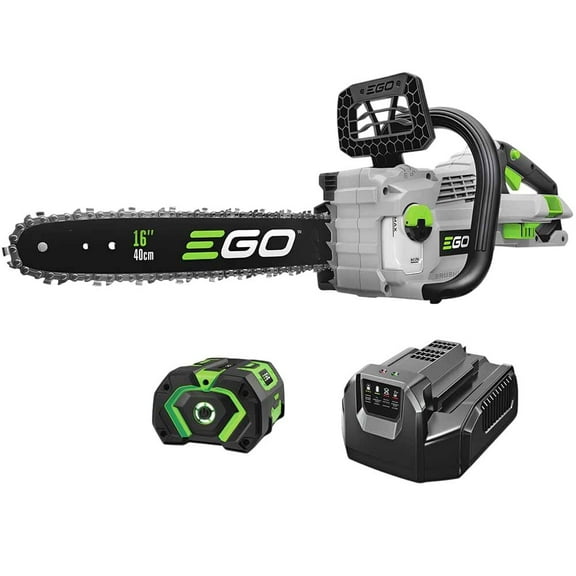
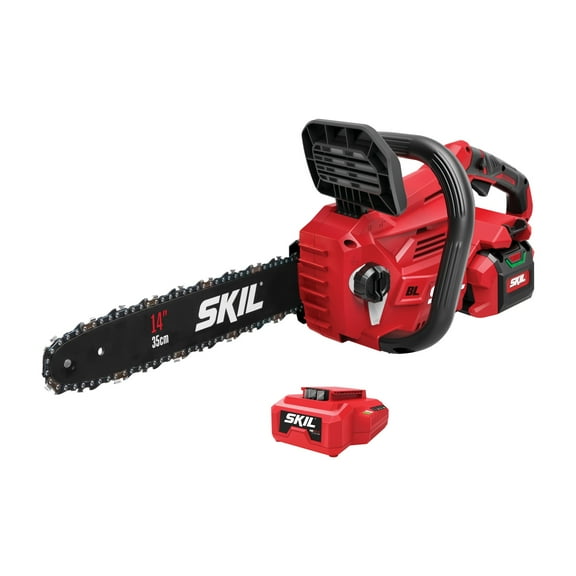
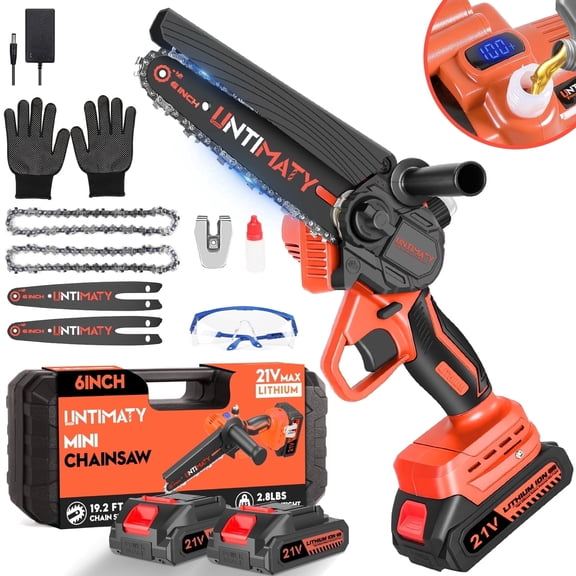


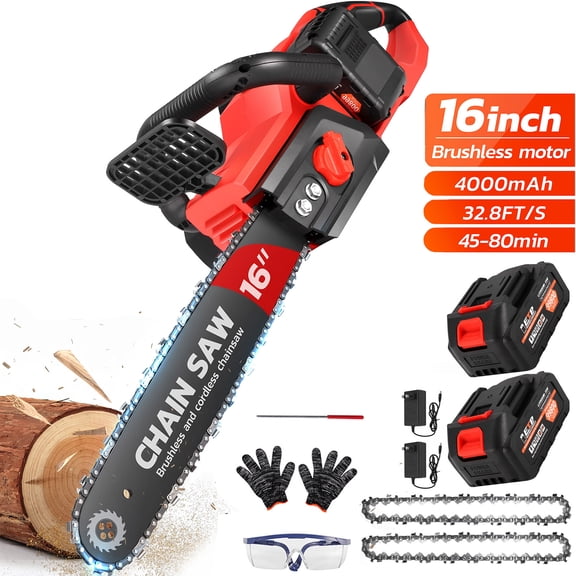
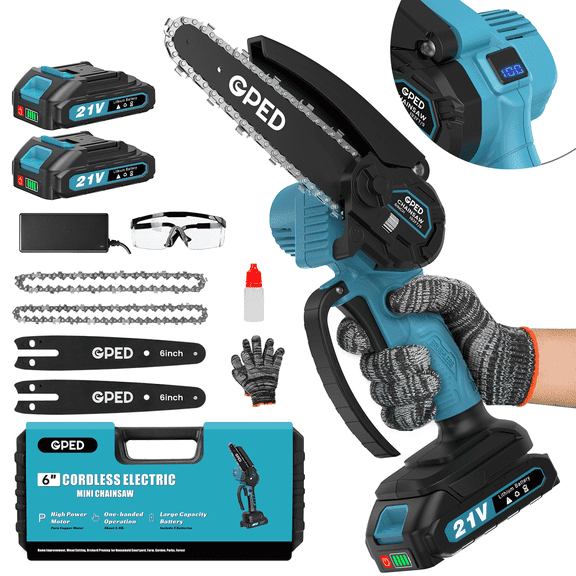


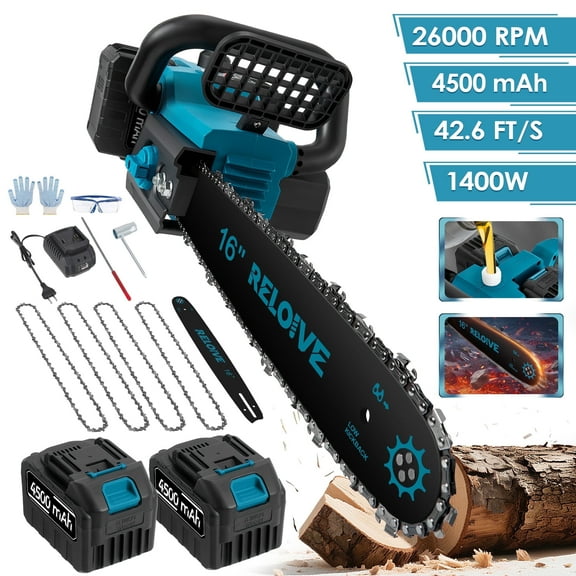


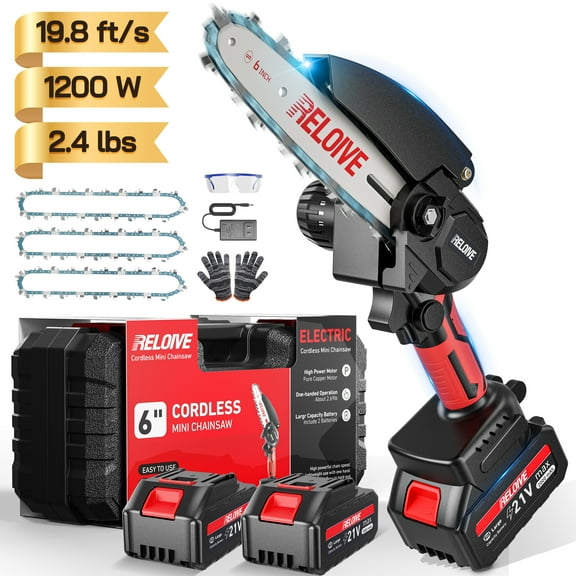


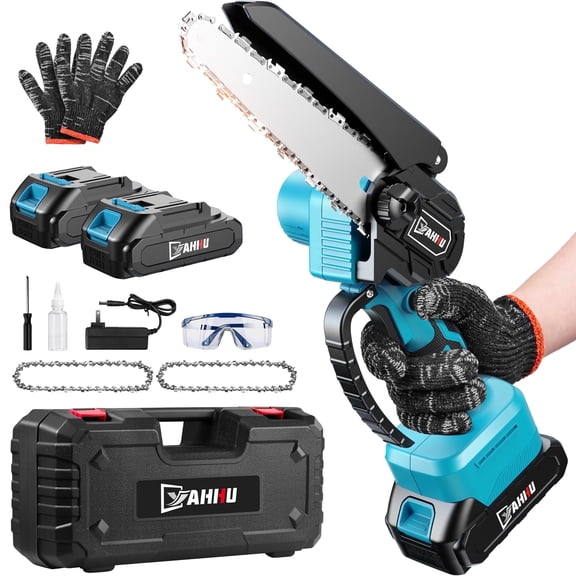
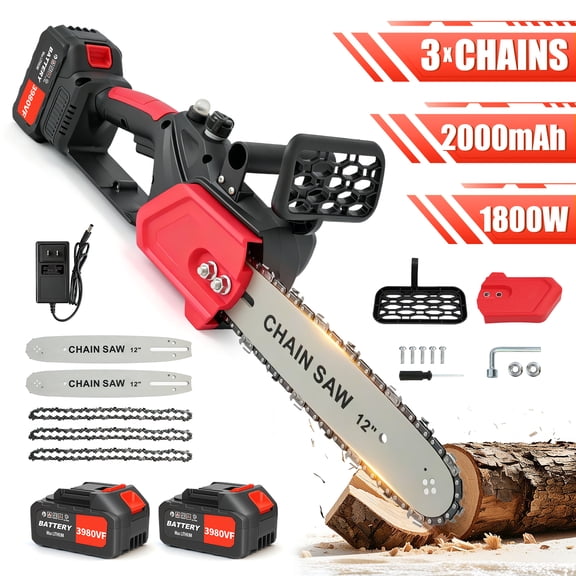

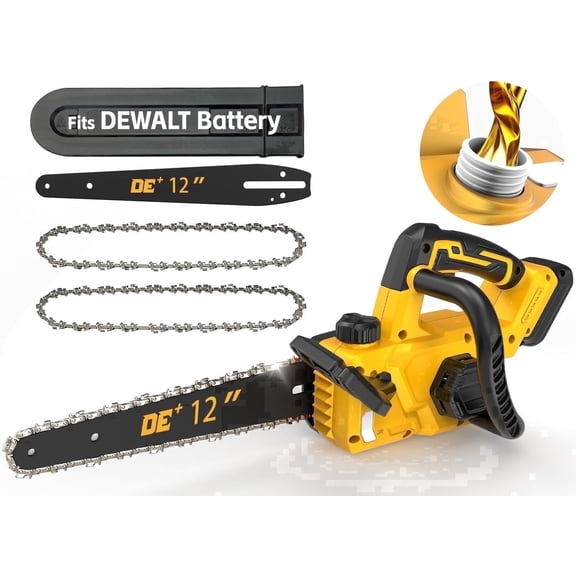


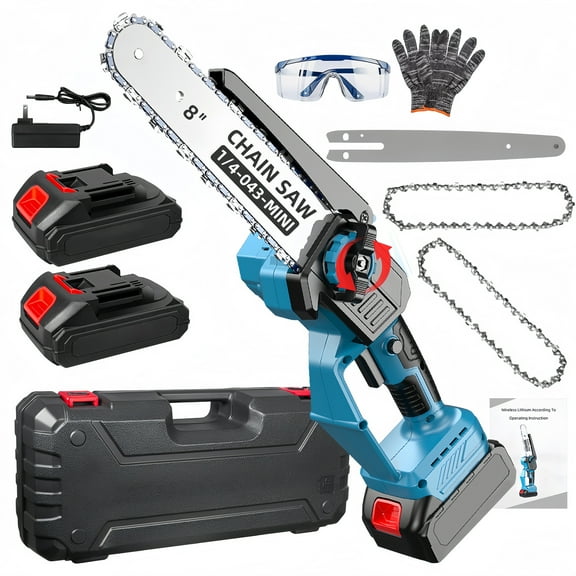




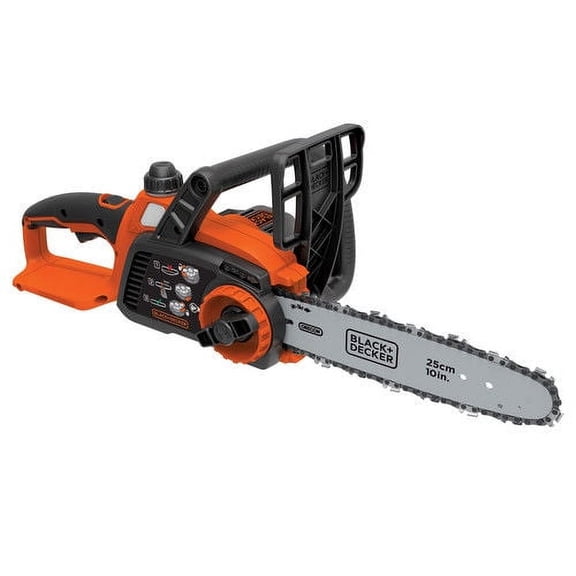
About Cordless Chainsaws in Chainsaws - Walmart.com
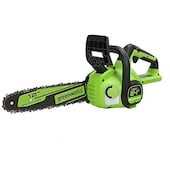
With cordless electric chainsaws, you can handle pruning, storm cleanup, and routine yard cutting without a pull cord or gas can. You’ll get the freedom of battery power, plus easier starts and simpler upkeep for outdoor jobs around your property.
If you’re comparing a cordless chainsaw for regular home use, you’ll want guidance that matches real cutting tasks. You can use this guide to compare voltage, bar length, motor type, and package options before you choose.
How to choose cordless electric chainsaws
When you shop cordless electric chainsaws, you should first match the saw to the branches and limbs you cut most often. You’ll make a smarter choice when you compare cutting capacity, handling, and battery setup together.
For everyday yard care, you may prefer a battery chainsaw that starts fast and feels manageable in your hands. You’ll also want controls that help you stay steady during repeated trimming sessions.
- You can trim small branches with compact bars that feel easier to guide in tight spaces.
- You can clear fallen limbs faster when you choose higher voltage for tougher wood and longer sessions.
- You can keep your tool lineup simple when your battery operated chainsaw matches batteries you already use.
- You can reduce arm fatigue when you choose lightweight electric chainsaws for overhead or extended work.
Because this category covers several battery platforms, you should compare included batteries before you commit. You’ll avoid extra guesswork when you know whether your model is tool only or packed with charging essentials.
Choosing battery voltage for your cutting needs
You should treat battery voltage as a quick signal for the kind of work your saw can handle. You’ll usually see 20V options for lighter trimming, while 40V, 56V, and 80V support more demanding cutting.
If you mainly prune branches and maintain shrubs, you may find 20V models easier to manage. You’ll often get lighter handling that fits quick touch-ups and smaller cleanup tasks around the yard.
When you need more cutting force, you should compare 40V and 56V models for thicker limbs. You’ll notice these options fit storm debris, medium branches, and longer work sessions more comfortably.
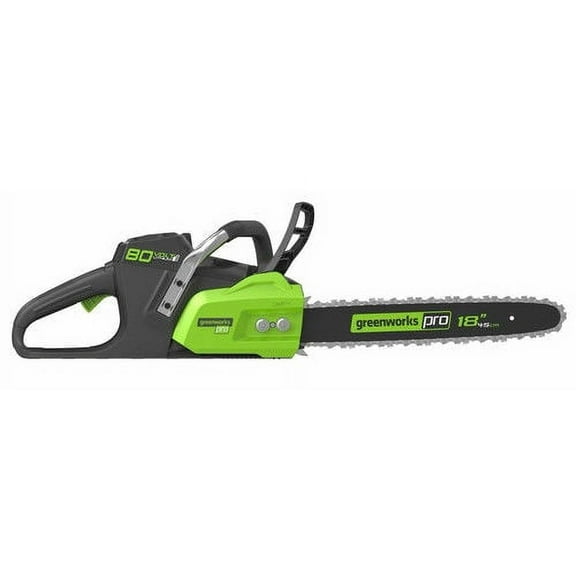
For larger properties, you may look at 80V battery operated chainsaws for stronger output and longer runtime potential. You’ll appreciate that added capacity when your cutting list includes repeated passes through dense wood.
You should also compare whether an electric chainsaw cordless model uses a brushless or brushed motor. You’ll usually choose brushless when you want efficient power delivery, while brushed options can suit occasional yard work.
Choosing the right bar length and handling
You should pick bar length based on the branches and logs you actually cut, not the biggest job you imagine. You’ll usually get more control from a shorter bar during routine trimming and cleanup.
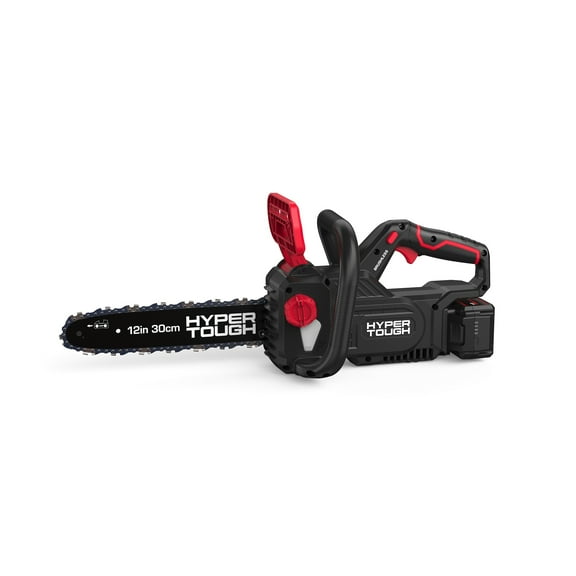
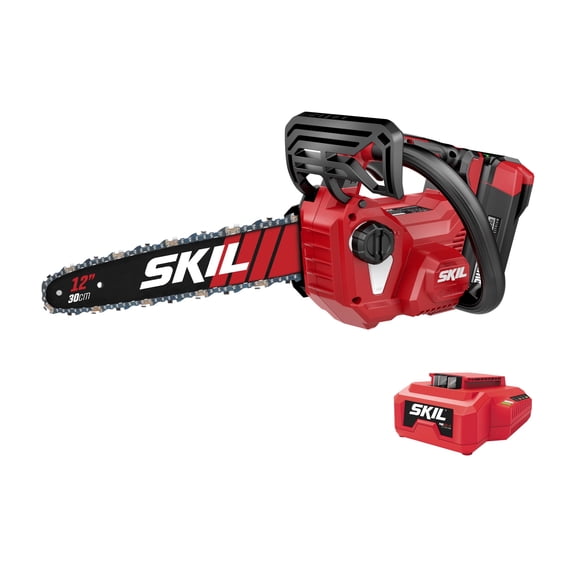
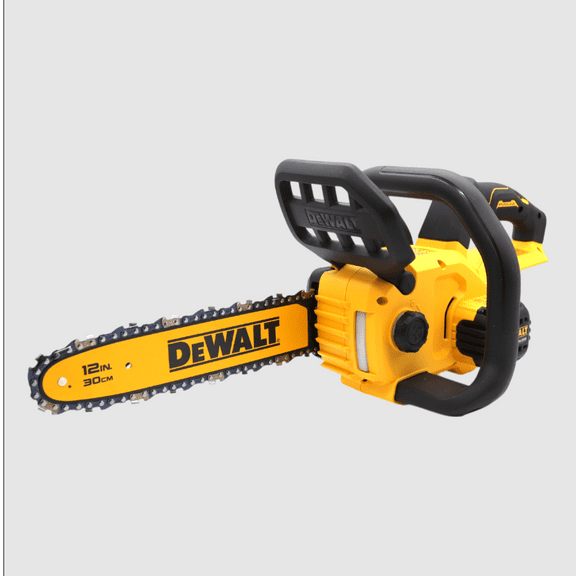
If your work centers on pruning, you may prefer a 10-inch or 12-inch bar for tighter control. You’ll find those sizes easier to maneuver around limbs, shrubs, and crowded spaces near fences.
When your tasks include storm cleanup or small trees, you should consider a 14-inch or 16-inch bar. You’ll get more reach and cutting capacity without moving into oversized equipment for home use.
If you’re comparing an 18-inch option, you should think about weight and handling before choosing extra length. You’ll want that size when your yard produces thicker limbs and repeated larger cuts.
Weight matters just as much as bar length when you use a chain saw cordless model. You’ll feel less fatigue during longer jobs when you choose lightweight electric chainsaws with balanced battery placement.
Comparing tool only and battery included packages
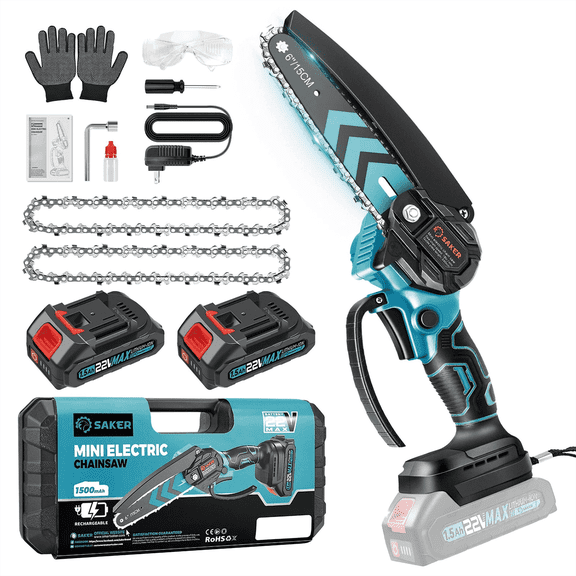
You should always check the package configuration before you choose a saw for your tool lineup. You’ll either buy tool only models or a cordless chainsaw with battery and charger included.
If you already use a compatible battery platform, you may prefer tool only packages for simpler replacement shopping. You’ll keep your setup streamlined when one charger and battery family support multiple yard tools.
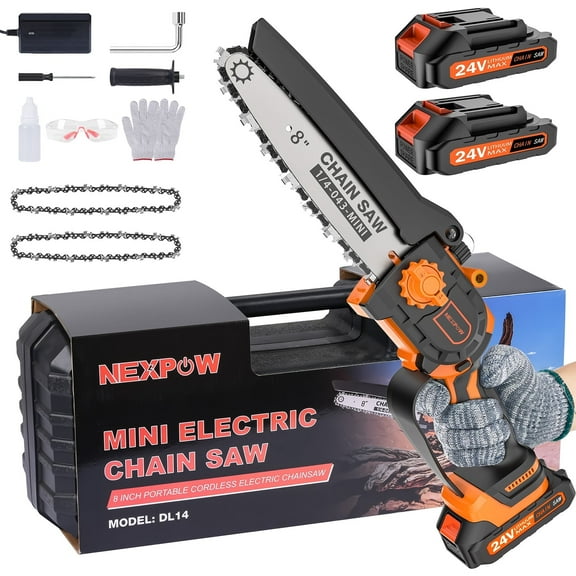
When you’re starting fresh, you may want a battery chainsaw with battery and charger in the box. You’ll have what you need to begin yard work without matching parts separately.
You should also compare runtime expectations with your usual job size before selecting a package. You’ll appreciate included batteries for longer cleanup sessions, especially after wind, fallen limbs, or seasonal trimming weekends.
Using a cordless chainsaw for real yard jobs
You can use a cordless chainsaw for pruning fruit trees, trimming fence-line growth, and cutting small fallen branches. You’ll also find battery-powered cutting useful when you want quieter starts and less setup time.
After storms, you may need a battery chainsaw that balances reach with easy control. You’ll likely want a 14-inch or 16-inch bar and a stronger voltage platform for repeated limb removal.
For cabin lots, larger yards, or wooded edges, you should compare higher-voltage models with brushless motors. You’ll benefit from steadier output when your projects involve thicker branches and frequent cleanup passes.
If you handle seasonal maintenance, you may prefer lightweight electric chainsaws for quick access and easy carrying. You’ll move from pruning to debris cleanup without hauling fuel containers or dealing with pull starts.
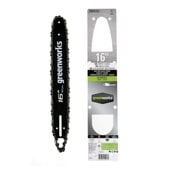
You should also plan for accessories that support ongoing use around your property. You’ll often want chainsaw accessories, replacement chains, bar oil, and protective work wear ready for future projects.
When you choose cordless electric chainsaws with the right voltage, bar length, and package setup, you can work with more control. You’ll finish routine yard cutting with a tool that fits your property, your battery platform, and your workload.