

Copper Pans in Pots & Pans




About Copper Pans in Pots & Pans - Walmart.com
Copper pans and skillets give you quick heat response and close cooking control for sauces, searing, and everyday stovetop meals. You can compare construction, lining, pan type, and base design to match your cooktop and kitchen routine.
If you want cookware that reacts quickly when you raise or lower heat, this category stands out. You can also choose looks ranging from polished traditional copper to modern ceramic copper finishes.
How to choose copper pans and skillets
You should start with how you cook most often. You may want a copper frying pan for searing, a skillet for daily meals, or a sauté pan for sauces and larger portions.
As you compare shapes, you’ll notice each one supports a different task. You can use sloped sides for quick tossing, or you can choose straighter walls for increased capacity.
- You get quick heat response that helps you adjust cooking temperature quickly.
- You can choose finishes and linings that match your cleanup routine.
- You may find sets or single pans that fit daily cooking and special meals.
- You can compare induction-ready bases if your cooktop needs magnetic contact.
Visual appeal is another reason you may choose this cookware. You can bring home pans that look classic while still fitting modern kitchens.
You’ll also gain flexibility across cooking techniques. You can brown proteins, simmer pan sauces, or prepare breakfast foods with pans built for even heating.
Choosing material construction for your copper frying pan
You should compare solid copper, tri-ply, copper-clad stainless steel, and ceramic copper options first. You’ll notice these constructions affect responsiveness, weight, maintenance, and how the pan feels in your hand.
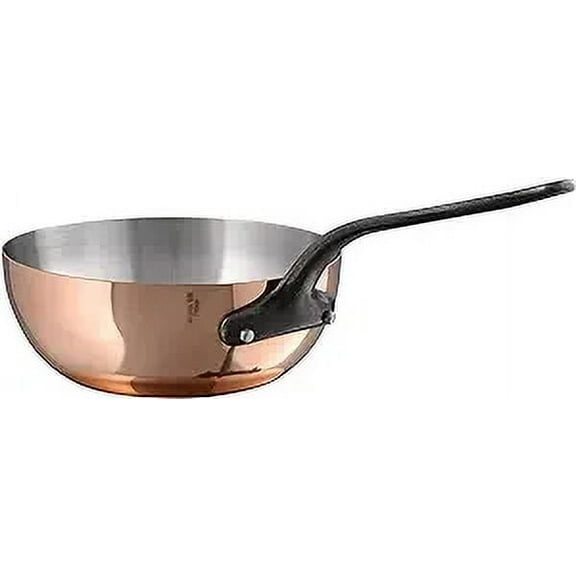
If you want highly responsive performance, you may look at solid copper bodies. You can often find that thicker copper gauge, measured in millimeters, gives you steady performance on demanding recipes.
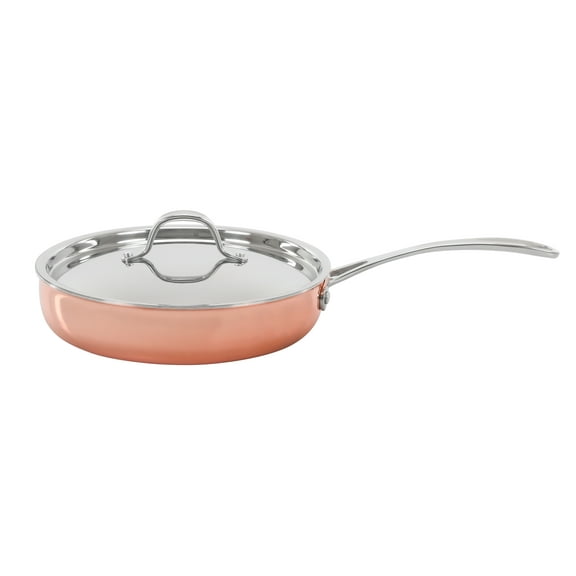
When you compare tri-ply or copper-clad stainless steel, you get copper’s cooking benefits with added structure. You may prefer that balance if you want convenient daily use.
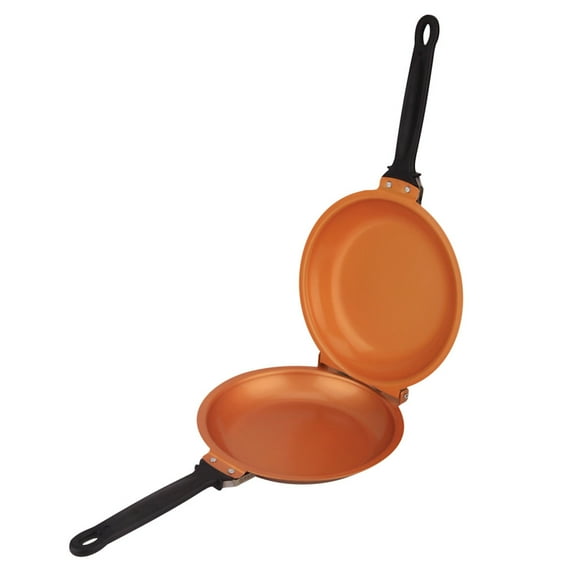
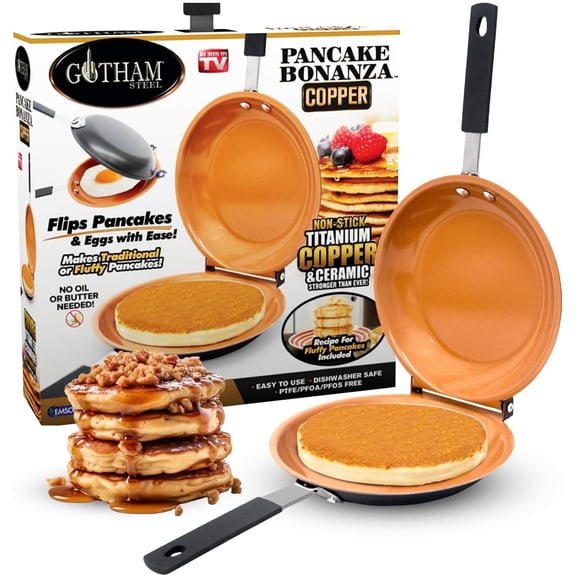
A ceramic copper pan can appeal to you if smooth food release is your priority. You can use that style for eggs, pancakes, and other foods that benefit from a smooth cooking surface.
Choosing the right interior lining
You should check whether the interior is stainless steel lined, non-stick, or tin-lined. You’ll want the lining that matches how often you cook and how much upkeep you prefer.
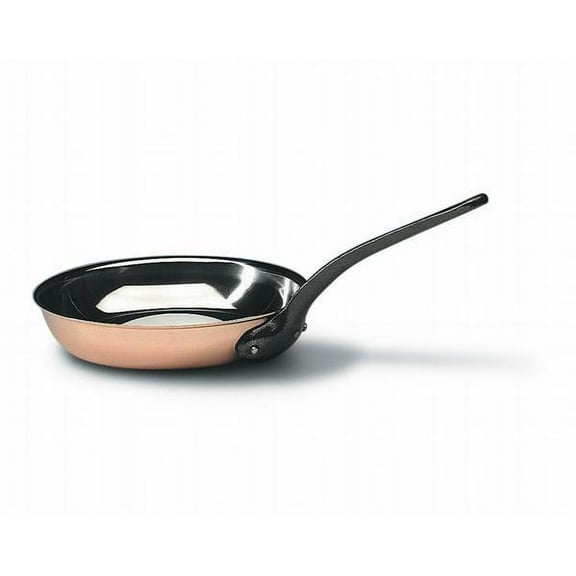
If you choose stainless steel lined interiors, you get a durable cooking surface with a classic feel. You can use it for browning and deglazing when you want fond for pan sauces.
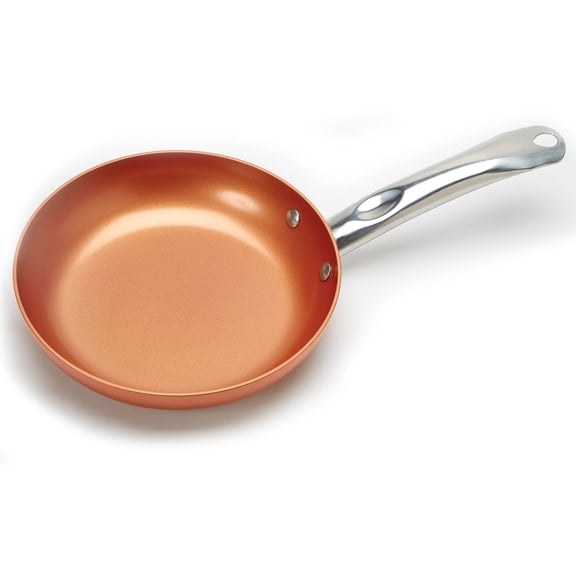
If you prefer smooth release, a copper nonstick skillet may suit your routine. You can make delicate foods with less sticking and simple cleanup after busy weeknights.
Tin-lined interiors may interest you if you like traditional copper cookware details. You should compare care needs closely, because lining type often affects cleaning methods and long-term maintenance.
Checking base design and induction compatibility
You need to check your cooktop before you choose a pan. You may need a magnetic stainless steel base plate if you cook on induction.
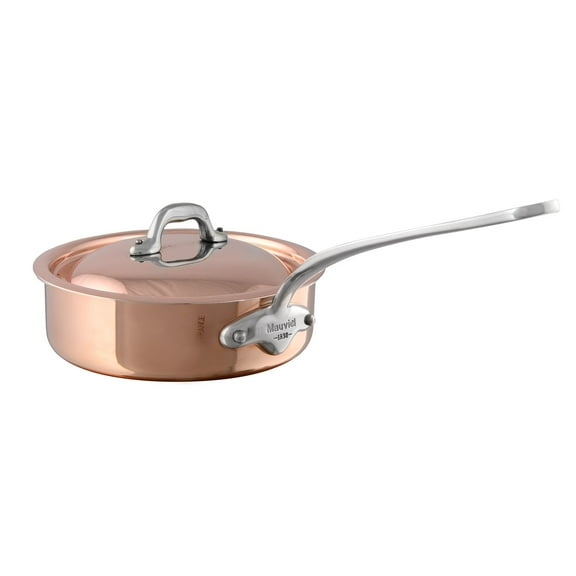
Some full copper body pans focus on direct heat responsiveness for gas or electric cooking. Some copper bottom pots and pans include an induction plate that helps your pan connect with induction elements.
If induction matters, you should read base details closely before you decide. You can avoid guesswork when you compare whether the pan is built for magnetic contact.
You may also want to compare handle shape and pan weight with the base design. You’ll notice that larger pans can feel different when they include added induction layers.
Matching pan types to your kitchen routine
You should choose pan type based on what you cook every week. You may reach for a copper frying pan when you want quick sautéing, crisp edges, or easy turning.
A classic skillet works well when you want versatile everyday cookware. You can use it for breakfast foods, one-pan dinners, and recipes that move from stovetop to oven.
If you cook sauces or grains often, a saucepan may fit your routine better. You can heat smaller portions with controlled response that supports careful simmering.
A sauté pan gives you more surface area and taller sides for family meals. You can handle cutlets, vegetables, and pan sauces without crowding the cooking surface.
Comparing maintenance and cleaning needs
You should think about cleaning before you choose your finish and lining. You may prefer hand washing if you want to maintain copper’s exterior look over time.
Many shoppers look for low-maintenance interiors for daily cooking. You can often simplify cleanup with nonstick or ceramic copper styles when your schedule feels packed.
You should also check whether the manufacturer recommends dishwasher use for your pan. You can keep the finish looking consistent longer when you follow the maker’s care instructions.
If presentation matters, you may want copper cookware that keeps its shine with regular upkeep. You can pair your pan choice with your real cleaning habits, not just your ideal routine.
What to look for in a copper cookware set or skillet
You should compare size, thickness, lining, and stove compatibility before you choose. You may also want a copper cookware set if you’re replacing several everyday pieces at once.
If you cook for one or two people, a smaller skillet may feel easy to manage. If you prepare larger meals, you can benefit from wider pans and deeper sauté shapes.
You should look for thickness details in millimeters when performance matters to you. You’ll usually get steady heat retention when the copper layer has more substance.
With the right combination of construction, lining, and base design, you can choose cookware that fits your kitchen with fewer tradeoffs. You’ll cook with quick response, clear control, and a finish that suits your space.