


Concrete Landscape Edging for Garden Borders










About Concrete Landscape Edging for Garden Borders - Walmart.com
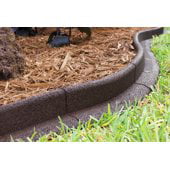
Concrete landscape edging gives your yard a defined, finished border that holds lines well through the season. You can use it to separate beds, lawns, and walkways with a heavier look than flexible rolls.
You may prefer concrete when your project needs a stable edge for mulch, stone, or soil. You’ll also get shape options like scalloped concrete edging, brick-style borders, and curved pieces that suit different layouts.
How to choose concrete landscape edging
You should start with the look you want around flower beds, trees, and paths. You can compare straight, curved, bullet, and brick-style pieces based on how formal or relaxed your yard feels.
If your beds have sweeping lines, you may want curved sections that follow arcs with less cutting and less guesswork. If your yard has square corners, you may prefer straight sections for cleaner lines.
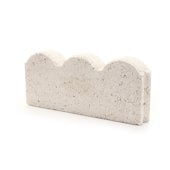
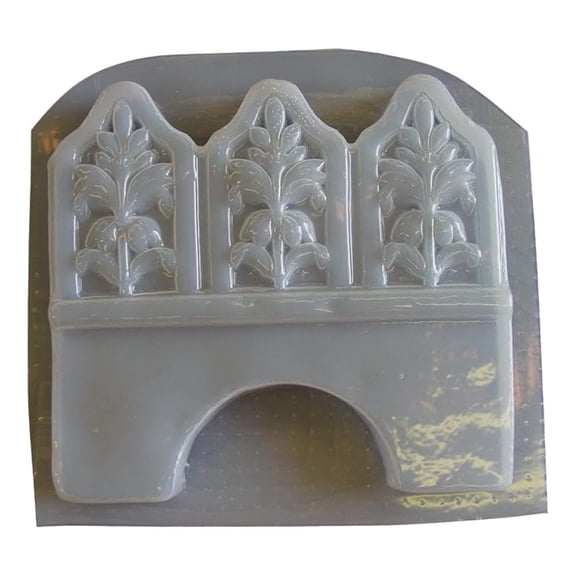
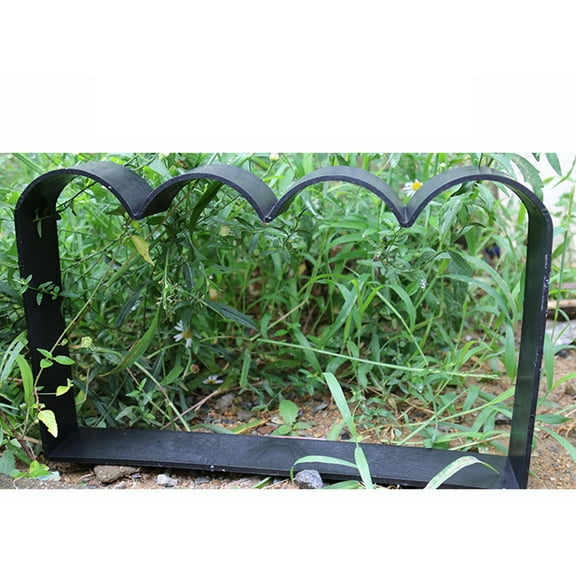
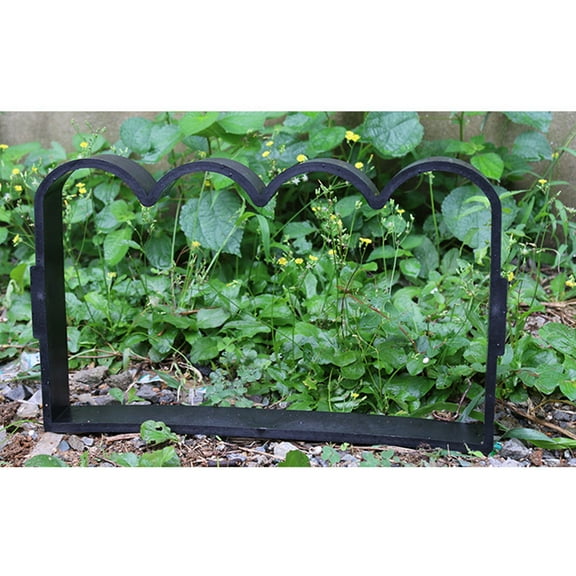
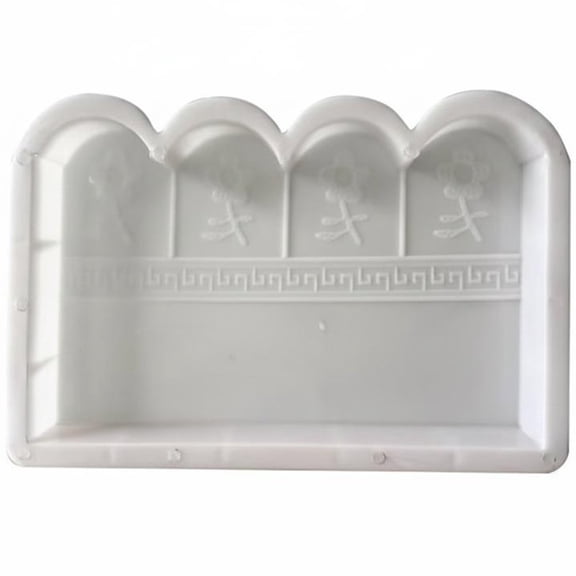
You can also compare scalloped concrete edging with flatter profiles for a different visual effect. You’ll notice scalloped edges add a decorative rhythm that stands out around flower beds.
- You can create clear borders that help mulch and stone stay where you place them.
- You can give beds and walkways a structured look with concrete lawn edging.
- You can choose shapes and finishes that match patios, pavers, or garden walls.
- You can use heavier edging for a more fixed boundary than light roll edging.
Choosing style, color, and finish
You should compare style and color together so your border looks intentional from every angle. You can find gray, red, brown, terracotta, and charcoal tones that work with different hardscape materials.
If your path uses red pavers, you may want red or terracotta concrete border stones for a coordinated edge. If your patio uses cooler tones, you may lean toward gray or charcoal pieces.
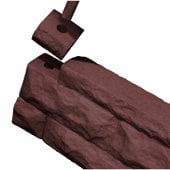
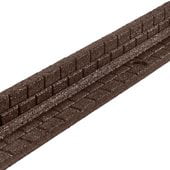
You can use brick-style edging when you want a classic garden border with a stacked look. You may choose stone-look concrete when you want texture that blends with stepping stones.
For a cottage garden, you might favor scalloped concrete edging around annuals and spring bulbs. For a modern yard, you may prefer straight concrete garden borders with a flatter profile.
Comparing installation types
You should check how each installation type fits your time, soil, and layout. You can compare interlocking, stake-in, and heavy-set options before you measure your border.
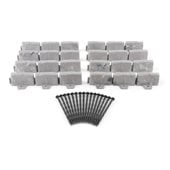
If you want alignment help, you may like interlocking pieces that connect in sequence. You’ll often find they help you keep a consistent line along beds and paths.
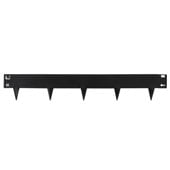
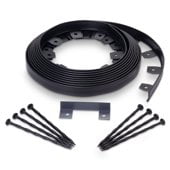
If your project has softer ground, you may consider stake-in styles for added placement support. If you want a simple, solid border, you may choose heavy-set gravity pieces.
You should also think about weight before you plan your install. You may need a shallow trench for some concrete lawn edging so the top line sits even.
When your border curves around trees or islands, you should check whether the shape supports tight turns. You’ll usually find smaller sections easier to place around shorter radiuses.
What to look for in material composition and durability
You should compare pre-cast concrete, lightweight concrete composite, and stone-look concrete based on handling and appearance. You can use that choice to balance visual weight with easier placement.
If you want a traditional solid feel, you may choose pre-cast concrete pieces. If you want easier lifting during setup, you may consider lightweight concrete composite options.
You should also look for freeze-thaw resistance when your area sees seasonal temperature swings. You can use that detail to judge how edging may hold its shape over time.
If product details include a concrete PSI rating, you should compare it as a durability signal. You’ll usually read higher PSI as a sign of denser, stronger concrete under normal landscape use.
You can use these details to narrow choices for exposed bed edges, walkway borders, and lawn transitions. You should pair technical specs with the look you want, not consider them alone.
Measuring coverage and planning your project
You should measure the full border length before you choose quantities. You can use a tape measure for straight runs and a garden hose to map curves.
Once you know your linear footage, you should divide that number by each block length. You’ll get a clearer estimate for how many pieces your project needs.
If your layout includes corners, curves, or gaps around stepping stones, you should add extra pieces to complete the line. You may also want matching end pieces for a cleaner finish.
You can use concrete flower bed borders for front-yard beds, mailbox rings, tree surrounds, and garden paths. You’ll also see concrete brick edging used where you want a more architectural outline.
For spring garden edging, you may want decorative shapes that frame new blooms without overpowering them. For year-round structure, you may prefer simpler profiles that complement changing plants.
Using concrete garden borders in real spaces
You can use concrete garden borders to separate grass from mulch in a front entry bed. You’ll get a more defined perimeter that supports a neat, intentional layout.
Along a walkway, you may want straight or brick-style edges that echo pavers and stepping stones. Around a curved island bed, you may prefer rounded sections that follow the shape smoothly.
If your yard includes mixed materials, you should compare concrete with nearby pavers, retaining blocks, and gravel. You can create a more cohesive look when the border finish ties those elements together.
You should choose concrete landscape edging when you want a substantial border with clear visual structure. You’ll finish with a durable edge that helps your lawn, beds, and paths look neatly defined.