

Computerized Sewing Machine in Sewing Machines
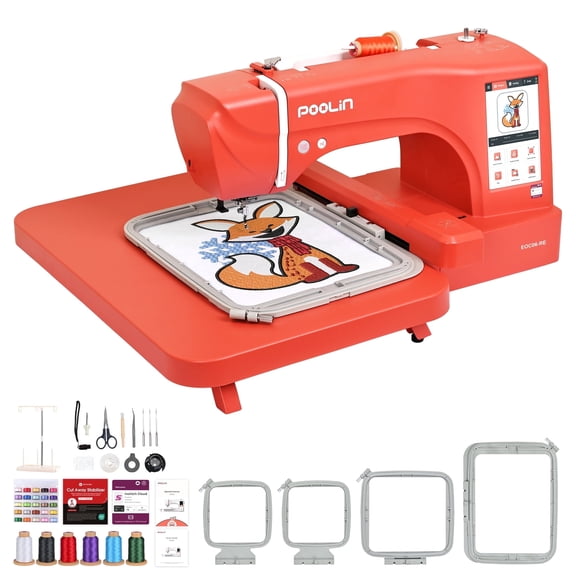

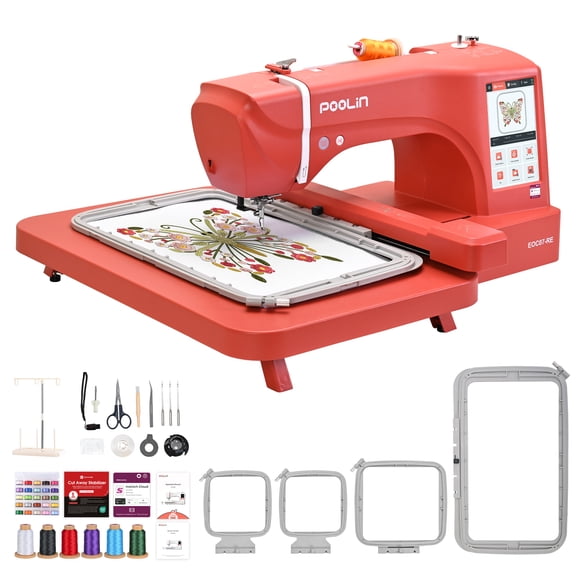
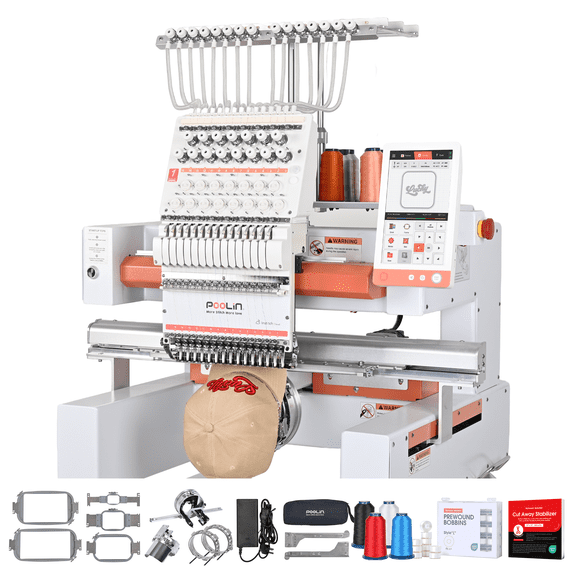


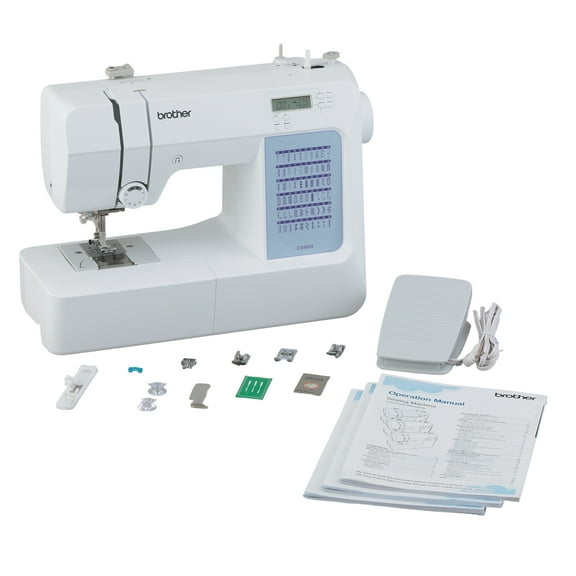


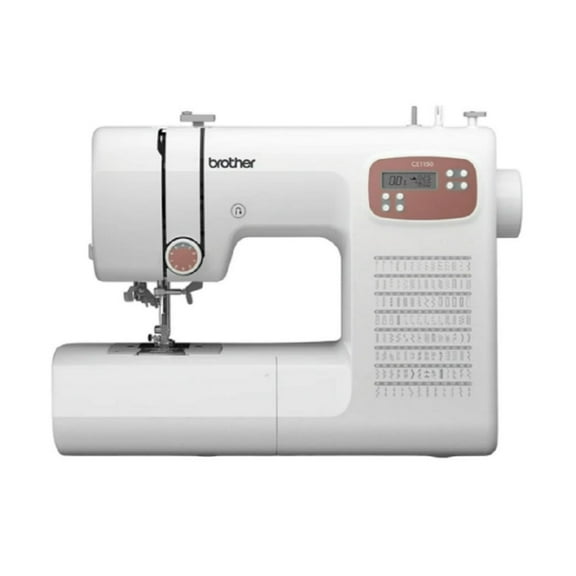
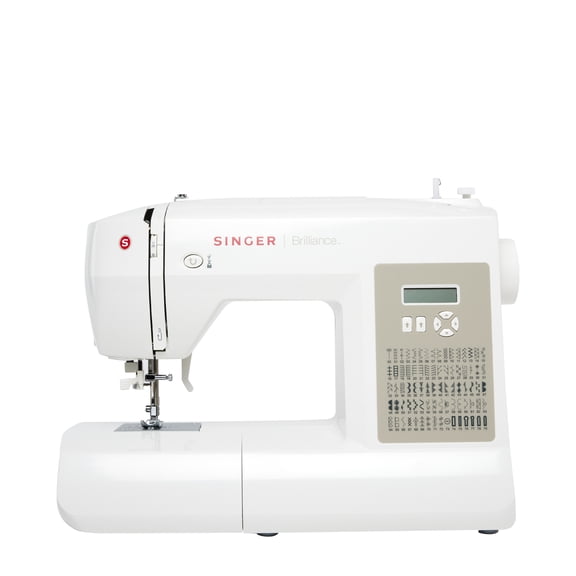
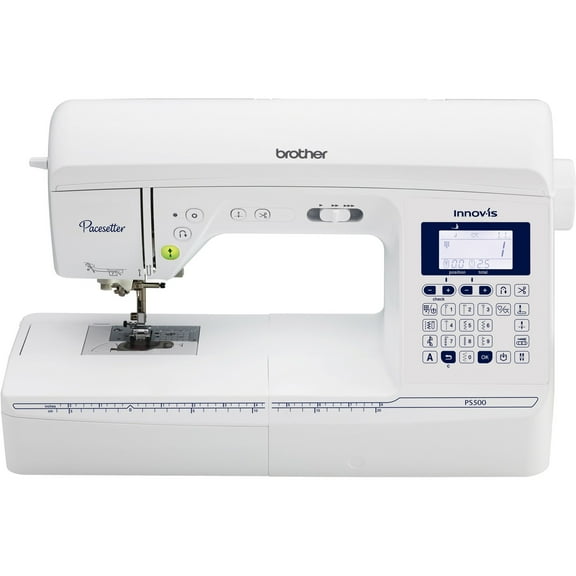






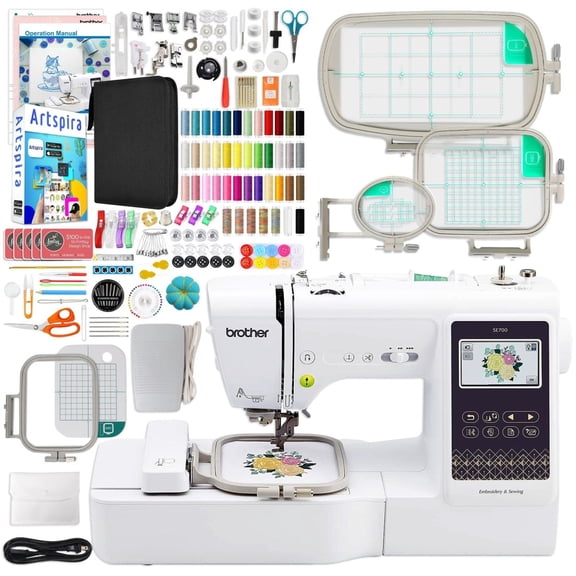
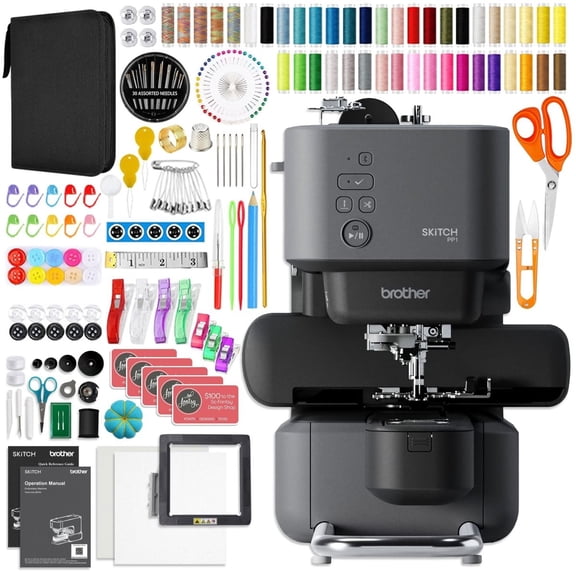


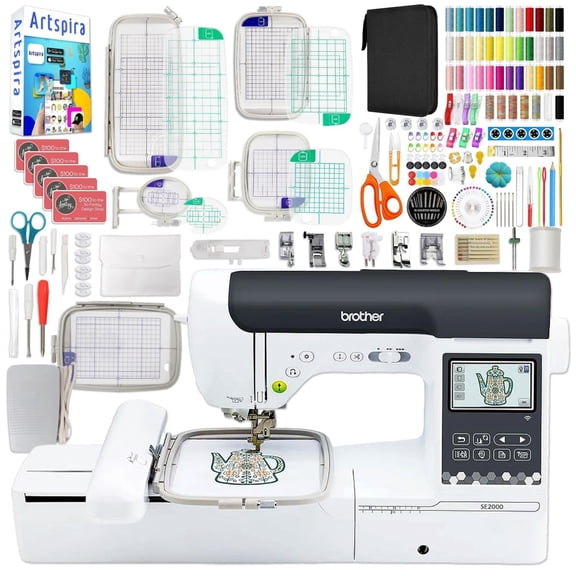
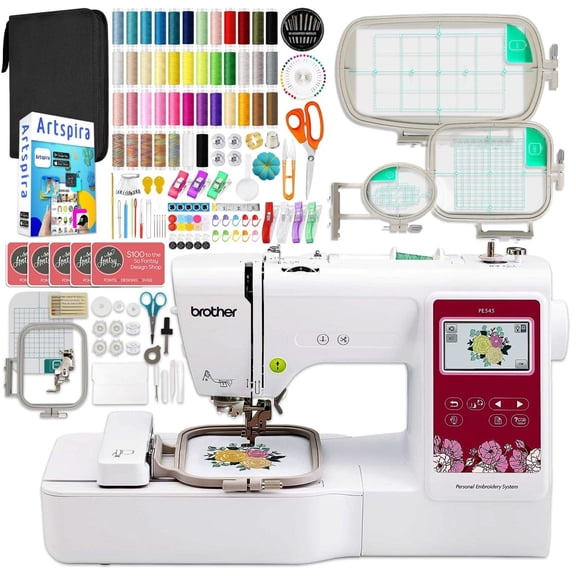
About Computerized Sewing Machine in Sewing Machines - Walmart.com
sewing machine computerized models bring guided settings, precise stitch control, and faster project setup for garments, quilts, hems, and home decor.
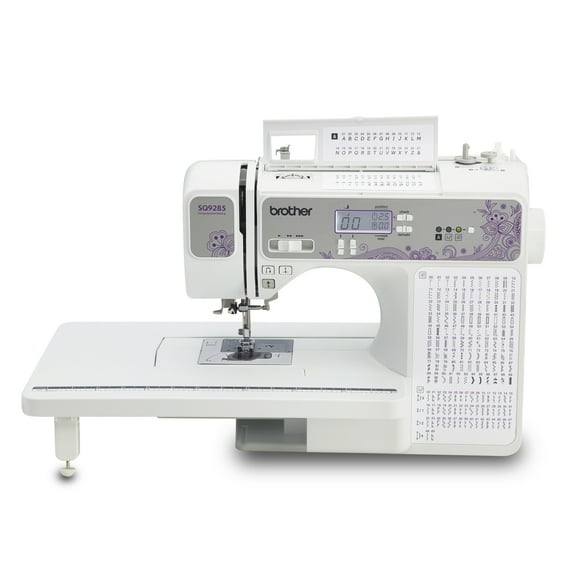
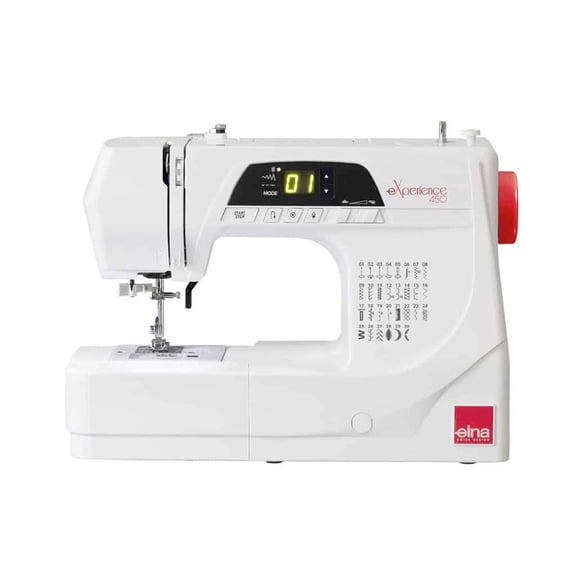
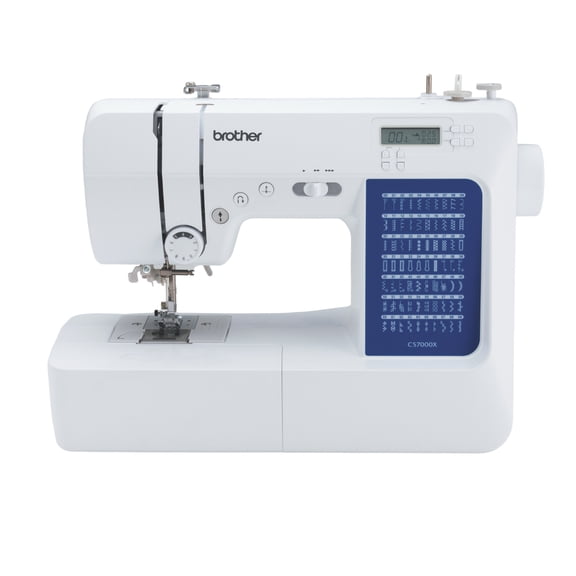
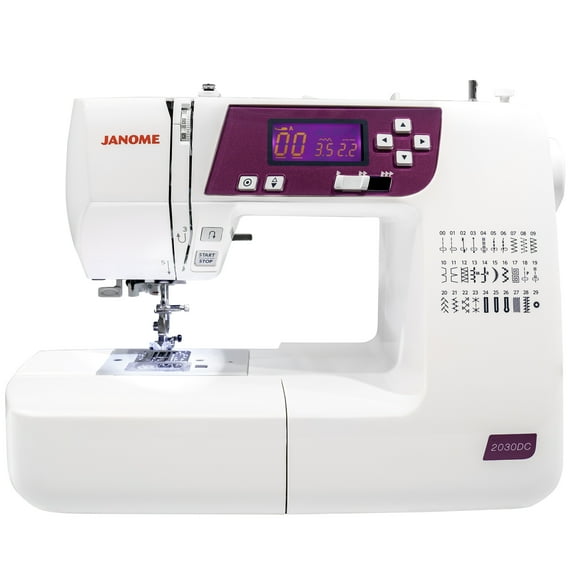
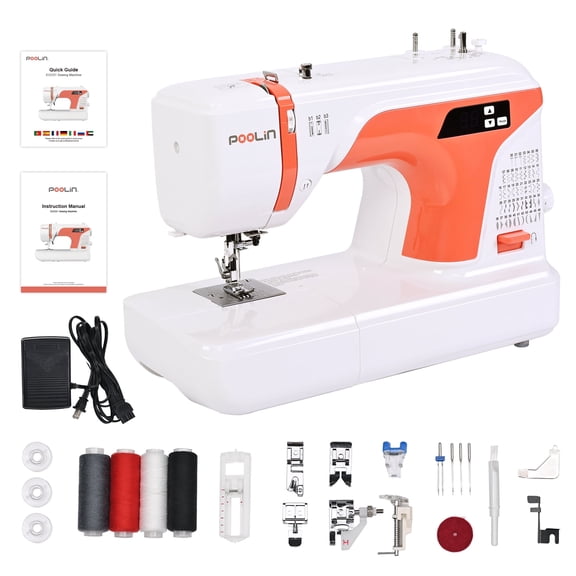
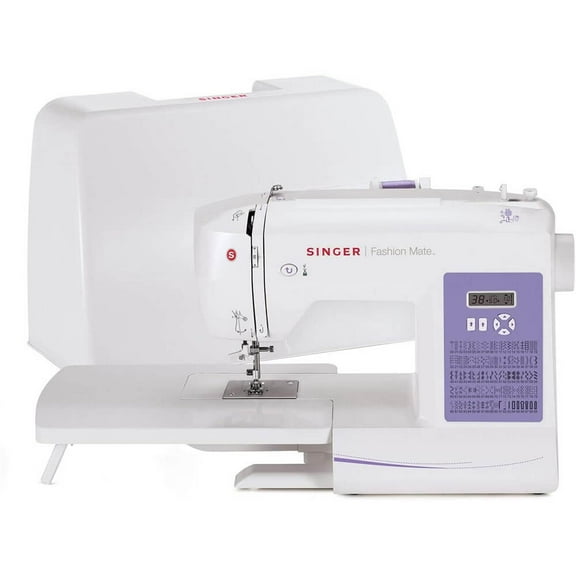
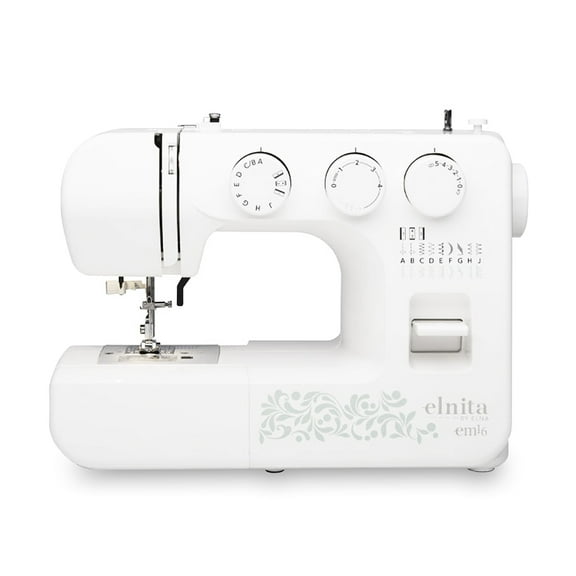
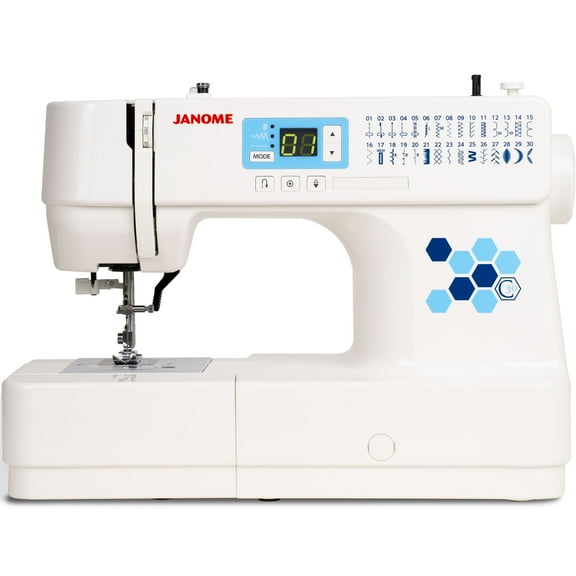
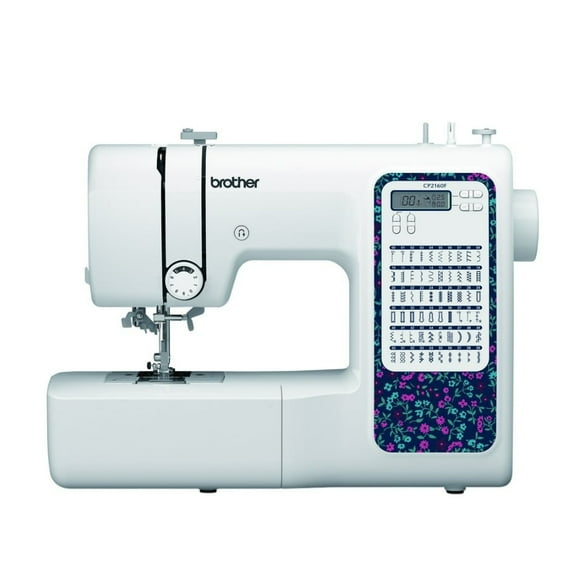
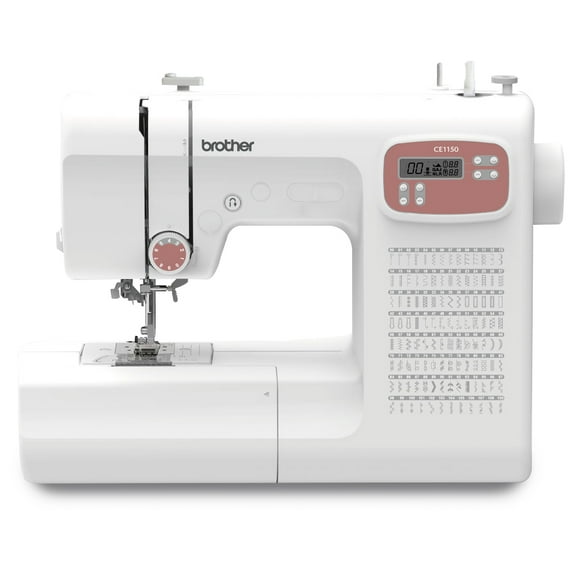
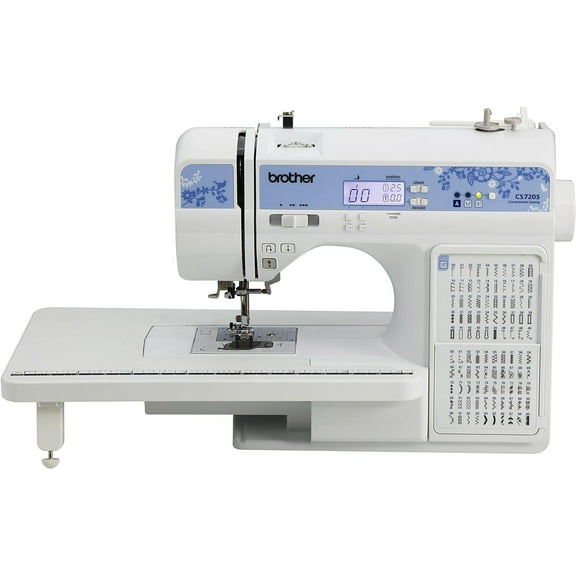
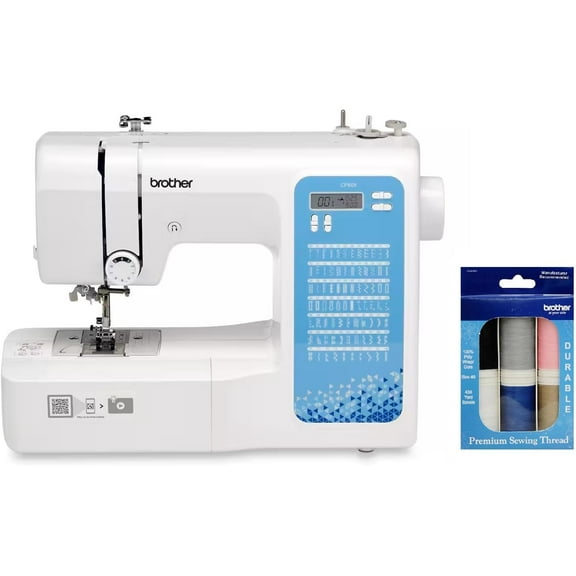
These machines stand apart from mechanical options with LCD screens, push-button stitch selection, and programmable pattern memory. You can switch from straight stitches to decorative options without turning a manual dial. That makes detailed sewing feel more consistent when fabric types change between projects.
Why choose a sewing machine computerized model
A computerized sewing machine helps you sew with less guesswork and more repeatable results. Built-in settings support cleaner starts, neater seams, and smoother transitions between stitch styles.
Beginners often like the guided interface because stitch choices appear clearly on a display. Experienced makers like quick adjustments for stitch length, width, and speed control.
- LCD displays make stitch selection easier to read and adjust.
- Automatic needle threaders speed up setup before each project.
- Built-in stitch libraries support quilting, garment sewing, and decorative accents.
- Start and stop buttons let you sew without constant foot pedal use.
- Programmable memory helps repeat lettering, borders, and favorite stitch sequences.
These benefits matter when you’re piecing quilt blocks, hemming pants, or adding topstitching to bags. Consistent settings help keep rows even and decorative details aligned.
Computerized sewing machine features that matter
The right feature mix depends on the projects you make frequently. A digital sewing machine usually centers on stitch variety, display controls, and built-in automation.
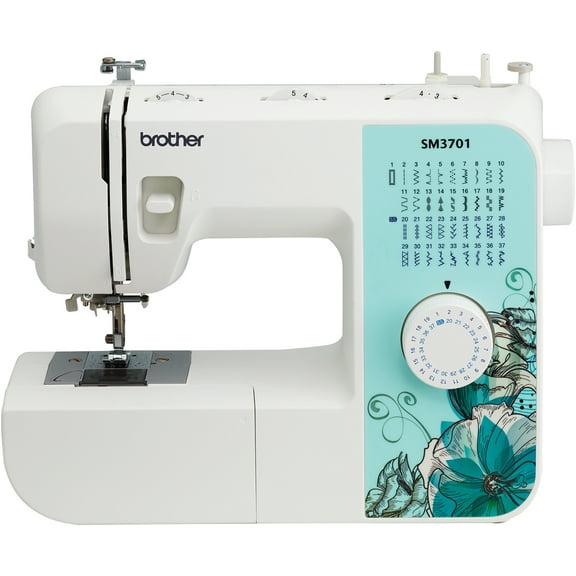
Stitch count is a key comparison point. Some machines focus on essential utility stitches, while others add heirloom, satin, stretch, quilting, and decorative patterns.
Buttonhole options can also shape your choice. One-step buttonholes help create a consistent look across shirts, dresses, and pillow covers.
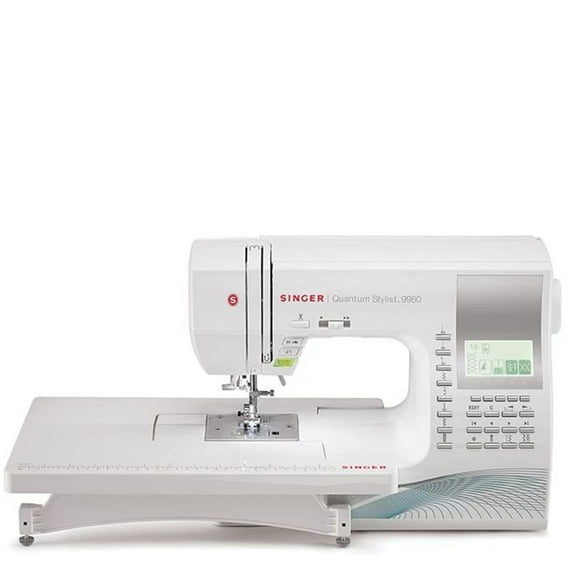
Look closely at the screen and controls. An LCD panel can show stitch number, recommended presser foot, width, and length in a clear format.
Speed control sliders are useful when you want steady pacing on curves or corners. Needle up or down settings help with pivoting during appliqué and quilting.
An automatic sewing machine may include a thread cutter, drop-in bobbin, and adjustable tension support. Those details help streamline setup and keep projects moving.
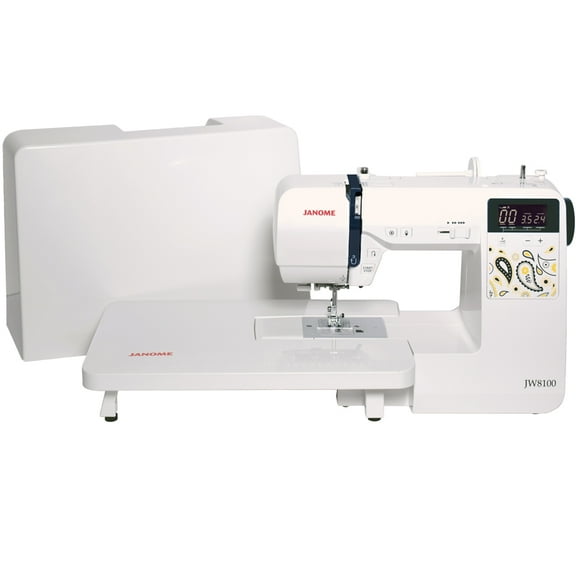
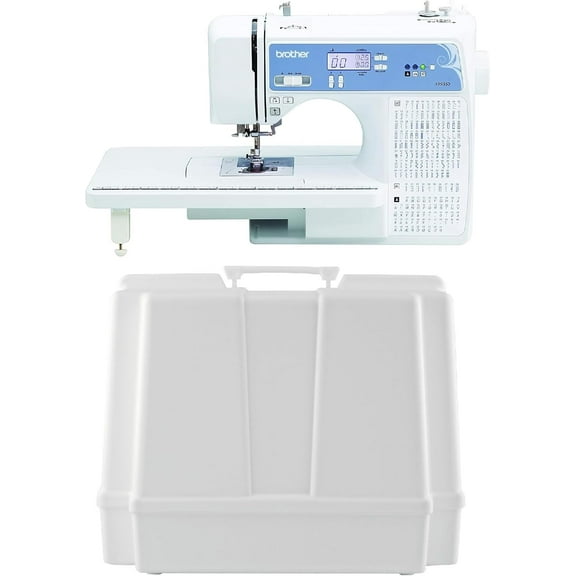
Free arm capability matters for cuffs, sleeves, and pant hems. Extension tables and wider work areas can help when you’re managing quilts or larger fabric panels.
Some sewing machine digital models include alphabet stitches or memory functions. These tools are handy for labels, monograms, and repeating border patterns.
How computerized sewing machines fit real projects
Computerized sewing machines work well for everyday mending and more detailed creative work. You can use them for school uniforms, curtains, tote bags, and costume updates.
For garment sewing, adjustable stitch settings help you move from woven cotton to knit fabrics with less manual trial and error. That flexibility supports cleaner seams and finished edges.
Quilters often want accurate seam allowances and steady speed options. Decorative stitch choices can also add borders, labels, and stitched details to finished blocks.
Home decor projects benefit from built-in utility and decorative stitches. Think cushion covers, table runners, valances, and simple slipcovers with polished finishing touches.
If you’re learning, an electronic sewing machine can feel easier to use than a fully manual setup. On-screen selections and automatic functions reduce repetitive adjustments between steps.
If you already sew frequently, programmable features support faster repeat work. That’s useful for batch sewing napkins, piecing patchwork, or creating matching trims.
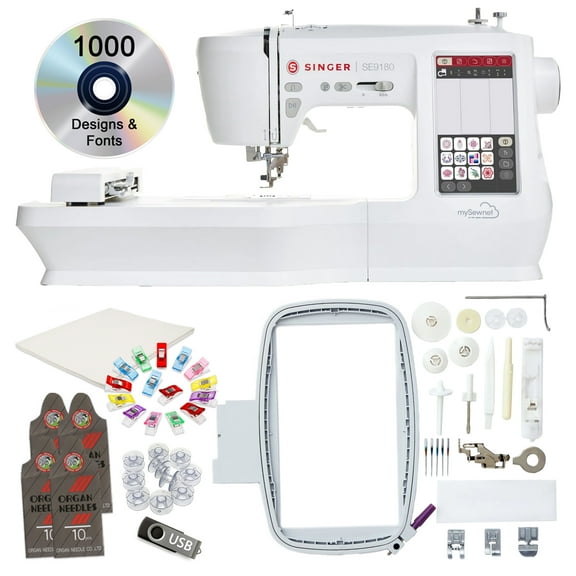
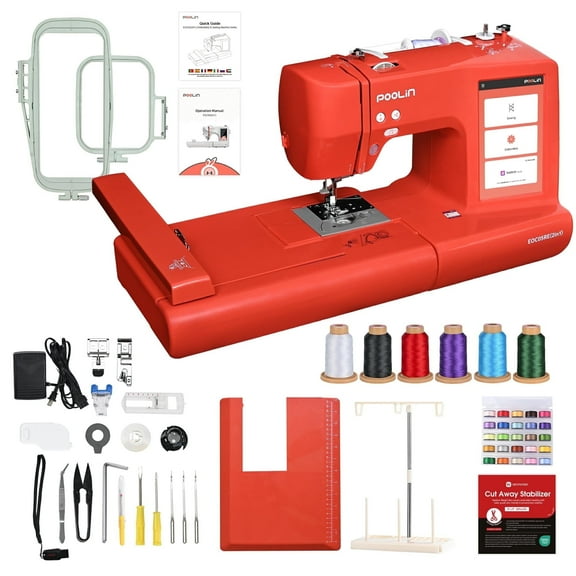
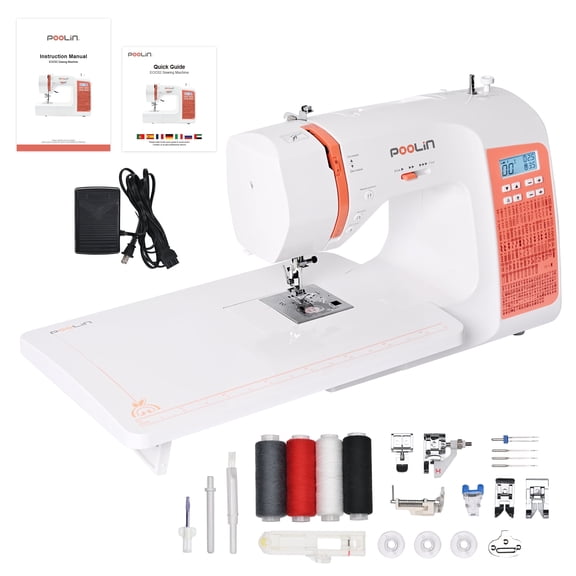
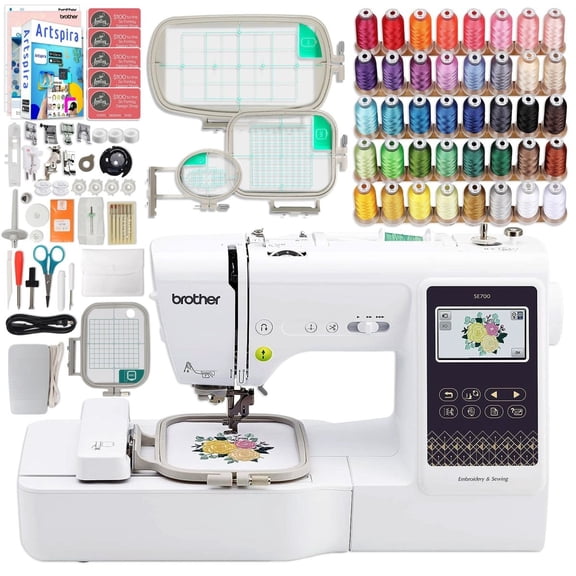
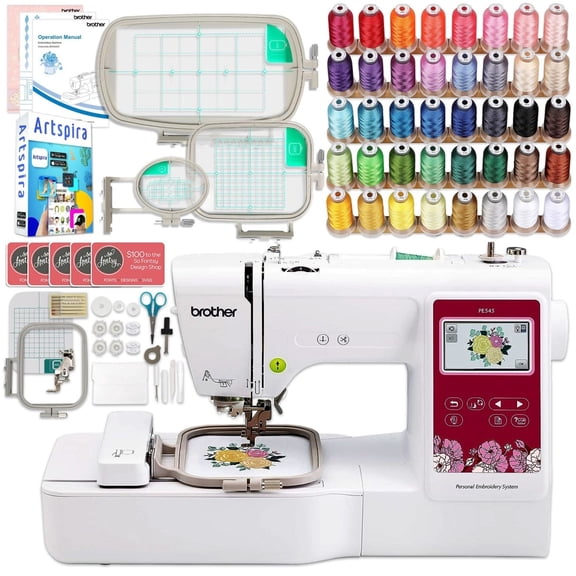
Many shoppers also pair these machines with sewing machine needles and embroidery thread for specialized tasks. The right accessories help match stitch type, fabric weight, and thread finish.
A programmable sewing machine can also support custom touches. Lettering and stored stitch sequences make gifts, keepsakes, and craft fair items look more polished.
What to look for before you choose
Start with the fabrics and projects you use regularly. Lightweight repairs, quilting cotton, stretch knits, and layered crafts can call for different stitch options and workspace needs.
Next, compare stitch selection, buttonhole styles, and speed controls. These details affect how quickly you can move from setup to finished seams.
Think about visibility and ease of use too. A bright screen, simple buttons, and a drop-in bobbin can make routine sewing feel more straightforward.
For creative flexibility, consider built-in decorative stitches, memory settings, and accessory compatibility. Those features can support everything from hemming basics to detailed appliqué work.
A sewing machine computerized design gives you controlled stitching, modern navigation, and project-ready features in one workspace. The result is cleaner execution across everyday repairs and creative sewing alike.