





Commodes in Commodes and Liners




















About Commodes in Commodes and Liners - Walmart.com
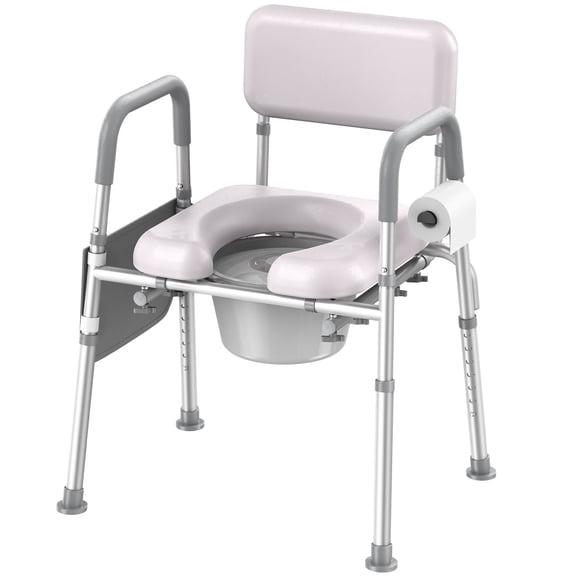
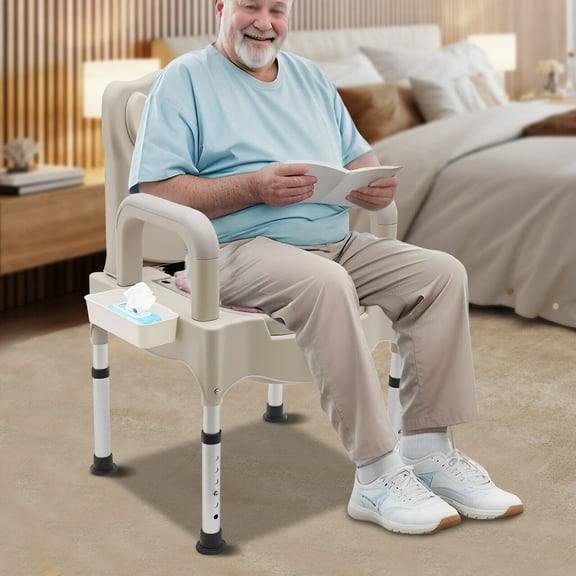
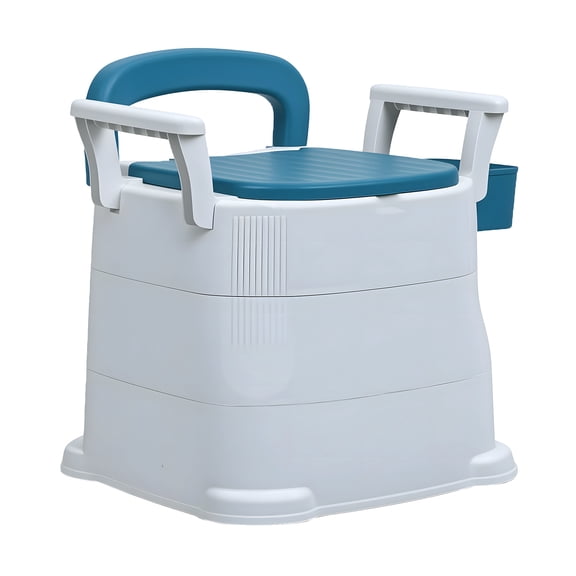
Commodes give you a practical way to add toilet access, transfer support, and flexible placement in your home. You can compare bedside commode options, over-the-toilet designs, and shower-ready styles based on space, comfort, and your daily routine.
How to choose commodes for your space
You should start by deciding where you plan to use your commode frequently. You may need a bedside commode for nighttime convenience, or you may want a frame that fits over your existing toilet.
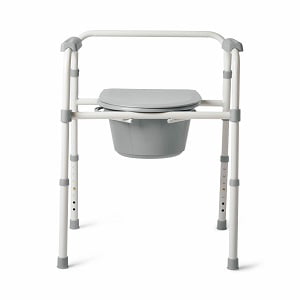
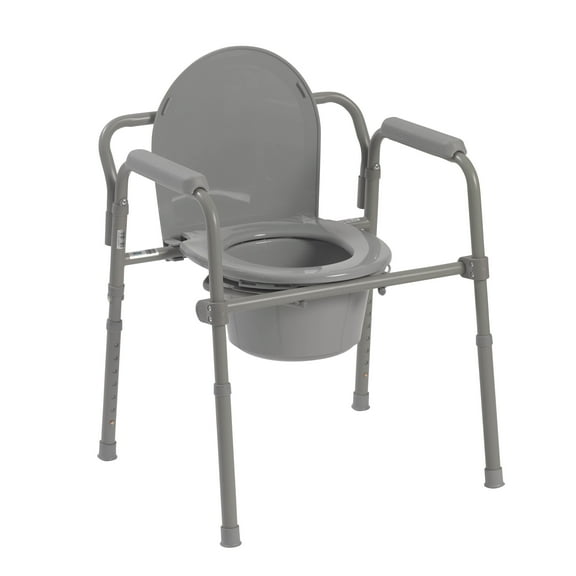
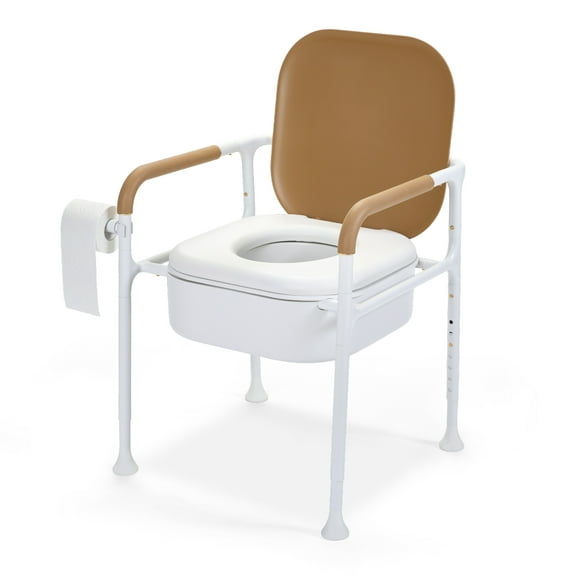
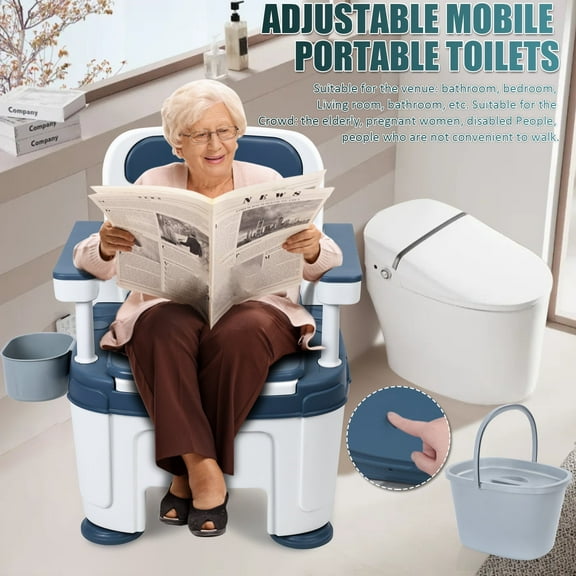
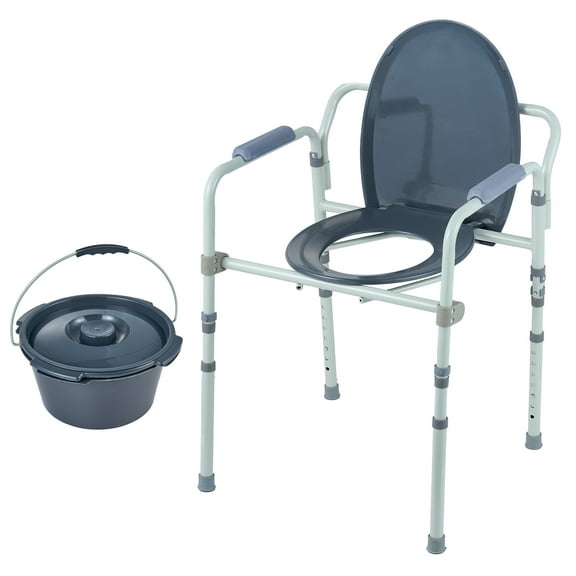
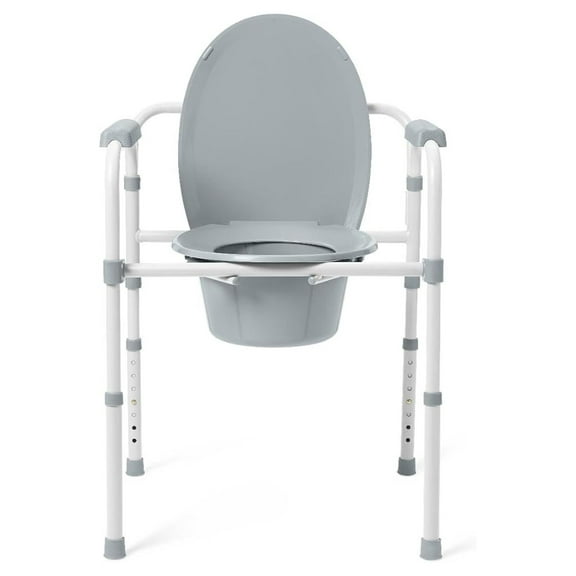
If you want more than one setup, you can consider a three-in-one design. You can use it at the bedside, place it over a toilet, or position it as a portable commode toilet.
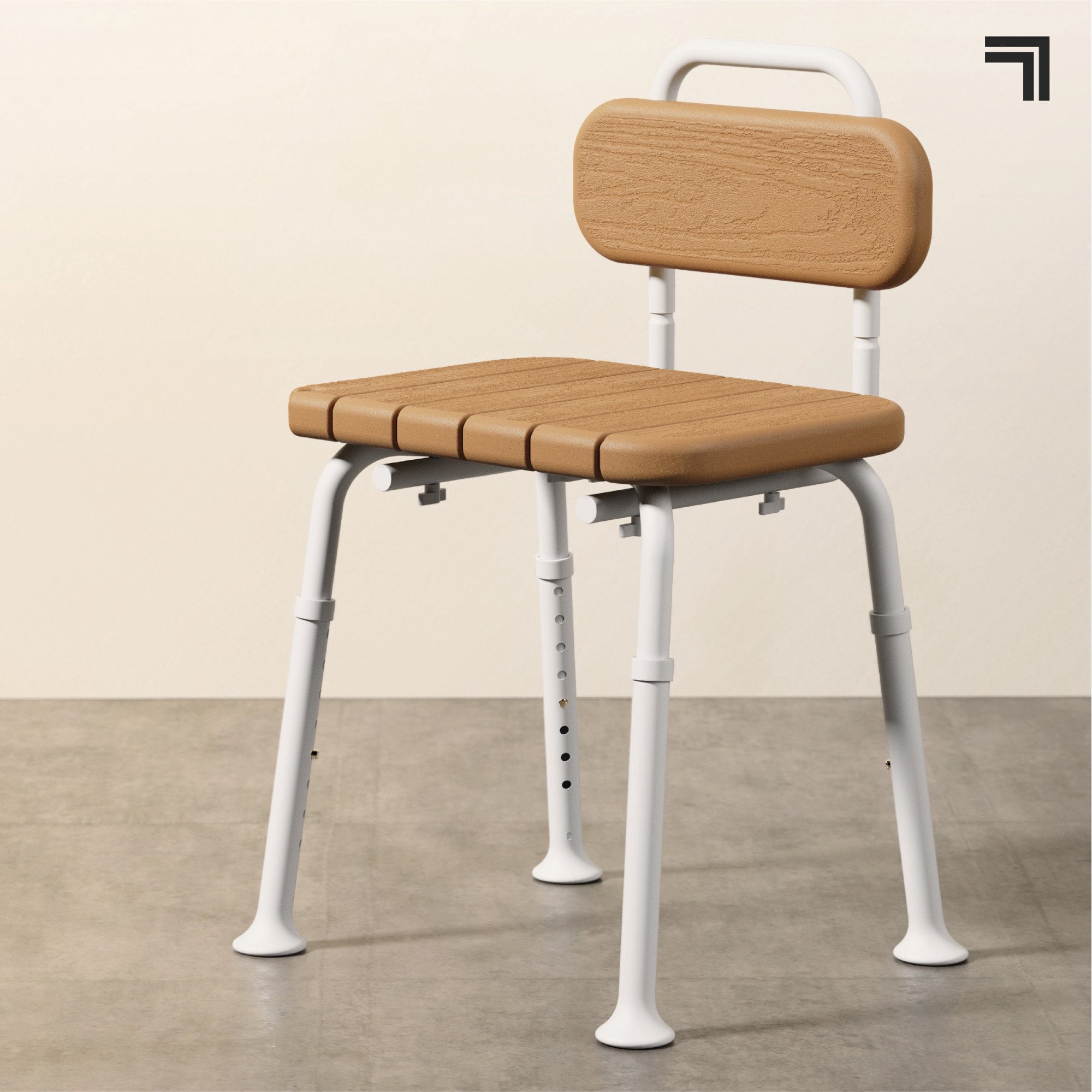
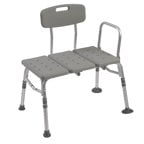
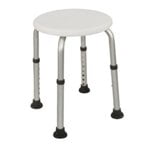
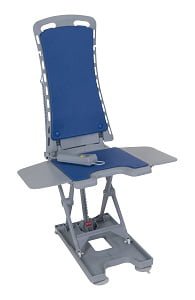
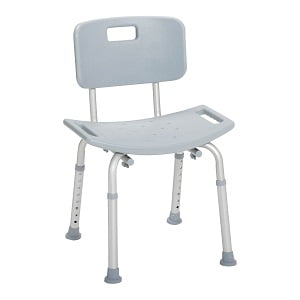
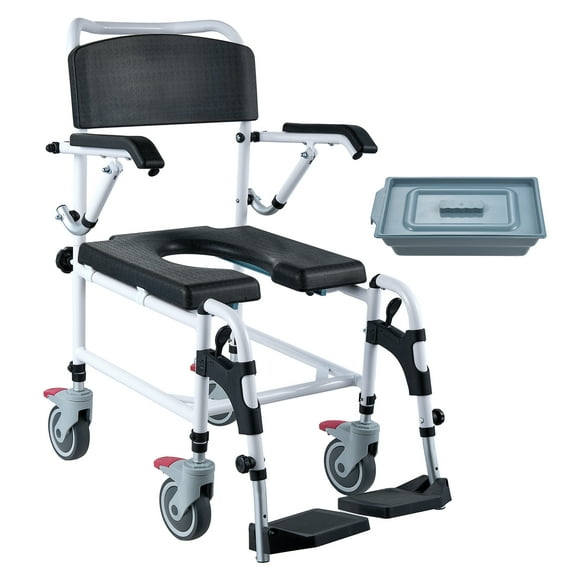
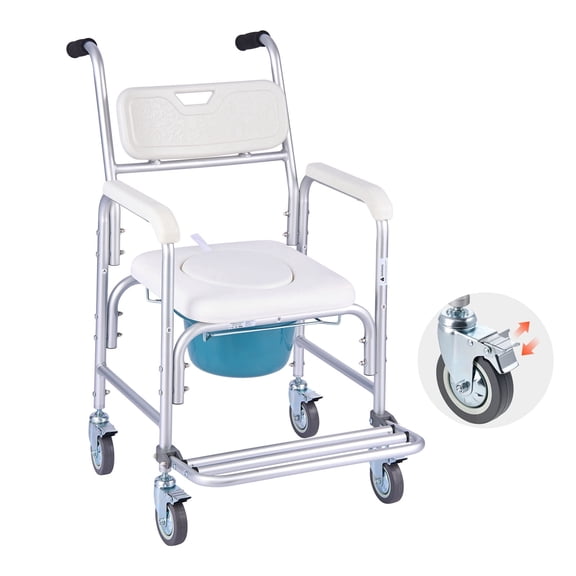
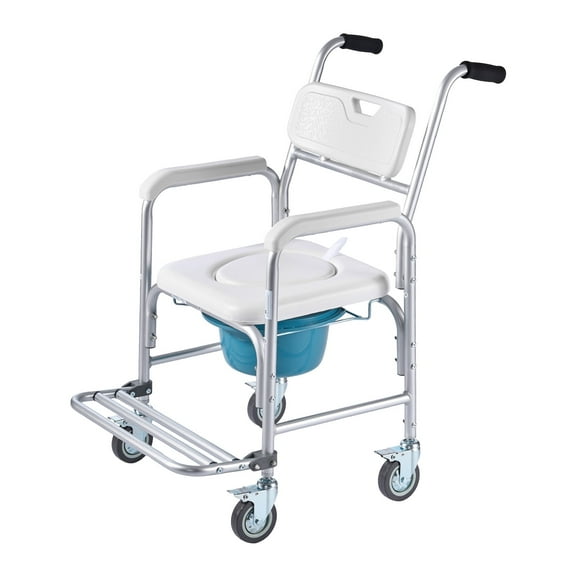
You can also compare shower commode styles when you want convenient bathing support. You should check frame material and water-friendly surfaces if your setup includes regular bathroom moisture.
What to look for in a bedside commode
You can narrow your choice quickly when you focus on the features that affect daily comfort. You should compare capacity, transfer access, and cleaning steps before you choose a commode chair.
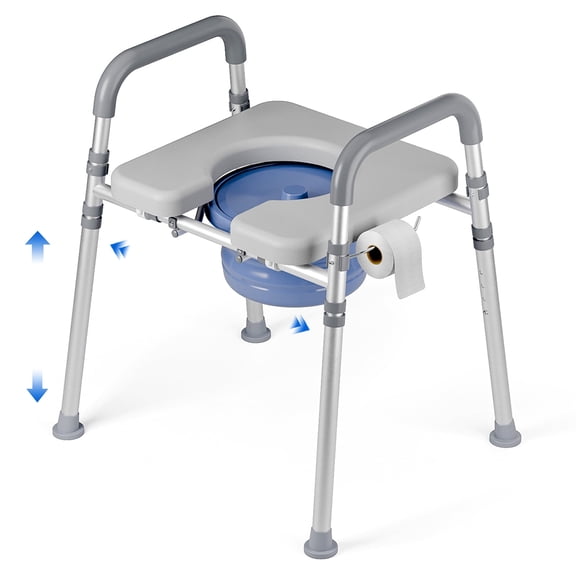
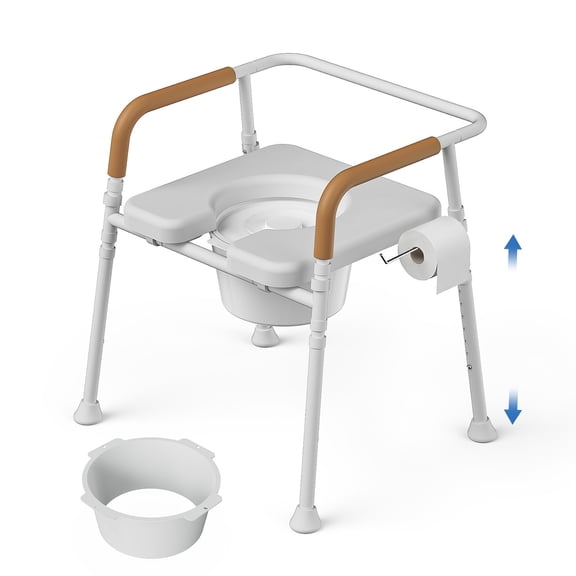
- You can use adjustable height legs to match your seat height and support steady sitting and standing.
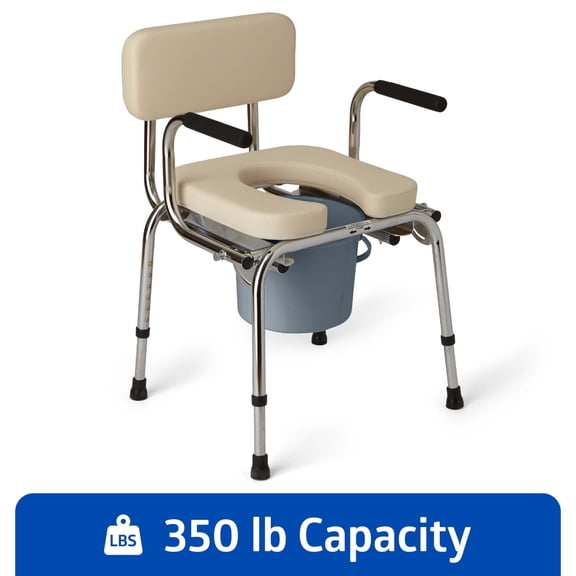
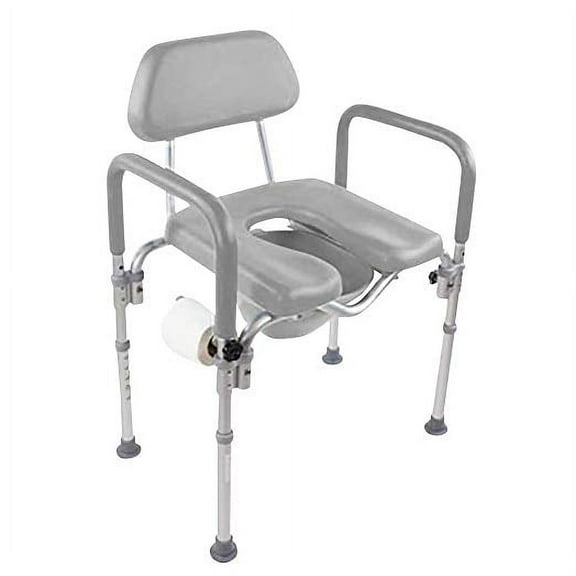
- You can choose a drop arm commode when you need clear side access for transfers from a bed or chair.
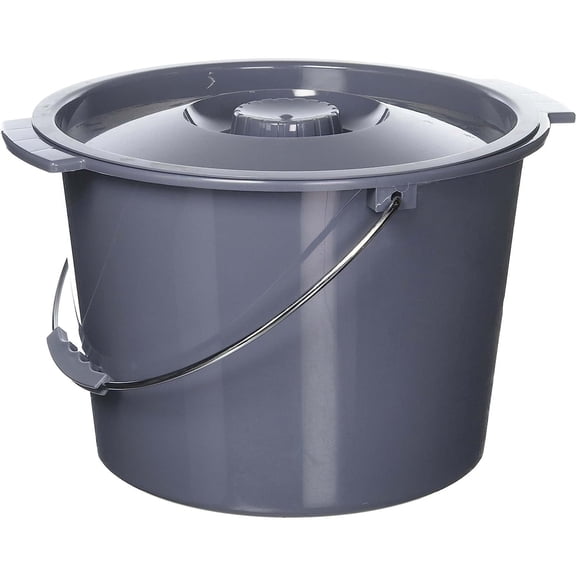
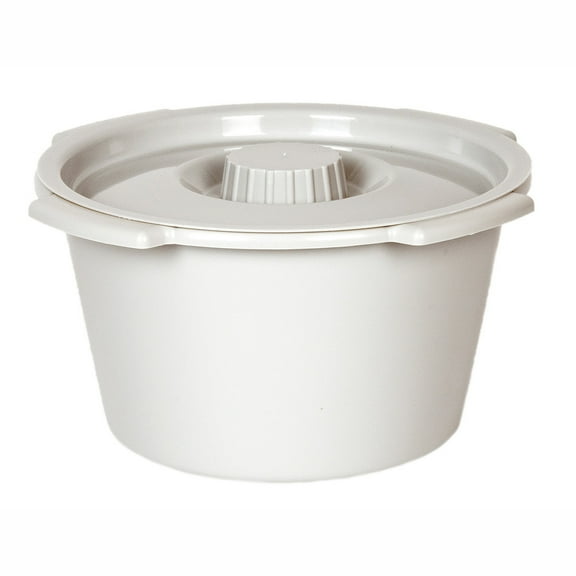
- You can compare bucket design and splash guard details when you want convenient emptying and cleanup.
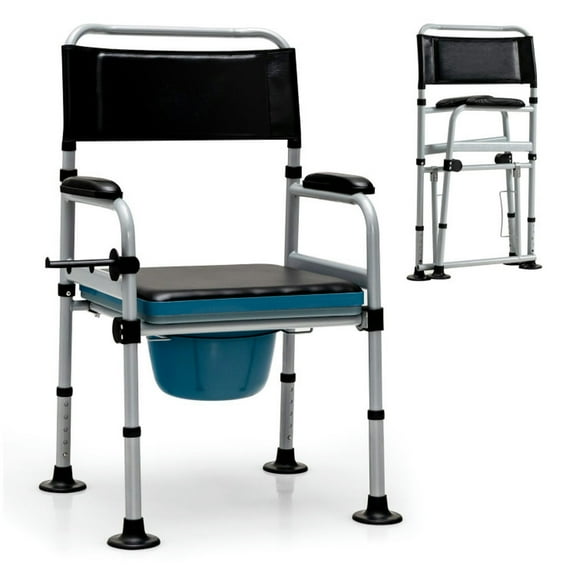
- You can select a folding commode if you need compact storage between uses or convenient transport.
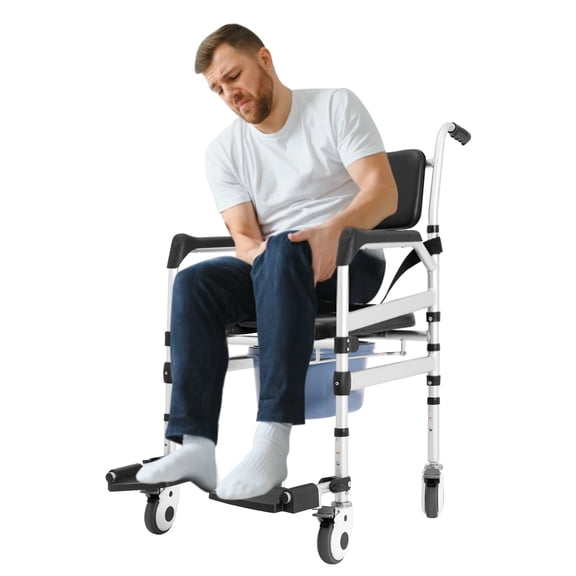
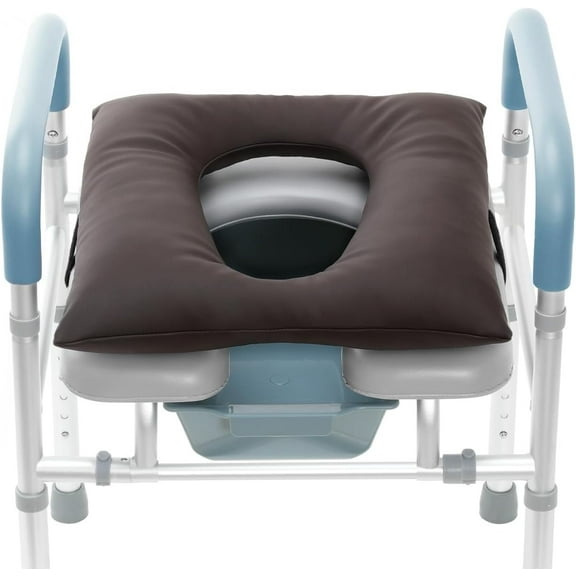
You may also want padded seats or supportive armrests for longer sitting comfort. You should look at seat shape and overall width if you need additional room around your hips.
Choosing type, frame, and adjustability
You can match the type of commode to your room layout and your routine. You should measure doorway width, toilet clearance, and bed height before you compare frames.
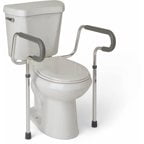
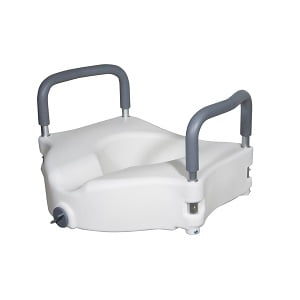
A bedside commode works well when you want a dedicated setup near your bed. An over-the-toilet frame helps you use your existing toilet while adding arm support and adjustable height.
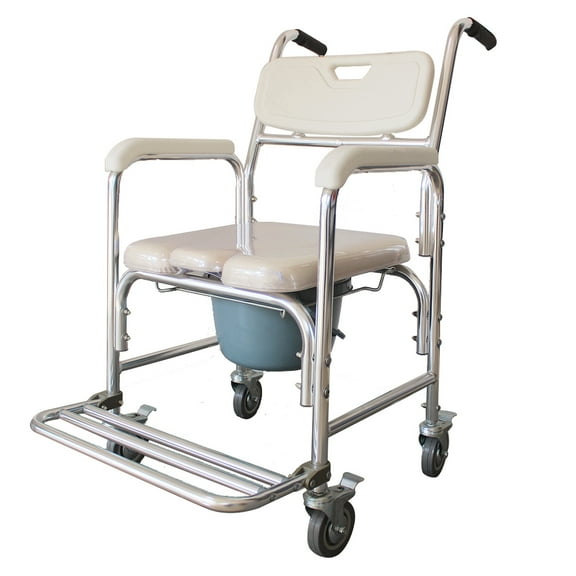
You can consider steel frames when you want a solid, sturdy feel in a fixed location. You may prefer aluminum commode designs when you want lightweight lifting for moving or cleaning.
You should look at rust-resistant plastic parts when your commode may see frequent bathroom moisture. You can also compare folding frame options when your storage space stays tight.
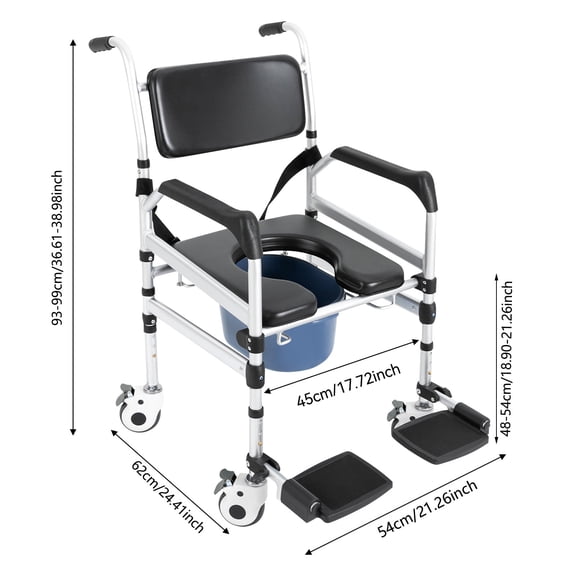
Adjustability matters because you need the seat height to match your body and room setup. You should check leg ranges and seat dimensions so your commode feels stable and convenient to use.
Comparing weight capacity and bariatric commode options
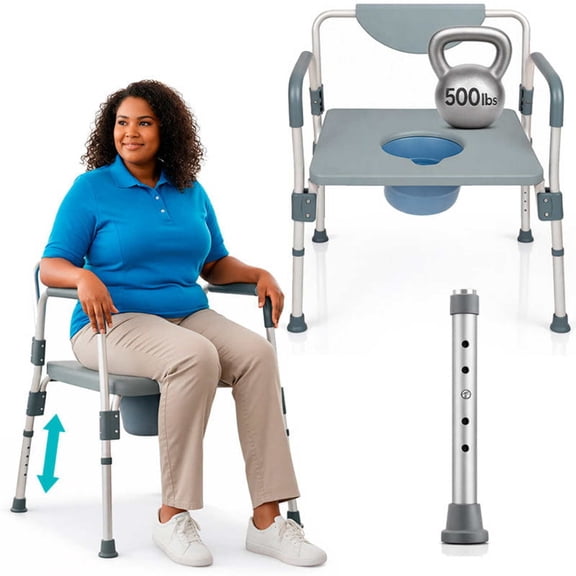
You should always compare the weight capacity rating in pounds before you choose. You can use that number to match the frame to the user and support a steady feel.
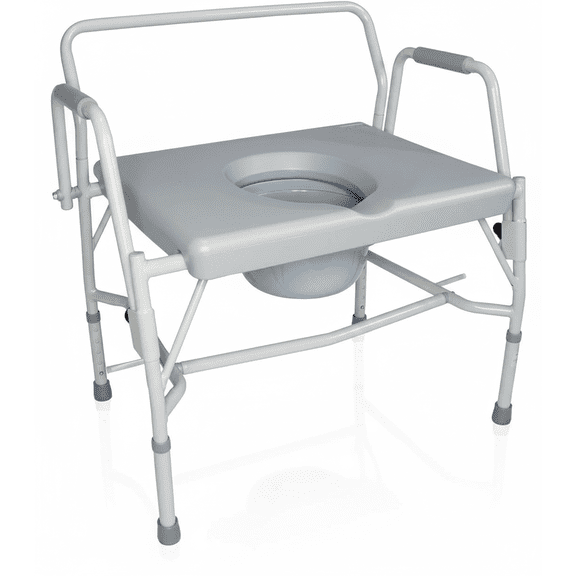
Standard models may suit many everyday setups with a smaller footprint. You may need a bariatric commode or heavy duty frame when you want a wide seat and reinforced support.
You should also compare overall chair width, seat width, and arm spacing with your available room. You can avoid fit issues by measuring your bedside area and bathroom path first.
If you plan to place the unit over a toilet, you should measure toilet height and side clearance. You can prevent frustrating returns when you check those dimensions before ordering.
Understanding armrests, transfers, and cleaning
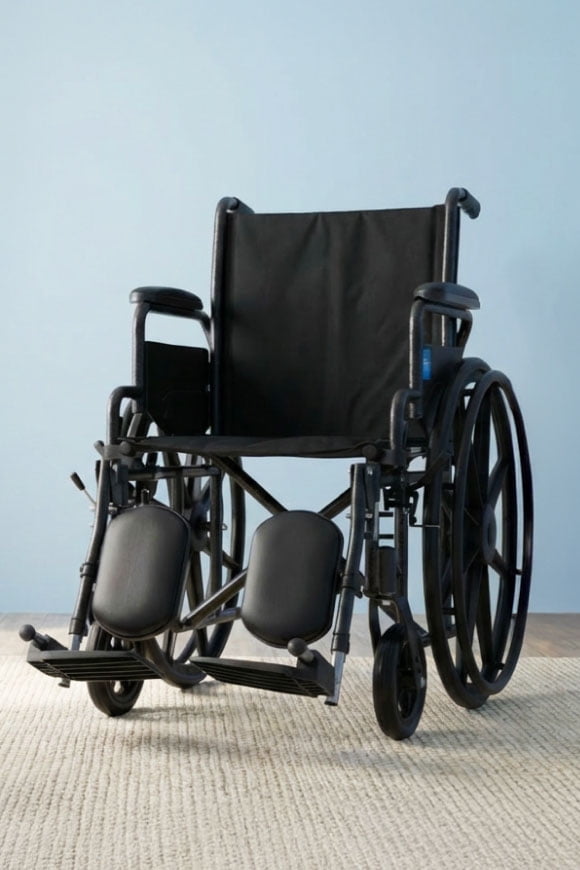
You can choose fixed arms when you want steady hand placement for sitting and standing. You may prefer a drop arm commode when side transfers from a wheelchair or bed are part of your routine.
Drop-arm designs let you create a clear side opening during transfers. You should compare latch style and arm movement so you know how the chair fits your daily setup.
Cleaning is another decision point that affects everyday use. You can look for smooth surfaces, accessible pails, and simple bucket removal when you want convenient cleanup.
You should also check whether the seat lifts easily and whether the bucket handle feels manageable. You can make daily maintenance straightforward when those parts are easy to reach and remove.
How different commodes fit daily routines
You can use a bedside commode in a bedroom when nighttime access is a priority. You may choose a folding commode if you need to store it during the day.
You can place an over-the-toilet model in a shared bathroom when you want support without a separate toilet chair. You should confirm the frame clears the bowl and fits around the base.
If you need wide seating and reinforced support, you can compare a bariatric commode for that setup. You should review both capacity and outside width so it fits through your doorway.
You can keep a portable commode toilet in a guest room, travel setup, or temporary recovery space. You may also use a shower commode when you want one chair that suits bathing routines.
You can choose commodes with the right type, capacity, and adjustability when you measure first and compare key details. You can gain a setup that fits your space, supports transfers, and keeps cleanup manageable.