

Door Security Devices & Home Safety Locks | Walmart
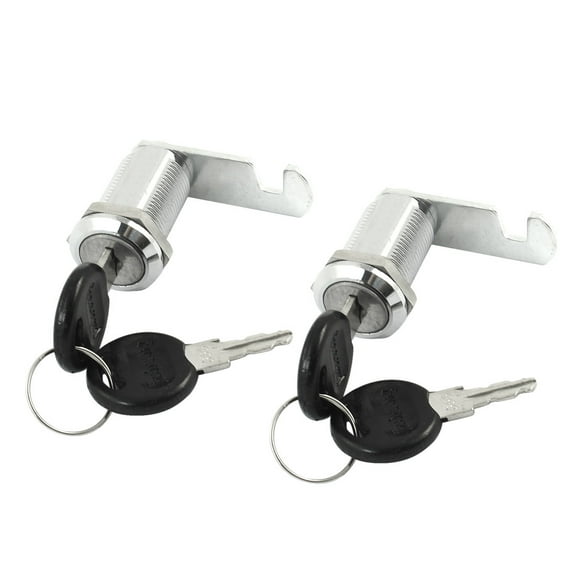
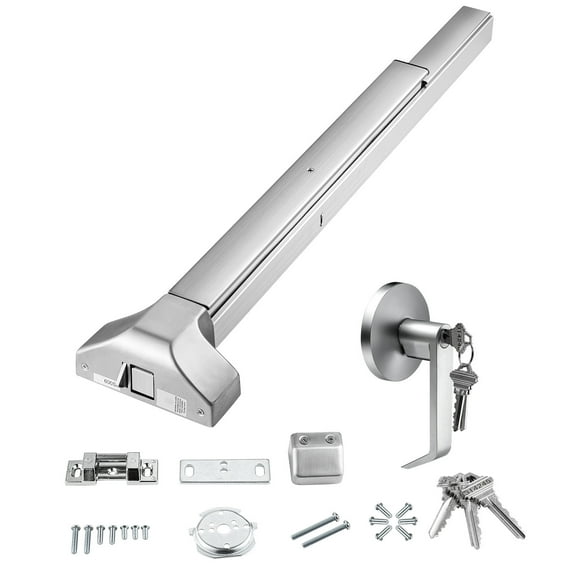
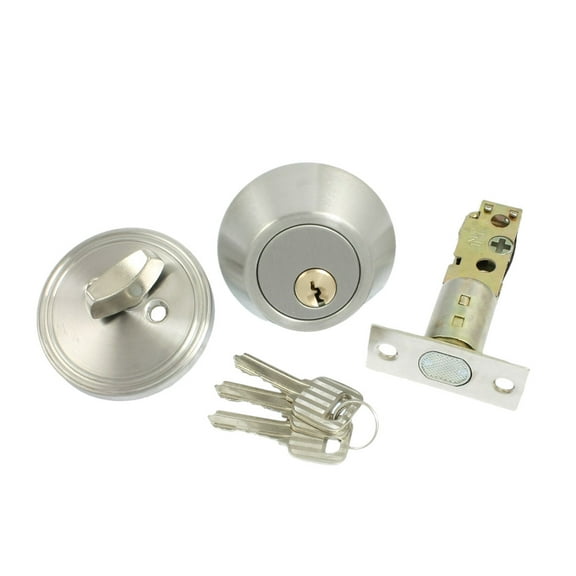
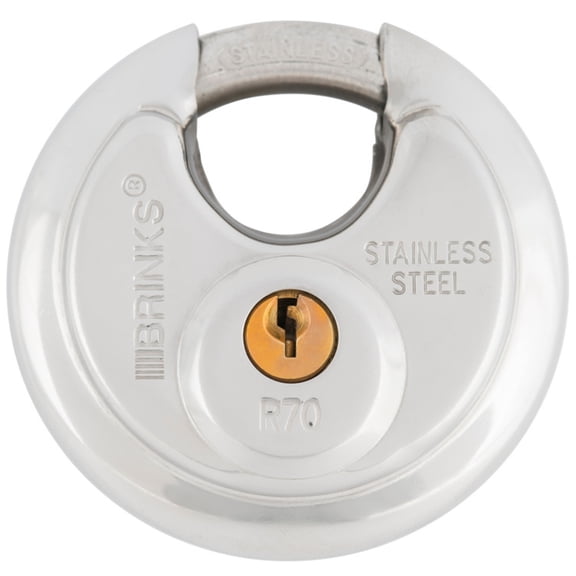








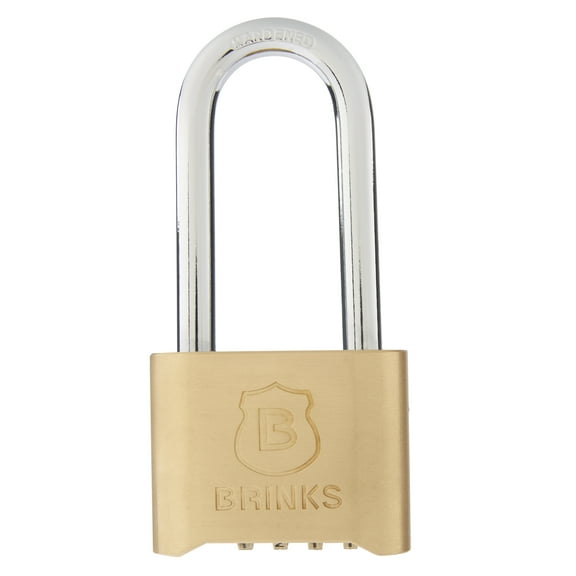
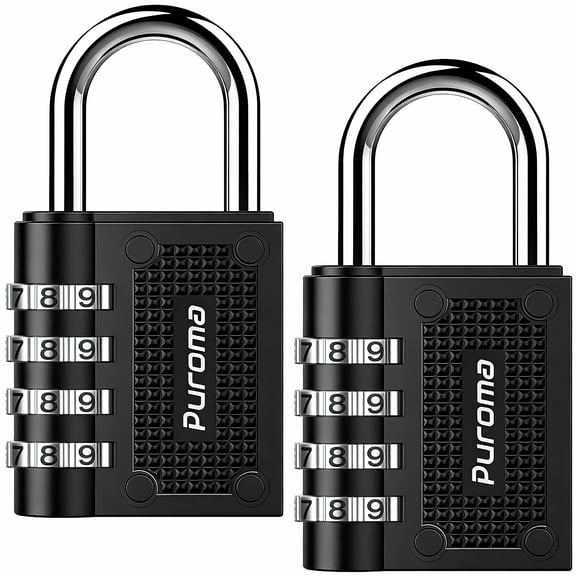

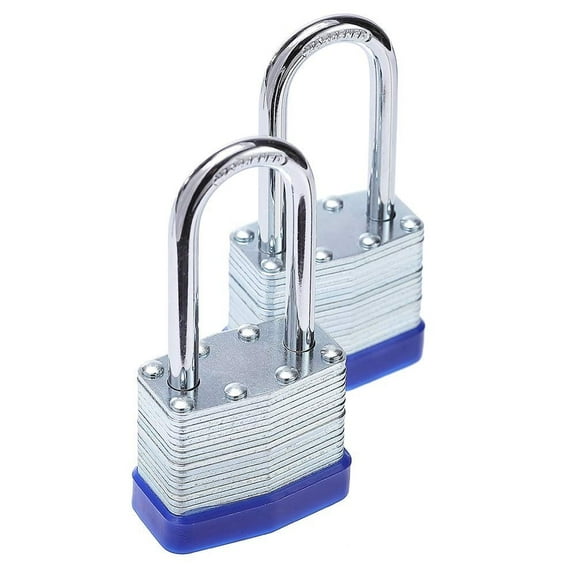


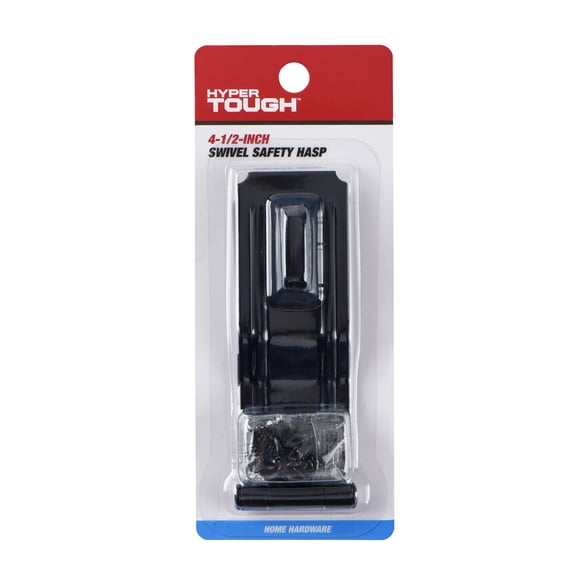

















About Door Security Devices & Home Safety Locks | Walmart - Walmart.com
You can improve door security with devices that match your door type, installation comfort, and daily routine. You’ll find options for front doors, sliding doors, pocket doors, and temporary setups that add practical reinforcement.
When you compare this category carefully, you can choose hardware that fits your entryway without guesswork. You’ll also see choices for renters, homeowners, travelers, and anyone adding extra door protection indoors or outdoors.
How to choose door security by device type
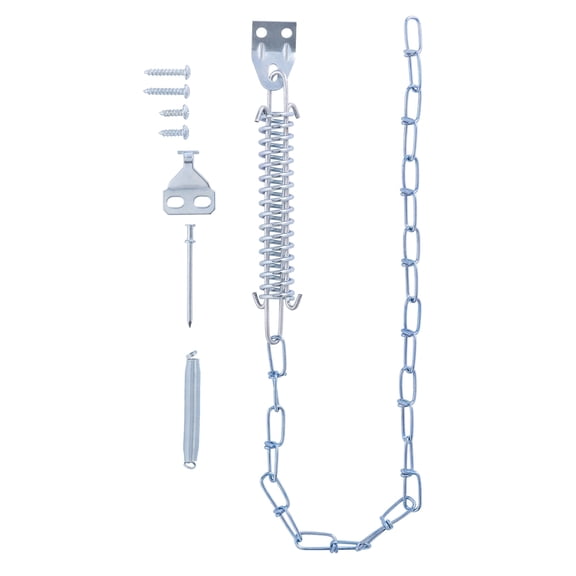
You should start with the device type because each design secures a door in a different way. You may compare bars, locks, stoppers, and reinforcement plates based on how your door opens.
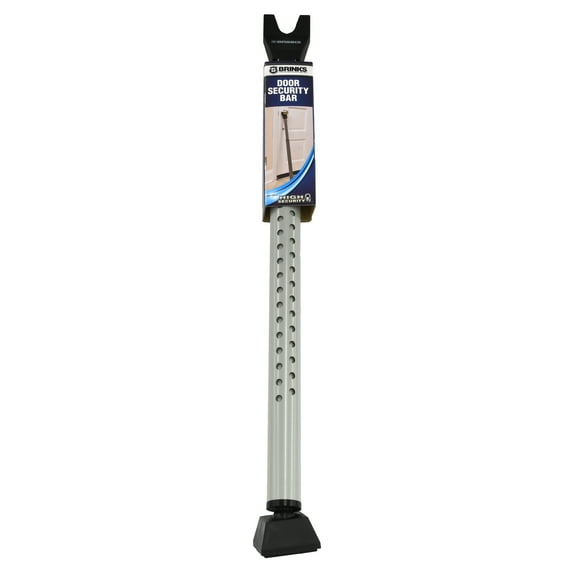
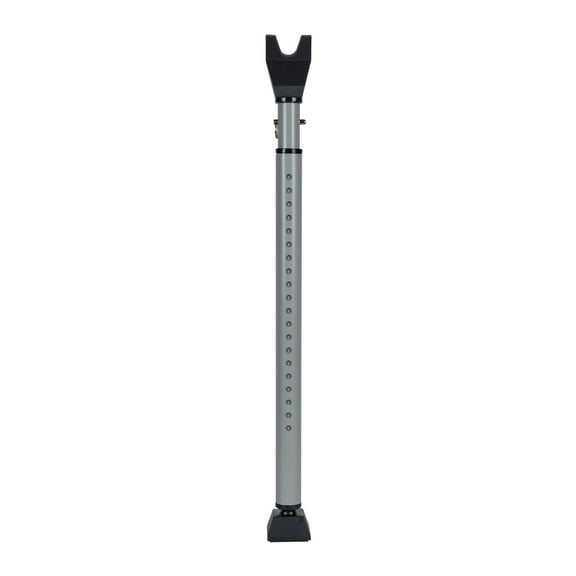
If you want a visible brace, you can consider a door club or security bar for inward-swinging doors. If you want a built-in solution, you can look for a door safety lock or reinforcement plate.
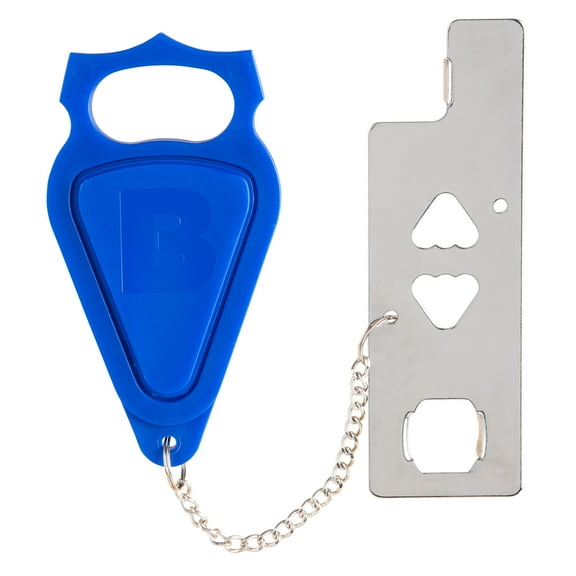
You can use stoppers and door blocks for security when you need quick setup and easy removal. You may prefer those options when you want temporary support for apartments, guest rooms, or travel.
- You can use bars for added bracing against inward pressure on hinged doors.
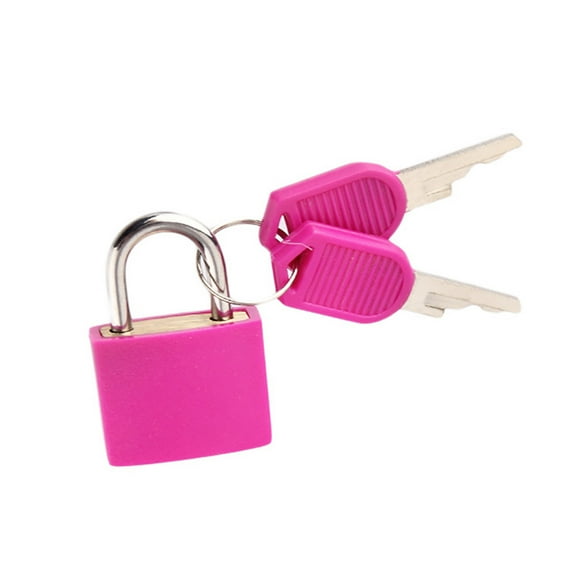
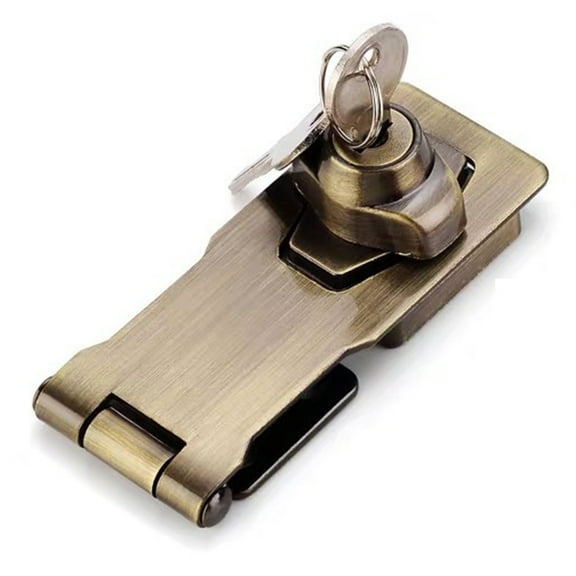
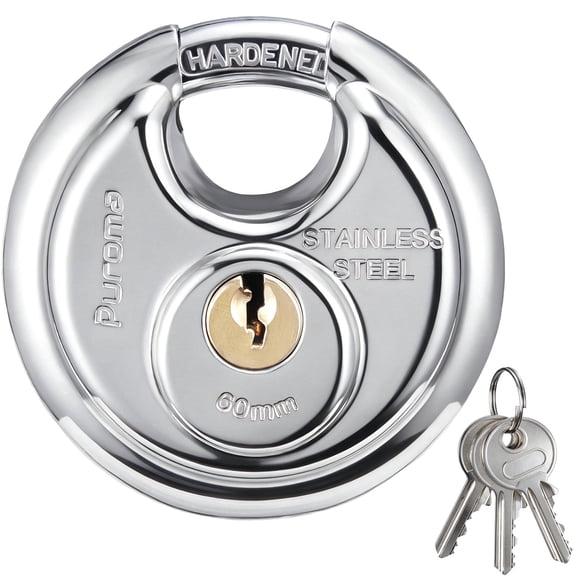
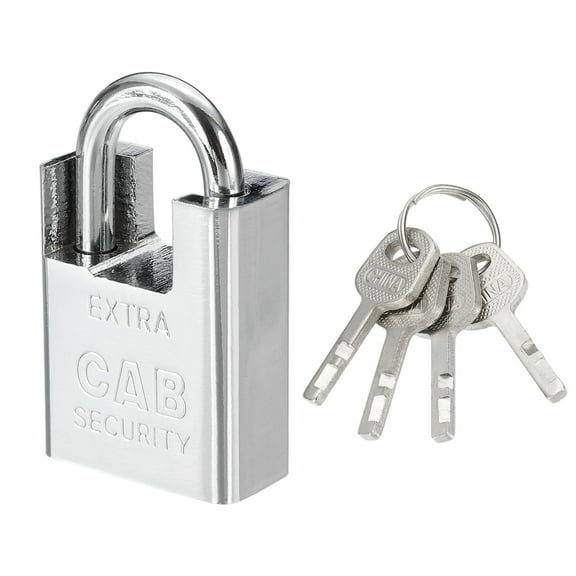
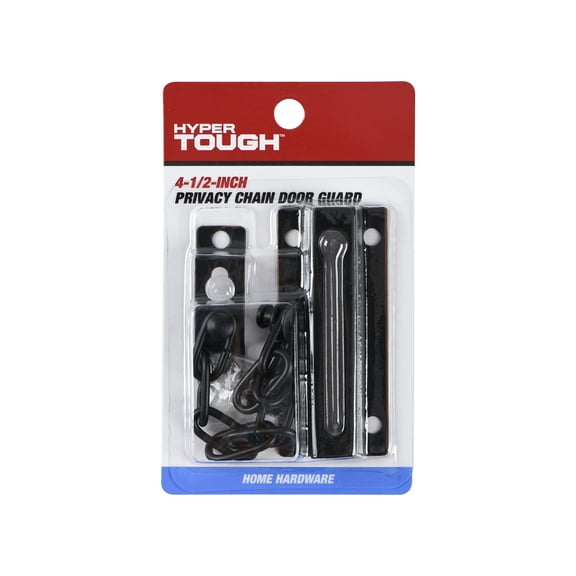
- You can choose locks when you want a more fixed everyday security upgrade.
- You can pick stoppers for portable use, simple storage, and quick placement.
- You can select reinforcement plates when you want to strengthen the area around hardware.
Choosing outside door security and placement
You need to match placement to the door location before you compare finishes or shapes. You’ll get more useful extra door security when the device fits an outside door, inside door, sliding door, or pocket door.
For outside door security, you should check whether your entry door swings inward and has enough floor clearance. You may also need to measure handle height, threshold style, and nearby trim.
If you’re securing a sliding patio door, you can look for door sliders, bars, or track-focused blockers. If you’re working with a pocket door, you can compare a pocket door stop or compact latch solution.
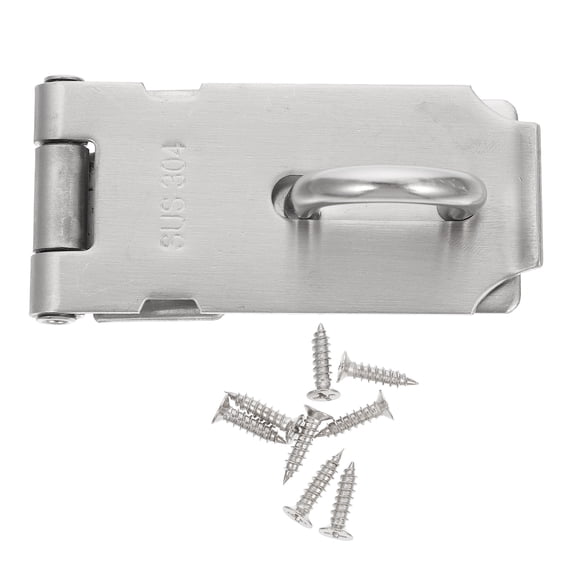
You should also confirm hinge clearance and lockset spacing before you choose screw-in hardware. You’ll avoid fit issues when you measure the frame, strike area, and available mounting space first.
What to look for in installation type
You should compare installation type early because it affects tools, time, and surface changes. You can choose screw-in, temporary, portable, or adhesive styles based on how permanent you want the setup.
If you’re comfortable using basic tools, you can install screw-in pieces for a more fixed setup. If you rent or travel often, you may prefer temporary or portable designs that don’t require drilling.
You should check whether the product needs a screwdriver, drill, or simple hand placement. You’ll also want to confirm whether your door frame, floor gap, or wall space supports the intended fit.
Adhesive options can work when you want lighter hardware and fast placement on suitable surfaces. Portable designs can suit travel bags, dorm rooms, and apartment use because you can move them easily.
How materials affect door safety lock choices
You can use material details to judge how solid and durable a device may feel over time. You’ll often compare heavy-duty steel, solid brass, zinc alloy, and aluminum across this category.
If you want a sturdy brace or bar, you may look for heavy-duty steel for a more rigid build. If you want smaller lock hardware, you can compare brass, zinc alloy, or aluminum parts.
You should also consider the hardware weight and how often you’ll move it between doors. You may prefer a lighter portable piece for travel, while you may want heavier reinforcement for a fixed entry.
When you review material descriptions, you should connect them to the intended use instead of appearance alone. You’ll make a smarter pick when your material choice matches frequent use, storage needs, and door style.
Matching residential door security devices to real use cases
You can narrow residential door security devices by thinking about who uses the space and how often. You’ll want different features for a main entry, an apartment door, a patio slider, or a travel setup.
For a house entry, you may prefer a reinforcement plate or door safety lock with everyday access in mind. For an apartment, you might choose temporary extra door security that limits permanent changes.
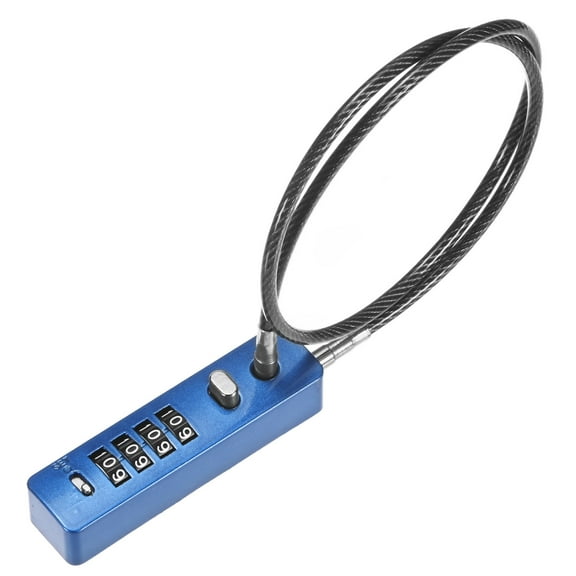
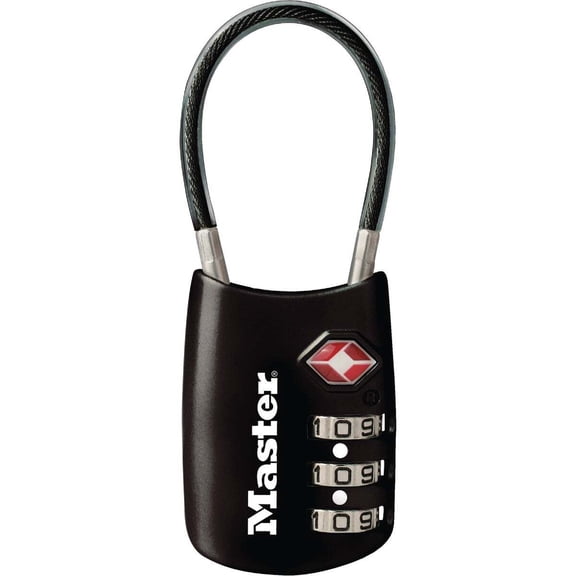
If you travel, you can look for compact locks or stoppers that fit luggage without taking much room. If you manage a workspace, you may compare commercial-focused hardware with straightforward installation and repeated daily use.
You can also match niche products to specific layouts, including a hardstop blocker for certain door positions. You may even compare a metal hand stop when you need a compact part for controlled door placement.
When you compare compatibility, installation, and material together, you can choose door security that fits your space with less trial and error. You’ll end up with hardware that supports everyday access while adding a more dependable barrier.