

Cocoa Powder in Hot Cocoa








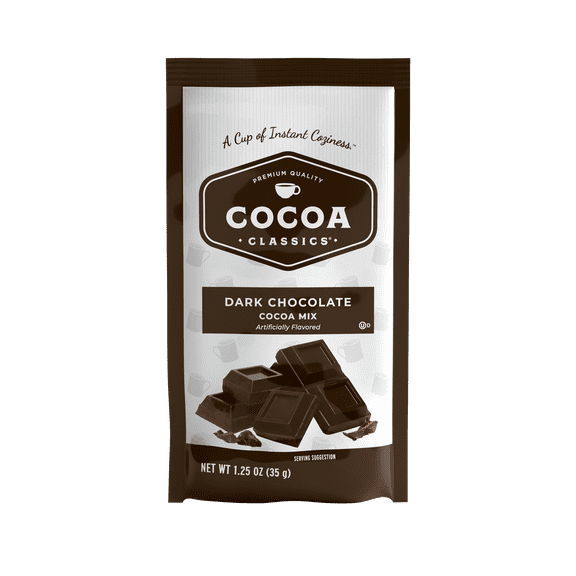
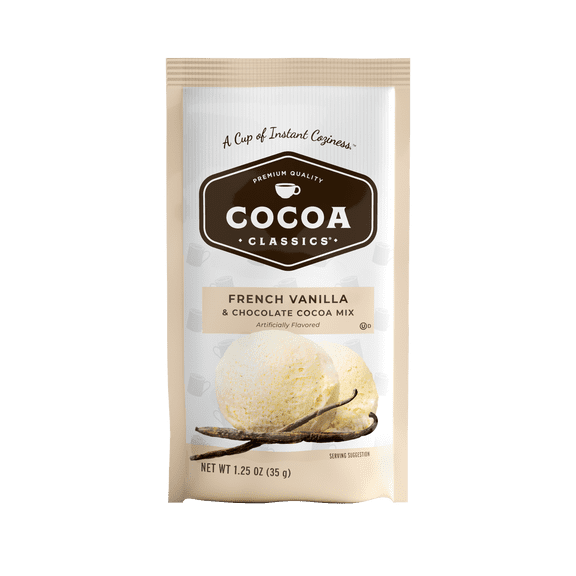
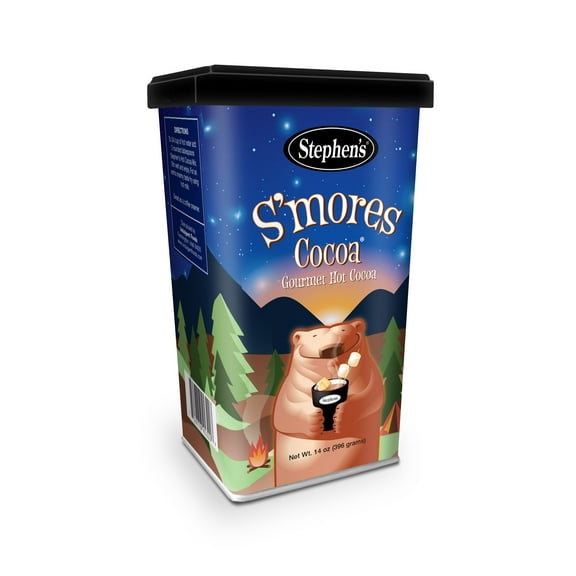

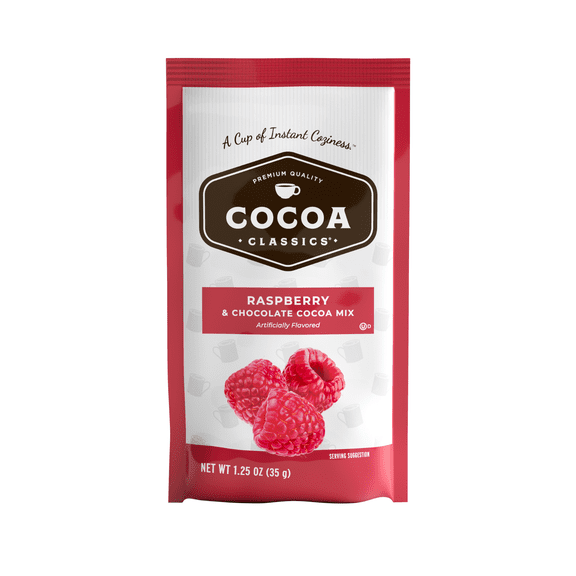








About Cocoa Powder in Hot Cocoa - Walmart.com
Cocoa powder helps you shape richer chocolate flavor in cakes, brownies, and drinks. You can compare natural, Dutch-processed, unsweetened, and organic options for recipe-specific results.
When you choose the right type, you can guide color, taste, and texture with less guesswork. You can also match pantry staples to everyday baking, holiday desserts, and warm cocoa mugs.
Choosing the right cocoa powder
You should start with process type, because baking chemistry changes your final result. You’ll notice natural cocoa powder tastes brighter, while dutch processed cocoa powder tastes smoother and looks darker.
If your recipe uses baking soda, you should check whether natural cocoa fits the formula. If your recipe uses baking powder, you may prefer Dutch-processed cocoa for a mellower chocolate note.
You can also compare sugar content before you bake or mix drinks. You’ll usually want unsweetened cocoa powder for baking, because you can set sweetness with your own sugar or sweetener.
Sweetened options can suit quick cocoa drinks when you want fewer mixing steps. You may also like dark cocoa powder or black cocoa when you want a deeper color in sandwich cookies or bold frostings.
- You can fine-tune flavor by choosing natural, Dutch-processed, dark, or black cocoa.
- You can set sweetness more precisely with unsweetened cocoa powder.
- You can match certifications like organic or gluten-free to your pantry preferences.
- You can create richer texture by comparing cocoa fat content on the label.
Dutch-processed vs. natural cocoa powder
You should compare alkalization first when recipes seem very specific about cocoa type. You’ll find Dutch-processed cocoa powder has reduced acidity, which gives you a smoother taste and darker appearance.
Natural cocoa keeps its sharper profile, so you can get a classic, bold chocolate flavor. You may also see stronger lift in recipes designed around baking soda and natural cocoa.
If you bake layer cakes, brownies, or chocolate cookies often, you should keep both styles on hand. You can use natural cocoa for classic crumb and Dutch-processed cocoa for darker batters and gentler flavor.
You should also check the label for baking cocoa powder wording and ingredient simplicity. You’ll often prefer shorter ingredient lists when you want dependable results in scratch recipes.
What to look for in unsweetened cocoa powder
You should look at sugar content next, because it changes how flexible the cocoa is. You’ll get precise recipe control with unsweetened cocoa powder in cakes, muffins, frostings, and homemade hot chocolate.
If you make smoothies, overnight oats, or no-bake treats, you may want unsweetened options too. You can add maple syrup, cane sugar, or sugar substitutes based on your own taste.
You should also compare fat content when you want richer chocolate character. You’ll notice higher fat cocoa often gives you fuller flavor, smoother mixing, and a richer texture in batters.
Lower fat options can still work well when you want lighter pantry basics for frequent baking. You should read the label carefully if your recipe developer recommends a certain cocoa percentage.
Comparing dark cocoa powder and organic cocoa powder
You can narrow your choice by cocoa type and pantry preferences after process and sugar content. You’ll often choose dark cocoa powder when you want a deeper shade and more intense chocolate presence.
Black cocoa can give you dramatic color in wafers, cookies, and dark icings. You should use it thoughtfully, because a little can shift both color and flavor very quickly.
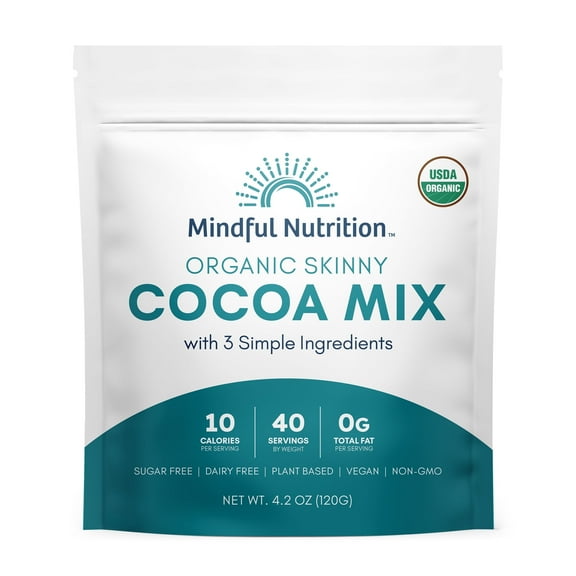
If ingredient sourcing matters in your kitchen, you can look for organic cocoa powder and labeled certifications. You may also check for non-GMO or gluten-free labeling when those details matter for shared meals.
You should compare package size too, especially if you bake often during holiday seasons. You can keep smaller containers for occasional cakes or larger bags for steady brownie and cookie batches.
How you can use baking cocoa powder every day
You can use cocoa powder far beyond a single cake recipe. You’ll stir it into brownies, chocolate muffins, homemade pudding, frostings, and pancake batter for deeper chocolate flavor.
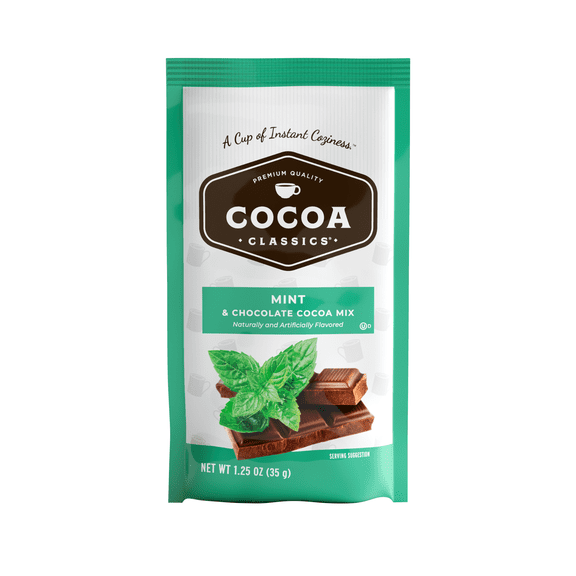
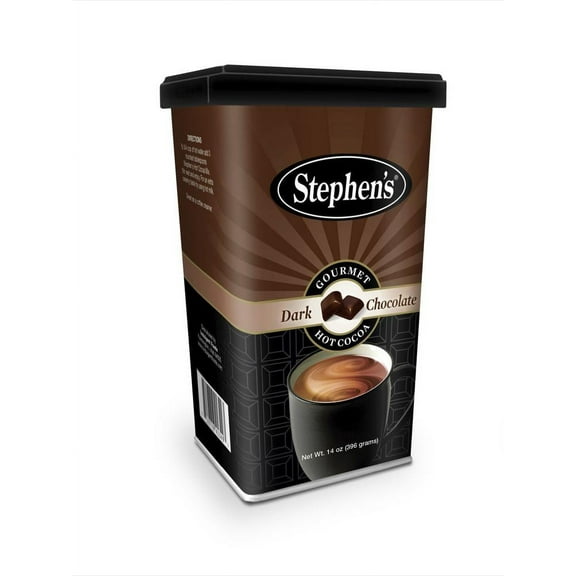
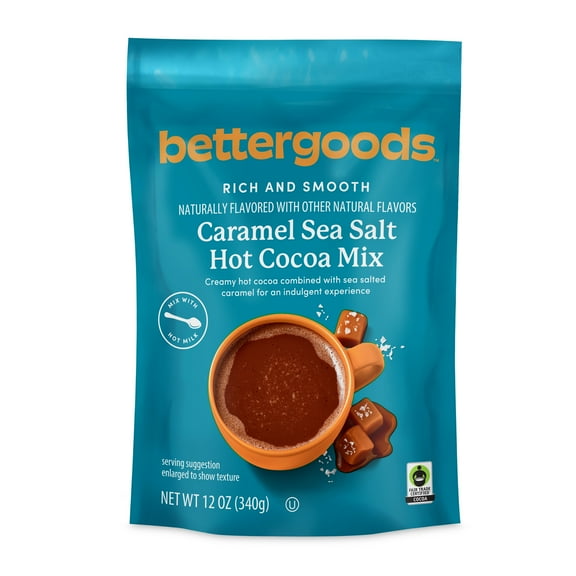
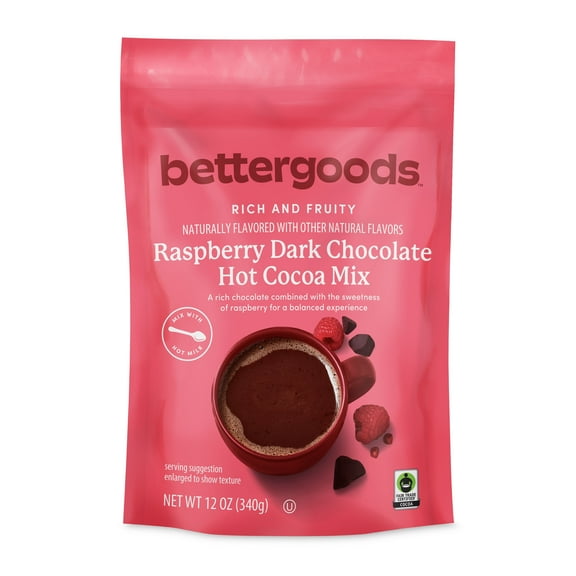
For beverages, you can whisk hot cocoa powder or unsweetened cocoa into milk or plant-based drinks. You may also blend it into coffee drinks when you want mocha flavor without syrup-heavy sweetness.
If you make seasonal desserts, you can use cocoa powder for baking cookies, yule logs, and chocolate crinkle dough. You’ll also find it useful for dusting tiramisu-style desserts or finishing truffles.
You can even add a spoonful to chili, spice rubs, or mole-inspired sauces for savory depth. You should keep the process type in mind, because natural and Dutch styles can taste different in cooked dishes.
With the right cocoa powder, you can match your recipes more closely and get steadier chocolate flavor. You’ll feel more confident choosing natural, Dutch-processed, unsweetened, dark, or organic options for every batch.